Custom round labels are used in apparel packaging because they make a package feel finished without adding complexity. On tissue, folded shirts, wrapped bundles, and polybags, a circle reads cleanly and usually fits the surface better than a label with corners.
The practical value is simple: the right label should print clearly, stick to the intended surface, and arrive without creating avoidable proof changes or reprints. Buyers usually save money by getting the spec right early, not by chasing the lowest unit price after the order is already moving.
“A small label can do serious work if the material, adhesive, and size are chosen for the surface it will actually touch.”
Why Round Labels Work So Well on Apparel
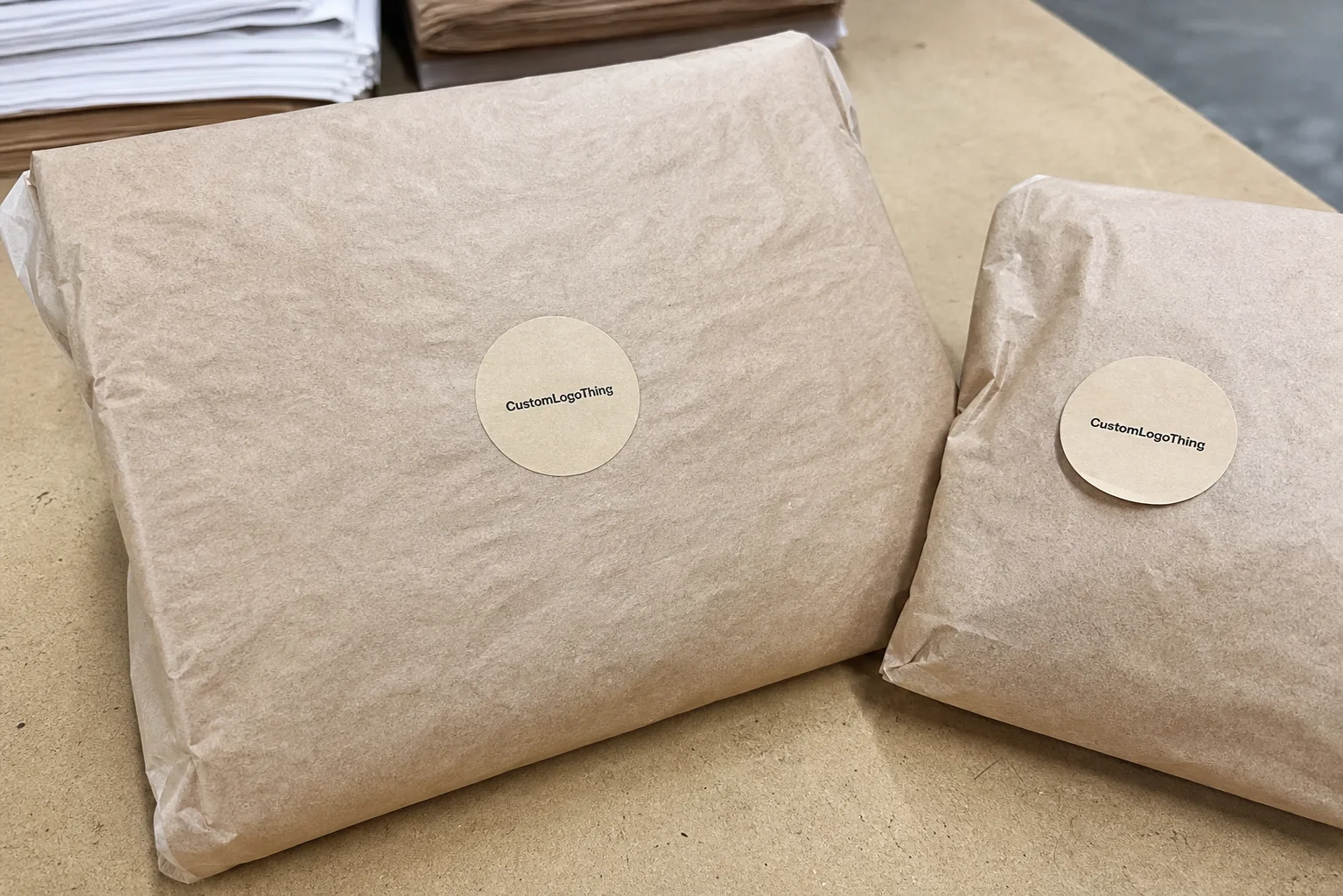
Round labels fit apparel packaging because they look intentional on folded, layered, or softly curved surfaces. A circle naturally centers itself on tissue seams, garment stacks, and bag flaps, so the result often feels cleaner than a rectangular sticker placed on the same surface.
They also solve a functional problem. A round label can hold a tissue overlap or close a polybag without looking bulky. That matters when the goal is to keep packaging neat while avoiding extra components that slow packing or add cost.
The shape is especially useful for brands that want a simple, premium look. A round label can carry a logo, a short line of copy, or a seasonal message without fighting the garment or the package structure. When the artwork is disciplined, the label becomes part of the packaging system instead of a separate decoration.
There is also a consistency advantage. One diameter might be used for tissue seals in ecommerce packaging, while a larger version works for retail bundles or event kits. If the logo and spacing are designed correctly, the same visual identity can move across those uses with only a size or finish change.
How Custom Round Labels Are Built
Every pressure-sensitive label has four core parts: face stock, adhesive, liner, and finish. If any one of them is mismatched to the application, the order gets harder to use even when the print looks fine. The face stock carries the graphic. The adhesive controls hold. The liner supports dispensing. The finish affects appearance and sometimes durability.
Paper is usually the first material buyers consider for apparel packaging. Uncoated paper is common for dry, indoor uses like tissue seals and short-term closures. Coated paper gives a smoother print surface and tends to hold small type better. Film stocks, such as polypropylene, are a better fit when labels may face handling, humidity, or shipping abrasion. They cost more, but they also resist scuffing more effectively.
Print method affects both cost and flexibility. Digital printing is usually the practical choice for smaller runs, multiple SKUs, or artwork that changes often. It keeps setup friction low and makes proofing easier. Larger fixed orders may benefit from long-run methods, but only when the volume justifies the setup and the timeline can support it.
Finish changes the way the label feels and reads in hand. Matte is quieter and often suits minimalist or premium packaging. Gloss increases contrast and makes color feel stronger. Soft-touch adds a more tactile look, but it also adds cost and is rarely necessary for a simple tissue seal. If the label only needs to close a bag or hold folded tissue together, the finish should support that function rather than compete with it.
If sustainability is part of the brief, ask for the actual certification or material specification. FSC-certified paper is a defined standard, not a general claim, and it matters when the brand needs documentation. You can review certification standards through FSC.
Brands ordering Custom Labels & Tags or broader Custom Packaging Products should keep the label spec aligned with the rest of the package system. When the box, tissue, sticker, and tag are built from different assumptions, the finished kit often looks disconnected.
Cost, MOQ, and What Drives Price
Price is driven by a few variables: size, quantity, stock, finish, adhesive, and setup complexity. Add specialty inks or unusual surface requirements and the cost moves again. A 1.5-inch paper label with simple artwork is not comparable to a 3-inch film label with removable adhesive and a premium finish.
MOQ matters because it changes the balance between convenience and inventory risk. Small quantities are easier to approve for seasonal packaging or short runs, but the unit price is higher because proofing and setup are spread across fewer pieces. Larger runs lower unit cost, but they create risk if the design changes, the promotion ends, or the product line shifts.
| Option | Typical Use | Common Unit Cost Range | Best Fit |
|---|---|---|---|
| Standard paper, digital print | Tissue seals, short promo runs | $0.04-$0.12 each at modest quantities | Simple artwork, lower risk, fast turnover |
| Coated paper, matte or gloss | Retail packaging, folded apparel bundles | $0.06-$0.15 each | Cleaner print, more polished presentation |
| Film stock, pressure-sensitive | Polybags, shipping touchpoints, handling-heavy packs | $0.08-$0.20 each | Better resistance to scuffing and humidity |
| Special finish or specialty adhesive | Premium launches, unusual surfaces | $0.12-$0.30+ each | Performance requirement, not just appearance |
Those ranges are useful, but they are not the full landed cost. Freight, proof charges, rush fees, and reprint risk can change the total quickly. A quote that looks efficient on screen may become expensive once the order is in motion.
Artwork complexity also changes price. Heavy coverage, metallic effects, and tight registration put more pressure on production. Sometimes the issue is not whether a supplier can print the job, but whether the extra effect is actually necessary for the packaging application.
For brands ordering other packaging pieces alongside labels, such as custom printed boxes, it helps to align the sourcing window. That does not mean forcing everything into the same spec. It means keeping the label order coordinated with the rest of the packaging kit so it is not treated as an afterthought.
Turnaround, Proofing, and Production Flow
The production sequence is straightforward: artwork review, digital proof, approval, printing, cutting, inspection, packing, and shipping. Delays usually come from missing information or late changes, not from the process itself. If the file is incomplete, the order slows down before it reaches production.
For standard digital work, a realistic turnaround is often 5 to 8 business days after proof approval when the artwork is clean and the material is standard. Specialty finishes, specialty adhesives, and larger quantities usually take longer, often 10 to 15 business days or more. Shipping is separate from production, so the deadline should include transit time.
The most common schedule problems are basic. Low-resolution logos. Missing bleed. Tiny type that becomes unreadable once the circle is cut. Color notes written as guesses instead of specifications. Last-minute copy changes after a proof has already been approved. None of those issues are rare, but they are preventable.
Packaging also needs to survive transit. If the labels are part of a launch kit or seasonal shipment, ask how they will be packed and whether they need extra protection. The International Safe Transit Association provides useful guidance on shipping performance and package testing at ISTA. That matters when labels are being shipped flat, rolled, or grouped with other packaging materials.
Planning backward from the launch date is usually the safest approach. Leave time for proof review, corrections, production, and delivery. A two-day buffer is tight. A week is safer, especially when the label is one part of a larger packaging rollout.
Specs That Affect Performance
Diameter is the first spec to settle. A 1-inch circle can work for a simple seal or a small brand mark. Once the label needs a logo, a short message, or a QR code, 2 to 3 inches is usually more practical. If the type feels cramped or the logo loses breathing room, the circle is too small for the content.
Legibility depends on contrast and spacing. Dark type on a light ground usually prints and reads better than thin type over a busy background. A clean outer margin helps because the circular edge already creates a strong visual boundary. The shape is doing some branding work, so the layout should leave room for that.
Adhesive selection depends on the surface and how long the package needs to hold. A removable adhesive makes sense for temporary closures or promo packaging where the label should come off cleanly. A permanent adhesive is better when the label has to stay in place through handling and shipping. Textured, dusty, cold, or coated surfaces can change the result enough that testing becomes important.
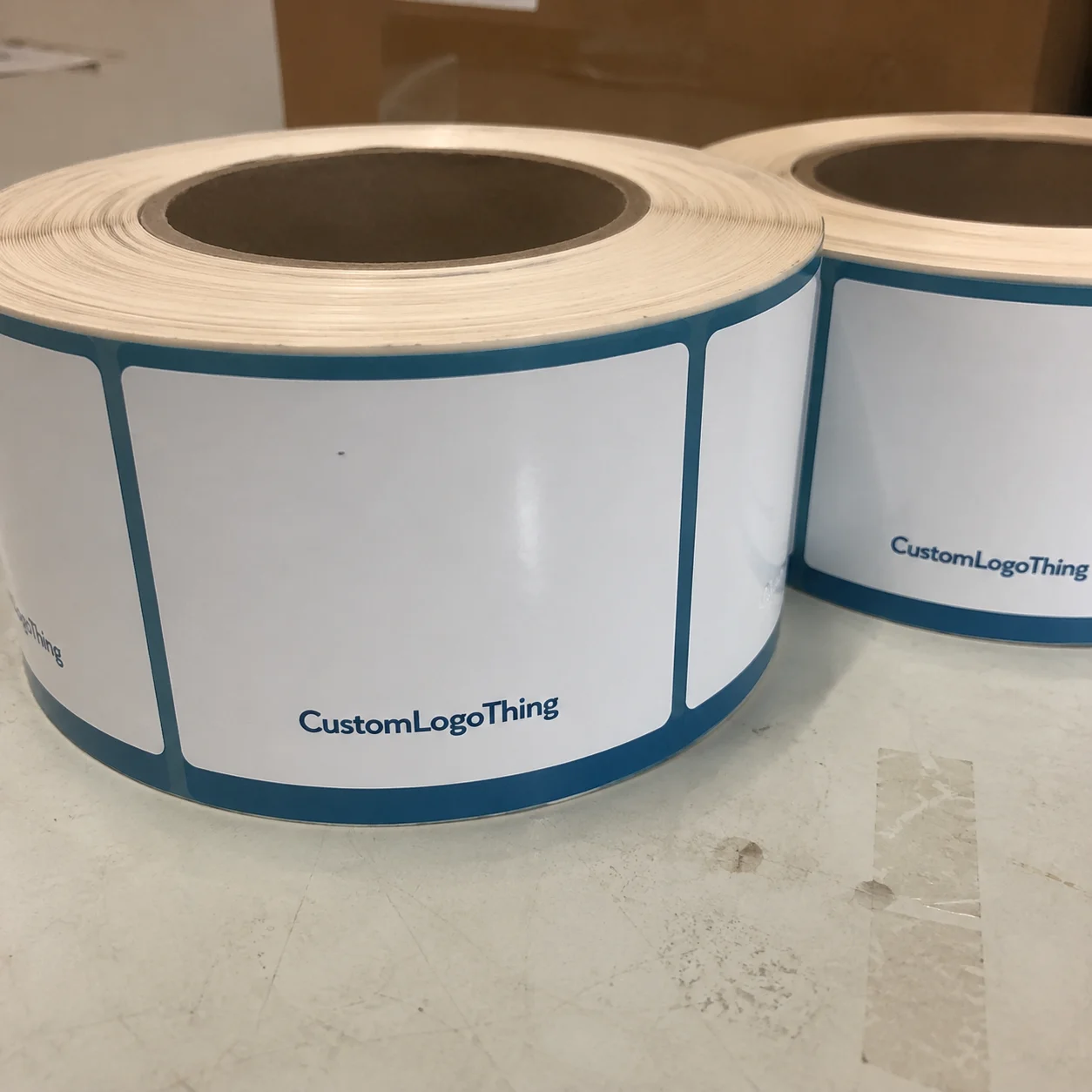
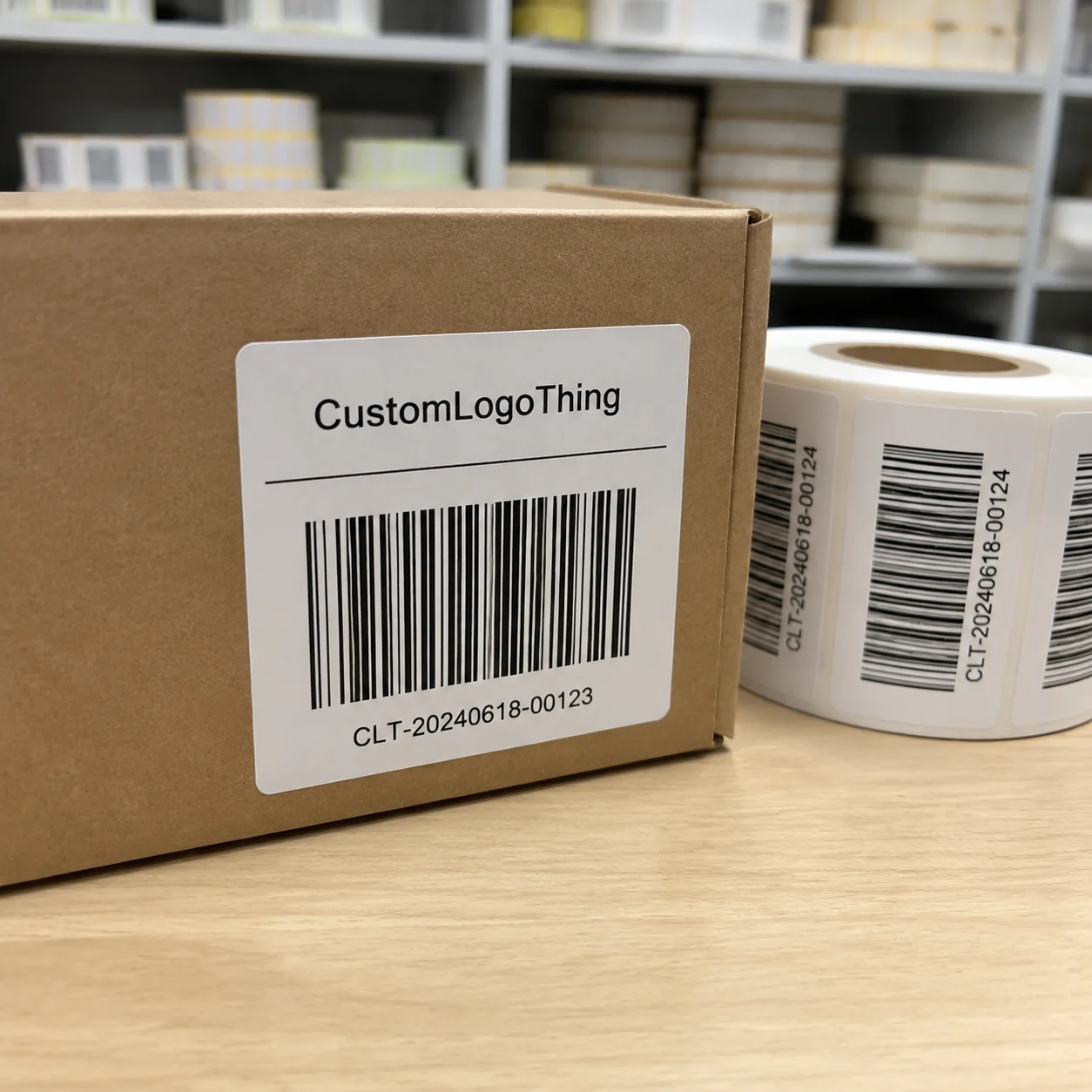
Format matters as well. Rolls are better for faster application, dispensers, and fulfillment lines that move at volume. Sheets are easier for hand application, sample kits, and short-run packing. If the labels are going to a warehouse or third-party fulfillment team, ask how they want them packed before production starts.
The decision order should usually be:
- Surface first - tissue, polybag, carton, fabric wrap, or tag.
- Adhesive second - removable, permanent, or specialty.
- Material third - paper, coated paper, or film.
- Finish fourth - matte, gloss, or soft-touch.
- Quantity last - because buying volume before the spec is right only magnifies mistakes.
That order keeps the discussion focused on performance instead of appearance alone. A label can look good in a proof and still fail on the actual pack-out surface if the adhesive or stock was chosen too casually. For apparel packaging, that is usually where the most expensive mistakes begin.
Ordering Mistakes That Lead to Reprints
The most common mistake is trying to force a square design into a round format. That creates dead space, cramped edges, or a logo that floats in the center without enough structure around it. Custom round labels work best when the artwork is built for the circle from the start.
Surface mismatch is another recurring problem. A label that performs well on kraft tissue may lift from a coated mailer, a dusty carton, or a textured garment bag. That is not always a defect in the label. It is often a mismatch between the adhesive and the substrate, which is why real-surface testing matters.
Under-ordering causes its own set of problems. Brands often only plan for the current drop and ignore what happens if a batch is damaged, a promotion expands, or the packaging changes. Ordering exactly enough for one shipment can look efficient, but it usually increases the chance of a rush reorder later.
Proof approvals can also create risk. A mockup on screen will not show whether the type is too small at actual size or whether the finish changes how the color reads in hand. It also will not reveal how the label behaves on a soft, curved, or textured surface. If the project is not straightforward, a physical sample is often worth the extra step.
The final mistake is ignoring the rest of the packaging system. If the label looks premium but the mailer does not, the package feels mismatched. If the tissue, insert, tag, and box all speak one visual language but the label does not, the inconsistency stands out immediately. The components do not need to be identical, but they should feel like they belong to the same product line.
What to Send for an Accurate Quote
A clear quote starts with clear inputs. Send the exact diameter, quantity, material preference, finish, adhesive type, and the surface the label will touch. If the labels are going on tissue, polybags, cartons, or garment tags, say that up front. “For clothing packaging” is too broad to be useful on its own.
Artwork matters just as much. Vector files are best for logos and text. If the design is raster, it should be high enough resolution for the final print size. Include final copy, not placeholder language. If the brand has color standards, send them. A PMS reference or a clearly defined CMYK target reduces guesswork and keeps the label aligned with the rest of the packaging.
A practical sequence keeps the project from drifting:
- Choose the surface.
- Choose the adhesive.
- Choose the material and finish.
- Set the size based on the art.
- Lock the quantity after the spec is realistic.
If the best option is not obvious, compare two or three realistic builds instead of asking for a long list of speculative variations. A sample label can settle a lot of debates, especially when the choice is between paper and film or between matte and gloss. For most apparel packaging programs, that is enough to turn the spec into a controlled order.
For teams building a broader packaging lineup around Custom Packaging Products, this is also the moment to check consistency across the full kit. Labels, tags, tissue, mailers, and inserts should feel like one system.
Are custom round labels better than square labels for clothing packaging?
Usually, yes, when the job is sealing tissue, closing a bundle, or creating a clean branded mark on soft packaging. Round labels tend to look more natural on folds and curved surfaces because the shape feels intentional. Square labels can hold more copy, but circles often suit apparel packaging better when the goal is a neat seal rather than a block of information.
What size custom round labels work best for apparel bags and tissue?
Most apparel packaging works well between 1.5 and 3 inches in diameter. Smaller sizes suit simple seals and minimal logos. Larger sizes give more room for a logo, a short message, or a QR code. If the text has to shrink too much, the diameter is too small for the design.
How much do custom round labels cost at low quantities?
At low quantities, the unit cost is higher because setup and proofing are spread across fewer labels. A simple paper label is usually the most economical route, while film stock, specialty finishes, and custom adhesives raise the price. The fastest way to manage cost is to keep the size moderate, the material standard, and the finish simple unless the application truly needs more.
How long does turnaround usually take for custom round labels?
Simple orders often move in about 5 to 8 business days after proof approval. Specialty materials, extra finishes, and larger runs usually take longer, often 10 to 15 business days or more. If the labels are tied to a launch date, build in extra time for proof edits and shipping.
Should custom round labels come on rolls or sheets?
Rolls are better for faster application, dispensers, and higher-volume packing lines. Sheets are easier for short runs, sample kits, and manual application in small batches. If a fulfillment team is handling the labels, ask which format they prefer before production starts.
Custom round labels carry more visual weight than their size suggests. If the surface, adhesive, size, and finish are chosen for the real application, they improve apparel packaging without adding unnecessary cost. If those details are rushed, the reprint and the delay usually cost more than the label itself.