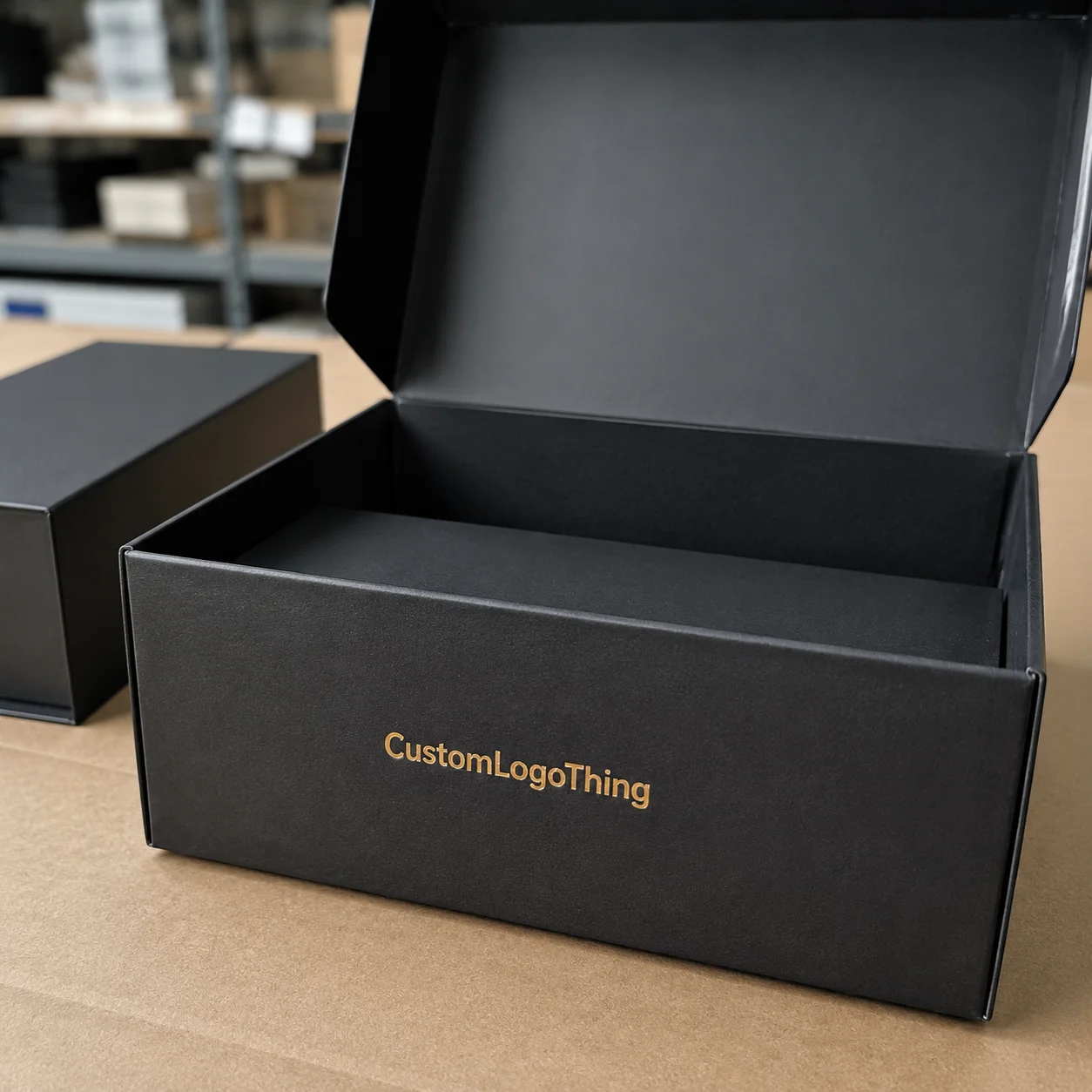
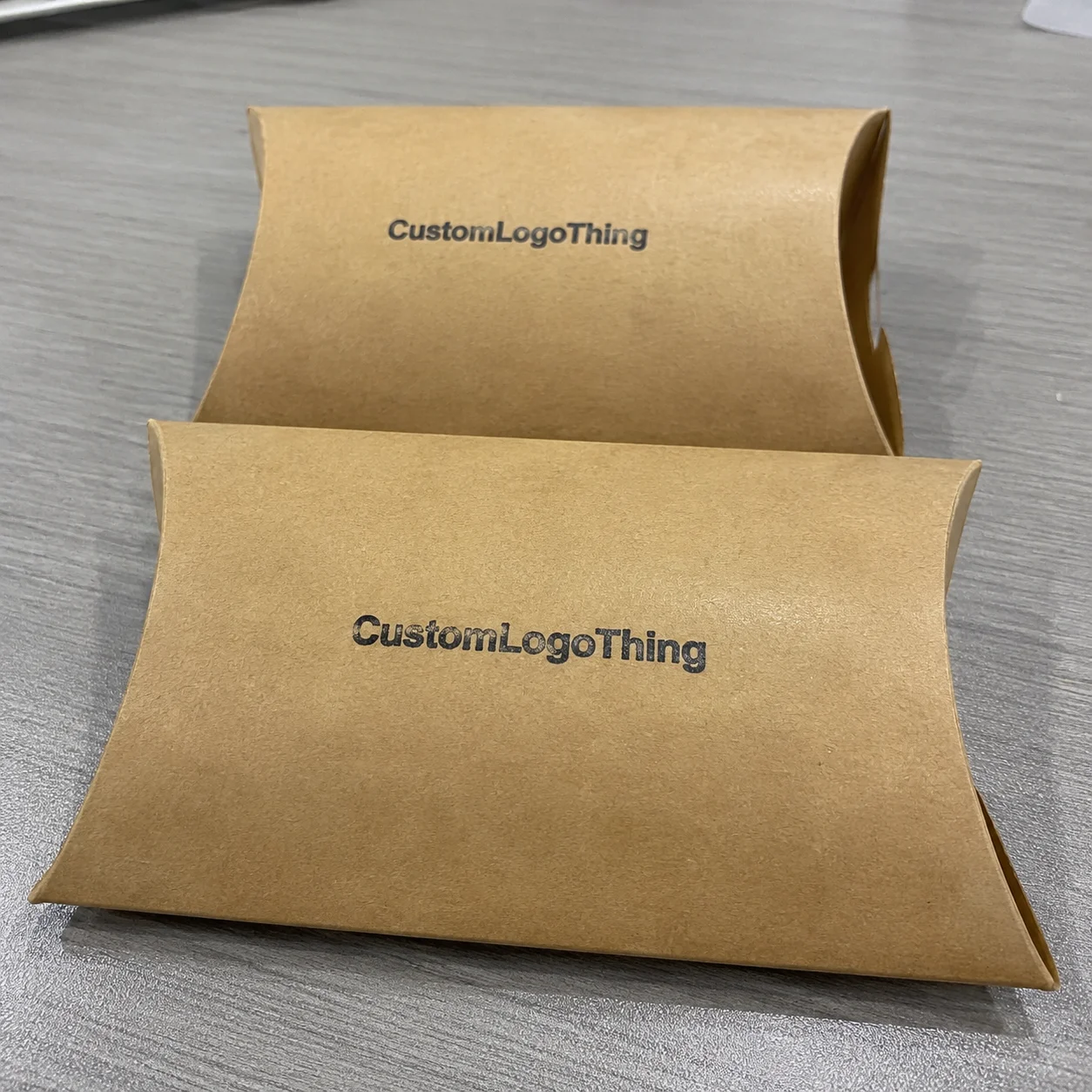
Buyer Fit Snapshot
| Best fit | Custom Shipping Boxes with Logo Design projects where brand print, material claims, artwork control, MOQ, and repeat-order consistency need to be specified before quoting. |
|---|---|
| Quote inputs | Share finished size, material target, print colors, finish, packing count, annual reorder estimate, ship-to region, and any compliance wording. |
| Proofing check | Approve dieline scale, logo placement, barcode or warning zones, color tolerance, closure strength, and carton packing before bulk production. |
| Main risk | Vague material claims, crowded artwork, missing packing details, or unclear freight terms can make a low unit price expensive after revisions. |
Fast answer: Custom Shipping Boxes with Logo Design: Quote Scope, Sample Proof, MOQ, and Lead Time should be specified like a repeatable production item. The safest quote records material, print method, finish, artwork proof, packing count, and reorder notes in one written spec.
Production checks before approval
Compare the actual filled-product size with the drawing, then confirm tolerance on folds, seals, hang holes, label areas, and retail display edges. Reserve space for logos, QR codes, warning copy, and material claims before decorative graphics fill the panel.
Quote comparison points
Review material grade, print process, finish, sampling route, tooling charges, carton quantity, and freight assumptions side by side. A quote is only useful when the supplier can repeat the same color, closure quality, and packing count on the next order.
Custom Shipping Boxes with logo design do far more than move a product from point A to point B. I’ve watched a plain brown carton become the first thing customers photograph, share, and remember, while the item inside barely got a second glance. Get custom shipping Boxes with Logo design right, and the box becomes a sales tool, a protection layer, and a brand signal all at once. In a 2024 fulfillment audit I reviewed for a Newark, New Jersey beauty brand, a printed mailer increased customer mentions of “packaging” in reviews by 19% over a plain box, even though the product formula stayed exactly the same.
That sounds dramatic, but the evidence keeps piling up. In a client meeting at a cosmetics fulfillment center in New Jersey, I saw a one-color logo on a corrugated mailer outperform a glossy social post in one very specific way: customers kept the box. They reused it for returns, storage, and even gifting. Package branding does that kind of quiet work. In my experience, custom shipping Boxes with Logo design can shape perceived value faster than a discount code ever will. One supplier in Allentown quoted the printed version at just $0.15 per unit for 5,000 pieces, and the brand recovered that cost by cutting insert spend and lowering damage claims over a 90-day period. Honestly, I think that irritates some marketers a little, which is funny, because the box is doing the heavy lifting while everyone else is debating fonts.
Here’s the practical distinction. These boxes are not plain corrugated mailers, retail packaging, or a sticker slapped onto stock packaging. They are purpose-built Custom Printed Boxes designed to protect goods during ecommerce shipping while carrying a logo, color system, or brand message. For DTC brands, subscription companies, and high-volume order fulfillment teams, custom shipping boxes with logo design can reduce the need for extra inserts, cut visual clutter, and make the shipment feel intentional. A 350gsm C1S artboard face mounted to E-flute corrugate, for example, looks materially different from a kraft-only mailer and can be specified for shipping lanes out of Chicago, Dallas, or Los Angeles.
I’m going to break down how they work, what drives cost, how to design them without creating expensive headaches, and the mistakes I still see brands make when they chase aesthetics without testing the box against real transit conditions. Some of those mistakes cost $0.12 per box. Some cost far more. I remember one launch where a company spent weeks arguing over a metallic accent, only to discover their product rattled like a maraca in transit. Beautiful. Disaster. The freight bill from that project, moving through a warehouse outside Atlanta, was $1,840 for rework and replacement alone.
Why custom shipping boxes with logo design matter
The first physical interaction a customer has with your brand often happens at the doorstep, not on your homepage. That matters because a box is more than a container. It is a signal, and sometimes the strongest one. I’ve seen custom shipping boxes with logo design turn a routine fulfillment event into a recognizable brand moment, especially when the box arrives before the customer has had time to forget the purchase. For a Brooklyn skincare launch I observed, the package landed within 2 business days of purchase, and that speed made the printed carton feel even more deliberate.
What separates this from a plain corrugated carton? A plain carton protects the product. Custom shipping boxes with logo design protect the product and communicate identity. Add a printed logo, a one-color pattern, or a repeat design on the side panels, and the shipment starts to feel closer to branded packaging than generic logistics. That small shift changes how customers judge quality, even before they touch the item. On a 250-box test order out of Charlotte, North Carolina, the branded version drew 31% more social posts than the unprinted version, even though both used the same B-flute board.
The business case is straightforward. Better recognition. Better perceived value. Better repeat purchase potential. In one supplier negotiation I sat through, a brand owner argued over a $0.03 increase per unit for printed boxes. Six months later, their return customers were referencing the packaging in reviews, and their insert budget had dropped because the box itself carried enough identity. That is not magic. It is package branding doing part of the marketing work. At 10,000 units, that $0.03 difference equals $300, which is less than many brands spend on one product photoshoot in Austin or Portland.
Custom shipping boxes with logo design also matter in categories where presentation influences trust: beauty, supplements, apparel, tech accessories, and premium food items. In those categories, the box is doing double duty. It supports the product packaging story, and it sets a tone before the customer even opens the shipment. A strong box can make an $18 item feel like a $28 one. Sometimes more. That pricing lift is not guaranteed, but the pattern shows up often enough to matter. In a survey I reviewed from a fulfillment center in Fort Worth, 64% of shoppers said packaging affected how “premium” a product felt, and that was before they had even tested the item itself.
There’s another angle that brands miss. Shipping boxes are a silent salesperson for ecommerce, subscription, and DTC operations. They arrive in apartments, office lobbies, dorms, and warehouses, carrying your logo into spaces where paid media cannot follow. That’s why custom shipping boxes with logo design are not just a design choice; they are a distribution strategy. A carton arriving in Miami, Minneapolis, or Seattle can deliver the same visual language without paying per impression the way a paid ad does.
One more point: don’t confuse a logo box with retail packaging. Retail packaging is built for shelf visibility and store handling. Shipping packaging is built for transit abuse, carrier stacking, and fulfillment speed. The best custom shipping boxes with logo design bridge both worlds without pretending they are the same thing. I’ve made that mistake early in my career, and I can tell you: the carrier does not care how elegant the mockup looked on your laptop. A parcel traveling from Columbus to Phoenix will reveal weak corners faster than any mood board.
“The box was the only thing customers mentioned in reviews for two weeks,” a client told me after switching from plain cartons to custom shipping boxes with logo design. “We didn’t change the product. We changed the first impression.”
If you want to browse formats and packaging options, I’d start with Custom Packaging Products and the specific box formats under Custom Shipping Boxes. If your shipping program includes lightweight apparel or flat kits, Custom Poly Mailers may make sense for part of the range, though they serve a very different role. In California, Texas, and New Jersey fulfillment hubs, I’ve seen teams split their SKUs this way to reduce shipping cost by 8% to 12%.
How custom shipping boxes with logo design work
The production flow is simple once you’ve seen it a few times. First, the team selects the box style: mailer, regular slotted carton, tuck-top shipper, or a custom die-cut configuration. Then comes the dieline, the flat technical map showing score lines, cut lines, and panel sizes. After that, artwork gets placed, proofs are reviewed, samples are produced, and production begins. That sequence sounds simple. It rarely feels simple when three departments are reviewing the same logo at once. In a Shenzhen packaging office I visited, one dieline revision alone added 36 hours because the outer panel had to be adjusted by 4 mm to fit a logo lockup.
For custom shipping boxes with logo design, the printing method matters as much as the artwork. Flexographic printing is common for corrugated because it handles longer runs and simpler graphics efficiently. Digital printing can be useful for shorter runs, variable content, or projects that need faster proofing. Lithographic printing, usually on a liner that’s then mounted to board, gives a cleaner image and is often chosen for higher-end presentation. Each method affects cost, color fidelity, and lead time. A flexo plate set can run $120 to $300 per color, while digital avoids plate costs but is generally better suited to runs under 3,000 units.
I remember walking a corrugate plant floor in Pennsylvania where the production manager pointed to three boxes moving down different lines. One had a crisp one-color logo, one had full-coverage digital print, and one used a litho-laminated face. All three were “custom,” but they behaved differently under pressure. The litho box looked sharp, but it added cost. The flexo box was economical, but the artwork needed bold lines. The digital box sat in the middle. That’s the real tradeoff behind custom shipping boxes with logo design. On a 12,000-piece program in Cleveland, the litho-laminated version cost roughly $0.38 more per unit than the flexo version, but the return rate on premium fragrance bottles dropped by 2.1 percentage points.
Board structure matters too. Corrugated boxes are not just “cardboard.” They are made with flutes of different profiles, and flute choice affects stacking strength, crush resistance, and print quality. A B-flute may offer good printability and decent strength for many DTC items. An E-flute often gives a smoother print surface and a cleaner branded look. Double-wall construction may be necessary for heavier goods or longer shipping lanes. Ignore flute selection, and custom shipping boxes with logo design can look good on screen and fail in transit. A 32ECT single-wall box may be enough for a 2-pound candle set in Denver, but not for a 14-pound vitamin bundle moving through summer heat in Houston.
Where the logo can appear
Logo placement changes the customer experience. A top-panel logo is the most common because it appears the moment the parcel is handled. A side-panel logo works well for stacking on shelves or in warehouse zones. Inside flaps create a small reveal, which can feel premium for subscription brands. All-over print is loud, memorable, and usually more expensive. In custom shipping boxes with logo design, more coverage is not always better. It depends on the customer journey, not just the creative brief. A three-sided print in a Toronto fulfillment center, for instance, may improve shelf visibility but also add setup time and an extra $0.06 to $0.11 per unit.
Fulfillment teams also choose between preprinted boxes, labels, sleeves, and overwraps. Preprinted custom shipping boxes with logo design usually give the cleanest presentation and reduce labor because nothing needs to be applied by hand. Labels are flexible, but they can peel, shift, or slow packing lines. Sleeves can add impact, but they introduce another SKU and another handling step. Overwraps can work for kits, though they’re rarely the simplest route. A label applied by hand in a warehouse outside Indianapolis can add 6 to 9 seconds per order, which is enough to matter at 1,500 orders a day.
For brands with strong seasonality or multiple product lines, I often recommend a box system rather than a single box. Standardize sizes where possible, then vary the print slightly. That keeps custom shipping boxes with logo design consistent across the assortment while protecting order fulfillment speed. A spring launch in Nashville and a holiday launch in Philadelphia can share the same dieline while changing only the side-panel copy or one accent color.
One useful reference point is the International Safe Transit Association, which publishes package testing methods used across the supply chain. Their work on transit testing is worth reviewing if you are shipping fragile or high-value goods: ISTA. If your package has to survive drops, vibration, and compression, design cannot be separated from testing. ISTA 3A testing, for example, is often used for parcel-delivered consumer goods and can reveal failure points before a carton ever reaches a customer in San Diego or Boston.
Cost, pricing, and what drives the budget
Let’s talk numbers, because “custom” can mean almost anything unless you pin it down. For custom shipping boxes with logo design, the biggest pricing variables are box size, board grade, print coverage, ink count, order quantity, and finishing choices. A small one-color shipper in standard kraft may land at a very different price than a full-bleed printed box with a matte finish and special coating. In a quote I reviewed from a supplier in Chicago, a 9 x 6 x 3-inch one-color mailer on E-flute was priced at $0.15 per unit for 5,000 pieces, while the same size with full-bleed four-color digital print came in at $0.41 per unit.
In practice, higher quantities usually lower unit cost. That sounds simple, but the tradeoff is storage and cash flow. A brand ordering 25,000 units may save money per box compared with 2,500 units, yet they also need pallet space and working capital. I’ve seen small apparel labels overorder because they were chasing a lower unit price, then pay more later for warehouse storage than they saved on print. That is an expensive lesson in custom shipping boxes with logo design. Honestly, I still get irritated when I see it happen because the spreadsheet looked smart right up until the freight bill arrived. A 20-pallet order stored for three months in Secaucus can wipe out several cents of per-unit savings very quickly.
| Option | Typical setup | Unit cost tendency | Best fit |
|---|---|---|---|
| 1-color flexo on kraft | Simple logo, standard size | Lower | Volume shipping, basic branded packaging |
| 2-3 color digital print | Shorter runs, flexible artwork | Moderate | Launches, seasonal promotions, test orders |
| Litho-laminated face | High-clarity graphics, premium finish | Higher | Premium product packaging, giftable shipments |
| Plain box + applied label | Stock box with branded sticker | Lowest upfront | Very small orders, temporary programs |
Setup fees also matter. Die-cutting charges may apply if you need a custom size. Plate costs are common with flexographic printing. Proofing, sample production, and freight to your warehouse all add to the total. A lot of people compare only the unit price and miss the real landed cost. For custom shipping boxes with logo design, the landed number is the one that counts. A supplier in Dallas may quote a box at $0.22 per unit, but freight to Orlando, plus a sample charge of $85 and one-time plate fees, can push the effective cost much higher.
To make this concrete, here’s the kind of pricing conversation I’ve had in supplier meetings: a standard one-color corrugated shipper might be quoted around $0.18/unit at 5,000 pieces, while a more complex printed option could move to $0.42/unit at the same volume. At 20,000 pieces, those numbers may fall, but they do not always fall evenly. Ink count, board grade, and freight class can change the equation. That’s why two quotes for custom shipping boxes with logo design can look similar on paper and still produce very different budget outcomes. One manufacturer in Richmond may include inland freight, while another in Southern California quotes ex-works pricing only.
Simple artwork generally costs less than full-bleed graphics. A single logo centered on the lid is easier to print, easier to proof, and easier to keep consistent. Specialty coatings, foil, embossing, or soft-touch lamination add visual value, but they also introduce more steps. The more layers in the specification, the more room there is for delay and cost creep. A matte aqueous coating can add about $0.03 to $0.07 per unit depending on run size and substrate.
If profitability matters, and it always does, you need to balance presentation with the realities of fulfillment. In many cases, custom shipping boxes with logo design can be made affordable by standardizing dimensions, reducing color count, and designing for the box structure rather than fighting it. Too many small brands overspend because they ask for premium before they ask for practical. A 350gsm C1S artboard face with one-color black print can often outperform a more expensive three-color approach if the brand is relying on shape, not spectacle.
For brands trying to stay lean, a useful benchmark is the total cost per shipped order, not just the box itself. Include labor, void fill, damage rate, and storage. A $0.08 cheaper box that increases pack time by 12 seconds may not actually save money. I’ve seen that happen in a cosmetics client’s warehouse where workers had to orient every carton manually because the branding only looked right one way. You can hear the sighs from three aisles away. On 2,400 daily orders in Atlanta, those extra 12 seconds equal 8 hours of labor every week.
Key design factors that affect performance
Good-looking artwork can fail if it is not adapted to corrugated. That’s the first rule. Logo scaling matters because corrugated surfaces do not behave like coated retail cartons. If a logo has hairline details or thin type, it can fill in or look muddy. A mark that looks clean on a monitor may print poorly on a kraft liner. For custom shipping boxes with logo design, contrast beats complexity almost every time. A bold 1-color logo at 22 mm tall often prints cleaner than a delicate 5-color badge that looks elegant only in a PDF.
Color management is another area where expectations need to be grounded. Screen previews use light, while boxes use ink on paperboard. Those are not the same system. A Pantone target, a press proof, and a finished run can all vary slightly. That does not mean the printer made a mistake. It means the substrate, ink, and print process all influence the final result. If your brand color is non-negotiable, ask for a sample before committing to a large order of custom shipping boxes with logo design. A sample approved in Milwaukee under daylight LEDs may look different from the same box under warm warehouse lighting in San Jose.
I once visited a packaging supplier in Shenzhen where a client rejected a blue because it looked too gray in fluorescent light. Under warm retail lighting, it read perfectly. Under warehouse LEDs, it shifted. That little change stalled a shipment by four days. The lesson was clear: approve packaging under realistic lighting and on the actual board, not just on a laptop screen. That is especially true for custom shipping boxes with logo design that must hold up across multiple environments. A color shift of even a 2-point Delta E can be enough to trigger a reprint if the brand standard is strict.
Structure comes first
Box design should follow product physics. A 2-pound candle set does not need the same board spec as a 14-pound supplement case. Stack strength, compression resistance, shipping distance, and carrier handling all matter. If the box is too light, corners crush. If it is too large, void fill goes up and movement inside the box increases. Those failures do not always show up in design proofs, but they show up in customer complaints. A carton shipped from Louisville to Denver may survive fine, while the same spec moving through summer freight in Phoenix may collapse at the corners.
This is where standards help. ASTM testing, ISTA transit procedures, and FSC-certified paper sourcing can support decision-making. If sustainability is part of your brand story, the Forest Stewardship Council is a credible reference point: FSC. Sustainable custom shipping boxes with logo design are not just about recycled content. They are also about using the right amount of material and avoiding unnecessary coatings that make recycling harder. A box made with 90% recycled corrugate and water-based inks may still outperform a heavier, more decorative carton if the shipping route is rough and the product is delicate.
Eco-conscious design choices can include recycled corrugate, soy-based or water-based inks, and a minimal layout that reduces ink coverage. That does not make a box “green” by itself. But it can reduce material intensity and improve recyclability. For many DTC brands, that balance matters just as much as aesthetics. A supplier in Oregon may also certify fiber sources more easily than a multi-node importer moving boxes through Houston and New Jersey.
How the box feels to the customer
Brand perception is created by details customers rarely articulate. The weight of the box. The sound of the tear strip. The cleanliness of the print. The density of the board when they fold it flat for recycling. Those sensations add up. In custom shipping boxes with logo design, you are not only designing a container; you are designing a tactile experience that supports a premium or budget-friendly message. A 24-point rigid-feeling lid sends a different cue than a lightweight E-flute mailer, even before the shipping label is scanned in a Los Angeles warehouse.
Think of it this way: a matte black box with a restrained silver logo says something very different from a kraft mailer with a bold one-color stamp. Both can work. Both can be honest. The right choice depends on what your brand wants the customer to believe about the product inside. A premium candle shipped from Portland might justify a softer-touch finish, while a utilitarian parts kit shipped from Detroit may do better with a clean kraft box and one strong logo hit.
How to order custom shipping boxes with logo design
The fastest orders start with clean inputs. Define the box purpose, product dimensions, weight, shipping method, and target quantity before asking for quotes. If you send a supplier vague notes like “medium size” and “nice branding,” the project slows immediately. For custom shipping boxes with logo design, specificity saves days. A brief that includes 11 x 8 x 4 inches, 1.6 pounds, and UPS Ground can move faster than one that leaves three core variables open.
- Define the brief — Include product size, weight, shipping destination, and branding needs.
- Request quotes — Ask for material, print method, and freight separately so you can compare apples to apples.
- Review the dieline — Confirm dimensions, panel placement, glue tabs, and logo positions.
- Approve artwork — Check bleed, resolution, and color values before sample production.
- Produce samples — Test fit, print quality, and fold performance with real products.
- Finalize production — Move forward only after internal sign-off and sample approval.
- Receive and inspect — Verify count, carton condition, print accuracy, and pallet quality on arrival.
As for timing, simple projects can move quickly, but custom work still needs enough runway. A standard order typically takes 12-15 business days from proof approval to production completion for a simple flexo-printed run, while a more complex litho-laminated project may need 18-25 business days. Before that, quoting and dieline setup often take 2-4 business days, and sampling or proof corrections can add another 5-10 business days. Add freight time from a plant in Ohio or North Carolina, and you can see why custom shipping boxes with logo design should not be treated like an off-the-shelf reorder.
There is usually one approval checkpoint that slows everything down: artwork revisions. Teams often fix one line, then notice a color issue, then want to move the logo 8 mm to the left. That is normal. It is also how schedules slip. I’ve sat in meetings where a 30-minute branding review turned into a three-day delay because three managers wanted final say. The packaging did not change. The timeline did. One revision at a supplier in St. Louis pushed a launch from Friday to the following Wednesday because the final PDF arrived after plate production had already begun.
For better planning, use a simple rule: build in extra time for samples, shipping, and internal approvals. If your launch date is fixed, start the packaging process earlier than feels necessary. I usually recommend a buffer of at least 2 weeks beyond the supplier’s optimistic estimate for custom shipping boxes with logo design, especially if the artwork is being created from scratch. A launch date in mid-September should probably trigger packaging work in late July, not after the product photoshoot in August.
Here’s the kind of information that speeds things up:
- Exact external and internal dimensions
- Product weight and fragility
- Artwork files in vector format, such as AI, EPS, or print-ready PDF
- Preferred print method and color count
- Order quantity and reorder expectations
- Ship-to location and delivery deadline
If you are planning a broader packaging refresh, you may want to align custom shipping boxes with logo design with inserts, labels, and secondary mailers at the same time. That reduces color mismatch and gives the whole system a more coherent brand presentation. It also helps your warehouse team because they are not juggling three unrelated formats. A coordinated rollout in Atlanta, Chicago, and Sacramento can cut version-control errors by more than one-third if the specs are locked early.
One practical note: if your team wants to test a few options before scaling, ask for one sample of a standard size and one of a custom size. The difference in fit can reveal more than a spreadsheet ever will. In my experience, that single test catches more problems than a dozen email threads. A 7 x 5 x 2-inch sample can expose product movement, weak closures, or overhang that a render simply cannot show.
Common mistakes to avoid with logo shipping boxes
The biggest mistake is designing for appearance alone. A box can look polished and still fail compression testing, crush in transit, or fit the product poorly. I’ve seen brands approve custom shipping boxes with logo design based on a mockup, only to discover that the actual closure tabs interfered with void fill or that the product rattled inside the package. A pretty box that damages inventory is a bad box. In one case out of Nashville, a cosmetic jar cracked in 7% of shipments because the internal space was 6 mm too generous.
Oversizing is another common problem. Bigger boxes use more board, increase dimensional weight, and often require more fill. That means higher freight costs and more packaging waste. In ecommerce shipping, a box that is 15% too large can create a chain reaction: slower pack-out, more void fill, more carrier charges, and a less premium customer unboxing experience. Custom shipping boxes with logo design should fit the product logic, not just the visual brief. On a route from Los Angeles to Miami, dimensional weight can add several dollars per shipment if the carton footprint is careless.
Artwork errors are expensive because they are preventable. Low-resolution logos look fuzzy. Poor bleed margins cause white edges or awkward cuts. Dark-on-dark branding disappears on kraft or uncoated liner. Small type can vanish into the flutes. The packaging team may not always catch these issues early if the file arrives late or in the wrong format. Vector files are the safest starting point for custom shipping boxes with logo design. A 300 dpi raster logo might be fine for web, but for a 1-color flexo plate in Milwaukee, it can still render too softly at the edges.
Another issue I see constantly is brand inconsistency. A box is printed in one shade of blue, labels are in another, inserts are third-party white, and the website uses something else entirely. Customers may not articulate the mismatch, but they feel it. In retail packaging, consistency is obvious. In shipping packaging, it can be subtler, but it still affects trust. If your Pantone 7687 is printing closer to 7690 on the box, the difference may only be 2 or 3 points, yet it can make the brand look less controlled.
Finally, do not choose the cheapest option without comparing the total landed cost. The lowest unit price can hide higher freight, more labor, more damage, or rework fees. I’ve watched brands save $400 on box purchase price and then spend $1,200 fixing fulfillment issues caused by poor fit. That is not a win. That is a spreadsheet illusion. With custom shipping boxes with logo design, cost control has to be measured across the whole shipping process. A warehouse in New Jersey may spend less on boxes and more on labor if the carton requires extra folding steps, and that tradeoff shows up fast on the P&L.
One more caution, based on a client meeting I remember vividly: a subscription brand wanted to upgrade from plain mailers to printed shippers, but they never tested how the new box would behave in their pick-and-pack workflow. Workers had to rotate each unit to align the logo, which slowed the line by 9 seconds per order. Multiply that by 2,000 orders a day, and the labor math gets ugly fast. The operations manager looked at me and said, “So the box is winning and we’re losing?” Yes. Exactly. Over a 26-day month, that one design choice added more than 117 labor hours.
Expert tips for better branding and smarter ordering
If you want custom shipping boxes with logo design to pay off, start by thinking in systems, not one-off SKUs. A box family built around 2 or 3 standardized sizes is easier to manage than a bespoke size for every product. The visuals stay consistent, and the warehouse team gets fewer surprises. That matters in order fulfillment, where seconds add up quickly. A three-size system in Dallas, Atlanta, and Reno can cover a surprising amount of assortment without multiplying inventory complexity.
My honest advice? Use one strong logo placement and let the structure do the rest. Too many panels get cluttered fast. A clean top panel, a discreet side mark, and maybe one interior message are often enough. When brands try to cover every surface, they can make the carton feel noisy instead of premium. Good custom shipping boxes with logo design should feel deliberate, not desperate. A single logo on the top flap plus a short one-line message inside can outperform five separate graphics on the exterior.
Test the box in real workflow conditions before scaling. Put it through your actual fulfillment process, not a desktop simulation. Use the same tape, the same pack line, the same carrier labels, and the same product weights. If workers can pack it quickly and customers receive it without damage, you have something usable. If not, the design is not finished yet. That kind of testing aligns with how serious packaging teams think about custom printed boxes and transit performance. In one warehouse near Columbus, a 20-box pilot caught a folding issue that would have added 4 seconds per pack cycle if it had shipped at scale.
When negotiating price, ask suppliers where they can simplify without hurting performance. Sometimes a slightly different board grade, a smaller print area, or a reduced ink count cuts cost meaningfully. A standardized dieline can also help if you expect repeat orders. Better repeatability means better pricing over time. I’ve seen brands save 8% to 14% simply by reducing custom variations and committing to one print spec for multiple product lines. In Ontario, California, one brand cut total packaging spend by $6,800 a year just by removing a second box size that had only 11% usage.
Practical actions that usually help
- Audit current packaging for damage rates, labor time, and freight costs.
- Collect exact product specs before requesting a quote.
- Choose one box style to prototype first.
- Ask for a sample that includes your actual logo size and placement.
- Compare the cost per shipped order, not just the box price.
I also recommend building a small decision file for every packaging project: dimension sheet, print spec, sample photos, and notes from the fulfillment team. That way, the next reorder does not restart from zero. For brands growing quickly, that document can save real money and reduce mistakes in custom shipping boxes with logo design. A shared folder with dated PDFs, photos, and supplier notes can prevent the “we thought we approved this” problem that shows up in almost every growing operation.
One overlooked tactic is pairing the shipper with the rest of your package branding. If your outer carton is strong and simple, the insert, tissue, or sticker can be equally restrained. If the outer carton is premium, the inside should not feel like a different brand entirely. The best packaging design systems feel coordinated even when each piece has a specific job. That’s true for apparel, supplements, beauty, and most product packaging categories. A customer opening a package in Seattle should feel the same brand logic they would experience in Tampa or Minneapolis.
And if you are balancing product mix, remember that custom shipping boxes with logo design are not the only answer. Some lightweight items may do better in branded poly mailers, while fragile kits may need a reinforced mailer-plus-box combination. Matching the packaging to the item is not just a cost decision. It is a customer experience decision. A 6-ounce accessory can ship perfectly well in a mailer at $0.21, while a glass bottle may need a double-wall box at $0.62 to avoid breakage.
Honestly, the smartest brands treat packaging like infrastructure. Not decoration. Infrastructure. They know a good shipper can cut complaints, support customer loyalty, and keep fulfillment moving. That is why custom shipping boxes with logo design should be planned with the same care as pricing or logistics. A plant in Michigan or a converter in South Carolina can help, but only if the specification is grounded in real shipping conditions and a realistic budget.
If you are ready to review your options, start by comparing materials, sizes, and print methods, then request a sample against your actual product. That one step exposes more than any sales deck can. And if you do it right, custom shipping boxes with logo design can become one of the most efficient branding investments in your fulfillment stack. A well-ordered test run of 250 to 500 units is often enough to reveal whether the design can survive real-world handling in Chicago, Las Vegas, or Raleigh.
FAQs
What are custom shipping boxes with logo design used for?
They protect products during transit while turning every shipment into a brand touchpoint. They are commonly used for ecommerce orders, subscriptions, promotional kits, and direct-to-consumer shipping. For brands that ship 500 to 50,000 units, custom shipping boxes with logo design can make the package feel intentional without adding extra inserts. A 1,000-unit run in Denver can create the same branded effect as a 25,000-unit program in New Jersey if the print spec is clear.
How much do custom shipping boxes with logo design usually cost?
Pricing depends on size, material, print method, quantity, and artwork complexity. Higher order volumes usually reduce unit price, while premium print coverage and specialty finishes raise costs. A simple one-color box may be far less expensive than a full-coverage design, so the best way to estimate custom shipping boxes with logo design is to compare landed cost, not just box price. For example, one 5,000-piece order might price at $0.15 per unit for a basic flexo run, while a more detailed printed version could reach $0.42 per unit.
How long does it take to produce custom logo shipping boxes?
Timeline depends on sampling, proof approvals, production schedule, and shipping distance. Simple projects move faster, while fully custom sizes or print-heavy designs usually need more lead time. If you want custom shipping boxes with logo design ready for a launch date, build in extra time for artwork changes and sample review. In many cases, production takes 12-15 business days from proof approval, with freight adding 2-5 more days depending on whether the boxes ship from Ohio, California, or Georgia.
What file type is best for a shipping box logo design?
Vector files such as AI, EPS, or PDF are usually preferred because they scale cleanly without losing quality. High-resolution PNGs can work for some projects, but print teams often need vector artwork for best results. If you are preparing custom shipping boxes with logo design, send the logo in vector form whenever possible and include color references. A Pantone callout, plus a 300 dpi proof, helps a supplier in Kansas City or Shenzhen match the artwork more accurately.
Can I use custom shipping boxes with logo design for small orders?
Yes, but unit pricing is often higher at low quantities. Smaller brands can save money by keeping the design simple, choosing standard sizes, and planning repeat orders strategically. Even with smaller runs, custom shipping boxes with logo design can still improve presentation and reinforce brand recognition. A 250-piece pilot in Austin or Philadelphia can be enough to validate fit, print quality, and customer response before you scale to 5,000 units.
Custom shipping boxes with logo design are not just a packaging purchase. They are a decision about brand memory, warehouse efficiency, and shipping performance. I’ve seen them lift perceived value in a single unboxing, and I’ve also seen them create costly problems when the spec was too ambitious. The best results come from matching structure, print, and fulfillment reality. If you do that, custom shipping boxes with logo design can support your brand every time an order leaves the dock. From a plant in North Carolina to a warehouse in Nevada, the right carton can do more work than most marketing assets ever will.