Custom Shoulder Mailer Boxes earn attention quickly because the structure does more than hold a product. It creates a controlled reveal, keeps the lid and base visually aligned, and gives the unboxing moment a bit of ceremony without relying on oversized graphics or extra decoration. For Brands That Sell cosmetics, apparel, gift sets, PR kits, or premium subscription items, that controlled first impression can be worth far more than a plain mailer’s lower price tag.
The appeal is easy to understand from a buyer’s perspective. The format signals care, makes the package feel more finished, and supports a premium presentation even before the customer sees the item inside. The tradeoff is just as clear: shoulder construction uses more board, more wrapping, and more labor than a standard folding carton or corrugated mailer. That means the structure has to justify itself through fit, finish, and product experience, not just appearance.
Why Custom Shoulder Mailer Boxes Feel More Premium Than Standard Mailers
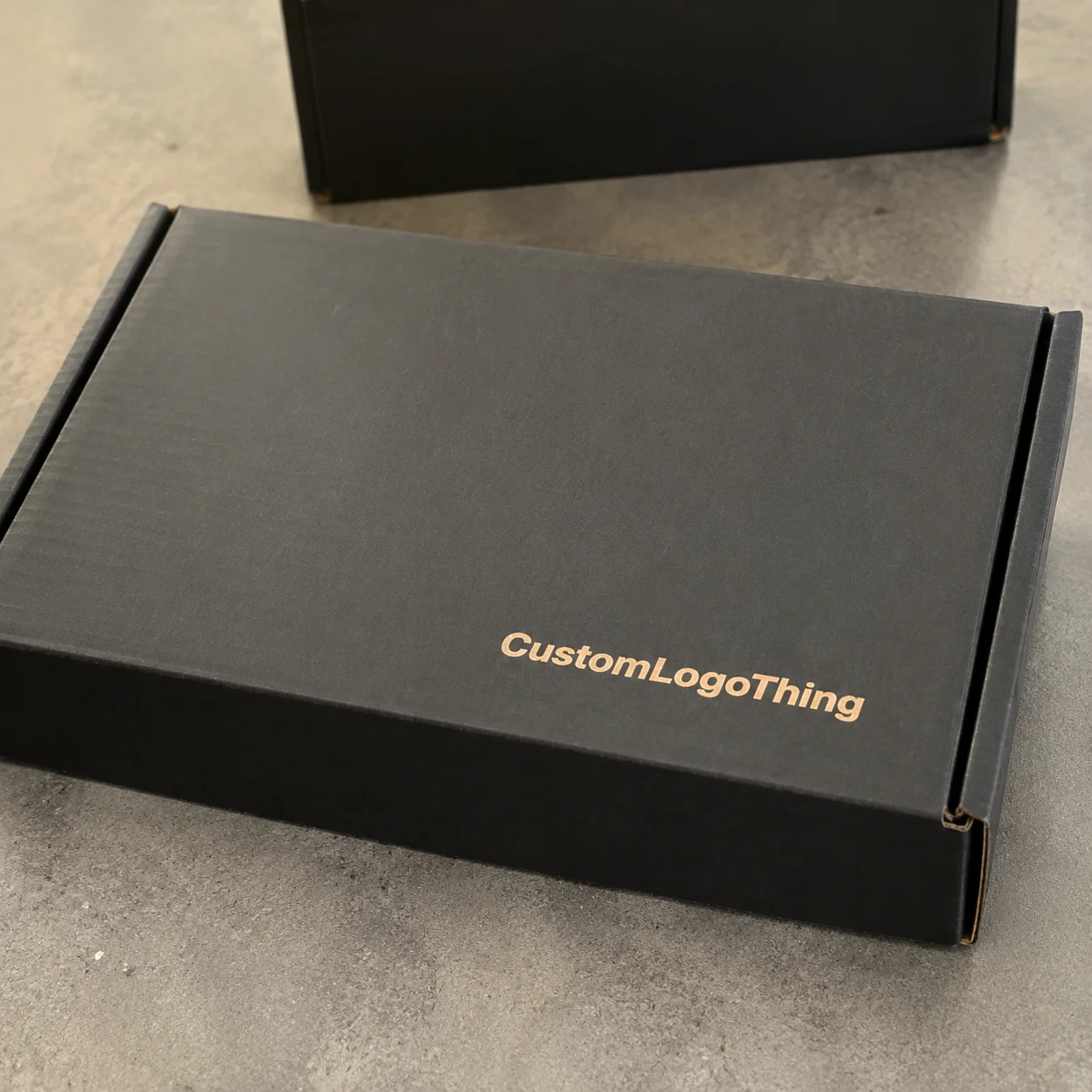
The premium effect starts with the opening sequence. A regular mailer opens and exposes the contents almost immediately. A shoulder box stages the reveal. The lid lifts, the shoulder defines the stop point, and the base stays stable enough to make the package feel composed. That layered movement adds a sense of pacing, and pacing is one of the quiet reasons rigid packaging feels more expensive than it is.
Structurally, the box is built from three parts: the lid, the base, and the inner shoulder. The shoulder works as a spacer and an alignment guide, which controls how far the lid drops and how much of the product is visible at first glance. That matters because reveal height is not a decorative detail; it changes how the whole box reads in the hand. A shallow reveal can look refined, while an awkward one can make even strong print work feel off.
Buyers often choose this format when presentation carries real commercial value. A launch kit, a fragrance set, or a high-end apparel presentation usually benefits from a more structured opening than a basic mailer can offer. The box can also reduce the need for filler tissue, outer wrap, or extra presentation layers because the structure itself already feels complete.
Typical reasons brands choose the format:
- Stronger shelf and unboxing presence than standard mailers
- Cleaner alignment for premium reveals and rigid inserts
- Higher perceived value for giftable or display-oriented items
- Better support for products that need a more fixed internal layout
The limitations are worth keeping in view. Shoulder boxes cost more than plain mailers, take longer to assemble, and can become inefficient if the dimensions are not tuned to the product. Oversizing is especially common. A box that looks generous on paper may end up wasteful in production, awkward in transit, and visually underwhelming once it is filled. Packaging design lives or dies on those small decisions.
“Premium packaging works best when the structure does one clear job well, instead of trying to solve every problem at once.”
How the Box Structure Works in Real Use
In daily use, the shoulder does a lot of quiet work. It holds the lid and base in line, preserves the opening height, and helps the box retain its shape during handling. That alignment is one of the biggest reasons the format feels more refined than lighter packaging. The reveal stays consistent, so the product appears where the designer intended instead of wandering around inside the box.
There are a few common construction choices. Many shoulder boxes use a rigid chipboard build wrapped in printed art paper or specialty stock. Some are fully wrapped for a more polished finish, while others use a simpler wrap to control cost. Magnetic closures, ribbon pulls, and custom inserts can all be added, but they should support the packaging concept rather than becoming automatic upgrades. If the base structure already opens cleanly, extra hardware can add cost without improving the experience much.
A practical comparison helps frame the decision:
| Format | Presentation | Protection | Typical Cost Profile |
|---|---|---|---|
| Standard mailer box | Practical, simple | Good for light-to-medium items | Lowest |
| Rigid setup box | Premium and sturdy | Very good | Higher |
| Shoulder mailer box | Structured reveal, premium feel | Very good to excellent | Higher still |
| Sleeve-style packaging | Minimal and refined | Depends on the tray or insert | Moderate to high |
Material choices change the feel more than many buyers expect. A rigid build in the 1000gsm-1800gsm range, wrapped in 157gsm art paper, behaves differently from a lighter construction or a softer specialty sheet. Matte lamination gives a quieter finish and helps with scuff resistance. Soft-touch feels more upscale but can show handling marks more easily, so it is not always the right choice for high-touch distribution. Foil, embossing, debossing, and spot UV each add impact, but each one also brings setup time and cost.
For brands comparing custom printed boxes, the real question is not just which structure looks best on screen. It is which one protects the product, survives transit, and still looks deliberate when the customer opens it. Shoulder boxes usually perform well in that test because they combine controlled presentation with solid physical structure.
Key Specs That Decide Fit, Finish, and Protection
Size comes first, and internal dimensions matter more than the outer measurements a buyer often starts with. The product, insert, and reveal height all need to work together. If the box is too loose, the product drifts and the opening looks careless. If the box is too tight, assembly becomes awkward and the risk of edge damage rises. That is why the dieline matters so much in this format.
Board strength is the next major decision. Many shoulder boxes use rigid chipboard in the 1000gsm-1800gsm range, then wrap it with art paper, kraft-style paper, or specialty stock. The wrap affects both visual quality and wear resistance. Smooth coated paper holds print detail well. Textured stock adds tactility. Lamination protects the surface, but the choice between matte and gloss still changes how the box reads in hand and under store lighting.
Most buyers get better results by choosing one main finish and letting the structure do the rest. A foil logo on a restrained matte box often feels more premium than a crowded package with too many decorative effects. That approach tends to work especially well in branding packaging for skincare, beauty, and higher-end gifts, where restraint often reads as confidence rather than empty space.
Useful spec checkpoints:
- Internal dimensions: product size, clearance, and insert thickness
- Board grade: rigid chipboard or equivalent setup board
- Wrap stock: art paper, kraft-style paper, or specialty textured sheet
- Finish: matte, gloss, soft-touch, foil, spot UV, embossing
- Insert: EVA foam, paperboard insert, molded tray, or custom divider
The use case should shape the design. A minimalist box may suit premium apparel, while a more gift-like package fits launch sets and seasonal bundles. If the box sits on a shelf, the outer panels need enough identity to hold attention. If the product ships directly to the customer, the opening sequence matters just as much as the exterior. In practice, that is where custom packaging either earns repeat orders or becomes a nice-looking mistake.
The shoulder itself acts almost like architecture. It creates height, shadow, and a sense of order. When the dimensions are right, the box feels intentional. When the measurements are even slightly off, the result can feel cheaper than the print quality suggests, which is why careful sampling matters more here than in simpler packaging types.
Custom Shoulder Mailer Boxes Cost, MOQ, and Quote Drivers
Pricing for custom shoulder mailer boxes comes down to the same core variables that affect most packaging projects: size, board grade, print coverage, finish complexity, insert design, and quantity. The structure itself adds cost because it uses more material and more labor than a standard carton. Assembly also tends to be slower, especially if the box has a complex wrap or a tight-fitting insert.
MOQ is usually higher than it is for basic mailers, and small runs are where buyers feel the cost jump most clearly. A supplier can often produce lower volumes, but the unit price may climb quickly once the order falls below common production thresholds. That is not a supplier trick; it is the reality of setup, wrapping, and hand finishing on a rigid structure.
Typical market ranges at scale often fall roughly like this:
| Order Size | Typical Cost Range per Unit | Notes |
|---|---|---|
| 1,000 units | $1.20-$3.50 | Setup and finishing have a bigger effect on price |
| 3,000 units | $0.85-$2.40 | Better spread on tooling and labor |
| 5,000+ units | $0.65-$1.90 | More efficient if the design is finalized early |
These figures are broad ranges, not guarantees. A box with foil, embossing, ribbon pulls, and a custom insert will usually sit above them. A simpler two-color build with a standard insert may come in lower. Sampling, dieline development, and color matching can also add cost before production begins, especially if the project starts from a new structure instead of an established template.
The best savings usually come from reducing unnecessary decoration, not from weakening the core structure. It is smarter to protect the dimensions and simplify the finish than to cut board quality and hope the box still feels premium. The parts that most affect the customer’s experience are the fit, the shoulder alignment, and the insert. Those are also the parts you should resist compromising first.
To improve quote accuracy, send exact dimensions, target quantity, product weight, artwork status, finish preferences, and any shipping or storage constraints. It also helps to specify whether you need flat-packed or assembled delivery, because that changes handling and freight. For teams comparing product families, Custom Packaging Products can help narrow structural options, while Custom Poly Mailers are useful when premium inner packaging needs to sit inside a more economical outer shipper.
For teams that want to think through transit performance more carefully, references like ISTA are useful when planning shipping tests. If sourcing claims matter to the brand, FSC is worth reviewing when fiber sourcing is part of the brief.
Production Steps, Lead Time, and Approvals
The production flow usually starts with a brief, then moves into dieline development, sampling, artwork proofing, production, and packing. That sequence sounds obvious, but the projects that go wrong usually skip one of those steps or compress them too far. Shoulder alignment is especially sensitive. A small mismatch can shift the reveal height and make the lid sit awkwardly, which is hard to fix after the fact.
Sampling is the main protection against that kind of problem. A physical prototype shows how the structure behaves, how the insert fits, how the wrap meets at the edges, and whether the finish still looks good under real light. Digital proofs are useful for layout and color direction, but they cannot show how the box feels when the lid lifts or how the shoulder stops the movement. That part has to be handled in hand.
Lead times vary by complexity and order size. A straightforward project may move in about 12-18 business days after approval, while a run with specialty finishes, larger quantities, or longer freight routes can take longer. Seasonal peaks also matter. If the timeline is tight, structural revisions should be kept to a minimum and finish choices should be made early, because rushed packaging almost always means compromises somewhere.
Information that speeds up the job:
- Final product dimensions and weight
- Logo files in vector format
- Color references or Pantone targets
- Finishing preferences
- Desired delivery format: flat or assembled
It also helps to define what success looks like before the job starts. A box meant for direct mail has different priorities than a box designed for shelf display or gifting. That distinction affects the board choice, insert strategy, and even the graphics hierarchy. Good packaging design saves money later because it solves the right problem the first time.
Step-by-Step Buying Checklist Before You Order
The simplest way to buy custom shoulder packaging is to work from the product outward. Measure the item’s length, width, height, and weight first. Then think about fragility, how the product should sit in the box, and whether an insert needs to keep pieces separated. A perfume set, folded garment, and multi-piece skincare bundle all need different internal logic.
Next, choose the box architecture before finalizing the artwork. Lid depth, shoulder height, and insert style should all be settled early because they shape the reveal. If the brand wants a quiet luxury feel, the exterior can stay restrained and let the opening do the work. If the box has to hold attention on a shelf, the outside panels need to carry more identity.
After that, lock the branding details. Confirm logo placement, copy, palette, and finish priorities. A clean package branding strategy usually works better than trying to fit every available graphic idea onto the box. One strong focal point is easier to execute well than a crowded layout with too many competing elements.
Buyer checklist:
- Measure product size, weight, and fragility
- Confirm box style, shoulder height, and reveal depth
- Choose finish priorities before artwork lock
- Plan storage, packing, and shipping method
- Approve the physical or digital proof carefully
Finally, confirm logistics. Will the boxes arrive flat or assembled? How much storage space is available? Is there labor for assembly, or does the packaging need to arrive ready to use? These questions affect total cost as much as print specs do, and they should be resolved before production starts.
A good proofing habit is to compare the dieline against the actual product insert and ask one direct question: does the product land where the brand expects it to land? If the answer is yes, the box is doing its job. If not, the structure needs another pass before the run begins.
Common Mistakes That Inflate Cost or Hurt Presentation
Bad sizing is the most common mistake. A box that is too loose weakens the reveal and can let the product shift during transit. A box that is too tight makes assembly difficult and can bruise edges or corners. Internal dimensions should reflect the actual product plus the insert and shoulder height, not just the outside dimensions that looked convenient in a planning sheet.
Another costly mistake is stacking too many finishes. Matte lamination, soft-touch coating, foil, embossing, spot UV, and specialty paper can all look good separately. Together, they often muddy the design and push the quote into a range that no longer fits the margin. Usually one finish carries the box better than several competing effects.
Shipping conditions are easy to overlook until damage appears. A heavy product bundle, a dense insert, or a high-volume run changes how the package should be packed and palletized. If the box is intended for direct shipment, transit testing matters. Teams that also pay attention to packaging and product stewardship guidance from places like EPA packaging and product stewardship guidance often make better material decisions because they look beyond the print layer and consider waste, recoverability, and material efficiency.
Typical mistakes to avoid:
- Using inaccurate internal dimensions
- Over-specifying finishes without visual payoff
- Ignoring product weight and transit stress
- Skipping samples and approving from screens alone
- Buying on aesthetics without considering fulfillment labor
The last mistake usually causes the most frustration. A beautiful box that slows packing or increases damage is expensive decoration, not effective packaging. Product packaging has to work in the warehouse, in transit, and in the customer’s hands. If it fails in any one of those settings, the premium feel disappears quickly.
Expert Tips to Make the Box Work Harder for Your Brand
If the shoulder is the signature feature, use it deliberately. Set the reveal so the product opens to a meaningful point rather than an arbitrary one. A few millimeters of visual control can change the whole impression. That is one reason shoulder packaging often performs better than simpler mailer styles in gift sets and shareable unboxing content.
Keep the outside disciplined if the opening is the main event. That does not mean plain. It means intentional. A restrained exterior paired with a strong interior can leave a much better memory than a heavily decorated box that has nothing left to say when opened. In many premium categories, that contrast is more persuasive than extra graphics.
One strong finish generally beats three average ones. If the budget is tight, choose the detail that best supports the brand identity. For luxury skincare, that may be soft-touch with subtle foil. For premium apparel, it may be a heavy matte wrap with a debossed logo. For a special edition set, it may be a custom insert that holds every component centered and quiet during transit.
Practical ways to make the box work harder:
- Use the shoulder height to stage the reveal
- Keep the exterior disciplined when the interior is the hero
- Choose one premium detail instead of several weak ones
- Design the insert around product movement in transit
- Review damage data and sell-through before reordering
That last point is often missed. A second order should reflect what customers did, what the fulfillment team saw, and whether the package justified its cost. Better custom printed boxes usually come from those small adjustments, not from redesigning everything at once. One run teaches the next.
FAQ
How do custom shoulder mailer boxes differ from standard mailer boxes?
They use a three-part rigid structure with a lid, base, and shoulder, which creates a more controlled reveal and a more premium feel. Standard mailer boxes are simpler and cheaper, but they do not deliver the same presentation or rigid-box presence.
What affects the price of custom shoulder mailer boxes most?
Size, board thickness, print coverage, finish selection, insert complexity, and quantity have the biggest impact. Lower quantities and more elaborate structures usually push unit cost up faster than buyers expect.
What is a typical MOQ for shoulder mailer packaging?
MOQ varies by supplier, structure, and print method, so there is no single universal number. Rigid custom builds usually require higher minimums than simple mailers, so it is smart to ask about MOQ and sample pricing together.
How long does production usually take for shoulder boxes?
Lead time depends on approval speed, sampling, finish complexity, and order size. Straightforward jobs may move in about 12-18 business days after approval, while more complex projects usually take longer.
What products work best in custom shoulder mailer boxes?
Cosmetics, apparel, premium gifts, PR kits, subscription products, and launch sets are all strong fits. Any product that benefits from a premium unboxing moment or needs a more structured presentation can work well in this format.
Custom shoulder mailer boxes make the most sense when presentation, protection, and perceived value all matter at the same time. For products that need a more deliberate reveal and a structure that feels polished in hand, the format earns its place. For items that do not need that level of presentation, a simpler build is often the better financial choice.


