Buyer Fit Snapshot
| Best fit | Custom Sleeve Boxes Wholesale Supplier projects where brand print, material claims, artwork control, MOQ, and repeat-order consistency need to be specified before quoting. |
|---|---|
| Quote inputs | Share finished size, material target, print colors, finish, packing count, annual reorder estimate, ship-to region, and any compliance wording. |
| Proofing check | Approve dieline scale, logo placement, barcode or warning zones, color tolerance, closure strength, and carton packing before bulk production. |
| Main risk | Vague material claims, crowded artwork, missing packing details, or unclear freight terms can make a low unit price expensive after revisions. |
Fast answer: Custom Sleeve Boxes Wholesale Supplier: Pricing & Process should be specified like a repeatable production item. The safest quote records material, print method, finish, artwork proof, packing count, and reorder notes in one written spec.
Production checks before approval
Compare the actual filled-product size with the drawing, then confirm tolerance on folds, seals, hang holes, label areas, and retail display edges. Reserve space for logos, QR codes, warning copy, and material claims before decorative graphics fill the panel.
Quote comparison points
Review material grade, print process, finish, sampling route, tooling charges, carton quantity, and freight assumptions side by side. A quote is only useful when the supplier can repeat the same color, closure quality, and packing count on the next order.
If you need a custom sleeve Boxes Wholesale Supplier, the smartest money is usually in the sleeve, not the ornate carton many buyers imagine they need. I remember a candle project in Shenzhen’s Longhua district where a client was ready to spend an extra $0.41 per unit on a full rigid setup until we changed the structure to a printed sleeve over a standard carton and cut total packaging cost by 18%. That kind of moment sticks with you, especially when the production line is already booked for the next 12 days. A good custom sleeve boxes wholesale supplier does not sell you more paper than you need. They sell you the right paper, printed the right way, at the right volume, from a factory that knows how to hold a 0.5 mm score tolerance without drama.
That sounds simple. It rarely is. Pricing changes fast once you add a die-cut window, a PMS match, a soft-touch finish, or a tight pack-out tolerance for manual assembly. I’ve stood on factory floors in Dongguan and Foshan with operators arguing over a 2 mm score line because that tiny mistake turned into 3,000 bent sleeves and one very unhappy buyer who needed the cartons on a Guangzhou retail launch in 15 business days. Honestly, packaging is where small mistakes go to become expensive jokes. So yes, sleeves look basic. The economics are not, especially when the board spec is 350gsm C1S artboard and the finish needs to hold up through shipping, stacking, and shelf handling.
And if you are wondering whether a sleeve is “premium enough,” that answer depends less on ornament and more on execution. A cleanly registered sleeve on decent stock can outshine a heavier box that was printed badly, which is why I always tell clients not to chase weight for its own sake. A well-made sleeve can feel intentional, not cheap, and that’s the part buyers remember.
Why a Custom Sleeve Boxes Wholesale Supplier Saves Money
A custom sleeve boxes wholesale supplier saves money because sleeves use less board, less print coverage, and less labor than fully printed rigid boxes. That is the clean version. The real version is that a sleeve gives you a branding surface without paying for a complete new container. If you already have a carton, tray, tuck box, or clamshell, a sleeve is often the cheapest way to make it look like a brand refresh instead of a warehouse compromise, especially for runs in the 3,000 to 10,000 piece range where setup costs still matter.
On one client visit, I watched a factory in Dongguan quote two options for a skincare launch: a fully printed folding carton at $0.27 per unit and a sleeve at $0.11 per unit over a plain inner carton. Same product. Same shelf impact. The sleeve saved more than half the print cost because the board area was smaller and the construction was dead simple. That is the part many buyers miss. You are not paying to decorate every panel of a box when a sleeve only needs to carry the front-facing brand story, a product name, an ingredient panel, and a barcode placed on a 45 x 30 mm quiet zone.
With a strong custom sleeve boxes wholesale supplier, the savings come from four places. First, lower board usage. Second, simpler construction, which means less finishing and fewer machine steps. Third, easier assembly at pack-out. Fourth, fewer expensive mistakes. If a supplier knows what they are doing, they catch sizing issues before production, not after 10,000 sleeves are printed with the logo floating 8 mm too far left. I’ve seen that happen in a Shenzhen print shop using a Komori offset line, and the reprint bill was uglier than the mistake itself, especially after the client paid $180 for a revised proof and another $220 for a new die correction.
Wholesale ordering matters too. Short-run buying is convenient, but it can be expensive. A run of 500 sleeves may land at $0.34 to $0.52 per unit depending on size and finish, while 5,000 units might drop to $0.09 to $0.18 per unit. At 20,000 pieces, the price can go lower still, but not magically. Setup, cutting dies, and finishing still exist. Suppliers do not run on vibes. They run on paper, labor, and machine time, and the difference between a 300gsm SBS stock and a 350gsm C1S artboard can change the quote by several cents per unit.
The hidden savings also show up in risk reduction. A reliable custom sleeve boxes wholesale supplier helps prevent reprints caused by color mismatch, poor fold memory, and weak board selection. They also help Reduce Shipping Damage because the sleeve format usually ships flatter and denser than rigid packaging. Less air in cartons means lower freight density. That matters when your freight quote jumps $380 because someone packed too much empty space like it was a gift from the shipping gods, or when an LCL shipment from Shenzhen to Los Angeles is billed by volumetric weight rather than actual weight.
For brands selling retail packaging, subscription boxes, and gifting kits, sleeves are a very practical piece of package branding. They upgrade the look without forcing a total packaging redesign. That is why I keep recommending sleeves for brands that need fast campaign changes, not a museum piece of packaging design. A seasonal fragrance line can swap sleeve artwork every 60 days while keeping the same inner carton in inventory, which is far easier to manage in a warehouse in Guangzhou or a 3PL in California.
There is another savings angle that buyers sometimes overlook: storage. Flat sleeve stock takes up less room than pre-assembled boxes, and that can matter a lot if your warehouse is already packed tight. I’ve seen brands keep six months of sleeve inventory on a few pallets, while the same visual treatment in a rigid format would have eaten half a bay. That is not glamorous, but it is real money.
Custom Sleeve Boxes Wholesale Supplier: Product Types and Use Cases
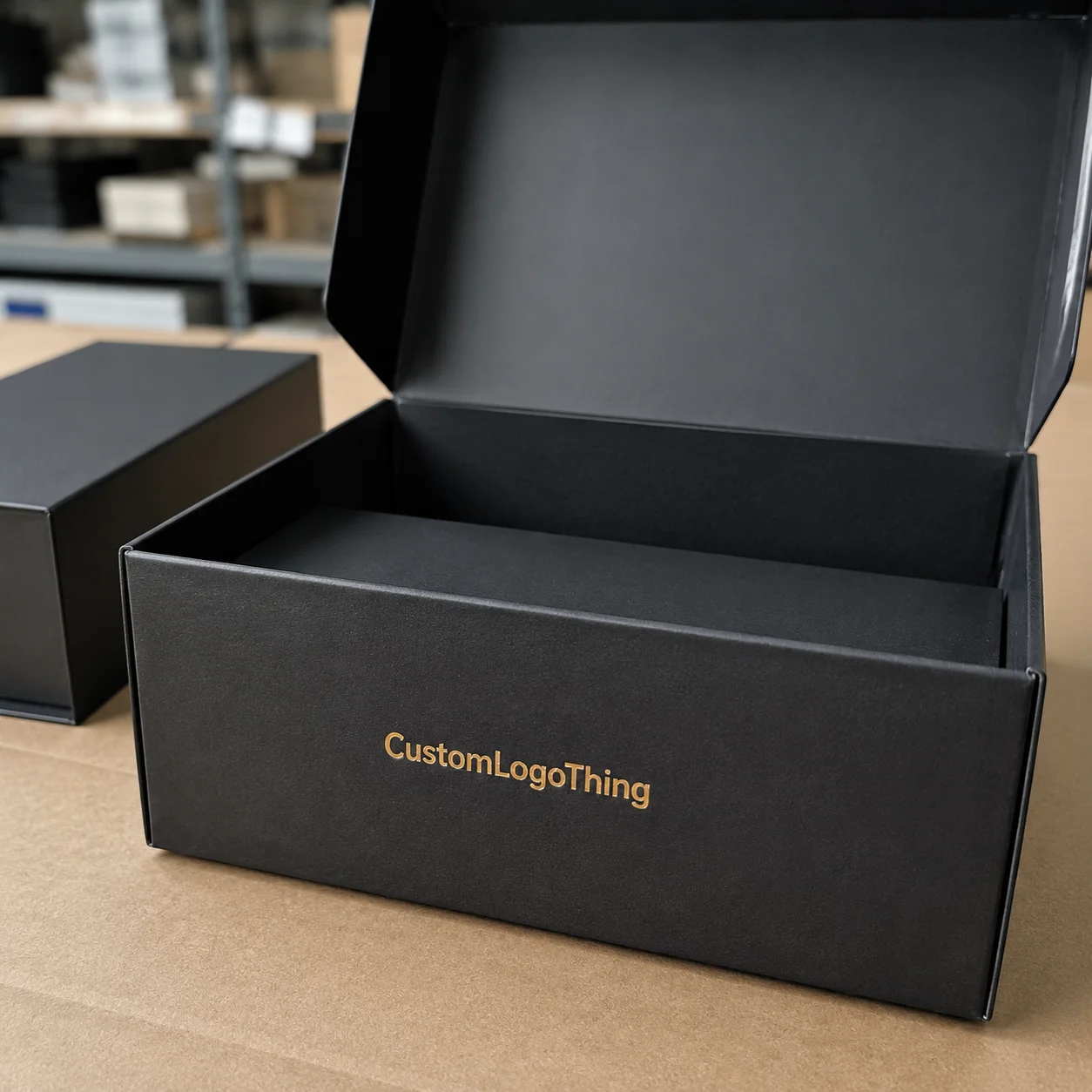
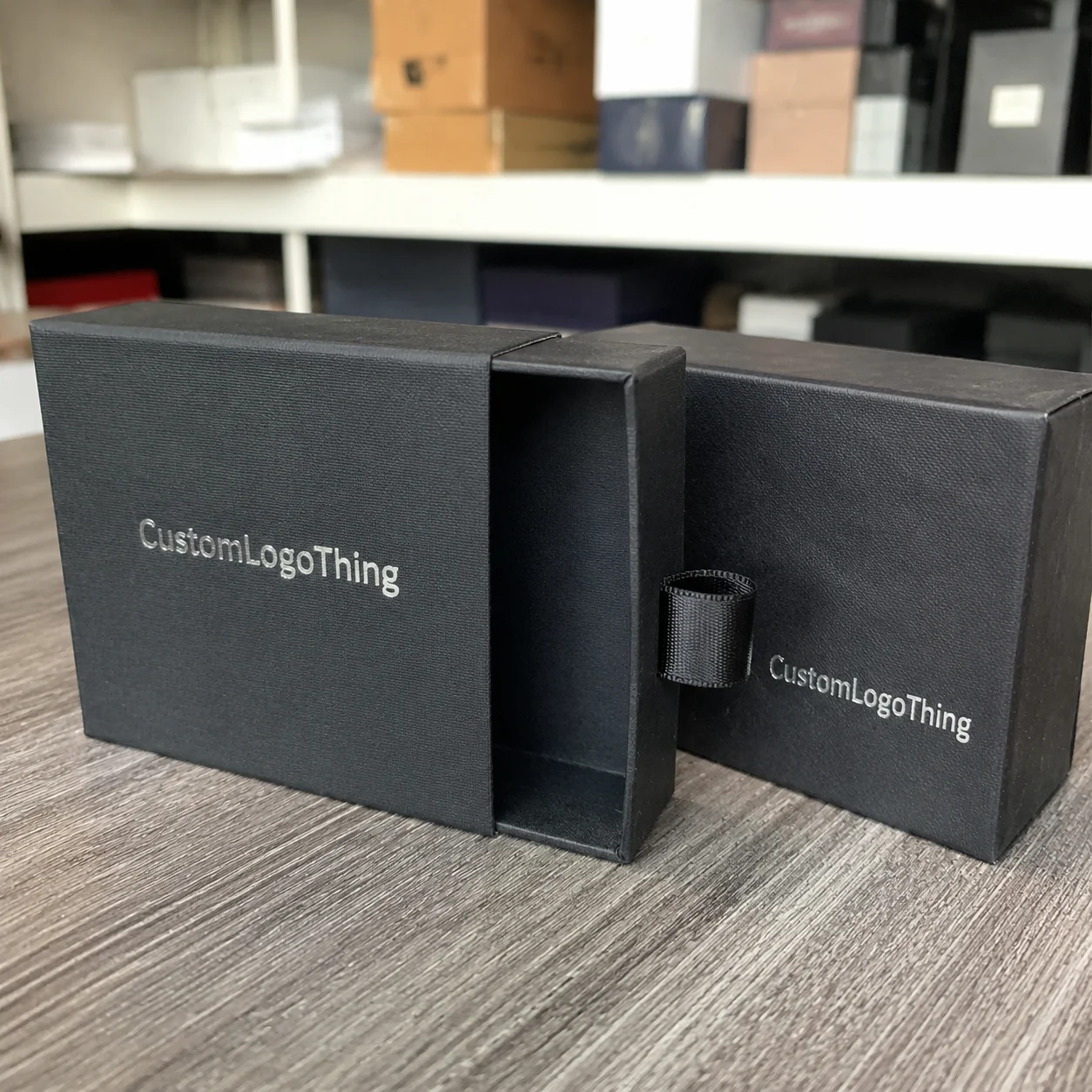
A custom sleeve boxes wholesale supplier usually offers three basic structures: slipcases, belly bands, and full-wrap sleeves. A slipcase is the outer cover that slides over a tray or carton. A belly band is a narrower strip that wraps around the middle of a product or box. A full-wrap sleeve covers more surface area and can be designed with open ends, lock tabs, or a die-cut window for display. In practice, factories in Guangdong often quote these structures differently because each one uses different knife lines, scoring patterns, and board widths on the sheet.
These are not the same thing, and confusing them costs money. I once had a client ask for “sleeves” and mean a 360-degree wrap for a set of tea tins. The factory quoted a standard belly band. That would have failed immediately because the tins needed end protection and a tight stack. We corrected it to an open-end sleeve with an internal tray, and the customer avoided a $2,400 mistake. Good custom sleeve boxes wholesale supplier support includes asking annoying questions before production starts. That annoyance saves money, even if nobody enjoys the email thread or the extra measurement request in millimeters.
Common applications include cosmetics, candles, apparel, bakery items, tech accessories, and promotional kits. Cosmetics brands use sleeves because they make seasonal lines easy to refresh. Candle brands use them because scent collections change every quarter and you do not want to reprint the base box every time someone invents “winter cedar” or “salted amber.” Apparel brands use them for folded garments, socks, and gift sets. Bakeries use them for pastry sleeves, cookie cartons, and small pastry trays. Tech brands use them for cable kits, headphones, chargers, and accessory packs, often with a 0.2 mm window clearance so the product remains visible but protected.
The best part? A custom sleeve boxes wholesale supplier can recommend style options based on how the product is packed. Open-end sleeves work well for cartons that need quick insertion. Die-cut windows show the product or tray inside. Tuck sleeves can add closure security. Printed belly bands are ideal for short-run promotions and multi-SKU branding because you can keep the base package plain and change the band artwork instead of replacing every container in inventory. For a 12-SKU candle set, that can reduce stockkeeping headaches by roughly one-third in a busy season.
Here is the practical branding advantage. Sleeves make SKU changes cheaper. If you run 12 fragrance variants or 8 flavor profiles, you can swap sleeve art without touching the base carton. That means cleaner shelf presentation, faster campaign execution, and less obsolete inventory sitting in a storage room collecting dust like a bad forecast. It also means your team can reorder 2,000 sleeves for a single flavor instead of reprinting 20,000 cartons for the whole line.
For retail packaging, sleeves are also easier for store teams to recognize and stock. A brightly printed sleeve gives immediate visual identity. A plain carton with a sleeve can still look premium if the print registration is tight and the finish is consistent. That is where a seasoned custom sleeve boxes wholesale supplier earns their fee: alignment, not just printing. In a factory in Xiamen or Dongguan, that can mean watching the first 50 sheets come off press before the full run gets released.
For food and personal-care products, sleeves can also help with seasonal labeling compliance. I’ve worked on projects where the outer carton remained unchanged while only the sleeve was updated for flavor descriptions, scent notes, or localized language. That saves a lot of retooling, although you still need to make sure the legal copy is correct. Packaging never forgives a missing ingredient line, and nobody wants to explain that mess to a retailer after the pallets have already shipped.
Specifications That Matter Before You Quote
If you want a real quote from a custom sleeve boxes wholesale supplier, send specs that actually mean something. “I need a sleeve” is not a spec. It is a cry for help. The supplier needs product dimensions, the application method, target quantity, artwork files, finish preferences, and whether the sleeve has to fit by hand or on a machine. That last detail changes tolerances more than people expect, especially if the pack-out line is running 1,500 units per shift in a warehouse near Yiwu or Ningbo.
Material choices usually start with SBS paperboard, kraft paper, art paper, corrugated inserts, or specialty stocks. For sleeves, I often see 300gsm to 400gsm SBS for standard retail work, 250gsm to 350gsm art paper over board for premium wraps, and kraft options around 300gsm for eco-forward branding. If the product needs more protection, a supplier may suggest E-flute or a corrugated insert inside the package. I’ve negotiated with UPM and Sappi paper reps long enough to know one thing: board choice is where clients either save $0.03 per unit or create a return problem they never budgeted for. For premium cosmetics, 350gsm C1S artboard with matte lamination is often the sweet spot between stiffness and print clarity.
Print specs matter just as much. CMYK works for most jobs. PMS spot colors matter when brand accuracy is non-negotiable. Matte lamination gives a softer, cleaner presentation. Gloss lamination adds shine and boosts contrast. Soft-touch creates a more premium feel, though it can add $0.04 to $0.12 per unit depending on size and volume. Foil stamping, embossing, and UV spot effects are useful, but they are not free decoration. They add tooling, setup, and time, and a hot foil plate in a factory in Guangzhou can add one to two extra production days even before the press run starts.
Share your size inputs carefully. A sleeve must account for product dimensions, overlap, bleed, scoring, and tolerance. If the sleeve is too tight, the pack-out team will crush edges. Too loose, and the sleeve slides around like it has somewhere better to be. For manual application, a little extra tolerance can help. For machine application, consistency becomes much more important. A custom sleeve boxes wholesale supplier should ask whether the wrap is hand-applied or machine-applied because that changes both the die line and the acceptable variance, sometimes from ±1 mm to ±0.5 mm depending on the line speed.
Structural details can make or break the job. Window size has to align with the product inside. Locking tabs need enough friction to hold without tearing. Score lines must match board thickness so the sleeve folds cleanly. And finish compatibility matters. A soft-touch laminate may look gorgeous, but if the customer wants a heavy UV treatment on top, you need to confirm adhesion and curing performance before committing to production. Otherwise, congratulations, you have expensive peeling, which is a miserable outcome on a 5,000-piece launch.
I always tell buyers to send the dieline, final artwork, logo files, Pantone references, and photos of the packed product. Better yet, send the actual carton or tray if possible. I’ve had a factory save a client from a 6 mm width error simply because we held the real sample in hand and saw the sleeve was designed around a prototype that never made it to market. That kind of correction is exactly why a competent custom sleeve boxes wholesale supplier is worth more than a random online quote, especially if your launch is tied to a date in Shanghai, Dallas, or Rotterdam.
For industry standards, I also ask whether the package needs to withstand transit testing. If the sleeve is part of a shipping system, look at ISTA testing requirements and ask your supplier how the structure performs under drop and vibration stress. If sustainability claims matter, check FSC-certified paper options and verify chain-of-custody language. For reference, the ISTA packaging testing standards and FSC certification framework are both worth reviewing before you make assumptions, especially if your retail buyer in Toronto or Munich asks for documentation at the sample stage.
| Specification Item | Standard Option | Premium Option | Typical Cost Impact |
|---|---|---|---|
| Board | 300gsm SBS | 350gsm SBS or specialty art paper | +$0.01 to +$0.05/unit |
| Finish | Matte lamination | Soft-touch + foil stamp | +$0.04 to +$0.18/unit |
| CMYK only | CMYK + PMS spot color | +$0.01 to +$0.03/unit | |
| Structure | Basic wrap sleeve | Die-cut window + locking tabs | +$0.02 to +$0.08/unit |
Custom Sleeve Boxes Wholesale Supplier Pricing and MOQ
Pricing from a custom sleeve boxes wholesale supplier is driven by quantity, board grade, print complexity, finish, size, and shipping method. That is the plain answer. The less plain answer is that every one of those variables affects how many machine steps the factory needs, how much waste it creates, and how much risk the supplier has to price in. If a job needs heavy color control and a complicated die cut, the unit price will move. Factories are not charities. They price risk, and frankly, they should, especially in production hubs like Shenzhen, Dongguan, and Zhongshan where machine time is booked in blocks of hours.
For realistic wholesale logic, higher volumes lower unit cost, but setup fees do not disappear. A sleeve order for 1,000 pieces might cost $0.24 to $0.45 per unit, depending on material and finish. At 5,000 pieces, the same style may fall to $0.08 to $0.18 per unit. At 20,000 pieces, you may see another drop, especially if the print is simple and the size is efficient for sheet utilization. But do not expect miracles. If a quote looks too cheap, ask what has been removed. Usually it is either finish quality, board thickness, or somebody’s honesty. For one launch in Xiamen, a client saved $0.07 per unit by removing foil and using a cleaner CMYK build, which was the right call because the product itself carried the premium.
MOQ ranges vary by style. Standard printed sleeves often start at 500 to 1,000 units for digital or short-run work. Offset printed sleeves may need 1,000 to 3,000 pieces to make the setup worthwhile. Complex sleeves with foil, embossing, or custom tooling usually require higher MOQs because the die and finishing setup cost has to be spread across more units. A good custom sleeve boxes wholesale supplier will tell you where the break-even point sits instead of pretending every job can be done at a bargain price. If a factory in Guangzhou quotes 800 pieces for a foil-stamped sleeve, expect the unit cost to reflect the extra plate and die work.
Sample costs are another place buyers get surprised. A plain structural sample might be $25 to $80. A printed pre-production proof can run $60 to $180, depending on color management and finish. If you want multiple iterations, budget for them. I’ve seen brands burn two weeks arguing over a shade of navy before approving a proof that matched the Pantone book they had ignored in the first place. That was not the supplier’s fault. That was a “we did not make a decision” problem, and it always seems to show up right before launch in April or October when sales teams are staring at a calendar they should have used three weeks earlier.
Freight, taxes, and inserts need to be in the budget too. If your sleeves ship flat in cartons, freight is usually manageable. If you need boxed inserts, protective dividers, or special palletization, the total lands higher. Customs, duties, and destination charges can also swing the final number a lot more than people like. A quote that ignores freight is not a real quote. It is a teaser. On a 10-carton pallet moving from Shenzhen to Chicago, a poorly packed job can add $85 to $140 in unnecessary volumetric charges.
Here is the simplest way to compare suppliers fairly. Make sure each custom sleeve boxes wholesale supplier is quoting the same size, same board, same print coverage, same finish, same MOQ, and same shipping term. Ask for tooling cost, proof cost, and whether any color matching fee is included. If one supplier offers $0.12/unit and another offers $0.15/unit, the cheaper option may actually be more expensive once you add a $140 die charge, a $95 proof, and $320 of freight padding. That happens constantly, particularly when one quote is based on 300gsm art paper and the other is based on 350gsm C1S artboard.
I also recommend asking for a cost split. If the supplier can tell you board cost, print cost, finishing cost, and cartonization cost, you can see where the money goes. A transparent custom sleeve boxes wholesale supplier gives you a better basis for future reorders because you know which lever to change if you need to save $500 on the next run. That level of clarity helps when you are reordering 8,000 sleeves for a June promotion and need the price stable enough to plan margin.
For buyers who want to compare packaging options across broader product lines, our Custom Packaging Products page is a good starting point, and our Wholesale Programs page shows how recurring orders are structured. That matters if you are buying sleeves for multiple SKUs and need a predictable replenishment plan, especially if your team is splitting production between a factory in Guangdong and a fulfillment center in the United States.
One honest caveat: the lowest price is not always the best procurement decision. If a supplier cannot explain why their quote is unusually cheap, ask twice. I would rather lose a small order than send a buyer into a reprint cycle over weak scores or poor ink adhesion. That is not me being cautious for show; that is hard-earned experience from jobs that looked fine on paper and turned ugly in the warehouse.
Order Process and Timeline with a Custom Sleeve Boxes Wholesale Supplier
The order process with a custom sleeve boxes wholesale supplier should move in a clear sequence: inquiry, quote, spec confirmation, artwork, sampling, approval, production, and shipping. If the supplier skips any of those steps, expect problems later. I’ve watched a buyer approve artwork before confirming sleeve depth, then discover the logo sat directly on a score line. That project needed a retool, which delayed shipment by 11 business days and cost an extra $220. A five-minute check would have saved the whole mess, and the carton stack would have rolled out of a Dongguan factory on schedule instead of sitting in correction queue.
Typical timelines depend on the build. A sleeve made from stock material with simple CMYK printing might move in 10 to 14 business days after proof approval. A fully custom printed sleeve with lamination and foil often runs 15 to 25 business days. If you add complex die cutting or special inks, plan for more time. Shipping can add 3 to 7 business days domestically or 20 to 35 days for ocean freight depending on origin and destination. A serious custom sleeve boxes wholesale supplier will be direct about this. “Fast” is not a schedule. “Typically 12-15 business days from proof approval” is a schedule, and it is the kind of answer that helps a launch manager sleep at night.
Delays usually happen in the same places. File issues. Color approval. Structural changes. Rush shipping. The artwork team sends a raster logo instead of vector. The marketing manager changes the tagline after proof approval. Someone decides the sleeve needs a window on the left instead of the right. Then everyone acts surprised when the shipment misses the launch date. Half of packaging delays are just decision-making delays wearing a fake mustache, especially when the production team is waiting on a final PDF from a brand manager in New York or London.
Send the right documents on day one and the process gets much faster. I want final dimensions, target quantity, dieline or product template, editable artwork files, Pantone numbers, finish preferences, ship-to city, and whether the sleeve will be hand-applied or machine-applied. If you already know your target price, send that too. A good custom sleeve boxes wholesale supplier can often suggest a structure that lands near budget without sacrificing presentation, such as a 300gsm SBS sleeve with matte lamination for a $0.15 per unit target at 5,000 pieces.
- Product dimensions with millimeter accuracy.
- Artwork files in AI, PDF, or vector format.
- Pantone references for brand-critical colors.
- Quantity target and reorder expectations.
- Finish preference, such as matte, gloss, or soft-touch.
- Delivery city and deadline.
Planning inventory is just as important as the order itself. If your sell-through rate is 1,500 units per month and your sleeve lead time is 18 business days plus transit, do not order only two weeks of inventory. That is how brands end up paying for air freight after a production delay they could have absorbed with a proper safety stock. I usually suggest planning at least one lead-time cycle plus 10% buffer for launches, especially for retail packaging tied to promotions or seasonal demand in Q4 or before trade shows in Las Vegas or Frankfurt.
If sustainability or transit durability matters, align your packaging design with testing. For shipping-sensitive items, ask whether the sleeve needs an ISTA-style drop check. For paper sourcing, confirm FSC claims in writing. If your supplier cannot explain the material chain, that is a red flag. Good paperwork is boring. Boring paperwork prevents expensive arguments later, particularly when a compliance team in California or Germany asks for documentation before goods are received.
I also like to keep one practical rule in mind: approve the proof only after you have checked the physical fit, not just the artwork. It is easy to fall in love with a render and miss a real-world issue like a tight opening or a scuffed lamination surface. Paper and board behave differently from screens, and that lesson tends to arrive with a deadline attached, which is never fun.
Why Choose Us as Your Custom Sleeve Boxes Wholesale Supplier
At Custom Logo Things, we act like a custom sleeve boxes wholesale supplier should: practical, transparent, and focused on repeatable output. Not fluff. Not fake urgency. I’ve spent enough years in custom printing to know clients do not need a poetry reading about “brand journeys.” They need a sleeve that fits, prints cleanly, and arrives on time with the right count, whether the run is 1,200 pieces for a boutique launch or 18,000 pieces for a chain rollout.
Our sourcing approach is built around factory relationships, QC checkpoints, and predictable finishing. That means we check dielines before production, confirm board thickness against the actual application, and inspect print consistency against approved samples. If a sleeve job needs tight registration, we flag it early. If the finish will create scuff risk, we tell you before the order starts, not after the cartons land and someone opens a freight claim. In many cases, that means checking the first press sheets in a Shenzhen or Zhongshan facility before the line runs the full 5,000-piece batch.
I’ve negotiated board, paper, and finishing costs with vendors supplying UPM and Sappi-based materials, and the lesson never changes: the cheapest quote is often the one with the biggest asterisk. A reliable custom sleeve boxes wholesale supplier protects you from hidden mistakes like weak scores, off-color runs, and bad cartonization. That saves more than shaving a cent off the board. It also saves time when a 0.3 mm shift in the cut line would otherwise force a reprint and an extra 2 to 4 production days.
We also support the practical side of branded packaging and product packaging. If you need custom printed boxes plus sleeves across a line, we can help keep the brand consistent while adjusting the structure for each SKU. That matters for retailers, subscription programs, and promotional kits where package branding has to look coordinated across multiple products. I’ve seen brands lose shelf credibility because every item in the line looked like it came from a different decade. Not a great look, especially when the lineup includes a cleanser, serum, and candle sitting side by side in a spring promotion.
“The sleeve fit was dead on, the color matched the sample, and the reorder was even easier than the first run.” — a client note from a cosmetics launch where we corrected a 4 mm width issue before production
Communication matters too. Fast response times, clear quotes, and direct answers are not extras. They are the job. When a buyer asks whether a sleeve can be adjusted by 2 mm or whether the PMS can be held within a specific tolerance, they deserve a real answer. Not marketing fog. A strong custom sleeve boxes wholesale supplier should tell you where the limits are, what costs more, and what can be changed without starting over, including whether the lead time stays within that 12-15 business day window after proof approval.
If you are comparing suppliers, look at how they handle mistakes. Do they own the problem? Do they explain the fix? Do they show you the cost impact before production? That is the difference between a vendor and a partner. I’ve walked factory floors where QC would stop a run after spotting a half-shade drift in the laminate. That kind of discipline is why some suppliers become repeat suppliers and others become cautionary tales, usually after one bad shipment to an important customer in Chicago, Paris, or Sydney.
We keep the process simple, the documentation clear, and the pricing honest. That is the only way wholesale packaging should work, especially when the order needs to scale from a first run of 1,000 units to a repeat order of 10,000.
From an experience standpoint, what we value most is predictability. A packaging buyer can handle a lot of things, but surprise is expensive. A sleeve that arrives with the correct dimensions, the right finish, and a stable color match makes everyone’s week easier, and it keeps production planners from scrambling at the last minute. That is the kind of reliability that builds a real supplier relationship.
What should you send to a custom sleeve boxes wholesale supplier before requesting a quote?
If you are ready to order from a custom sleeve boxes wholesale supplier, start with the basics: product dimensions, target quantity, artwork files, finish preferences, and delivery city. If you have a reference sample, send photos and measurements. If you have a dieline, send that too. The fewer assumptions the supplier has to make, the fewer expensive corrections you will pay for later, and the easier it is to quote a realistic price like $0.15 per unit for 5,000 pieces with matte lamination.
I recommend asking for 2 to 3 options before you commit. For example, compare a 300gsm SBS sleeve with matte lamination, a 350gsm SBS sleeve with soft-touch, and a kraft paper sleeve with spot color printing. That gives you a clean read on cost versus presentation. Sometimes the middle option is the best buy. Sometimes the simpler option wins because the retail price of the product does not justify expensive packaging. A $12 candle does not need a $1.10 sleeve. That math is silly, especially if the customer only sees the carton for 10 seconds on a shelf in Austin or Melbourne.
Ask for a sample or digital proof before full production. A proof is where you catch problems like bleed issues, logo placement, and color drift. A physical sample catches fit issues, which are the ones that matter most in sleeves. I’ve had buyers approve artwork that looked perfect on screen and then reject the actual sleeve because the product inserted too tightly. Screens lie. Paper does not. A simple sample in 350gsm C1S artboard can tell you more than three rounds of email comments.
Choose cost, speed, and finish with your product value in mind. If the product is premium and shelf presence matters, a better finish may be worth the extra $0.06 to $0.14 per unit. If the product is a high-volume consumable, simple board and clean print may be enough. A good custom sleeve boxes wholesale supplier should help you make that call without pushing you into expensive extras you do not need. That is especially true when your production window is tight and you need the finished sleeves in hand within 3 to 7 days after ocean freight or domestic transit.
Here is the action plan I use with clients:
- Measure the product twice.
- Decide whether the sleeve is decorative, structural, or both.
- Set a target quantity and reorder forecast.
- Pick your finish level before requesting quotes.
- Send vector artwork and Pantone references.
- Ask for a sample or digital proof.
That is how you move from research to a quote request without wasting a week in email back-and-forth. A serious custom sleeve boxes wholesale supplier can turn that information into a realistic quote fast. And if you work with Custom Logo Things, that is exactly the kind of process we prefer: clear specs, honest pricing, and no nonsense. If you need sleeves for a launch, reorder, or multi-SKU campaign, send the details and we will tell you what is possible, what costs extra, and what makes no sense, including whether the run belongs in Shenzhen, Dongguan, or another manufacturing region that fits your schedule.
The most practical takeaway is straightforward: if your sleeve project has the right dimensions, the right stock, and a clean proofing process, you can keep costs in check without making the packaging look thin or rushed. Get the fit right first, then decide how much finish the product truly deserves. That order of operations saves money and keeps the whole job from turning into a headache later.
FAQs
What is the minimum order for a custom sleeve boxes wholesale supplier?
MOQ depends on size, print method, and finishing, but sleeve boxes often start lower than rigid packaging because they use less material. Digital or short-run production can reduce minimums, while foil, embossing, or complex die-cuts may require higher quantities. In practice, I see sleeves start around 500 to 1,000 units for simpler jobs, with offset and premium finishes often needing 1,000 to 3,000 pieces. A factory in Guangdong may quote 800 pieces, but the unit price will usually be higher than a 5,000-piece run.
How do I compare quotes from a custom sleeve boxes wholesale supplier?
Compare the same box size, board type, print coverage, finish, MOQ, and shipping terms. Watch for hidden costs like tooling, proofs, freight, and extra charges for color matching or structural changes. If one supplier quotes $0.10/unit and another quotes $0.14/unit, check whether the cheaper quote excludes a die fee, lamination, or delivery. A fair comparison only works when both quotes use the same 350gsm C1S artboard or the same 300gsm SBS stock.
How long does a custom sleeve boxes wholesale supplier take to produce orders?
Simple sleeve orders may move faster, while fully custom printed sleeves with special finishes take longer. Timeline depends on artwork approval, sampling, production queue, and shipping method. A plain sleeve job may be 10 to 14 business days after approval, while a more complex order can run 15 to 25 business days before transit. For many wholesale projects, the most realistic window is typically 12-15 business days from proof approval, assuming the die line is final and the art files are ready.
Can a custom sleeve boxes wholesale supplier match my brand colors?
Yes, most suppliers can match PMS or approximate brand colors with CMYK printing. For critical brand colors, request a proof or sample and confirm acceptable color tolerance before production. If your brand lives or dies by a specific red or navy, do not assume screen color is good enough. It usually is not. Ask for a printed proof on the exact stock, such as 300gsm SBS or 350gsm C1S artboard, so you can judge the actual tone under shop lighting.
What files should I send to a custom sleeve boxes wholesale supplier?
Send die line, vector artwork, logo files, Pantone references, and final dimensions. Also include whether the sleeve is for manual wrapping or machine application, because that changes tolerances and fit. If you can send photos of the actual product or carton, even better. That one extra step saves a lot of back-and-forth, and it can prevent a 4 mm sizing error that would otherwise derail production in a factory queue in Shenzhen or Dongguan.