Buyer Fit Snapshot
| Best fit | Custom Soft Matte Boxes with Emboss projects where brand print, material claims, artwork control, MOQ, and repeat-order consistency need to be specified before quoting. |
|---|---|
| Quote inputs | Share finished size, material target, print colors, finish, packing count, annual reorder estimate, ship-to region, and any compliance wording. |
| Proofing check | Approve dieline scale, logo placement, barcode or warning zones, color tolerance, closure strength, and carton packing before bulk production. |
| Main risk | Vague material claims, crowded artwork, missing packing details, or unclear freight terms can make a low unit price expensive after revisions. |
Fast answer: Custom Soft Matte Boxes with Emboss: Design, Cost, Process should be specified like a repeatable production item. The safest quote records material, print method, finish, artwork proof, packing count, and reorder notes in one written spec.
Production checks before approval
Compare the actual filled-product size with the drawing, then confirm tolerance on folds, seals, hang holes, label areas, and retail display edges. Reserve space for logos, QR codes, warning copy, and material claims before decorative graphics fill the panel.
Quote comparison points
Review material grade, print process, finish, sampling route, tooling charges, carton quantity, and freight assumptions side by side. A quote is only useful when the supplier can repeat the same color, closure quality, and packing count on the next order.
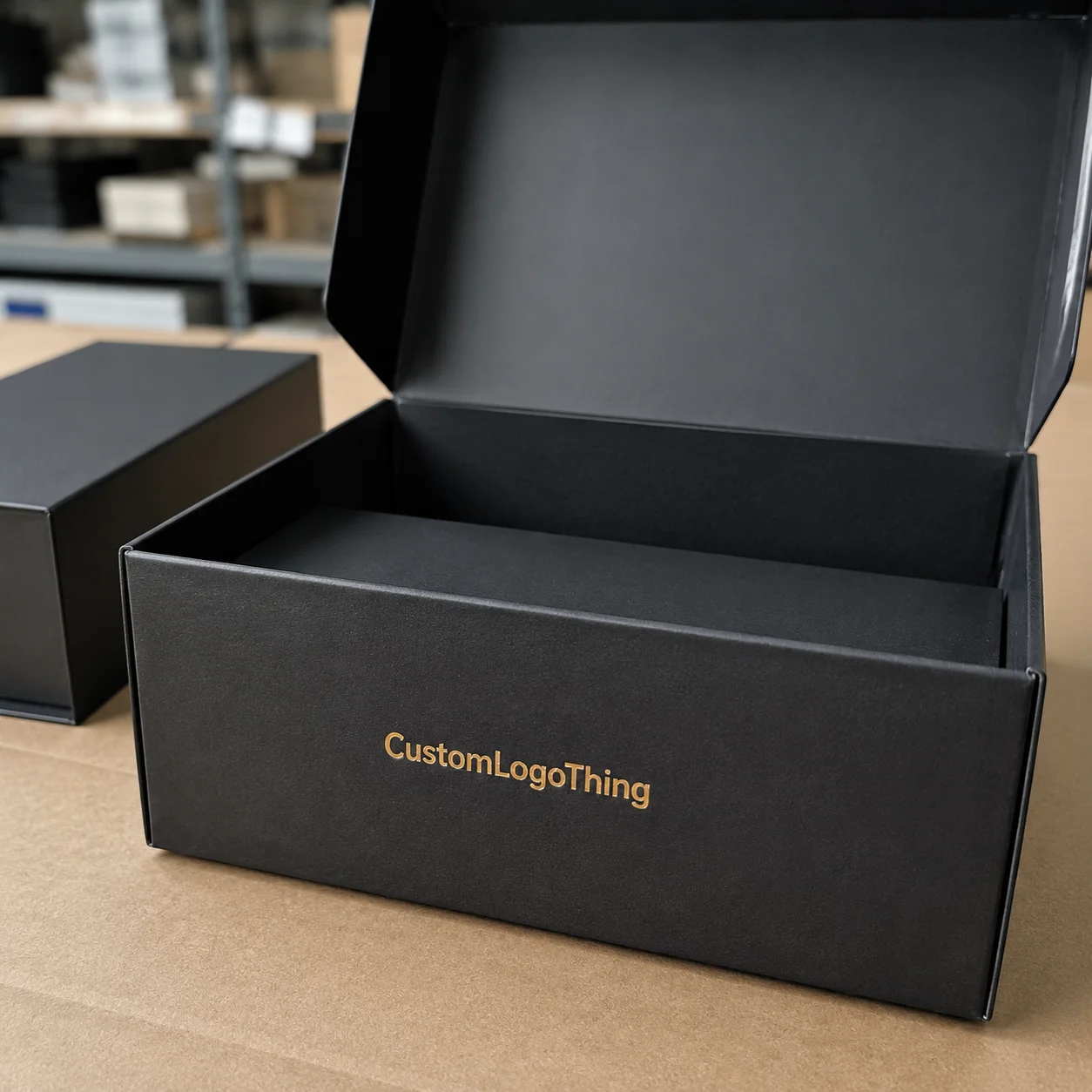
If you’ve ever held Custom Soft Matte boxes with emboss and thought, “Why does this feel like money?”, you’re not imagining it. I remember the first time I watched a plain carton go from forgettable to borderline luxurious just because the light hit the raised logo and the soft-touch film made the surface feel almost velvety. It was in Shenzhen, on a noisy factory floor near Bao’an District, and the sample cost the client about $0.92 per unit at 5,000 pieces in a folding-carton format with 350gsm C1S artboard. Honestly, the finished box looked so good I had that brief, annoying moment where I wanted to keep it and pretend I’d “misplaced” it. That’s the appeal of custom Soft Matte Boxes with Emboss. Plain on a spec sheet. Luxurious in hand. And yes, there’s a reason brands keep paying for it.
Custom soft matte boxes with emboss combine two things customers notice fast: touch and texture. The matte finish cuts glare by roughly the same visual logic that a satin wall paint does in a bright room, so the box looks calm and controlled rather than shiny or loud. The emboss gives the logo or artwork physical depth, so your fingers notice it before your brain fully processes the design. I’ve seen this combo used on branded packaging for cosmetics, candles, supplements, jewelry, and small electronics accessories because it sends a luxury signal in about one second. That’s not hype. That’s packaging psychology, and I’ve watched buyers react to it across sample reviews in Guangzhou, Dongguan, and Los Angeles. Sometimes they nod like they’re too sophisticated to be impressed. Then they pick it up again. Funny how that works.
Before we get too far, let me clear up the usual finish confusion. Emboss raises a design above the surface, usually by 0.5 mm to 1.5 mm on paperboard depending on thickness. Deboss pushes it down into the board. Spot UV adds a glossy coated patch on top of a matte surface. Foil stamping lays down metallic or pigmented film, usually gold, silver, black, copper, or holographic. And soft-touch lamination is the coating or film that gives the box that plush, almost rubbery hand feel. Put them together carefully on a structure like a magnetic rigid box or a folding carton made from 350gsm C1S artboard, and you get custom soft matte boxes with emboss that look expensive without shouting about it.
Honestly, I think a lot of people overDesign Premium Packaging because they’re nervous the box won’t feel “special” enough. Usually the opposite is true. With custom soft matte boxes with emboss, restraint tends to win. One strong logo. One clean panel. One tactile finish stack. That’s enough. Most of the time, the box doesn’t need fireworks. It needs confidence. And maybe fewer fonts; I’ve seen six on one lid in a Foshan mockup, and the result was not elegance, just confusion.
Custom soft matte boxes with emboss: what they are and why they feel expensive
Let me give you a real example. I was in a packaging workshop outside Dongguan years ago, and a client had ordered what looked like a very simple cream-colored rigid box. Nothing dramatic. No foil. No wild graphics. Then the press operator brought over the finished sample, and the embossed logo caught the overhead light just enough to create a shadow line around each letter. Paired with the soft-touch matte lamination, that box felt like something you’d see under glass in a luxury boutique in Shanghai or Singapore. Same structure, same board, same logo idea. Completely different emotional response. That’s why custom soft matte boxes with emboss keep showing up in premium product packaging.
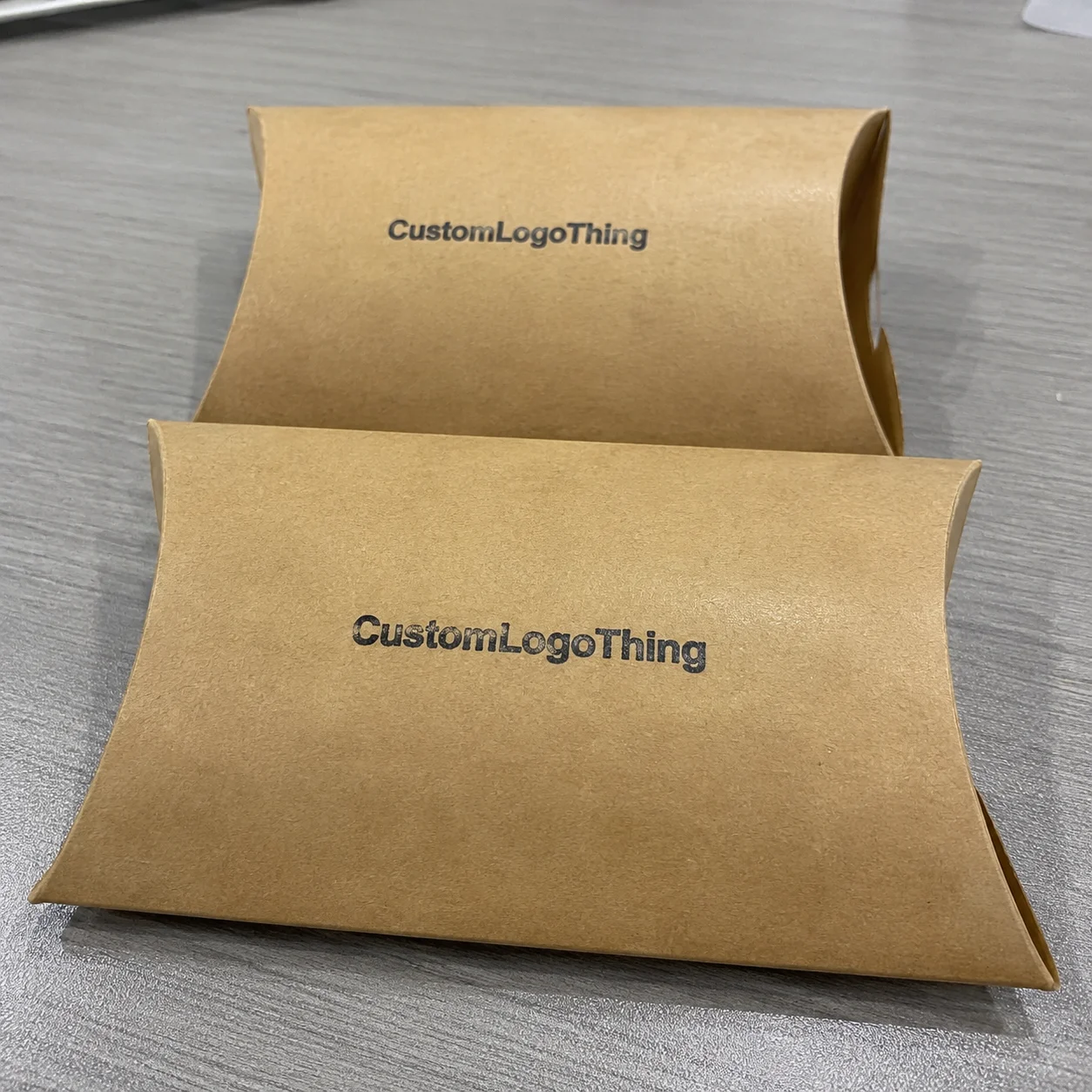
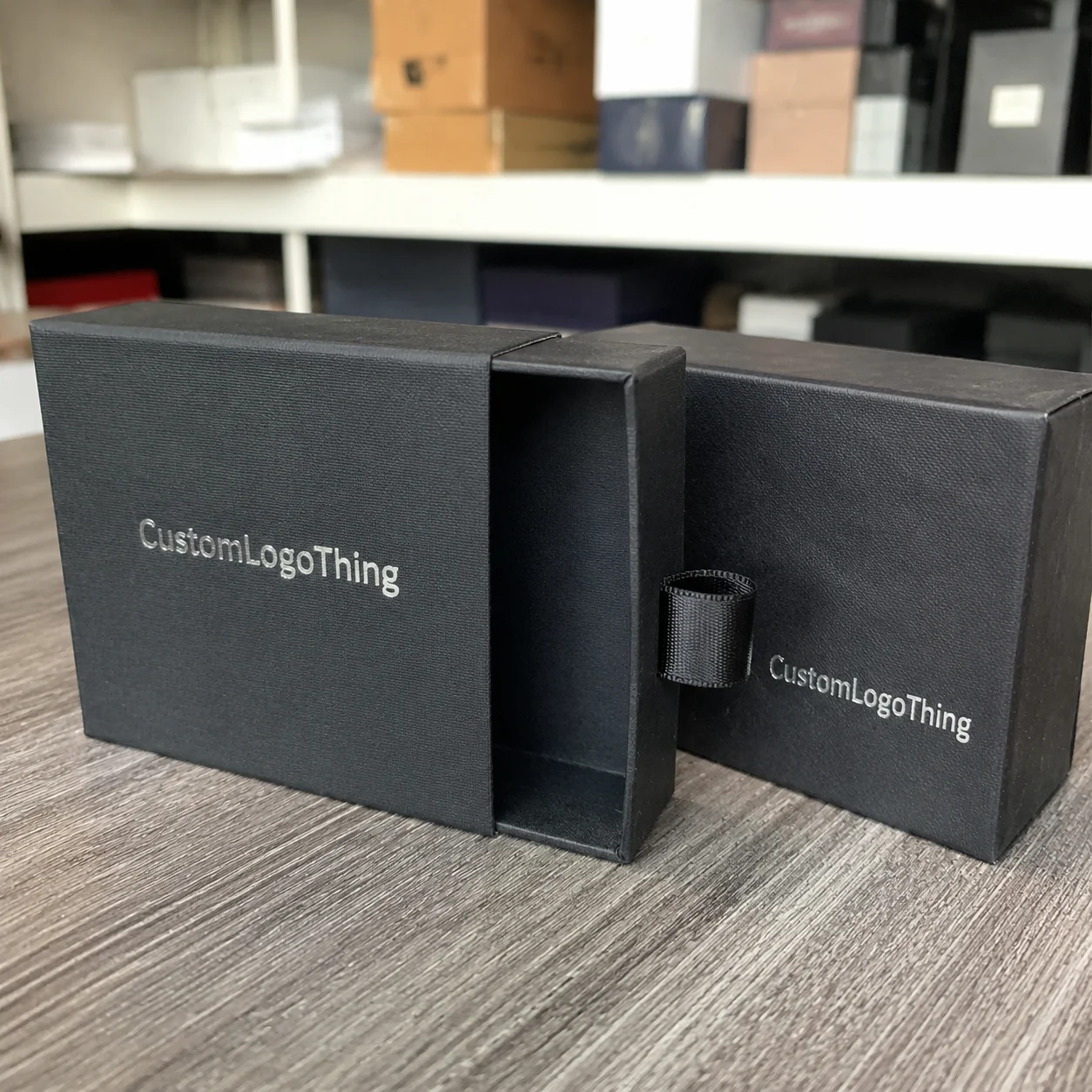
In plain English, custom soft matte boxes with emboss are boxes finished with a matte, soft-touch surface and a raised design that adds depth you can feel. The structure can be rigid, folding carton, sleeve, drawer style, or a magnetic gift box. A common specification for this kind of work is a folding carton printed on 350gsm C1S artboard with soft-touch matte lamination and a raised logo at the front panel. The finish is what changes the story. The surface cuts glare. The emboss creates dimension. Together, they turn Custom Printed Boxes into something that feels designed, not just printed.
The reason this works is simple. Matte absorbs light instead of bouncing it around. Emboss creates a physical focal point that the eye lands on right away. On a shelf in Dubai, London, or Atlanta, that combo reads as calm, premium, and intentional. In hand, it feels more expensive because the fingertips pick up the texture before the customer has even read the label. That’s one of the fastest ways to improve package branding without changing the product itself. A box that adds even $0.18 to $0.35 in packaging cost can still justify a far higher perceived value if the retail price supports it.
Different industries use custom soft matte boxes with emboss for different reasons. Cosmetics use it for elegance. Candles use it for gifting. Supplements use it to look credible instead of clinical. Jewelry uses it because presentation matters just as much as protection. Electronics accessory brands use it when they want the box to feel like a premium add-on, not a throwaway carton. I’ve also seen a lot of niche food and beverage gift packaging adopt this finish stack for seasonal sets in New York, Milan, and Tokyo, especially where the unboxing moment matters as much as the contents.
One thing I tell clients all the time: custom soft matte boxes with emboss are not mainly about protecting the product. They do protect it, sure, but the real job is to raise perceived value. If your actual product sells at $28 and the box makes it feel like $48, that’s not cosmetic fluff. That’s brand positioning. And brand positioning, when done well, pays rent.
For standards-minded buyers, look at material handling and freight packaging expectations through groups like the ISTA and environmentally conscious sourcing via the FSC. I’ve had buyers ask whether a premium finish means the box is less sustainable. Not automatically. It depends on board choice, coating type, and whether the structure is recyclable in your market. A rigid box built with 1200gsm greyboard and FSC-certified wrap can still be a sensible choice; a mixed-material box with heavy plasticized coating is a different story. I’m not going to pretend every soft-touch setup is equally eco-friendly, because that would be nonsense.
How custom soft matte boxes with emboss are made
The production flow for custom soft matte boxes with emboss is more technical than most buyers expect, which is why “just send me a quote” usually turns into a back-and-forth of five emails and two revised dielines. First comes the structure die-line. Then print. Then lamination. Then the embossing plate. Then press setup. Then die cutting, gluing, and final QC. If somebody skips a step or moves one out of order, the finished box can look fine in a render and disappointing in real life. I’ve seen that movie in factories in Shenzhen and Guangzhou, and I would not recommend it.
Embossing itself is pretty straightforward once you’ve seen it happen. A male and female die pair press the paperboard so the design rises above the surface. Pressure, heat, and timing all matter. Too little pressure and the logo looks weak. Too much and the board can crack or flatten out around the edges. I watched a press operator in one of our supplier factories spend nearly 40 minutes dialing in the pressure for a logo that had very fine serif lines. That’s normal. Precision costs time. Packaging, maddeningly, refuses to care that you “just need it by Friday.”
The soft-touch matte layer changes both the feel and the technical behavior of the board. A soft-touch film or coating can slightly reduce how sharply the emboss reads if the setup is sloppy. On quality jobs, the raised area still looks crisp because the artwork is prepared with the finish stack in mind. On bad jobs, the emboss gets rounded off and the box ends up feeling plush but visually weak. That’s why custom soft matte boxes with emboss need proper sampling, not guesswork. In many Chinese factories, that means at least one pre-production sample plus a corrected proof, with the first decorated sample often ready in 5 to 8 business days after proof approval.
Paper stock matters more than buyers realize. Coated art paper, C1S, and rigid greyboard all behave differently under pressure. Thin board can collapse around a raised logo. A heavier rigid board, usually around 1200gsm to 2000gsm depending on box size, holds the emboss much better. Folding cartons can work too, but they’re less forgiving with deep embossing. If your artwork needs sharp detail, the substrate has to cooperate. Paper does not care about your deadline, your mood, or your launch calendar.
Registration is another trap. If the emboss sits too close to a fold, glue flap, or edge, the pressure can distort the artwork. I’ve seen buyers approve a beautiful centered logo in a mockup, only to realize later that the actual box wall leaves only 3 mm of safe space near the fold. That’s how a premium box becomes a regret box. On custom soft matte boxes with emboss, the safe zone needs to be respected from the start, and most factories in Dongguan will ask for at least 5 mm of clearance on delicate designs.
Here’s how I normally recommend the sample flow:
- Flat proof for artwork and layout.
- Digital mockup for visual direction and color placement.
- Physical sample for fit, finish, and emboss depth.
Do not approve mass production from a screen alone. I know that sounds obvious, yet I still see brands do it. Then they call me two weeks later asking why their embossed logo looks faint or why the matte coating fingerprints under showroom lighting. Because the screen lied. It always does. I’ve had more than one client insist the digital file “looked fine,” which is usually my cue to stare at the monitor for a second and politely not scream.
For brands that care about shipping performance, especially ecommerce and subscription packaging, I also like checking the prototype against transit expectations. If the box needs to survive courier handling, rough warehouse stacking, or retail shelf abrasion, ask the supplier about testing standards. A good supplier in Shenzhen or Xiamen can usually run basic drop and compression checks on request. EPA recycling guidance can help you make more informed material choices when sustainability matters, although the exact recyclability of soft-touch finishes depends on local processing infrastructure. That part is annoyingly variable, which is a polite way of saying nobody can promise you a universal answer and keep a straight face.
Key factors that affect quality, cost, and pricing
The price of custom soft matte boxes with emboss comes down to five things: structure, board thickness, print coverage, emboss size or depth, and quantity. Those five inputs decide whether your quote lands at a comfortable level or makes everyone on the procurement call go quiet for three seconds. I’ve had quotes for similar-looking boxes differ by nearly 40% because one brand wanted a rigid magnetic box with deep emboss and the other wanted a basic folding carton with a small raised logo. Same aesthetic direction. Very different factory math.
MOQ behavior matters too. If you order 500 boxes, setup costs get spread over a tiny batch. If you order 5,000 or 10,000, the unit price usually drops sharply. For example, a simple folding carton with soft-touch matte and a front-panel emboss might land around $0.15 per unit for 5000 pieces if the design is one-color, the board is economical, and the box size is compact. A more typical premium folding carton often sits around $0.85 to $1.40/unit at 5,000 pieces, depending on size and print coverage. A rigid magnetic version can sit anywhere from $1.80 to $4.50/unit at that quantity, especially if the board is thicker and the finish stack is more complex. Those numbers are directional, not universal. Size, freight lane, and artwork all move the final figure.
Tooling is the part people forget to budget for. Embossing requires a die, and that can add a one-time setup fee from a few dozen dollars for a simple plate to several hundred dollars for a larger, more intricate tool. I’ve seen basic emboss plates billed at $60 to $120, and more involved dies climb to $180 to $350 depending on size, depth, and engraving method. If you reorder, ask whether the tooling stays on file. Good suppliers in Guangdong often keep plates for repeat runs. Bad ones “lose” them. Funny how that works.
Here’s a simple comparison table I use when explaining finish options to buyers who are trying to choose between looks and budget:
| Option | Typical Feel | Relative Cost | Best Use |
|---|---|---|---|
| Standard matte with no emboss | Clean, understated | Lower | Budget-conscious retail packaging |
| Soft-touch matte with small emboss | Premium, tactile | Mid to higher | Cosmetics, candles, gift sets |
| Soft-touch matte with deep emboss and foil stamping | Luxury, highly tactile | Higher | Jewelry, premium launches, limited editions |
| Spot UV on matte board | Gloss contrast | Mid | Modern branded packaging with visual pop |
Shipping is another hidden cost. Rigid boxes take more carton space than folding cartons, which means freight can quietly jump by 10% to 25% depending on packout and destination. One client once saved $0.11 per unit on production, then gave it all back through lousy shipping density. Classic move. Great on a spreadsheet. Not so great on landed cost. A palletized shipment from Ningbo to Long Beach can change your true unit economics faster than most buyers expect.
Print coverage also changes the price. Full-bleed color across the entire box, especially dark solids like black, navy, or burgundy, can increase ink and inspection time. A one-color design with a strong embossed mark often looks cleaner and costs less than a busy full-color layout. That’s why I often push clients toward restraint. In custom soft matte boxes with emboss, one well-placed raised emblem usually beats five design tricks that all fight each other.
Here’s the supplier negotiation tip I wish more buyers used: ask whether the emboss tooling can be reused for future orders and whether plate fees are waived after a certain volume threshold. I negotiated this in a meeting with a paper box vendor in Shenzhen, and we saved a client $220 on the second run just because the vendor agreed to keep the die on file. Small win. Real money. The kind of win that makes a procurement manager look mysteriously pleased for the rest of the afternoon.
Step-by-step process for ordering custom soft matte boxes with emboss
Ordering custom soft matte boxes with emboss goes much smoother when you treat it like a packaging project instead of a simple print job. I’ve seen too many brands start with “we want a nice box” and end up with five revisions because nobody wrote down the product size, target budget, or finish priority. The cleaner the brief, the fewer expensive surprises later. A supplier in Shenzhen or Dongguan can quote far faster when the dimensions are exact, for example 80 x 80 x 120 mm instead of “roughly medium.”
Start with product specs. I need the exact dimensions, weight, fragility level, and whether inserts are needed. If you’re packaging a 120 ml serum bottle, a fragile ceramic candle, or a set of Bluetooth earbuds, the internal fit changes everything. A box that looks perfect on a mood board can fail once the product starts rattling around inside. Product packaging has to do both jobs: protect and present. If the item weighs 180 g and has a glass component, the insert spec matters a lot more than the outer color.
Choose the structure before the finish. That sounds obvious, but buyers often do it backward. Decide whether you need a tuck-end carton, sleeve, magnetic rigid box, drawer box, or mailer style first. The structure affects the emboss area, the board thickness, and the overall look. Then you can decide whether soft-touch matte and emboss belong on that structure or whether a simpler Custom Packaging Products option will get the job done with less spend. A folding carton in 350gsm C1S artboard may suit a retail shelf SKU, while a 1200gsm greyboard rigid box makes more sense for gifting.
Then move to finish details. Pick the color mode, the soft-touch matte treatment, the emboss location, and any secondary effects like foil or spot UV. If you combine too many finishes, you can clutter the design and make the box feel busy instead of premium. I’ve seen brands add foil, emboss, spot UV, and satin ribbon all at once. The result looked like three marketing teams fought in a hallway. Nobody won. A cleaner stack, such as soft-touch matte plus one 12 mm embossed logo, usually looks stronger and costs less.
Artwork prep matters more than people think. Use vector logos. Outline the fonts. Leave safe margins around the emboss area. Avoid hairline strokes if the logo is going to be raised. Thin lines may disappear under pressure or blur once the board compresses. For custom soft matte boxes with emboss, I like artwork that looks strong even before finishing. If the logo depends on tiny detail to communicate the brand, embossing can expose every weakness.
What I ask for before production
- Exact die-line with fold and glue points marked.
- Emboss placement measured in millimeters from edges.
- Board spec such as 1200gsm greyboard or 350gsm C1S plus insert.
- Finish sample or previous work reference from the supplier.
- Freight estimate based on packed carton count and box size.
Request a prototype or white sample before paying for full decoration. A white sample lets you test fit, closure, and structure without burning money on print. Then move to a decorated sample so you can see how the emboss behaves under the actual soft-touch coating. I always want the production sample reviewed under the same lighting conditions the customer will see. Bright retail lights in a Chicago boutique make matte finishes behave differently than a warm office desk lamp in a Melbourne studio, and that changes how custom soft matte boxes with emboss read visually.
Timeline planning needs to be realistic. A plain printed box might move from artwork to shipment faster, but embossing adds setup time. A normal flow might look like this: 2 to 4 days for artwork cleanup, 5 to 8 business days for sample making, 2 to 3 days for revisions, and 12 to 18 business days for production after proof approval, with freight on top. If you need an exact launch date, give the supplier the target date first and work backward. That saves headaches. It does not save time if the customer approves artwork late, though. Nothing does.
I’ve had one client in the supplement space approve a final design at 6:40 p.m. on a Friday and then ask why the embossed sample was not ready by Monday morning. Cute idea. Not how presses work.
For brands building a wider product lineup, I usually recommend keeping the same structural base across multiple SKUs and changing only the insert or outer sleeve. That way you preserve package branding consistency while controlling costs. It also makes reorders easier because the dieline and tooling stay the same. A shared base can reduce design and setup work by a meaningful margin, especially when the supplier is already holding the emboss plate and cutting die.
Common mistakes brands make with emboss and soft-touch matte
The first mistake is using design lines that are too thin. A tiny serif or hairline script might look elegant on screen, but once it’s embossed, the detail can collapse or blur. I’ve seen logos with 0.25 pt strokes turn into mush on press. If you want custom soft matte boxes with emboss to look premium, the artwork has to be built for pressure, not just for a website mockup.
The second mistake is placing embossed art too close to edges, folds, or seals. That’s where distortion happens. Pressure behaves differently near a hinge or a glue flap, and the board can crack or compress unevenly. If the logo sits 2 mm from the fold, you’re asking for trouble. Give it breathing room. Packaging design should not require luck. If it does, somebody forgot the sample stage.
The third mistake is thinking more texture automatically means better packaging. Not true. A huge raised pattern can look tacky if the brand voice is quiet and refined. Sometimes a small emblem on a clean panel of soft-touch matte makes more impact than an entire surface covered in texture. The best custom soft matte boxes with emboss often look almost understated until someone picks them up. Then they win.
Fingerprints are another reality buyers need to accept. Soft-touch coatings can show handling marks more than standard matte finishes, especially on dark colors. If the box will be touched a lot in retail or fulfillment, ask the supplier about scuff resistance and coating options. Not every soft-touch film behaves the same, and some are far better than others. I’ve had two samples in the same color family and one looked beautiful after handling while the other picked up marks like it was begging for it. Infuriating, really. In practical terms, a dark navy box may show handling after 20 to 30 touches, while a lighter ivory finish can hide minor marks much better.
Low-quality board is a budget trap. If you save $0.04 per unit on paper but the emboss looks shallow and the box feels flimsy, you’ve lost the premium effect. The customer doesn’t know you saved money. They just know it feels cheap. That’s bad economics. With custom soft matte boxes with emboss, the substrate is part of the brand story. A well-built box using the right board in a facility in Dongguan or Huizhou can outperform a cheaper version every time.
Skipping a physical sample is probably the most expensive mistake of all. Screens don’t show tactile depth. They don’t show press shadows. They don’t show how the matte finish reacts to light. Yet people still approve from images alone and then act shocked when the production run misses the mark. I’ve watched this happen in client meetings more times than I can count. No sample, no mercy.
Another mistake: overcomplicating the finish stack. Emboss plus foil stamping plus spot UV plus heavy artwork often becomes too much. You don’t need every finish on one box. You need the right finish in the right place. Simpler work usually looks more expensive because it looks intentional. That’s the strange truth of premium packaging, especially when the box is being produced for a launch in one of the big manufacturing hubs like Shenzhen or Ningbo, where the difference between “clean” and “crowded” shows up instantly on press proof.
Expert tips to make custom soft matte boxes with emboss look premium
Keep the design minimal. I know, shocking advice from someone in packaging. But it’s true. Custom soft matte boxes with emboss work best when the emboss has room to breathe. If the front panel is clean, the raised logo looks sharper. If the box is crowded, the emboss has to fight for attention and usually loses. A single emblem centered within a 10 mm to 15 mm safe margin often looks far better than a busy collage of type and icons.
Use color carefully. Matte black, warm gray, ivory, deep navy, forest green, and muted burgundy often make embossed details pop without screaming. Bright colors can work, but they need discipline. Soft-touch matte in a highly saturated color can look beautiful, yet it can also show flaws faster if the coating quality is inconsistent. I prefer colors that support the tactile story instead of overpowering it. A box that prints in matte black with a white embossed mark can feel about as expensive as anything in a boutique window in Paris or Milan.
Partial emboss is often a smarter choice than full-panel emboss. It controls cost and keeps the premium effect focused on the logo or emblem. A deep emblem on the front of the box can do more for brand memory than a giant pattern that feels decorative but forgettable. That’s especially true for custom soft matte boxes with emboss used in retail packaging, where shelf scan time is short and shoppers make decisions in under 3 seconds.
Coordinate the interior. This is where too many brands drop the ball. The outer box looks gorgeous, and then the insert is a sloppy die-cut with weak print alignment. The unboxing moment dies right there. I’ve stood at tables with clients where the outside looked worth photographing, but the inside looked rushed by someone who had given up halfway through Tuesday. If you want the box to feel premium, the inner presentation has to match. A rigid insert wrapped in 157gsm art paper or a printed tray with clean cut edges helps more than people think.
Ask the factory for press direction guidance. Good suppliers know which artwork lines hold best under pressure and which layouts tend to distort. I’ve had a vendor in a Shenzhen facility recommend shifting a logo 6 mm upward because the emboss area sat too close to the lower fold. That tiny adjustment saved the job. Vendor experience matters. A lot. A press team that runs emboss jobs every week will spot problems faster than a design team staring at a flat PDF in a conference room.
Test the box in real conditions. Put it on a retail shelf for a day. Ship it in a carton with other units. Open and close it ten times if it’s a reusable style. See whether the corners scuff, the emboss flattens, or the soft-touch coating marks too easily. Spec sheets are useful, but real handling tells the truth. That’s how I judge whether custom soft matte boxes with emboss are actually production-ready. If the design can survive a courier route from Guangzhou to Vancouver, it can probably survive launch week.
Negotiate for repeat orders early. If you know the box will come back, ask the supplier to keep the dieline, emboss plate, and board spec locked. Reusing setup data saves time and usually reduces cost. I’ve seen repeat buyers shave 8% to 15% off reorder pain just by standardizing the structure. Nothing glamorous. Just smart buying. It also helps when your production window is tight and the next batch has to be approved in under 12 business days.
For custom packaging programs, I usually tell clients to build a small product packaging system instead of one-off boxes. One shared structure, two or three finish variations, and clear SKU labeling. That keeps the brand consistent and makes it easier to scale without redesigning everything from scratch every season. A three-SKU system with shared tooling can cut rework dramatically, especially if the same box is made in both Shenzhen and a backup plant in Vietnam.
Next steps for planning custom soft matte boxes with emboss
If you’re ready to source custom soft matte boxes with emboss, start with a one-page brief. Include dimensions, product weight, quantity, target budget, and the finish priority. If the emboss matters more than print, say that. If the soft-touch feel is the main goal, say that too. Good sourcing starts with clarity, not wishful thinking. A brief that lists 5,000 units, a target landed cost, and a preferred board like 350gsm C1S artboard is much easier to quote than a paragraph full of adjectives.
Next, gather two or three reference images that show the exact vibe you want. Not “luxury” in the abstract. I mean specific things like matte level, emboss depth, logo placement, and whether you prefer a quiet, minimal front panel or a more decorative structure. The more precise the references, the faster your supplier can quote accurately on custom soft matte boxes with emboss. If you can show a reference from a brand launched in London, Seoul, or Chicago, even better, because it gives the factory a visual target instead of a mood.
Then ask for a line-item quote. I always want structure, printing, lamination, emboss tooling, and freight shown separately. If the quote is bundled into one mystery number, it becomes hard to compare vendors. You want to know where the money goes. That’s how you spot padding, hidden tooling, or unnecessary extras. Transparent quotes make better buying decisions. A factory in Dongguan might quote production at $0.15 per unit for 5000 pieces on a simple run, while the freight and tooling sit outside that number; that separation matters more than the headline figure.
Request a sample schedule before approving artwork. If the supplier says a decorated sample takes 7 business days and mass production takes 12-15 business days from proof approval, you can plan honestly. If they say “fast,” that means nothing. Production timelines need actual numbers: proof approval, sample release, final confirmation, and freight handoff. That’s how you keep launches from sliding.
Review your artwork with the emboss area marked clearly. I like a red outline on the die-line showing exactly where the raised element sits. That prevents last-minute changes. It also helps your internal team avoid moving the logo two millimeters just because someone preferred a different-looking crop on the screen. Two millimeters can wreck a premium finish. Yes, really. A logo that was centered in a 60 mm panel can look off if it shifts by even 2 mm on a matte surface.
Confirm reorder terms now. Ask whether the emboss plate stays on file, whether artwork changes trigger new tooling, and what the minimums are for repeat runs. If you’re building a lasting packaging line, this matters more than one-time unit savings. Reorders are where smart packaging programs save money, especially if your manufacturing partner is in Shenzhen, Dongguan, or Ningbo and can keep the same die and board spec on record.
My direct advice? Shortlist two to three vendors, send the same brief, compare the line-item quotes, approve one physical sample, and only then place the full run of custom soft matte boxes with emboss. That sequence has saved my clients a lot of expensive embarrassment. And yes, embarrassment is a real line item when the box shows up wrong and the product launch is already booked.
For teams building out broader branded packaging, explore Custom Packaging Products as a starting point, then narrow into the exact structure and finish stack that fits your margin. There’s no prize for overpaying for glitter you don’t need.
Custom soft matte boxes with emboss are not magic. They are just good packaging done with discipline, proper tooling, and enough respect for the details to avoid silly mistakes. Get the board right. Get the artwork right. Get the sample right. Then the box will do what it’s supposed to do: make the product feel more valuable the second someone touches it. If you’re choosing between more decoration and better execution, pick execution. Every time. That’s the move.
FAQs
What is the difference between custom soft matte boxes with emboss and deboss?
Emboss raises the design above the surface, while deboss presses it inward. Emboss usually feels more noticeable in hand because the logo catches light and shadow more aggressively. Deboss tends to feel quieter and more understated, which some luxury brands like for minimal package branding. On a 350gsm or thicker board, emboss can rise about 0.8 mm to 1.2 mm without risking the structure if the die is set correctly.
How much do custom soft matte boxes with emboss usually cost?
Pricing depends on the box style, size, quantity, print coverage, and emboss complexity. In my experience, emboss tooling and setup add a separate fee on top of the unit price. For larger orders, the per-box cost drops because setup costs get spread across more units. A simple soft-touch folding carton can be around $0.15 per unit for 5000 pieces on a streamlined spec, while a rigid gift box can climb to several dollars each. For many mid-range projects in Guangdong, a more typical figure is $0.85 to $1.40/unit at 5,000 pieces, before freight.
How long does it take to produce custom soft matte boxes with emboss?
Production usually includes artwork prep, sample making, revisions, mass production, and freight. Embossing adds extra setup time compared with plain printed boxes. Fast buyer approvals are the biggest thing that keeps the schedule on track. If someone sits on artwork for a week, the calendar does exactly what you’d expect: it keeps moving. A practical timeline is often 5 to 8 business days for samples and 12-15 business days from proof approval for production, with transit added after that.
What products work best with custom soft matte boxes with emboss?
Products that benefit from premium perception or gifting work especially well. I’ve seen strong results with cosmetics, candles, jewelry, supplements, and small electronics. The finish is strongest when the product value supports a luxury unboxing experience and the box is part of the product story, not an afterthought. A 120 ml serum, a candle in a ceramic vessel, or a premium earbud set are all good candidates if the margins can support the finish stack.
Do custom soft matte boxes with emboss show fingerprints easily?
Soft-touch matte can show handling marks more than standard matte finishes, especially on darker colors. Fingerprints are less visible when the coating quality is good, but they can still appear with heavy handling. For retail packaging or fulfillment-heavy use, ask your supplier about scuff resistance, coating type, and whether a more durable matte film is available. In practice, a dark box may show marks after 20 to 30 touches, while an ivory or warm gray version usually hides them better.