Buyer Fit Snapshot
| Best fit | Custom Printed Boxes with Logo projects where brand print, material claims, artwork control, MOQ, and repeat-order consistency need to be specified before quoting. |
|---|---|
| Quote inputs | Share finished size, material target, print colors, finish, packing count, annual reorder estimate, ship-to region, and any compliance wording. |
| Proofing check | Approve dieline scale, logo placement, barcode or warning zones, color tolerance, closure strength, and carton packing before bulk production. |
| Main risk | Vague material claims, crowded artwork, missing packing details, or unclear freight terms can make a low unit price expensive after revisions. |
Fast answer: Custom Printed Boxes with Logo: Material, Print, Proofing, and Reorder Risk should be specified like a repeatable production item. The safest quote records material, print method, finish, artwork proof, packing count, and reorder notes in one written spec.
Production checks before approval
Compare the actual filled-product size with the drawing, then confirm tolerance on folds, seals, hang holes, label areas, and retail display edges. Reserve space for logos, QR codes, warning copy, and material claims before decorative graphics fill the panel.
Quote comparison points
Review material grade, print process, finish, sampling route, tooling charges, carton quantity, and freight assumptions side by side. A quote is only useful when the supplier can repeat the same color, closure quality, and packing count on the next order.
On one factory visit in Shenzhen, I watched a buyer gasp because the same candle that had been sitting in a plain brown carton suddenly looked like a $48 gift once we switched to custom printed Boxes with Logo. Same product. Same fill. Different box. That is packaging doing its job, and it’s why I’ve spent 12 years telling brands that custom printed boxes with logo are not “extra.” They are sales tools, protection, and first impression all shoved into one piece of board. In that plant, the box spec was a 350gsm C1S artboard wrap over a 1200gsm grayboard tray, and the price difference to the client was only $0.42 per unit on a 3,000-piece order.
I remember standing there with a coffee that had gone lukewarm for the third time that morning, thinking, “Well, there it is.” One box. One logo. One tiny shift in perception. Brands spend months arguing over formulas, fabrics, or ingredients, and then treat the package like it can be sorted out in five minutes. Honestly, I think that’s backwards. If you want the product to feel worth opening, custom printed Boxes with Logo have to do more than hold the item upright. They have to tell a story before the lid even comes off, ideally with exact details like a Pantone 186 C logo on a matte-laminated mailer or a foil-stamped rigid lid with 2 mm board thickness.
If you’re comparing custom printed boxes with logo for ecommerce, retail packaging, PR kits, or gift sets, you’re really deciding how your product shows up before the customer even touches it. I’ve seen a flimsy box wreck perceived value so hard that the client asked for a reprint after the first wholesale meeting. Painful. Expensive. Completely avoidable. And yes, I still think about that meeting when I see someone say, “We’ll just use whatever box fits.” That sentence has caused more trouble than a bad forecast, especially when the fit leaves 18 mm of empty space and adds $0.19 per unit in extra void fill.
Custom Printed Boxes with Logo: What They Are and Why They Matter
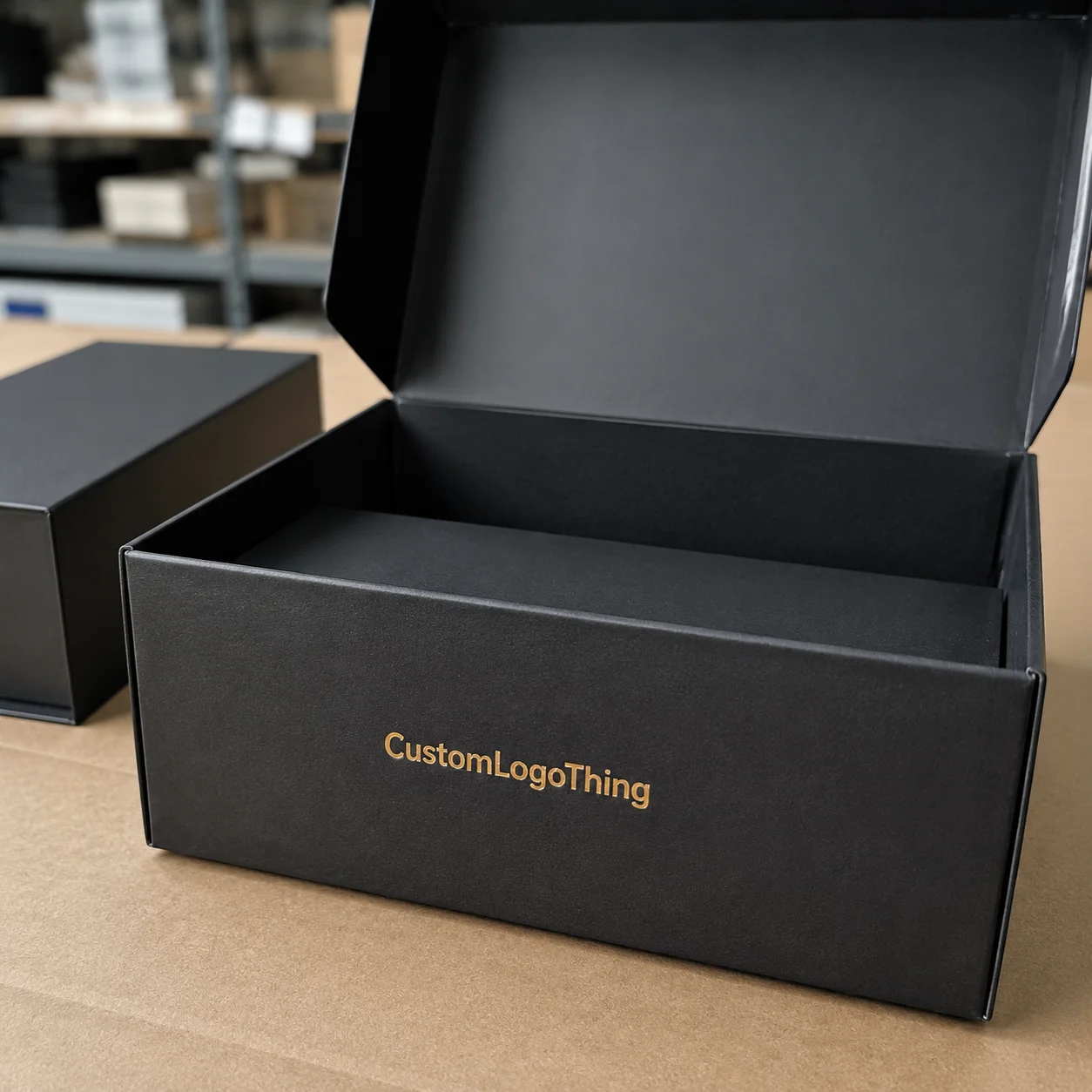
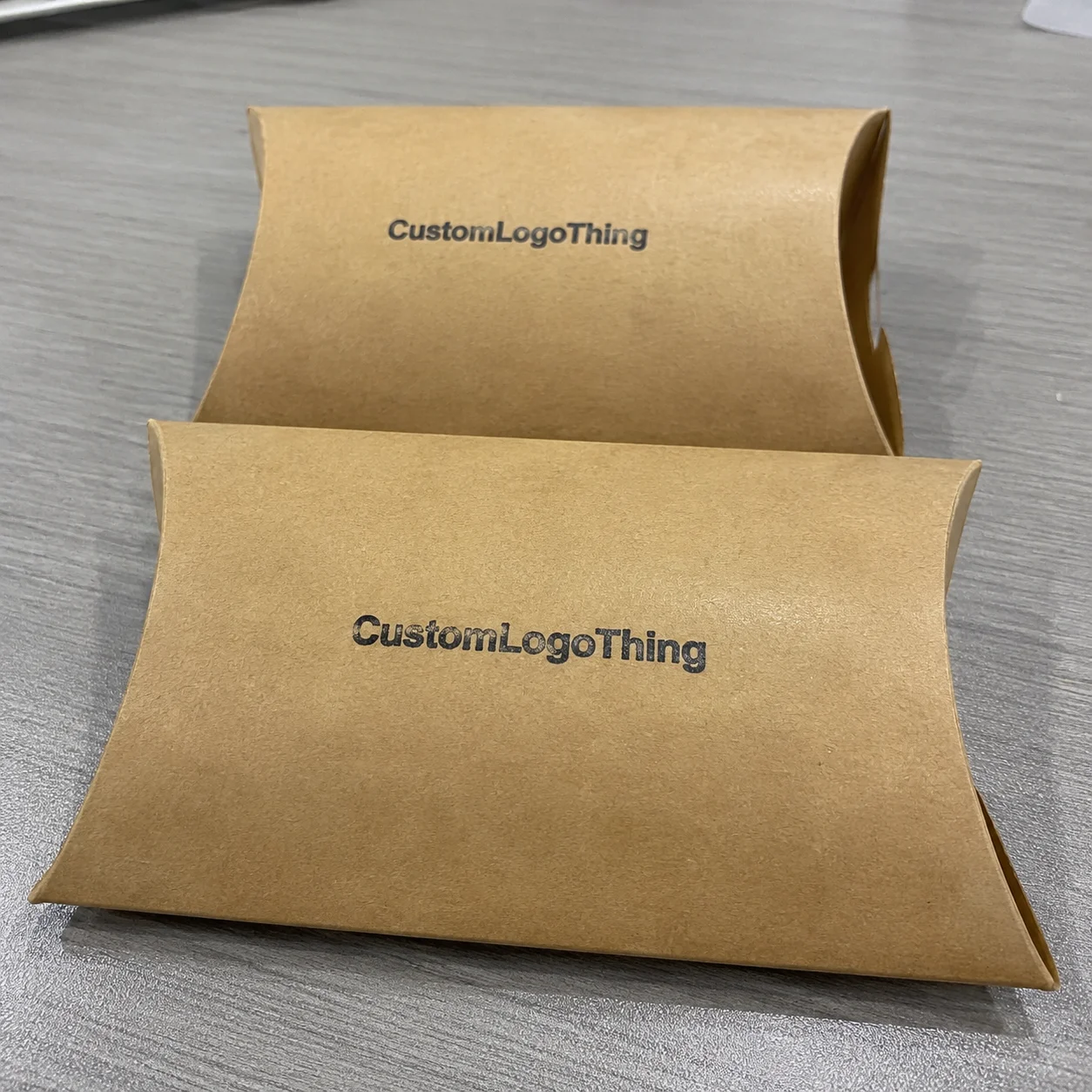
Custom printed boxes with logo are boxes made to your product size, material, and brand artwork, then printed directly on the surface or finished with labels, sleeves, or wraps. Plain English version: you’re not buying a random carton and slapping a sticker on it. You’re building product packaging that fits the item, supports the brand, and survives shipping. A folding carton for a 30 mL serum might use 350gsm C1S artboard, while a mailer for a candle set might use E-flute corrugated board with an 18 E inner liner and kraft outside.
Honesty time: a lot of founders underestimate how much packaging changes the customer’s brain. I’ve stood next to a line where the exact same skincare serum went into either a generic kraft mailer or a printed rigid box with a matte lamination and a neat foil logo. The brand team didn’t change the formula. They changed the perceived value. That is package branding in action, and it matters because customers judge fast. Like, three seconds fast. In retail corridors from Los Angeles to London, I’ve watched buyers decide in under 5 seconds whether a box looked “mass market” or “premium.”
Good custom printed boxes with logo do three jobs at once. First, they protect the product with the right board strength, inserts, and fit. Second, they create the first impression with branded packaging that looks intentional instead of improvised. Third, they can reduce returns when the size is right, because less movement means less breakage. I’ve seen a 14% damage rate drop to under 3% after a client moved from oversize cartons to properly sized corrugated mailer boxes, using 32 E-flute board and a die-cut insert that cost $0.11 per unit.
Clear up the box confusion too, because suppliers love tossing around terms like everyone in the room already lives inside a packaging dictionary. Custom printed boxes with logo can mean several structures:
- Mailer boxes — usually corrugated, front-lock style, common for ecommerce.
- Folding cartons — paperboard retail boxes for cosmetics, supplements, food, and small goods.
- Rigid boxes — thick chipboard presentation boxes for premium sets and gifts.
- Shipping boxes — stronger corrugated cartons for transit and warehouse abuse.
- Box sleeves and labels — lower-cost branding options when full print is not the right spend.
Use cases are broad. I’ve spec’d custom printed boxes with logo for subscription kits, retail shelf packaging, influencer PR drops, electronics, apparel, beauty, candles, and corporate gifts. The big lesson: good packaging balances brand impact, protection, and budget. You do not get all three by accident. If somebody tells you otherwise, they’re selling magic beans. Or worse, they’re not even packaging people and they’re pretending they are, which is somehow more irritating. In Guangzhou, I saw one brand save 22% on total packaging spend simply by switching from oversized setup cartons to a 1,500-piece run of tighter mailers.
“We thought the box was just a container. After the rebrand, retail buyers treated the product like a premium line.” — a client in Austin who went from plain kraft to printed rigid boxes
For brands building out a wider assortment, I usually recommend starting with the box as part of the Custom Packaging Products mix, not as a late-stage add-on. That’s where the design decisions get cheaper and smarter, especially if you’re comparing a 500-unit test run in Chicago to a 5,000-unit reorder from a plant in Dongguan.
How Custom Printed Boxes with Logo Work From Artwork to Box
The workflow for custom printed boxes with logo is straightforward once you know the sequence. Box style first. Size second. Material third. Artwork setup fourth. Then proofing, production, finishing, and shipping. People get into trouble when they design the artwork before they know the dieline. That’s how text ends up on a fold line and the logo kisses the glue flap. Cute in theory. Terrible in practice. A standard folding carton dieline can have 6 to 10 panels, and even a 1.5 mm shift can move a barcode into the score area.
I visited a corrugated plant near Dongguan where a buyer had sent a logo in a low-res JPG pulled from a website header. The file looked fine on a laptop. On press, it turned into a fuzzy mess. The fix cost them an extra $180 in design cleanup and two days of delay. That’s the type of avoidable mistake that makes me twitch. I was mildly furious on their behalf, which is maybe putting it politely. The press crew was running a 4-color offset line at 7,500 sheets per hour, and the blurry file stopped everything for a rework.
For print files, custom printed boxes with logo usually need vector artwork: AI, EPS, or a high-quality PDF. You also want PMS color references if color consistency matters. Bleed is the extra print area beyond the cut line, and safe zones keep critical text away from folds, cuts, and scores. If your supplier says “don’t worry, we’ll fix it,” ask who exactly is fixing it and whether that person is being paid enough to care. The cleaner answer is to supply a file with at least 3 mm bleed and 5 mm safe margins around the logo.
There are a few common print methods for custom printed boxes with logo:
- Digital printing — great for short runs, variable designs, and faster setup.
- Offset printing — best when you want tighter color control and larger quantities.
- Flexographic printing — common on corrugated shipping boxes and practical for higher-volume runs.
Dielines matter more than most new buyers realize. A correct dieline is the blueprint for the box. It shows folds, flaps, scores, and trim. If the template is off by even 2 mm, your logo might sit too close to an edge, or a barcode may get swallowed by a crease. I’ve seen a beauty brand approve the wrong template and discover at receiving that the front panel looked misaligned by about 5 mm. Not enough to ruin function, but enough to make the founder furious. Fairly so. I would’ve been, too. On a 2,500-piece shipment, that kind of misalignment can trigger a $250 remanufacturing charge before freight.
Proofing comes in two forms. A digital proof shows layout, positioning, and copy. A physical sample shows structure, coating, feel, and actual color. If you’re doing simple custom printed boxes with logo for shipping, a digital proof may be enough. If the project has retail exposure, a rigid presentation box, or exact shade matching, I would push for a physical sample. A $60 sample can save a $6,000 reprint. That math is not complicated. It’s the sort of math that makes procurement people look wise and everyone else look slightly haunted.
One more thing: many suppliers use different production partners depending on box type. So yes, a company may sell custom printed boxes with logo across multiple structures, but the corrugated line, rigid box line, and paperboard line may come from different factories. Verify board grade, coating, print method, and assembly method before you approve. I’ve had contracts where the quote looked perfect until we found the “matte finish” was actually a basic aqueous coating. Same word. Very different result. If you want a true soft-touch feel, ask for lamination over 1200-1500 micron grayboard or a paperboard with a soft-touch film at 30 to 35 microns.
For standards, I like to reference actual industry references instead of vibes. Packaging quality and transport testing often connects to ISTA transport test standards, and sustainability claims should not wander far from material certifications like FSC. If a supplier cannot explain those basics, keep your wallet in your pocket. A warehouse in Vietnam may stamp “eco” on a box, but an FSC chain-of-custody certificate is what gives the claim teeth.
Custom Printed Boxes with Logo: Key Factors That Change Quality and Cost
Pricing for custom printed boxes with logo is not random. It usually comes down to six things: structure, size, material, print coverage, finishing, and quantity. Then freight sneaks in like it always does and ruins somebody’s spreadsheet. I’ve seen that happen so many times I can practically hear the spreadsheet groan. On one quote from a supplier in Shenzhen, the packaging looked cheap at $0.24 per unit until the freight line added another $0.09 per unit on a 6,000-piece ocean shipment.
Size affects cost more than people expect. I once had a client insist on adding a quarter-inch of headroom “just to be safe.” That tiny change increased board usage, raised carton count per pallet, and pushed freight up by $420 on the first order. The box still fit the product, but the buffer was not free. Nothing in packaging is free. Especially not filler space. Even a 6 mm change in height can change how many units fit on a 1.2 m by 1 m pallet.
Here’s the basic material breakdown I use when quoting custom printed boxes with logo:
- Corrugated board — best for shipping strength, ecommerce, and warehouse handling.
- Paperboard — lighter, cleaner, and common for retail packaging.
- Rigid board — premium feel, thicker walls, often used for luxury sets.
- Recycled stock — good for eco-minded brands, though the surface finish may be less refined.
Finishing changes both appearance and cost. Matte lamination gives a soft, modern feel. Gloss pops harder under light. Soft-touch feels rich, but it adds labor and material. Foil stamping, embossing, and spot UV can make custom printed boxes with logo stand out, but every extra effect means setup, plate cost, and more room for defects. I love a good foil logo. I also love not throwing money at a box because somebody used the word “luxury” too many times in a meeting. There’s a limit to how many times one whiteboard can say premium before I start seeing red. Foil can add $0.12 to $0.30 per unit, while embossing often adds another $0.08 to $0.18, depending on size and tooling.
Let me give you a practical pricing framework. A simple kraft corrugated mailer with one-color print might land at around $0.70 to $1.40 per unit at 2,000 pieces, depending on size and freight. A four-color retail folding carton could range from $0.35 to $0.90 per unit at moderate quantities. A rigid gift box with inserts, lamination, and foil can jump to $2.50 to $6.00 per unit quickly. Those are not universal numbers. They depend on spec. But they show why two quotes for custom printed boxes with logo can differ by hundreds or thousands of dollars without either supplier “being wrong.” At 5,000 pieces, a straightforward folding carton might even dip to $0.15 per unit if the spec is plain 350gsm C1S artboard, one-color print, and no special finish.
MOQ reality matters. Smaller runs almost always carry higher unit prices because press setup, tooling, and labor are spread over fewer boxes. I’ve seen a 500-piece job cost nearly double the per-unit price of a 2,000-piece run, even though the artwork was identical. That is not a scam. That’s math. If the supplier has to set plates, calibrate color, and run the line for a tiny order, you pay for the privilege. In many factories in Shenzhen, Dongguan, and Ningbo, a 1,000-piece run is the threshold where unit pricing starts to breathe.
Here’s a quick comparison of common custom printed boxes with logo options and what usually drives the cost:
| Box Type | Best For | Typical Cost Pressure | Notes |
|---|---|---|---|
| Corrugated mailer | Ecommerce, subscriptions | Size, board thickness, print coverage | Good balance of strength and branding |
| Folding carton | Retail, cosmetics, food | Ink coverage, coating, dieline complexity | Lighter and often cheaper per unit |
| Rigid box | Luxury, gifts, PR kits | Labor, board wrap, inserts, foil | Premium feel, higher MOQ |
| Shipping box | Heavy or fragile goods | Board strength, transit test requirements | Function-first, branding still possible |
Shipping can be a silent killer. If your boxes are large but light, freight may cost more than the print itself. If they’re being air-shipped because a launch is late, that bill gets spicy fast. I’ve seen packaging quotes that looked attractive until the buyer discovered ocean freight, customs handling, and inland delivery pushed the total over budget by 18%. That’s the moment the whole room stops smiling. A pallet from Shenzhen to Los Angeles can add $0.07 to $0.20 per unit depending on cube, season, and whether the shipment moves by sea or air.
For sustainability-minded brands, ask about FSC-certified board, recycled content, and right-sizing. The EPA has useful guidance on packaging and source reduction if you want a sober look at waste reduction instead of marketing fluff: EPA packaging and sustainable materials guidance. It won’t make the boxes prettier, but it may keep your conscience and your landfill math in better shape. A box that trims 10 mm off each side can reduce cardboard use by 8% to 12% in a mid-size mailer run.
How to Order Custom Printed Boxes with Logo: Step-by-Step
Ordering custom printed boxes with logo is easier when you treat it like a mini production project instead of a casual purchase. I’ve seen great products get held up for three weeks because nobody measured the bottle neck height before asking for a quote. Three weeks. Over a ruler. I still laugh a little, then I wince. A 5,000-unit order that should have moved in 14 business days sat idle because the supplier needed the exact 92 mm product height for a snug mailer spec.
Start with the product dimensions and the shipping method. Measure length, width, height, and any fragile protrusions. If you’re adding inserts, include the insert thickness too. For ecommerce custom printed boxes with logo, you also want to know whether the box will ship flat, be packed by hand, or be assembled in a warehouse. That one decision affects labor, storage, and freight. For example, flat-packed mailers from Qingdao can reduce cube by 70% compared with fully assembled rigid boxes.
Next, pick the structure based on use case:
- Mailer box for direct-to-consumer shipping.
- Tuck-end carton for retail shelves and lightweight goods.
- Rigid box for premium kits and gifting.
- Corrugated shipper for heavier or fragile items.
Then gather your artwork. For custom printed boxes with logo, you want vector logo files, brand colors, copy, barcodes, and any regulatory information ready before you ask for production. If the only logo file you have is a screenshot from Instagram, stop. Fix that first. Printers are not miracle workers. They are not also your design rescue team. I know, shocking. A barcode should be at least 80% contrast on a white panel, and copy for ingredient panels should be checked line by line before press.
Once the box style is chosen, request a dieline and build the artwork on the template. Check the folds, glue areas, inside print areas, and panel hierarchy. Ask yourself what the customer sees first. Then what they see second. Packaging is choreography. Not random decoration. If the interior panel has a thank-you message, make sure it sits where the lid opens at 90 degrees, not where the flap folds over it.
I always tell clients to approve three things in writing before production: material, finish, and quantity. A lot of disputes come from fuzzy language like “premium board” or “nice matte.” That means nothing on a factory floor. Say 350gsm C1S artboard with soft-touch lamination, or 32 E-flute corrugated with kraft liner. Specifics save money. “Premium board” can mean 280gsm in one plant and 400gsm in another, which is how headaches get delivered by truck.
After proof approval, production begins. If the run is simple, you may get custom printed boxes with logo in 10 to 15 business days after proof sign-off. If the project includes foil, embossing, window patches, or complex inserts, it can stretch to 20 to 30 business days. Add shipping time, customs clearance, and warehouse receiving. Yes, the calendar always gets a vote. In practice, many factories in Guangdong quote 12 to 15 business days from proof approval for standard folding cartons, and 18 to 25 business days for rigid boxes with inserts.
Here’s a practical checklist before you place the order for custom printed boxes with logo:
- Final product measurements
- Logo files in vector format
- Pantone or CMYK color targets
- Quantity target and backup quantity
- Box style and finish
- Delivery address and receiving hours
- Assembly plan if boxes arrive flat
If the project is high-value, I strongly recommend a physical sample. I once had a client reject a sample because the black ink looked slightly warm under one lighting condition in our factory office. They were annoyed at the $85 sampling fee. Then they discovered that on shelf lighting, the difference would have been even more visible. They thanked me later. Eventually. With a very stiff coffee. In most packaging programs, a sample lands in 5 to 10 business days if the die is already available, and the cost often ranges from $45 to $120 depending on structure.
Custom Printed Boxes with Logo: Pricing, MOQ, and Timeline Expectations
Let’s talk money without pretending packaging quotes are magical artifacts. The price of custom printed boxes with logo usually includes setup fees, printing charges, board cost, finishing, assembly labor, and freight. If any one of those is missing from the quote, the number is incomplete. Probably strategically incomplete. I’ve seen enough “surprises” on invoices to know the pattern. A quote from a supplier in Shanghai may look low until the carton packaging fee, palletizing fee, and inland trucking appear on page two.
To compare quotes properly, check whether the supplier is pricing the same specification. I mean exactly the same. Same board grade. Same finish. Same quantity. Same print method. Same inserts. Same shipping terms. I’ve seen two quotes differ by $1,200 because one included foam inserts and the other quietly left them out. Both looked “competitive” until somebody read line 7. If one quote is for 4-color offset on 350gsm C1S artboard and another is for 2-color digital on 300gsm stock, they are not comparable at all.
MOQ depends on structure and finish. Simple corrugated custom printed boxes with logo can often start in the low hundreds to low thousands, while rigid boxes and specialty finishes may need 1,000 to 3,000 units or more to make setup worthwhile. If a supplier offers a tiny MOQ on a rigid box with foil and embossing, check the spec carefully. There may be a reason the sample photo looks too good to be true. In my experience, a 500-piece rigid run in Shenzhen often costs nearly twice the unit price of a 2,000-piece order.
Here’s a realistic timeline by phase:
- Quote and spec review: 1 to 3 business days
- Artwork and dieline prep: 2 to 5 business days
- Proof approval: 1 to 3 business days
- Sampling: 5 to 10 business days if needed
- Production: 10 to 30 business days depending on complexity
- Freight and receiving: 5 to 20 business days depending on route
Common delays? Artwork revisions, color correction, board shortages, and factory slowdowns around major holiday periods. I’ve seen a launch slip because a brand changed its logo color two days before production and then argued for a “small tweak.” Small to the founder, sure. On press, it meant a full color recalibration. If production starts in late January, add risk for Lunar New Year closures in Shenzhen, Dongguan, and Wenzhou, where many factories shut down for 7 to 14 days.
Budgeting tip: order a small overage. If you need 5,000 custom printed boxes with logo, I like to budget 5,200 to 5,300 when storage allows. That gives you room for damage, kitting errors, and reorders without a panic-fueled rush. A reprint because you are 80 boxes short is the kind of mistake that feels even more expensive than it is. On a 5,000-box order, that extra 200 units might cost only $30 to $70, depending on the spec, and it can save you an emergency reorder from a plant in California or New Jersey.
Common Mistakes When Buying Custom Printed Boxes with Logo
The biggest mistake with custom printed boxes with logo is buying the wrong size. Everything else gets worse after that. Too much void fill, higher freight, weak presentation, and more product movement inside the box. I’ve seen brands spend $0.22 per unit on custom inserts just to compensate for a box that should have been 12 mm smaller. That’s not good sourcing. That’s fixing a planning problem with extra spend. A 1 mm error on a carton height might seem harmless, but on a 20,000-unit annual program it can snowball into hundreds of dollars in board waste.
Another classic mistake: low-quality artwork. A printer cannot sharpen a blurry logo into something elegant. Pixelated art will print pixelated. No amount of hope changes that. If you only have a screenshot, get the file rebuilt before you request custom printed boxes with logo. Your future self will be less annoyed. I have seen a logo pulled from a 600-pixel website image expand into a 180 mm panel and look like it had been processed through a fog machine.
People also choose finishes for looks and ignore handling. A high-gloss coating can scuff if the boxes are stacked tightly. Soft-touch feels great, but it can show fingerprints. Foil looks beautiful, but it may crack if the box bends too much. On the factory floor, I’ve rubbed sample boxes side by side against a carton stack just to show a client how a finish behaves. Better to find out with a sample than in a warehouse with 40,000 units. A water-based varnish in one warehouse may survive abrasion better than a soft-touch film in another, depending on how the cartons are packed.
Skipping sample approval is another expensive move. With custom printed boxes with logo, the sample is where you catch color drift, barcode misplacement, bad fit, or a hinge that closes too tightly. I once had a subscription box client skip sampling because they were “behind schedule.” They later found the inside print landed 8 mm off-center. The reprint added $2,850 and burned two more weeks. Very efficient. In the worst way. Their box line had been quoted at 12 business days, then the correction added another 9 days before freight.
And do not assume all suppliers quote the same spec. One may use 28 E-flute, another 32 E-flute. One may quote a water-based coating, another a film lamination. On paper, both are “mailer boxes.” In reality, they are different products. That is why apples-to-apples comparison matters for custom printed boxes with logo. A supplier in Guangzhou may also quote a “printed carton” that is actually a sleeve over plain stock, which is not the same thing at all.
Last mistake: forgetting fulfillment realities. If your warehouse packs 300 orders a day, a tricky box style can slow down the line. If the boxes need to be assembled by hand, factor in labor. If they arrive fully assembled, check storage space. Packaging is not just design. It is operations. The glamorous part is the photo. The annoying part is the pallet count. A 40-foot container can hold roughly 18 to 22 pallets depending on box size, so one carton change can alter the whole logistics plan.
Expert Tips for Better Custom Printed Boxes with Logo
My first tip is simple: use one strong visual hierarchy. Don’t cram every surface with graphics just because you paid for print area. Clean packaging design often looks more premium than a box screaming from every angle. A logo, a bold color, and one clear message can outperform a cluttered design that looks busy and cheap. In the beauty category, a single spot-color logo on a 350gsm C1S carton often looks sharper than three competing graphic bands and a paragraph of claims.
Match the box to the customer journey. If the product ships long distance, use a sturdy outer with good corrugated strength. If the buyer opens the package at a retail counter, think about presentation. If the box is for a PR kit, make the opening feel intentional. I once helped a grooming brand add a simple thumb notch and tissue reveal. Cost: $0.08 per unit. Reaction from influencers: “obsessed.” Sometimes small details do the heavy lifting. A ribbon pull in a rigid box can add just $0.15 per unit while dramatically changing perceived value.
Ask for a physical sample when the product value is high or the color matters. A $60 sample can save a lot more than that. I’m not sentimental about sampling. I’m practical. If the order is 10,000 custom printed boxes with logo, spending a little on proofing is just insurance. For premium goods shipped from factories in Suzhou or Dongguan, I’d rather approve a sample than discover a shade mismatch after a 14-business-day run.
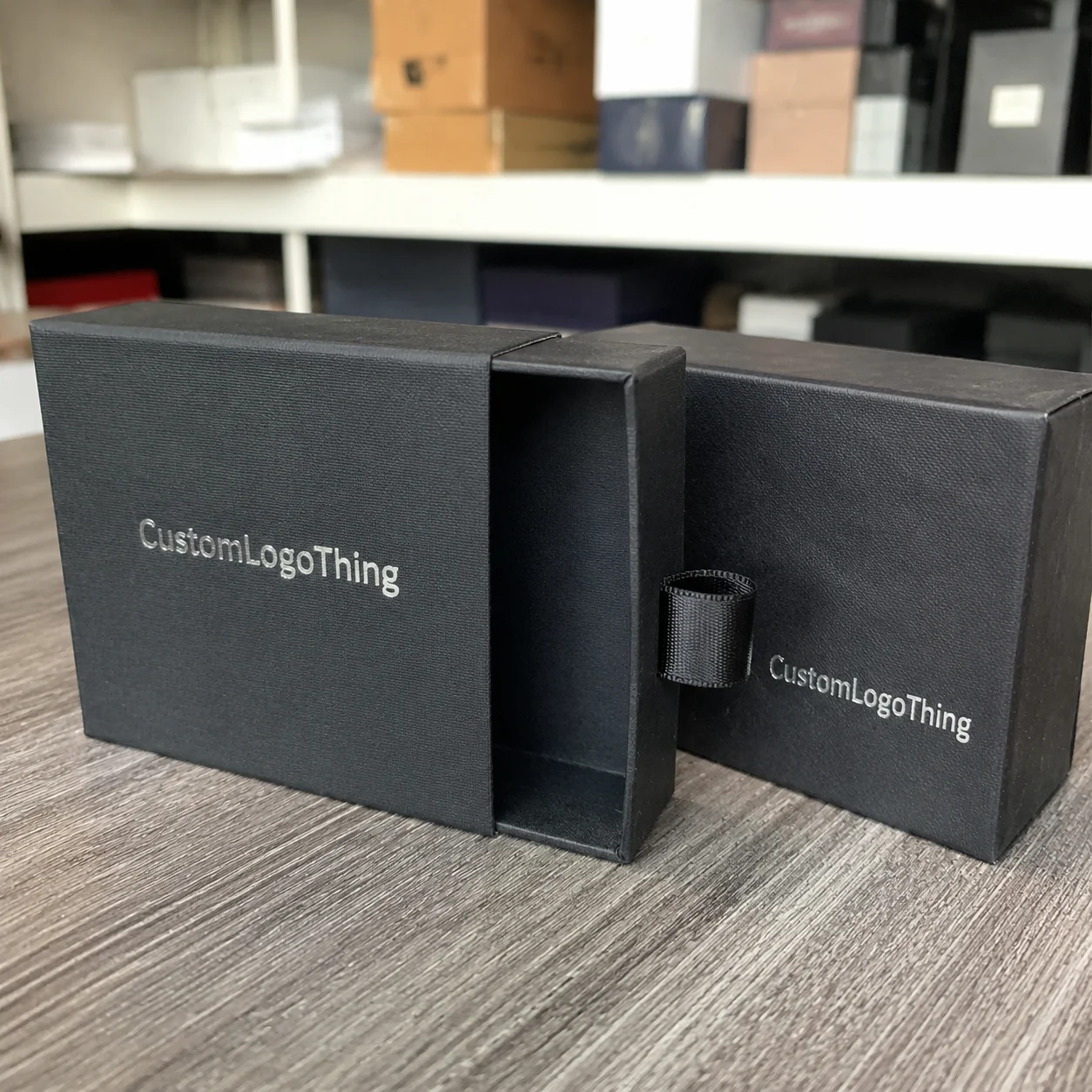
Think about unboxing mechanics. Where does the logo land? What is visible first? Does the insert hide the product too much? Do you want the buyer to lift a flap, pull a ribbon, or slide a tray? Good custom printed boxes with logo shape the reveal. That’s not fluff. That is part of the product experience. If the first reveal happens at the lid edge, make sure the logo is centered there, not buried on the reverse panel.
Negotiate based on volume and repeat business. Suppliers move more when they see a second order coming. I’ve negotiated down a unit price by 9% simply by showing a forecast for three quarters and agreeing to a single spec for the whole run. If you keep changing specs, don’t expect generous pricing. Factories hate uncertainty almost as much as they hate urgent Friday emails. A supplier in Ningbo will usually reward a clean 10,000-piece forecast more than a vague request for “maybe 1,500 now and more later.”
On sustainability, keep it real. Right-size the box. Use recycled or FSC-certified board where it fits the brand. Cut back on unnecessary finishes. And if you want to reduce environmental impact, choose the simplest solution that still supports the brand. Fancy is not automatically better. Sometimes it’s just more expensive. A plain FSC board mailer with soy-based inks can be a stronger sustainability story than a heavily laminated box with three finishing steps.
For buyers who want broader options beyond just one box style, I usually point them toward Custom Packaging Products so they can compare inserts, mailers, sleeves, and other branded packaging pieces in one place. That helps you see the whole system instead of one box in isolation, especially if you’re sourcing from multiple cities such as Shenzhen for folding cartons and Xiamen for corrugated shipping boxes.
What to Do Next Before Ordering Custom Printed Boxes with Logo
Before you place an order for custom printed boxes with logo, audit three things: product dimensions, shipping method, and budget. If those are fuzzy, everything downstream gets messy. I’ve watched launches stall because nobody knew whether the item would ship alone or inside a secondary carton. That kind of uncertainty turns a clean procurement process into a week of back-and-forth emails. I’ve been on those email chains. They age you. One unclear dimension can delay a 4,000-unit run by 48 hours while the factory rechecks the dieline.
Then gather the basics: logo files, brand colors, estimated quantity, and a rough idea of the unboxing experience you want. If you have a mood board, great. If not, a few reference photos are enough. Just don’t send “make it premium” as the only instruction. Premium is not a spec. It is a wish. A better note is “matte finish, black logo, 350gsm C1S artboard, and a lift-off lid with tissue wrap.”
Ask for at least two comparable quotes for custom printed boxes with logo using the same material, finish, quantity, and print method. If the numbers differ too much, ask why. Good suppliers will explain board grade, coating, setup, and freight. Weak suppliers will say “that’s just our pricing.” That answer tells you nothing useful. A real comparison might show one quote at $0.38 per unit for 2,000 folding cartons in Shenzhen and another at $0.51 per unit from a plant in Vietnam because the second quote includes a spot UV finish and die-cut insert.
If the project matters, request one proof and one physical sample before full production. Then build time into the schedule for transit, receiving, and buffer inventory. Packaging arriving late can stall a launch faster than a product issue. A brand can forgive a slightly delayed marketing email. They are less forgiving when the boxes are still on a boat. If the boxes are shipping from Asia to the US East Coast, allow at least 18 to 28 calendar days for ocean transit plus customs and drayage.
Here’s my blunt take: custom printed boxes with logo work best when you treat packaging as part of the product, not a last-minute wrapper around it. That’s how you get better retail packaging, stronger product packaging, and a customer experience that feels deliberate instead of improvised. If you do that, your custom printed boxes with logo stop being a line item and start doing real work for your brand.
FAQ
What is the minimum order for custom printed boxes with logo?
It depends on the box style and print method. Simple mailer boxes can often start lower than rigid boxes, and specialty finishes usually need larger runs because setup costs are spread across more units. Always ask for MOQ on the exact spec, not a vague supplier range. In many factories in Shenzhen and Dongguan, 500 to 1,000 pieces is common for basic mailers, while rigid boxes often start at 1,000 to 3,000 pieces.
How much do custom printed boxes with logo usually cost?
Pricing depends on size, material, quantity, finish, inserts, and shipping. Small runs cost more per box because fixed setup costs do not change. Add-ons like foil, embossing, and custom inserts increase the total fast. Compare quotes only when the spec sheet matches. As a practical example, 5,000 simple folding cartons on 350gsm C1S artboard can fall near $0.15 per unit, while a rigid box with foil may run $2.50 to $6.00 per unit.
How long does it take to produce custom printed boxes with logo?
Time varies based on artwork readiness, proof approvals, and how complex the box is. Straightforward digital or corrugated orders move faster than rigid boxes with special finishes. Revisions and sample changes are usually what slow things down. Freight time also needs to be included. Typical production is 12 to 15 business days from proof approval for standard runs, and 20 to 30 business days for more complex packaging.
What file do I need for custom printed boxes with logo artwork?
A vector logo file is best, usually AI, EPS, or PDF. You also need dieline approval, bleed-safe artwork, and brand color references. Low-resolution images often print blurry or off-brand. If all you have is a screenshot, rebuild the file before production starts. For accuracy, use Pantone references and keep at least 3 mm bleed around the full artwork.
Are custom printed boxes with logo good for ecommerce shipping?
Yes, if the structure and board strength match the product weight and transit risk. Mailer boxes and corrugated shipping boxes are common ecommerce choices. Right-sizing can reduce damage and freight costs. The best boxes protect the product and still look good when the customer opens them. A 32 E-flute mailer or a double-wall shipper often works well for heavier goods moving through US and Canada fulfillment centers.