Custom Spray Bottle Labels for Faster, Easier Ordering
Custom spray bottle labels do more than identify a product. They have to stay readable on a curved surface, keep bonding after handling, and survive wiping, moisture, and the occasional chemical splash. That makes them a functional packaging component, not just a branding surface.
The bottle itself changes the job. A label that looks fine in a mockup can fail if the material, adhesive, or finish is wrong for the container and the environment. Buyers usually notice the failure later through peeling corners, scuffed type, barcode issues, or relabeling labor.
The best orders start with use conditions: bottle material, exposure to water or cleaning agents, handling frequency, and reorder timing. Those details matter more than decoration choices when the goal is a label that lasts and stays legible. If you are sourcing Custom Labels & Tags for a refill line, cleaning product, or maintenance kit, durability should be specified first.
A label that peels in the stockroom is a production problem before it is a design problem.
Why custom spray bottle labels stand out on crowded shelves
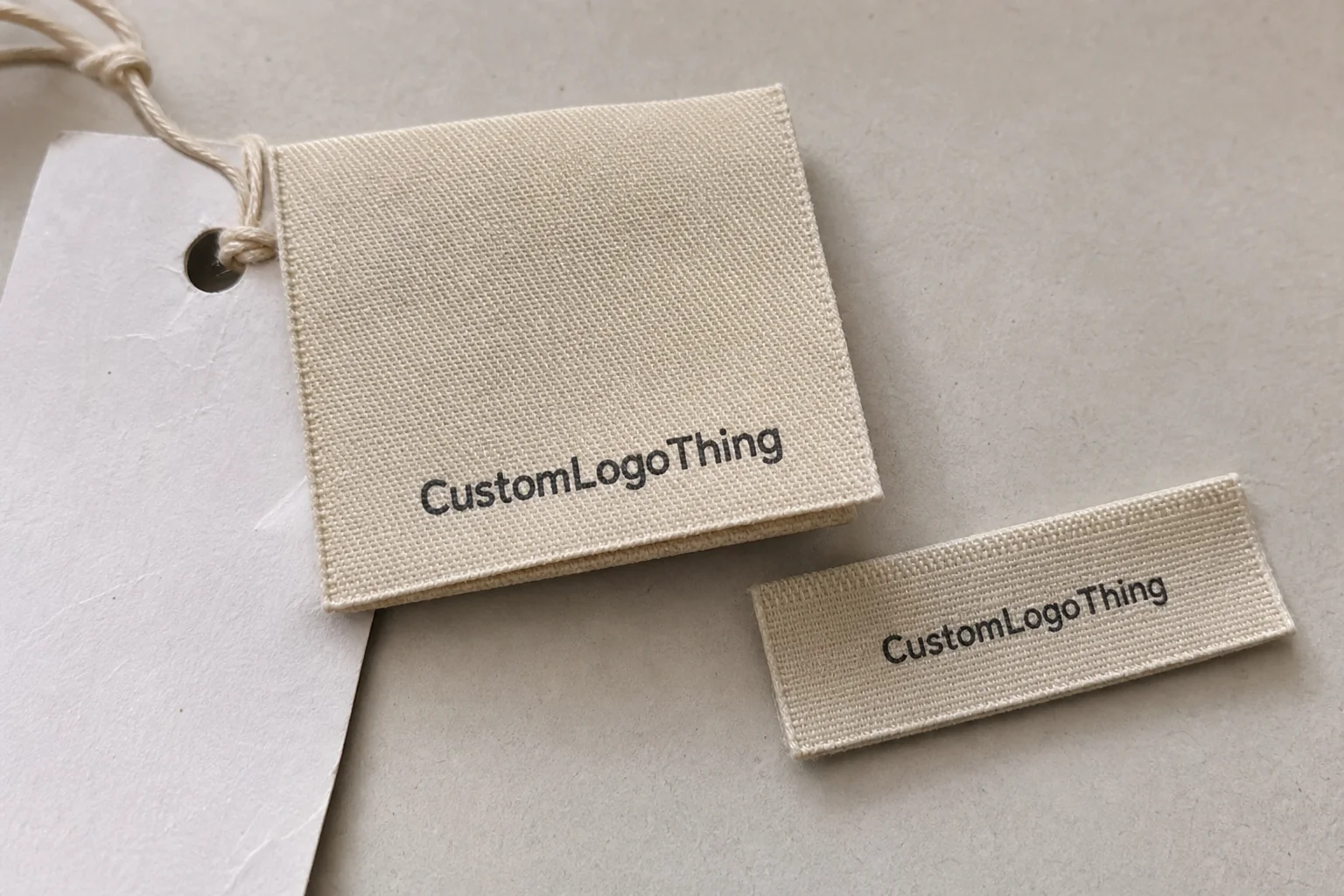
A spray bottle is handled, wiped, and restocked more often than many other packages. The label has to look good at first glance and still make sense after weeks of use. That is why simple, readable construction usually beats elaborate effects.
The main value is operational. Clear labels reduce mix-ups, help teams restock faster, and keep similar SKUs from getting confused in storage or on carts. That saves labor and avoids errors, especially in janitorial, housekeeping, and refill workflows.
The visual layer still matters. Strong contrast, a clear information hierarchy, and a label panel that fits the bottle shape make the package easier to read. Fancy finishes only help when the base information is already legible.
The bottle surface is part of the specification. Clear or tinted plastic may need white ink or an underprint. Some plastics need a more aggressive adhesive to stay down. A low-energy or textured surface can change performance enough that a standard label fails early. The container is not just a backdrop.
If the line also uses cartons or inserts, keeping those components visually aligned helps the whole package feel intentional. Coordinated Custom Packaging Products can support the label order without adding unnecessary complexity.
For transit and sustainability references, many teams look to industry standards like ISTA and FSC. They do not pick the label for you, but they help define the conditions the package needs to survive.
How label construction and application affect performance
Labels are built in layers. The face stock carries the print, the adhesive bonds to the bottle, and the liner supports die-cutting and dispensing. Finish and coating change both appearance and durability.
Paper can work for dry, low-touch bottles. It prints well and costs less, but it is weaker around moisture, condensation, and repeated wiping. Edges and corners are the first places to fail.
Film stocks are a better fit for most spray bottles. Polypropylene is common because it balances cost and durability. Polyester is better when the label needs more abrasion resistance, chemical resistance, or a tougher surface.
Adhesive choice matters just as much as the face stock. Permanent acrylic adhesives are common for general use. Low surface energy plastics, such as some polyethylene containers, may need a specialized adhesive to avoid edge lift. Removable adhesives are usually a poor fit when the bottle will see water or cleaning agents.
Application conditions also affect performance. Dust, oil, cold, and dampness can weaken even a good adhesive. Curves, tapers, and trigger clearance limit usable space. If a label wraps too far or reaches too close to the sprayer, the artwork distorts or catches at the edge.
Finish should match the use case. Gloss improves color density. Matte cuts glare and can help readability under bright lighting. Soft-touch can feel premium, but it is not always best for a bottle that gets wiped often.
Some jobs need a white underprint on clear or tinted bottles so the design does not wash out. Barcode zones also need enough contrast and quiet space to scan reliably. A label can look good on screen and still fail if those basics are ignored.
Cost, pricing, MOQ, and quote factors that change the order
Price is driven by quantity, material, finish, print complexity, die shape, adhesive requirements, and proofing scope. If any of those change, the quote changes with it. Comparing quotes only works when the assumptions are the same.
MOQ depends on the production method and the spec. Digital label production can often start around 500 to 1,000 units. Flexographic production usually makes more sense at 2,500 to 5,000 units or more because setup costs are spread across volume. Specialty films, unusual die cuts, or special adhesives can push minimums higher.
These ranges are broad, but they help separate cheap-looking pricing from actual landed cost.
| Label option | Typical use case | Approx. unit cost | Tradeoff |
|---|---|---|---|
| Paper stock, basic print | Dry indoor bottles, low handling | $0.08-$0.14 | Lower cost, shorter life in moisture |
| Polypropylene film | Most spray bottles, light moisture exposure | $0.12-$0.22 | Better durability, slightly higher spend |
| Polyester film with laminate | Cleaner-heavy, humid, or commercial settings | $0.18-$0.30 | Best scuff resistance, highest material cost |
| Special adhesive or premium finish | Cold surfaces, textured plastic, high-touch use | $0.20-$0.35 | More reliable bond, but setup is more specific |
A lower unit price can still cost more if the label peels, gets relabeled, or forces manual fixes. If the bottle is part of a refill system or commercial line, durability often lowers total spend even when the upfront price is higher.
The best quotes spell out setup, proofing, finishing, die cutting, shipping, and any special testing. If one supplier includes those costs and another does not, the comparison is incomplete. Lead time should also be separated from material spec so rush fees are not confused with base pricing.
Process and turnaround: production steps from proof to delivery
The workflow is simple, but delays usually happen in the same places. Artwork arrives, the supplier checks bleed, safe zones, dieline fit, and printability, then sends a proof for approval. After that, the job moves to material selection, printing, cutting, inspection, and shipment.
First-time orders take longer because more variables need confirmation: bottle shape, adhesive behavior, finish, white ink, and protective layers. Reorders are faster because the spec is already approved and the file is already proven in production.
A standard custom run often takes about 12 to 15 business days after proof approval. Simple digital reorders can move faster. Specialty materials, multiple versions, or complex finishing can extend that timeline. Artwork corrections and approval delays are the most common reasons a job slips.
Queue position matters. If a supplier already has the right material loaded, the job can move faster. If it needs a fresh setup or a specialty adhesive, it can take longer even when press time is available. Sending complete information early usually shortens the process more than sending partial information quickly.
For a launch, the label should move through proofing alongside cartons, inserts, and outer packaging where possible. If it waits until the end, it can become the bottleneck that delays the whole release.
Late changes to regulatory text, barcode data, or ingredient language can trigger another proof cycle. Lock variable content before production starts whenever possible.
Step-by-step: choose the right spec for the bottle and use case
Start with the bottle, not the artwork. Measure the flat panel, body diameter, shoulder curve, and clearance around the sprayer. Those numbers determine what will fit cleanly.
- Measure the application area and note any taper or curve.
- Identify the environment: dry shelf, humid room, sink-side, chemical exposure, or frequent wiping.
- Choose the material based on that environment, not on price alone.
- Select the finish based on readability, scuff resistance, and brand feel.
- Confirm artwork details, including bleed, safe zone, barcodes, and warning copy.
If the bottle sits near water, soap, sanitizer, or cleaning chemicals, film stock is usually safer than paper. If it is stored dry and handled lightly, paper may be enough. Adhesive selection should match the container surface, especially on low-energy plastics where edge lift is common.
Finish is a tradeoff, not a luxury. Gloss makes color punchier. Matte reduces glare and can make small text easier to read. Soft-touch can feel premium, but it is not always the best choice for a bottle that gets wiped often.
Artwork needs an early review, especially when the label includes small type, hazard copy, ingredients, or barcode data. Keep critical information inside the safe zone and use vector art when possible. Confirm whether the job needs a white underprint, a PMS match, or a specific opacity so the bottle color does not change the final appearance.
One common mistake is making the design too large for the panel. A carton panel can hold more text than a curved spray bottle. It is better to design within the surface than force the surface to carry a crowded layout.
Quality control and testing that prevent expensive reprints
Good labels are often invisible. The problems are what get noticed. That is why quality control should happen before the order reaches the customer or the line.
The basic checks are practical: adhesion testing shows whether the label bonds properly, rub testing checks scuff resistance, moisture or condensation testing shows how the edges behave, and barcode scans confirm contrast and quiet space. These are the minimum checks for reducing avoidable failure.
If the bottle will be handled in a wet environment, a wipe or soak test is worth more than a polished proof. A label can look perfect on screen and still fail at the corners after a few damp passes.
Sample runs also expose problems that are hard to see in flat artwork. On a curved bottle, the cut line may land too close to a shoulder, or the adhesive may behave differently on the actual plastic than on a sample sheet. A short test run is a practical way to avoid scrapping a full batch.
For regulatory text, confirm readability after cutting and wrapping. Small fonts, reversed type, and low contrast copy are common weak points. A layout that looks balanced in proof can become hard to read once it is wrapped on a cylinder.
For multiple SKUs, check consistency between versions: same line weights, same type hierarchy, same color target, same barcode placement. Small differences make a product family look fragmented and rushed.
Common mistakes that shorten label life or raise total spend
The first mistake is choosing a stock because it looks right on screen. A proof does not show how the label behaves on a damp, curved, or frequently touched bottle.
The second mistake is ignoring geometry. If artwork crosses the shoulder or trigger clearance zone, the print can distort. Thin borders are especially vulnerable, and even a small misalignment can make the entire job look off.
The third mistake is skipping sample checks. A short trial is often cheaper than replacing a full batch. One wrong adhesive choice can create peeling, residue, or relabeling labor across the order.
The fourth mistake is changing specs late. If quantity, finish, or material changes after proof approval, the schedule can reset and quotes become hard to compare because the build is no longer the same.
The fifth mistake is treating the label as decoration instead of a functional part of the package. On a spray bottle, the label has to survive handling, moisture, and repeated visual checks. If the spec is too light for the use case, the cost shows up later in labor, reprints, and complaints.
The lowest quote often belongs to the order with the fewest safeguards. That can work for a dry, low-touch product. It is a poor fit for a bottle that lives near water, chemicals, or constant handling.
Expert tips and next steps for a smarter first order
The most reliable sequence is simple: measure the bottle, define the environment, choose the material, and request a proof before committing to volume. That order prevents most avoidable mistakes and keeps the quote process consistent.
If the bottle shape is unusual, the label must resist moisture, or the design includes fine type, ask for a sample or short run. That is standard quality control. A small trial can show whether the adhesive bonds properly, whether the finish reads as expected, and whether the label survives real handling.
Before asking for pricing, gather the details that drive the quote:
- Quantity and target reorder volume
- Bottle material and label panel measurements
- Environmental exposure, including moisture or cleaning chemicals
- Finish preference, such as gloss, matte, or laminate
- Artwork status, including whether files are print-ready
- Timeline, launch date, or replenishment window
That information is enough to produce a meaningful estimate instead of a rough guess. It also helps the supplier flag problems before production starts, which is where the real savings usually happen.
Keep the label aligned with the rest of the packaging system. A spray bottle can share the same visual language as cartons and inserts, but typography, contrast, and line weights often need adjustment for a smaller, curved surface. The best label is the one designed for the bottle it will live on.
What material works best for custom spray bottle labels in wet conditions?
A film-based label stock usually performs better than paper when the bottle will face condensation, wiping, or splash exposure. Pair the stock with the right adhesive and a protective finish so edges stay down and printed text stays readable longer.
Do custom spray bottle labels need laminate or a protective coating?
Not always, but a laminate or coating is a smart choice when the bottle will be handled often or stored in humid, cleaned, or commercial spaces. Protection also helps preserve color density, barcode readability, and scuff resistance during shipping and shelf use.
How do I know if my spray bottle label size is correct?
Measure the flat label panel, then check curvature, trigger clearance, and any grip zones that should stay label-free. A good size leaves enough margin for application tolerance and avoids wrapping text into areas that distort or peel.
What affects the MOQ for custom spray bottle labels?
MOQ is usually shaped by press setup, material availability, finish type, and how much waste is expected during cutting and setup. Higher quantities typically reduce unit cost, while specialty materials or multiple versions can push minimums upward.
How should I prepare artwork for custom spray bottle labels?
Use the correct dieline, include bleed, and keep critical text inside the safe zone so the label still reads cleanly after cutting and wrapping. Provide vector files when possible and confirm colors, fonts, and compliance copy before proof approval to avoid delays.


