Buying Custom Stickers Los Angeles businesses can use for packaging is less about finding the cheapest print and more about matching the sticker to the surface, the handling conditions, and the pace of the job. A clean design can still fail if the adhesive is wrong, the finish fights readability, or the cut format slows down application. The best orders start with the real use case: a shipping box, a glass jar, a refrigerated carton, a retail bag, or a hand-applied seal on a product insert.
That practical view matters because sticker performance changes fast from one application to the next. A label that looks perfect on a smooth mailer may lift on a textured carton. Paper may be fine for a short-lived indoor promo, but it is a poor choice for condensation, handling, or longer shelf time. When buyers understand those differences early, they can compare quotes with a lot more confidence and avoid reprinting a job that should have worked the first time.
What Buyers Actually Need
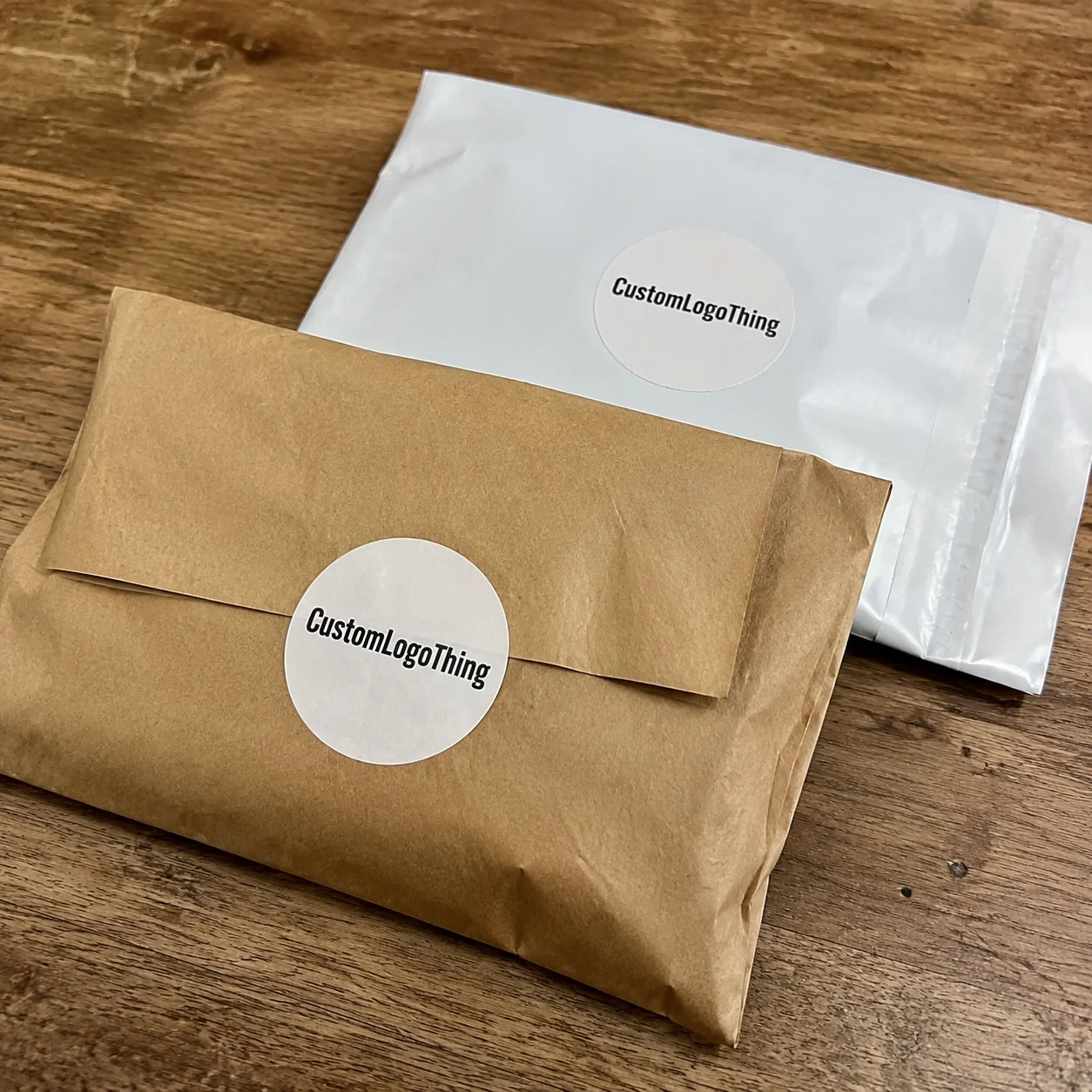
Most people searching for custom stickers los angeles are solving a packaging problem, not shopping for novelty. One order may be for 500 die-cut logos to close gift bags at an event. Another may need roll labels for quick hand application on jars or bottles. A third may want sheeted stickers for shipping inserts, club mailers, or cup seals. The format depends on how the sticker will be used, not just how it will look in a mockup.
The surface matters just as much as the artwork. Smooth glass usually gives the most predictable bond, while coated cartons and some plastics may need more careful adhesive selection. Cold-chain packaging can be a different story altogether, because condensation, temperature swings, and stacking pressure all affect performance. Buyers do not need to master the chemistry, but they should know that an adhesive that works on one substrate can fail on another.
In practical terms, sticker orders usually fall into a few standard formats:
- Die-cut stickers trimmed to the exact outline of the design
- Kiss-cut stickers with extra liner around the shape for easier peeling
- Sheeted stickers arranged on flat sheets for hand use or distribution
- Roll labels organized for speed, dispensers, or higher-volume application
Each format solves a different workflow. Sheeted stickers make sense for smaller runs and manual packing. Roll labels are faster when teams are applying a lot of units by hand or with semi-automatic equipment. Die-cut pieces can create a more polished presentation, especially for branded packaging, but they usually take more care in production and packing.
One useful way to think about the order is this: define the surface, define the application method, then decide what the sticker needs to survive. Once those three pieces are clear, the rest of the spec becomes much easier to finalize.
How the Production Process Works
The production path for custom stickers is usually straightforward, but the details matter. It starts with artwork review and proofing, moves into print setup, then continues through cutting, finishing, inspection, and packing. A clean order is usually the result of clean inputs: the right file type, the right dimensions, and a clear understanding of how the sticker will be used.
Vector artwork is the safest starting point because it keeps the cutline and type crisp at any size. Files such as AI, EPS, or print-ready PDF are easier to work with than a low-resolution image pulled from the web. Raster files can still be usable if they are large enough, but fine lines, small text, and detailed logos need more attention. On a sticker, the cutline is not just an outline; it is the exact path the cutter follows, so the artwork has to support that path cleanly.
Digital printing is common for sticker work because it handles short runs, variable designs, and quick changes without the setup burden of longer traditional processes. That makes it a practical choice for packaging teams that need 250 labels now and a larger reorder later. Higher volumes can justify other methods in some cases, but for most small and medium branded packaging runs, digital output gives a good balance of speed, flexibility, and quality control.
After printing, the job is finished according to the format. Kiss-cut stickers need a controlled cut that keeps the liner intact and the peel easy. Die-cut stickers are cut through to the shape of the final piece. Roll labels need spacing, winding direction, and core size that suit the application method. A detail as small as roll orientation can affect how quickly a label line moves once the job reaches a packing table.
Finishing may include lamination, coating, or an added protective film. Those choices are not cosmetic only; they also affect scuff resistance, moisture resistance, and long-term appearance. A shop that asks about the environment before quoting is usually trying to avoid preventable failures later, not just upselling a premium finish.
Most rework comes from incomplete specs. If the size, shape, surface, quantity, and format are known up front, the order usually moves through production without much friction. If those details are missing, the team has to guess, and guessing is expensive.
Pricing, MOQ, and What Changes the Quote
Pricing for custom stickers los angeles buyers usually comes down to a short list of variables: size, shape complexity, quantity, material, finish, and format. A simple round paper sticker is not priced the same way as a contour-cut vinyl label with a laminated surface and a tight deadline. Even if two jobs use similar square inches, the setup and finishing labor can be very different.
MOQ has a direct effect on unit cost because fixed production costs get spread across the run. Proofing, setup, cutting, and packing do not shrink just because the quantity is small. That is why a 500-piece order often feels expensive per sticker, while 5,000 pieces can bring the unit price down sharply. Buyers comparing quotes should look at the total cost and the quantity tier together, not just the per-piece number.
As a practical starting point, these are the kinds of price relationships buyers usually see:
| Order Type | Typical Use | Relative Cost | Notes |
|---|---|---|---|
| Sheeted paper stickers | Short-run hand application | Lower | Good for indoor use and flat surfaces |
| Die-cut BOPP labels | Retail packaging and inserts | Moderate | Better moisture resistance and a cleaner look |
| Roll vinyl stickers | Faster labeling or higher volume | Moderate to higher | Useful for dispensers and longer wear |
| Specialty clear or laminated stickers | Premium branding or outdoor exposure | Higher | Extra film or finish increases cost |
Shape complexity also matters. A simple circle or square is easier to produce than a shape with tiny interior cutouts or thin outer points that can tear or curl. Heavy ink coverage, white ink layers, and special finishes can also change the quote because they affect print time and setup. Rush timing tends to add cost as well, especially when the order has a fixed event date and little room for revision.
If budget is tight, it usually makes sense to spend on the right substrate first and trim unnecessary extras later. A well-chosen BOPP sticker on a carton or bag often performs better than a more expensive construction that is overspecified for the application. In packaging, the right material is usually a better investment than the most elaborate option.
For buyers building a larger packaging system, it can help to compare sticker specs alongside Custom Labels & Tags and other Custom Packaging Products so the label, box, and insert all work from the same brand logic.
Material, Finish, and Adhesive Choices
Material choice drives most sticker performance. Paper, BOPP, vinyl, and clear film each solve different problems. Paper is often the simplest and lowest-cost option for short-life indoor use. BOPP is a common choice when moisture resistance and durability matter. Vinyl is useful when the sticker may need more flexibility or longer wear. Clear film is a good fit when the container color should show through or when the design benefits from a low-profile look.
Finish changes both the appearance and the way the label reads under light. Gloss gives more color pop and can help artwork feel brighter on retail packaging. Matte reduces glare and often reads as calmer or more restrained. Soft-touch can add a tactile premium feel, though it is not always the right answer for a budget-sensitive run. The point is not to choose the fanciest finish; the point is to choose the one that supports the brand and the environment.
Adhesive selection matters just as much. Permanent adhesive is the safer option when the sticker needs to stay on through shipping, handling, or refrigeration. Removable adhesive is better when the buyer wants cleaner removal without residue, surface damage, or paper lift. A mismatch here causes real waste, especially on branded packaging where a bad label can make the whole package look rushed.
Several conditions can change how a sticker behaves in the real world:
- Moisture and condensation can weaken paper stocks and light adhesives
- UV exposure can fade inks and age unprotected surfaces
- Curved containers can create edge lift if the material is too stiff
- Cold storage may need a different adhesive than room-temperature retail use
- Low surface energy plastics can reduce bond strength over time
That last point is often overlooked. A sticker can pass a quick hand test and still fail after a few days if the surface is not adhesive-friendly. Packaging teams do not need a lab, but they do benefit from a simple test on the actual container before approving a full run.
For outside references on packaging performance and responsible sourcing, organizations like ISTA and FSC are useful when you want more context around shipping stress or material sourcing.
Timeline: From Proof to Delivery
Most custom sticker orders follow the same basic path: quote request, artwork review, proof approval, production, finishing, packing, and shipment or pickup. The speed of that path depends less on luck than on readiness. Complete artwork, clear quantities, and a defined format usually keep the job moving. Missing files, shape changes, or repeated proof revisions slow everything down.
A standard turnaround often lands around 12-15 business days from proof approval, although the exact schedule depends on workload, print method, finishing, and shipping distance. Rush orders can move faster, but the price usually reflects the shorter window and the need for tighter coordination. Shipping time is separate from production time, which is easy to miss until a launch date is already close.
For Los Angeles-area buyers, local pickup or regional delivery can trim a few logistical headaches, especially if the job is tied to a trade show, retail reset, or launch event. Even then, it helps to build in a buffer. A single day lost to proof revisions can matter when the whole schedule is tight.
The cleanest way to keep the order on track is to send the essentials up front:
- Final size or target dimensions
- Artwork file type and resolution
- Desired quantity
- The surface the sticker will be applied to
- Needed format: sheet, roll, kiss-cut, or die-cut
- Deadline and delivery destination
If those details are clear, the proof stage becomes more precise and the production team can make better material recommendations. That is especially helpful for packaging programs that need the stickers to coordinate with cartons, inserts, seals, or other branded packaging elements.
Mistakes That Cause Reprints
Most sticker reprints can be avoided with careful setup. The first and most common problem is low-resolution artwork. A logo pulled from a website may look fine on a screen, but once it is enlarged for print, the edges can soften and small type can break apart. Vector files avoid most of that trouble because they scale cleanly.
Bleed is another frequent issue. If the artwork does not extend far enough beyond the trim line, even a small shift in cutting can leave a thin white edge or clipped border. That kind of problem is easy to miss on a screen and very visible on the finished sticker.
Color expectations also create trouble. Screens glow; printed stickers do not. Bright blues, deep blacks, and subtle skin tones can shift once they are moved onto a real face stock. That is why proofs exist. Approving color without seeing a print-ready proof is one of the fastest ways to create disappointment later.
Other common mistakes include:
- Ordering sheets when roll application would be faster
- Choosing paper stock for condensation-heavy packaging
- Assuming one adhesive works on every surface
- Making the shape more complex than the job needs
- Approving a proof without checking trim and safety margins
A small surface test can prevent a big problem. If the sticker will go on a powder-coated carton, a curved bottle, or a chilled package, a test run tells you more than a spec sheet alone. That is especially useful when the order has to perform on a real packaging line, not just on a desk.
“The strongest sticker order starts with the surface, not the art.”
Practical Tips for Better Performance
Good sticker performance usually begins with simple artwork. Strong contrast, readable type, and clear shapes hold up better under handling than designs that depend on tiny details. That matters on shipping boxes, retail bags, and packaging that gets seen quickly and at an angle.
If the stickers are being hand-applied, think about the team that has to use them. A sheeted format may be more comfortable for small packs or short runs. Rolls make more sense when a dispenser is available or when the job needs speed. The best format is the one that fits the workflow, not the one that sounds the most premium.
When the application surface is unusual, curved, cold, or textured, a small trial run is usually worth the time. A 50- to 100-piece test can reveal adhesion issues, edge lift, or readability problems before the full job is produced. That is a small cost compared with redoing thousands of labels after the fact.
Finish should support the brand, not fight it. Matte often gives a softer, quieter presentation and can work well on premium packaging. Gloss can make color stronger and help promotional pieces stand out. Either can be right; the wrong move is choosing finish by habit instead of by how the sticker will actually live in the package.
For repeat programs, standardizing sizes and formats is a practical win. Reorders are easier, approvals move faster, and the packaging line stays more consistent from one run to the next. Keeping a simple spec sheet on file also reduces confusion when the next project starts.
That kind of consistency is often what separates a one-off print order from a packaging system That Actually Holds up in production.
Ordering with Confidence
The easiest way to order custom stickers los angeles buyers can trust is to follow a short sequence: define the use case, choose the format, match the material, confirm the quantity, and review the proof carefully. That keeps the order tied to real conditions instead of relying on a mockup alone.
Before requesting a quote, have these details ready: dimensions, artwork file type, application surface, quantity target, finish preference, and deadline. If you already know whether the job needs sheets, rolls, kiss-cut, or die-cut, include that too. Those are the details that let a supplier recommend a construction instead of guessing at it.
When possible, compare a sample or a past run against the new spec. Check the finish under light, feel the adhesive, and look at the print at both arm’s length and close up. That comparison is especially useful when the sticker supports larger packaging work across retail packaging, branded packaging, and product launches.
The best order is usually not the cheapest one and not the most elaborate one. It is the one that performs in the real environment, matches the surface, and arrives in time to be useful. For packaging teams, that balance matters more than any single feature.
If the goal is a reliable result, the next step is simple: gather the specs, confirm the format, and ask for a quote that reflects the actual application. That is the most dependable way to order custom stickers los angeles businesses can use with confidence.
What should I know before ordering custom stickers Los Angeles businesses use for packaging?
Start with the surface, because that drives adhesive choice and long-term performance. Have exact dimensions, quantity, format, and finish preferences ready before asking for a quote.
Which material is best for product packaging stickers?
Paper works well for short-life indoor use, while BOPP or vinyl is better for moisture, handling, and longer wear. Clear film can be the right choice when you want the container color to show through.
How long does production usually take?
A common turnaround is about 12-15 business days after proof approval, although the final schedule depends on workload, finishing, and shipping distance. Rush orders can move faster when files and specs are complete.
Why does the price change so much between quantities?
Setup, proofing, cutting, and packing costs are spread across the run, so larger quantities usually reduce the per-piece price. Shape complexity, material choice, and rush timing also affect the quote.
What file type works best for a sticker quote and proof?
Vector files such as AI, EPS, or print-ready PDF usually produce the cleanest cutlines and the sharpest text. High-resolution PNG or PSD files can work for artwork, but the file still needs to be large enough for print.


