What Custom Soccer Stickers Are Really Used For
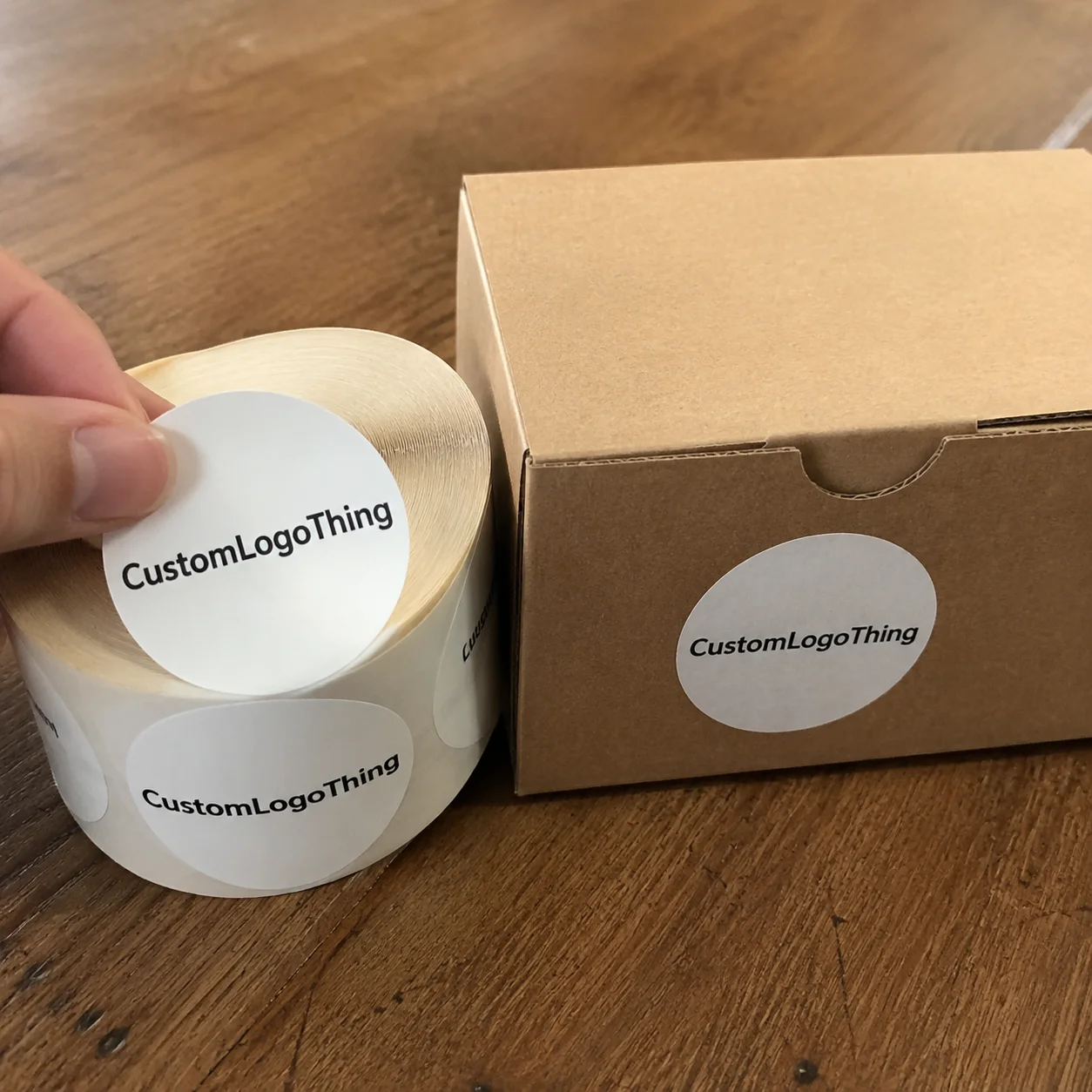
Custom Soccer Stickers are printed decals made for teams, clubs, tournaments, fan merch, fundraisers, equipment labeling, and sponsor promotions. And yes, the sticker that looks great on a laptop can peel off a water bottle after two sweaty Saturday games. Cute design is not the same thing as game-day durability.
From a buyer’s point of view, the use case decides everything. A club might need helmet-style gear labels, water bottle stickers, car window decals for parents, tournament giveaways, coach gifts, or player name stickers for travel bags and bins. The same logo can work for all of them, but the spec should not be identical unless you enjoy replacing peeled corners and explaining why the “premium” decal lasted exactly one rainstorm.
Functional team stickers need stronger adhesive, tougher lamination, and cleaner sizing because they get dragged through bags, rain, mud, coolers, and event tables. Decorative stickers can be looser about performance. Functional stickers cannot. People notice when a sponsor decal curls, when a roster label fades, or when a club crest looks thin and cheap next to a clean package branding setup or a well-built piece of branded packaging.
Most soccer sticker projects look simple at first glance. They are not. Material choice, adhesive, finish, and cut style decide whether the final piece feels polished or disposable. That is the difference between a nice merch item and something that ends up in the bottom of a gear bag with chewed gum and old shin-guard tape.
Common use cases include:
- Player kits for names, numbers, and team branding.
- Fundraiser packs sold with club merch or tournament bundles.
- Sponsor giveaways for registration tables and local partners.
- Equipment labels for bins, coolers, water bottles, and training gear.
- Fan merch for car windows, laptops, and notebooks.
How Team Decals Are Printed, Cut, and Finished
Production is straightforward, at least in theory. Artwork is printed on vinyl, paper, or specialty film, then laminated or coated, cut to shape, inspected, and packed. That sounds simple because it is simple. The details are where quality lives or dies.
Digital printing is the usual choice for short runs, full-color logos, player names, gradients, and fast changes. It keeps setup lower and handles multiple versions well. Screen printing can make sense for very large runs with simple spot colors, but it is less forgiving when artwork changes from team to team or when the club wants six different sponsor versions because someone remembered a logo at the last minute.
| Format | Best For | Typical Strength | Tradeoff |
|---|---|---|---|
| Die cut | Logo-focused merch and giveaway pieces | Shape matches the design exactly | More cut complexity |
| Kiss cut | Sheeted player packs and easy-peel use | Backer border helps handling | Less dramatic presentation than die cut |
| Sheets | Registration kits and multiple stickers per set | Efficient for bundled handouts | Not as retail-looking as singles |
| Rolls | High-volume distribution or labeling | Fast dispensing | Usually not the prettiest option |
Finish choices change the feel immediately. Gloss gives bold color and a brighter pop. Matte looks softer and more premium, especially on club merch. Holographic can make tournament items feel special, assuming the design can carry it without turning into visual noise. Clear film works well for windows or bottles where the background should show through. Removable adhesive is the safer option for temporary event signage or short-term promotions.
Artwork setup matters more than most buyers expect. Vector logos are best. High-resolution raster files can work, but low-resolution art will show its age quickly. Thin outlines disappear. Tiny text gets unreadable fast. If a sponsor line matters, give it enough space. If it needs a magnifying glass, it is too small.
“The proof looked perfect until we realized the club name was wrapped too tight around the crest. Fixing that before print saved the whole order.”
Material, Adhesive, and Finish Choices That Matter
Paper and vinyl are not interchangeable. Paper is cheaper and works fine for notebooks, envelopes, and indoor giveaways. Vinyl is the practical default for water bottles, cars, coolers, laptops, gear bins, and anything that may get wet or rubbed against repeatedly. If the sticker is going outdoors or living on a bottle, vinyl is the safer bet almost every time.
Water-resistant and waterproof are not the same thing, no matter how many listings pretend otherwise. Water-resistant handles splashes. Waterproof vinyl with a proper laminate survives repeated moisture better. Still, no sticker is magic if it lands on a dirty, oily, or heavily textured surface. Adhesion is a chemistry problem, not a motivational one.
Adhesive choice matters too. Permanent adhesive is for long-term use. Removable adhesive is better for temporary tournament signs or event labels where residue would be annoying. Static cling works for glass applications when buyers want no sticky mess. If a parent is planning to slap a logo on a car window for a weekend tournament, static cling or removable adhesive can be the smarter move.
Lamination is where a lot of durability comes from. Gloss laminate boosts color and abrasion resistance. Matte laminate hides fingerprints and gives a more restrained retail look. UV laminate helps when stickers sit in sunlight, which happens more often than people think. Yes, lamination adds cost. It also reduces regret, which is usually a better investment than saving a few cents.
Practical pairings by use case:
- Water bottles and gear bins: vinyl + gloss laminate.
- Windows and glass: clear vinyl or static cling.
- Premium club merch: matte vinyl with clean die cut edges.
- Low-cost indoor handouts: paper stickers for short-term use only.
If your project also ties into product packaging or retail packaging, keep the visual system consistent. A club that already uses Custom Printed Boxes for merch or a cohesive packaging design for donor kits should think about stickers as part of the same brand family, not a random add-on. That makes the whole set feel intentional instead of improvised.
Pricing, MOQ, and Unit Cost for Soccer Sticker Orders
Sticker pricing looks small on paper, which tricks people into thinking the math is simple. It is not. The main cost drivers are size, quantity, material, lamination, cut type, number of designs, packaging format, artwork cleanup, and rush production. The sticker is small. The setup is not imaginary.
Small custom runs usually cost more per sticker because proofing, setup, and machine time are spread across fewer units. Larger orders reduce unit cost quickly, especially when the designs share size and material. If one club wants 250 pieces across eight artwork versions and another wants 2,500 of one design, the second order usually wins on unit price by a mile. That is not magic. That is fixed cost dilution doing its job.
MOQ logic depends on the supplier and the print method. Digitally printed stickers often allow lower minimums. Custom Die Cuts, specialty films, retail packs, or individually named player stickers can raise the practical minimum because every added variation creates more handling, more setup, and more room for someone to misread a spreadsheet. Tiny typo, big waste. Classic print industry comedy.
| Order Type | Typical Unit Cost Range | What Drives It | Best Fit |
|---|---|---|---|
| Small run, one design | $0.45-$1.10 | Setup spread across fewer pieces | Tryouts, small clubs, sample packs |
| Mid-volume, one or two designs | $0.18-$0.40 | Better material efficiency and faster run time | Teams, fundraisers, sponsor promos |
| Large volume, simple format | $0.08-$0.22 | Economy of scale and lower handling | League-wide giveaways, retail-style distribution |
A 2-inch sticker and a 5-inch sticker are not priced like cousins. Material yield changes. Cut time changes. Shipping weight changes. Packaging may change. If a buyer asks for “the same sticker, just bigger,” the quote usually reminds them that bigger means more surface area, more ink, and more waste. Simple shapes stay cheaper than intricate die cuts. A one-color circle will almost always beat a full-bleed contour cut with tiny cutouts.
When requesting quotes, give exact specs. Quantity, size, shape, material, finish, indoor or outdoor use, number of artwork versions, delivery deadline, and whether the stickers need to be singles, sheets, or rolls. That saves everyone time and gets you a real number instead of a vague guess dressed up as a quote.
Process and Timeline From Artwork to Delivery
The normal order flow is pretty predictable: choose the use case, pick size and material, submit artwork, receive a digital proof, approve or revise, produce, inspect, pack, and ship. The process is boring in the best way. Boring means repeatable. Repeatable means fewer surprises.
A digital proof is not a decorative email attachment. It confirms size, cut line, color placement, and layout. This is where mistakes get caught before money becomes scrap. If a logo is too close to the edge, if a player name is misspelled, or if the sponsor mark is upside down, the proof is the fix point. After production starts, the sticker is no longer hypothetical. Then it is inventory.
Simple digital sticker orders can often move quickly after proof approval. Specialty materials, large quantities, multiple designs, custom packing, or rush-season tournament orders need more time. The biggest timeline killer is slow approvals. Production usually does not start until the proof is approved, so if five board members need to debate the exact shade of green, build that drama into the schedule.
For tournament dates, team photos, season launch events, and registration packets, order earlier than you think you need to. Shipping delays happen. Roster changes happen. Someone remembers a name correction at 4:45 p.m. on a Friday because apparently calendars are optional now.
For more context on packaging and material standards, the ISTA and FSC sites are useful references if your sticker order connects to broader shipping, sustainability, or packaging choices.
Step-by-Step Buying Guide for Clubs and Coaches
Step 1: Decide the job. Is the sticker a fundraiser item, sponsor giveaway, water bottle label, car decal, player pack insert, or equipment ID? The job determines the specs. That sounds obvious because it is.
Step 2: Choose the surface. Stickers going on bottles, cars, helmets, notebooks, and plastic bins need different material and adhesive choices. A sticker for a matte laptop lid is not the same thing as a sticker for a wet cooler at halftime.
Step 3: Pick a practical size. Small stickers are cheaper, but they can make crest details unreadable. Common useful ranges are 2 to 3 inches for giveaways and 3 to 5 inches for car or gear decals. If the logo includes tiny sponsor text, go larger or simplify the art.
Step 4: Prepare artwork. Send vector files when possible, include brand colors, outline fonts, and avoid tiny sponsor logos unless the sticker is large enough to support them. If the design also appears in branded packaging, keep the same color logic so the whole set feels consistent.
Step 5: Choose format. Singles are easy to hand out. Sheets are great for player kits. Rolls work for registration tables. Packs feel more retail-ready for merch booths and pair nicely with other custom packaging products.
Step 6: Approve the proof carefully. Check spelling, logo orientation, cut lines, player names, jersey numbers, and sponsor placement before production starts. This is the cheapest place to find errors.
One more practical point: if you are building a merch kit or donor bundle, stickers can support the overall Custom Packaging Products presentation and even pair well with Custom Labels & Tags for apparel bags or event kits. That keeps the whole package branding story clean instead of piecemeal.
Common Mistakes That Make Soccer Stickers Look Cheap
The fastest way to waste money is using indoor paper stickers for outdoor or wet applications. This is the classic budget move that becomes expensive when everything peels by week two. Cheap on the quote, not cheap in practice.
Another common miss is choosing a size before checking the artwork. Detailed crests, small sponsor names, and thin outlines need enough space. If the art has fifteen elements, a tiny sticker will not save it. It will just make it harder to read.
Skipping lamination for high-touch uses is another easy way to end up disappointed. Water bottles, laptops, coolers, and gear bags get scratched. Unprotected ink takes the abuse first. A little abrasion resistance goes a long way.
Ordering too close to the event is a familiar headache. Rush fees are annoying, but missed delivery is worse. Stickers are not useful when they arrive after the tournament. That sounds rude, but reality is rude too.
Surface testing matters. Textured plastics, silicone bottles, oily coolers, and dirty car windows can all wreck adhesion. Clean, smooth, dry surfaces matter. If the surface is questionable, test it before ordering a full run.
Finally, think about distribution. A pile of loose decals is fine for some orders, but player packs, sponsor bags, and retail sales may need sheets, backing cards, or bundled sets. The format is part of the product. Ignore it, and the final presentation looks unfinished.
Next Steps Before You Request a Sticker Quote
Before you ask for pricing, create a simple spec list: quantity, size, shape, material preference, finish, cut style, number of designs, delivery date, shipping location, and intended surface. That one page saves a lot of back-and-forth.
Then rank your priorities. If budget matters most, reduce size, simplify finishes, and consolidate designs. If durability matters most, choose vinyl and lamination. If merch appeal matters most, consider die cut shapes, matte finish, or holographic accents. Pick the tradeoff on purpose instead of accidentally.
If possible, prepare two artwork versions: the full crest and a simplified version for smaller stickers. Small print punishes clutter. Ruthlessly. A cleaner version often performs better than the original art because it keeps the message readable at a glance.
Ask for recommendations based on use case, not just the cheapest unit cost. A cheap sticker that fails outdoors is just a tiny printed apology. Before ordering custom soccer stickers, confirm where they will be used, how long they need to last, and who will receive them. Those three answers make the quote faster, the proof cleaner, and the final product better.
FAQ
What material is best for custom soccer team stickers?
Vinyl is the best all-around choice for water bottles, cars, laptops, coolers, and gear because it handles moisture and abrasion better than paper. Paper works for low-cost indoor handouts, notebooks, envelopes, and temporary event use. Add gloss or matte lamination if the stickers will be handled often or used outdoors.
How much do custom soccer stickers usually cost?
Cost depends on size, quantity, material, finish, cut style, number of designs, and packaging format. Small runs have higher unit costs because setup and proofing are spread across fewer stickers. To get an accurate quote, provide quantity, dimensions, material, finish, deadline, and whether you need singles, sheets, rolls, or packs.
Are soccer logo stickers waterproof?
They can be waterproof if printed on waterproof vinyl with the right ink and laminate. Water-resistant paper stickers may survive light splashes but are not ideal for bottles, coolers, or outdoor gear. Application matters too: stickers adhere best to clean, smooth, dry surfaces.
What size should soccer club stickers be?
A 2 to 3 inch sticker works well for general giveaways, player packs, and notebooks. A 3 to 5 inch sticker is better for car windows, coolers, gear bins, and sponsor visibility. If the logo has small text or multiple sponsors, choose a larger size or simplify the design.
How long does it take to produce custom football stickers for a tournament?
Timeline depends on proof approval, quantity, material, finish, and shipping distance. Simple digitally printed stickers can move faster than specialty finishes, large runs, or individually customized player sets. Order early for tournaments because roster changes, proof delays, and shipping issues can wreck a tight schedule.


