A package can be nearly finished and still look generic until one sticker ties it together. Buyers searching for Custom Stickers Miami fl are often sourcing a small printed item that has outsized influence on shelf appeal, product identification, and sealing.
Stickers are inexpensive compared with boxes or printed cartons, but they are not low-risk. Customers notice edge lift, bubbling, weak adhesion, and scuffing quickly. A seal on a bakery box may cost cents, yet it can determine whether the package looks organized or improvised.
Custom stickers are pressure-sensitive printed pieces made from paper, vinyl, BOPP polypropylene, or specialty films. They can be supplied as singles, sheets, or rolls, and their use ranges from promotions to product labeling. In South Florida, heat, humidity, condensation, and sunlight make material and adhesive selection more important than artwork alone.
Sticker categories are often grouped together even though the job requirements differ:
- Decorative stickers for merch, inserts, and giveaways
- Promotional stickers for campaigns and events
- Packaging stickers for seals, closures, and presentation
- Product-label stickers for jars, bottles, tubs, pouches, and boxes
- Outdoor-use stickers for windows, equipment, vehicles, and drinkware
If you are comparing stickers with Custom Labels & Tags or broader Custom Packaging Products, the key is to Choose the Right construction before production starts.
Custom Stickers Miami FL: Why Small Labels Often Do the Hardest Branding Work
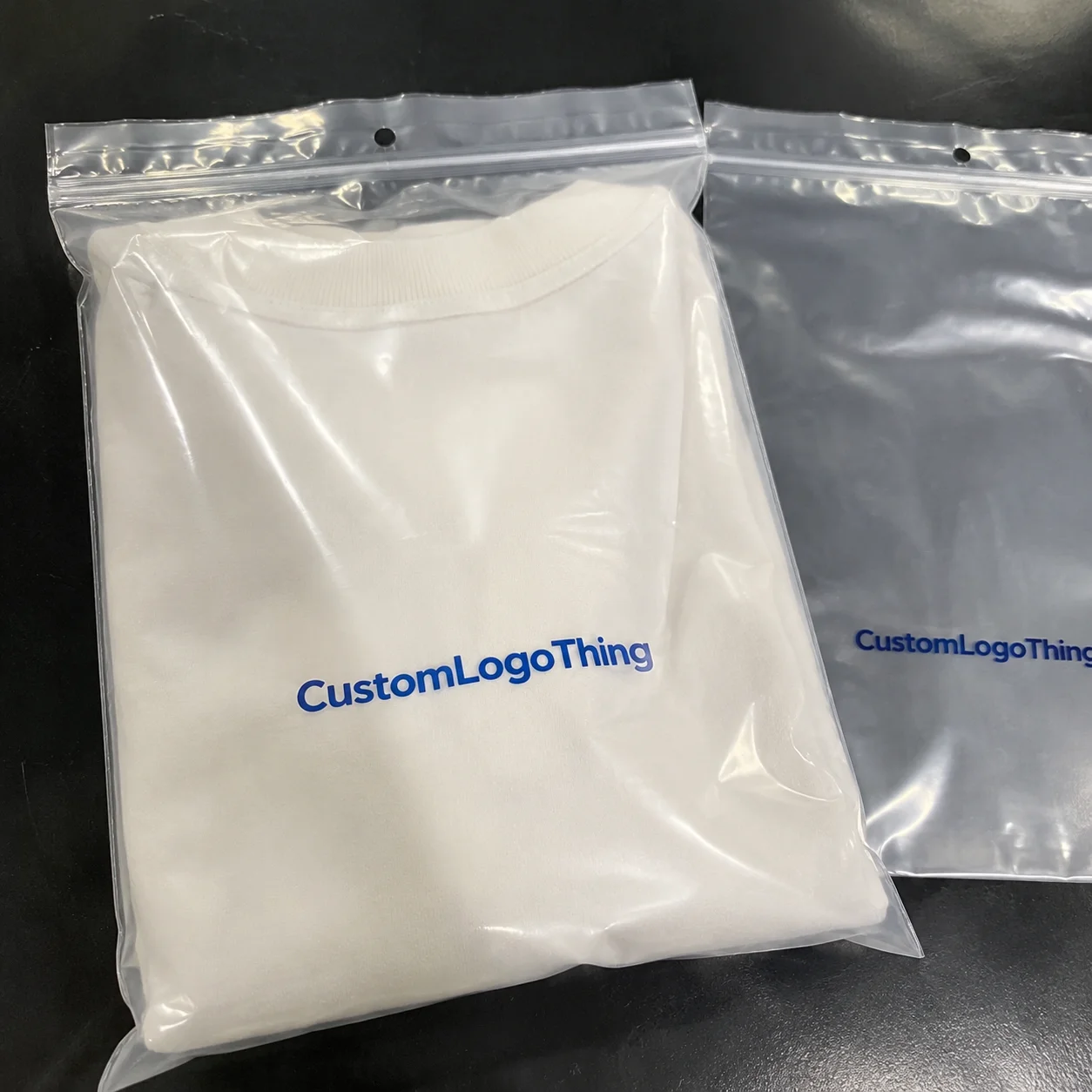
Stickers do more than add a logo. They can turn stock packaging into branded packaging, identify flavors or batches, support limited runs, and help one neutral box or pouch serve multiple SKUs. For small businesses, they are often the most flexible print item in the packaging budget.
That flexibility also reduces inventory risk. It is usually cheaper to hold plain boxes and swap stickers by season or product line than to commit to fully printed packaging for every variation. Unused stickers are inconvenient; unused cartons are expensive.
The catch is that a sticker chosen for looks alone may fail on corrugated, coated board, curved containers, cold surfaces, or oily products. Good packaging design is not just graphics. It is graphics matched to the surface, environment, and handling.
How Sticker Production Works from Artwork to Finished Roll or Sheet
The production path starts with the use case, size, and application format. Artwork is then prepared with bleed, cut line, and safe area. After proof approval, the job is printed, coated or laminated if needed, die cut, and finished into singles, sheets, or rolls.
Digital printing covers much of the short-run market because it supports lower quantities and versioned designs without heavy setup costs. That makes it practical for 250, 500, or 1,000-piece orders and for test launches where flexibility matters.
Die cutting sets the final shape. A kiss cut leaves the liner intact, while a full cut produces loose pieces. Shape affects more than appearance. Thin points and sharp inside corners are more likely to lift in use, and complex contours may slow peeling or application.
The finishing format also affects workflow:
- Singles for giveaways, inserts, and decals
- Sheets for smaller packing stations or mixed designs
- Rolls for faster repeat application or dispenser use
Laminates and coatings are functional parts of the build. Gloss tends to add color pop and rub resistance. Matte reduces glare and often looks more premium. UV coating can help protect the surface, but it is not the same as a film laminate for heavier handling.
Quick reality check: the same logo can be used across several jobs, but the right sticker construction changes as soon as moisture, texture, temperature, or repeated handling become factors.
Materials, Adhesives, and Finishes That Matter in Heat, Humidity, and Handling
The most important specification is usually the pairing of material and adhesive. Buyers often focus on what the face stock looks like, but adhesion determines whether the sticker survives long enough to do its job.
Paper, vinyl, and BOPP in practical terms
Paper stickers are typically the budget choice for dry indoor applications such as envelope seals, bakery packaging, box closures, and short-term promotions. They print well but are a poor fit for condensation, heavy abrasion, or extended outdoor use.
Vinyl stickers offer better flexibility and moisture resistance. They are common for drinkware, laptop decals, promotional handouts, and outdoor uses. Still, vinyl is a broad category, and performance depends on the specific film and laminate.
BOPP polypropylene is one of the most common product-label materials because it balances cost and performance well. White, clear, and metallic BOPP are widely used for cosmetic jars, food tubs, beverage bottles, and bath-and-body packaging. It handles moisture better than paper and usually performs well for retail labels.
Adhesive choice changes the result
Permanent adhesive is common, but it is not universal. Removable adhesive fits short-term window graphics or surfaces that must stay clean. Freezer-grade adhesive may be needed if labels are applied cold or stored cold. High-tack options can help on rough corrugated or difficult plastics.
Surface type matters. Glass, PET, HDPE, metal, coated cartons, corrugated, and kraft all behave differently. A label that lies flat on glass may lift on textured board, and a clear film may show trapped air or adhesive patterns more easily on rough substrates.
Finish options and where they make sense
- Gloss: brighter color and more reflectivity
- Matte: lower glare and better readability
- Soft-touch laminate: premium feel at higher cost
- Writable surfaces: useful for dates, names, or lot codes
- Clear constructions: clean look, but contrast and white ink become more critical
Miami conditions expose weak specs quickly. A coffee cup seal may need strong initial tack during warm handling. A label on a bathroom product may need oil resistance and scuff protection. A shipping seal has to grip kraft corrugated without corner lift. A window sticker needs a clear lifespan target before material is chosen.
Brands that need sustainability documentation can also ask about responsibly sourced paper stocks and certified options such as FSC, but availability depends on the exact construction.
Sticker Pricing and Unit Cost: What Changes Your Quote Fast
Sticker pricing usually moves on a short list of variables: size, shape, quantity, material, adhesive, finish, print coverage, and delivery format.
Size is obvious, but shape matters almost as much. A simple square on white BOPP is usually easier to produce than a contour cut with narrow points and tight corners. Clear films, metallic stocks, white ink, specialty laminates, and multiple versions raise cost. Artwork cleanup can also add cost if the file is not production-ready.
Quantity has the biggest effect on unit price. A 250-piece run will usually cost far more per sticker than a 5,000-piece run because setup and finishing are spread across fewer units. Broad market-style ranges for common builds often look like this:
| Sticker Type | Typical Quantity | Approx. Unit Cost | Notes |
|---|---|---|---|
| Paper logo seal, 2-3 in. | 500-1,000 | $0.06-$0.16 | Best for dry indoor use; sheets or rolls |
| White BOPP product label, 3-4 in. | 1,000-5,000 | $0.08-$0.22 | Common for jars, bottles, and tubs |
| Custom vinyl decal, 3-5 in. | 250-1,000 | $0.35-$1.10 | Outdoor and giveaway use varies by laminate and film grade |
| Clear BOPP label with laminate | 1,000-5,000 | $0.12-$0.28 | Registration, contrast, and white ink may affect cost |
| Soft-touch premium sticker | 500-2,500 | $0.18-$0.40 | Presentation-driven option with higher finishing cost |
Those ranges are not fixed pricing. They show why casual comparisons are misleading. A short-run promo decal and a laminated clear product label may be the same size and still belong in very different cost brackets.
The practical rule is simple: compare quotes only when the specs match. If one supplier quotes matte paper sheets and another quotes laminated BOPP rolls, the price difference says little about value.
Process and Lead Time: What to Expect Before You Place the Order
Lead time includes more than press time. A typical schedule may include artwork review, proofing, revisions, approval, material confirmation, printing, finishing, packing, and shipping.
For a straightforward digital order on common stock, a realistic range is often 5 to 8 business days after proof approval, plus transit. More involved jobs using clear stock, specialty laminates, custom contours, or uncommon adhesives often run closer to 10 to 15 business days.
Production and shipping should be treated separately. Two days lost to art corrections and a few days in transit can erase what looked like a comfortable deadline.
Complexity adds time. Clear materials require tighter registration checks. Lamination adds a process step. Roll orders may also need specific unwind direction or core size if they will feed into a dispenser or semi-automated line.
First-time orders deserve testing time on the real package. A label can look right in a proof and still wrinkle on a curved bottle, lift on dusty corrugated, or struggle on a cold food container. Groups such as ISTA focus on transit performance, and label performance affects the overall package presentation.
Step-by-Step Guide to Ordering the Right Sticker for Your Use Case
A better order process starts with the application, not the finish sample.
- Define the surface and environment. Identify whether the sticker goes on corrugated, coated carton, glass, PET, HDPE, metal, a paper bag, or a window. Note moisture, oil, sunlight, refrigeration, and expected lifespan.
- Measure the usable area. Work from the actual panel, flap, lid, pouch, or bottle face. Curved containers usually allow less usable label space than expected.
- Prepare artwork for print. Include bleed, safe margins, and adequate resolution. Tiny reverse text, thin rules, and weak contrast often fail first.
- Select material and adhesive together. Paper suits dry indoor use. BOPP fits many product-label jobs. Vinyl is common for tougher promo or outdoor applications. Then confirm the adhesive type.
- Choose finish by function. Matte helps readability, gloss boosts color, and clear stock only works well if the design has enough contrast.
- Pick the right format. Singles for handouts, sheets for smaller packing stations, and rolls for repetitive application.
- Review the proof like an operator. Check spelling, cut line position, white-ink layers, barcode space, and roll orientation.
- Test before scaling. Apply samples to the real package, then refrigerate, stack, rub, or ship them to expose problems before a full run.
Businesses moving from stickers into broader retail packaging programs usually find the same logic applies to custom printed boxes, inserts, and tags: graphics, materials, and application method should be planned together.
Common Sticker Buying Mistakes That Cause Waste, Delays, or Poor Performance
The most common mistake is choosing by appearance alone. A glossy sample may look good under office lighting and still fail in chilled storage, sunlight, or rough handling.
The wrong adhesive is another frequent problem. Curved jars, cold containers, rough kraft, and difficult plastics all challenge standard constructions. “Permanent” does not mean it will perform equally well on every surface.
Artwork issues also cause hidden delay. Files may look sharp on screen but print poorly because of low resolution, tiny type, thin outlines, or weak contrast. If the design includes barcodes, legal copy, ingredients, or lot-code space, the label has to be large enough to carry them clearly.
Durability assumptions cause expensive misses. Not every gloss sticker is waterproof. Not every vinyl construction is meant for long outdoor use. Not every durable label will survive repeated abrasion, sun, or washing at the same level. Ask for performance expectations in plain language.
Late reordering rounds out the list. Once inventory gets low, buyers tend to compress proofing and production into unrealistic windows. That is when avoidable mistakes slip through.
Expert Next Steps for Comparing Quotes, Testing Samples, and Reordering Smoothly
For accurate pricing, gather the practical details first: application surface, environment, target size, quantity, material preference, finish, adhesive needs, and whether you need singles, sheets, or rolls. A photo of the actual package can also help a supplier recommend a better size or build.
Ask direct questions. Does the application need freezer-safe adhesive? Will it sit in humidity or sunlight? Does the label need a writable area? Are dispenser-ready rolls required? Is clear stock worth the added cost and tighter setup tolerance?
For new products, a test batch usually makes more sense than a large first run. Once the sticker performs well on the actual package, quantity can be increased with less risk and better unit cost control.
Keep approved files and final specs organized. Save the material name, finish, adhesive type, size, orientation, and format. Reorders move faster when those details are documented.
Done well, stickers are one of the lowest-cost ways to improve packaging presentation and product identification. Start with the real use case, test on the actual surface, and then scale.
FAQ
What material is best for custom stickers in Miami FL humidity?
For humid conditions or surfaces exposed to splashes and condensation, vinyl or BOPP polypropylene usually performs better than standard paper. Adhesive choice matters just as much as the face stock, especially on textured or cold surfaces.
How much do custom stickers Miami FL orders usually cost?
Cost depends on size, quantity, shape, material, finish, and whether you need singles, sheets, or rolls. Basic paper seals can stay in the low-cent range at volume, while vinyl decals or clear laminated labels with white ink can cost much more. Comparisons only make sense when the quoted construction matches.
How long does it take to print custom stickers near Miami FL?
Simple digital jobs on common materials often take about 5 to 8 business days after proof approval, plus shipping. More complex orders using specialty films, laminates, or unusual adhesives often take 10 to 15 business days or longer. New projects should also allow time for proof revisions and physical testing.
Should I order sticker rolls, sheets, or individual custom decals?
Rolls are usually best for higher-volume application and dispenser use. Sheets work well for smaller packaging stations and mixed-design jobs. Individual pieces are better for giveaways, inserts, and decals handed out one by one.
Can custom stickers Miami FL businesses order work outdoors or on drinkware?
Yes, if the material, adhesive, and finish are specified for that use. Outdoor and drinkware applications usually need a film construction with better moisture resistance and added surface protection. Performance varies, so ask how the build is expected to handle UV, water, abrasion, and repeated handling before placing a large order.
What should you ask before ordering custom stickers Miami FL?
Ask about the surface, moisture exposure, temperature range, expected lifespan, adhesive type, finish, and whether you need sheets, rolls, or singles. Also confirm proof timing, turnaround, and expected performance on your actual package.

