Custom Stickers Miami FL: What Local Buyers Should Know
In Miami, a sticker often has to do more than look cute on a proof. Before a customer even registers the brand name, that small printed piece may already be fighting humidity, sun exposure, cooler condensation, delivery bags, retail handling, beach-event abuse, and the general chaos between packing and purchase. Pretty is not enough. Annoying, but true.
A custom sticker is a pressure-sensitive printed piece made from paper, vinyl, BOPP, or another specialty film, then cut and finished for a specific use. That last part matters. A generic stock sticker is not the same as a logo seal for a coffee pouch, a waterproof bottle label, or a contour-cut decal for a storefront window.
Not all stickers do the same job. Decorative stickers carry personality and work well for giveaways. Product labels may need flavor names, ingredients, barcodes, batch details, or compliance copy. Promotional decals end up on laptops, coolers, cars, windows, and packaging inserts. Packaging seals need to bridge a flap without peeling early. QR code stickers have to scan cleanly. Event stickers need a sharp look at a low unit cost. Outdoor vinyl decals need ink, adhesive, and lamination that can take more abuse.
Miami’s business mix makes sticker decisions more specific than buyers expect. Food trucks, boutiques, wellness brands, resorts, nightlife venues, shipping businesses, local artists, and ecommerce sellers all use stickers differently. A candle brand may care about premium texture and color consistency across Custom Labels & Tags. A delivery brand may care more about adhesive grip, scuff resistance, and fast hand application on bags or boxes.
Packaging floor rule: choose the sticker around the real use case first, then tune the design. A beautiful label that curls on a cold bottle or smears in a cooler is not helping the brand.
For buyers searching for custom stickers miami fl, the useful questions are practical: What surface will it touch? Will it face moisture? Does it need to survive refrigeration, sunlight, shipping, or hand application? Is the sticker decorative, functional, or part of regulated packaging? Those answers drive material, adhesive, finish, format, timeline, and price.
How Custom Sticker Production Works From Artwork to Finished Roll or Sheet
Sticker production usually follows a clear path: artwork review, material selection, proofing, printing, coating or lamination, cutting, weeding when needed, quality checks, and packing. The sequence changes by job type, but the production logic stays fairly consistent.
Digital printing is common for shorter runs, multiple artwork versions, seasonal designs, and fast-changing promotions. It keeps setup lower because plates are not usually required. Flexographic printing is more common for higher-volume roll labels, especially when the order will repeat and the buyer needs consistent output at scale. Wide-format printing is the usual route for larger decals, window graphics, vehicle stickers, oversized event pieces, and durable outdoor branding.
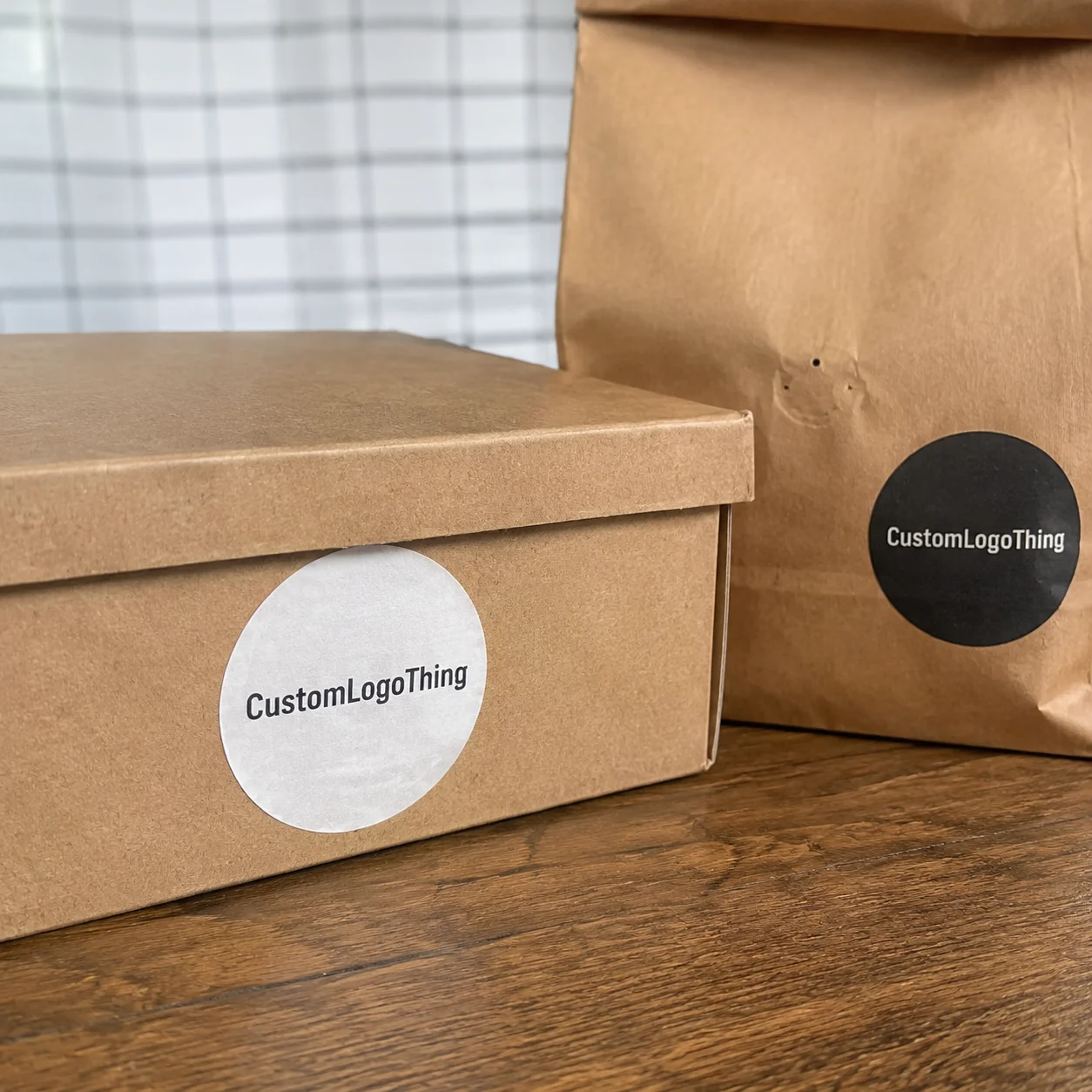
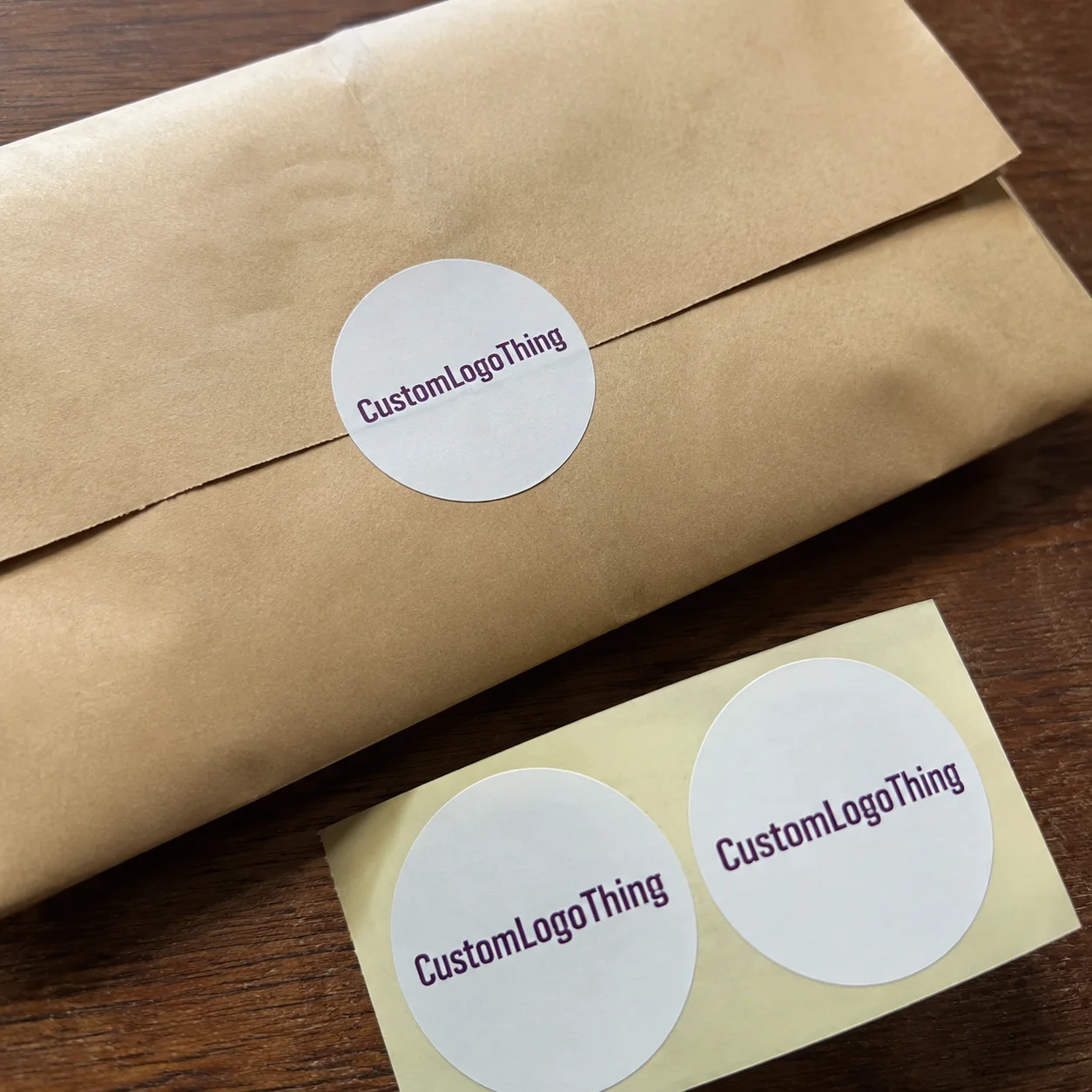
Format matters because it affects labor on the buyer’s side. Roll stickers are efficient for repeated application on bottles, jars, mailers, pouches, cartons, and cups. If a team is applying hundreds or thousands by hand, rolls are easier to control than loose pieces. Sheeted stickers work well for retail packs, small-batch packaging, sticker sheets, and office use. Individually cut stickers make sense for handouts, fulfillment kits, giveaways, merch inserts, and influencer mailers.
Cutting is another detail worth understanding before quote time. Die cutting uses a shaped tool, which can be economical for repeat jobs and higher quantities. Kiss cutting cuts through the sticker face but leaves the liner intact, making peeling easier on sheets or rolls. Contour cutting follows a custom outline around a logo, mascot, or illustration. Square and rectangle trimming is usually the simplest and least expensive option for shipping seals, jar labels, and basic retail packaging labels.
Proofing is the safety gate. A good digital proof should confirm size, shape, copy, bleed, safe zone, cut line, color expectations, roll direction if applicable, and finished format. If the sticker includes a barcode, QR code, ingredient panel, legal copy, pricing, or event date, review the proof slowly. One wrong digit can turn a tidy branding project into a reprint.
Color needs a realistic conversation. Screen color and print color can differ, especially with bright neons, transparent materials, metallic films, soft gradients, and brand colors that need close matching. If color is critical, ask about spot color matching, printed samples, or a drawdown. Not every order needs that step. Premium product packaging often does.
The adhesive and liner affect usability as much as the printed face. Some stickers need a permanent bond on glass, coated cartons, or flexible pouches. Others need brief repositioning during hand application. Machine-applied roll labels need liners that feed properly, release consistently, and match the applicator setup. A label can be printed beautifully and still fail if the adhesive or liner is wrong. Production does not care about your good intentions.
Material, Adhesive, and Finish Choices That Actually Matter
Here is what buyers often get backward: they start with “matte or glossy?” before asking where the sticker will live. Material comes first. Finish comes second. A paper label with gloss coating may look clean on a dry bakery box, but it is not the same as a film label built for condensation, refrigeration, or outdoor exposure.
Paper is the economical choice for dry indoor uses: retail bags, product boxes, hang tags, short-run promotions, and simple branded packaging. It prints well, feels familiar, and keeps costs down. It is also vulnerable to moisture and rough handling.
White BOPP is a polypropylene film that handles moisture better than paper, which makes it popular for bottles, jars, cosmetics, refrigerated products, bath items, and food packaging. Clear BOPP creates a no-label look on glass or clear plastic, but it often needs white ink behind the artwork so colors do not vanish into the container. Vinyl is the durable option for decals, windows, outdoor signage, coolers, laptops, and vehicle use. Textured papers and specialty stocks are better for premium presentation, especially candles, boutique goods, wine-style labels, and upscale retail packaging.
Adhesive selection is just as practical. Permanent adhesive is the standard choice for most product and packaging work. Removable adhesive is useful for temporary promotions, window offers, event signage, and stickers that should peel away without heavy residue. Freezer-grade adhesive is designed for cold storage and surfaces that may face low temperatures or condensation. High-tack adhesive helps with harder-to-stick surfaces, including textured mailers, recycled boards, rough plastics, and flexible packaging films.
Miami conditions raise the stakes. Humidity can soften paper labels and challenge edge adhesion. Refrigeration creates condensation that weakens the wrong materials. Poolside, beach, and marina environments bring moisture, sunscreen oils, sand, and UV exposure. Outdoor events add heat, handling, and sunlight. For food, beverage, wellness, resort, or delivery packaging, the environment is part of the specification, not a side note.
| Use Case | Common Material | Typical Finish | Practical Note |
|---|---|---|---|
| Dry retail box or bag seal | Paper or white BOPP | Matte, gloss, or UV coating | Paper is cost-effective if the package stays dry and indoors. |
| Cold drink bottle or jar | White BOPP or clear BOPP | Lamination or moisture-resistant coating | Ask for condensation resistance and test on the actual container. |
| Window, cooler, or outdoor decal | Vinyl | UV-resistant lamination | Outdoor exposure needs better ink protection and adhesive grip. |
| Premium product launch | Textured paper, film, or specialty stock | Foil, spot UV, soft-touch, or emboss-style effects | Samples help confirm the finish before the full run. |
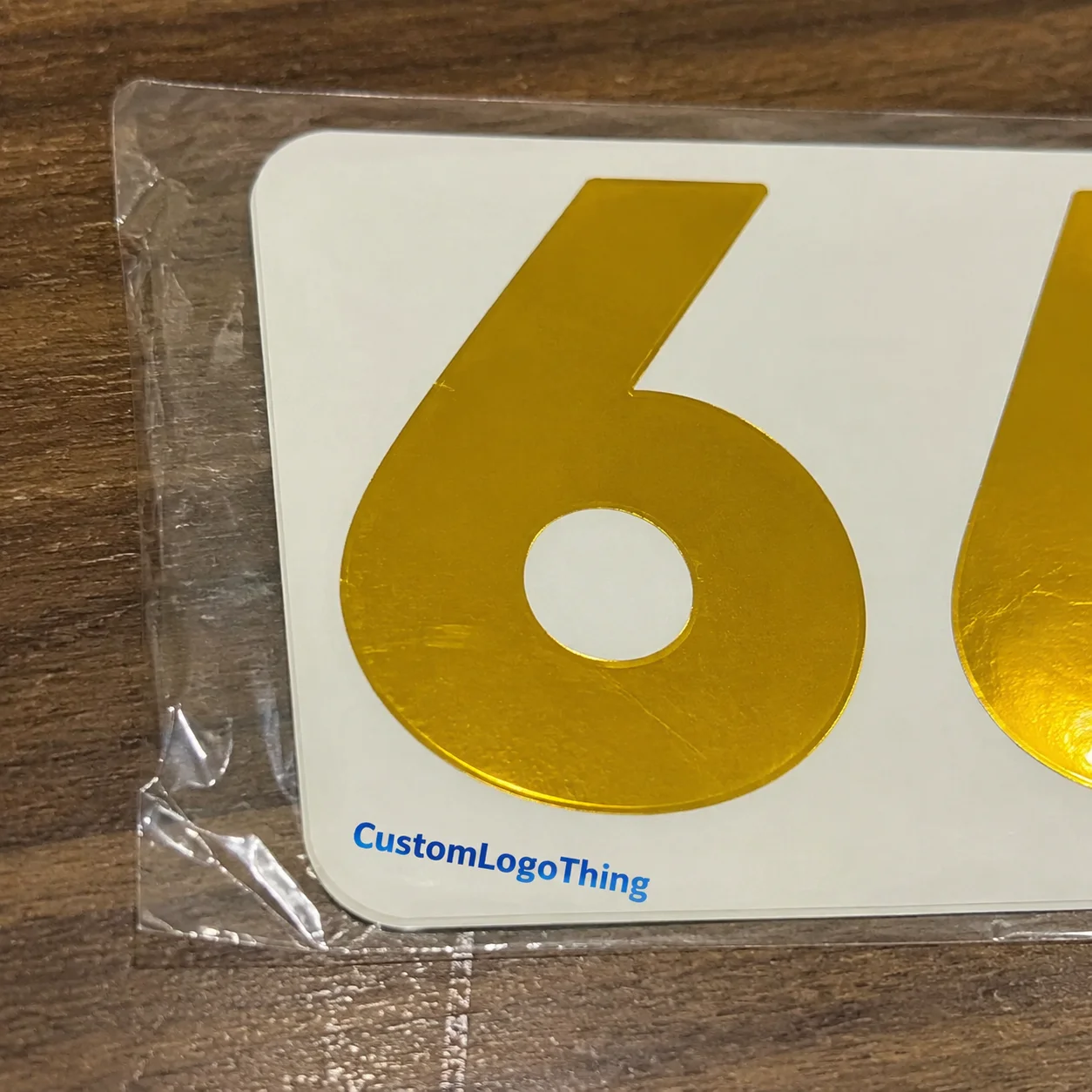
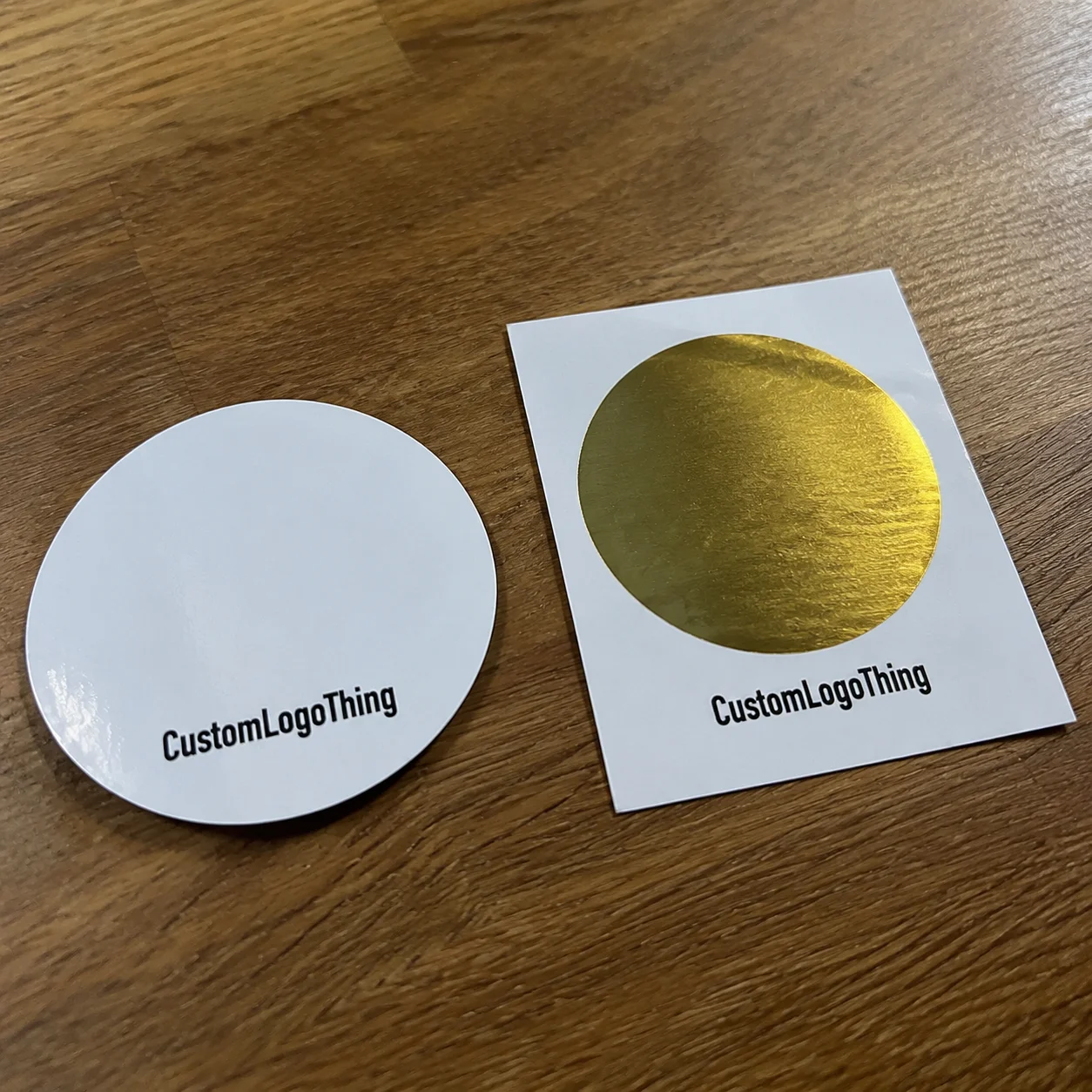
Finish options change both feel and performance. Matte reduces glare and gives a clean, modern look. Gloss increases color pop and wipeability. Soft-touch lamination feels upscale but can scuff depending on the handling environment. UV coating adds surface protection and shine. Foil stamping creates metallic highlights. Spot UV can make a logo, pattern, or product name catch light. White ink underprinting is especially useful on clear or metallic materials because it gives color something opaque to sit on.
Waterproof, water-resistant, and weather-resistant are not interchangeable. A sticker on a chilled bottle may only need to resist condensation and light handling. A cooler decal may need abrasion resistance. An outdoor sign sticker may need UV stability and rain tolerance. A decal on a vehicle or window needs a more durable construction, and installation technique starts to matter once the size gets large.
Shape also affects performance. Sharp corners are more likely to lift than rounded corners. Very thin script, tiny points, and narrow details can be hard to weed on vinyl decals. Oversized graphics may need transfer tape, hinge methods, surface cleaning, and a second set of hands. Many buyers can save money by choosing the simplest material that satisfies the use case instead of overbuying durability the sticker will never need.
Sticker Pricing, MOQ, and Unit Cost Drivers in Miami Orders
Sticker pricing is driven by size, quantity, material, print method, number of versions, finish, cutting complexity, proofing needs, and packing format. A 2-inch round paper sticker on rolls is a very different job from a 5-inch laminated vinyl decal with contour cutting and individual trimming. Both are stickers. They do not use the same production time or materials.
MOQ means minimum order quantity. In plain terms, it is the smallest quantity that makes setup, material use, printing, finishing, and packing economical for a custom job. Some digital sticker runs can start low, especially for simple shapes. Roll label and specialty jobs often need higher quantities because setup, press preparation, waste, and finishing time have to be spread across enough pieces.
Unit cost usually drops as quantity rises. If proofing, setup, file preparation, material loading, and cutting setup cost the same whether the order is 250 or 2,500 pieces, the larger run carries those fixed steps more efficiently. That does not mean every buyer should order a giant quantity. It means buyers should quote at least two levels, often a starter run and a restock run, to see the price break clearly.
Planning ranges vary, but simple digitally printed stickers might land around $0.18–$0.45 each at a few thousand pieces, depending on size, material, and finish. Smaller quantities may run $0.60–$1.50 each because setup is spread across fewer pieces. Larger roll label runs can fall below those numbers. Laminated vinyl decals, foil effects, clear film with white ink, variable QR codes, or individual trimming can push pricing higher. These are broad planning ranges, not a quote.
Specialty choices add cost because they add materials, setup, or handling. Clear film with white ink may require an additional print station or slower production. Metallic effects and foil stamping add tooling or finishing passes. Heavy lamination increases material cost. Outdoor-rated vinyl uses more durable face stock and adhesive. Sequential numbering, variable QR codes, and multiple artwork versions create data management and proofing work. Complex shapes can slow cutting and increase waste.
Hidden costs catch people. Rush production may add fees. Ten artwork versions may cost more than one version, even if the total quantity is the same. Split shipments add packing and freight time. Small batch changes interrupt efficient production. Artwork cleanup can be billable if the supplied logo is a low-resolution screenshot instead of a vector file.
For a quote-ready request, gather size, shape, quantity, material preference if you have one, indoor or outdoor use, application surface, finish, roll or sheet format, number of artwork versions, and deadline. If the sticker is part of a larger packaging design program with custom printed boxes or branded inserts, mention that too. Consistency across labels, cartons, sleeves, and Custom Packaging Products matters more than most people realize.
The cheapest sticker is not always the best buy. If it curls, smears, falls off, blocks barcode scanning, or makes product packaging look inconsistent, the waste is bigger than the savings. Good pricing balances performance, waste control, and the real handling conditions the sticker will face.
Process and Timeline: From Quote Request to Delivery
A clean sticker order usually moves through eight steps: gather specs, Request a Quote, review material recommendations, approve pricing, check the proof, produce the stickers, inspect finished goods, and arrange pickup or shipping. It sounds simple because it can be simple, as long as the front-end details are clear.
Lead time depends on complexity, quantity, finishing, material availability, and production schedule. A simple printed rectangle on common material can often move much faster than a laminated contour-cut decal, clear BOPP label with white ink, foil-stamped sticker, or high-volume roll label. Many straightforward digital orders are commonly planned in the 3–7 business day range after proof approval. Specialty or larger runs may need 7–15 business days or more. Rush options depend on capacity and material stock, not just someone’s willingness to pay extra.
Several things slow a project down: missing dimensions, low-resolution artwork, unclear cut lines, unapproved proofs, uncertain brand colors, specialty materials, and seasonal production queues. A buyer who sends “make it about palm-sized” will lose time. A buyer who sends “3 inches wide by 2 inches high, rounded corners, white BOPP, matte lamination, rolls of 500, applied to refrigerated glass jars” gives production a much better starting point.
Proof review deserves a real pause. Check the size at actual scale by printing the proof on office paper, cutting it out, and placing it on the box, pouch, cup, jar, bottle, or mailer. A sticker can look balanced on screen and feel tiny on a 12-ounce jar or too large on a pouch face. For curved bottles, wrap the mockup around the container and check whether the artwork disappears around the sides.
Samples or material swatches are worth requesting for long-term outdoor use, premium packaging launches, textured containers, cold-chain products, and large production runs. A swatch cannot answer every question, but it can reveal finish, opacity, thickness, tack, and surface feel before the full order is produced. For shipping-related projects, packaging testing references such as ISTA can also help buyers think about distribution stress beyond the label itself.
Local pickup or delivery planning matters for Miami deadlines. Markets, trade shows, pop-ups, hotel openings, resort events, restaurant launches, and product drops do not wait politely for missing art files. Build in time for proof approval, packing, traffic, courier windows, and receiving. If the stickers are going into fulfillment kits, allow extra time for counting, bundling, or sorting by design.
For fixed-event orders, approve final artwork only after checking copy, scale, material, finish, quantity, and delivery method. A fast production slot cannot fix a wrong size, a misspelled flavor, or a QR code that was never tested.
Common Sticker Ordering Mistakes That Create Reprints
The most expensive mistake is choosing a sticker based only on appearance. A glossy paper sticker may photograph beautifully, but if it goes on a wet cooler, refrigerated bottle, or textured shipping carton, it may fail quickly. Application surface, storage conditions, handling, and exposure should lead the decision.
Artwork problems are another major reprint trigger. Missing bleed can leave slivers of white at the edge. Tiny text can fill in or become unreadable. Raster logos can print fuzzy when enlarged. Low-resolution images may look soft. Fonts that are not outlined can shift. Weak contrast can make copy hard to read. Cut lines placed too close to important artwork can trim off borders, letters, or design details.
Material mismatches are common: paper labels on wet products, removable adhesive on shipping cartons, clear stickers without white ink behind the artwork, indoor films used outdoors. Premium packaging design can fall apart quickly if the material is wrong for the handling environment.
Sizing mistakes usually start with guessing. Measure the actual package panel, lid, bottle curve, pouch face, mailer flap, or box closure. If the sticker wraps around a corner or curve, measure that curve. If it seals a flap, test whether it bridges the opening cleanly. If it sits near a fold or crease, leave enough clearance so the edge does not lift during handling.
Ordering too few can also get expensive. A later reprint may require new setup time, new freight, and possible color variation from a separate batch. If a product is moving steadily, quote a restock quantity before the first run is finished. This is especially true for custom stickers miami fl projects used on recurring retail packaging, food packaging, delivery bags, or subscription shipments.
Compliance and scanning details need their own check. QR codes require enough quiet space and contrast. Barcodes need clean edges and correct sizing to scan. Ingredient panels and safety copy must remain legible at final size. If the sticker supports regulated product packaging, review the copy with the right internal or professional resource before approving print. Standards and sourcing can also matter; for paper-based packaging programs, some buyers ask about responsible fiber sourcing through organizations such as FSC.
- Final copy: confirm spelling, dates, ingredients, URLs, QR destinations, and phone numbers.
- Correct size: test the sticker at actual scale on the real package or surface.
- Actual-use test: consider moisture, refrigeration, handling, sunlight, and surface texture.
- Proof signoff: approve size, bleed, safe zone, cut line, color expectations, and roll direction.
- Material confirmation: match face stock, adhesive, liner, and finish to the job.
- Deadline confirmation: allow time for production, inspection, pickup, shipping, and application.
Next Steps Before You Request a Sticker Quote
Before asking for pricing, gather the details that let a printer specify the job correctly. Measure the application area. Decide whether the sticker will be used indoors, outdoors, refrigerated, shipped, handed out, or applied to retail packaging. Choose whether you prefer rolls, sheets, or individual pieces. Pull together the best artwork files available.
Photograph the surface or packaging the sticker will go on, especially if it is curved, textured, refrigerated, squeezable, glossy, oily, or exposed to outdoor conditions. A photo of the real jar, pouch, carton, cup, bag, window, or mailer can prevent a lot of guessing. If the sticker must match other package branding pieces, include photos or specs for those too.
Prepare two quantity levels for quoting. For example, ask for 500 and 2,500 pieces, or 1,000 and 5,000 pieces, depending on expected usage. That comparison shows how setup and production efficiency affect unit cost. It also helps avoid under-ordering if the sticker is used daily on product packaging, delivery bags, or promotional kits.
List non-negotiables early. Waterproof performance, removable adhesive, matte finish, exact brand color, clear material, barcode readability, outdoor durability, freezer use, or an event deadline should be stated before proofing. If you are not sure which stock to name, describe the job instead. A good specification starts with what the sticker must do, not just what it should look like.
Save the final proof and order specs after production. Keep the size, material, adhesive, finish, artwork version, roll direction, and quantity on file. Reorders stay more consistent when everyone can reference the same approved details. That habit matters as a brand grows from small runs into broader product lines, custom printed boxes, retail displays, and fuller branded packaging programs.
Before Ordering Custom Stickers miami fl buyers should confirm size, surface, environment, quantity, finish, artwork, and timeline. A few precise decisions up front protect the budget, the schedule, and the first impression your packaging makes.
FAQ
What materials work best for custom stickers in Miami FL humidity?
For dry indoor packaging, paper can be cost-effective. For humid, refrigerated, handled, or outdoor uses, BOPP, vinyl, or laminated film is usually safer. If the sticker touches condensation, coolers, beach gear, windows, or delivery packaging, ask for moisture-resistant materials and the right adhesive instead of assuming any sticker is waterproof. For clear containers or glass, clear BOPP with white ink under the design can keep colors readable.
How much do custom stickers in Miami usually cost?
Cost depends on size, quantity, material, finish, cut shape, roll or sheet format, and specialty effects such as foil, white ink, lamination, or variable data. Unit cost usually drops at higher quantities because setup and production preparation are spread across more stickers. For an accurate quote, provide size, quantity, use case, artwork, finish preference, and deadline.
What is the usual turnaround time for custom sticker printing in Miami?
Turnaround depends on proof approval, material availability, print method, order size, cutting complexity, and finishing requirements. Simple digital sticker orders can often move faster than specialty laminated, foil, clear, or high-volume roll label projects. Protect the deadline by submitting final artwork, approving proofs quickly, and confirming every production detail before printing starts.
Can I order waterproof custom stickers for bottles, coolers, or outdoor use?
Yes, but specify the real exposure: hand-washing, ice bucket condensation, rain, sunlight, refrigeration, or long-term outdoor placement all require different performance levels. Water-resistant films may handle moisture, while outdoor decals often need vinyl, durable adhesive, UV-resistant ink, and protective lamination. The application surface also matters because textured, oily, curved, or flexible surfaces can change adhesive performance.
What artwork files are best for custom logo stickers in Miami FL?
Vector files such as AI, EPS, or print-ready PDF are best for logos, clean text, and contour-cut shapes. Raster images should be high resolution at final print size, with bleed included and important text kept inside the safe zone. If the sticker has a custom shape, include or request a clear cut line so the production team knows exactly where the blade should travel.