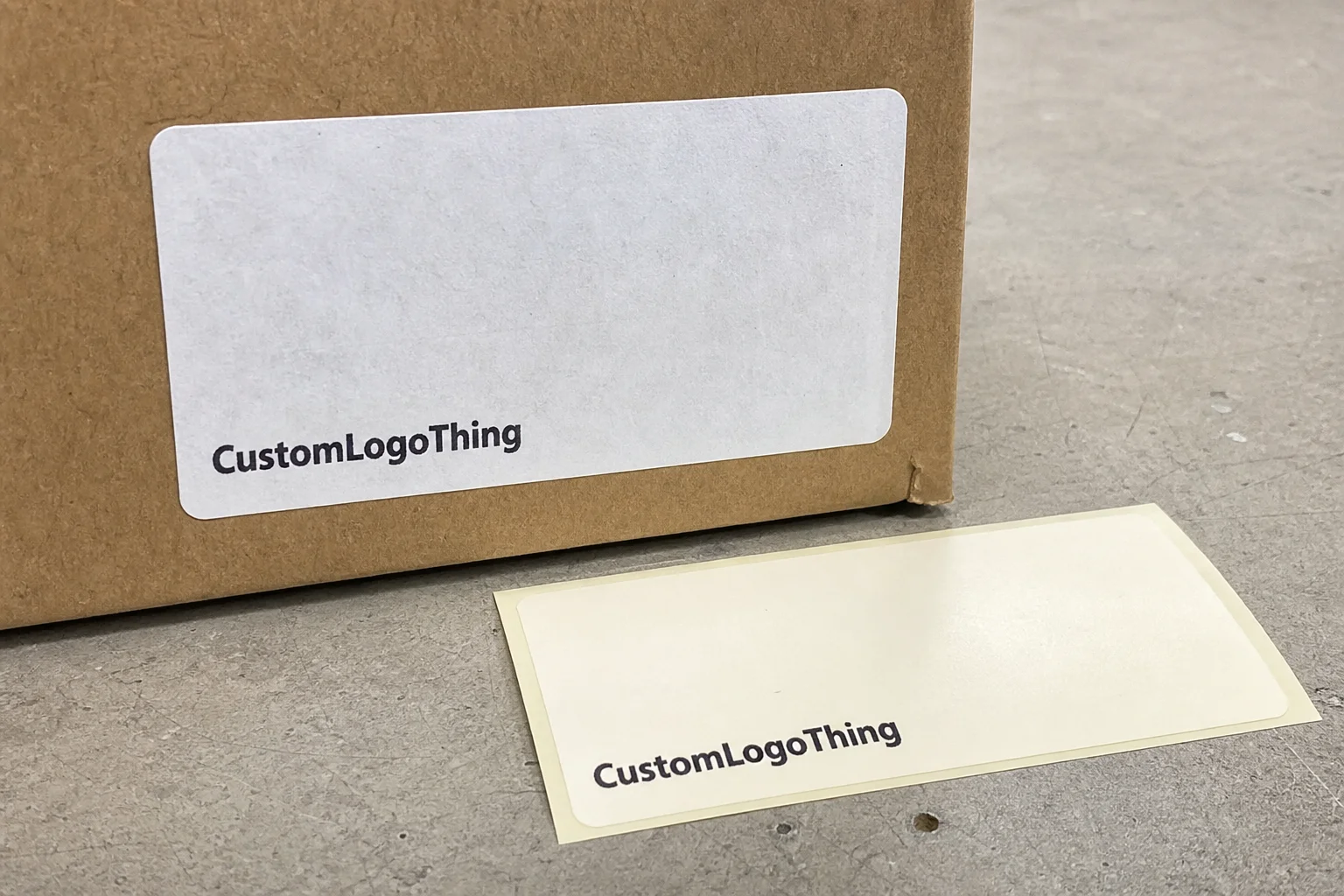
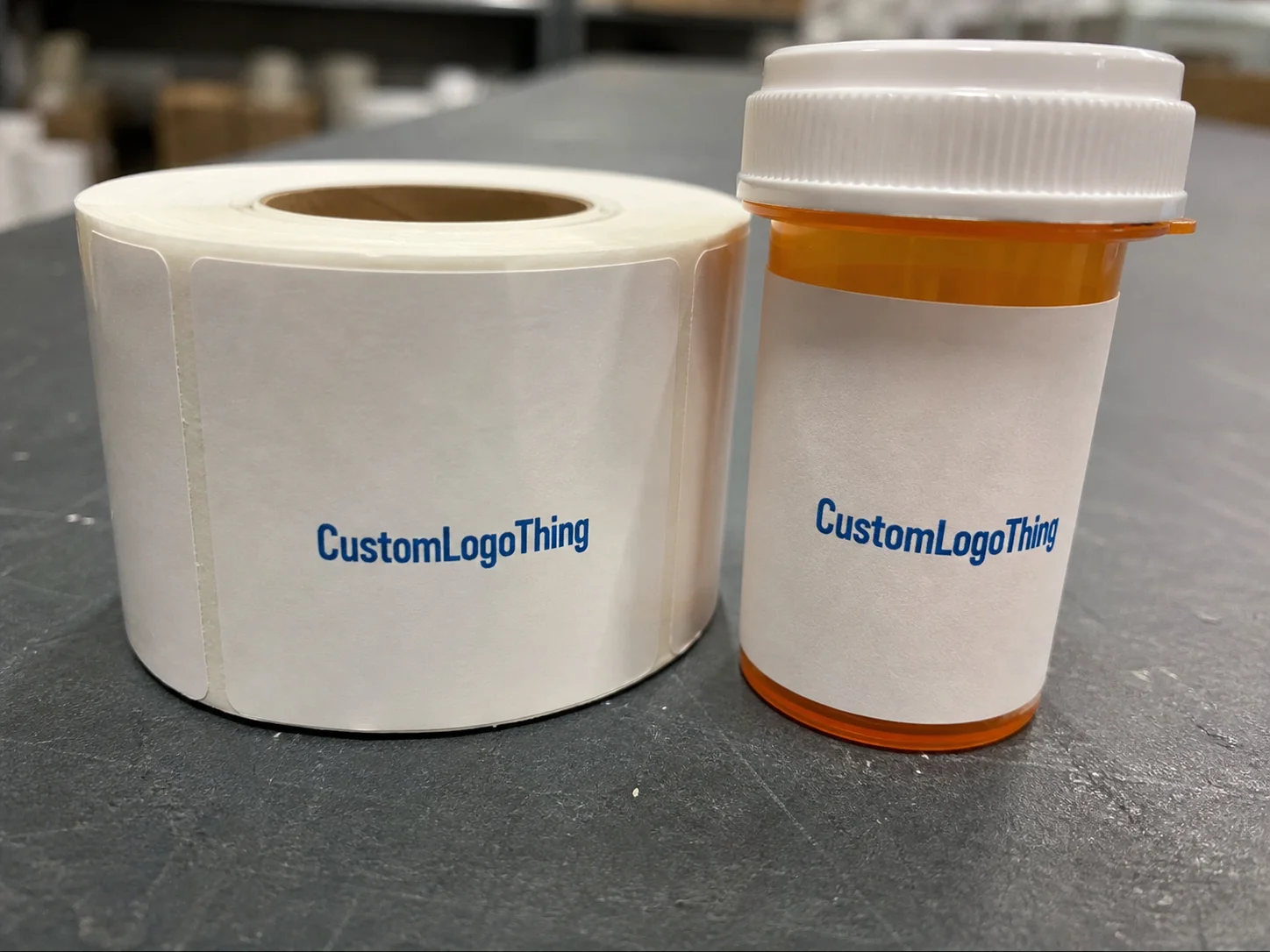
Custom tamper proof labels are a practical control point in apparel packaging. They show whether a mailer, box, or garment wrap has been opened or altered before it reaches the buyer, which matters because clothing packages are easy to repack without obvious damage.
The best label is the one that fits the packaging system, holds through transit, and fails in a way people can read quickly. Material choice, adhesive behavior, placement, and package surface matter just as much as the artwork. A label that looks premium but peels cleanly does not protect anything.
Brands usually get better results when the seal is treated as part of the packaging spec from the start, not added after the box is approved. That avoids rushed decisions on size, closure point, and application method.
“A security label has two jobs: show tampering clearly and still fit the brand. If it looks cheap, customers notice. If it fails quietly, operations notice.”
Used well, these labels help reduce disputes, protect returns, and make the package feel deliberate. They do not stop every attempt at interference, but they do make casual tampering easier to spot.
What custom tamper proof labels do in apparel packaging
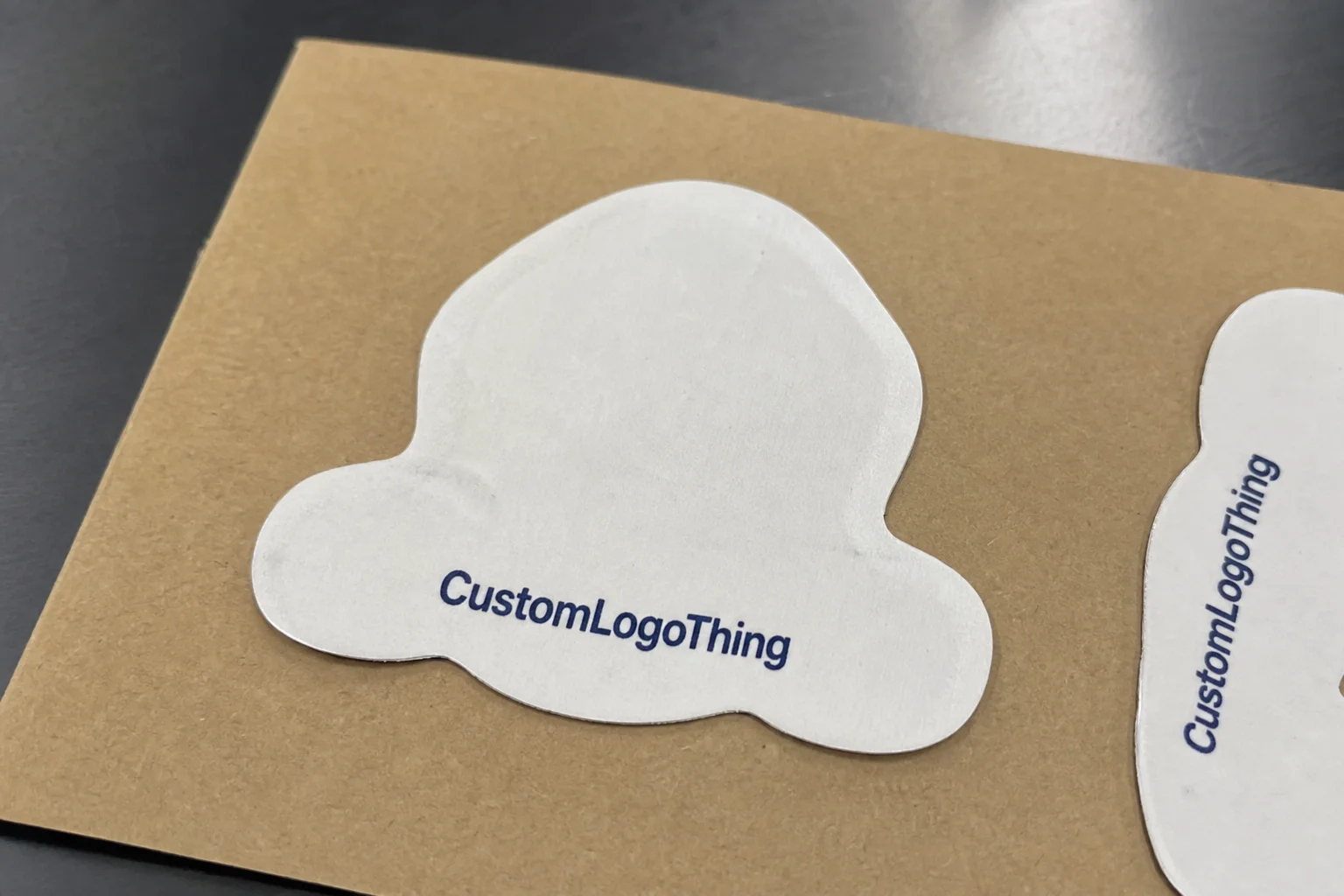
Tamper-evident labels are designed to change visibly if someone peels, cuts, lifts, or repositions them. Some split apart, some reveal a VOID message, and some leave adhesive or residue behind. The goal is not to make opening impossible. It is to make unauthorized opening obvious.
That is why they are used on poly mailers, rigid boxes, tissue wrap, hangtag bundles, garment bags, and return-ready packaging. On premium apparel, the seal also becomes part of the first physical impression, so it has to work visually as well as functionally.
There is a practical supply-chain reason for them too. A box can be opened, the garment swapped, and the closure restored with little visible damage if the packaging is weak. A clear tamper signal closes that gap and gives warehouse teams a simple reason to inspect returns or incoming stock.
For retail packaging, the message is immediate. A clean seal reads as intentional. A broken or missing seal reads as a warning. That signal can reduce customer confusion and make delivery disputes easier to resolve.
How tamper-evident label materials and adhesives work
The face stock and adhesive must match the package surface. A stronger adhesive is not always better. On some cartons, too much tack tears the board without producing a readable tamper message. On slick films, a weak adhesive can lift too easily and undermine the seal before shipping.
The most common constructions for apparel security labels are:
- Destructible vinyl - fractures when removal is attempted, making transfer difficult.
- VOID-release film - reveals a hidden word or pattern on the label and the substrate after peeling.
- Fragile paper - tears or shreds under stress, often used for lower-cost tamper evidence.
- Residue-transfer adhesive - leaves a message or adhesive trace behind after removal.
Each construction behaves differently. Destructible vinyl is useful when a clear break matters more than a polished look. VOID films are common on branded mailers and boxes because they feel more refined and are easy to read. Fragile paper can work for short-run, lower-risk shipments, though it is less durable under moisture and rough handling. Residue-transfer systems give unmistakable evidence, but they can look messy on recycled kraft or textured board.
Surface conditions matter just as much as the material. Coated mailers, kraft cartons, satin ribbon, and garment bags all accept labels differently. Texture reduces contact area, while slip additives on plastic can weaken the bond. Curved seams and folded flaps also affect how the label breaks.
Temperature and storage time change the result too. Heat can soften adhesive, cold can make some films brittle, and dust or hand oils can interfere with bond strength. If the package sits for a week before shipping, that condition should be part of the test.
For shipment-related applications, many teams test under conditions similar to transit vibration, drop, and handling. Standards such as those used by ISTA are a useful reference point when building a validation plan.
Key factors that affect cost, MOQ, and unit cost
Price is driven by more than quantity. Material type, size, print colors, finish, shape complexity, variable data, and the security construction itself all affect the quote. A simple one-color fragile paper label is not in the same pricing bracket as a VOID film with serial numbers, Custom Die Cutting, and a premium face stock.
MOQ changes the economics quickly. Fixed setup costs weigh more heavily on small runs, so a 1,000-piece order usually has a much higher unit cost than a 10,000-piece order. The supplier is spreading press setup, proofing, file preparation, and die costs across fewer units.
Typical price ranges for apparel use often look like this:
| Label type | Typical use | Approx. unit cost | Notes |
|---|---|---|---|
| Basic fragile paper label | Internal shipments, lower-risk packaging | $0.06-$0.12 | Low-cost tamper evidence, limited durability |
| VOID film security label | Branded mailers, boxes, retail-ready packs | $0.10-$0.20 | Clean visual reveal, stronger presentation |
| Destructible vinyl with custom print | Higher-risk apparel shipments | $0.14-$0.28 | Good for obvious removal failure |
| Serialized premium security label | Traceability, returns, controlled distribution | $0.18-$0.35+ | Variable data adds cost and lead time |
These are directional ranges, not fixed rates. Short runs with unusual stock often cost more than standard larger orders. A complex contour cut, heavy ink coverage, matte lamination, or special inks can also push pricing up. If the supplier has to test several adhesives before approval, that work may appear in the quote.
Hidden costs matter too. First-order die charges, proof revisions, rush fees, and sample waste can change the final number. If the labels must match custom printed boxes, garment bags, or tissue wraps, ask whether revisions are included or billed separately.
If sustainability is part of the brief, verify the claim instead of assuming it. Ask for documentation if you need FSC-certified paper or recycled content. The reference point is fsc.org.
Process and timeline from artwork approval to delivery
The production flow is usually straightforward: brief, material selection, artwork setup, proofing, approval, printing, finishing, packing, and shipping. Delays usually happen at the handoff points, especially when the label dimensions do not fit the package or the artwork is not final.
For simple custom orders, a typical turnaround might be 10 to 15 business days after proof approval. Specialty materials, multi-layer security features, or variable data can push that to 15 to 20 business days or more. Freight time sits on top of production time.
Projects usually slow down for a few predictable reasons:
- Low-resolution logos or text files that need cleanup.
- Last-minute changes after proofing.
- Label dimensions that do not match the opening point.
- Unclear material choice for the real packaging surface.
If speed matters, send exact dimensions, Pantone targets, and a sample of the actual packaging with the first request. Photos help too. A short note explaining whether the label seals a flap, a tissue wrap, a hanger bundle, or a return box removes a lot of back-and-forth.
Ask for milestone dates: proof deadline, press date, ship date, and estimated arrival window. Those checkpoints make it easier to coordinate packaging and inventory releases, especially if a launch depends on cartons and labels arriving together.
If the supplier offers testing, confirm that the label is checked on the exact substrate you plan to use. A sample that performs on one carton finish may fail on another.
Step-by-step: choosing the right security label for your garments
Step 1: Define the risk. Are you trying to prevent returns fraud, package theft, retail pilferage, or authenticity disputes? The label should address the actual risk, not just add a security-looking graphic.
Step 2: Match the seal to the opening point. A useful tamper-evident label crosses the seam, flap, or closure that would be opened in transit. If it sits too far away from that point, it becomes decoration rather than control.
Step 3: Decide what the label must say. Some brands need only a logo and VOID text. Others want serial numbers, batch codes, or a short warning. Keep the message short so the signal stays readable.
Step 4: Test on actual packaging. Do not approve from a flat mockup alone. Test the label on the exact box, mailer, or wrap you will ship, then leave it in the conditions it will actually face, including cold, heat, and storage time.
Step 5: Choose the application format. Roll direction, core size, label shape, and hand-applied versus machine-applied use all affect workflow. If a fulfillment team is applying the labels, the unwind direction and roll spec need to suit the applicator.
The higher the risk, the clearer the failure mode should be. For premium apparel, a clean VOID reveal often looks more controlled than shredded paper. For internal logistics, cost may matter more than presentation.
That is why custom tamper proof labels work best as part of the packaging architecture, not as an afterthought.
Common mistakes brands make when ordering security labels
The first mistake is choosing a label that is too aggressive for the substrate. It sounds safer, but it can tear the carton so badly that the tamper message becomes hard to read. That leaves the package damaged and still not clearly controlled.
The second mistake is approving a label based on appearance alone. A logo-heavy sticker can look premium and still peel cleanly if the adhesive is wrong. Design and function are separate decisions, and both have to work.
The third mistake is skipping real-package testing. Recycled board, glossy coating, and textured film behave differently. If a brand uses more than one packaging format, each one should be checked before mass production.
The fourth mistake is ordering the smallest possible run without thinking about scale. That often leads to inconsistent specs across SKUs or seasonal replenishment, which creates friction in operations.
The fifth mistake is forgetting presentation. Security should feel deliberate, not punitive. A well-made seal can look like part of the design system. A poor one makes the package feel like a warehouse hold item.
- Do not approve a label based on artwork alone.
- Do not assume one adhesive works on every carton.
- Do not skip transit testing.
- Do not bury the security message in too much copy.
Expert tips for better tamper evidence and faster approval
Keep the security message short. “VOID,” “SEALED,” or a plain warning usually does the job. Long copy competes with the visual signal and makes the label harder to read at a glance.
If traceability matters, ask for serial numbers or variable data. That can help with returns, batch control, and distribution tracking, and it gives you a paper trail if you need to inspect a specific run later.
Ask for samples with more than one adhesive strength if the packaging surface is uncertain. That saves time because it replaces guesswork with evidence. A label that behaves well on kraft may be wrong for coated stock.
“Ask for a failed sample photo, not just the finished proof. The break pattern tells you more than a mockup ever will.”
Photo proofs are useful because they show what opening looks like in practice. They can confirm whether the label splits cleanly, leaves residue, or reveals the VOID text without distortion.
Align the label with the rest of the packaging. The seal should feel intentional, not industrial. On well-built apparel packaging, the security element looks like part of the same system as the box, tissue, and tag.
Next steps: request samples, test, and lock your spec
Start with two or three label constructions that fit the risk level of the garment. A higher-value line may justify a VOID film or serialized label. A lower-risk internal shipment may only need a simple fragile paper option.
Then order samples and test them on the actual package, not a substitute. Test the opening point, the curve, and the surface. If a label only passes on a desk, it has not passed.
Before requesting quotes, prepare a clear spec sheet:
- Label dimensions and shape
- Quantity needed
- Artwork files and Pantone targets
- Budget range
- Required turnaround
- Application method: hand-applied or machine-applied
Compare quotes using the same criteria every time: material, print method, MOQ, lead time, and shipping. A bare label price is not comparable to an all-in quote.
Once the sample is approved, document the final spec and keep it consistent. Record the face stock, adhesive, print details, dimensions, and application method in one place so reorders stay clean.
Handled with that level of discipline, custom tamper proof labels do more than protect a package. They tighten operations and reduce disputes.
What are custom tamper proof labels used for on clothing packages?
They show visible evidence if a package or garment seal has been opened or altered. Brands use them on mailers, boxes, tissue wraps, and retail packaging to protect trust and reduce disputes.
Are tamper-evident labels strong enough for shipping garments?
Yes, if the material and adhesive match the package surface and transit conditions. Testing on real packaging matters because temperature, texture, and pressure affect performance.
How much do custom tamper proof labels cost?
Cost depends on material type, size, print colors, finish, and order quantity. Smaller runs usually have a higher unit cost because setup fees are spread over fewer labels.
What is a normal turnaround for custom security labels?
Simple orders can move quickly, while specialty materials, variable data, or complex proofs add time. The fastest way to avoid delays is to provide exact specs, artwork, and sample packaging early.
What should I check before approving a custom tamper proof label order?
Confirm the adhesive works on your actual packaging material and the label breaks or reveals tampering clearly. Verify size, artwork, serial numbers if needed, MOQ, unit cost, and shipping timeline before final approval.