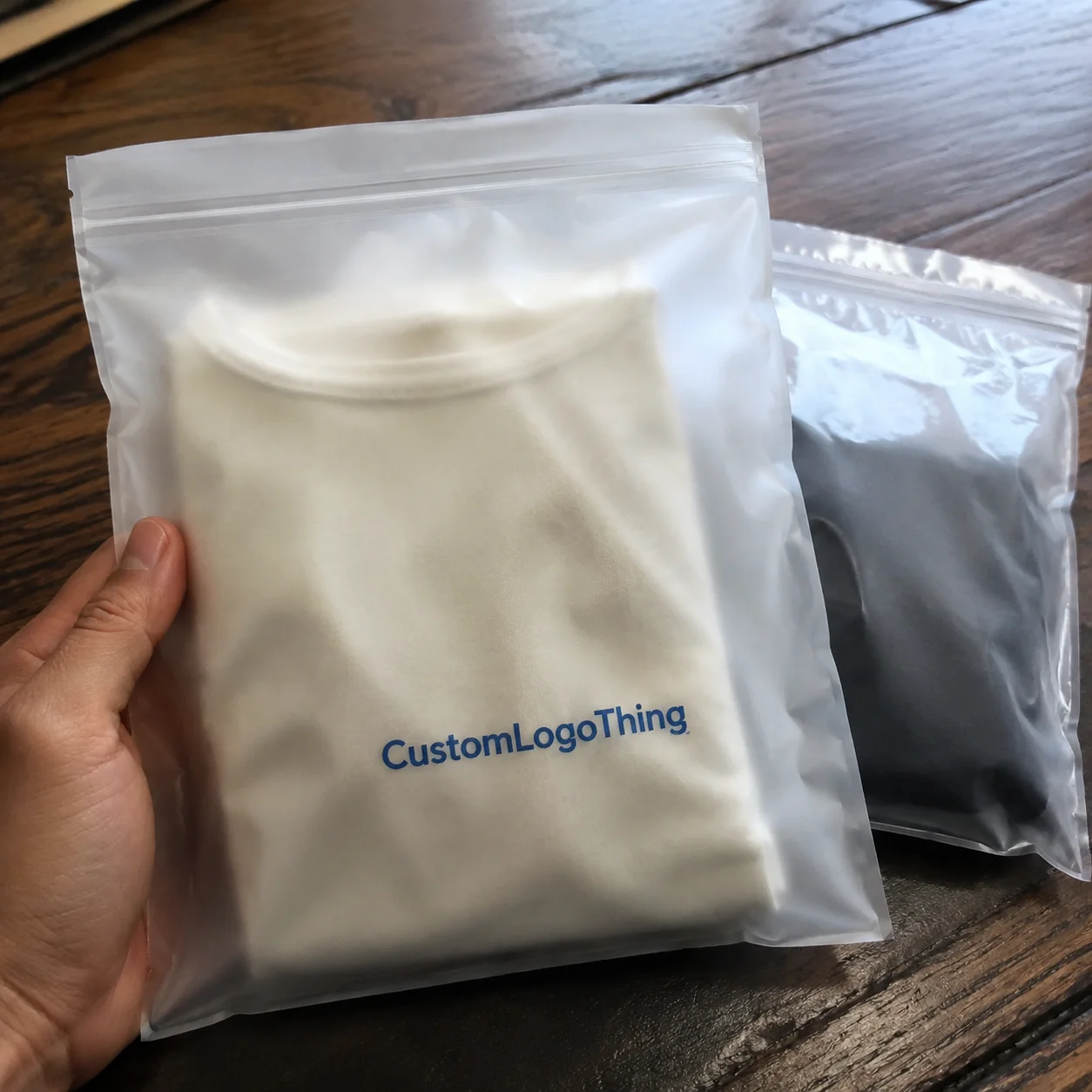
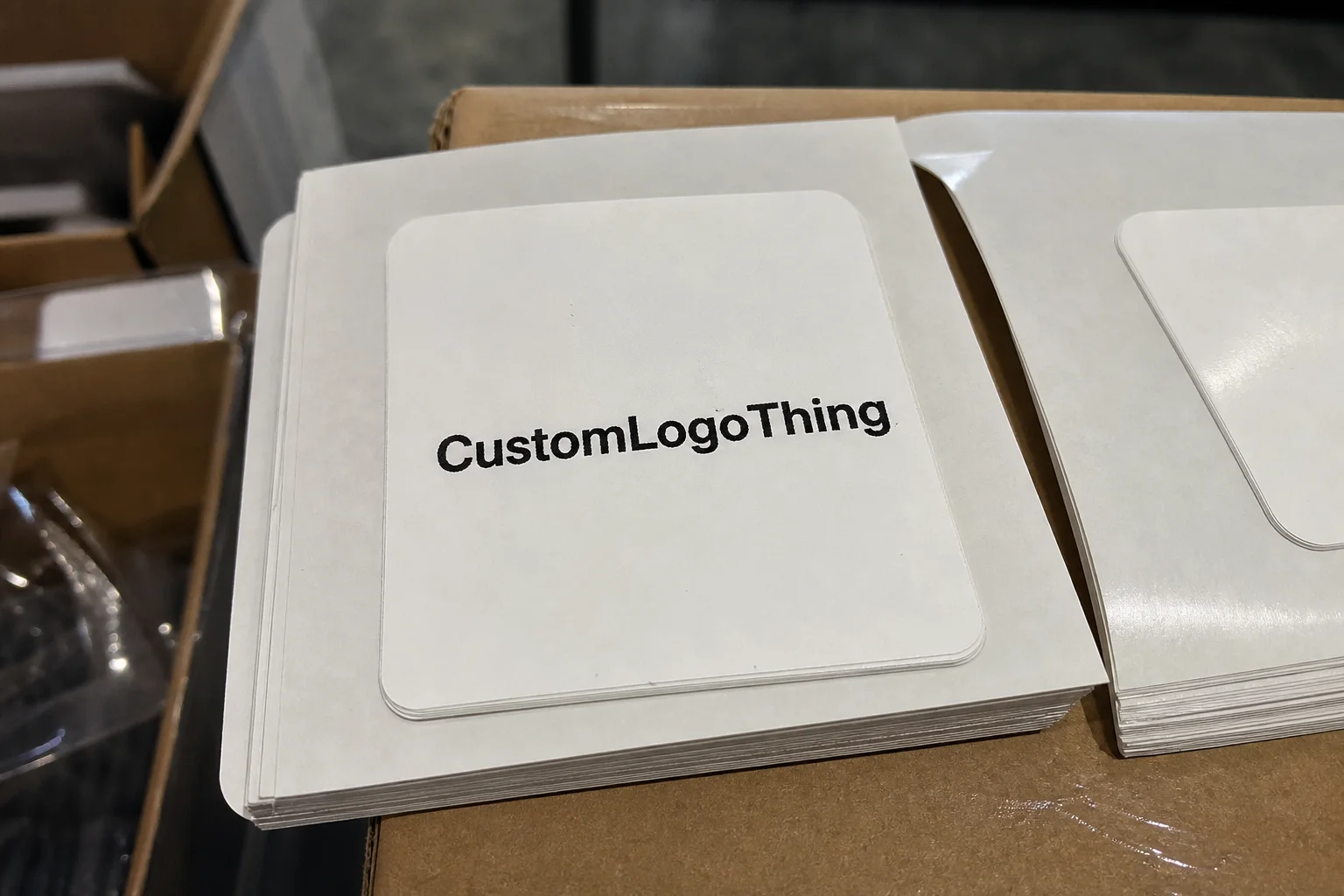
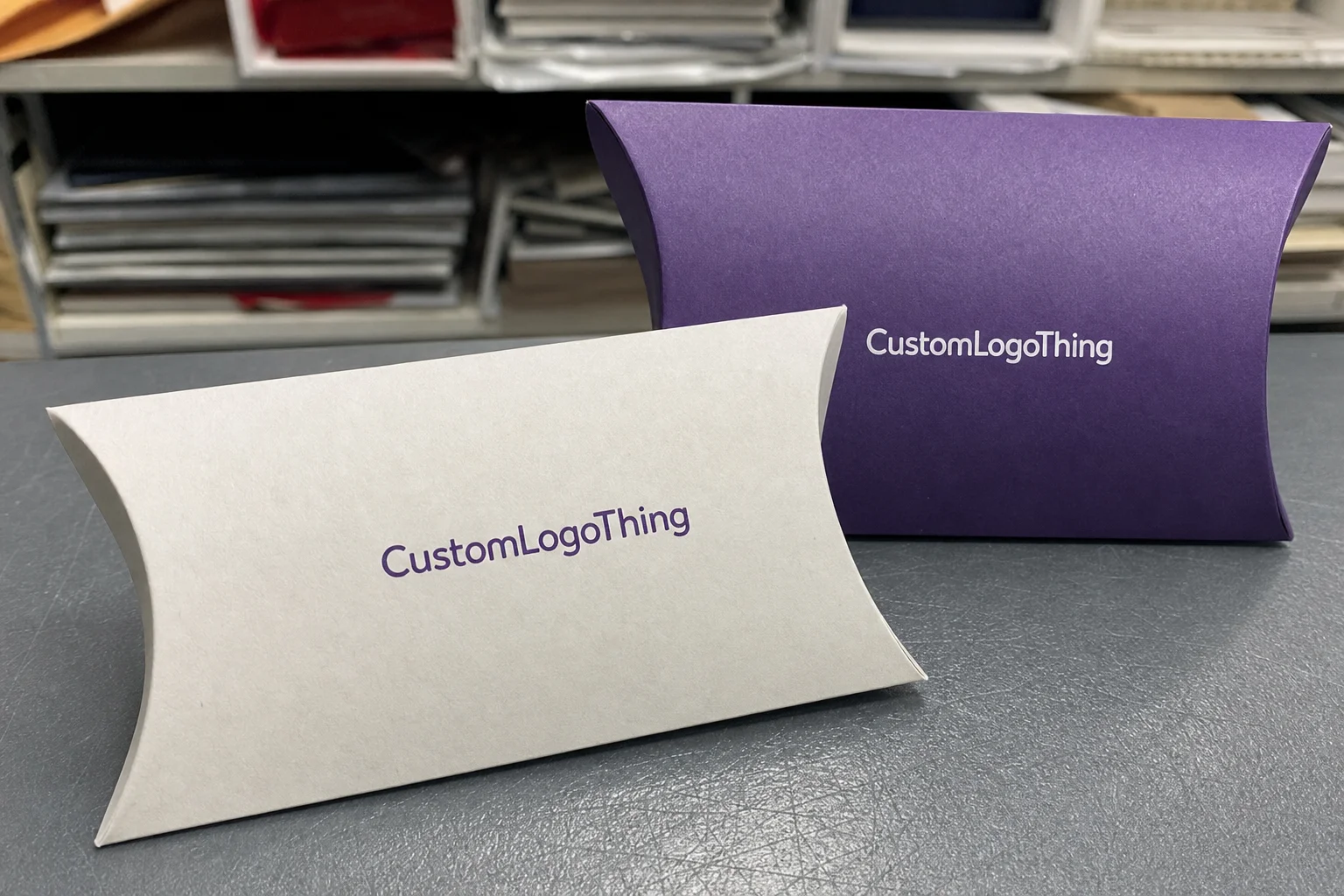
Custom Die Cut Labels are one of those packaging details that quietly shape how a clothing brand is perceived the moment a customer picks up the parcel, opens the mailer, or peels back the tissue wrap. A cleanly cut label can make a simple package feel planned and cohesive, while a crooked edge, weak adhesive, or cheap-looking stock can drag the whole presentation down before the garment is even seen.
That effect is practical, not decorative. In apparel packaging, the first touchpoint often happens before the product itself is visible, so the label has to do real work: hold securely, read clearly, survive handling, and fit the brand’s visual language without adding avoidable cost. For smaller brands, that balance matters even more because packaging often has to look polished before budgets allow for fully custom boxes or elaborate inserts.
For teams comparing Custom Labels & Tags with other packaging pieces, the useful question is not whether the shape looks clever on a mockup. It is whether the label suits the surface, the application method, and the production line it will actually move through. That is where custom die cut labels earn their place.
What Custom Die Cut Labels Are and Why Clothing Brands Use Them
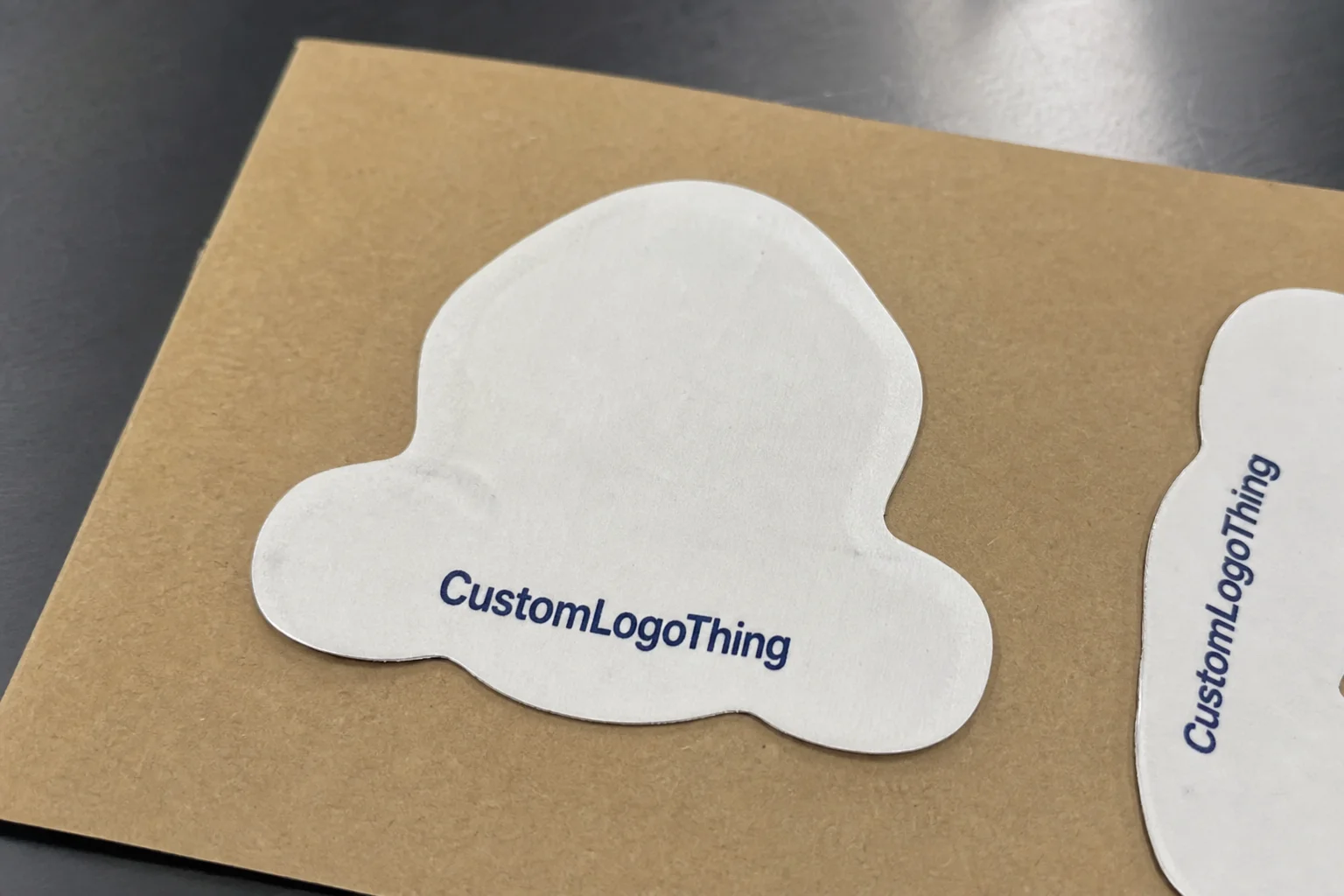
In plain terms, custom die cut labels are labels cut to a specific shape instead of being limited to a standard square, rectangle, or circle. The cut follows a dieline, which can be simple and restrained or more stylized depending on the brand and the job the label needs to do. The shape might echo a logo, frame a message, or create a seal that feels more tailored than a stock sticker ever could.
Clothing brands use them across packaging, retail, and fulfillment workflows. They appear on hang tags, tissue wraps, thank-you cards, poly mailers, box seals, promo inserts, bundle markers, and size identification stickers. Some are purely visual, serving as a small brand accent. Others are functional, helping with packing accuracy, shipping identification, or simple customer instructions.
The benefit is precision. A custom shape can make ordinary packaging feel more deliberate without requiring a complete packaging redesign. That is especially useful for brands that want stronger presentation but still need to watch unit cost closely. A well-designed shape gives a package personality; a poorly chosen one just adds complexity.
It also helps to separate die cut labels from other label types. Woven labels, heat transfers, and sewn-in care labels are part of the garment itself and serve compliance or construction purposes. Custom die cut labels usually live outside the garment, where they support presentation, promotion, and packaging workflow. Mixing those jobs up leads to bad specs and unhappy buyers.
Material selection depends on the use case. Paper works well for short-life retail packaging, tissue, and inserts. Polypropylene is a better option when moisture resistance or cleaner handling matters. Vinyl is stronger against scuffing and rougher treatment, though it usually costs more. Specialty stocks can look excellent, but they should still be chosen for a real packaging surface, not just for a mockup render.
A label does not need to be dramatic. It needs to be accurate, readable, and annoying in exactly zero ways during production.
If the label is meant to carry more of the visual load, custom shapes help. If the package system itself needs more structure, it may be smarter to pair labels with Custom Packaging Products such as mailers, cartons, inserts, and printed wraps that work together as one set.
How the Die Cutting Process and Timeline Work
The production path is simple on paper and very sensitive to detail in practice. Artwork comes first, then the supplier checks or builds the dieline, then a proof is prepared for approval. After that the order moves into printing, cutting, finishing, and packing. Each step is routine, but each one has its own way of causing delay if the spec is incomplete.
The die itself matters more than many first-time buyers expect. A standard outline is usually fast to set up. A shape with tight curves, sharp internal corners, tiny cutouts, or narrow bridges takes more attention and may introduce edge issues if the design is too ambitious for the chosen stock. None of that makes the order impossible; it just means the cut path has to be treated like a production constraint, not a decorative afterthought.
Turnaround depends on process and complexity. Simple digital runs often land around 7 to 10 business days after proof approval. Offset or specialty jobs usually take longer, commonly 12 to 15 business days, and larger quantities or unusual finishes can stretch beyond that. If a supplier promises a very short timeline without asking about quantity, material, and finish, the quote is probably more optimistic than real.
Proof approval is where schedules are won or lost. Delays are usually caused by incomplete artwork, unclear color references, or a dieline that needs revision. A clean proof cycle saves more time than a rush fee, because once production starts, there is far less room to correct errors without rework.
Samples are worth the effort. A printed proof, drawdown, or short test run can catch cut alignment, adhesive behavior, and finish issues before a full order is committed. That matters most when the packaging is going onto higher-value apparel or when the label must look consistent across a product line rather than just on a single item.
Supply constraints can also affect timing. Specific finishes, stocks, or adhesives may be backordered, and larger runs naturally take longer to print and pack. More units usually lower the unit price, but they also add press time and handling time. Those tradeoffs are normal, and they should be visible in the quote instead of hidden behind a vague delivery estimate.
For labels that will travel through shipping networks, it helps to think like a packaging tester. Transit is hard on adhesives and edge quality, especially when parcels are stacked, rubbed, or exposed to temperature swings. The standards published by ISTA are useful context if the label is part of a packaging system that needs to stay intact through distribution rather than only on a desk during packing.
Design, Material, and Adhesive Choices That Change Performance
The right material depends on where the label will live. Paper labels are suitable for tissue, inserts, and short-life retail packaging. Polypropylene is a strong option when moisture resistance and clean handling matter. Vinyl is often chosen for tougher applications where scuffs and repeated contact are likely. Specialty stocks can support premium presentation, but they should still be judged against the actual surface and use cycle.
Adhesive choice is where many buyers run into surprises. A label that sticks easily to a smooth carton may fail on a textured box, a soft poly mailer, or a coated surface with low surface energy. If the label needs to survive shipping, storage, and retail handling, it should be tested on the real packaging material, not just on a sample sheet under ideal conditions.
Finish changes both appearance and practicality. Matte gives a quieter, more restrained look and is often easier to write on. Gloss boosts color contrast and can make graphics look sharper. Soft-touch adds a premium feel, but it can show handling marks if the labels are packed or applied under busy production conditions. Clear labels are useful when the packaging surface itself should remain visible, though they usually demand cleaner application and tighter print control.
Artwork deserves more attention than it tends to get. Thin lines, tiny text, and crowded layouts may look fine on screen but often fall apart at production scale, especially in a small custom shape. Narrow points and tight corners reduce the usable area for text and graphics. Strong contrast, proper bleed, and enough breathing room are not design luxuries; they are what keep the label readable once it leaves the file.
Shape complexity has real consequences. A simple silhouette is usually easier to cut, easier to apply, and less likely to create waste during production. Intricate cutouts can look impressive on a mockup and frustrating on the press floor. If the shape does not reinforce the brand or support the packaging system, it is decoration without a clear job.
A good rule is to match the label tone to the clothing line. Minimal brand language usually works better with a clean shape and understated finish. Streetwear may support bolder edges or more graphic silhouettes. Premium basics often look strongest with restrained custom shapes that feel intentional rather than loud.
Brands that are still building out a packaging system should think beyond the label itself. Packaging design is easier to keep consistent when the label, mailer, carton, and insert all feel like they belong together. That is the difference between one attractive component and a package that reads as a complete system.
Custom Die Cut Labels Cost, MOQ, and Quote Factors
Price is driven by the practical variables first: size, shape complexity, material, color count, finish, quantity, and turnaround. If any of those shift, the quote shifts with them. That is normal. What causes problems is comparing two estimates that do not share the same spec and assuming the lower one is automatically the better deal.
For realistic budgeting, simple custom die cut labels in larger quantities may fall around $0.08 to $0.18 per unit, depending on coverage and size. More complex shapes, premium finishes, or specialty materials can move closer to $0.20 to $0.45 per unit. Smaller quantities almost always cost more per piece because setup costs are spread across fewer labels. That is basic print math, and it does not change because the project is urgent.
Minimum order quantity, or MOQ, is usually tied to the production method. Digital runs can often support a few hundred units. Offset or specialty production usually prefers 1,000 pieces or more because the setup cost makes very small orders inefficient. Larger runs usually bring the unit price down, but they also require more planning around storage, packaging, and lead time.
Hidden costs can shift a quote more than buyers expect. Die creation, setup fees, proof revisions, shipping, and repacking may all appear separately. Reprints are the expensive version of the same issue, usually caused by poor artwork, the wrong adhesive, or a cut that was not approved carefully enough. A slightly higher quote from a supplier who checks details well can cost less overall than a low quote that has to be remade.
Compare quotes on the same basis. Same size. Same stock. Same finish. Same adhesive. Same quantity. Same delivery term. Same pack format. Labels shipped in rolls behave differently from sheeted labels, and individual pieces may be packed differently again. If one estimate includes protective packing and another does not, the difference is more than price.
| Option | Typical Use | Common Unit Range | Tradeoff |
|---|---|---|---|
| Paper die cut labels | Tissue, inserts, short-life seals | $0.08-$0.16 | Lower cost, weaker moisture resistance |
| Polypropylene labels | Mailers, cartons, handling-heavy packaging | $0.12-$0.24 | Better durability, slightly higher cost |
| Vinyl labels | Tougher applications, scuff-prone surfaces | $0.18-$0.35 | Stronger performance, less budget-friendly |
| Specialty stock with premium finish | High-end branded packaging | $0.25-$0.45+ | Looks premium, setup and material costs rise |
Price pressure often pushes buyers toward the cheapest quote, but the lowest number can become the most expensive outcome if the adhesive fails, the finish scuffs, or the label is hard to apply at scale. A label that lifts early on a retail box or marks up during packing is not a bargain. It is a problem with line-item pricing.
Step-by-Step Ordering Process for Clothing Labels
Start with the actual use case. Is the label for product packaging, promo stickers, care information, or retail branding? That answer should guide size, shape, adhesive, and finish. A seal on a poly mailer does not need the same specification as a label sitting on a folded box in a boutique display.
- Define the surface the label will touch: carton, tissue, mailer, insert card, or rigid box.
- Choose dimensions based on how much message the label needs to carry.
- Pick the shape based on brand fit and production reality, not just mood-board appeal.
- Prepare vector artwork, outlined fonts, and bleed allowance.
- Request a proof and inspect cut alignment, legibility, and adhesive placement.
- Confirm quantity, lead time, shipping method, and any special finishing.
- Check the first cartons or rolls on arrival before the labels enter production use.
Artwork prep is where many delays begin. Vector files, usually AI, EPS, or PDF, are the safest starting point. Fonts should be outlined. Color references should be specified clearly. If the design needs a cut path, that path should be easy to interpret. Sending a flat image and expecting the supplier to reconstruct the dieline correctly often leads to lost time and avoidable revisions.
Proof review should be methodical. Check the cut line. Check the text size. Check contrast. Check whether the adhesive footprint matches the packaging surface. If the label will sit near a seam, flap, or fold, make sure the shape will not bridge awkwardly over the edge or catch during application.
Once approved, confirm the packing format. Sheets are useful for shorter runs and manual application. Rolls are usually better for repeated use and faster throughput. Individual cut pieces can make sense for promo sets or fulfillment inserts. The format changes how the team handles the labels, so it should be chosen with the production line in mind.
If the order is part of a broader launch, it should be coordinated with the rest of the packaging system. Retail customers never experience labels in isolation; they notice the total presentation. That is why brands that align labels with Custom Packaging Products often end up with a cleaner result than brands that buy each packaging element separately and hope the look still matches.
It also helps to keep a simple spec sheet on hand. Include material, finish, adhesive type, dimensions, artwork version, quantity, and delivery target. That makes quoting easier, reduces back-and-forth, and keeps suppliers comparing the same version of the job instead of three slightly different ones.
Common Mistakes Buyers Make with Shape Labels
The first mistake is choosing a shape because it looks interesting in a presentation file. A complex silhouette can absolutely stand out, but it can also be harder to cut, harder to apply, and harder to read once it shrinks to label size. If the shape does not support the job, it only adds friction.
The second mistake is selecting a finish without thinking through handling. Gloss can look sharp, yet it may show fingerprints and scuffs more easily. Matte is calmer and often more practical for writable applications. If the label needs to accept a pen mark, that should be tested before the full run is approved. A premium look is not useful if the team cannot write the size or batch code on it.
The third mistake is ignoring the packaging surface. Adhesive that works on smooth coated cardboard may fail on textured stock, flexible mailers, or recycled packaging with an uneven coating. If the label needs to stay attached through shipping and unpacking, surface testing is not optional.
Another common miss is cramming too much into a small shape. Tiny text and thin lines may look refined on screen, but they go muddy fast in production. On a custom die cut label, space is a resource. Clean spacing and strong contrast usually outperform decorative clutter.
Proofing gets skipped more often than it should. Off-center cuts, wrong bleed, and incorrect quantities are expensive to fix after the full order is complete. Even a short sample run is worth it when the labels are going on premium goods or a launch that cannot afford avoidable packaging errors.
- Do not buy on price alone.
- Do not assume one adhesive works on every packaging surface.
- Do not approve artwork before checking cut alignment.
- Do not overload a small label with too much copy.
There is also an environmental angle worth handling carefully. If sustainability claims matter, verify the stock and sourcing instead of relying on vague green language. The EPA is a useful reference point for waste reduction thinking, but the packaging still has to perform first. A label that fails in transit is wasteful no matter how good the intention behind it sounded.
Expert Tips for Better Results and Next Steps
If the label will touch premium packaging, test a small run first. That matters for seasonal packaging, product launches, and limited drops, where a mistake can be repeated across thousands of units before anyone notices. A short pilot run is far less expensive than reprinting a full batch.
Keep a couple of backup sizes in the brand system. A 2-inch round label and a 2.5-by-3-inch custom shape can solve different packaging needs without forcing a redesign every time the pack-out changes. That kind of flexibility is useful when products move between mailers, cartons, and retail inserts.
Match adhesive and finish to the environment, not just to the mood board. If the labels sit in humid storage, the stock should be chosen with that in mind. If they travel through rough handling, ask about abrasion resistance. If they are part of shipping-critical packaging, ask how the supplier checks the build. Those are practical questions, and they save money later.
If the packaging line needs FSC-certified or recycled materials, mention that early. Certification can narrow the material choices and affect pricing. For sourcing context, FSC remains the standard reference for responsible forest material claims, and it is easier to build around that requirement up front than to revise the spec after the quote is already done.
Before requesting pricing, gather a short spec sheet:
- Artwork version
- Exact dimensions
- Shape description or dieline
- Material and finish
- Adhesive requirement
- Quantity and target delivery date
Then ask for a proof, review it carefully, and approve production only after the cut, finish, and quantity all match the plan. That process is not glamorous, but it works. For clothing brands trying to sharpen their branded packaging without overcomplicating the workflow, custom die cut labels usually sit in the right middle ground: flexible, practical, and visually effective when the spec is handled properly.
What are custom die cut labels used for on clothing packaging?
They are used for branding cartons, poly mailers, tissue wraps, hang tags, and promotional packaging. In practice, they help apparel brands create a cleaner first impression without rebuilding the entire packaging system.
How much do custom die cut labels usually cost?
Price depends on size, shape complexity, material, finish, quantity, and rush timing. Higher quantities usually reduce unit cost, while custom dies and specialty finishes raise setup cost.
What file do I need to order custom die cut labels?
Vector artwork is best, usually AI, EPS, or PDF with outlined fonts. You also need a clear dieline or cut path so the manufacturer can match the final shape accurately.
How long does production usually take for die cut labels?
Turnaround depends on proof approval, quantity, material availability, and finish complexity. Simple runs move faster, while specialty materials or custom cutting can add extra days.
How do I know if the adhesive will work on my packaging?
Check the actual surface first: smooth, coated, textured, frozen, or flexible surfaces all behave differently. Request a sample or test run if the label must stick securely during shipping, storage, or retail handling.