Custom Teacher Tote Bags: Bulk Buying Tips for Schools
Buying custom teacher tote bags looks straightforward on paper. Then you picture what teachers actually carry: laptops, folders, grading stacks, water bottles, chargers, lunch snacks, a spare badge, and the papers that seem to multiply between first period and dismissal. A tote that handles that load is a work tool. A tote that does not becomes clutter with a logo on it.
That distinction matters because school buyers usually begin with appreciation and end up specifying a product. Once a bag is expected to travel across a campus, sit under a desk, and survive weekly use, the buying criteria change. Fabric weight, seam construction, handle length, gusset depth, and print method stop being small details. They become the whole order.
Custom Teacher Tote Bags: What Buyers Need to Know First
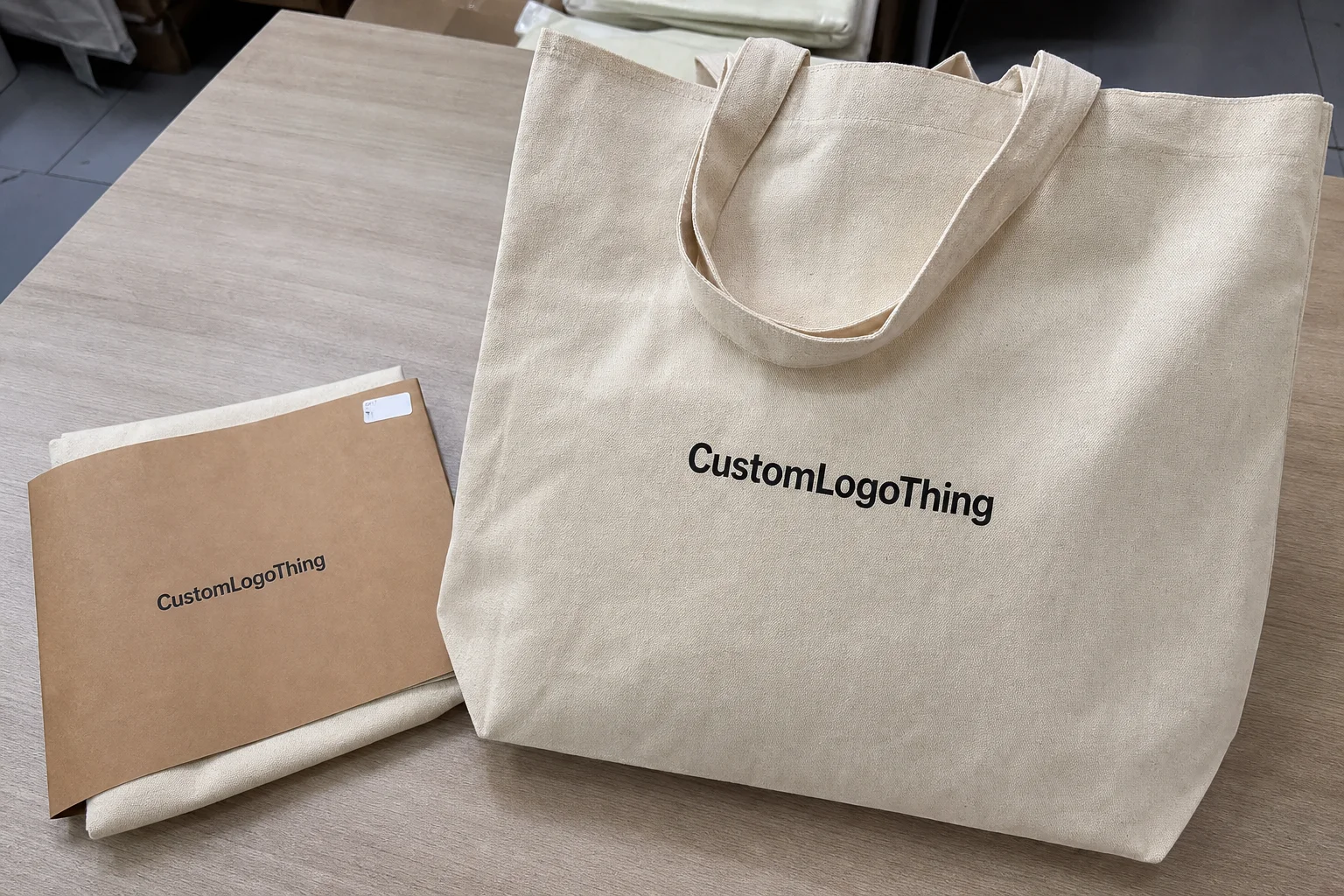
Schools, PTOs, education brands, and district offices tend to want the same thing: a bag that feels thoughtful without blowing up the budget. That sounds simple until the spec is written down. A lightweight promo tote may be fine for brochures or a welcome packet. It is a poor fit for daily carry. A teacher tote has to work harder than a conference giveaway, which is why the category sits somewhere between branded packaging and practical gear.
The most useful way to think about the product is by use case. Staff appreciation gifts need a cleaner finish and better hand feel. Open house kits can be lighter and more compact. Conference bags need enough structure to stand upright, protect papers, and keep smaller items from sinking into a fabric pit. A tote that is meant to hold books, binders, and a laptop should be spec’d like everyday carry, not event swag.
That is where many buyers misjudge value. They compare unit prices, then ignore the cost of failure. A bag that tears after a few weeks, has handles that dig into the shoulder, or collapses under a stack of handouts costs more in the long run because it is replaced, not reused. Reuse is the real metric here. One durable bag used 40 times is far more efficient than five cheap ones that fail early.
A tote only works as a teacher gift if it can survive teacher use. If the opening is too narrow, the handles are too short, or the seams are too light, the design is wrong no matter how polished the mockup looks.
That is the core buying question: how do you choose a bag that feels intentional, lasts long enough to matter, and still fits a school budget?
How Materials, Size, and Structure Change Daily Use
Material choice does most of the work. Cotton canvas is the most familiar option because it feels substantial and usually prints well. Nonwoven polypropylene is cheaper and lighter, which makes sense for high-volume distribution or short-term use. Recycled cotton blends sit between those two: softer than nonwoven, more durable than many budget bags, and easier to position in sustainability-minded programs.
Canvas weight changes the bag more than most first-time buyers expect. An 8 oz canvas tote will feel very different from a 12 oz or 14 oz version. The heavier the fabric, the more the bag tends to hold its shape, resist abrasion, and signal quality. That said, heavier is not always better. If the tote needs to fold flat for mailing or storage, a medium-weight canvas can be the smarter compromise.
Size matters just as much. A bag that measures about 15 x 16 inches or 16 x 18 inches, often with a 4 to 6 inch gusset, fits most school-use loads without becoming awkward. Flat totes can work for handouts. They fail quickly once the contents become bulky. Gussets and box bottoms help the bag stand upright, which sounds minor until you are stacking 50 of them on a table and trying to pack them fast.
Structure is where comfort and durability start to separate. Reinforced handles reduce stress at the top seam. A stitched box or cross-bar at the handle attachment point adds strength where the bag actually fails first. Zippers improve security for travel or conference use. Interior pockets help teachers separate keys, ID cards, markers, or a phone from the rest of the load. These are small additions, but they change whether the bag feels useful or merely decorative.
| Material | Typical Feel | Best Use | Approx. Unit Cost at Mid-Size Orders |
|---|---|---|---|
| Nonwoven polypropylene | Light, economical, structured enough for handouts | Large staff events, open houses, welcome kits | $0.85-$1.70 |
| Cotton canvas, 8-10 oz | Classic, reusable, good print surface | Teacher appreciation gifts, everyday campus carry | $1.75-$3.40 |
| Heavy canvas, 12-14 oz | Stiffer, more premium, longer wear life | Staff gifts, district programs, premium kits | $2.90-$5.25 |
| Recycled cotton blend | Soft hand feel, strong story, moderate structure | Eco-focused programs, branded packaging sets | $2.40-$4.80 |
These ranges are useful for planning, not for locking a budget. Fabric source, country of origin, freight, and decoration method can shift the number quickly. So can market conditions. A buyer should expect a wider spread when the order includes add-ons like custom labels, zipper closures, or specialty print placement.
The bag also needs to fit the rest of the kit. If the tote is going out with folders, inserts, classroom gifts, or Custom Packaging Products, consistency matters. A premium-looking folder inside a flimsy bag creates a mismatch. The strongest school programs treat the tote as part of the package, not a separate afterthought.
- For daily teacher use: focus on canvas weight, reinforced handles, and comfortable carry.
- For event distribution: keep the tote lighter, easier to store, and cheaper to ship.
- For premium gifts: add structure, a zipper, or a lined interior if the budget allows.
That same thinking applies if the bag is being bundled with folders, inserts, or custom printed boxes. The surface finish, size, and structure should feel like they belong in the same system. Otherwise the package reads as assembled, not designed.
Cost, Pricing, and MOQ Drivers
Price is driven by a small number of variables, and most of them are easy to control once the brief is clear. Size, fabric weight, decoration method, print coverage, number of colors, and extras like pockets or zippers all affect the quote. MOQ, or minimum order quantity, matters just as much because setup cost is spread across the run. A 75-unit order and a 2,000-unit order live in different pricing worlds.
That is why two quotes can look unrelated even when the bag name is the same. One school may ask for a plain cotton tote with one-color print. Another wants heavier canvas, two print locations, boxed corners, and an interior pocket. Those are not substitutes. They are different products wearing the same category label.
The cheapest tote is rarely the least expensive option over time. Thin bags can distort under weight, split at the handle seam, or stop being used after a short stretch of wear. Once replacement cost is added, the budget picture changes. Total cost includes setup, proofs, freight, and any special finishing. If the tote is part of a larger branded kit, the actual cost should be measured against the full package, not the bag alone.
Practical budget ranges usually look something like this:
- Nonwoven promotional tote: often under $2 per unit at higher quantities, depending on print coverage.
- Midweight cotton canvas tote: often $2.50-$4.50 per unit, depending on size and print count.
- Premium heavy canvas tote: often $4-$7 per unit, especially if zippers or lining are added.
Those are broad planning bands. A quote can move outside them if the order includes complex artwork, rush production, domestic sourcing, or special pack-out. Buyers get cleaner pricing when they send clean inputs: quantity, exact dimensions, desired delivery date, color count, decoration area, and whether the bag needs to hold heavy classroom items or just event materials.
If the order also involves retail packaging, inserts, or coordinated branded packaging, say so early. Vendors can only quote accurately if they understand the entire kit. Vague specifications create vague numbers, and vague numbers are a bad base for school budgeting.
Production Steps and Timeline From Proof to Delivery
The production flow is usually simple, but each handoff can add delay if the buyer is not prepared. The standard path is request for quote, artwork review, digital proof, sample approval if needed, production, finishing, packing, and shipment. In practice, the biggest time sink is usually artwork, not manufacturing.
Low-resolution logos, missing vector files, unclear colors, and design revisions after proofing all add days. Changing the tote color after the proof is approved can add more. A smooth project starts before the quote is requested. The faster orders are the ones where the buyer already knows the bag type, decoration method, and quantity range.
Turnaround depends on the build. Stock tote bags with simple screen printing can move faster than fully customized bags with liners, zipper closures, or stitched labels. A clean order might ship in roughly 12 to 15 business days after proof approval, but that is not a promise. Freight mode, holiday congestion, and sourcing location can shift the schedule. Transit time should always be separated from production time, because those two numbers are often blended together in a way that hides risk.
For school buyers, deadline discipline matters more than decoration complexity. Orientation week, teacher appreciation events, semester launches, and open houses all create hard dates. If the tote has to arrive for a specific event, the schedule should be built backward from that date. Choosing slower freight to save a small amount rarely pays off if the bags miss the handout window.
Quality control is another point where professional buyers improve outcomes. Good suppliers check seam alignment, handle attachment strength, print registration, stitch consistency, and carton packing before shipment. For larger kits moving across campuses or offices, carton handling and transit testing can matter too. The standards used by ISTA are more common in packaging than in tote production, but the logic still applies: test how the item moves, not just how it looks on a screen.
Decoration Options That Affect Durability and Brand Fit
Decoration determines whether the tote feels like a useful staff item or a generic promo piece. Screen printing is still the most efficient choice for simple logos and larger runs. It gives strong color, stable cost, and good repeatability. Heat transfer is better when the artwork has fine detail, multiple colors, or a more photographic look. Embroidery adds texture and a premium finish, but it can be expensive and heavy on lighter fabrics. Woven or printed labels sit in the middle when the goal is polished branding without a large graphic on the face of the bag.
The right method depends on both the art and the audience. A bold one-color logo works well for school staff because it reads cleanly across a room. A more subdued mark can feel better for teacher appreciation, where the bag should feel thoughtful rather than promotional. That is a subtle but real difference. Education audiences notice whether the item was designed to be used or designed to be advertised.
Placement matters too. Filling both sides of the tote with print can make the bag look overworked, especially if the bag also needs space for personalization or future use. A cleaner front panel and a restrained back panel often age better. Negative space is not empty space. It keeps the tote from feeling crowded, and it helps the logo breathe.
Material and decoration need to match. Cotton and canvas accept print well. Nonwoven polypropylene can work, but fine detail and small type need to be checked carefully because the surface is less forgiving. If the design depends on tiny letters, gradients, or thin lines, the print can look muddy on a budget tote. Simple shapes and strong contrast almost always perform better.
Durability is also tied to decoration choice. A heavy embroidery lockup on a lightweight tote can stress the fabric. A large ink flood on a thin material can stiffen it in ways that change the hand feel. The best result comes from balancing visual identity with what the bag can physically support.
For buyers comparing custom packaging products, the lesson carries across categories. The most credible programs align the structure, material, and decoration so the whole package feels planned. That principle applies to custom printed boxes, inserts, and teacher totes alike.
| Decoration Method | Typical Strength | Best Fit | Cost Impact |
|---|---|---|---|
| Screen printing | Sharp, efficient for simple art | Large runs, bold logos, budget control | Low to moderate |
| Heat transfer | Handles detail and multiple colors well | Complex logos, short-to-mid runs | Moderate |
| Embroidery | Textured, premium, durable look | Staff gifts, executive-style kits | Moderate to high |
| Woven label | Clean branding without large print areas | Subtle, polished education programs | Moderate |
If sustainability is part of the brief, ask for specifics rather than broad claims. Recycled content, supplier documentation, and paper components with credible certification can be verified. FSC resources are available at fsc.org. That does not make every tote sustainable, but it does give buyers a better paper trail for tags, inserts, and other paper-based parts of the kit.
Common Ordering Mistakes Schools and Gift Programs Make
The first mistake is choosing by appearance alone. A tote can look excellent in a mockup and still fail in use because the handles are too short, the opening is too tight, or the seams are too light for daily carry. If the bag needs to hold binders or a laptop, capacity and reinforcement are not optional. They are the reason the bag exists.
A second mistake is leaving the spec vague. Requests like “something nice for teachers” force the supplier to guess at size, fabric, decoration, and structure. That usually produces either a generic quote or a quote that does not fit the need. Clear specs create cleaner pricing. They also make it easier to compare vendors without comparing apples to bags that are not really comparable.
Lead time often gets ignored until it becomes urgent. Then the buyer is approving artwork under pressure, paying more for freight, and accepting a lower spec because the calendar has already narrowed the options. A school order should be managed backward from the delivery date, not forward from the purchase order date. If the event is fixed, the timeline should be fixed too.
Another failure point is design complexity. Tiny type, multiple colors, gradients, or busy illustration details can look good on screen and poorly on fabric. The print can lose clarity, especially on economy bags. In most cases, a clean logo, one strong placement, and a restrained color palette create a better final result. It is less dramatic, but it lasts longer and reads more clearly from a distance.
Quantity planning is the last issue buyers underestimate. Schools often order exactly to headcount and forget replacements, new hires, or late additions. A 5 to 10 percent buffer is usually easier to justify than a second rush order later, especially once setup and freight are paid again. For bulk programs, the hidden cost is not excess inventory. It is reordering after the first run is already closed.
- Do not approve a design before confirming the bag size and print area.
- Do not assume the lowest unit price means the best total cost.
- Do plan for samples, freight, and extras before comparing quotes.
Next Steps for a Faster, Cleaner Ordering Process
The cleanest school orders usually start with a short checklist. First, define the use case. Is the tote for daily staff carry, a one-time appreciation gift, or a conference kit? Second, set a realistic budget range. Third, decide whether the bag should feel light and practical or more structured and premium. Fourth, choose the decoration method before quoting starts.
Then gather the details that reduce back-and-forth: vector artwork if available, preferred colors, quantity targets, shipping address, and the date the bags must arrive. If the tote is part of a larger kit with folders, inserts, or Custom Packaging Products, include that context too. The tote should align with the rest of the package branding, not drift away from it.
Sampling is worth the time for higher-visibility programs. A physical sample or a pre-production proof can catch weak handles, awkward proportions, or a print issue before the full run is committed. That adds a step, but it is cheaper than fixing a large batch after production. For district-level orders or gifts tied to a fixed event, that trade usually makes sense.
Final approval should be fast once the spec is locked. Slow approvals create schedule creep, and schedule creep is what turns a manageable order into a rushed one. Confirm the dimensions, verify the print method, review the shipping details, and make sure the receiving team knows what is arriving. The fewer surprises at the end, the fewer problems at the start.
For schools and education brands, the best buying decision is usually the one that balances utility, presentation, and predictable production. That is the real value of custom teacher tote bags: not a logo on fabric, but a practical item people keep using because it fits the work they actually do.
What size works best for custom teacher tote bags?
A medium-to-large tote usually works best because it can hold notebooks, folders, a laptop, and personal items without feeling oversized. Look for gusseted sides or a box bottom if the bag needs to carry bulkier classroom materials. If the tote is for daily use, prioritize comfort and structure over a trendy silhouette.
How much do custom teacher tote bags usually cost per unit?
Unit cost depends on material, size, decoration method, and quantity, so a quote without those details is only a rough estimate. Higher quantities usually lower the per-bag price, but setup fees, shipping, and add-ons can change the total budget. For accurate pricing, request quotes with exact specs instead of asking for a generic tote price.
What is the normal turnaround time for a school tote order?
Simple stock tote orders can move faster than fully custom builds, but artwork approval is often the biggest schedule factor. A clean proof cycle and early sign-off usually shorten production time more than anything else. If the bags are needed for a hard deadline, confirm production lead time and transit time separately.
Which material is best for daily teacher use?
Canvas and heavier cotton blends are popular when durability and a premium feel matter most. Nonwoven options can work for budget-conscious programs, but they are usually better for lighter loads or short-term use. Choose the material based on how often the bag will be carried, not just on how it looks in a mockup.
Can custom teacher tote bags include pockets, zippers, or personalization?
Yes, many suppliers can add pockets, zip closures, reinforced handles, or name personalization depending on the bag style. Each added feature can affect price and production time, so it helps to decide which extras are essential before quoting. Personalization is especially useful for staff gifts because it makes the tote feel more intentional than a generic promo item, and that usually increases the chance that it gets used instead of stored away.

