Buyer Fit Snapshot
| Best fit | Custom Tuck End Boxes Wholesale projects where brand print, material claims, artwork control, MOQ, and repeat-order consistency need to be specified before quoting. |
|---|---|
| Quote inputs | Share finished size, material target, print colors, finish, packing count, annual reorder estimate, ship-to region, and any compliance wording. |
| Proofing check | Approve dieline scale, logo placement, barcode or warning zones, color tolerance, closure strength, and carton packing before bulk production. |
| Main risk | Vague material claims, crowded artwork, missing packing details, or unclear freight terms can make a low unit price expensive after revisions. |
Fast answer: Custom Tuck End Boxes Wholesale: Specs, Pricing, MOQ should be specified like a repeatable production item. The safest quote records material, print method, finish, artwork proof, packing count, and reorder notes in one written spec.
Production checks before approval
Compare the actual filled-product size with the drawing, then confirm tolerance on folds, seals, hang holes, label areas, and retail display edges. Reserve space for logos, QR codes, warning copy, and material claims before decorative graphics fill the panel.
Quote comparison points
Review material grade, print process, finish, sampling route, tooling charges, carton quantity, and freight assumptions side by side. A quote is only useful when the supplier can repeat the same color, closure quality, and packing count on the next order.
Custom Tuck End boxes wholesale are not a vanity purchase. They are a line-item decision with real consequences for labor, freight, shelf impact, and rework. I’ve sat across from brand owners who loved a beautiful mockup, then winced when the quote came back with a window patch, foil stamp, and a low run count that pushed the unit cost north by 40%. For a 5,000-piece order, that difference can mean the gap between a $0.18 carton and a $0.31 carton before freight is even added.
I remember one particularly painful call from a founder who had fallen in love with a box that looked, frankly, expensive in the best possible way. The product itself was modest, the margin was tight, and the packaging quote basically arrived wearing a tuxedo. Everyone on the call got quiet for a second, which in packaging meetings is never a good sign. That moment is exactly why I always frame Custom Tuck End Boxes Wholesale as a cost-versus-performance choice. The right carton can ship flat, stack cleanly, assemble in seconds, and still look retail-ready under harsh store lighting. The wrong one can eat time at packing stations and leave you paying for storage space you never needed, especially if your fulfillment hub is in Dallas, Atlanta, or Newark where pallet space is billed by the square foot.
Why Custom Tuck End Boxes Wholesale Still Win on Shelf and Cost
Custom tuck end boxes wholesale remain one of the most requested folding carton formats for a simple reason: they do several jobs well at once. They protect lightweight products, ship flat, and present a clean front panel that works hard in retail packaging. I’ve seen these boxes used for cosmetics, CBD oils, soap bars, candle tins, and electronics accessories because they balance presentation and efficiency better than many alternatives. In a typical 18pt SBS or 350gsm C1S artboard build, the structure is stiff enough for counter displays yet light enough to keep freight charges from climbing.
Here’s the business case. A rigid box may feel premium, but it takes more board, more storage, and more freight cube. A mailer box handles shipping better, yet it often looks too much like an e-commerce carton for a shelf-facing launch. Sleeve packaging can elevate branding, but it usually needs another primary pack underneath. Custom tuck end boxes wholesale sit in the middle with a practical advantage: they are easy to produce in volume, easy to store flat, and easier to adapt across SKUs than most people expect. For a brand ordering 10,000 pieces out of Guangzhou or Dongguan, that middle ground can cut warehousing space by 50% compared with rigid packaging.
When I visited a contract packer in New Jersey, their lead operator showed me a rolling cart with 12 carton styles. Guess which one they used for the fastest line change? A reverse tuck format. Not because it was glamorous. Because it shaved 18 to 25 seconds off each manual assembly cycle compared with a rigid setup, and those seconds add up when you are packing 8,000 units a week. That’s the kind of detail that changes margins, especially if labor in your facility runs $18 to $24 per hour in places like Chicago or Philadelphia.
Brands in supplements, candles, food, and small consumer goods often choose custom tuck end boxes wholesale because the format supports product packaging at scale without forcing them into oversized inventory. You can order 5,000, 10,000, or 25,000 cartons, keep them flat in a warehouse, and pull them into production as demand rises. A 10,000-piece run stored as flat sheets may occupy less than 1 pallet in some cases, while the same volume of assembled cartons can take 4 to 6 pallets. That storage efficiency is one reason wholesale folding cartons remain so popular with fast-moving SKUs.
Honestly, many teams overestimate the value of “premium” structure and underestimate the value of operational simplicity. If your product weighs 2 to 12 ounces, a well-specified tuck carton can deliver more value than a heavy, ornate setup. And if the box is carrying the brand story on a crowded shelf, custom tuck end boxes wholesale can do that too, provided the print and board choices are right. A matte finish on a white SBS sheet can carry a far cleaner logo than a more expensive texture that blurs fine type at retail distance.
For buyers comparing packaging formats, a few categories stand out:
- Rigid boxes: best for luxury unboxing, but usually higher storage and freight cost.
- Mailer boxes: stronger for shipping, often less shelf-oriented.
- Sleeve packaging: good for layered branding, but not ideal as the only structure.
- Custom tuck end boxes wholesale: strong balance of cost, speed, shelf appeal, and flat-shipping efficiency.
If your goal is branded Packaging That Works across retail and fulfillment, this format deserves a close look before you request quotes. The decision is less about decoration and more about throughput, SKU control, and how much waste your operation can tolerate. A 3-inch box that is 1/8 inch too tall can trigger awkward void fill, while the right dieline can reduce filler and cut packing time by 10 to 15 seconds per unit.
ISTA testing standards are a useful reference if your cartons will face distribution stress, especially for units packed in cases and shipped through multiple handoffs. For sustainability and material selection questions, the EPA has plain-language resources on waste reduction and materials management that can help frame board and recovery decisions. If your cartons are being shipped from a facility in Memphis, Phoenix, or Toronto, those standards matter because multi-stop freight rarely treats packaging gently.
Custom Tuck End Boxes Wholesale: Product Styles and Use Cases
Custom tuck end boxes wholesale come in several forms, and the style you choose changes everything from assembly speed to shelf presentation. The most common version is the straight tuck end, where both top and bottom flaps tuck in the same direction. It looks neat, prints well on the front face, and is a favorite for retail packaging when the front panel needs to carry a logo, product name, and a barcode. On a 4 x 2 x 6 inch carton, straight tuck can keep the front panel clean enough for a UPC label plus a 2-color brand mark.
The reverse tuck end format tucks the top and bottom flaps in opposite directions. That sounds minor, but in production it can improve folding behavior and reduce panel stress on certain dielines. In my experience, reverse tuck works especially well on smaller cartons where the product is light and the line needs to move quickly. If you are packing 6,000 lip balms in Richmond or Raleigh, those tiny differences can translate into a full shift’s worth of saved labor.
Then there is the lock bottom tuck end, which adds extra support underneath. I’ve used that structure for items like glass droppers, small jars, and promotional kits where the base has to carry more weight. Auto-lock variations go a step further and speed up assembly, which helps when labor costs are rising or a co-packer is charging by the minute. A lock bottom carton built from 24pt board can comfortably handle items in the 8 to 14 ounce range far better than a thin, plain tuck style.
Here’s the practical part. If your product is under 6 ounces and you are mostly concerned with shelf display, custom tuck end boxes wholesale in a straight or reverse tuck style usually make sense. If the item is heavier, or if you are shipping assembled units into a rough distribution chain, the lock bottom or auto-lock version often reduces the risk of bottom failure. For a candle brand shipping from Los Angeles to multiple West Coast retailers, that extra security can matter more than a decorative finish.
I remember a supplier meeting in Chicago where a candle brand was debating between a premium rigid carton and a standard tuck box with a window. We laid both samples on the table, added a 7.2-ounce product, and checked the pack-out time. The tuck option won because it saved 14 seconds per unit on the line and cut carton storage volume by more than half. That is not a small gain when the monthly run reaches 30,000 pieces. At 30,000 units, saving 14 seconds each is more than 116 labor hours.
Use cases for custom tuck end boxes wholesale are broad, but some categories show up again and again:
- Cosmetics: mascara, lip balm, serums, compact tools.
- Supplements: capsules, gummies, single-bottle retail cartons.
- Candles: tins, votives, small jars with inserts.
- Electronics accessories: cables, earbuds, chargers, adapters.
- Food items: tea sachets, snack bars, confectionery, spices.
- Small consumer goods: soaps, craft kits, promotional products.
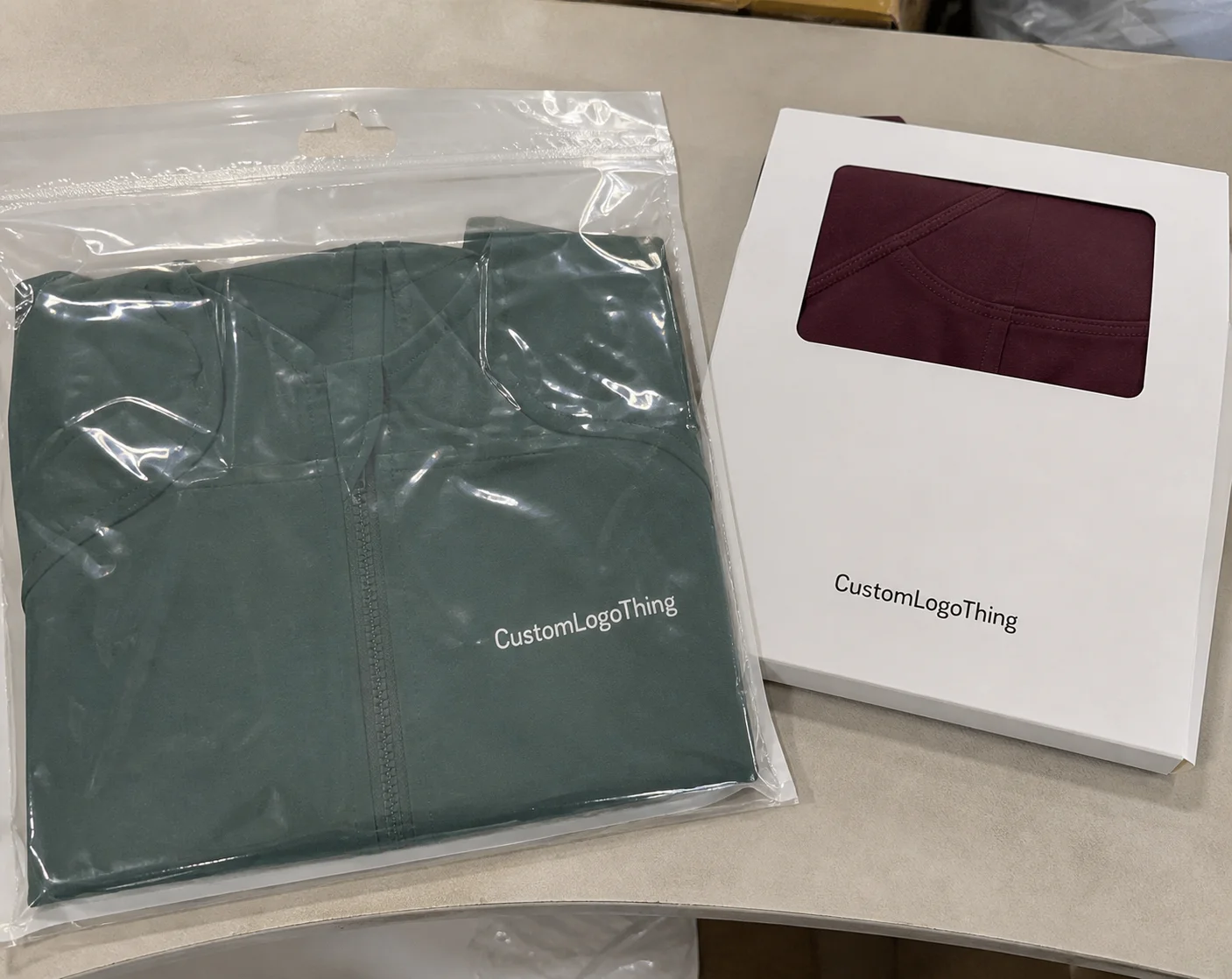
Window cutouts are a smart option when visibility matters. A clear PET film can show the product while protecting it from dust, and an open cutout can reduce material use if the item itself has strong visual appeal. For some brands, that extra visibility helps sales more than another round of embellishment ever could. A 1.5-inch by 2-inch window may be enough to show a lipstick shade or candle jar label without weakening the full panel.
Internal inserts deserve more attention than they get. A carton can look correct on paper and still fail in the warehouse if the product rattles. Paperboard inserts, molded pulp, or simple retention tabs can stabilize the item and improve the unboxing experience. If the SKU is fragile or has a high return risk, I would always test inserts before approving the final order of custom tuck end boxes wholesale. I have seen a 300-piece pilot run in Austin catch a fit problem that would have cost thousands in reprints.
For teams comparing folding cartons, the key is to match the structure to the product weight and handling environment. If you are filling by hand in a small run, the simplest style may be enough. If your product travels through multiple warehouses, a stronger bottom and tighter tolerances matter more than a clever visual effect. One wrong fold line can be more expensive than a plain design done properly.
Material, Print, and Structural Specifications Buyers Should Check
Material choice can make or break custom tuck end boxes wholesale. I’ve seen brands spend heavily on design, then choose a board that buckled at the folds or dulled the print. That is avoidable if you start with the right stock. The most common options are SBS paperboard, CCNB, kraft board, and coated or uncoated sheets, each with different implications for structure, color accuracy, and cost. For many retail cartons, 350gsm C1S artboard or 18pt SBS is a practical baseline because it balances stiffness and print fidelity.
SBS paperboard is a common pick for premium custom printed boxes because it offers a smooth, bright surface that handles fine typography and strong color blocks well. CCNB, often made from recycled content, can be a lower-cost alternative for brands that want a sturdy carton without the same brightness. Kraft board creates a more natural look and works well for package branding that wants a cleaner, eco-forward feel, though deep color printing can look different on brown stock than on white. If your brand relies on a white background, uncoated kraft can reduce color contrast by 15% to 25% compared with SBS.
Thickness matters more than many buyers realize. A 16pt board may be adequate for lightweight products, while 18pt or 24pt can deliver better stiffness for larger cartons or heavier items. That said, thicker is not automatically better. I’ve watched a team specify an oversized board for a tiny cosmetic unit, only to discover the extra stiffness made folding harder and increased crack risk on the scored panels. The right board is the one that matches the product, not the one that sounds strongest in a meeting. If the carton is being packed in Shenzhen and shipped to Houston, the score depth has to be chosen with both humidity and machine speed in mind.
Print method is another decision point. CMYK is the standard for most custom tuck end boxes wholesale jobs because it handles full-color artwork efficiently. PMS spot colors are useful when a brand needs exact color consistency, especially for logos or hero shades. If your brand identity depends on a very specific red, blue, or black, ask for a spot reference rather than assuming CMYK will match it perfectly. A PMS 186 red on coated board will not behave the same way on matte kraft in Oakland or Vancouver.
Finishing options can shift both price and perception. Matte lamination gives a softer, more controlled look. Gloss creates stronger contrast and can help products pop under retail lighting. Soft-touch feels premium, though it can add cost and sometimes shows scuffs more readily than buyers expect. Foil stamping, embossing, debossing, and spot UV are all valid choices, but each adds tooling, setup, or handling complexity. For custom tuck end boxes wholesale, I usually recommend finishing based on actual shelf conditions rather than sample-room glamour. A glossy carton under bright LEDs in a pharmacy chain in Miami behaves differently from the same carton in a dim boutique in Portland.
Here are the structural details that should be checked before you approve a run:
- Product dimensions, including any cap, pump, or accessory height.
- Tuck flap depth, so the closing panels do not interfere with inserts or graphics.
- Panel strength at the fold lines, especially if the carton is tall and narrow.
- Fold tolerances to keep the box square after packing.
- Barcode placement and contrast for scanner readability.
- Window dimensions if visibility is part of the sales strategy.
- Insert requirements if the product needs stability during transport.
Artwork preparation is where delays usually begin. I’ve had client meetings where everything looked ready until the barcode sat too close to the tuck flap or the logo extended into a score line. That costs time. It also increases waste. A complete specification sheet for custom tuck end boxes wholesale should include final dimensions, product weight, file format, print method, finish, and any insert or window requirements before the first proof is even generated. A clean spec sheet can cut proof revisions from 3 rounds to 1 in many cases.
For buyers who care about responsible sourcing, ask about FSC-certified board options. The FSC standard is widely recognized, and it can support claims tied to paper sourcing when your packaging program needs documented material traceability. That matters more now because retail buyers are asking tougher questions about materials and recovery, especially in California, Washington, and British Columbia.
One more practical note: die lines should be locked before artwork is finalized. If you change dimensions after design approval, you may be forced into a re-proof or even a replate. That is where timelines slide. It is also where packaging design turns expensive very quickly. I have watched a “small change” somehow become three revisions, two meetings, and a mildly haunted spreadsheet, which honestly feels like most packaging projects after week two.
Pricing for Custom Tuck End Boxes Wholesale: What Drives Cost
Custom tuck end boxes wholesale pricing depends on a set of variables that are easy to list and hard to ignore. Dimensions, board grade, print coverage, finishing complexity, order quantity, and any structural add-ons all shape the final number. Buyers often ask for “a price on the box,” but the real answer lives in the specifications. A 4 x 4 x 2 inch carton printed in one color is a different economic animal than a 6 x 6 x 3 inch box with a window patch and matte lamination.
As a rough commercial guide, a standard straight tuck carton in basic CMYK on 18pt SBS may fall into an economy bracket if ordered in larger runs. A fully printed carton with matte lamination and a window patch can move into the mid-range. Add foil, embossing, a custom insert, or an unusual dieline and you are quickly in premium territory. For custom tuck end boxes wholesale, the total cost is usually less about the box style itself and more about how many extra operations the job requires. A 5,000-piece order might land around $0.15 per unit for a simple spec, while 25,000 pieces may drop closer to $0.09 to $0.12 per unit depending on board and finish.
Here is the cost logic in plain terms: the more units you order, the more the setup cost gets spread out. That is why 5,000 pieces can carry a noticeably higher unit cost than 20,000 pieces. Low MOQ ordering is useful for launches, test markets, and limited editions, but it usually comes with a premium because press setup, cutting dies, and finishing machinery do not get cheaper just because the run is small. A 1,000-piece trial in Ohio might be priced at nearly double the unit cost of a 10,000-piece production run from a supplier in Shenzhen or Dongguan.
| Order Profile | Typical Spec | Relative Unit Cost | Best Fit |
|---|---|---|---|
| Economy | 16pt CCNB, 1-color or CMYK, no special finish | $0.12–$0.22/unit at higher volume | Promotional items, low-risk retail launches |
| Mid-range retail | 18pt SBS, CMYK, matte or gloss lamination | $0.20–$0.38/unit depending on quantity | Cosmetics, supplements, candles, accessories |
| Premium presentation | 24pt board, foil, embossing, soft-touch, insert | $0.40–$0.85/unit or higher | Luxury retail, gift sets, high-margin SKUs |
Those ranges are illustrative, not a quotation. Real pricing for custom tuck end boxes wholesale shifts with artwork coverage, shipping destination, and the realities of a production schedule. A 4x4x2 inch carton with simple CMYK may cost dramatically less than a 6x6x3 inch box with foil, a custom insert, and a window patch, even if both seem similar at first glance. Freight from Guangzhou to Los Angeles, for example, can change landed cost by a meaningful margin if pallet density is poor.
Buyers also miss hidden costs. Die-cut charges matter. Plate or setup fees matter. Tooling for inserts matters. Special window film shapes matter. If your product requires a nonstandard insert or a fold pattern that slows assembly, that labor can show up in the quote even if the box itself looks simple. I’ve seen procurement teams focus on board cost and miss the fact that the add-ons were driving the budget. Then everyone acts surprised, as if the quote personally betrayed them. A custom insert alone can add $0.03 to $0.12 per unit depending on material and size.
There are a few ways to control costs without damaging the result. Standardize box sizes across multiple SKUs if the product family allows it. Reduce the number of special finishes. Keep one main print area instead of wrapping every surface. And, where demand is predictable, buy larger runs of custom tuck end boxes wholesale so the setup costs are diluted across more units. If your brand can commit to 15,000 pieces instead of 5,000, the savings can be enough to pay for better board or a cleaner finish.
That said, the lowest quote is not always the best quote. If a supplier underprices the job and then struggles with color consistency, register, or fit, the reprint risk can erase the apparent savings. I would rather see a slightly higher quote with clear specs, tighter tolerances, and a realistic schedule than a bargain number that creates five rounds of corrections. One missed color match in a 20,000-piece run can wipe out the savings from a cheaper base price.
Custom printed boxes are supposed to support sales, not trigger internal firefighting. The right buying strategy looks at total landed value: unit cost, freight, storage, labor, and the cost of a mistake. That is the number that actually matters. If the packaging is produced in Mexico City, Chicago, or Ho Chi Minh City, the landed number is the only one that tells the truth.
How much do custom tuck end boxes wholesale cost?
Custom tuck end boxes wholesale cost depends on size, board, print coverage, finish, and quantity. Simple cartons in larger runs can be economical, while foil, embossing, custom inserts, or window cutouts raise the price. For the most accurate quote, buyers should share final dimensions, artwork, and structural details before requesting pricing.
MOQ, Sampling, and Ordering Process for Custom Tuck End Boxes Wholesale
Custom tuck end boxes wholesale usually carry an MOQ because every job has setup work behind it. The die has to be made. The press has to be adjusted. The board has to be loaded. If the job includes special finishing, there may be additional setup or curing time. MOQ is not just a supplier preference; it reflects production economics. A typical plant in Dongguan or Shenzhen may need 2 to 3 hours just to prepare tooling for a new carton style.
In practical terms, MOQ often depends on three things: box size, material choice, and print complexity. A plain carton may allow a lower entry point than a foil-stamped box with a window and insert. Smaller runs are sometimes possible, but the price per unit rises because setup is spread over fewer pieces. That is normal. It is not a trick. A 500-piece order may look convenient, but it rarely reaches the unit economics of 5,000 or 10,000 pieces.
The sample process matters just as much as the quote. For custom tuck end boxes wholesale, I typically recommend three stages:
- Structural sample to confirm size, fold behavior, and fit.
- Digital proof to verify artwork placement, text, and barcode position.
- Pre-production approval to lock print, finish, and production quantity.
If you skip the structural sample on a new SKU, you are gambling with fit. I saw one beauty brand approve artwork for a carton that looked perfect on screen, only to learn the pump head added 4 mm of height. That forced a rework. The lesson was expensive, but simple: measure the final packed product, not just the component spec sheet. In that case, the correction took an extra 6 business days and delayed launch by nearly two weeks.
A standard ordering flow for custom tuck end boxes wholesale usually looks like this:
- Send a brief with dimensions, quantity, board preference, and finish.
- Receive a quote and dieline recommendation.
- Review artwork against the dieline.
- Approve a digital proof or sample.
- Start production after sign-off.
- Run quality checks during and after printing.
- Pack, carton, and ship.
Timelines vary, but a simple run can often move from proof approval to production in about 12 to 15 business days, with shipping added on top. More complex finishing can stretch that further. If the order needs custom inserts, specialty coatings, or tight PMS matching, add a few more days for validation. That does not mean the project is slow. It means the process is honest. If freight is booked from Qingdao to Long Beach, ocean transit can add 18 to 28 days depending on the service level.
The biggest delays usually come from incomplete files, unclear barcodes, late approval on the dieline, or last-minute dimension changes. If the product is still in development, hold off on final print approval until the physical unit is locked. Otherwise you may be reordering custom tuck end boxes wholesale before the first pallet has even shipped. I’ve seen teams rush to print based on a prototype that was 2 mm smaller than the final bottle.
I also advise buyers to prepare one clean file package instead of sending five versions by email. Include vector logo files, final copy, barcode data, color references, and packaging goals. A complete folder saves back-and-forth. It also reduces the chance of a typo surviving into the press stage. If the supplier is in Mumbai, Yiwu, or Monterrey, a clean file package can be the difference between a one-round proof and a three-round back-and-forth.
Why Choose Us for Custom Tuck End Boxes Wholesale
Custom Logo Things is built for buyers who want facts first. If you are sourcing custom tuck end boxes wholesale, you need a supplier that understands dimensions, print behavior, and production discipline, not just a pretty render. I have seen too many brands burned by vague promises and weak spec control. The best partners reduce friction before it becomes a problem. That starts with clear carton specs, a realistic MOQ, and proofing that reflects the actual board, not a generic sample from a different plant in Shenzhen or Ningbo.
Our strength is straightforward: custom sizing, multiple board options, color-managed printing, and clear production checkpoints. We support branded packaging that performs in real retail and fulfillment conditions, not just in presentation decks. That means we look at the carton as a working tool. Can it fold cleanly? Does the barcode scan? Will the finish hold up during shipment? Those questions matter because the box has to do a job. A 350gsm C1S artboard carton with clean scoring often performs better in this role than a heavier but poorly engineered alternative.
For repeat buyers, consistency is a major advantage. Once a dieline and spec are approved, reorder work becomes easier. That matters for SKU-heavy brands where one label change can ripple into several packaging variations. Custom tuck end boxes wholesale are especially useful in those environments because the format is flexible enough to support product line extensions without reinventing the structure every time. A brand with five fragrance SKUs can often keep the same carton family and only change artwork, which lowers art revisions and speeds reorders.
We also pay attention to color control. Matching brand colors across cartons, inserts, and secondary packaging is where many programs drift. A red on a screen is not a red on SBS board, and a matte laminate changes visual depth compared with gloss. Our process is designed to reduce that drift by keeping specifications tight and approvals documented. If your Pantone match has to hold across a run of 12,000 boxes, we build the proofing around that requirement.
From a buyer-risk perspective, that translates into fewer surprises. Better fit. Better print consistency. Fewer reworks. Less waste. Faster reorders. Those are ordinary words, but they are the words that protect margin. A packaging error that costs $500 to correct on paper can cost $5,000 once labor, freight, and delayed sales are counted.
“The box that prints beautifully but packs badly is still a bad box.” I’ve said that in more than one client meeting, and it still holds. Packaging has to work on the line, in the warehouse, and on the shelf.
We also make it easier to align packaging design with commercial goals. If you need a lightweight carton for retail, we can guide the board choice. If you need a stronger structure for transport, we can discuss lock-bottom options. If you need a cleaner shelf story, we can prioritize front-panel branding and simplify the finishing stack. That is how custom tuck end boxes wholesale should be handled: by matching the structure to the product, not forcing the product to fit a trend. A 2-ounce cosmetic serum and a 12-ounce candle do not need the same carton logic.
For buyers who want to browse broader options, our Custom Packaging Products page shows related structures, and our Wholesale Programs page outlines ordering paths for larger runs. Both are useful if you are comparing cartons across multiple product lines. If your team is based in Los Angeles, Dallas, or Atlanta, those pages can help you compare transit and reorder planning before you commit.
Next Steps for Ordering Custom Tuck End Boxes Wholesale
If you are ready to move forward with custom tuck end boxes wholesale, start with the practical checklist, not the artwork. Confirm the product dimensions, choose the box style, select the board stock, decide on finish, and estimate order quantity. That sequence keeps the project grounded and prevents expensive detours later. A 7-inch box with a 1-inch insert behaves very differently from a 6.5-inch box with no insert, even if the artwork is identical.
Before requesting a quote, prepare these items:
- Logo files in vector format.
- Final artwork or copy deck.
- Barcode data and placement preference.
- Product weight and packed dimensions.
- Desired finish, such as matte, gloss, or soft-touch.
- Any insert, window, or security requirement.
My recommendation is to compare at least two or three size options instead of locking yourself into one. A carton that is 2 mm too large can cost more in board and freight. A carton that is too tight can slow packing and increase damage. I’ve seen brands save meaningful money just by changing the height by 3 to 5 mm and reducing void space. In one case, a 4.25-inch high carton cut shipping carton fill by 9% and lowered outbound freight by enough to matter at 20,000 units a quarter.
For purchase planning, think in three stages: structural style first, pricing tier second, finish and artwork third. That order keeps the economics honest. It also helps teams avoid the common trap of specifying foil and window film before they know whether the base carton should be straight tuck, reverse tuck, or lock bottom. A sensible sequence can save one full proof cycle and several days of production time.
The fastest path to an accurate quote is a complete spec sheet and print-ready artwork. If you have those two pieces, custom tuck end boxes wholesale becomes a straightforward buying decision instead of a back-and-forth exercise. And if your product line is growing, that clarity pays off again on every reorder. A repeat order in month six should take hours, not weeks.
From my side of the table, the brands that win are the ones that treat packaging like operations, not decoration. They ask about board grade. They ask about dielines. They ask about assembly time and freight cube. That mindset keeps custom tuck end boxes wholesale aligned with actual business goals, which is exactly where it should be. It also keeps your team from paying for features that look good in a render and do nothing in a warehouse.
When you are ready, send the dimensions, target quantity, and artwork files. We’ll help you narrow the structure, confirm the specs, and build a carton that fits the product, the budget, and the shelf. That is the next step in custom tuck end boxes wholesale, and it is the one that turns packaging from a guess into a purchase. For most buyers, that means a response in 1 business day, a proof in 2 to 4 business days, and production beginning shortly after approval.
FAQ
What is the minimum order for custom tuck end boxes wholesale?
MOQ usually depends on box size, stock choice, and print method. Smaller runs may be possible, but per-unit pricing is typically higher. Ask for MOQ based on your exact dieline and finish requirements so the quote reflects your actual structure, not a generic carton. In many cases, 1,000 to 3,000 pieces is the practical starting point for custom work, while 5,000 pieces often improves unit pricing significantly.
Are custom tuck end boxes wholesale strong enough for shipping?
They are suitable for lightweight to medium-weight products. For heavier items, choose a stronger board or a reinforced style such as lock-bottom. Test the box with the actual product weight before finalizing the structure, especially if the item will move through multiple shipping points. A carton built from 18pt SBS or 350gsm C1S artboard can be very effective for products in the 2 to 12 ounce range.
How long does it take to produce custom tuck end boxes wholesale?
Timing depends on proof approval, material availability, and finishing complexity. Simple orders move faster than premium printed or foil-finished runs. A clean brief, final artwork, and quick approval are the best ways to keep production on schedule. For many standard orders, production typically takes 12 to 15 business days from proof approval, plus shipping time based on destination.
Can I get custom tuck end boxes wholesale with a window cutout?
Yes, window cutouts are common for retail presentation. You can choose a clear film or an open cutout depending on the product. Confirm structural impact and product visibility during the design stage so the window supports the carton instead of weakening it. A PET window is often used for cosmetics, candles, and confectionery when shelf visibility matters.
What files do I need to order custom tuck end boxes wholesale?
Provide logo files, final artwork, barcode data, and product dimensions. Vector artwork is preferred for print clarity. A complete specification sheet reduces proof revisions and speeds production, which is especially useful for launch windows and seasonal packaging. Include Pantone references, board preference, and finish notes so the quote reflects the real job, not an approximation.