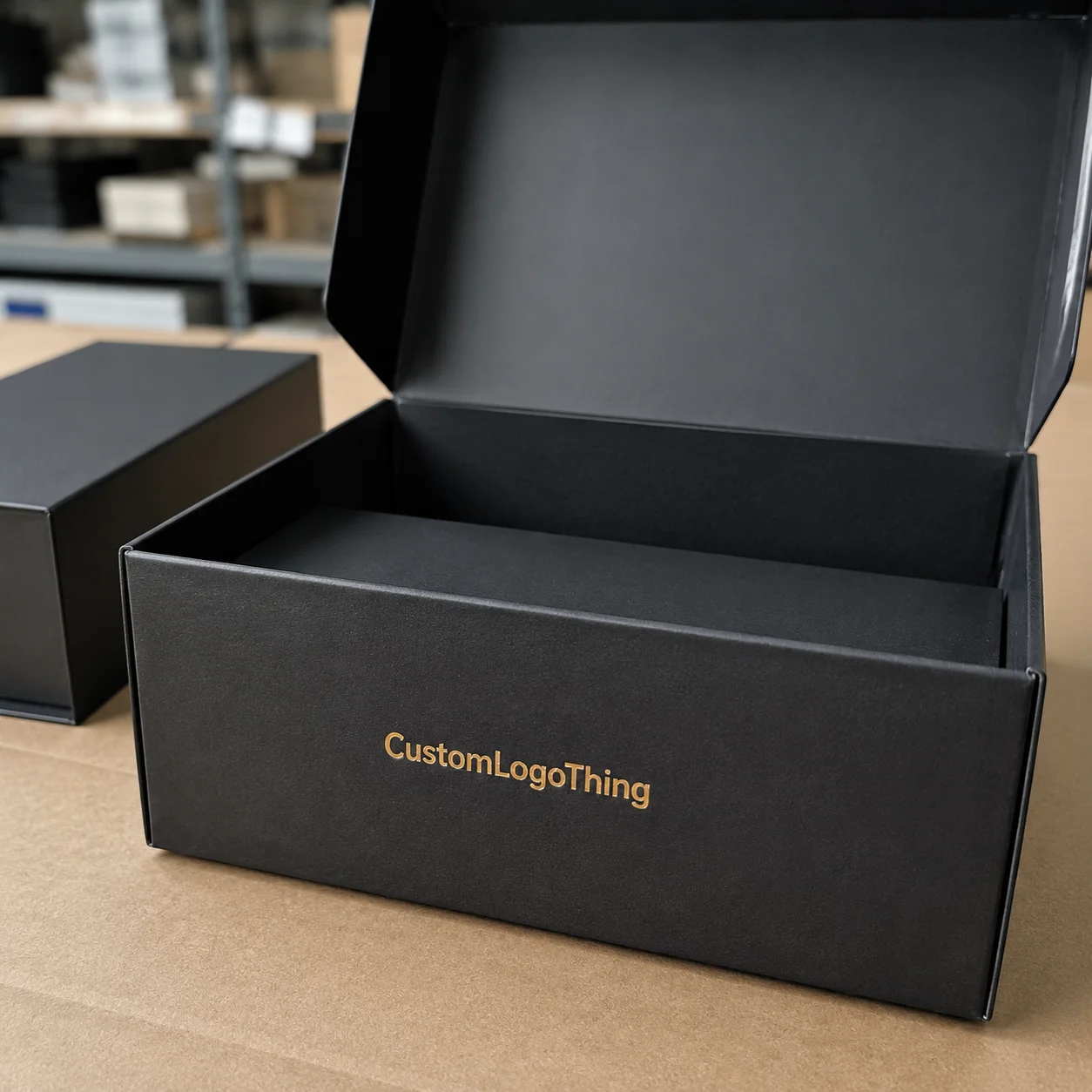
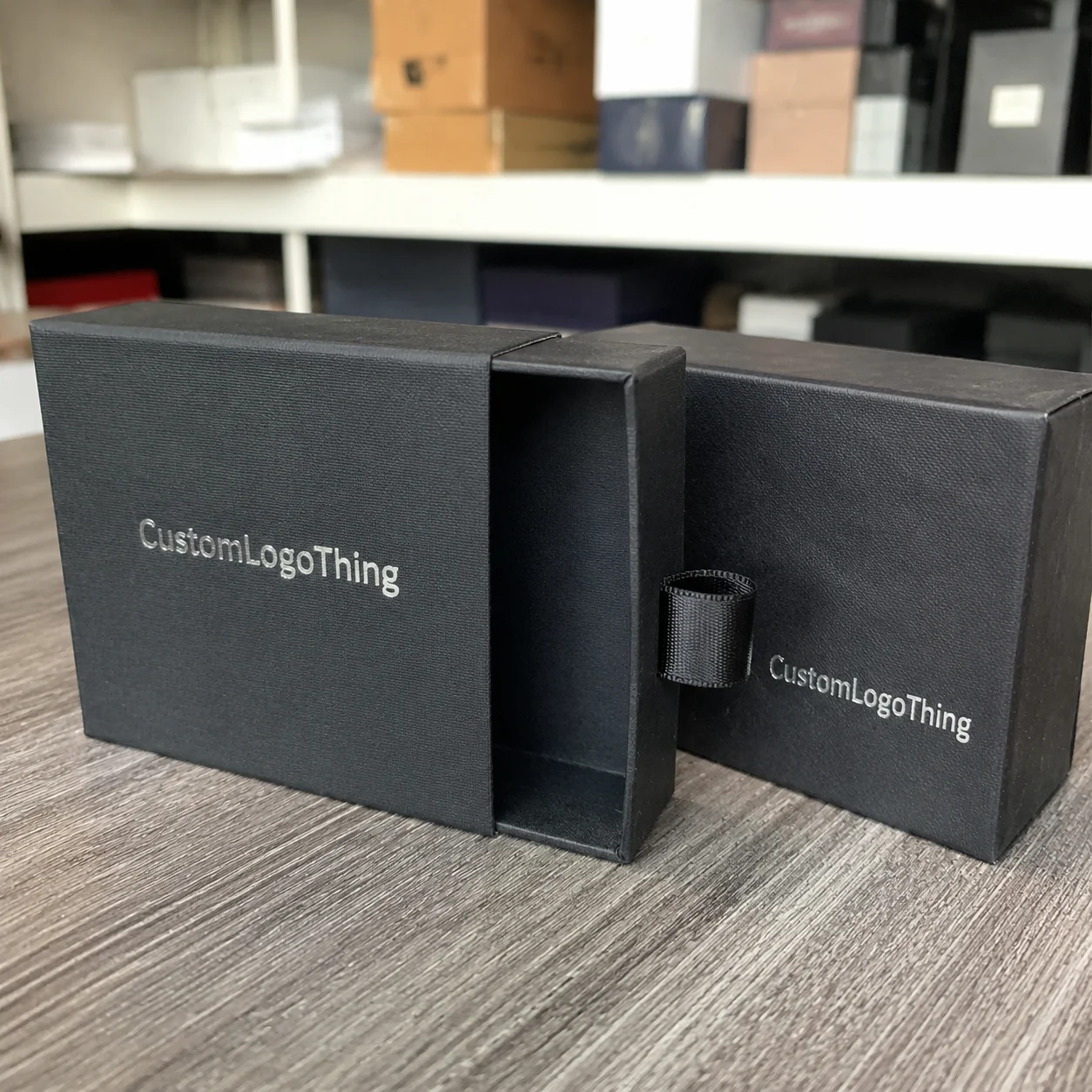
Buyer Fit Snapshot
| Best fit | Custom Tuck End Boxes Wholesale Pricing projects where brand print, material claims, artwork control, MOQ, and repeat-order consistency need to be specified before quoting. |
|---|---|
| Quote inputs | Share finished size, material target, print colors, finish, packing count, annual reorder estimate, ship-to region, and any compliance wording. |
| Proofing check | Approve dieline scale, logo placement, barcode or warning zones, color tolerance, closure strength, and carton packing before bulk production. |
| Main risk | Vague material claims, crowded artwork, missing packing details, or unclear freight terms can make a low unit price expensive after revisions. |
Fast answer: Custom Tuck End Boxes Wholesale Pricing: Board, Finish, Dieline, and Unit Cost should be specified like a repeatable production item. The safest quote records material, print method, finish, artwork proof, packing count, and reorder notes in one written spec.
Production checks before approval
Compare the actual filled-product size with the drawing, then confirm tolerance on folds, seals, hang holes, label areas, and retail display edges. Reserve space for logos, QR codes, warning copy, and material claims before decorative graphics fill the panel.
Quote comparison points
Review material grade, print process, finish, sampling route, tooling charges, carton quantity, and freight assumptions side by side. A quote is only useful when the supplier can repeat the same color, closure quality, and packing count on the next order.
Why Wholesale Tuck End Boxes Often Cost Less Than You Expect
If you are comparing Custom Tuck End boxes wholesale pricing from a few vendors, the first surprise is usually this: the box style itself is rarely the biggest cost driver. I’ve stood on pressroom floors where the quote changed more from a full-bleed 4-color design and soft-touch lamination than from the tuck end structure itself, and that catches a lot of buyers off guard the first time they order. Custom Tuck End Boxes Wholesale pricing tends to move with print coverage, board grade, coating selection, quantity, and how efficiently the line can run your job.
A tuck end carton is a straightforward folding carton with flaps on the top and bottom that tuck inward. That simple structure is why it shows up everywhere: cosmetics, dietary supplements, beard oils, vape accessories, USB chargers, apparel accessories, candles, and even small hardware kits. In product packaging terms, it gives you clean presentation, predictable assembly, and strong shelf readability without asking you to pay for a complex rigid setup. When the artwork is built well, the package branding feels polished and intentional.
Honestly, I think buyers get the best results when they treat custom tuck end Boxes Wholesale Pricing as a manufacturing problem, not just a design problem. If you design for efficient folding, standard die cutting, and a practical board grade, you can usually keep costs in line while still getting attractive custom printed boxes that look right in retail packaging. I’ve seen a supplement brand save several cents per unit simply by moving from a heavy specialty coating to a cleaner aqueous finish and tightening the carton dimensions by 3 mm on each side. Tiny move. Real money. Funny how that works.
The value proposition is simple. A tuck end carton gives you a tidy front panel for branding, enough structural integrity for many retail products, and efficient nesting in cartons and shipper cases. When the shape matches the product, the box can reduce void space, improve pallet loading, and cut damage from rattling in transit. That is why Custom Tuck End boxes wholesale pricing should always be judged against total landed cost, not just the first quote on the page.
At one client meeting in a Dallas co-packer facility, I watched a buyer reject the “cheaper” box because the unit price looked lower by a penny. The problem was the cheaper quote used oversized dimensions that increased freight cube, and the product shifted inside the package, which led to crushed corners in secondary shipping. The better custom tuck end boxes wholesale pricing was the one that reduced breakage and fit the product properly. I still remember the silence in the room after that math finally sank in. Nobody loves being wrong in front of a freight dock.
Wholesale pricing rewards repeatable production. Standard dielines, common board stocks, and larger run sizes let the plant spend less time on changeovers and more time on production. That setup time gets spread across more cartons, which is why a 10,000-piece order usually looks much healthier on a per-unit basis than a 500-piece run. If you want to understand custom tuck end boxes wholesale pricing clearly, you need to look at setup, press time, die cutting, gluing, inspection, and freight as one connected chain.
Custom Tuck End Boxes Wholesale Pricing Factors That Matter
Several hard numbers shape custom tuck end boxes wholesale pricing, and the first one is size. A box that measures 4.25 x 4.25 x 1.5 inches will consume far less board than a 9 x 6 x 2 inch carton, and that difference compounds across a 5,000-piece or 20,000-piece run. Board thickness matters too. A typical SBS paperboard may run 14pt, 16pt, 18pt, or 24pt depending on the product weight, while kraft and C1S/C2S stocks are chosen for different print and strength needs.
Print method changes the quote more than most people expect. CMYK process printing is efficient for full-color artwork, but if your packaging design requires spot colors, PMS matching, or dense full-coverage blacks, the press setup and ink handling may add cost. If the design bleeds all the way to the edge, you also need trim control and a good prepress team. That is one reason custom tuck end boxes wholesale pricing is usually more predictable when the artwork is built around the press, not against it.
Finishes make a visible difference and a measurable one on the invoice. Aqueous coating is usually economical and gives decent scuff resistance. Matte lamination can improve the feel of branded packaging, while gloss lamination boosts color pop. Soft-touch lamination, foil stamping, embossing, and spot UV create premium shelf appeal, but they also add labor, material, and machine time. I’ve walked through finishing lines where the box looked fantastic after soft-touch and foil, but the buyer later admitted the margin on the product could not support that level of embellishment at scale. That is where custom tuck end boxes wholesale pricing needs an honest conversation. Pretty packaging is lovely. It still has to pay rent.
Structure matters, too. Front tuck, reverse tuck, straight tuck, and auto-lock bottom styles do not all run the same way. A straight tuck box can offer cleaner panel alignment and easier presentation, while a reverse tuck may work better for certain pack-out lines. An auto-lock bottom can improve bottom strength, but it adds material and folding complexity. Those details affect gluing, scoring, and fold performance, all of which influence custom tuck end boxes wholesale pricing.
Here is a simple comparison I often use with clients who want a practical read on the market:
| Specification Choice | Typical Cost Impact | Best Use Case | Notes |
|---|---|---|---|
| 14pt SBS, 4-color print, aqueous coat | Lowest | Light retail goods, sample kits | Good for efficient custom tuck end boxes wholesale pricing on moderate runs |
| 16pt or 18pt C1S/C2S, matte lamination | Medium | Cosmetics, supplements, retail display packaging | Balances appearance and structure well |
| 18pt to 24pt board, foil, emboss, spot UV | Higher | Premium branded packaging | Great shelf appeal, but less friendly to tight budgets |
| Corrugated tuck end style | Highest for small runs | Heavier electronics, fragile items | Used when protection matters more than a slim retail profile |
There are hidden variables that show up late if you do not ask about them early. Packaging assembly time, die complexity, glue lines, carton nesting efficiency, and the shipping cube can all move the final landed price. In one supplier negotiation I sat through in Guangzhou, the buyer focused only on print price, then got hit with a freight quote that erased the savings because the box dimensions were packed inefficiently in master cartons. That is a classic custom tuck end boxes wholesale pricing mistake. I had to bite my tongue so hard I’m surprised I still have teeth.
For materials, SBS paperboard gives a crisp print surface and is common in cosmetics and supplement cartons. Kraft offers a natural look and works well for earthy package branding or eco-forward positioning. C1S and C2S options provide coated surfaces on one or both sides, which can be helpful for graphic quality or structural support. If your item needs more protection, corrugated inserts or micro-flute structures may make sense, but that should be a product-first choice, not just a packaging trend. More material is not automatically better, and that is one of the clearest lessons I have learned from years around die cutters and folding-gluing lines.
For standards and sustainability references, I often point clients to the EPA guidance on paper and paper products and the Forest Stewardship Council when they want to discuss material sourcing and responsible packaging choices. Those references do not quote your job, of course, but they help frame the larger conversation around material selection and supply chain expectations.
How to Read Custom Tuck End Boxes Wholesale Pricing by Specification
The fastest way to understand custom tuck end boxes wholesale pricing is to build the quote from specification pieces instead of asking for a vague “best price.” Start with dimensions, because the flat size determines board consumption and die layout. Then define the product weight, the board thickness, the print sides, and the finish. If you send a supplier a clean spec sheet, you usually get a much tighter estimate because the factory can calculate material yield and press setup with fewer assumptions. It saves everyone from the usual email ping-pong (my favorite unnecessary hobby, obviously).
Here is the kind of spec breakdown I recommend:
- Box size: exact length, width, and height in inches or millimeters
- Material: SBS, C1S, C2S, kraft, or corrugated
- Board thickness: 14pt, 16pt, 18pt, 24pt, or a specified flute
- Print: 1-color, 2-color, CMYK, or PMS-matched artwork
- Finish: aqueous, matte lamination, gloss lamination, soft-touch, foil, emboss, or UV spot varnish
- Structure: front tuck, reverse tuck, straight tuck, auto-lock bottom
- Extras: inserts, windows, hang tabs, cutouts, or partitions
That list may look simple, but each line matters to custom tuck end boxes wholesale pricing. A small change in thickness from 16pt to 18pt might be worth it if the product is heavy or if the carton needs to survive a long distribution path. In a Shenzhen facility I visited, a skincare brand moved from 16pt to 18pt because the edge crush on the display shelf was too noticeable after shipping. The unit cost rose slightly, but returns dropped, and the buyer told me the math worked out better over the first three replenishment cycles.
Different products call for different packaging choices. A lightweight retail accessory can usually run on standard SBS with a clean aqueous coat. A premium serum or fragrance sample may deserve matte lamination and a soft-touch feel. Subscription kits often need more attention to product retention, so inserts or partitions can help. Fragile electronics may benefit from a stronger board and a tighter fit to reduce movement. These are not abstract design decisions; they change labor on the line, carton yield, and the final custom tuck end boxes wholesale pricing structure.
Artwork readiness also affects the quote. If the file is print-ready, with correct bleed, trim marks, and a complete dieline, the prepress team can move faster. If it needs rebuilding, missing fonts, or image cleanup, that adds time. A window cutout or hang tab can also introduce new die tooling. A custom shape for retail display packaging may look great on the shelf, but it can change the die layout enough to affect yield per sheet. I’ve seen buyers fall in love with a tiny die-cut window and then wonder why custom tuck end boxes wholesale pricing climbed. The answer is usually right there in the tooling.
In production, the sequence is usually offset printing, drying or curing, die cutting, scoring, folding, gluing, and inspection. Each step has a cost and a risk point. Offset printing delivers sharp detail for custom printed boxes, but it also requires careful color control. Die cutting needs precise registration. Folding and gluing must hold tolerance, or the box will scuff, bow, or open unevenly. Quality inspection is where small defects get caught before they become a pallet of complaints. Good factories build that into their routine, and better custom tuck end boxes wholesale pricing reflects that control instead of hiding it.
“The cheapest quote is not always the lowest cost. If the carton dents, scuffs, or ships oversized, you pay later in freight, claims, and replacements.”
That quote came from a brand manager I worked with on a cosmetics line, and it still holds up. A box can be inexpensive on paper and expensive in practice. For custom tuck end boxes wholesale pricing, the real question is whether the specs match the product, the run size, and the retail expectation.
Custom Tuck End Boxes Wholesale Pricing, MOQ, and Volume Breaks
MOQ is one of the most misunderstood parts of custom tuck end boxes wholesale pricing. People assume it is arbitrary, but on the factory floor it usually comes down to material utilization, press setup, finishing labor, and changeover time. If a line needs to be set up for a unique size and a specialty finish, the plant has to recover that time across the job. That is why minimums often rise as complexity rises.
At lower quantities, the unit cost is often higher because setup expenses are spread over fewer cartons. At medium quantities, the price tends to improve quickly, and at higher quantities the curve usually flattens a bit as the process becomes more efficient. For many buyers, the right move is to ask for several price breaks, such as 1,000, 2,500, 5,000, and 10,000 pieces. That lets procurement see the real step-down in custom tuck end boxes wholesale pricing before making a commitment.
Here is a practical example of how the trend can look for a standard 4-color tuck end carton on SBS board with aqueous coating:
| Quantity | Indicative Unit Price | Typical Use | Comments |
|---|---|---|---|
| 1,000 pcs | $0.72 to $1.10 | Launch tests, pilot retail runs | Higher setup share in custom tuck end boxes wholesale pricing |
| 2,500 pcs | $0.38 to $0.62 | Small batch replenishment | Better spread of press and die costs |
| 5,000 pcs | $0.18 to $0.34 | Established SKUs | Common sweet spot for many buyers |
| 10,000+ pcs | $0.11 to $0.24 | Growing retail programs | Best economy for repeatable production |
These numbers are directional, not a promise, because board choice, artwork coverage, structural details, and freight destination can move them up or down. Still, the pattern is consistent. More units usually mean lower per-box cost, provided the job is designed well. That is why I encourage buyers to compare volume tiers before locking in a quote for custom tuck end boxes wholesale pricing.
Repeat orders help too. If the dieline and artwork remain unchanged, the plant can often reuse tooling and shorten the prepress cycle. That does not mean every rerun is identical, because paper stock pricing and freight can shift, but the manufacturing efficiency usually improves. A beverage accessory brand I supported out of a Midwest distribution center saved almost 14% on the second run simply because the structure was already approved and the color profile had been dialed in on the first order. The custom tuck end boxes wholesale pricing became easier to manage after the first production proof.
There are smart ways to keep MOQ-related costs under control. Consolidating SKUs into one carton size where possible can help. Standardizing on a common board stock reduces procurement friction. Choosing a finish that runs on the normal production line, rather than a specialty process, can avoid extra charges. You can also simplify inside print if the customer will never see it. I’ve watched a few brands save real money by printing only the outside and reserving budget for stronger package branding on the shelf-facing side. That is often the right trade.
For broader context on the packaging industry, the Association for Packaging and Processing Technologies is a useful resource when teams want to understand machinery, standards, and sector trends. I often recommend it to new procurement managers who want to speak more confidently with vendors about production realities and custom tuck end boxes wholesale pricing.
How the Custom Tuck End Boxes Wholesale Pricing Process Works
The order journey for custom tuck end boxes wholesale pricing usually starts with a quote request and ends with shipping, but there are several steps in between that affect cost and timeline. First comes spec confirmation. The factory needs dimensions, board choice, print method, finish, quantity, and delivery location. Then the prepress team checks the artwork and builds or verifies the dieline. If anything is off, the quote may shift before production begins.
Prepress is where many delays are born. Files get checked for missing fonts, low-resolution images, incorrect bleed, and color issues. If a buyer sends a file with a gorgeous mockup but no production-ready structure, the team has to rebuild parts of it. That can add a day or two, sometimes more if the job needs custom cutouts or a window panel. In my experience, clear file preparation improves custom tuck end boxes wholesale pricing more than most people realize because it cuts revision loops.
The production flow is familiar if you have spent time around folding carton lines: printing, drying, die cutting, scoring, folding, gluing, and packing. On the floor, every stage gets watched closely. Operators check registration so the graphics line up with the cut, they watch glue application so flaps stay closed, and they inspect folds so the carton stands properly. A tiny registration drift on a premium retail box can ruin the appearance, and a weak glue line can cause headaches during pack-out. Good quality control protects the quoted custom tuck end boxes wholesale pricing by reducing waste and rework.
Timelines depend on a few factors. Straightforward runs with standard board and simple artwork may move through production faster than jobs with foil stamping or embossing. Seasonal factory scheduling matters too. If you are trying to launch before a retail planogram reset or a subscription drop, you want to build in enough cushion for proofing and freight. I usually advise clients to allow time for at least one proof round and a buffer for shipping, especially if they are coordinating product packaging across several SKUs. That discipline makes custom tuck end boxes wholesale pricing far easier to manage.
Here is the kind of timeline I would expect for a standard order once the proof is approved:
- Artwork and dieline confirmation: 1 to 3 business days
- Proofing and approval: 1 to 5 business days depending on buyer response
- Production: 8 to 15 business days for common folding cartons
- Shipping: depends on destination, freight mode, and customs if applicable
Those ranges are not fixed. A simple 5,000-piece run of custom printed boxes may be completed faster than a premium carton with a specialty coating and inserted tray. A larger rerun may move efficiently because the setup is already known. Either way, the sequence matters, and custom tuck end boxes wholesale pricing should always include a realistic schedule, not just a number on paper.
Why Choose Custom Logo Things for Wholesale Packaging
Custom Logo Things is built around practical packaging knowledge, and that matters when you are working on custom tuck end boxes wholesale pricing. A vendor can talk about colors and finishing all day, but if they do not understand board selection, die making, press setup, and shipping constraints, the quote may look nice and perform badly. I value teams that can explain why a 16pt SBS box makes sense for one product and why a stronger board or different structure is needed for another.
When I talk with buyers, I always look for transparency. Clear pricing, real lead times, and honest spec guidance build trust faster than polished sales talk. In packaging, the details are not small. A 2 mm shift in a tuck flap, a different glue pattern, or a heavier laminate can affect assembly speed and shelf appearance. That is why a partner who understands folding carton manufacturing can help you avoid mistakes that show up late in the process. For brands comparing custom tuck end boxes wholesale pricing, that kind of guidance is worth real money.
Custom packaging manufacturing also benefits from hands-on knowledge of offset presses, die cutters, laminators, and folding-gluing lines. I’ve spent enough time around those machines to know where jobs go right and where they stumble. Some boxes look impressive in a digital mockup but fall apart in real production because the structure does not hold, the ink coverage is too heavy, or the finish conflicts with the board. A good packaging partner catches those issues before the order is locked. That protects both budget and brand image.
With Custom Packaging Products and Wholesale Programs, buyers can move from concept to production with a clearer path on structure, branding, and volume planning. If you are building branded Packaging for Retail shelves, subscription kits, or direct-to-consumer shipping, the right box format can reduce waste and improve perceived value at the same time. That balance is where strong custom tuck end boxes wholesale pricing really pays off.
One more thing I’ve learned from factory-floor work: the best suppliers do not just sell boxes; they help you decide what not to pay for. Maybe you do not need foil. Maybe the product doesn’t justify an auto-lock bottom. Maybe the inside print is invisible to the customer and not worth the extra setup. Those recommendations keep the quote grounded in reality, which is exactly what smart buyers need when comparing custom tuck end boxes wholesale pricing.
Next Steps to Get Accurate Custom Tuck End Boxes Wholesale Pricing
If you want an accurate number for custom tuck end boxes wholesale pricing, send the supplier complete information the first time. Start with exact box dimensions, product weight, quantity, artwork files, material preference, finish preference, and the delivery ZIP or port. If you can include a sample product photo and the current packaging spec, even better. I’ve watched quotes tighten up dramatically once the real product dimensions replaced the guessed ones.
Ask for pricing at multiple quantities so you can see where the unit cost drops. A 1,000-piece quote may be useful for a test launch, but a 5,000-piece or 10,000-piece quote can reveal a much better production economy. If your sales forecasts are still moving, compare several tiers before you commit. That is one of the simplest ways to make custom tuck end boxes wholesale pricing work in your favor.
Request samples if the product is fragile, premium, or visually important on shelf. Sample photos can help, but physical samples tell you more about fit, board feel, closure strength, and print quality. If the carton must support retail packaging presentation and protect the product in transit, I would never skip this step. A physical check can reveal tightness, bowing, and flap issues that a PDF cannot show.
Also ask whether the quote includes tooling, freight, and special finishing charges. A quote that looks low can become less attractive after die costs, plate charges, or inland shipping appear. Honest custom tuck end boxes wholesale pricing should show what is included and what is not. That protects everybody and keeps the approval process cleaner.
Here is a practical action plan I recommend:
- Measure the product carefully in three dimensions.
- Choose a board and finish that match the product’s weight and shelf needs.
- Prepare print-ready artwork with bleed and correct dieline placement.
- Request quotes at several quantity tiers.
- Review proof files, fit, and finish before approving production.
- Confirm lead time, freight, and any special tooling charges.
The best custom tuck end boxes wholesale pricing comes from matching the box structure to the product, the print method to the artwork, and the quantity to the budget. That sounds simple, but it is exactly where many packaging projects drift off course. If you keep the specs grounded, you can get a carton that looks right, protects the product, and supports your margin instead of eroding it.
From years in packaging plants and client reviews, that is the pattern I trust. A well-planned tuck end carton is not just a box; it is a controlled manufacturing decision. When the design, material, and quantity all line up, custom tuck end boxes wholesale pricing becomes much easier to forecast, and the finished package does what it is supposed to do: present the brand cleanly, protect the product, and move efficiently through production and freight.
FAQ
What affects custom tuck end boxes wholesale pricing the most?
Box size, board type, print coverage, and finishing choices usually affect custom tuck end boxes wholesale pricing more than the structure alone. Quantity matters too, because setup costs are spread across more cartons as the run grows.
What is the usual MOQ for custom tuck end boxes wholesale pricing?
MOQ depends on material, size, and print method, but it is often set by production efficiency rather than a fixed industry rule. Larger or more complex boxes may require higher minimums to stay cost-effective, especially if specialty finishes are involved.
Can I reduce custom tuck end boxes wholesale pricing without lowering quality?
Yes. You can simplify coatings, use standard materials, and choose a structure that fits the product without excess packaging. Accurate sizing and a clean artwork layout also help reduce waste and production complications, which supports better custom tuck end boxes wholesale pricing.
How long does it take to produce custom tuck end boxes wholesale orders?
Timeline depends on proof approval, print method, finishing, and the current factory schedule. Straightforward runs move faster, while specialty finishes or custom structural changes add time. A realistic approval cycle helps keep custom tuck end boxes wholesale pricing aligned with launch plans.
Should I request samples before placing a wholesale order?
Yes, sample photos or physical samples help confirm fit, print quality, and structural performance before full production. This is especially useful when the packaging must protect fragile products or support retail presentation, where small issues can become expensive later.