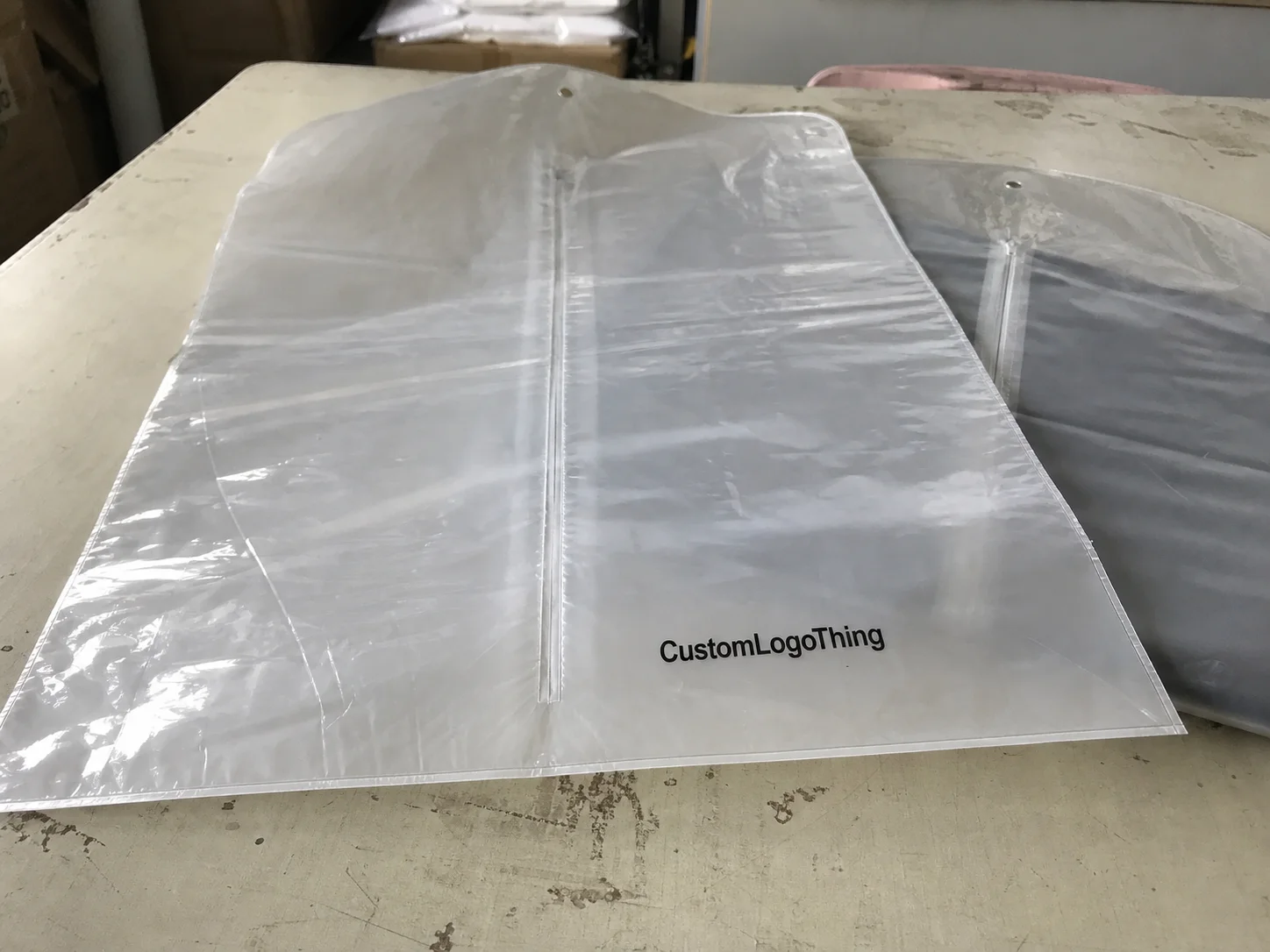
A plastic bag looks ordinary until a customer leaves with it. Then it stops behaving like packaging and starts working like a moving sign. That is the real reason brands decide to customize plastic bags: the bag travels farther than the receipt, and it gets seen in places the storefront never reaches.
The effect is immediate. A thin, noisy bag with cloudy print can make a polished retail purchase feel cheaper than it was. A well-sized bag with clean seals, readable graphics, and a handle that does not strain under load suggests control. Not luxury, necessarily. Competence. Customers notice that faster than many buyers expect.
Why businesses customize plastic bags more often than they expect

Anyone trying to customize plastic bags is making a chain of technical choices, whether they realize it or not: style, resin, thickness, dimensions, gusset, handle, print method, color count, and order volume. Those decisions are linked. A bag for folded knitwear is not the same job as a bag carrying candles, deli containers, or boxed cosmetics, even if the artwork is identical.
Two buying paths tend to get mixed together. One is a stock bag with custom print: standard dimensions, standard construction, logo added afterward. The other is a fully custom bag built around a specific size, gauge, handle, and print layout. Stock formats usually reduce setup friction and can make sense for lower or mid-volume orders. Fully custom bags offer tighter control, but they often bring higher minimums, more prepress work, and more chances for delays if the spec is incomplete.
Most demand clusters around a few familiar uses:
- Retail shopping bags for checkout
- Die-cut handle bags for apparel, cosmetics, and gift items
- T-shirt style carryout bags for grocery, convenience, and takeout
- Promotional bags for events and campus programs
- Apparel overbags for branded protection and presentation
- Handout bags for samples, flyers, and catalogs
The common mistake is treating a printed bag as a graphics project first. It is not. It is a materials and converting project with printing layered on top. A sharp logo cannot rescue a bag that tears at the handle, scuffs during transport, or forces staff to wrestle merchandise into it at the counter.
The useful questions come early: What is going inside? How heavy is it once packed? Are there sharp corners? Does the bag need to survive a five-minute walk or a week of reuse? Buyers comparing bags against boxes, mailers, or other formats can also review Custom Packaging Products so the bag supports the broader packaging system instead of contradicting it.
How bag customization works from concept to finished print
The process sounds easy in shorthand: define the use, choose the construction, select the film, confirm dimensions, approve artwork, produce, ship. Problems start when that order gets reversed. Artwork is often polished before the structure is settled, which is a neat way to waste both time and plate charges.
Plastic bags are converted in different ways. Some begin as blown film that is cut, sealed, and stacked. Some use side seals; others use bottom seals. Gussets create depth and improve loading, but they also affect how the bag opens and where print distortion may show. Handle style matters for more than appearance. It changes strength, reinforcement needs, stackability, and the amount of uninterrupted print space on the front panel.
A die-cut handle removes part of the top panel, giving a clean retail look while shrinking usable artwork area. A patch handle adds reinforcement film around the grip zone, improving load support but adding material cost and a slightly different visual finish. Loop handles create a more polished presentation, though they also add an attached component and more production steps. Small structural changes tend to ripple outward.
Printing has its own limits. One-color flexographic printing is often enough for a logo, store name, or basic brand mark. Multi-color graphics, larger solid areas, tighter registration, and stronger color matching raise the difficulty quickly. Film does not absorb ink the way paper does, so adhesion, drying, and registration become more sensitive. A clean digital proof proves only one thing: the screen looked good.
Common print methods:
- Flexographic printing: common for medium to high volumes; practical for logos, spot colors, and repeat programs
- Rotogravure printing: more suitable for larger runs where finer graphic consistency justifies the higher setup cost
- Simple one-color print: often the best value for budget-sensitive carry bags
The resin changes the feel of the whole package. LDPE is softer and more flexible. HDPE feels crisper and usually sounds louder, but it often delivers strong carry performance with less material. That difference affects hand feel, opening behavior at checkout, print appearance, and perceived quality. A bag for brochures behaves very differently from a bag for boxed pastries or bottled products.
Structure should be settled before the art gets precious. The fastest way to create delays while trying to customize plastic bags is to finalize design on a bag that still has the wrong size, wrong handle, or wrong film.
Key specs that change performance, appearance, and compliance
Three specifications drive most outcomes: material, thickness, and dimensions. Print matters, but only after those are correct.
Material choice
HDPE is widely used for economical carryout bags because it offers a strong strength-to-weight ratio and uses resin efficiently. LDPE is softer, more flexible, and often preferred for boutique retail or merchandise bags where feel matters as much as function. PP options, including cast polypropylene for some formats, can provide higher clarity or a different finish, though economics vary by style and run length.
Gauge and thickness
Thickness is usually stated in mil or micron. Light retail bags often fall around 1.25 to 1.75 mil. Heavier merchandise or event bags commonly move into the 2.0 to 3.0 mil range. More gauge usually improves puncture resistance and changes the perceived quality in the hand, but extra material is not always the smart choice. A soft product does not benefit much from overbuilding beyond higher cost and more cube in shipping.
Dimensions and gussets
Bag size should be based on the packed item, not the product sitting bare on a sample table. A folded garment in tissue with an insert card needs more room than the garment alone. A stack of food containers needs enough bottom depth to sit flat instead of pushing against the side seals. Many sizing errors come from one simple oversight: buyers measure the product and forget the packaging around it.
Handle style
- Die-cut handle: clean presentation for lighter retail use
- Patch handle: reinforced grip area for moderate loads
- Loop handle: more upscale look for higher-visibility retail programs
- T-shirt style: economical and functional for grocery and food service
- Fold-over top styles: useful where added reinforcement or presentation is needed
Finish changes the mood almost as much as the logo. Clear film showcases the product. Frosted film softens the presentation and often reads as more premium. White or colored opaque film generally improves logo contrast. Gloss makes color appear brighter, while lower-glare looks usually come from the base film choice rather than a true paper-like matte effect.
Design complexity can move a project into a different cost bracket without much warning. Reverse text, very fine lines, gradients, and large solid areas all ask more of the press. A bold one-color mark may print cleanly and cheaply. A full-panel custom printed bag with multiple colors is a different type of job, with different tolerances and setup economics.
Compliance is easier to ignore than to fix. Some projects require confirmation of food-contact suitability, warning text, recycled-content claims, local bag restrictions, or recycling marks. If the bag is part of a broader retail distribution system, shipping and handling expectations matter too. For package systems that need transport testing guidance, ISTA is a useful reference. Environmental claims and recycled-content wording should be checked against current terminology from the EPA.
Practical rule: choose the bag for what happens during loading, carrying, storage, and reuse—not for how it looks lying flat in a PDF proof.
Plastic bag pricing, MOQ, and unit cost: what really drives the quote
Plastic bag pricing usually turns on seven variables: material, size, thickness, print colors, artwork coverage, order volume, and handle construction. A larger bag with thicker film and reinforced handles will cost more than a small flat bag. That part is obvious. The surprise is usually setup.
Minimum order quantities exist because the fixed costs are real: plates, cylinders, color matching, machine wash-up, setup waste, and press time. Those costs do not vanish on a smaller run. They just get divided by fewer bags. The result is familiar to most buyers: a manageable total order value paired with a unit cost that feels higher than expected.
Stock-size Bags with Custom print often price better than fully custom dimensions because the converting side is already standardized. One-color printing is usually far more economical than multi-color work. If a logo can do its job in one or two spot colors, that is often the strongest value play for a retail carry bag.
| Bag Type | Typical Quantity | Typical Unit Range | Main Cost Drivers |
|---|---|---|---|
| Stock-size HDPE bag, 1-color print | 5,000-10,000 | $0.08-$0.18 | Plate setup, size, gauge |
| LDPE die-cut retail bag, 1-2 colors | 5,000-10,000 | $0.18-$0.32 | Film thickness, handle area, print coverage |
| Patch handle merchandise bag, multi-color | 10,000-25,000 | $0.28-$0.55 | Reinforcement patch, registration, resin use |
| Fully custom event giveaway bag | 10,000+ | $0.30-$0.65+ | Custom dimensions, color count, freight volume |
Those figures are budgeting ranges, not promises. Resin pricing moves with energy and supply conditions, freight can swing harder than expected, and manufacturing region matters. The same spec can quote differently a month later if polyethylene markets shift or shipping lanes tighten.
There are also the quiet extras: sample charges, proof revisions, rush fees, freight, and late compliance edits. Each one can look minor on its own. Together, they can overturn the cheapest-looking quote.
A cleaner RFQ typically includes:
- Bag style
- Width x gusset x height
- Target load or weight capacity
- Film thickness or target feel
- Print colors and coverage
- Quantity by SKU
- Delivery ZIP code
- Required in-hands date
That list is short because it needs to be. If the job is still being compared against boxes, mailers, or other formats, reviewing Custom Packaging Products can help keep the bag aligned with the larger packaging plan rather than priced in isolation.
Production steps, lead time, and turnaround expectations
Most orders follow the same broad path: inquiry, spec review, quote, artwork submission, proof approval, prepress, production, quality checks, packing, and shipping. The actual machine time is only one part of the schedule. Administrative gaps and freight often consume more time than the press run itself.
A straightforward repeat order using existing specs and simple print may run around 12 to 15 business days from proof approval. A first-time project with new tooling, new art files, multiple colors, or custom dimensions can stretch to 3 to 5 weeks before transit. Several SKUs may be staged rather than completed in one run, especially if different sizes or print versions are involved.
Delay points are usually ordinary:
- Missing or low-resolution artwork
- Unconfirmed bag dimensions
- Color changes after proof approval
- Unclear shipping instructions
- Late additions to warning or legal text
Sampling feels slow only until it prevents a bad production run. For first-time fit checks, premium retail launches, or event bags that will be seen by thousands of people, a sample often pays for itself quickly. A physical bag answers practical questions a digital proof cannot: does the handle dig into the hand, do box corners stress the seal, does the logo disappear under store lighting, does the bag open easily at checkout?
One distinction matters: production time is not the same as turnaround time. A job can finish on press exactly as scheduled and still arrive late because freight planning started too late. Bags are light, but they are bulky. Their cube catches buyers off guard. Warehouse space and shipping capacity can become the real bottleneck, particularly during seasonal peaks.
The fastest orders are usually not the ones with the biggest rush fee. They are the ones with complete specifications at the start. If the bags support a store opening, trade show, fundraiser, or holiday promotion, building in schedule padding is rarely wasted.
How to customize plastic bags for your product
There is a practical way to customize plastic bags without turning the project into guesswork.
- Define what the bag must carry. Measure the packed item, not the product alone. Include tissue, inserts, boxes, or stacked containers. Record loaded weight and note any sharp edges.
- Match the style to the use case. Checkout carryout, apparel presentation, bakery handoff, event giveaways, and protective overbags all need different structures.
- Choose material and thickness based on feel, strength, and budget. A competitor’s bag is a reference point, not a reliable spec.
- Map the artwork to the actual printable area. Decide whether a one-color logo is enough or whether broader graphics justify the setup cost.
- Confirm handle type, gussets, and top format. Include warning language, recycling marks, or policy text if required.
- Request quotes with exact quantities and destination details. Freight assumptions can change the true landed cost more than many buyers expect.
- Review proofs with a technical eye. Check orientation, seam placement, spacing near handles, and any text near folds or gussets.
- Test the bag in real use. If weight, moisture, repeated handling, or public visibility matters, run a fit test before full production.
That sequence mirrors how the bag will actually perform. A boutique selling folded apparel may land on a 2.0 mil LDPE die-cut bag for a softer hand feel. A school fundraiser handing out shirts and flyers may favor a lower-cost giveaway format. A bakery using pastry boxes may need enough bottom depth for the box to drop in cleanly without scraping print or stressing the seals.
Color consistency across the packaging system belongs here too. A bag that looks unrelated to the box, label, or tissue paper can make the brand feel pieced together. If other branded components are involved, compare the bag against your broader Custom Packaging Products so the presentation holds together.
Common mistakes that make custom bags look cheap or fail in use
The first mistake is choosing thickness by price alone. Thin is not always efficient. A bag that feels underbuilt can stretch at the handle, puncture on corners, or simply send the wrong signal. Customers sense that mismatch quickly.
Another routine error is forcing artwork beyond the limits of the print process. Fine lines, very small type, and gradient-heavy logos do not always reproduce cleanly on film. If the bag is being printed with basic flexo and the design was created for high-resolution paper output, clarity is usually what gets sacrificed.
Sizing errors cause more daily frustration than many visual mistakes. Buyers measure the product, forget the tissue, ignore the insert card, and skip the hand clearance needed for quick loading. Then the panel distorts, staff struggle at the register, and a small operational issue turns into a visible brand problem.
Contrast failures show up often. A mid-tone logo on frosted or tinted film can vanish from a few feet away. What looks restrained on a screen can look weak in person. The right test is not whether the bag appears tasteful in a mockup. It is whether someone walking past can read it.
Storage gets overlooked until invoices and warehouse counts arrive. Large runs may reduce unit cost, but bags occupy more space than their weight suggests. If they sit too long, storage and carrying costs can erase the savings. Cheap units have a way of becoming expensive inventory.
Compliance mistakes are worse because they are so avoidable. Missed warning text, local restrictions, or incorrect recycled-content wording can trigger artwork revisions, approval delays, or a reprint. A short review early is far cheaper than a late correction after production is booked.
Then there are rushed approvals: upside-down logos on one side, art drifting too close to a die-cut handle, critical text landing in a gusset fold, or a layout that looked centered only while the bag was still flat. None of those errors is exotic. All of them make the finished bag look careless.
Next steps: prepare your specs, artwork, and quote request the smart way
The smoothest projects usually start with a one-page spec sheet. Measure the packed product. Note the target load weight. List the preferred bag style. Decide what matters most: lower cost, stronger carry performance, cleaner presentation, or some compromise between the three.
A useful spec sheet should include:
- Bag style
- Dimensions
- Handle type
- Material preference
- Thickness range
- Print colors
- Quantity tiers
- Delivery location
- Required in-hands date
Artwork should be supplied in vector format, usually AI, EPS, or a print-ready PDF. Add Pantone references if color matching matters. If warning text, recycling marks, or legal copy will appear on the bag, submit that before proofing begins. Late text edits are one of the most reliable ways to slow down a job that was otherwise moving well.
It also helps to request more than one quote scenario. Compare 5,000 units against 10,000. Compare 1.75 mil against 2.25 mil. Compare a stock size with custom print against a fully custom dimension. Side-by-side pricing exposes tradeoffs much faster than trying to infer them from a single estimate.
If the bag is customer-facing, tied to a launch, or meant for a visible event, ask for a sample or fit check. Physical review catches what flat proofs miss: awkward proportions, weak handles, difficult loading, or graphics that looked sharp on screen but fade on actual film.
The last detail is simple and easy to miss. Give the supplier the in-hands date, not merely the date you hope to place the order. Production and transit run on separate clocks, and both can slip.
Companies that successfully customize plastic bags usually are not improvising. They start with complete specs, realistic quantities, workable artwork, and enough time to test the structure before committing to a full run. That discipline keeps the bag carrying properly, printing cleanly, and supporting the brand instead of quietly undermining it.
FAQ
What is the best material to customize plastic bags for retail use?
HDPE is common for economical carryout bags with a crisp feel and efficient resin use. LDPE is often chosen for a softer, more premium hand feel. The better option depends on load weight, print style, appearance goals, and local rules. For heavier or boxed merchandise, handle construction and film thickness matter as much as resin choice.
How much does it cost to customize plastic bags with a logo?
Price depends on bag size, film thickness, material, print colors, order quantity, and whether the format is stock or fully custom. Lower quantities usually carry higher unit costs because setup charges are spread across fewer bags. For many basic programs, planning ranges start around a few cents per bag and move upward quickly with thicker film, reinforcement, or multi-color print.
What is the typical lead time for custom printed plastic bags?
Repeat orders with existing specs can move in roughly 12 to 15 business days from proof approval, not including every freight scenario. First-time or more complex jobs often take 3 to 5 weeks before transit. New tooling, samples, multiple colors, or late proof changes usually lengthen the schedule.
Can I customize plastic bags in small quantities?
Sometimes, but most custom bag projects have minimums because setup only makes sense at a certain run size. If volume is limited, a stock-size bag with custom print is often more practical than a fully custom construction. Tiered pricing is useful because a modest quantity increase can improve unit cost sharply.
What artwork files are needed for custom plastic bag printing?
Vector files such as AI, EPS, or print-ready PDF are usually preferred for clean reproduction. The design should account for seams, handle cutouts, gussets, and the limits of the selected print process. Brand color references and any required warning or recycling text should be supplied before proofing starts.