Cute Personalized Makeup Bags: How to Order Smart
A bag can look adorable and still fail at the one job it has. If the zipper catches, the lining stains, or the shape collapses inside a tote, the product stops feeling giftable and starts feeling like clutter.
That is the tradeoff buyers need to manage. Personalization turns a plain pouch into a branded item, a bridal-party gift, or a retail add-on, but the base product still has to hold brushes, compacts, lip products, and travel-size bottles without looking worn out after a few weeks.
The smartest orders start with function. Size, zipper quality, lining, print durability, and whether the bag keeps its shape matter more than a polished mockup. A cute concept only works if the construction supports it.
What Makes Cute Personalized Makeup Bags Work in Real Use
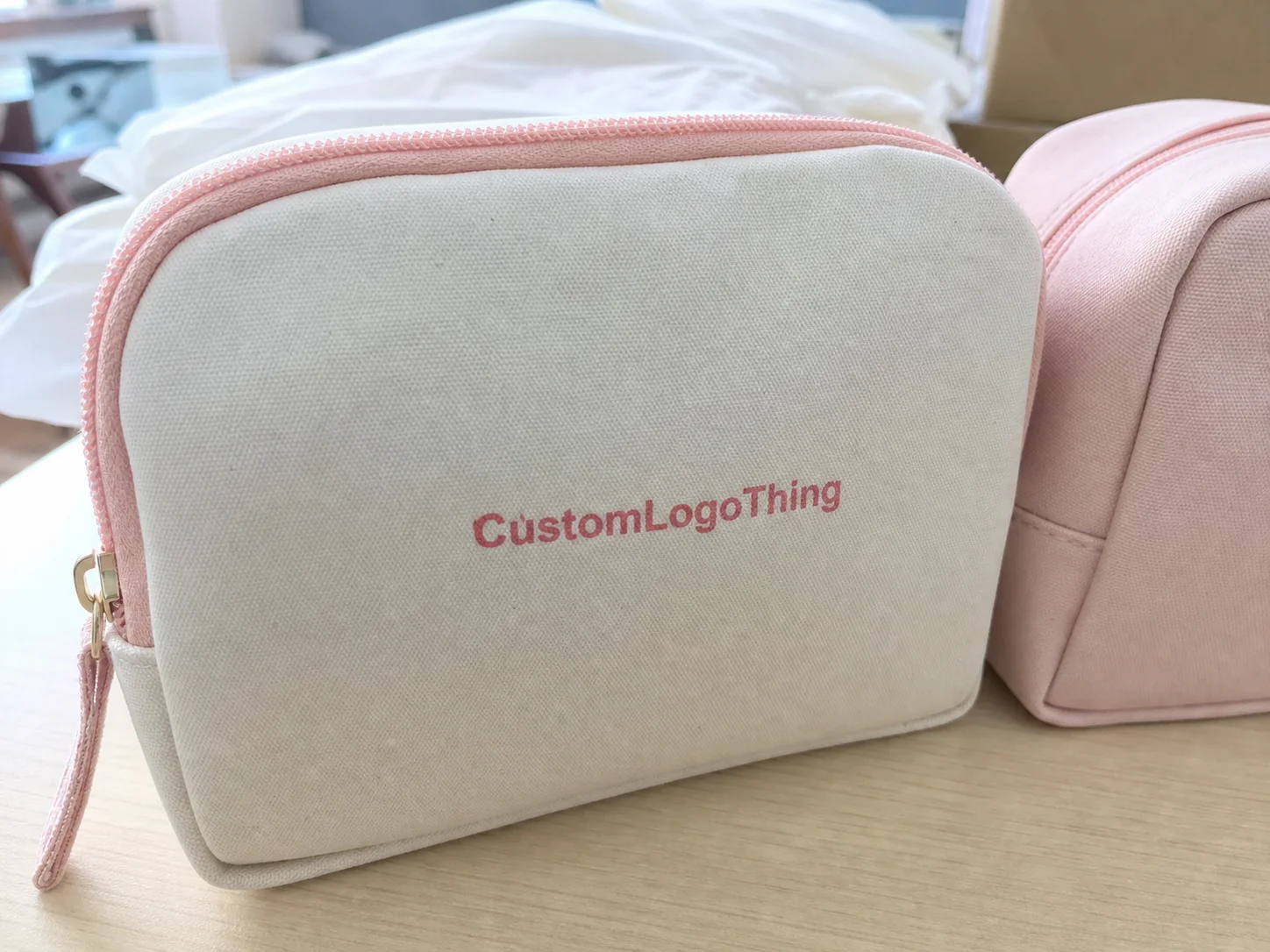
Pretty is easy. Useful is harder. A pouch that fits one lipstick and a compact may photograph well, but it will frustrate anyone trying to carry a brush set, tweezers, a brow pencil, and a small bottle of cleanser. The best cute Personalized Makeup Bags solve a storage problem first and a style problem second.
Personalization should sit on top of a product that already works. A name, monogram, or logo makes the bag giftable and brandable, but the bag still needs a decent gusset, a zipper that glides without snagging, and enough structure to survive being tossed into a work tote or suitcase.
The use cases are broader than most buyers expect. Bridal-party gifts need clear name placement. Teen accessories usually lean toward bright color and easy-clean surfaces. Travel organizers need real volume and a wide opening. Influencer merch needs artwork that reads cleanly in photos. Retail add-ons live or die on impulse appeal, which means the first glance matters, but the second touch does too.
Buyers often compare the wrong things first. They debate fonts before they ask whether the liner can handle powder residue. They focus on artwork before they check bag depth. In practice, those are the details that decide whether the bag feels thoughtful or disposable.
A good rule: if the bag is for everyday use, design around the contents, not the aesthetic. If it is for a one-night event, the appearance can lead a little more. Either way, the construction still has to hold up when someone opens and closes it repeatedly.
How the Design and Personalization Process Works
The process usually starts with the base bag, not the decoration. A supplier needs the style, size, material, and approximate quantity before they can quote realistically. Once that is set, the artwork phase can begin: logo placement, name format, font choice, color selection, and whether the decoration should sit centered, offset, or repeat across a pattern.
Common personalization methods each have a different profile. Embroidery looks premium on thicker fabrics and carries strong perceived value, but it adds cost and does not suit tiny text. Screen print works well for bold graphics and simple logos, especially on canvas or coated surfaces. Heat transfer handles detailed art and multiple names, although the finish depends heavily on material compatibility. Woven labels suit brands that want a subtle stitched-in look instead of a loud front-panel statement.
A proof should show more than the art. It should show size, spacing, contrast, stitch density, and whether the final bag still reads clearly after decoration.
The supplier usually needs a vector logo file if branding is involved, the exact names if each piece is personalized, a color reference, the target quantity, and the intended use. Say whether the order is for bridal gifts, retail, or a promotion. That context helps the supplier spec a better bag for daily makeup, travel cosmetics, or a bundled set.
Proofing is where small mistakes get expensive. A font that looks elegant on screen can disappear once it is reduced. Thin stitch lines can look rough on soft materials. Light ink on a pale bag may vanish unless contrast is pushed deliberately. For cute Personalized Makeup Bags, the proof has one job: make sure the bag still looks intentional in someone’s hand, not just in a mockup.
Material, Size, and Closure Choices That Affect Everyday Use
Material choice changes both the feel and the failure mode. Clear PVC works when visibility matters, like travel kits or event kits where the user wants to see contents at a glance. PU or faux leather creates a more polished, giftable look and usually accepts debossing, embossing, or crisp print better than a soft fabric. Canvas feels casual and prints well. Coated plastics are the practical option for wipe-clean convenience.
Size should follow what the recipient actually carries. A lipstick-only pouch is one thing. A daily-makeup pouch is another. A travel kit is a different category again. If the order is for gifts, think in contents first: one compact, a small brush set, two or three lip products, maybe a mini bottle, and a little margin for awkward shapes.
Closure details are easy to overlook and hard to forgive. A zipper that tracks smoothly is worth more than a decorative pull that feels flimsy. Wide openings improve visibility and reduce rummaging. Gussets increase usable volume. Internal pockets help only if they do not steal space from the main compartment. If the bag is meant for a handbag or tote, a semi-structured body often feels more premium than a fully floppy pouch.
There are also practical tradeoffs around shipping and storage. Flat-folding bags are easier to carton and cheaper to move in bulk, but they may arrive with crease memory if the material is too stiff or too thin. Water resistance matters for bathrooms and travel. Stain resistance matters for pale fabrics. Weight matters for multi-piece gift sets.
- Clear PVC for visibility and quick content checks.
- PU or faux leather for a more elevated, giftable look.
- Canvas for casual branding and strong printability.
- Coated materials for wipe-clean use and better spill tolerance.
Cost, Pricing, MOQ, and Quote Factors to Compare
Pricing is usually driven by five variables: quantity, decoration method, material, size, and the number of personalized versions. One bag with one logo is far simpler to produce than 200 bags with 200 different names. That difference shows up in setup, proofing, handling, and sometimes packing labor.
MOQ, or minimum order quantity, is the smallest run a supplier will make at the quoted price. Small runs are rarely cheap per unit because setup costs have to be spread across fewer pieces. That is why a 50-piece order can cost more per unit than a 500-piece order even if the bag itself looks simple.
When comparing quotes, look for what is actually included. Some suppliers fold in setup, basic proofing, and standard packaging. Others separate art fees, sample fees, rush charges, and shipping. A quote that looks lower on paper can end up higher once the extras are added back in. The cleanest comparison is usually total landed cost per unit, not just factory price.
| Option | Typical MOQ | Typical Unit Cost | Best For |
|---|---|---|---|
| Simple printed pouch | 100-300 | $0.80-$1.80 | Promotions, event giveaways, budget-friendly retail tests |
| Embroidered fabric bag | 200-500 | $1.50-$3.50 | Bridal gifts, premium bundles, brand merch |
| PU or faux-leather bag | 200-1,000 | $2.00-$5.50 | Higher perceived value, retail add-ons, gift sets |
| Multi-name custom run | 50-200 | $2.50-$6.00 | Small events, personalized gifting, limited drops |
A practical rule of thumb: if the order is for gifting, keep the bag cost low enough that packaging and fill items still fit the total budget. If it is for retail, leave enough margin for insert cards, outer cartons, and returns. If it is for promotion, remember that the cheapest unit is not always the cheapest campaign if it drags down perceived value.
Quotes should also be checked for production assumptions. If the supplier says the price is based on one decoration position, one color, and one carton style, do not act surprised later when a second logo color or custom insert changes the number.
Production Timeline and Lead Time: What to Expect Before Delivery
The timeline is usually straightforward, but only if the buyer answers quickly. A typical flow looks like this: inquiry, quote, artwork confirmation, digital proof, sample or pre-production approval, production, quality check, and shipment. For simple stock-item customization, the whole process can move in roughly 10 to 20 business days after proof approval. Fully custom manufacturing can take longer, especially if new tooling, special materials, or custom packaging are involved.
Delays usually show up in the same places. Name lists arrive late. Artwork files need cleanup. Color matching takes longer than expected. A buyer approves the proof and then notices one spelling error that resets the clock. The more individual the order, the more important it is to lock the details early. A 100-piece run with 100 names is not a simple reorder, even if the base bag is stock.
Shipping deserves more attention than it usually gets. If the bags are being sold retail, ask how they will be packed for carton stability and scuff prevention. If they need to survive longer transit lanes, ask whether the carton plan has been checked against ISTA testing logic. That does not mean every order needs formal certification, only that the pack-out should be designed for movement, not just a tidy photo.
Secondary packaging can change the whole presentation. A folded insert card, hang tag, or sleeve upgrades the product quickly. If those pieces use paperboard or printed cartons, ask whether the paper source can be tied to FSC standards. That matters more for brands selling into retail channels that care about documentation and claim support.
Build in buffer time for bridal showers, launches, holiday shipping, and retail drops. A quoted lead time is not a guaranteed arrival date. Weather, customs, and one revision can turn a comfortable schedule into a scramble.
Common Mistakes That Make a Cute Bag Feel Low-Value
The biggest mistake is picking the decoration before the bag. That sounds obvious, yet it happens constantly. A buyer falls in love with a delicate script font or a trendy print, then realizes the bag is too small, the material pills, or the artwork disappears after application. A cute concept that fails the use test is not a win.
Weak file prep causes a lot of avoidable problems. Low-resolution artwork looks fuzzy. Tiny text gets lost. Colors shift because the proof was approved without a real material sample. Overcrowded layouts are especially risky on small surfaces because names, logos, and decorative accents compete for attention. On small pouches, simplicity usually reads more premium than trying to fill every millimeter.
Construction quality gets ignored too often. The exterior can look polished while the stitching at the zipper ends pulls apart after a few weeks. The lining can stain and make the bag feel cheap even if the outside still looks fine. A good buyer checks seam reinforcement, zipper tape, and edge finishing before signing off.
Then there are the classic ordering errors: underestimating quantity, skipping a sample, or approving a proof without checking every spelling. Personalized runs are unforgiving about names. If there are 40 gift bags, someone must verify all 40.
Another common problem is choosing a finish that photographs better than it performs. Ultra-glossy surfaces can show scratches. Very soft pouches can feel nice but lose shape fast. Trendy colors are fine as long as they still work with the intended audience.
Best Practices for Ordering Cute Personalized Makeup Bags
Start with a short use-case brief. One paragraph is enough: who will use the bag, what it needs to hold, where it will be used, and whether the order is for gifting, retail, or promotion. That single step gives the supplier enough context to recommend a better size, a better closure, and a decoration method That Actually Fits the surface.
Ask for a digital proof on every order. If the timeline or budget matters, ask for a physical sample before the full run. That is especially useful for texture-heavy materials, embroidery, and any order with repeated names. A proof catches layout problems. A sample catches real-world problems like zipper feel, stitch quality, print contrast, and how the bag sits in the hand.
Set limits before artwork begins. Choose one color palette. Pick one decoration position. Set a maximum text length for names or slogans. The tighter the brief, the less room there is for revisions. In packaging, clarity usually saves money. With cute personalized makeup bags, it also keeps the design from turning noisy.
If you are comparing suppliers, use the same questions every time. What is included in the quote? What is the MOQ? What material and decoration method are being used? What is the turnaround time after proof approval? How is the order packed? What happens if a name list changes after approval? Those questions do more than filter vendors. They show which supplier understands small-run personalization and which one is guessing.
For a clean order process, gather artwork first, finalize the quantity, compare two or three quotes, confirm lead time, and place the order early enough to absorb revisions. The best orders are specific. They are not rushed, and they are not vague.
What size works best for cute personalized makeup bags?
Choose the size based on what the recipient actually carries, not on how the bag looks in photos. Small pouches suit lip products and a few essentials; mid-size bags work for daily makeup; larger versions are better for travel kits, brush sets, and full routines.
Which personalization method lasts longest on makeup bags?
Embroidery and high-quality woven labels usually age well because they do not depend on surface ink alone. Printed options can still last well if the material is compatible and the bag will not be scrubbed aggressively or exposed to harsh abrasion.
How much do cute personalized makeup bags usually cost?
Price depends mostly on quantity, material, and decoration complexity, not just bag size. Names or multiple versions add setup and handling cost, so unit price is usually higher on very small runs and lower on larger orders with one consistent design.
What should I ask for before approving a quote?
Ask what is included in the price, whether setup fees or proofing costs apply, and what the MOQ is. Confirm material, decoration method, turnaround time, and shipping assumptions before comparing suppliers, or the lowest quote may turn out to be the most expensive order.
How far in advance should I order personalized makeup bags?
Order early enough to absorb proof changes, production time, and shipping delays. For time-sensitive events, leave extra buffer after the quoted lead time so a revision does not derail delivery, especially if each bag has a different name.

