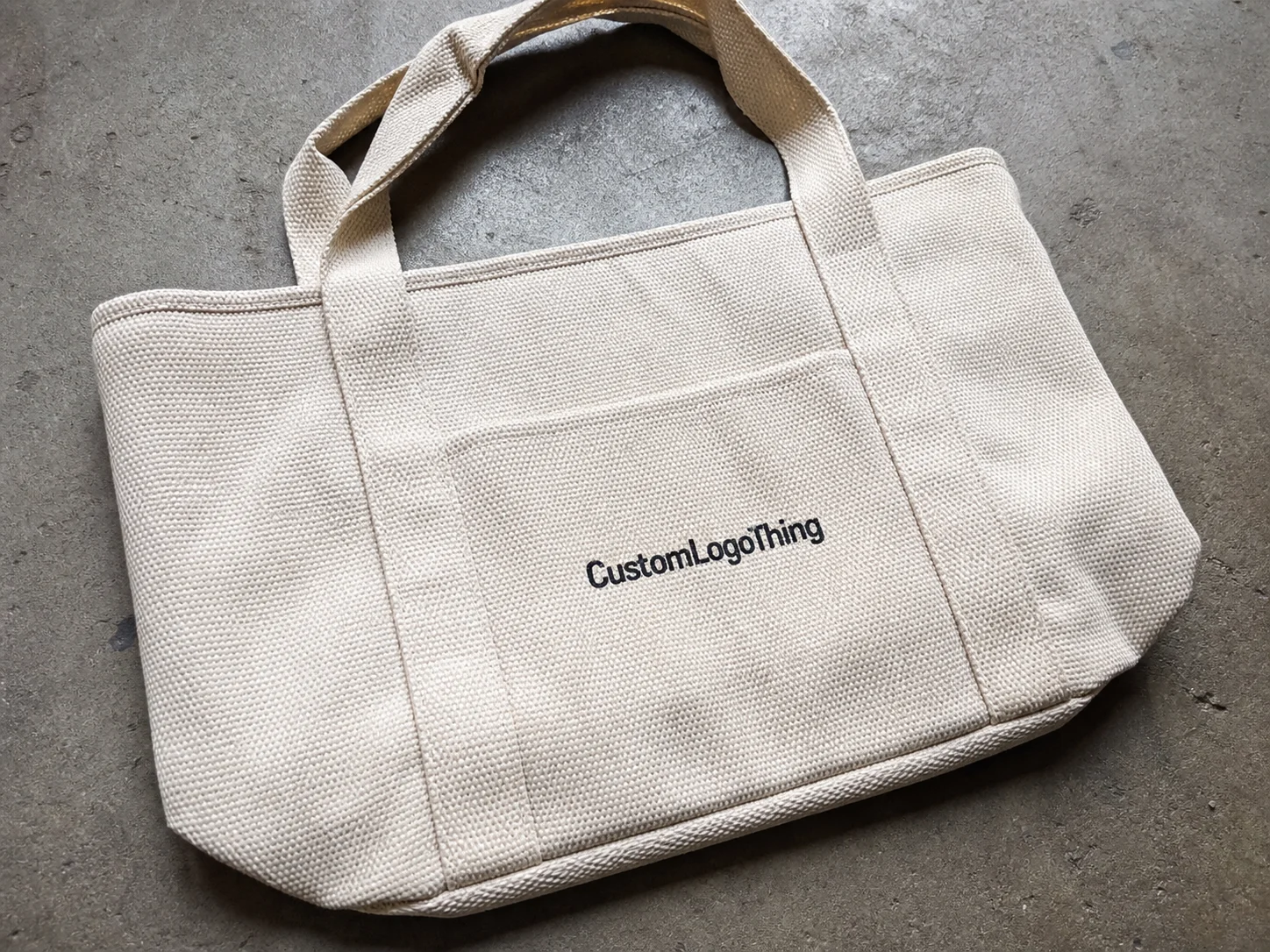
Most buyers start with the logo and work backward. That is usually the wrong order. A makeup bag gets opened, dropped, overstuffed, wiped down, and stuffed into a tote again. The exterior can look excellent in a mockup and still fail in practice if the zipper drags, the lining frays, or the print cracks after a few weeks of use.
The best personalized makeup bags are the ones that balance material, decoration method, and construction detail Without Wasting Money on cosmetic features that do not survive handling. That means paying attention to the shell weight, seam finish, zipper gauge, and how the bag is packed for shipping. Those details decide whether the product feels keepable or disposable.
Quick Answer: Which Bags Hold Up After Real Use?
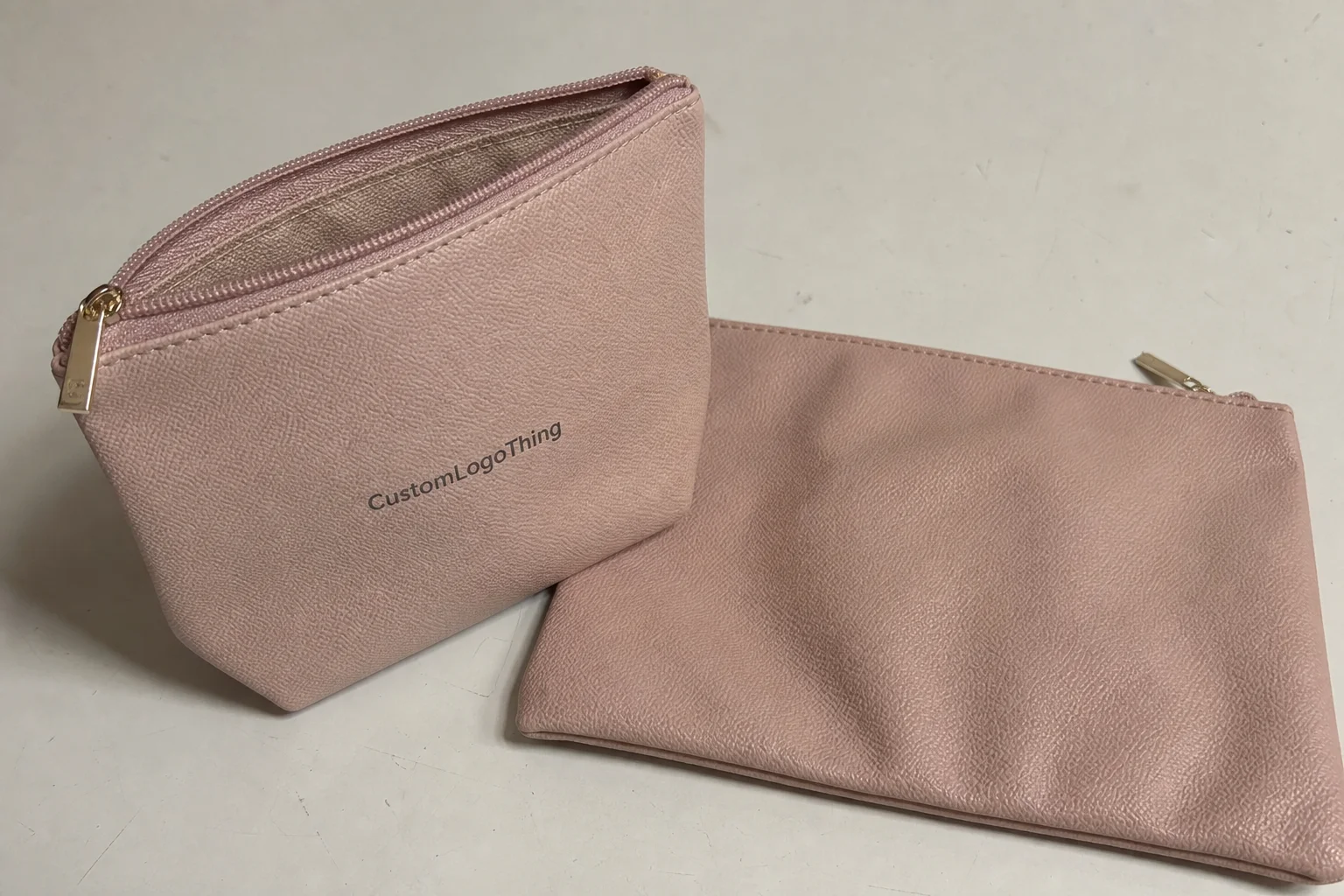
If you need a short answer, coated polyester and PU leather cover the widest range of use cases. Coated polyester is the safer all-rounder for travel kits, promotional runs, and orders that need consistent print quality at a sane unit cost. PU leather has a higher perceived value and works better for gifting or retail sets, especially when the branding is subtle.
Canvas still earns a place in the lineup, but only if the buyer accepts a more casual look. It is easy to print, easy to explain, and familiar to customers. Clear PVC is the practical choice when visibility matters, such as airport-friendly kits, event amenities, or products that need to be checked quickly. It is not the most elegant option, and scuffs show earlier, so it is best treated as functional packaging with branding rather than a luxury accessory.
The common failure point is not the shell. It is the hardware and finishing. A bad zipper track, loose thread at the corners, or thin lining will make even a decent bag feel cheap. I would rather approve a modest-looking sample with straight stitching and a smooth zipper than a prettier one that feels fragile in the hand.
Buy the build, not just the print. Decoration gets attention, but the structure determines whether the bag stays in use.
For evaluation, I would judge every option on four criteria: durability, decoration quality, perceived value, and reorder consistency. That last point matters more than most sourcing sheets admit. A bag that looks good once and then drifts in quality from run to run becomes a procurement problem fast.
Top Options Compared by Material and Finish
Material choice changes how the bag feels, prints, cleans, and ages. Buyers often start with artwork approval. I would start with the substrate instead. A clean logo on a weak base still feels weak.
| Material | Best for | Strengths | Watchouts | Typical unit cost |
|---|---|---|---|---|
| PU leather | Premium gifting, retail sets | Polished look, easy to emboss, wipes clean | Can wrinkle if the film is too thin | $1.80-$4.80 at mid-size runs |
| Coated polyester | Travel kits, influencer mailers | Lightweight, durable, good print surface | Glossy finishes can photograph better than they feel | $0.95-$2.75 |
| Canvas | Casual merch, eco-leaning gifts | Soft hand feel, strong for screen print | Stains faster unless treated or lined | $0.85-$2.40 |
| Clear PVC / vinyl | Visibility, security checks, event kits | Easy to inspect, wipe-clean, strong graphic impact | Scuffs and fingerprints show quickly | $0.70-$2.10 |
| Nylon / polyester blends | Bulk promo, practical daily use | Flexible, light, efficient for large orders | Feels less premium unless trim is upgraded | $0.55-$1.90 |
Finish matters almost as much as the material. Matte coatings hide handling marks better than high gloss. Soft-touch lamination can make a PU-style pouch feel more refined, but only if the film is thick enough to resist edge wear. Debossing on faux leather gives a restrained, expensive look. Screen print remains the most stable option for simple logos and tight budgets. For full-color graphics, digital print is the safer route, especially if the artwork includes gradients or fine detail.
Two specs are worth asking for before you approve a run. First, confirm the lining weight, usually 190T to 210D depending on the build. Second, ask for zipper details, not just “zipper included.” A smooth nylon coil in a sensible gauge usually performs better than a decorative zipper that looks fancy but snags under load. If the pouch is meant to stand upright, ask for a gusset that actually supports the shape instead of collapsing flat once the bag is filled.
Logo methods that hold up
- Screen print for one- or two-color logos and lower setup cost.
- Heat transfer for detailed art, mixed colors, and tighter visual control.
- Debossing for PU leather when the goal is a quiet, premium finish.
- Embroidery for thicker fabric pouches, though dense stitching can pucker on smaller formats.
- Digital print for full-color artwork and gift-focused products.
For shipment-sensitive orders, ask whether the bags were packed and tested for carton compression, abrasion, or drop handling. A lot of cosmetic damage happens in transit, not on the sewing line. Packaging teams often refer to ISTA profiles for that reason, and it is a useful benchmark even for smaller orders. For general material context, ISTA and Packaging.org are both useful references when you need to speak in concrete terms instead of vague quality language.
Detailed Reviews: Best Picks for Different Buyers
The right bag depends on the job. A retail gift set, a hotel amenity kit, and a bulk giveaway are not asking the same thing from the material. That is where a lot of sourcing mistakes begin: one sample gets judged as if it can serve every buyer and every channel.
Best overall: coated polyester zip pouch
This is the best starting point for most branded programs. It is light, print-friendly, and usually forgiving on cost. The better versions use a smooth zipper, a clean seam line, and a gusset that gives the pouch some structure without making it bulky. The downside is familiar: if the color choice is dull or the coating is cheap, the bag can look generic fast.
Verdict: Best all-round option for practical use and reorder stability.
Best budget option: nylon blend pouch
For large giveaways, this is the low-friction choice. It keeps weight down, ships efficiently, and tends to sit in a favorable price band. The compromise is tactile quality. If the print is oversized or the fabric sheen is too bright, the bag reads as promotional in the old sense of the word. Keep the branding simple and it performs better.
Verdict: Best when volume matters more than premium feel.
Best premium option: PU leather pouch
This is the easiest way to move a makeup bag into gift territory. Debossing or foil stamping usually looks more expensive than loud artwork. The better PU constructions have clean edge paint, stable shape retention, and a zipper that closes without drag. Thin films crease quickly, so a sample check is not optional here. You want a pouch that still looks tidy after being packed and unpacked several times.
Verdict: Best for retail sets, VIP gifts, and higher-margin bundles.
Best travel-friendly option: clear PVC front with structured back
Useful when visibility matters, especially for amenity kits or airport-friendly storage. The transparent panel helps users find items quickly and can simplify inspection. It is also the least forgiving finish. Scratches, fingerprints, and seams show up faster than they do on opaque materials, so the sewing quality needs to be better than average to keep it looking intentional.
Verdict: Best when function is the main selling point.
Best casual merch option: canvas pouch with one-color screen print
Canvas still works because it feels familiar and accepts a logo cleanly. It is not the most refined choice, but it can deliver strong value if the stitching is consistent and the artwork is simple. I would avoid very light canvas unless the bag is lined or treated. Staining becomes the complaint that shortens the product’s useful life.
Verdict: Best for broad-appeal campaigns and straightforward branding.
A small but important detail: zipper quality often decides how premium the bag feels. A good shell with a sticky zipper is a bad product. I also check the corners of the lining. Loose thread, bunching, or visible needle chatter usually means the run was rushed or the factory did not stop to trim properly. Those flaws do not seem dramatic in isolation. Together, they make the bag feel far less finished.
Pricing, MOQ, and Unit Cost Breakdown
Price is driven by four variables: material, size, decoration complexity, and extras such as inserts or retail packaging. A small pouch with a single-color logo is easy to keep economical. A structured bag with debossing, a custom hangtag, and a branded carton is a different product, even if the buyer talks about them as if they were the same thing.
For planning purposes, these are realistic starting bands:
- Budget orders: $0.55-$1.25 per unit, often at 3,000 to 10,000 pieces.
- Midrange orders: $1.25-$3.50 per unit, commonly at 500 to 3,000 pieces.
- Premium orders: $3.50-$7.50+ per unit, usually with tighter finishing and lower MOQs.
MOQ behavior is predictable. Lower minimums usually carry a higher unit price because setup costs are spread over fewer pieces. Larger runs reduce unit cost, but they increase inventory risk. If the product is tied to a seasonal launch, it is usually smarter to order a quantity you can use quickly rather than chase the lowest price and end up with dead stock in a warehouse.
Comparing quotes only works if the specs match. Ask vendors to separate the base bag price, decoration fee, setup or tooling, sample cost, and freight. If one quote looks much cheaper, check whether packaging or proof charges were quietly left out. That kind of omission is common enough to matter. A clean comparison sheet should be boring. If it is not, something is being hidden in the math.
Production Steps and Turnaround Time to Expect
A custom order usually moves through six stages: artwork review, proof approval, material sourcing, bulk production, quality check, packing, and shipping. The delays usually show up between stages, not during sewing. A late color approval, a missing Pantone target, or a material swap can push the entire schedule.
Sampling and bulk production are different timelines. A sample may take 5 to 10 business days depending on the decoration method. Bulk production often runs 12 to 20 business days after approval, and embroidery or debossing can add time because of setup work. Freight is its own variable. If the bags are tied to a launch or event, I would build in at least one buffer week. Two is safer.
Decoration method affects turnaround more than many buyers expect. Screen print is usually the fastest. Digital print can take longer because the proof has to be accurate. Embroidery needs digitizing and stitch approval. Debossing may be quick after the die is ready, but the die itself adds another step. When a supplier says every method has the same schedule, I would treat that as a warning sign, not a convenience.
Ask how the bags are packed for transit. Cartons that crush easily can leave a good pouch looking damaged on arrival. If the order is going into retail, the outer carton and inner packing matter more than they appear to on a quote sheet. The product has to survive the trip before it can do the job it was designed for.
How to Choose the Best Personalized Makeup Bags for Brand Fit and Daily Use
The easiest way to choose the best personalized makeup bags is to work in the right order. Start with the audience. Then define the use case. Then set the budget. Decoration should come after that. If you reverse the sequence, you end up buying a sample that looks good under studio lighting and performs poorly in actual use.
- Audience: Beauty consumers, hotel guests, event attendees, or retail shoppers?
- Usage: Will the bag live in a purse, suitcase, gift box, or promo kit?
- Budget: Are you targeting a sub-$1 giveaway or a $4-$6 premium item?
- Decoration: One-color logo, full-color art, embossing, or stitched branding?
- Distribution: Direct shipping, retail shelf, or in-person handout?
Soft-sided pouches make more sense for travel and mailers because they compress well and weigh less. Structured pouches are Better for Retail bundles and higher-ticket gifts because they read as more substantial. Thin, glossy materials are the first thing I would cut if the goal is a premium feel after repeated handling. They can look fine in a product image and still disappoint once they get tossed into a bag for daily use.
Artwork restraint helps. Tiny text, thin outlines, and too many colors increase the chance of a poor print and drive up the cost of approval. Simple logos tend to age better. A restrained deboss on a good PU surface usually holds up longer, visually, than a busy print on a cheaper shell.
Practical dimensions matter too. A gusset around 2.5 to 4 cm is usually enough for daily cosmetics without making the pouch bulky. An inner pocket can be useful for lip products or brushes, but only if it does not crowd the main compartment. If sustainability claims matter, ask whether the hangtag, insert card, or shipping carton can be made with FSC-certified paper. That is a simple upgrade and, unlike a lot of marketing language, it is easy to verify.
Our Recommendation and Next Steps to Order
If the goal is to move quickly without making a poor choice, I would narrow the field to three options. Coated polyester covers the broadest range of use cases. PU leather is the better pick for premium gifting. Canvas is the most natural fit for casual campaigns and simpler retail programs. That split avoids forcing one material to do everything badly.
Before you place an order, send suppliers a clean brief with the finished size, gusset depth, material preference, decoration method, artwork file, Pantone targets, quantity, delivery date, shipping destination, and packaging requirement. Then ask for a sample or proof, a line-item quote, and a timeline that includes setup and freight. If the supplier cannot separate those elements clearly, the quote is not ready for approval.
My bottom line is straightforward. The best personalized makeup bags are not the flashiest ones. They are the ones that keep their shape, open smoothly, clean easily, and still look acceptable after being used a dozen times. That is where value lives. Everything else is decoration.
What makes the best personalized makeup bags worth buying?
Strong zippers, durable lining, and clean decoration matter more than a cheap-looking printed shell. The best options balance appearance, stain resistance, and daily usability instead of chasing the lowest unit price.
Which material is best for personalized makeup bags?
PU leather and coated polyester usually offer the best mix of premium look and easy cleanup. Canvas works well for casual retail and gifting, while clear vinyl is useful when visibility and fast inspection matter.
How long does production usually take for custom makeup bags?
Simple screen-print orders can move faster than embroidery or debossed orders. Allow extra time for sampling, proof approval, and freight so launch dates do not slip.
What is a realistic MOQ for personalized makeup bags?
MOQ depends on material, decoration method, and whether the bag is stock or fully custom. Lower MOQs usually cost more per unit, so compare the total order value rather than the minimum alone.
How do I compare quotes for personalized makeup bags?
Check whether the quote includes decoration, setup, samples, packaging, and freight. Use the same size, material, and artwork spec across vendors so the pricing difference reflects the product, not the paperwork.