Design Custom Graffiti Stickers Buyers Want to Keep
What Custom Graffiti Stickers Are and Why They Work
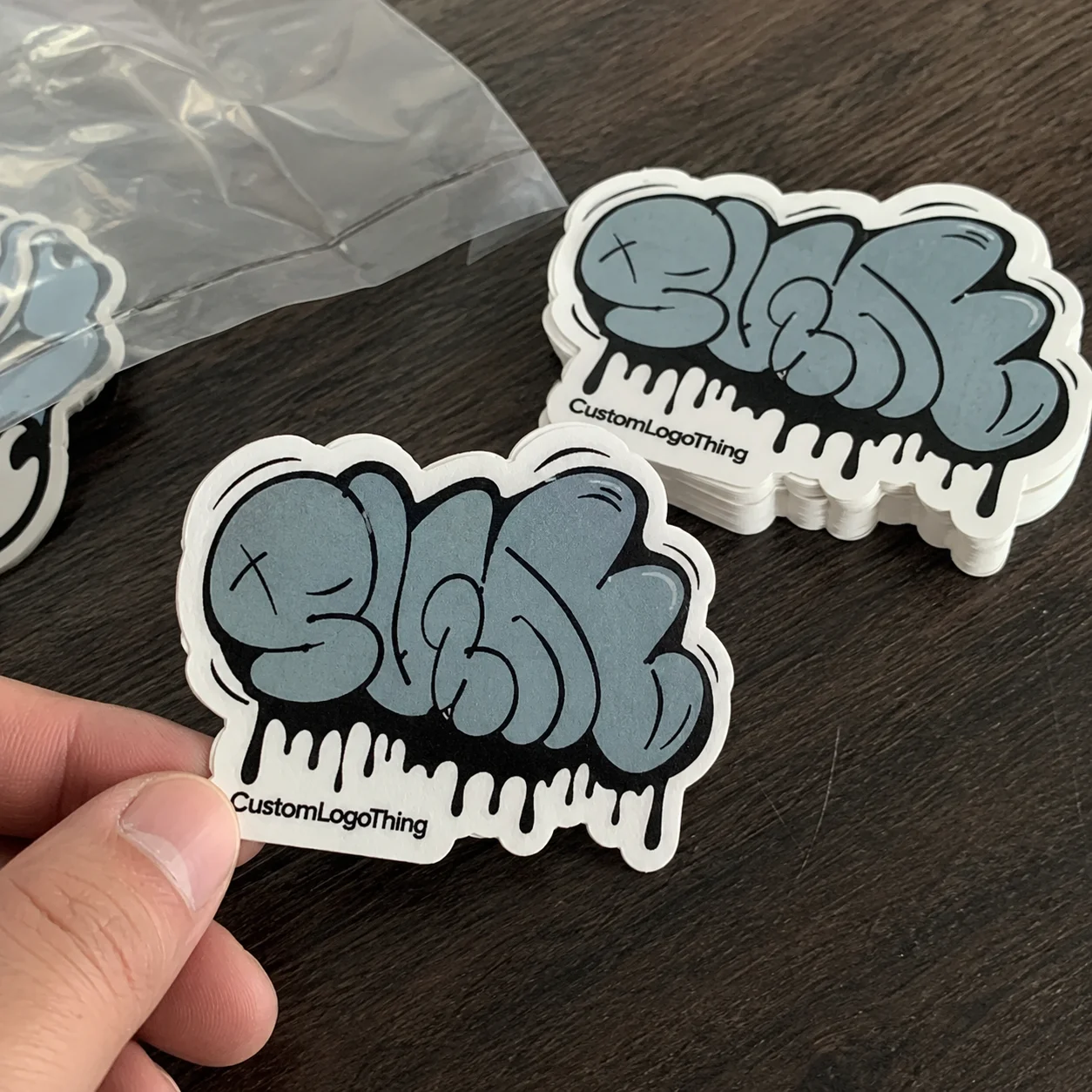
Most branded stickers are ignored. Custom graffiti stickers get a better chance because they feel less like a miniature ad and more like a badge: something a buyer might place on a laptop, water bottle, skateboard, shipping case, notebook, guitar case, or streetwear storage bin.
That small shift matters. A flyer may be read once. A box insert may sit in view for ten seconds. A sticker can travel for months, sometimes years, creating repeat impressions without asking for attention again. For packaging teams, that makes a well-made sticker unusually efficient for its size.
These stickers borrow from graffiti-inspired typography, tags, outlines, characters, murals, spray textures, drips, arrows, shadow blocks, and urban color cues. The artwork still has a commercial job. It may support a product drop, artist release, retail campaign, merch pack, event, or branded packaging program. Good design does not mean dropping a messy wordmark onto vinyl and hoping it looks raw. Real graffiti influence is about rhythm, pressure, contrast, motion, and attitude. The final mark still has to read.
Common buyers include streetwear brands, skate shops, music merch teams, beverage startups, cannabis packaging buyers, food trucks, sneaker resellers, tattoo studios, creator merch sellers, local event organizers, and independent artists. The sticker may be a giveaway, a paid merch item, a retail packaging extra, a limited-run insert, or a bonus tucked into custom printed boxes.
The best graffiti-style stickers usually do one job first: they make the buyer feel that keeping them says something. That is different from “here is our logo.” It is closer to “this belongs on my gear.”
Packaging reality check: A sticker is not just decoration. It is a small adhesive product with a job, a surface, a life span, and a failure mode. Treat it like product packaging, not an afterthought.
How Graffiti-Style Sticker Printing Works
The production path looks simple from the outside. A buyer sends artwork or a concept. The printer checks the file. A die line or cut path is created. A proof is reviewed. Then the order moves into printing, finishing, cutting, packing, and shipping. Each step can change the result.
Digital printing is usually the practical route for short runs, test designs, multi-version sticker drops, and orders under a few thousand pieces. It handles full color without separate plates for each color. Offset or flexographic-style production becomes more attractive at higher volumes, especially for rolls or repeat retail packaging orders where setup costs can be spread over tens of thousands of units. Specialty production may add metallic film, holographic stock, clear film, spot gloss, textured finishes, or white ink layers.
Graffiti artwork exposes weak files quickly. Heavy black outlines, tiny tags, layered shadows, gradient fills, spray-paint textures, and distressed edges all punish low resolution. A simple logo sticker may survive a mediocre file. A complex street-art decal may not. Fine drips can fill in. Small highlights can vanish. Low-contrast tags can look like smudges once reduced to 2 or 3 inches wide.
White ink deserves special attention. On white vinyl, the material gives color a bright base. On clear, metallic, kraft, or holographic stock, there is no plain white background unless the printer adds one. Without a white underprint, red can look transparent on a window, yellow may dull on kraft, and neon-style artwork can lose its punch on holographic film. If the sticker needs bright, opaque color, ask whether the proof shows a white ink layer and where that layer sits.
Format also changes the buying decision. Kiss-cut stickers stay on a backing sheet and peel away from a square or rectangle liner. Die-cut stickers are cut through both the sticker and liner in the shape of the artwork, which tends to feel more premium for merch and giveaways. Sticker sheets put several tags, icons, characters, or mini decals on one sheet. Roll stickers are built for faster application on boxes, bags, jars, mailers, bottles, or fulfillment tables.
Proofing is the safety gate. It confirms size, trim shape, bleed, safe area, color expectations, white ink placement, roll direction if relevant, and whether the smallest details will survive. For packaging design projects, one extra proof revision is cheaper than 5,000 stickers with a tag nobody can read.
Key Design Specs That Make Street-Art Decals Readable
Readability comes first. Graffiti lettering can be expressive, loud, distorted, and layered, but a buyer should still understand the brand name, slogan, mascot, or campaign idea within a few seconds. Stickers are often viewed at odd angles, in motion, or on curved surfaces. They do not get the calm viewing conditions of a poster.
Start with size. A 1.5-inch phone sticker or helmet decal needs simpler art: one strong tag, one icon, one mascot head, or a short wordmark. A 3-inch laptop sticker can carry more shadow, outline, and texture. A 5-inch window, bumper, or packaging insert sticker can support a more mural-like design, but only if the type hierarchy is controlled. Bigger is not automatically better. Square inches drive cost, and oversized stickers are harder for people to place casually.
Bleed, safe zones, and cut lines sound technical, but the logic is practical. Background color or texture should extend beyond the trim edge, often by about 0.125 inch. Important type, eyes, faces, barcodes, and campaign details should sit inside the safe zone, commonly at least 0.0625 to 0.125 inch away from the cut line, depending on size and shape. The cut path should not slice through shadows, drips, arrows, or outline strokes that make the design work.
Vector artwork is ideal for logos, tags, outlines, and clean illustrated characters because it scales without fuzzy edges. Raster artwork can work well for spray textures, painted characters, and scanned hand drawings, but it needs enough resolution. A practical target is 300 dpi at final print size. If a hand-drawn tag is photographed from a phone, clean it up before proofing. Crooked shadows, paper grain, gray pencil noise, and uneven lighting often print more visibly than expected.
Color strategy is another production lever. Neon palettes, black keylines, high-contrast shadows, and limited color groups usually reproduce better than muddy gradients or low-contrast tags. Four to six controlled colors often beat twelve competing colors in a small sticker. If the lettering is aggressive, use outline separation. Dark blue letters on black texture may look sharp on screen and disappear on vinyl.
Material choice should match the sticker’s job. White vinyl is the flexible default for strong color. Clear film is useful for window effects and minimalist glass applications. Holographic stock fits streetwear drops, sneaker promos, limited-edition merch, and music packaging when the shine is part of the concept. Kraft works for handmade brands, coffee, bakery, or natural product packaging, but it mutes color. Waterproof vinyl with laminate is safer for bottles, helmets, skateboards, outdoor signs, and surfaces that get handled often.
Finish changes perception. Matte feels quieter and more premium, especially on streetwear packaging or creator merch. Gloss boosts saturation and makes colors feel louder. Lamination adds scuff resistance and can improve weather resistance. For outdoor claims, ask for the material and laminate system rather than relying on vague terms like “durable.” Standards-based thinking helps here; ISTA testing is more common for transport packaging, but the same discipline applies: define the real handling environment before choosing materials.
Cost, Pricing, and MOQ Factors for Graffiti Sticker Orders
Sticker pricing is usually driven by size, quantity, material, print complexity, finish, cut style, proofing needs, and packing format. The artwork style alone rarely determines cost. A bold graffiti tag and a clean logo may cost the same if they use the same square inches, print method, stock, finish, and quantity.
Quantity has a large effect because file handling, proofing, setup, machine calibration, and packing time are spread across more pieces. The first few hundred stickers often carry a higher unit cost. At 500 pieces, a 3-inch die-cut vinyl sticker might land around $0.35 to $0.75 per unit, depending on material and finish. At 5,000 pieces, the same general format may fall closer to $0.12 to $0.28 per unit. Specialty stocks can sit higher, especially with white ink, laminate, or individual packing.
Size is the quiet cost lever buyers underestimate. Printers think in material yield. A complicated 2.5-inch die-cut sticker can cost less than a simple 5-inch circle because it uses far less vinyl. If a budget is tight, trimming the size from 4 inches to 3 inches may do more than simplifying the artwork.
| Sticker Option | Best Use | Typical Cost Impact | Buyer Watchout |
|---|---|---|---|
| White vinyl, die-cut | Merch, inserts, brand giveaways | Baseline for premium stickers | Needs clean cut paths around thin details |
| Laminated waterproof vinyl | Bottles, helmets, skateboards, outdoor use | Often 15% to 40% higher than basic vinyl | Confirm adhesive and expected exposure |
| Clear film with white ink | Windows, glass jars, transparent packaging | Higher due to white ink setup | Colors may mute without white backing |
| Holographic or metallic stock | Streetwear drops, music merch, limited packs | Often 25% to 70% higher than standard vinyl | Fine art can fight with reflective material |
| Roll stickers | Fast application on branded packaging | Efficient at larger quantities | Roll direction matters for application |
Minimum order quantities vary. Low minimums help with testing two designs, checking color, or validating demand at a merch table. Growing brands should still compare sample runs against replenishment orders. If custom graffiti stickers move quickly during a launch, ordering 250 pieces can create a stockout and a rushed reorder at a worse unit price.
Hidden cost variables deserve scrutiny: individual bagging, barcode labels, split shipments, roll direction, sheet layout, rush production, multiple artwork versions, custom backer cards, and retail-ready packing. If stickers are going inside Custom Packaging Products, ask whether they will be bulk packed, counted into bundles of 100, or packed by SKU. Small packing decisions can add labor.
Ask for two or three quantity breaks, such as 500, 1,000, and 2,500 pieces. The price curve tells a better story than a single quote. It also helps buyers avoid under-ordering a promotional item that people actually want to keep.
Process and Timeline: From Artwork to Finished Stickers
A clean workflow protects both budget and launch date. Gather artwork and specs. Request a Quote. Review material options. Approve a digital proof. Confirm production. Inspect finished stickers. Schedule delivery. The sequence sounds obvious until one missing cut line delays a launch kit.
Before contacting a manufacturer, prepare the basics: desired size, quantity, shape, material, finish, intended surface, indoor or outdoor use, artwork files, delivery address, and deadline. If the sticker is part of branded packaging, include how it will be used. A sticker applied by hand to 500 mailers has different requirements than a roll label applied to 25,000 jars.
Proofing is where many timeline delays happen. Missing bleed, low-resolution art, unclear cut lines, unassigned white ink, and color questions all need answers before production starts. A proof is not a formality. It is the last cheap correction point.
Simple digital vinyl sticker jobs can move faster, especially when artwork is production-ready and the material is standard. Specialty stocks, outdoor lamination, custom shapes, large quantities, split versions, and retail packing add time. A reasonable plan allows several business days for file review and proofing, then additional production time after approval, with shipping treated separately. Physical samples add more days, but they can be worth it for expensive specialty materials or a first run tied to a major product drop.
Shipping belongs in the production plan. Event stickers, retail launches, subscription boxes, influencer kits, and sneaker drops often have fixed dates. A finished order sitting in transit is still late if it misses the packing window. For larger campaigns, confirm whether the shipment goes to one warehouse, several stores, a fulfillment center, or an event venue with receiving rules.
Build a buffer for first-time orders. Artwork corrections, proof revisions, and sample approvals can add days. This is not always the printer being slow; often the design was built like a poster, not like an adhesive product with a cut path and handling requirements.
- Files: final vector art or 300 dpi raster art at actual size
- Proof: approved size, shape, bleed, safe zone, and white ink placement
- Specs: confirmed material, finish, adhesive, and packing format
- Logistics: ship-to address, deadline priority, and delivery contact
- Commercials: payment terms, quantity breaks, and reorder expectations
Common Mistakes That Make Graffiti Labels Look Cheap
The biggest mistake is copying the surface look of graffiti without understanding composition. More drips, more arrows, more shadows, and more colors do not automatically create attitude. They can create clutter. Good street-art-inspired packaging design has a focal point, a reading order, and a reason for every effect.
Too many fonts are another warning sign. A small sticker cannot carry three wild type styles, two mascots, five icons, metallic stock, spray texture, glow effects, and a QR code without losing control. Fine details disappear after printing and cutting. They disappear even faster once the sticker is stuck on a curved bottle or scratched laptop.
Low-resolution web graphics are a common failure point. A 900-pixel social graphic may look acceptable on a screen, then print with jagged edges, blurry spray effects, or weak line quality. Screen glow hides flaws. Ink does not. If the art includes hand lettering, vector tracing can sharpen edges and preserve the original energy.
Poor contrast kills many graffiti labels. Dark lettering on a dark brick texture may look moody in a mockup and unreadable in real life. Neon colors also need structure. A neon green tag on a yellow flame background may vibrate on screen and become visual noise when printed. Black or white outline separation is not boring; it is often what lets the sticker work.
Wrong material choices are just as damaging as weak artwork. Paper stickers on water bottles fail. Unlaminated vinyl used outdoors can scuff and fade faster. Permanent adhesive may be risky for windows, rented equipment, or event venues. Clear stock without white ink planning can make bright colors look washed out. Kraft stock can be excellent, but not if the design depends on electric blue and hot pink staying bright.
Overcomplicated die cuts create their own problems. Thin points, narrow bridges, fragile drips, and tiny protruding arrows can peel poorly, bend during packing, or frustrate customers during application. If the sticker feels annoying to peel, fewer people will use it. That is a packaging failure, not just a design issue.
Many sticker failures are not caused by bad printing. They come from unclear specs, rushed approvals, and artwork built for a wall poster instead of a small adhesive product. Good manufacturers can flag problems, but buyers still need to define the job clearly.
Next Steps Before You Order Street-Art Sticker Packs
Start by choosing the sticker’s job. Is it meant to decorate packaging, promote a launch, sell as merch, reward loyal customers, label a limited batch, or support a retail display? A sticker for a paid merch pack should feel more collectible than a quick box seal. A sticker used on product packaging may need tighter color control and a faster application format.
Define the surface and environment. Laptop. Bottle. Shipping box. Window. Skateboard. Retail bag. Outdoor sign. Event table giveaway. Each surface asks for a different material and adhesive choice. If sustainability claims matter for your brand, review paper sourcing and chain-of-custody options through resources such as the Forest Stewardship Council, especially for paper-based stickers, backer cards, or related inserts.
Choose one hero design and one backup variation for testing. This is especially useful if the artwork uses aggressive lettering, unusual color combinations, holographic stock, or a complex die cut. A backup does not mean playing safe. It means giving yourself data. Which one do people grab first? Which one photographs better? Which one survives on a bottle after a week of handling?
Request a Quote with clear specs: size, shape, quantity, material, finish, adhesive type, sheet or individual format, packaging requirements, and delivery deadline. If the sticker will ship with Custom Labels & Tags or other inserts, mention that early so packing and counting are quoted correctly.
Review the proof at actual size, not zoomed in to 300% on a monitor. Print the proof on office paper if needed and hold it at arm’s length. Can the tag still read? Does the mascot still have expression? Does the slogan look intentional or cramped? That quick check catches problems that a full-screen PDF can hide.
After the first order, keep notes. Track which design people grabbed first, where stickers appeared, which material held up best, how many were used per package, and whether the reorder quantity should increase. For retail packaging and promo packs, those observations are more useful than guesses.
If you are preparing custom graffiti stickers for a launch, send production-ready artwork or a rough concept with the target size, quantity, surface, finish, and deadline. The useful questions come early: will the color stay opaque, will the cut peel cleanly, will the adhesive suit the surface, and will the design still look sharp at the size people actually use?
FAQ
What materials are best for custom graffiti stickers?
White vinyl is the most flexible choice for bold color and everyday brand stickers. Laminated waterproof vinyl is better for bottles, helmets, skateboards, and outdoor use. Clear, holographic, metallic, and kraft stocks work well when the material is part of the design concept, but they need more careful proofing because color can shift on non-white surfaces.
Can graffiti-style stickers be printed from hand-drawn artwork?
Yes. The drawing should be scanned or photographed at high resolution and cleaned up before proofing. Vector tracing can sharpen lettering, outlines, and cut paths while preserving the hand-drawn feel. Fine pencil marks, low-contrast shading, and blurry photos should be corrected before production.
How much do custom street-art stickers usually cost?
Cost depends on size, quantity, material, finish, shape, packing format, and specialty effects. Unit cost typically drops at higher quantities because setup and production time are spread across more stickers. Buyers should request several quantity breaks to compare the difference between a test run and a bulk order.
What is the usual turnaround for graffiti sticker printing?
Turnaround depends on proof approval, artwork quality, material availability, quantity, finishing, and shipping distance. Simple vinyl sticker orders generally move faster than specialty holographic, clear, laminated, or multi-version jobs. Event and launch orders should include extra buffer time for proof revisions and delivery.
Should I order die-cut graffiti stickers or sticker sheets?
Die-cut stickers feel more premium and work well for merch, giveaways, and packaging inserts. Sticker sheets are useful when you want multiple tags, icons, characters, or mini designs in one product. Roll stickers are often better for fast application on packaging lines or fulfillment tables.

