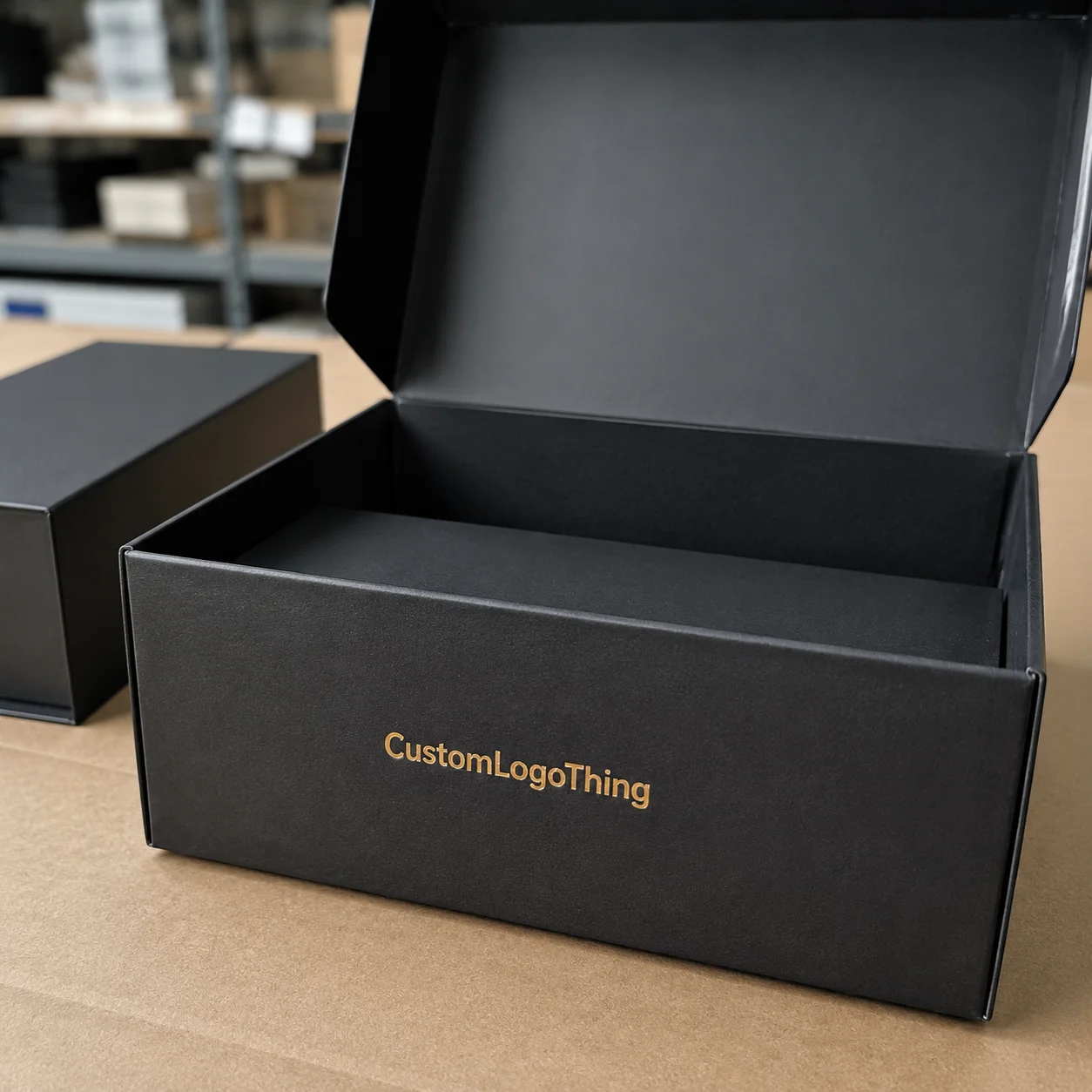
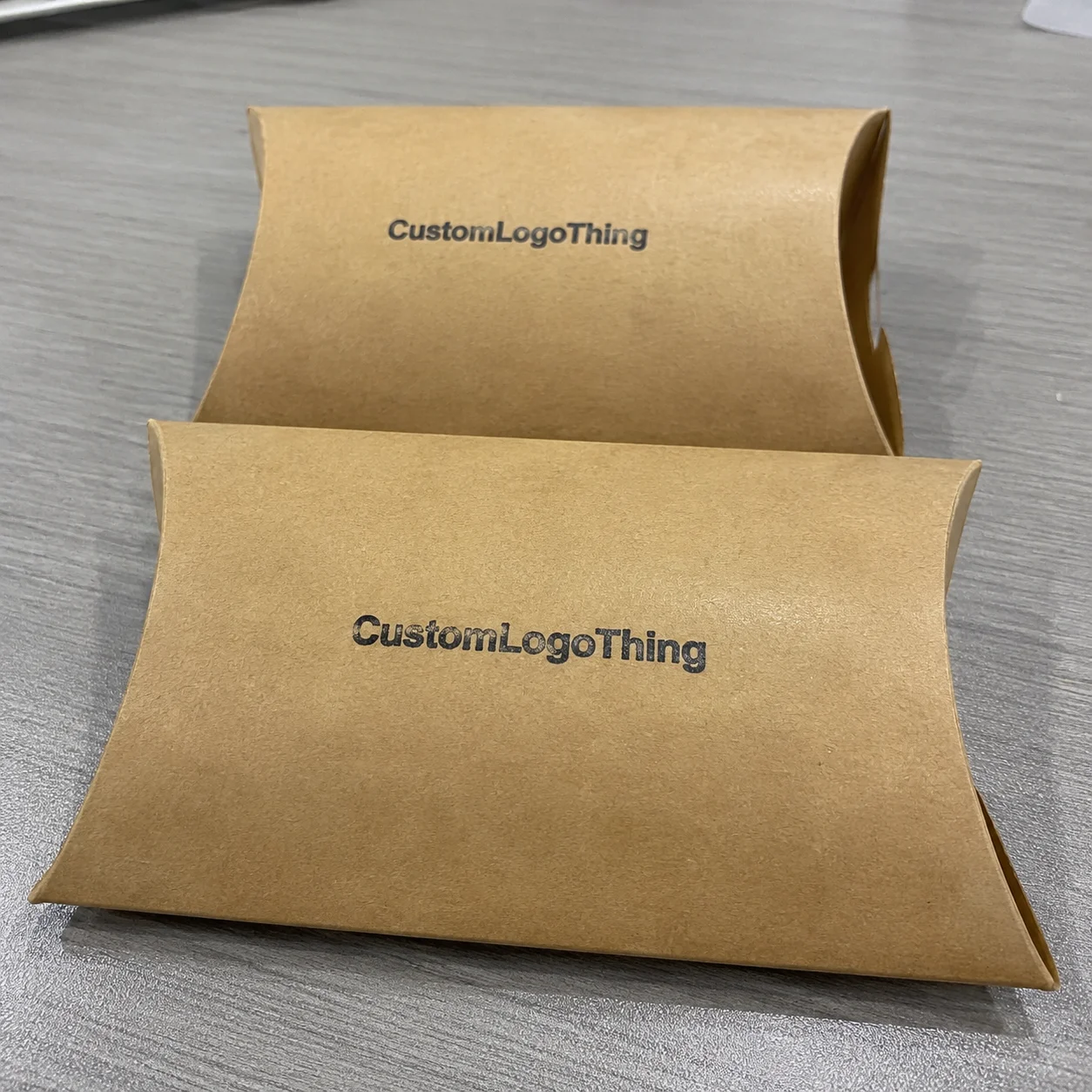
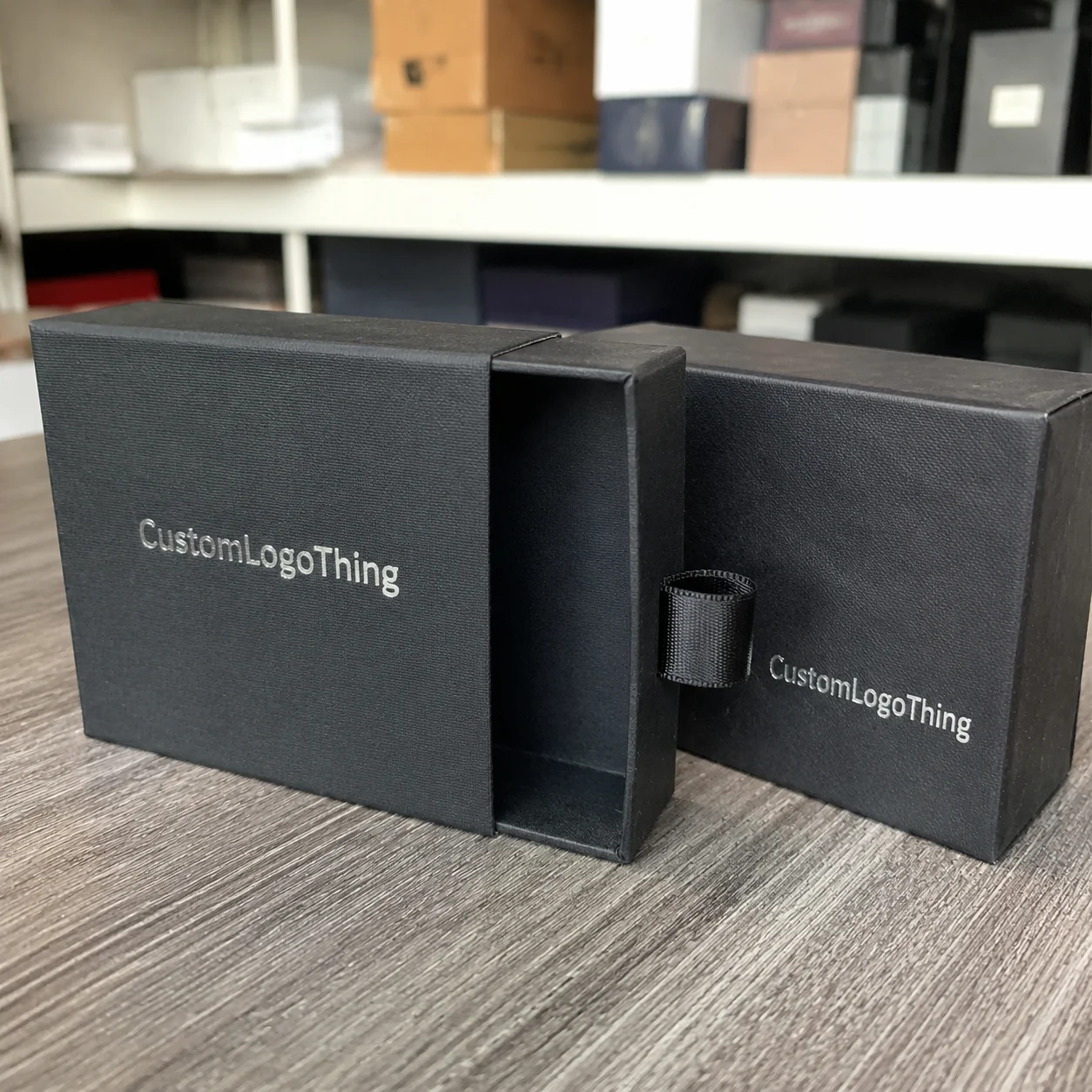
Custom wine boxes wholesale is not a decoration purchase. It is a packaging decision that affects shelf presence, shipping performance, labor, and margin. For a buyer, the box does more than hold a bottle. It shapes the first impression, carries the brand story, and often decides whether the product survives transit without damage.
That matters because wine packaging has to do several jobs at once. A rigid gift box supports presentation. A folding carton helps with retail volume and packing speed. A reinforced mailer protects direct-to-consumer orders. If those jobs get mixed together, the result is usually predictable: broken bottles, awkward assembly, higher freight, or a box that looks good in a mockup and falls apart in the warehouse.
For brands and distributors comparing Custom Printed Boxes, the real question is not whether the packaging looks polished. It is whether the structure fits the channel, bottle format, and order volume without creating problems later.
Why Wine Packaging Sells Before the Bottle Is Touched
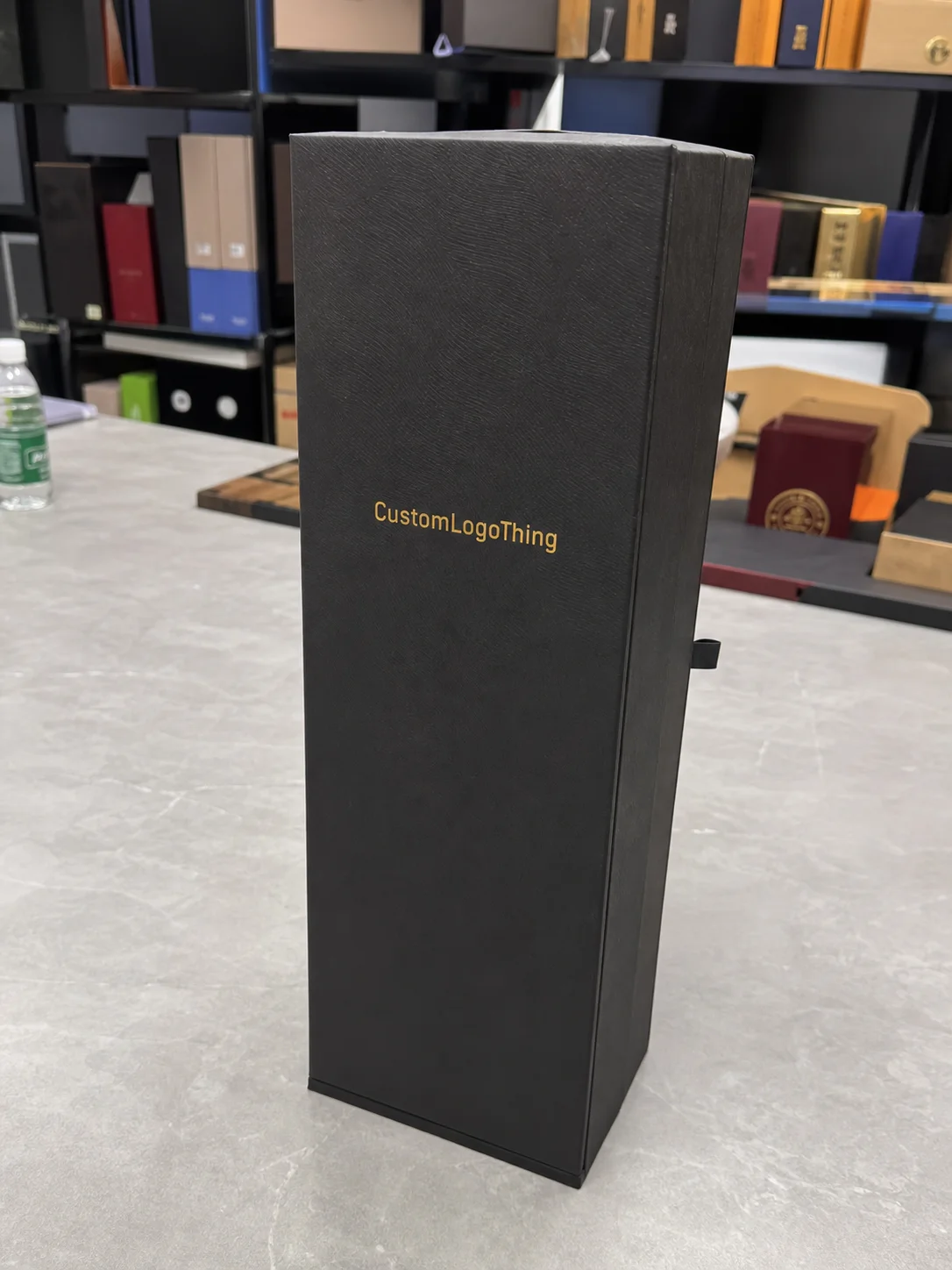
Wine is one of the clearest examples of packaging influencing purchase behavior. The label matters, but the carton often creates the first physical impression. In retail, that can happen from a few feet away on a shelf. In gifting, it happens when the buyer lifts the box. In e-commerce, it happens when the parcel lands on the doorstep intact.
Different box styles solve different business problems. A rigid presentation box is built for perceived value and unboxing. A folding carton is lighter, cheaper to ship, and easier to pack at scale. A ship-ready mailer reduces breakage risk in transit. None of those formats is universally best. The right one depends on whether the order is for shelf display, a tasting room bundle, a subscription shipment, or a holiday gift set.
That point gets overlooked more often than it should. Packaging quality changes how people read the wine inside. A box that feels stiff, closes cleanly, and opens without tearing tells the customer the brand cares about detail. That perception can support a higher price point, especially in retail packaging where competing bottles may look similar on the shelf.
For wine buyers, packaging is part of the product. It is also part of the damage-control strategy and, in many cases, part of the margin strategy.
A simple example makes the tradeoff obvious. A 2-bottle gift set in a rigid box with a molded insert costs more than a basic carton, but it can reduce returns from broken necks, improve the gift experience, and justify a higher retail price. A subscription brand shipping monthly cases may care more about corrugated strength and packing speed than a luxury closure. Same category, different economics.
Good packaging also improves operations. Boxes that assemble quickly, store flat, and stack cleanly on pallets save labor. Buyers often spend time on print finish first. The more useful questions are usually less glamorous: How fast can staff pack it? Will it hold shape after storage? Does it protect the label, shoulder, and neck during handling?
For brands building a broader packaging system, it helps to review a wider range of Custom Packaging Products and keep the wine box aligned with other branded formats. That keeps the look consistent across gift items, sampling kits, and retail SKUs.
Box Styles, Inserts, and Finish Options Buyers Actually Use
Most wine box projects start with style, but the smarter buyers start with function. A rigid magnetic closure box feels premium and suits gift sets. A sleeve-and-tray format gives a clean opening sequence and works well for limited releases. A tuck-end carton is efficient for mass retail. A mailer-ready structure is better when the bottle has to survive carrier handling. The box should match the channel, not just the brand mood board.
Insert choice matters just as much. Molded pulp is a strong option for sustainability-led brands and offers decent shock absorption. EVA foam holds bottles tightly and gives a precise fit, though it is harder to position as eco-friendly. Cardboard dividers are economical and flexible for multi-bottle sets. Custom die-cut inserts give the most control over neck support and bottle spacing, which matters when bottle profiles vary.
Bottle shape changes the layout more than many teams expect. A standard Bordeaux bottle fits differently from a Burgundy or Champagne bottle because shoulder width, body diameter, and neck height are not the same. If the insert is drawn around one profile but the actual bottle has a different shoulder taper, the bottle can rattle, sit too high, or press against the lid. Small structural errors become expensive fast.
Finish choices affect both appearance and price. CMYK printing covers most artwork needs. Pantone matching is the better choice when brand color consistency matters across multiple SKUs. Foil stamping adds a premium accent, but too much foil can make the design look crowded and increase cost. Embossing and debossing work well for logos that should be felt as well as seen. Spot UV can lift a logo or pattern, while soft-touch lamination creates a tactile surface that buyers often associate with higher-end brand packaging.
There is a practical side to finish selection too. Matte surfaces hide scuffs better than high gloss on cartons that are handled often. Gloss can make colors pop, but fingerprints and scratches show sooner. Soft-touch feels expensive, though it can mark if packed badly or rubbed during transport. The right finish depends on how many times the box will be touched before the customer opens it.
Common add-ons include ribbon pulls, window cutouts, magnetic lids, tamper seals, and printed sleeves. Sustainability claims are also showing up more often, especially FSC-certified board or recycled content statements. If that matters to the brief, the claim should be verifiable, not vague. The FSC chain-of-custody model is worth checking before packaging copy is finalized.
For teams running multiple packaging formats in one program, Wholesale Programs can keep specs and pricing aligned across runs instead of restarting the sourcing process every time.
Specifications That Prevent Damage and Rework
Strong packaging projects are usually won or lost on the spec sheet. Before production starts, the buyer should confirm box dimensions, bottle count, board thickness, paper stock, insert material, print coverage, and assembly method. If any of those are assumed instead of confirmed, the order may still run, but it probably will not run well.
One common mistake is underestimating tolerances. A box that is only a few millimeters off can loosen the insert, crush corners, or leave the bottle neck unsupported. That is not cosmetic. It creates rattle, increases transit risk, and can damage labels. On a premium wine SKU, label damage alone can be enough to trigger a complaint or a return.
Material selection matters here. For rigid boxes, buyers often look at greyboard in the 1200-2000 gsm range, wrapped with printed art paper, specialty paper, or laminated stock. Folding cartons usually use paperboard measured by caliper or GSM, depending on the supplier's spec system. Corrugated shippers need the right flute and board grade for the actual distribution path. A display box is not automatically strong enough for parcel delivery.
Shipping method should shape the structure. If the carton will face carrier handling, stacking pressure, and drop risk, the build should be tested like a distribution pack, not treated as a display item. Standards such as ISTA procedures and ASTM D4169 are useful references for buyers who want a real transit test plan instead of guesswork.
That matters even more for direct-to-consumer wine orders. A rigid box can look excellent, but if the outer shipper or insert does not control vertical shock, the cost of replacement bottles can erase the visual advantage. In practice, a slightly less dramatic box with better structural behavior is often the better commercial choice.
Before asking for quotes, buyers should send the details that actually affect structure and cost:
- Bottle dimensions or a sample bottle
- Bottle count per pack
- Preferred box style and closure
- Artwork files in editable format
- Finish preferences, including foil, embossing, or lamination
- Distribution plan, such as retail only, gifting, or mail order
That list looks basic, but it prevents most of the expensive back-and-forth. A packaging supplier can work faster when the bottle height, shoulder shape, and shipping method are known early. If not, the dieline may need to be redrawn after design approval, which resets the project and adds delay.
For projects combining premium branding with functional protection, a structural mockup and pre-production sample are not optional extras. They are the fastest way to verify the box before a larger run starts. That is especially true for custom wine boxes wholesale orders where a new insert or unusual bottle shape is involved.
Custom Wine Boxes Wholesale Pricing, MOQ, and Unit Cost Drivers
Custom wine boxes wholesale pricing is driven by material grade, box style, insert type, print complexity, and order volume. Two boxes that look almost identical on screen can land in very different cost brackets once the structure, finishing steps, and assembly labor are counted. A rigid magnetic box with Custom Foam Inserts will never sit in the same range as a printed folding carton with a paperboard divider.
MOQ follows the same logic. Simple printed cartons usually start lower because they are easier to cut, print, and pack. Rigid boxes, specialty closures, and custom inserts often push the minimum order higher. Buyers Should Ask for multiple breakpoints so they can see where the cost curve actually bends.
The more useful question is not, "What is the cheapest option?" It is, "What happens to unit cost, freight, and storage at 500, 1,000, and 5,000 units?" That comparison usually shows the real value point. Sometimes the lower per-piece price at higher quantity is erased by warehouse space or cash flow pressure. Other times the larger run is clearly better because setup costs are spread across more units.
| Box Type | Typical MOQ | Typical Unit Cost | Best Use | Notes |
|---|---|---|---|---|
| Printed folding carton | 500-1,000 pcs | $0.45-$1.10 | Retail packs, entry-level gifting | Lowest material cost, fast to store and assemble |
| Sleeve and tray box | 1,000 pcs+ | $0.90-$2.10 | Limited releases, premium retail packaging | Good presentation, moderate labor |
| Rigid presentation box | 500-1,000 pcs | $2.20-$5.80 | Gift sets, VIP boxes, branded packaging | Higher perceived value, higher freight volume |
| Rigid box with custom insert | 1,000 pcs+ | $3.00-$7.50 | Multi-bottle sets, premium launches | Insert material and fit testing affect cost |
| Ship-ready mailer | 500 pcs+ | $1.20-$3.40 | Direct-to-consumer, subscription shipping | Protection matters more than decorative finish |
The biggest cost drivers are easy to identify once the quote is broken down. More print colors raise setup complexity. Foil and embossing add press time. Special inserts add tooling and assembly labor. Non-standard sizes increase waste if the sheet layout is inefficient. Glossy coatings and soft-touch lamination also move the price, especially when the box needs multiple decoration steps.
Buyers can control cost without damaging the brand. Standard sizes help. Fewer decoration passes help. Consolidating SKUs into one production run helps. So does choosing one finish that works across multiple bottle labels instead of building a one-off box for every wine. That is where smart packaging design saves money without making the product look cheap.
There is also a difference between unit cost and landed cost. A lower factory price can be misleading if the cartons ship in a bulky format, require more warehouse handling, or need rush freight to meet launch timing. A slightly higher per-piece price can win if the structure packs flatter, ships better, and reduces labor. That comparison is usually more honest than price alone.
For buyers requesting custom wine boxes wholesale quotes, ask for pricing at several volumes and include the actual bottle dimensions. Without that, the supplier is guessing, and the quote will not be reliable.
Process and Timeline From Quote to Delivery
The order flow is straightforward, but it moves fastest when each step is locked in order. The usual sequence is inquiry, spec review, quotation, artwork submission, dieline confirmation, sampling, approval, production, inspection, and shipment. Skip one of those checkpoints and the project usually pays for it later.
Artwork changes are one of the main reasons schedules slip. So are missing bottle samples and vague measurements. A supplier can only confirm fit if the bottle size is clear. A designer can only place type correctly if the dieline is final. If the structure changes after the artwork is approved, the layout often has to be rebuilt from scratch.
Lead time depends on complexity. Simple printed cartons often move faster than rigid boxes with specialty closures, custom inserts, or multi-step decoration. Sampling adds time, but it is usually cheaper than reprinting a bad run. For launches with a fixed date, buyers should build in room for sample review, pre-press corrections, and freight booking.
A practical schedule for a custom wine box project often looks like this:
- Days 1-3: spec collection and quotation
- Days 4-7: dieline review and artwork placement
- Days 8-14: sampling or structural mockup
- Days 15-25: production, depending on style and volume
- Final days: inspection, packing, and freight booking
That is a general range, not a promise. A simple carton project can move faster. A rigid box with foil, embossing, and a custom insert can take longer. Freight method matters too. Ocean freight lowers transport cost but stretches the calendar. Air freight shortens the calendar but raises total spend. The buyer needs to decide whether speed or cost is the priority before production starts.
Quality control should be built into the process, not added as a nice extra. Good checks include dieline verification, color proof review, corner crush inspection, glue-line testing, insert fit checks, and random drop or vibration testing on packed samples. If a supplier cannot explain how those checks are done, the buyer is taking a larger risk than the quote suggests.
For suppliers, documentation quality is a strong signal. Clear dielines, written confirmation of finishing steps, and photo samples reduce ambiguity. In wholesale packaging, ambiguity becomes waste. The better the communication, the lower the chance of getting a carton that looks right but fails during packing or delivery.
From a procurement standpoint, the safest workflow is to approve the structure first, then approve the artwork, then approve the sample. That order prevents expensive revisions. It also keeps the brand team, operations team, and packaging vendor aligned on the same physical box instead of different assumptions.
What Buyers Should Do Before Sending a Quote Request
Before requesting a quote, gather the non-negotiables. Bottle dimensions, bottle count, preferred box style, artwork assets, budget range, and delivery destination are the minimum inputs. If the box is for retail display, gift packaging, subscription fulfillment, or direct shipping, say so early. That one detail changes the structure, material, and cost model.
It also helps to decide what can flex. Maybe the box must remain rigid, but the insert material can change. Maybe the logo finish must stay premium, but the board stock can shift to a more cost-effective grade. Buyers who state their priorities clearly get better quotes because the supplier knows where the tradeoffs are allowed.
For new structures, request a prototype or sample. For repeat orders, ask for the prior dieline and confirmed spec record. That small step reduces rework. It also creates consistency across reorder cycles, which matters when the wine SKU is already in market and packaging variation would look careless.
Here is a simple decision filter that saves time:
- What cannot change?
- What can change if the price is too high?
- What must be preserved for brand consistency?
- What is the acceptable compromise on finish, insert, or board grade?
That is a better buying habit than asking for the most decorated sample first. A decorated sample may be attractive, but it can hide structural problems and inflate the budget before the functional needs are solved.
One more practical point: keep the use case tied to the quote request. A box for a tasting room bundle is not the same as a box for a holiday promotion, and neither is the same as a ship-ready e-commerce pack. The clearer the use case, the more accurate the recommendation. That is where custom wine boxes wholesale becomes a sourcing decision instead of a design gamble.
If the packaging needs to hold up in real use, ask for one sample that reflects the actual bottle, actual insert, and actual finish. Paper samples alone do not tell the whole story. The test has to include the parts that matter in handling: fit, closure, surface durability, and protection during transit.
Send the specifications, ask for the material and MOQ that fit the channel, and compare the quote against the real job the box has to do. That is the only way the numbers mean anything.
What information do I need to quote custom wine boxes wholesale accurately?
Bottle dimensions, bottle count, and box style are the minimum inputs. Add print method, finish, insert type, quantity, and delivery location for a reliable quote. Artwork files and a bottle sample help prevent fit or layout errors.
What is the typical MOQ for wholesale wine boxes?
MOQ depends on structure, print complexity, and material. Printed folding cartons usually start lower than rigid gift Boxes with Custom inserts. Ask for pricing at multiple quantities to see the best value breakpoint.
Which box style is best for shipping wine safely?
Choose a structure with a tight insert and strong outer walls. For ecommerce, ship-ready mailers or reinforced cartons are usually better than purely decorative rigid boxes. A sample test is the safest way to confirm bottle fit and transit performance.
How long does production usually take for custom wine boxes?
Lead time depends on order size, finishing steps, and whether sampling is required. Simpler carton runs are usually faster than rigid boxes with specialty closures or multi-step decoration. Artwork approval delays are one of the most common causes of schedule slips.
Can I order sustainable wine packaging at wholesale quantities?
Yes, many buyers request recycled board, FSC options, or molded pulp inserts. Sustainability claims should match the actual material and print specifications. Confirm the exact recycled content or certification before approving the order.