Buyer Fit Snapshot
| Best fit | design luxury product packaging for packaging buyers comparing material specs, print proof, MOQ, unit cost, freight, and repeat-order risk where brand print, material, artwork control, and repeat-order consistency matter. |
|---|---|
| Quote inputs | Share finished size, material target, print colors, finish, packing count, annual reorder estimate, and delivery region. |
| Proofing check | Approve dieline scale, logo placement, barcode or warning zones, color tolerance, and any recyclable or compostable wording before bulk production. |
| Main risk | Vague material claims, crowded artwork, or missing packing details can create delays even when the unit price looks attractive. |
Fast answer: Design Luxury Product Packaging: Dieline, Finish, Proof, and Buyer Review should be specified like a repeatable production item. The safest quote includes material, print method, finish, artwork proof, carton packing, and reorder notes in one written spec.
What to confirm before approving the packaging proof
Check the product dimensions against the actual filled item, not only the sales mockup. Ask for tolerance on folds, seals, hang holes, label areas, and retail display edges. If the package carries a logo, QR code, warning copy, or legal claim, reserve that space before decorative graphics fill the panel.
How to compare quotes without losing quality
Compare board or film grade, print process, finish, sampling route, tooling charges, carton quantity, and freight assumptions side by side. A lower quote is only useful if the supplier can repeat the same color, closure quality, and packing count on the next order.
The question of how to design luxury product packaging rumbled through my head the morning I jogged past the rail spur at the Custom Logo Things Madison facility, where the perfume house with the purple bottle had just rejected a delivery over gilding misalignment—a choice that made it clear luxury packaging is never just about foil placement but about whether every shine echoes the scent story. I remember when I first saw that bottle get turned away and thought the printer had slipped, but honestly, I think that was the moment I truly understood the stakes (and yes, I may have muttered something about the gilding police being on standby). I was gonna tell the story differently, but the whole crew had already gathered around the press monitor, and it turned into a live lesson on why certifications matter. The purple bottle’s anthem felt like a cautionary tale, because not every facility has the same tolerance, even though every luxury brand expects the miracle to happen instantly. My own notes from that shift—complete with temperature logs, register callouts, and a disclaimer that “results vary by substrate”—still sit in my briefing binder.
Within that same shift, the Montreal chocolate artisans I visit quarterly asked me to record the tensile strength of a specific velvet ribbon, proving how to design luxury product packaging includes obsessing over fibers that will eventually brush trembling fingertips. That ribbon test felt like a therapy session for cotton, and I swear I could hear the chocolatier whisper, “If it doesn’t feel like silk, we start over.” We looped the ribbon through our tensile rig, logged the tearing point, and then kitted a few runners to see how it behaved when someone actually tugged the drawer open—because the sensory story only works when the ribbon doesn’t snap back like a rubber band. We even note which dyes pass the lightfastness checks to stay consistent with the brand’s color palette, so nothing fades mid shelf life. That day reminded me that tactile decisions matter as much as color or structure; if the ribbon can’t keep up, the narrative collapses.
One of the first lessons we give brand teams in the Custom Logo Things briefing room is how to design luxury product packaging differently from standard retail packaging—emphasizing emotional resonance, craftsmanship, and tolerances measured in fractions of a millimeter before any die hits the board. I always include a personal anecdote to keep the team grounded (and because streaks of fancy paint look great in presentation slides but mean nothing if the story isn’t there). We also stress that QA data from the press, like the registration delta and lamination adhesion percentages, have to feel just as heroic as the mood board. This sets expectations early, so when a brand says “luxury,” every group—from marketing to finishing—knows we're referencing measurable specs, not vague adjectives.
All the examples here reflect what I’ve lived through on those shop floors; your exact materials or suppliers might behave differently, so consider these stories blueprints rather than guarantees. I keep a sticky note that reads “trust not just the shine, but the data,” because I’ve learned that even opulent packaging needs a ledger of adhesives, pressures, and QA approvals to prove its worth.
What defines how to design luxury product packaging that feels couture?
Answering that question begins with the same obsession I described earlier: translate scent stories, tactile whispers, and even the faintest audible click of a lid into a blueprint so the resulting box can perform the way the fragrance does—precise, layered, undeniable. How to design luxury product packaging emerges when that emotional map is matched with strict tolerance checks, tooling reviews, and finishing crews who agree to the narrative before the die hits the board, ensuring every hinge, every ribbon loop, and every gilded edge is rehearsed before showtime. We annotate that map with measurable data—adhesive shear strength, closure torque, gilding runouts—so the storyteller knows the numbers just as well as the poet does, otherwise the luxury promise becomes a guess.
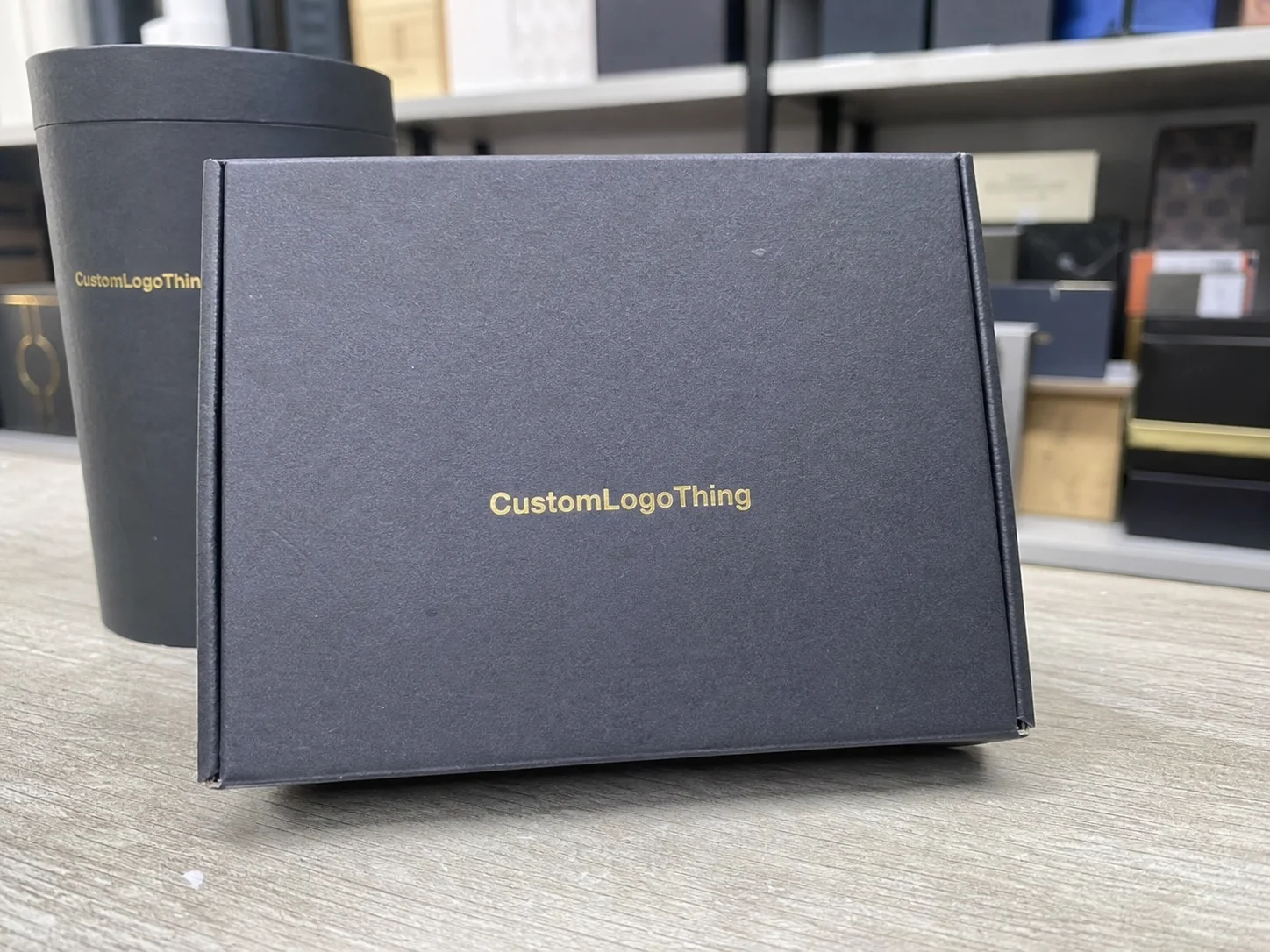
In our premium packaging design lab we treat each sample as evidence: adhesives, embossing, magnetic closures, and smooth closure flaps are cataloged as though prepping for an investigation, while our high-end package design mockups prove that nested layers and hidden compartments behave under pressure. That’s where luxury packaging materials like velvet laminates, metallic foils, and satin ribbon trims earn their place, because we record how each component behaves before committing to the full run. We also log the humidity and workstation conditions for each sample so nothing surprises the binding team halfway through a 10,000-unit run.
Setting the Stage: How to Design Luxury Product Packaging Starts Here
When my team assembled in the Madison touch lab, I told the perfume client that how to design luxury product packaging begins with a story map referencing the brand’s scent trail, a component that drives every structural tweak and material selection. I said, “Tell me the moment someone inhales cedars and sun-dried oranges, and we’ll make the box exhale the same.” I also flagged that story with a quantifiable trigger: the press operator must hold a 0.25-second dwell time at the gilding station so the reflection hits the same note as the citrus burst.
Our first anecdote dates back to that rejected gilded tray: I watched the art director from Paris study the print inspector’s notes on registration bars, and she insisted the gold had to fall “on the breath of the bottle,” so how to design luxury product packaging thrives on emotional specificity, whether the product conveys winter spice or warm citrus. Her insistence was so dramatic that I joked we needed a dramaturge for the finishing crew, but she had a point—the registration callouts were off by a hair, and once corrected the gilded halo aligned with the scent spine. Those are the moments when the emotional note and the engineering note collide, and you have to accept that every finishing adjustment affects the logistic chain.
At the Custom Logo Things Madison facility, the finishing crews demand a narrative before they agree to allocate tooling hours, reinforcing that how to design luxury product packaging requires every team—marketing, structural engineering, finishing, QA—to understand the brand story before we even draft dielines. Honestly, I think that’s why those crews feel like the gatekeepers of glamour; their approvals are the real red carpets. They also track each sample’s sheen, closure torque, and glue travel so nothing wanders from the story once tooling starts.
Another memorable moment came when a boutique chocolate maker in Montreal tested ribbon stiffness ten times before settling, an iteration that reminded me how to design luxury product packaging always includes tactile testing so the ribbon doesn’t betray the decadent experience promised inside. I’m still not over the fact that one ribbon threatened to turn into a runaway streamer every time we breathed near it; after adding weight to the satin, it finally behaved like it belonged in a jewelry boutique rather than a circus act.
I still give new account directors the same directive: the emotional momentum of how to design luxury product packaging is shaped long before press checks, so we pre-qualify finishes, adhesives, and embellishments with sample swatches from our warehouse before we quote the job. It’s frustrating when even a single “nice-to-have” finish sneaks into the brief late because then our carefully built mood board looks like a jigsaw missing a piece. That’s also why I ask them to document the acceptable range for sheen, paper grain direction, and closure effort right up front.
The difference between this premium work and regular retail packaging is enormous; while a standard board might sit at 18-pt, luxury assignments start no lower than a rigid 32-pt SBS and often incorporate featherweight overboards that remain stable in humid climates, which is central to how to design luxury product packaging that stays consistent in transit.
We also analyze moisture content of the board before it hits finishing to avoid warpage, especially when shipping to tropical climates.
How Premium Packaging Works: From Concept to Sample
The detailed process for how to design luxury product packaging kicks off with a voice-of-the-customer session on the Yorkville plant floor, where I sit beside marketing leads while structural engineers translate brand cues into dielines and manuscript-level artwork that respect every fold and adhesive zone. I always bring a thermos of coffee (because clearly, caffeine is mandatory for these marathons), and I remind everyone that even a single missed score line can make the unboxing moment fall flat. We also run through adhesive specs during that session so the engineers can decide between solvent- or water-based glues before tooling hits the board, reducing late-stage surprises.
We then choreograph the enterprise: the finishing suite pairs foil stamping with custom-etched embossing dies, and the Kodak Flexcel plates we create run through our New Jersey facility to achieve the registration that tolerances in upscale cosmetics packaging demand. I say “choreograph” because there’s often more coordination than a ballet rehearsing for opening night. We also time the curing of adhesives to match the embossing run so nothing sticks before it should.
At every step, the pre-production sample loop feels longest because stakeholders want to pet the microfiber panels, test the rigidity of 32-pt SBS board, and see how our embedded magnets respond before signing off, which keeps how to design luxury product packaging firmly tactile. It’s like we’re babysitting a very picky baby that knows exactly what “buttery” should feel like.
Our CAD team in Toronto layers substrate specs, gluing patterns, and assembly labor into one file, ensuring there are no surprises when we move from virtual concept to physical modeling. They’re the ones who keep yelling, “Layers, people, layers!” which is ironic when I do layered storytelling myself.
The loop from concept to sample involves at least three stakeholder approvals, an ISTA-certified drop test on the structural prototype, and a final QA pass on surface treatments such as metallic inks or velvet-touch coatings, grounding how to design luxury product packaging in measurable criteria. I like the drop test because it’s the exact moment people realize how fragile luxe illusions really are. We also share the drop-test data with clients so they understand why we insisted on that extra glue rib and magnetic reinforcement.
This loop also gives us the chance to build out branded packaging reference cards that include color swatches, font specifications, and finishing details—tools we share with clients so everyone knows the answer to how to design luxury product packaging even before production. The cards look like manifestos, and yes, I’m a little proud of them.
While sampling takes time, it also prevents expensive rework. Once, a client insisted on a magnetic closure without testing it on the actual rigid board, and during the QA run the magnets skewed the closing action, reminding us to keep experimentation part of how to design luxury product packaging from the start. I still think about that one whenever I hear “magnet” and “last-minute” in the same sentence.
Key Factors in How to Design Luxury Product Packaging
Material choice sets the tone: a 40-pt SBS rigid board from Sappi paired with soft-touch aqueous finish feels entirely different than laminated chipboard, so when I consult brands, I ask them how they want the unboxing moment to feel before specifying substrates. I often tell them I want to feel like I’m opening a velvet-lined chateau door, not wrestling with cardboard. We also document moisture content and FSC status so the board arrives in the right condition and matches the sustainability story.
Structure mirrors perceived value—clamshell boxes with magnetic closures, nested drawer systems, and hidden compartments reinforce exclusivity. These features raise tooling costs, so we check feasibility with the Greensboro die shop to ensure we stay within budget while still achieving drama. Honestly, I think those die technicians should get medals; they’re the unsung heroes making folds behave.
Surface treatments such as foil stamping, hot stamping, metallic inks, and velvet-touch coatings from our New Jersey finishing line create a sensory hierarchy that can whisper premium even before the product appears, a nuance central to how to design luxury product packaging. (Whispering premium is harder than it sounds.)
Being specific about adhesives is essential. Our procurement team has a checklist that includes solvent-based versus water-based adhesives, tack levels, and curing times, referencing ASTM standards so the bond can withstand the grip of retail packaging displays without yellowing the board. I admit I have quietly argued over whether a glue gun moment deserves a strategic pause. We log adhesive lot numbers so if a varnish or board craps out, we know whether it came from the same batch.
Package branding adds another layer: we embed metallic threads, debossed logos, and soft velvet inner trays into the brief, ensuring each element aligns with the brand’s narrative when customers touch it and say, “Yes, that feels like them.”
For brands prioritizing sustainability, integrating FSC-certified paper, water-based adhesives, or reusable drawstrings helps maintain luxury while meeting the expectations of conscientious shoppers, showing that how to design luxury product packaging also includes responsible sourcing. I genuinely believe that a carefully sourced ribbon tells almost as much of a story as the fragrance inside.
Step-by-Step Guide to Designing Luxury Packaging
The step-by-step exploration of how to design luxury product packaging starts with thorough research: gather competitors’ packs, deconstruct them in the factory, and map every touchpoint that reads premium, from tear tapes to grain direction. I tend to bring a magnifying glass, mostly for dramatic effect, but also because those little details matter more than you’d think. We also benchmark adhesives and finishes so we can match or outperform the competition’s tactile cues.
Next, translate that research into structural sketches and CAD dielines. In Toronto, these files are layered with substrate specs, gluing patterns, and anticipated assembly labor so nothing is left to guesswork, ensuring the manufacturing team knows precisely how the elements will fold. I swear, watching those dielines turn into real boxes is the closest thing we have to magic tricks around here.
Then develop a tactile palette—determine which inks, coatings, ribbons, hardware, or insert materials such as velvet foam will reinforce the story. We prototype quickly with samples from our finishing suite to validate the sensory profile and assembly fit, a necessary move for how to design luxury product packaging that feels memorable. I sometimes joke that we are basically curating a sensory playlist.
Follow a structured review loop: proof, fit sample, color sample, and finally, a pilot run. This schedule keeps everyone aligned and prevents late-stage surprises when supplies like magnetic closures suddenly fluctuate. I’m serious when I say nothing wakes a team up faster than a magnetic hero failing to snap shut.
While prototyping, involve the assembly floor near Charlotte, because their technicians often flag designs with too many snap tabs that slow production or compromise glue lines, illustrating that how to design luxury product packaging also requires practical feedback from those building the boxes. Their input is the kind I take to heart; they’re the ones babysitting the gluing station at 2 a.m.
Throughout this phase, remember that Custom Printed Boxes need precise ink density charts, so we run color calibrations through our Heidelberg presses and involve packaging design experts from the start. It’s a bit like setting the stage for a Broadway debut—every light cue matters.
Once the tactile palette is set, secure a pilot run with a 3,000-unit batch. Doing so locks in the look, feel, and assembly sequence and provides definitive data for how to design luxury product packaging in large volumes. I usually ask the team to treat the pilot like a dress rehearsal—no wig changes allowed afterward.
Final step: document everything—tooling specs, gloss levels, adhesives, assembly instructions—and share it with both marketing and production, ensuring a shared understanding of the premium story before the run hits the floor. I’ve learned that nothing confuses a launch like a missing gloss spec.
Pricing and Cost Considerations for Luxury Packaging
Pricing for how to design luxury product packaging must be transparent. Luxury finishes add dollars, so we break down each element in the quote. At the Greensboro embossing line, a custom debossed logo plus metallic foil can add $0.45–$0.90 per unit depending on plate costs and run lengths. Honestly, I sometimes feel like a budget therapist explaining why every shimmering detail is worth the investment.
Tooling costs—die cutting, embossing dies, and magnetic closures—are amortized across the print run, so discussing volume upfront is critical. A 10,000-unit run spreads costs more attractively than a 1,000-unit pilot, yet pilots still deliver invaluable validation. I’ve seen folks panic over tooling before realizing the math actually works in their favor.
We also flag hidden costs such as specialty adhesives, laminate prep, and custom cushioning inserts. Our procurement team bundles all of these into a detailed budgeting worksheet during early estimation calls, which is especially important when trying to balance extravagance with budget limitations. I always add a note: “Yes, velvet is expensive, but it also makes the unboxing feel like a red-carpet moment.”
To keep clarity, we often use tables. Here’s how we compare options for the same luxury design:
| Feature | Standard Option | Luxury Upgrade | Impact on Unit Cost |
|---|---|---|---|
| Board | 32-pt SBS (baseline) | 40-pt Sappi rigid board | +$0.18 |
| Surface Treatment | Matte aqueous coating | Soft-touch aqueous + foil stamping | +$0.42 |
| Closure | Standard tuck flap | Magnetic flap with hidden tab | +$0.30 |
| Inserts | Standard molded pulp | Velvet foam and ribbon | +$0.55 |
This table reinforces that how to design luxury product packaging involves strategic choices—highlight the upgrades that align with the brand promise and leave room to optimize elsewhere. I often joke that this table is the “choose your own adventure” for luxe builders.
Honesty also plays a role. I tell clients that pricing depends on run length, finish complexity, and material sourcing. Sometimes, we reroute laminates from our Indiana supplier because the first option is out of stock, which I learned after a gilding shortage delayed a fragrance launch in late summer. I’m still waiting for the supplier to forgive me for calling in a panic at 9 p.m.
Where possible, we bundle premium finishes, adhesives, and inserts with logistics planning so our clients know exactly what they are paying for and why those items justify the premium.
Also remember that custom printed boxes with custom varnishes or metallic inks require more press time, which adds to hourly costs. Discussing this upfront helps you understand where your dollars go while still achieving the wow factor.
For brands constrained by budget but committed to luxury, I advise spending more on signature touches—foil logos, embossing, velvet liners—and simplifying secondary details. That way, you still deliver a polished experience without breaking the bank.
Timeline and Process Navigation for Luxury Packaging Projects
The typical timeline for how to design luxury product packaging spans six to eight weeks post-art approval. Week one is dedicated to dieline creation, week two to tooling setup, weeks three and four to printing and finishing, week five to final embellishments, and week six to QA before shipping. I sometimes feel like a conductor counting down beats before a premiere.
We build in buffer weeks to accommodate random audits from regulatory teams or sudden substitutions in foil availability; that gilding shortage I mentioned earlier taught me that flexibility is essential. Frustrating? Sure. But the alternative—rushing and botching a launch—is worse.
Parallel workflows keep the schedule tight: while adhesives cure in the finishing area, logistics can already book freight and warehousing so once QA signs off, the boxes are ready to ship with zero lag.
Our team also tracks process milestones in an online dashboard, so clients know when structural approval is complete, when samples are ready, and when pilot runs finish, which removes guesswork from how to design luxury product packaging. I like to call it the “no surprises” dashboard, though the real fun is when a color swatch finally matches the mood board.
When sourcing special components like magnetic closures or satin ribbons, we start negotiations early. I recall a supplier negotiation outside Greensboro where we secured a steel die deliverable in ten days instead of twenty because we agreed to a small premium and committed to the finish run—something that kept the timeline intact.
Rush timelines require additional labor hours, yet I still advise clients to budget for those extra days rather than scale back the quality of their branded packaging. Trust me, the brand will thank you once the boxes open without a creak.
Common Mistakes When Designing Luxury Product Packaging
One of the most expensive mistakes I’ve seen is skipping tactile prototypes; without feeling the board weight or finish, people approve artwork that looks great on-screen but feels flimsy in hand, which hurts perceived value. I’m guilty of having to chase down clients later and say, “Remember that screen hero? In real life, it flopped.”
Another recurring error is overcomplicating structure without checking assembly feasibility. Our assembly crews outside Charlotte often flag designs with too many snap tabs or intricate pocket folds that slow production and compromise glue lines, a reminder that how to design luxury product packaging should include their input early on. I suggest giving them a veto power; they know how to keep boxes from becoming origami puzzles.
Drifting away from sustainability expectations also damages trust. Luxury shoppers now expect responsible sourcing, so integrate FSC-certified paper, water-based adhesives, or reusable drawstrings, and reference the documentation from FSC International and ASTM standards to maintain transparency. Honestly, I’ve built entire decks around how a traceable ribbon makes a customer feel safer.
Too many clients assume their favorite finish is workable without confirming tolerances; announcements from Packaging.org highlight that metallic inks need precise press pressure, and ignoring this leads to misalignment or cracking. I once saw foil ripple like a bad haircut because we rushed the setup.
Finally, underestimating logistics creates bottlenecks. Without aligning freight, warehousing, and profiling details, even a perfectly designed box can sit in a warehouse waiting for shipping slots, diluting the premium experience. I keep a little sticky note on my desk saying, “Logistics closes the loop,” because I learned that the hard way.
Expert Tips and Actionable Next Steps for Luxury Product Packaging
Partner directly with your packaging vendor early. Invite them into brand conversations so they understand the emotional cues, then ask them to provide multiple structural and finish studies before locking in a direction—this is central to how to design luxury product packaging effectively. I won’t lie, I sometimes feel like a matchmaker connecting ideas with finishing houses.
Develop a “feel board” that documents every tactile and visual component. Take that board to the factory floor so the production team knows exactly which texture, weight, and sheen to aim for, aligning their expectations with the brand intent. I even sneak a bit of humor in the notes (“No scratchy vibes allowed”).
Gather your inspiration, establish desired textures, finalize volume targets, and brief your packaging partners so structural engineers, print specialists, and logistics coordinators can align from Day One—this reinforces how to design luxury product packaging at every decision point. I usually bring a bag of random samples just to spark conversation.
Also, include references to retail packaging successes that made customers pause: embedded metallic threads, velvet inserts, and tactile finishes that deliver sensory cues before the product emerges. These references help the vendor visualize the premium impact you’re chasing.
Before consultations, have product dimensions, volume forecasts, brand-tone references, tactile preferences, and any inspiration samples ready so we can align structural engineering, finishing capabilities, and sourcing strategies from Day One—a practical step in how to design luxury product packaging thoughtfully.
Lastly, plan for at least one pilot run. The data from even 1,000 units prove how adhesives behave, how finishes register, and how the boxes perform on retail shelving. Trust me, nothing ruins a launch like a pilot-less leap into production.
Conclusion and Next Moves
Delivering how to design luxury product packaging demands a blend of storytelling, precision engineering, and methodical sampling so every sensory cue works in concert; with solid research, structural validation, and a vendor partner embedded early, you can deliver branded packaging that truly wows. I’m still surprised how often a carefully chosen ribbon gets more compliments than the product itself.
Start with the core question—what should the unboxing moment feel like—and let every subsequent decision, from material selection to timeline management, echo that answer while keeping sustainability, cost transparency, and measurable standards front and center. I keep this mantra on a sticky note near my monitor; yes, I’m that person.
Here’s your immediate next move: map the desired emotional cues, document the tactile palette (including adhesive specs), organize your pilot run parameters, and share that dossier with marketing, production, and your packaging partner. That shared reference will keep everyone aligned and make the premium story repeatable, measurable, and ready for launch without last-minute surprises.
What materials help when exploring how to design luxury product packaging?
Choose rigid, high GSM boards like 40-pt SBS, pair them with specialty coatings such as soft-touch aqueous or velvet lamination, and explore metallic foils from certified vendors to elevate the tactile experience. Don’t forget to document adhesives and liner options so the materials truly perform during assembly.
How do I balance cost while learning how to design luxury product packaging?
Prioritize signature elements that deliver the highest emotional impact—foil logos, embossing, or velvet inserts—and simplify secondary details; this way you spend dollars where they matter most without inflating the overall budget.
Can I integrate sustainable components while figuring out how to design luxury product packaging?
Absolutely—work with FSC-certified mills, opt for water-based adhesives, and request recyclable laminates; our sustainability coordinators can run carbon-impact comparisons for each substrate and finish option.
How long does the process take when you learn how to design luxury product packaging?
Expect six to eight weeks after art approval, accounting for die creation, print, finishing, QA, and potential buffer for sourcing special components like magnetic closures or custom ribbon.
What should I have ready before consulting experts on how to design luxury product packaging?
Bring your product dimensions, volume forecasts, brand-tone references, tactile preferences, and any inspiration samples so we can align structural engineering, finishing capabilities, and sourcing strategies from Day One.
By keeping these principles in mind and staying in close communication with your production partners, the journey of how to design luxury product packaging becomes a collaborative craft that results in packaging as striking as the product inside.
Related packaging resources
Use these related guides to compare specs, costs, quality checks, and buyer decisions before making the final call.
- Display Boxes Wholesale: Pricing, Specs, and Process
- Custom Rigid Gift Boxes with Logo: A Practical Guide
- Custom Zip Pouches With Logo: Practical Packaging Guide
- Custom Kraft Gift Bags Bulk: Pricing, Specs, and Lead Times