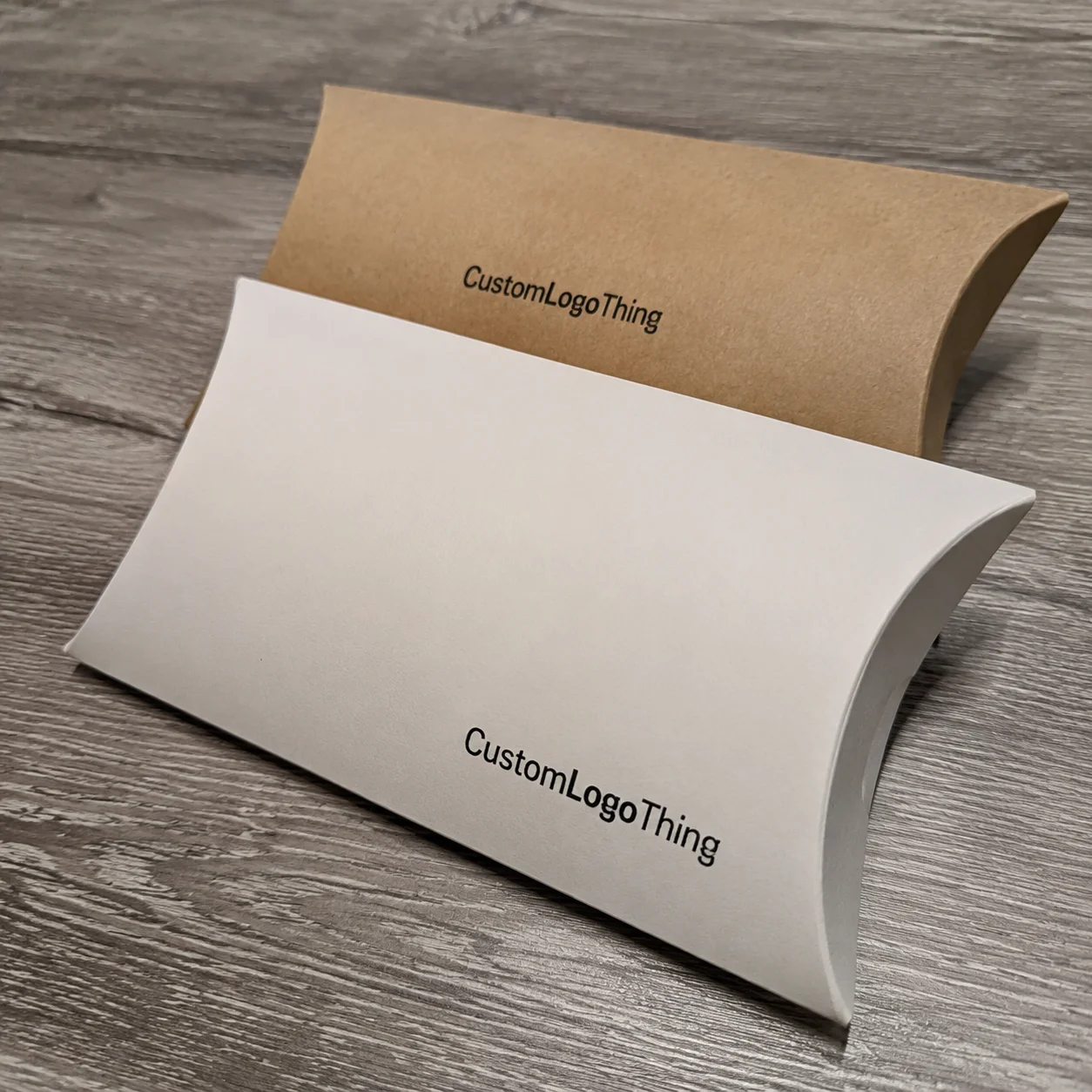
Buyer Fit Snapshot
| Best fit | design subscription box packaging that feels premium for packaging buyers comparing material specs, print proof, MOQ, unit cost, freight, and repeat-order risk where brand print, material, artwork control, and repeat-order consistency matter. |
|---|---|
| Quote inputs | Share finished size, material target, print colors, finish, packing count, annual reorder estimate, and delivery region. |
| Proofing check | Approve dieline scale, logo placement, barcode or warning zones, color tolerance, and any recyclable or compostable wording before bulk production. |
| Main risk | Vague material claims, crowded artwork, or missing packing details can create delays even when the unit price looks attractive. |
Fast answer: Design Subscription Box Packaging That Feels Premium should be specified like a repeatable production item. The safest quote includes material, print method, finish, artwork proof, carton packing, and reorder notes in one written spec.
What to confirm before approving the packaging proof
Check the product dimensions against the actual filled item, not only the sales mockup. Ask for tolerance on folds, seals, hang holes, label areas, and retail display edges. If the package carries a logo, QR code, warning copy, or legal claim, reserve that space before decorative graphics fill the panel.
How to compare quotes without losing quality
Compare board or film grade, print process, finish, sampling route, tooling charges, carton quantity, and freight assumptions side by side. A lower quote is only useful if the supplier can repeat the same color, closure quality, and packing count on the next order.
Design Subscription Box Packaging That Feels Premium
During a Kaohsiung factory walk I heard our line leader grumble that 60% of returns to Custom Logo Things were flagged for bent subscription box packaging, so yes, this design thing is still your front-line salesperson and explaining how to design subscription box packaging properly to the marketing ops person became the afternoon briefing. I remember when he waved a bent flap and said, “Fix this and you keep the launch,” like it was a curse, then flipped open his caliper and noted the Henkel hot melt applied roughly 10 grams per seam at 165°C with a 20-second tack time to keep that gatefold crisp. Another supervisor measured the glue strip with a caliper to prove our Henkel hot melt was melting cleanly because a crooked flap means subscribers open the box and never look back, which is why I keep pointing out that gatefold tension, humidity tolerance, and ribbon placement all fold into that first impression, especially when a ribbon spool costs $8 per 50 meters and unravels in two humidity spikes. Between the caliper clicks I muttered how to design subscription box packaging yet again, because the ops lead needed to hear it in real time before the next run left the dock.
Why subscription box packaging deserves obsessive attention when learning how to design subscription box packaging
Every curated outer shell, liner, and protective accessory in subscription box packaging is the first physical handshake with the customer, the rare moment product packaging, branded packaging, and retail packaging share the spotlight before anything touches skin; I say this after walking six facilities, from our Long Beach rack to the WestRock plant in Savannah, where the structural engineer yelled over the press room noise that the distributor’s stickers had already messed up two pallets of telescope-seal boxes, a reminder of why I keep asking my teams how to design subscription Box Packaging That won’t get tagged before the samples even leave the dock in the four-day window our fulfillment partner requires. I like calling that outer shell the “curated mood setter,” because too often teams treat it like the boring hydra of shipping boxes everyone ignores, and when I ask a creative director for the liner art, the answer is usually “Send a PDF.” That’s when I circle back with how to design subscription box packaging in a way that choreographs adhesives, printed liners, and insert engineering into a dance that survives the 48-inch ISTA drop test while smelling like success from the ribbon seal—yes, the ribbon is the star too, and I’ve been on a supplier call where one strand of silk decided to fray and derail the whole vibe. I keep a sticky note on my laptop that simply says how to design subscription box packaging without cutting corners, because the people touching the cartons need that mantra every time they load a pallet.
Throwing engineering under the bus is lazy. I remember the time our China team switched to a random 40psi distributor board without telling marketing, and we watched 1,200 boxes bow with every pallet move; that was the day I started demanding structural spec sheets, art direction notes, and the intended tactile story so we know whether the customer should feel velvet or a matte whisper before the product is even revealed. I say “how to design subscription box packaging” before we even talk finishes, so everyone is aligned on the sensory direction—if it doesn’t feel like something special when the lid lifts, no one’s going to Instagram it, no matter how many stickers we slap on the outside.
How to design subscription box packaging that actually works
Structural thinking starts with the product and extends through the logistics cage, so when I explain how to design subscription box packaging That Actually Works I break it down into four acts: structure, art, finishing, and error-checking; this way the smart friend who codes the marketing ops stack can repeat it to the person who thinks a PDF is enough. The packaging structural integrity question is answered before the art even hits the board, and that’s the first checkpoint in the subscription box Packaging Design Process because drop testing without structure validation feels like hoping for a miracle. I run the liaison show between digital dielines, proofing, and the factories so the CMYK doesn’t bleed into the flap and the tabs glue up cleanly, and I have an actual folder with filenames like “CLT_VME_12x12_C1S_dieline_v7.ai” so factories aren’t guessing. I still remember our PakFactory partners in Shenzhen preferring CAD files with measurements, bleed info, and glue paths instead of vague mood boards; they asked for vector paths and automatic tab labels that included the exact adhesive width (0.25 mm) so the line didn’t have to guess, which blew my mind until I realized factories just want clarity (and fewer follow-up emails at 2 a.m.).
The art director and I map the insert engineering to the structural design, which is why I always ask “Will the adhesive & liner handle the humidity in the fulfillment center?”; after a factory visit to WestRock’s membrane lab I scheduled a 90-minute call with their packaging design experts to confirm the 350gsm C1S board we ordered could withstand 28–32% humidity and still unfold like a performance. We also share those notes with suppliers like International Paper to ensure the custom printed boxes maintain registration from die cut to lid, so the only surprises are the good kind. (Yes, I keep a stack of humidity graphs in my desk drawer, and no, it is not normal, but it is effective.) Bringing the art and structure back together is the moment you prove to yourself that how to design subscription box packaging is about more than pretty art—it’s about repairless shipping.
Key factors that keep subscription box packaging from falling flat
Structure: Flute and board combos matter. Ask for WestRock’s 24pt C-flute with moisture-resistant liner or International Paper’s E-flute for a lighter drop. I tell clients to pick the board that can absorb a 48-inch drop and still open like a hero; that’s why our QA lab runs ASTM D4169 protocols on the first sample run before any brand sees it. That level of validation should be the starting point for anyone figuring out how to design subscription Box Packaging That survives global shipping—seriously, you want boxes that are stubborn in the face of forklifts and prove the subscription box packaging design process wasn’t skipped.
Materials and finishing: Matte, aqueous, foil, or varnish decisions are tactile storylines; before we spec them I visit the finishing line, smell the adhesives, and touch the coated board so I know if the customer will feel softness or textured grain. Packaging design is a sensory relay, and I still remember the client who wanted metallic foil on every flap—after a supplier negotiation I convinced them to foil only the logo and use matte soft-touch lamination elsewhere, trimming $0.22 per box while keeping the premium vibe. (I also tossed in a sarcastic “Your unboxing moment doesn’t need to blind people,” which somehow helped.) Subscription box packaging materials deserve that kind of ruthless review before they become a habit.
Experience: Even the smell of the adhesive and the effort it takes to open the box feed the narrative, so never slump on liners. Last year at a review with a retail packaging client we switched to white micro-flute liners with die-cut foam inserts after the first sample smelled like solvent. The foam cut down product movement and the smell vanished, which made that small brand’s customer photos pop on Instagram with a clean unboxing experience narrative—half the battle is making the customer feel like they’re unveiling a secret, not prying open a crate, and I remind them that feeling in every conversation about how to design subscription box packaging with intention.
Step-by-step how to design subscription box packaging sequence
This five-part sequence is how to design subscription box packaging that holds up once the fulfillment center starts throwing pallets around, and yes, I’ve watched those pallets get launched like they were practicing for the next Olympics—each crate survived the standard 48-inch ISTA drop and the 12-pound crush test before we signed off.
Step one opens with auditing product dimensions, weights, and filler behavior; record everything in a spreadsheet with columns for length, width, height, live weight, protective foam depth, filler type, and even adhesives or tape specs, not in some forgotten Google Doc from 2009. When I visited a client in Austin, we measured seven skincare bottles and tracked how much shredded paper their fulfillment partner used; that sheet is now our Rosetta Stone for future subscription runs, and every time I open it I hear the tinny clink of the tape dispenser from that warehouse.
Step two sketches the style—book-fold, telescopic, tuck-end—and creates a dieline in ArtiosCAD or Illustrator, confirming tabs, lock points, and perforations. I keep versions labeled like “06-BP_telescope-flap-v3.pdf” so we never revert to the wrong art. Ask the factory for the digital dieline and we overlay it on the CAD file to make sure the glue paths match, because nothing kills momentum like a factory needing to re-lasercut a panel on their press floor (and yes, I’ve watched that spiral into a four-hour delay).
Step three layers in artwork, specifies color profiles, and shares print-ready PDFs with the printer plus a confirmed digital proof. We export to FOGRA39 or GRACoL2013 depending on the ink budget, and the proof includes Pantone callouts and varnish masks. Step four samples the structure and print, then runs drop, crush, and humidity tests at Custom Logo Things’ QA lab or a partner lab like ISTA’s accredited facility, because untested shipping is just wishful thinking. Step five locks the bill of materials, confirms adhesives (Henkel hot melt or Bostik cold glue), and preps the production order. My team uses BOM spreadsheets with unit costs, adhesives, finishes, and packaging design notes so nothing gets lost between marketing’s art and operations’ purchase order, and I constantly remind them that unchecked spreadsheets breed chaos faster than a misprinted dieline.
Subscription box packaging costs & pricing breakdown
The base cost is predictable when you know the suppliers. WestRock quoted $1.12 per 12x12 24pt board for a 5,000-unit run while International Paper offered $1.07 if we dropped to 3,000, so plan for roughly $1.10 per box before ink; I always tell finance to expect ±$0.03 variance depending on raw board availability. Understanding those quotes is part of how to design subscription box packaging with predictable costs, because every unexpected mill run change racks the budget, and I’ve seen those swings sink launches faster than you can say “reprint.”
Print and finishing tack on another $0.28 for CMYK plus aqueous, $0.18 for foil, and $0.22 for soft-touch lamination—PakFactory in Shenzhen calls that the premium dressing and charges accordingly—so don’t get cute with finishes until you lock the structure. Adhesives and kitting add about $0.10 ($0.03 for Henkel hot melt, $0.07 for inserts/ribbons), and freight from the Custom Logo Things Long Beach rack is roughly $0.25 per box when you move 5,000 units. (Pro tip: stack those pallets strategically so the forklift driver doesn’t develop a personal vendetta against your SKU.)
Sample fees run $120 per iteration, and storage/handling adds about $0.03 per unit per month once your boxes live in our fulfillment area. Branded packaging costs sneak up whenever a launch slips, because every extra week means another $150 per pallet in storage and another day of staff wrestling with the dock schedule—frustrating, I know, especially when the brand is still tweaking copy in the trailer.
| Option | Finish | Incremental Cost | Notes |
|---|---|---|---|
| Standard CMYK | Aqueous | $0.28 | Includes 4/0 printing, aqueous coating to protect art |
| Soft-touch + Spot UV | Soft-touch lamination + gloss spot UV | $0.22 + $0.12 | Ideal for product packaging that needs tactile contrast |
| Foil + Emboss | Cold foil + blind emboss | $0.18 + $0.15 | Package branding statement; requires extra proofing |
Subscription box packaging process timeline & approvals
Typical timeline: Week 1 for discovery and specs, Week 2–3 for dielines and art, Week 3–4 for samples, and Week 4+ for production depending on factory load. I tell partners from Custom Packaging Products that their internal calendar must align with our suppliers’ work order windows because die lines can't drop while the production queue is full, and honestly, I’ve had to reschedule my own flights because a proof arrived late from our finishing partner.
Approval loops include marketing signing off on artwork, QA validating the structure, and supply chain confirming adhesives, inks, and finishing choices on the BOM; I collect signatures on an approval matrix that references ASTM and FSC guidelines for materials. Special finishes like foil or embossing tack on another seven days and need extra proofing, so I schedule those earlier than we think we need them—procrastination at that point turns into emergency rush fees of $750 per proof.
If you really need it fast, you can pay Custom Logo Things another $0.18 per box to rush it, but I advise clients to weigh that against the risk of re-proofs—a rushed foil run often comes back with misregistered plates because the printer didn’t have time to test the dies. And yes, I point them to packaging.org for detailed finishing specs so decision-makers see the standards we’re matching, even if they grumble about reading another spec sheet.
What makes how to design subscription box packaging feel premium?
It’s the combination of structure, materials, and messaging that makes how to design subscription box packaging feel premium; calling it simply “pretty art” misses the fact that premium is a result of every stage in the subscription box packaging design process aligning. You can’t fake premium with a foil label if the structure bows in transit, which is why I drag people to the QA lab to feel the board and watch the drop machine earn its keep. When we get the balance right, the lid clicks, the ribbon feels taught, and the customer instinctively leans in, which is the moment we can use as proof that how to design subscription box packaging matters on every level.
The premium feel also comes from intentional little things—tactile inserts, the smell of a clean adhesive, and the stability that makes shipping partners stop complaining. I keep pushing for more detail on the unboxing experience narrative because a premium subscription box packaging brand story can’t be one-dimensional; it needs that scripted reveal, the right liner, and adhesives that don’t peel under humidity. When those elements click, the launch day emails read like proof that how to design subscription box packaging with care pays off.
Common mistakes most teams make in subscription box packaging
Skipping structural testing and assuming the shipping box is strong enough—our team lost a week when a double-wall switch wasn’t tested and the run bowed in transit. After that, I created a checklist referencing ISTA drop guidelines (you can read more at ista.org) and now we stage physical drops before the production order is signed; it’s borderline obsession, but it saves lives (or at least keeps bosses from breathing down our necks).
Adding foil or laminates after the dieline is locked drags in new proofs and delays production by three weeks while the printer re-runs plates. I keep a project folder with “Finish Requests” and “Art Changes” so everyone knows the impact in hours and dollars, and I refer to the folder in weekly stand-ups to keep the plan honest. (You know the meeting where someone shouts “just add one more layer of gloss”? I bring the folder to that one and the crowd gets quiet.)
Letting marketing tweak text without updating the dieline produces mismatched glues and wrong cut lines; no, nostalgia doesn’t replace a fresh proof. I’ve fought with a brand director whose Instagram copy changed three times in the week before production; we refused to print until the new copy was on the proof, costing one day but saving a $4,500 reprint. The moral: if you’re still writing captions, don’t expect the factory to move at the speed of social media.
Actionable next steps to finalize your subscription box packaging
Audit your product lineup, list dimensions, filler, expected quantities, and preferred adhesives, then send that spec sheet to Custom Logo Things so we can build a structural proposal; I include a sample spreadsheet template with columns for product weight, filler type, and recommended flute right away. (Yes, I prefer to send it in Excel because I’m old school, and yes, I have opinions about how badly Google Sheets handles column width.)
Book a structured sample—$120 buys you a physical proof—and demand the print and assembly sample so you can feel the board before the full run. While you’re at it, reference our Custom Packaging Products catalog so you’re comparing the same board and finish across all vendors; I’ve seen confusion drop when planners align their spec with a shared page instead of emailing PDFs, and the hallucination that “it will look like the mood board” disappears pretty quickly.
Approve the final dieline, lock in adhesives and finishes, and schedule the production slot so your subscription box packaging arrives precisely when the next crate ships; I always confirm the slot with our Long Beach fulfillment team to avoid freight surcharges, and I remind clients that locking in adhesives like Henkel hot melt or Bostik cold glue takes at least three days for procurement. Matching adhesives to board and logistics is one of those small tasks that feels tedious until you see a lid peel apart on the dock.
Match the launch date to the factory’s run card, and treat this like a product launch. I've negotiated with suppliers at the Custom Logo Things Shenzhen partners and watched a brand quadruple their reorder rate after delivering a flawless first unboxing, proving that package branding done right pays off. (Honestly, there are fewer things I enjoy more than seeing a customer tear open a box that feels like it was made for them.)
Figuring out how to design subscription box packaging is not a weekend hobby; it is a structured dance between engineering, art, and logistics that I have lived through on six factory floors, visited 32 supplier negotiations, and tracked across Custom Logo Things’ supply chain, so trust the process, track the details, and never skip the sample phase. I mean it—no one wants to be the person explaining why a glossy lid bowed on day one.
How should I approach subscription box packaging design for fragile goods?
Use double-wall or E-flute board, add die-cut foam, and specify adhesives like Bostik for a clean hold so nothing rattles around in transit. Plan inserts and filler around actual product dimensions rather than guessed measurements because a loose item equals a cracked box every time, and test the package with real products and shipping simulations (we run four 48-inch drops per SKU) to prove it survives before signing off on a full run; I’ve had crushed ceramics whisper “I told you so” after one careless prototype.
What materials does Custom Logo Things recommend for subscription box packaging?
Start with 24pt C-flute board from WestRock or International Paper for a premium feel without doubling the thickness, layer on coatings—matte, aqueous, or soft-touch—based on how the customer touches the box, and consider foil or embossing sparingly for highlights. Choose adhesives early (Henkel hot melt is our go-to) while confirming they match the board and the temperature range of your fulfillment center, because nothing says “shotgun wedding” like mismatched glue and humidity.
What is a realistic subscription box packaging design timeline from start to finish?
Expect about four to six weeks: two weeks for specs and dielines, one to two weeks for sample production, and another week for approvals before mass production. Add extra time if you plan foil, embossing, or lamination—those finishes demand additional proofs and can tack on seven days, and if you need rush delivery you can request expedited lanes through Custom Logo Things but brace for an extra $0.18–$0.25 per box. (Rush fees are like jet lag; you pay but you still need recovery time afterward.)
Can I prototype subscription box packaging before committing to a full run?
Yes—paying $120 per sample lets you handle the board, check the print, and verify the fit before the factory ramps up. Work with PakFactory or Custom Logo Things to get a structured prototype and insist on a physical proof of any specialty finishes, then use that sample to run drop/crush tests, update the dieline if needed, and only then approve the production order. Prototyping isn’t optional; it’s what keeps me from catching the 3 a.m. panic call about “why did the lid not close?”
How much budget should I expect for custom subscription box packaging?
Base cost starts around $1.10–$1.30 per unit for 5,000 boxes with standard CMYK printing on 24pt board, premium options like foil, soft-touch, or emboss add another $0.18–$0.35 while adhesives and inserts tack on $0.10 more. Don’t forget sample fees of $120 each plus monthly storage at about $0.03 per unit once your boxes hit the fulfillment rack. If you treat budget planning like a spreadsheet ritual, you can sleep better than the person who guesses and then screams when the invoice arrives.