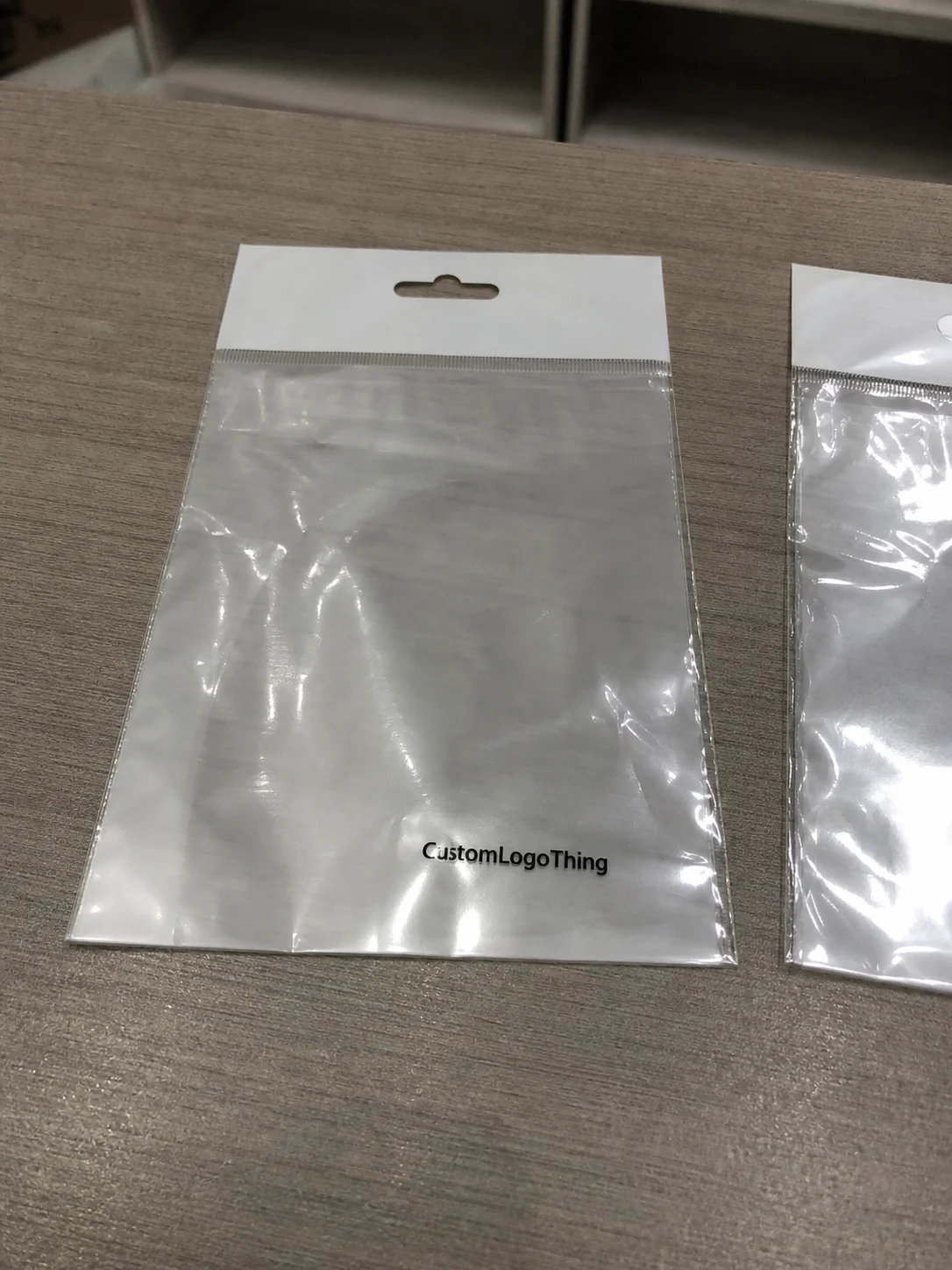
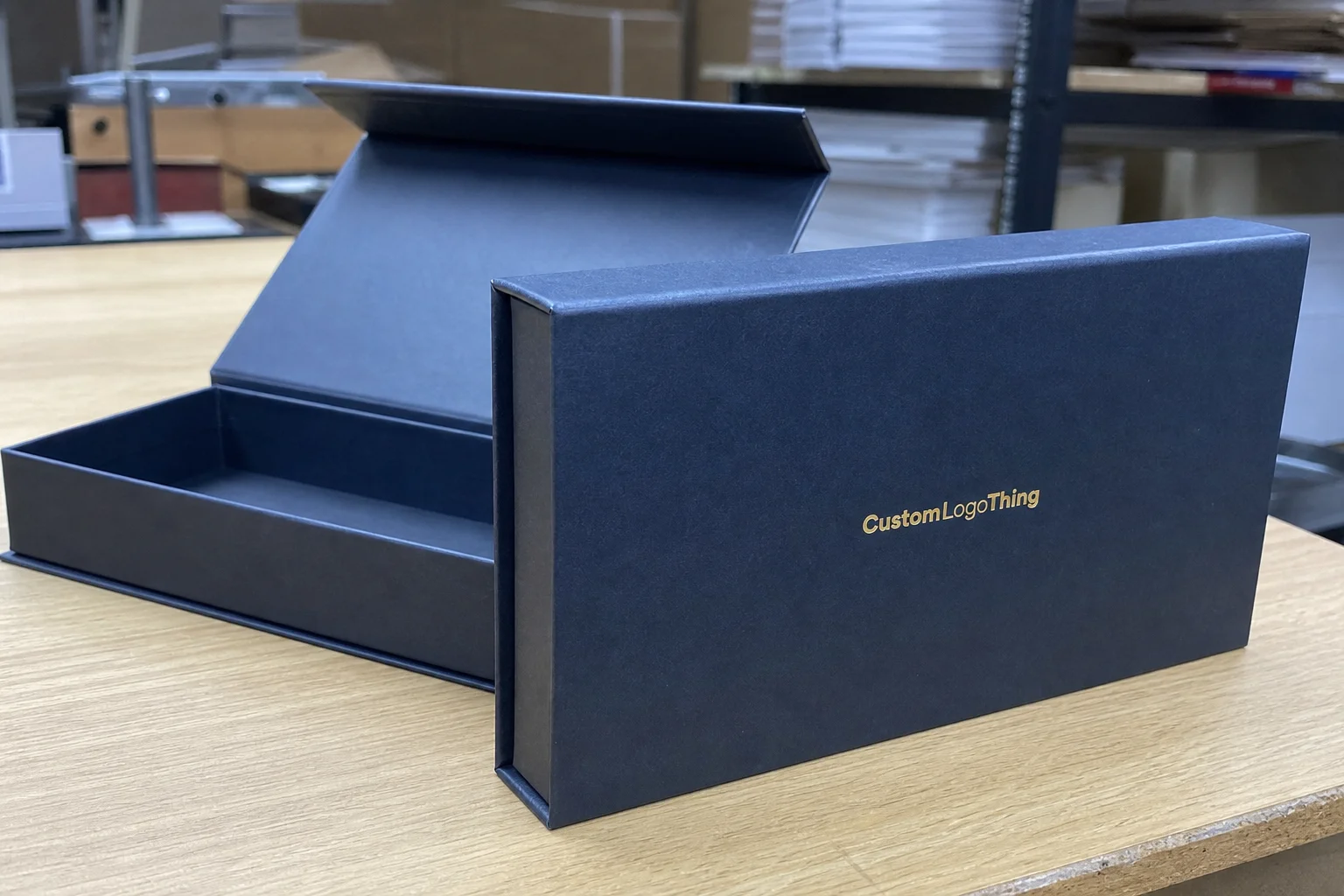
For subscription brands, Hang Tags Unit Cost for subscription brands is not a minor line item. It repeats with every replenishment, every seasonal refresh, every membership tier. Save two cents per tag and the number looks harmless; save that across 20,000 or 50,000 units a year, and it starts acting like a real budget lever.
Hang tags do more than identify a product. They shape the unboxing moment, support gifting, carry care details, and help the package feel intentional rather than assembled in a rush. The trap is that premium appearance is easy to spec on paper and harder to sustain at scale. Margin disappears in the repetition, not the first sample.
That is why experienced buyers watch unit cost instead of admiring the headline quote. A low quote can hide setup fees, extra proof cycles, or reprint risk. Better specs can actually lower true cost if they reduce waste, simplify reorders, and hold the same look across every shipment. For recurring programs, consistency usually beats one-time flash.
Subscription packaging that looks premium without burning margin
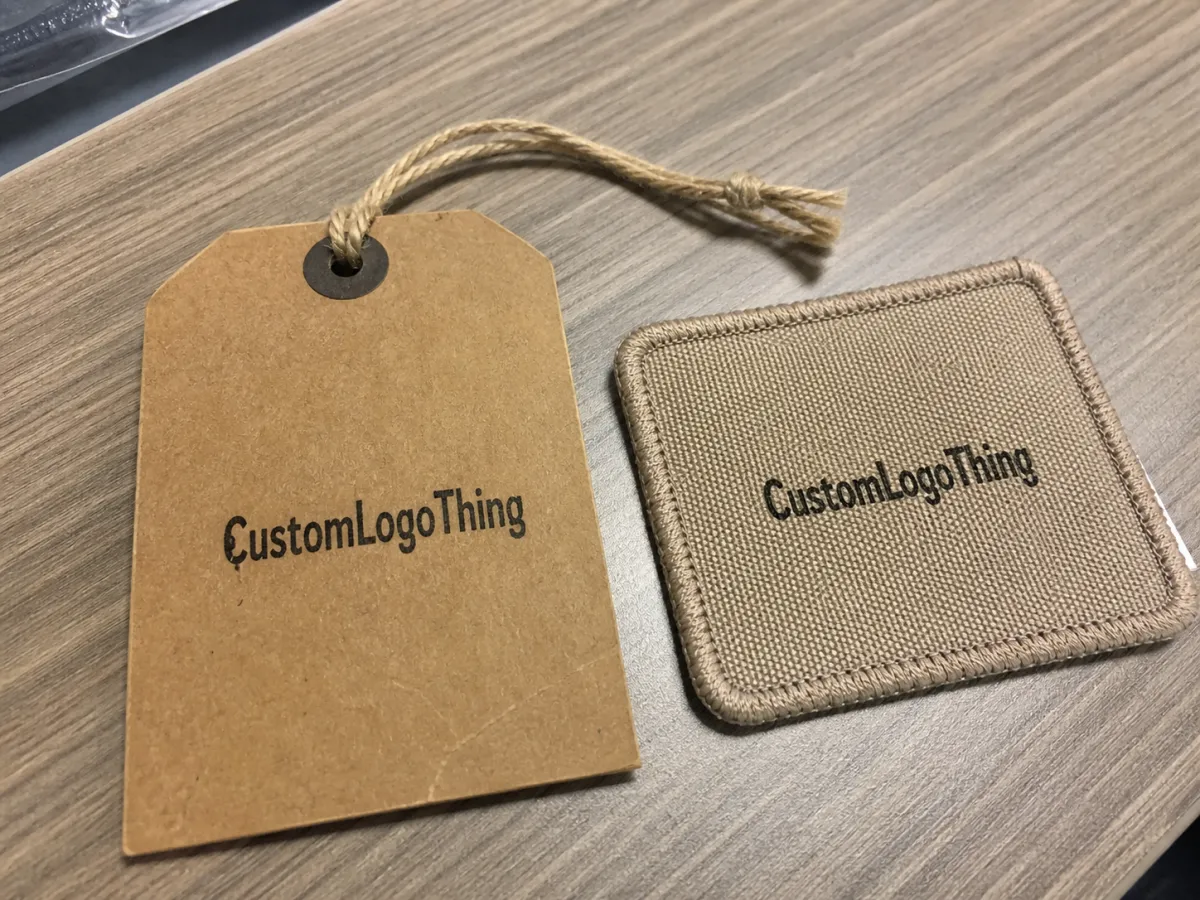
Subscription packaging follows a different financial logic than a one-off retail launch. You are not buying once and moving on. You are buying in cycles, often against forecasted fulfillment windows, membership upgrades, and periodic campaigns. That makes Hang Tags Unit Cost for subscription brands a recurring operating number, not a decorative expense.
A small tag can carry a surprising amount of work. It may communicate brand identity, explain a product variant, hold a QR code, or turn an ordinary shipment into something that feels giftable. A common buyer mistake is over-specifying the tag so it has to do everything at once. Often a crisp layout, reliable stock, and accurate print finish the job more effectively than a stack of extras.
“If the tag only needs to survive unboxing, don’t spec it like it belongs on outdoor gear.”
The right goal is not the lowest quote in isolation. It is the best cost per piece for the look and function you actually need. That means evaluating stock, print method, finish, and attachment method together, especially if the same tag will be reordered monthly or quarterly. A tag for a VIP anniversary box is not the same job as one used in every shipment.
For buyers comparing Custom Labels & Tags or reviewing past Case Studies, the useful question is simple: what spec gives the brand feel without creating avoidable cost later? If that answer changes every quarter, your pricing will shift too. That is normal. What is not normal is pretending a premium finish is “cheap” because the first quote looked manageable.
Sustainability can also change cost, sometimes more than brands expect. FSC-certified stock, recycled paper, and lower ink coverage can support both positioning and procurement requirements. If sustainability claims matter to your audience, verify them carefully rather than treating them as a design flourish. FSC is a chain-of-custody standard, not a visual style. More on the standard is available at fsc.org.
Hang tag formats and print specs that change the final unit cost
Format drives price faster than many buyers expect. A single-sided hang tag is usually the lowest-cost option because it uses less ink, fewer production steps, and simpler finishing. Double-sided tags add space for care details, QR codes, or SKU information, but they also add press time and inspection time. Folded tags give even more room, though they increase assembly and trimming complexity.
Die-cut shapes look custom, and sometimes that is exactly the point. But they also bring tooling fees and more cutting time. For recurring subscription shipments, standard rectangles and rounded corners often deliver the best economics because they are easier to reorder and harder to mess up. If the tag ships every month, the boring shape can be the smartest shape.
| Format | Typical use | Relative unit cost | Buyer tradeoff |
|---|---|---|---|
| Single-sided, standard size | Basic branding and SKU ID | Lowest | Less space, easiest to reorder |
| Double-sided | Brand story, care info, QR code | Low to medium | More function, slightly higher print cost |
| Folded | Premium presentation, more copy | Medium | More labor and more room for error |
| Die-cut custom shape | Distinctive branding | Medium to high | Tooling fees and longer setup |
| Reinforced hole-punch | Heavier stock or premium feel | Higher | Better durability, extra processing |
Stock choice matters just as much. Uncoated kraft gives a natural, tactile look and often suits eco-focused brands. Coated art paper prints sharper details and richer color, which helps when the tag uses photography, fine lines, or tight logos. Recycled stock usually sits in the middle of the cost range, though brightness and fiber content still move the needle. Textured papers and soft-touch stocks can look strong, but they are less forgiving during printing and handling, which can raise spoilage and press adjustment time.
For subscription tags, the most useful material bands are usually these:
- Uncoated kraft or recycled board: good for earthy branding and lower ink coverage
- Coated art paper or C1S artboard: better for sharp branding and cleaner color reproduction
- Textured or soft-touch stock: suitable for premium positioning, but only if the tag justifies the extra spend
Finishes are where unit cost can start climbing quickly. Foil stamping, embossing, debossing, and spot UV all add visual punch, but they also add setup complexity. A foil logo on a 10,000-piece run may be reasonable. A foil-heavy layout on a short run can make the unit cost awkward for a subscription box that ships every month. In many cases, a matte lamination and a simple print layout deliver most of the visual lift at a lower cost. That is not glamorous. It is procurement.
For packaging that needs to survive bundled handling or insert placement, construction matters too. If tags are packed flat, inserted in kits, or shipped in mixed cartons, buyers should care about scuff resistance, hole strength, and count accuracy. Standards such as ASTM and ISTA are more often discussed for broader packaging systems, but they still help frame the level of handling a tag may face in transit. More on shipping standards is available at ista.org.
Design choices that affect hang tags unit cost for subscription brands
Design affects cost before ink ever reaches paper. Size is the first lever. A 2 x 3.5 inch tag may cover the need with minimal waste, while an oversized tag can increase stock usage and trim waste. If the tag only needs a short message and a QR code, there is no reason to build a billboard. Large formats make sense only when the copy actually needs the space.
Shape is the second lever. Straight-edge cuts are usually cheaper than intricate die-cuts. Rounded corners are a small upgrade and often worth the extra cost because they reduce edge wear and still look polished. The more custom the cut, the more likely tooling fees and longer setup will show up in the quote.
Color count matters as well. Fewer colors usually mean less print complexity and fewer chances for reorders to drift. A clean two-color tag can outperform a crowded four-color design if the typography and spacing are disciplined. Subscription brands often update messaging seasonally, so a simpler layout makes those changes easier and helps keep Hang Tags Unit Cost for subscription brands from creeping upward.
One of the fastest ways to inflate cost is to redesign the tag every cycle. A new SKU, tier, or seasonal message can trigger new proofing, file checks, and sometimes new plates or fresh file prep. If the core structure stays the same, though, a template system makes far more sense than reworking the layout from scratch. Variable data printing can handle names, batch codes, membership tiers, and QR codes, but it works best when the base design remains stable.
Attachment method is another quiet cost driver. String, ribbon, elastic loop, and pre-threaded assembly all influence labor. A pre-assembled tag may save time on the buyer’s side, but it can increase packing cost at the supplier’s end. For a high-volume subscription program, a flat-packed format is often more efficient if the warehouse team can handle attachment in-house. For smaller teams working against tight fulfillment windows, pre-assembly may be worth the extra spend.
Common design mistakes that raise cost:
- Using too many finish effects on one tag
- Choosing a custom shape when a standard shape works
- Forcing tiny text that causes proof corrections
- Changing artwork too often between subscription drops
- Specifying premium materials for a tag that gets discarded immediately
The most expensive tags are not always the prettiest. They are the ones that trigger revisions, extra proofing, or waste during production. Clean files save money. That is not exciting, but it is reliable.
Unit cost, MOQ, and quote factors that buyers should compare
When buyers ask about hang tags unit cost for subscription brands, the answer usually starts with five variables: quantity, stock, print method, finishing, and packing format. If one quote is based on 5,000 pieces and another on 20,000, the lower-looking number may not actually be cheaper. Bulk pricing rewards scale, but setup charges can flatten the savings if the run is too small or too finish-heavy.
As a rough check, not a promise, these ranges are common:
- Standard single- or double-sided tags: often around $0.08-$0.25 per unit at 5,000+ pieces
- Premium finishes or custom shapes: often around $0.20-$0.60 per unit depending on complexity
- Short runs with specialty finishing: can climb above that quickly because setup fees get spread across fewer pieces
MOQ matters because the lowest entry point is not always the best fit for operations. Digital printing supports smaller quantities and faster design changes, which helps brands testing new tiers or seasonal messages. Offset printing usually favors larger runs and delivers better economics at volume. If a subscription schedule requires monthly refreshes, a slightly higher MOQ may still be smarter than issuing small emergency orders every few weeks.
Compare quotes like a buyer, not like a guesser. Confirm whether the price includes artwork checks, dieline creation, tooling fees, strings, packing, and freight. A quote that looks 15% cheaper can become more expensive after add-ons are attached. The extra costs are usually hiding in the same few places: setup, labor, and shipping.
| Quote item | Why it matters | Ask before approving |
|---|---|---|
| Stock | Changes feel, print quality, and durability | Exact paper weight and finish |
| Quantity | Drives cost per piece | Is the quote based on usable packed units? |
| Finishing | Foil, UV, lamination, embossing raise cost | What finish steps are included? |
| Tooling fees | Custom dies and specialty setup add upfront cost | One-time or repeat charge? |
| Packing format | Flat, bundled, or pre-threaded changes labor | How are cartons counted and labeled? |
| Shipping | Can swing landed cost hard | Is freight included or estimated? |
For recurring orders, the real target is stable landed cost. That means box price plus freight plus handling. If a brand saves a few cents on the tag but adds labor in the warehouse, the “savings” often disappear. Hidden labor is still cost.
Process and turnaround: from artwork approval to delivery
A clean process protects both schedule and budget. The usual flow is simple enough: request a quote, confirm specs, review the dieline, approve the proof, print, finish, pack, and ship. The weak point is usually the proof stage. People rush it and then act surprised when the final piece reflects the approved file. The printer did not invent the typo. The file did.
Standard production for Custom Hang Tags often lands around 10 to 15 business days after proof approval for straightforward builds. Add foil, embossing, custom die-cuts, or special stock, and the timeline may move to 15 to 20 business days or more, depending on workload and material availability. Rush orders are possible, but they usually narrow options and raise the price.
Delays usually come from three places:
- Slow artwork approval from the brand side
- Missing or unclear dieline information
- Last-minute copy or QR code changes
Subscription brands should plan around fulfillment windows rather than hope. If tags are needed for launch kits or monthly boxes, the order should be sent early enough to cover proofing, revisions, and shipping. A practical rule is to work backward from the packing date and leave at least one buffer week. That matters even more if the tag includes variable data or if the finish is new to the program.
If the workflow relies on QR codes, membership tiers, or barcodes, a pre-production check is essential. Barcode contrast, quiet zones, and QR scanability should be verified before production starts. A quick check can prevent a reprint, and reprints are where budgets get hurt fastest. For brands with stricter packaging rules, industry standards from ISTA and similar bodies help define handling expectations and acceptable print consistency.
Clear proofing also supports repeatability. If the supplier saves the specs properly, reorders become much easier. That improves forecast planning and cuts down on back-and-forth when the next replenishment run is due. Reorders should feel like a repeatable production task, not a brand-new project every time.
What a reliable hang tag supplier should deliver for recurring orders
Recurring orders reveal supplier quality quickly. If color shifts from one run to the next, if stock changes without notice, or if hole placement drifts, the brand feels the problem immediately. Subscription packaging lives on consistency. Customers may not call it Pantone drift, but they will notice when the package feels slightly off.
A reliable supplier should handle repeatability, not just first-run production. That means stable color matching, predictable stock availability, and finishing that looks the same on reorder number one and reorder number five. For subscription brands, pack counts and SKU separation matter too. Tier-based kits are easy to complicate; mixed counts or mislabeled cartons create friction in the warehouse.
Useful service markers include:
- Fast, clear quotes with specs written out plainly
- File checks that catch mistakes before press time
- Proactive communication about stock or finish issues
- Repeatable production records for reorders
- Secure packing so tags arrive clean and counted correctly
In-house production control can help reduce errors and shorten lead time, especially on repeat jobs. It does not solve every problem, because no supplier is immune to bottlenecks. But fewer handoffs usually mean fewer mistakes. That is just how production behaves.
Buyers should also ask whether the supplier can scale both ways: a pilot run of 2,000 tags and a replenishment order of 25,000 without changing the spec or losing the setup history. That flexibility matters for brands that start with a test box and then grow quickly. It also matters for seasonal swaps. A supplier that keeps the file, spec, and production notes organized saves time every cycle.
For sourcing, keep an eye on MOQ, stock consistency, and whether the supplier can support bulk pricing without adding surprise fees later. Stability is part of the product. If the quote is attractive but the reorder process is messy, the true unit cost rises anyway.
Next steps to lock in pricing and place the right order
If you want a clean quote, gather the basics first: size, stock, print colors, finish, quantity, and attachment method. That alone removes a lot of back-and-forth. If the tag carries QR-driven traffic, membership data, or premium branding, order a sample or proof before committing. Guessing is expensive. Proofs are cheaper.
Compare at least two versions if possible: one value-optimized and one more premium. That makes the tradeoff visible. Sometimes the upgraded version adds only a few cents. Sometimes it doubles the price. You do not know until the specs sit side by side.
Align the tag spec with the subscription cadence too. If the brand reorders monthly, avoid a structure that depends on long lead times or difficult finishing. If the brand reorders quarterly, there may be room for a more premium build. The right answer depends on cadence, warehouse capacity, and how much brand lift the tag actually delivers.
Here is the short buying plan:
- Define the minimum spec that still looks premium.
- Request a quote with all add-ons listed.
- Check landed cost, not just unit cost.
- Approve the proof carefully.
- Save reorder notes so the next run stays identical.
That is the unglamorous part, and it is also the part that protects margin. The objective is not to chase the fanciest tag. The objective is to Buy the Right tag at the right hang tags unit cost for subscription brands, with clear specs, controlled MOQ, and a reorder process that does not create extra work every month.
What affects hang tags unit cost for subscription brands the most?
Quantity is usually the biggest driver because setup costs spread across more units. Paper stock, finishing, size, and custom shapes also change the price. Add-ons like foil, embossing, strings, and variable printing can raise cost quickly.
What is a reasonable MOQ for custom hang tags?
MOQ depends on the print method and finish, but standard runs are usually lower than specialty runs. Digital printing often supports smaller quantities, while offset and complex finishes favor larger runs. Subscription brands should choose an MOQ that matches forecasted replenishment, not just the lowest entry point.
How do I lower the unit cost without making the tags look cheap?
Use a standard size, simple shape, and fewer finishing effects. Choose a good mid-range stock instead of over-specifying premium materials. Keep the design clean and avoid extra assembly steps that add labor.
How long does production usually take for custom hang tags?
Standard production is often faster than specialty finishes or custom die-cuts. Proof approval and file readiness have a big impact on turnaround. Rush orders are possible, but they usually cost more and limit material options.
What should I check before approving a hang tag quote?
Confirm stock, size, print colors, finish, attachment method, and total quantity. Make sure the quote includes tooling, packing, and shipping so there are no surprise add-ons. Check the proof carefully for color, spelling, barcode or QR accuracy, and hole placement.