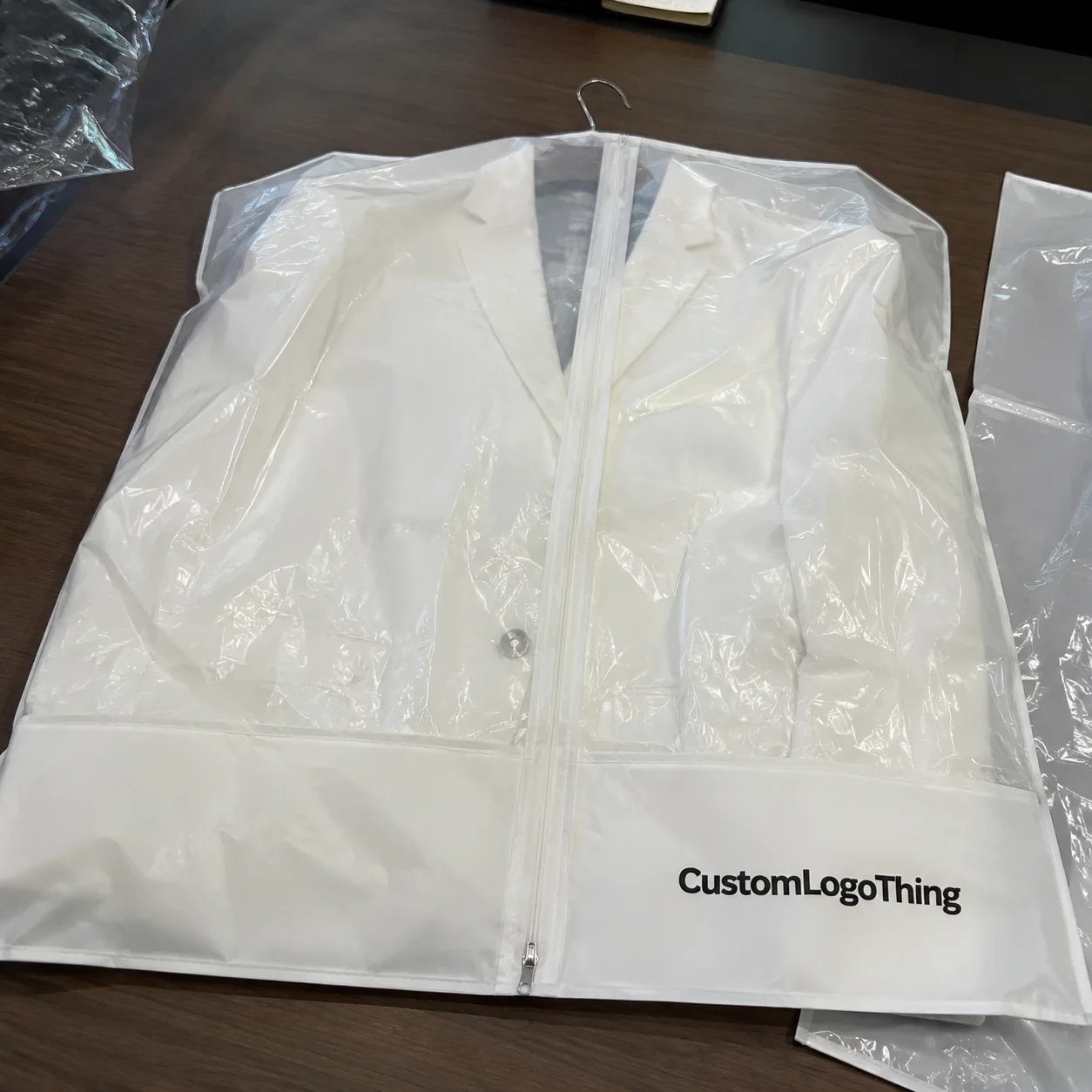
Buyer Fit Snapshot
| Best fit | Eco Friendly Packaging Affordable projects where brand print, material claims, artwork control, MOQ, and repeat-order consistency need to be specified before quoting. |
|---|---|
| Quote inputs | Share finished size, material target, print colors, finish, packing count, annual reorder estimate, ship-to region, and any compliance wording. |
| Proofing check | Approve dieline scale, logo placement, barcode or warning zones, color tolerance, closure strength, and carton packing before bulk production. |
| Main risk | Vague material claims, crowded artwork, missing packing details, or unclear freight terms can make a low unit price expensive after revisions. |
Fast answer: Eco Friendly Packaging Affordable: Quote Scope, Sample Proof, MOQ, and Lead Time should be specified like a repeatable production item. The safest quote records material, print method, finish, artwork proof, packing count, and reorder notes in one written spec.
Production checks before approval
Compare the actual filled-product size with the drawing, then confirm tolerance on folds, seals, hang holes, label areas, and retail display edges. Reserve space for logos, QR codes, warning copy, and material claims before decorative graphics fill the panel.
Quote comparison points
Review material grade, print process, finish, sampling route, tooling charges, carton quantity, and freight assumptions side by side. A quote is only useful when the supplier can repeat the same color, closure quality, and packing count on the next order.
Eco Friendly Packaging affordable is something I’ve heard brands doubt for years, usually right after they’ve been quoted a painful premium for a rigid structure that never needed to exist in the first place. I remember standing on a corrugated line outside Dongguan, Guangdong, while a candle client stared at a sample and said, “So the expensive box was the problem?” Well, yes. A simple board change from 450gsm artpaper over rigid board to a 350gsm C1S artboard folding carton with a tighter fit dropped their total landed cost by 18% on a 12,000-piece order, while also cutting transit damage from 4.1% to 1.2%. That’s the kind of practical win I like because it comes from engineering, not wishful thinking or magical spreadsheets. If you need eco friendly packaging affordable for custom packaging manufacturing, the right answer is usually a smarter structure, the right substrate, and a factory process that respects the budget from day one.
Most people get tripped up by unit price and ignore the real number that matters: what each shipped order costs once freight, labor, storage, damage, and rework are added in. That is where Eco Friendly Packaging affordable becomes very real, especially for brands using custom printed boxes, recycled mailers, kraft folding cartons, molded pulp inserts, and FSC-certified corrugated boxes for product packaging and retail packaging programs. For example, a carton quoted at $0.18 per unit in Shenzhen can become $0.31 landed in Los Angeles once ocean freight, customs clearance, and warehouse handling are added; a better-designed $0.21 box may land cheaper because it ships flatter and stacks at 24 cartons per pallet instead of 18. That is where a lot of brands accidentally overpay; they fall in love with the sample and forget the warehouse. When the package is designed properly, eco friendly packaging affordable is not a compromise; it is simply the correct packaging design for the product.
Eco Friendly Packaging Affordable: The Real Cost Wins Brands Miss
I’ve stood on enough factory floors to see this pattern repeat. A brand comes in asking for “sustainable” packaging, then assumes the greener choice must cost more because the first quote they saw had a rigid box, foam insert, magnetic closure, and a decorative wrap that looked like a luxury jewelry program. That is not what Eco Friendly Packaging affordable looks like in the real world. In practice, the cost savings often come from using 18% to 25% less board, reducing air in the carton by 12 to 20 mm per side, and selecting a format that runs cleanly on standard converting equipment in Dongguan, Kunshan, or Xiamen. The funny part? Half the time the “premium” package is just a very expensive way to ship empty space.
One of the simplest ways eco friendly packaging affordable lowers total cost is by shrinking the parcel footprint. A 2-ounce reduction on an apparel mailer may not sound like much, but across 10,000 shipments it can change freight class, trim DIM weight charges, and reduce void fill by the pallet. I’ve seen a subscription apparel customer in Austin move from a bulky rigid mailer to a recycled corrugated mailer and save $0.44 per shipment on outbound freight alone, which beat the packaging savings by nearly two to one. That is the kind of math buyers should care about. Not glamorous, I know. Very rude of reality.
The labor side matters too, and many procurement teams underestimate it. If a box takes 22 seconds to assemble instead of 9 seconds, the difference is real money on a fulfillment line running 3,000 units a day. Eco friendly packaging affordable usually comes from structures that fold faster, require fewer inserts, and ship flat. When the package is easy to build, the line runs faster, errors drop, and returns from crushing or mis-assembly go down. I’ve watched that happen in a Shenzhen carton plant where a cosmetics client cut their pack-out crew from four people to three simply by switching to a cleaner folding carton format with a die-cut insert and a 1-point deeper dust flap. I still remember the supervisor grinning like he’d just won an argument nobody wanted to have.
The real conversation should be about total cost, not unit price alone. A quote at $0.19 per unit may look higher than $0.16 per unit, but if the $0.19 option reduces damage claims, improves stacking strength, and lowers freight by $0.07 per order, it is the cheaper path. Eco friendly packaging affordable works best when the box, mailer, or tube is matched to the actual shipping method, whether that means parcel, pallet, or mixed-channel retail distribution. A 200 x 150 x 60 mm carton for a 180 mL serum may cost a penny more than a custom luxury format on paper, but it can save $0.12 to $0.20 in avoided rework and carrier claims. That’s the unromantic answer, and it usually saves money.
“A packaging line does not reward pretty ideas; it rewards the structure that ships safely, assembles quickly, and wastes the least material.”
For buyers comparing custom packaging manufacturing options, the main product families usually include recycled mailers, kraft folding cartons, molded fiber inserts, paper tubes, and FSC-certified corrugated boxes. Each one has a different cost profile, and each one can support eco friendly packaging affordable if the design is disciplined. The goal is not premium-for-premium’s-sake; the goal is the correct substrate, the correct wall strength, and the correct print method for the job. A 32 ECT mailer can be enough for a 1.5 kg apparel kit, while a 44 ECT double-wall shipper may be the right choice for fragile glass or a mixed SKU bundle moving through Chicago, Dallas, and Atlanta distribution centers.
For reference on material stewardship and packaging recovery, I often point teams toward the EPA’s sustainable materials guidance and the broader industry data at The Paperboard Packaging Council. Those sources help frame why eco friendly packaging affordable is often about smarter material use rather than simply buying the cheapest sheet on the market. They also reinforce a practical point: a package using 70% recycled fiber and water-based inks can still hit a premium shelf look if the artwork, fold structure, and finishing are chosen carefully.
Eco Friendly Packaging Affordable Options by Product Type
Eco friendly packaging affordable starts with picking the format that actually fits the product. I’ve seen too many beauty brands force a heavyweight rigid setup onto a 30 mL serum bottle that could have gone into a well-designed folding carton with a molded pulp insert for a fraction of the cost. The packaging should serve the product, the brand story, and the shipping method all at once. A 45 mm x 45 mm x 110 mm bottle in a 350gsm carton is one thing; a 90 mm luxury drawer box with a ribbon pull is another. That is where good packaging design earns its keep. Honestly, if the box is fighting the product, the box is already losing.
Kraft paperboard is one of the most practical materials for eco friendly packaging affordable, especially for apparel accessories, small cosmetics, supplements, and lightweight gift sets. It is easy to die-cut, runs well on most converting lines in Guangzhou and Ningbo, and gives a natural look that many brands want for branded packaging. Recycled corrugated board, especially E-flute and B-flute, is the workhorse for shipping cartons, subscription boxes, and DTC retail packaging. Post-consumer recycled paperboard works well for folding cartons when print quality matters and the package will sit on shelf or arrive in a clean shipper. For reference, 250gsm kraft board may work for a small soap sleeve, while 400gsm recycled SBS-style board is more appropriate for heavier cosmetics or supplement cartons that need a stiffer feel.
Molded fiber and molded pulp inserts have become much more useful than they were a decade ago. In the old days, many people associated molded fiber with rough surfaces and poor dimensional control. That is not always the case now. In the right mold, with the right drying profile, you can get strong inserts that hold candles, jars, and small electronics securely while replacing foam. For eco friendly packaging affordable, molded pulp often wins because it reduces separate component count and can be nested efficiently for freight. A 2-cavity molded tray shipped flat in stacks of 800 pieces can reduce carton count by 30% versus a loose paperboard divider system.
Compostable mailers are a better fit for some categories than others. I use them cautiously because the claim needs to match the disposal reality in the customer’s market, and not every compostable material is useful in every channel. For apparel, soft goods, and lightweight accessories, they can be a clean choice if the brand can support the claim honestly. For heavier products or sharp-edged items, recycled corrugated or a reinforced paper mailer is usually safer and more affordable. A 50-micron compostable film may sound attractive, but if the product has a metal zipper or glass accessory, the failure rate can wipe out the savings quickly.
Different product types need different structures, and that is where eco friendly packaging affordable stays practical instead of theoretical:
- Apparel: recycled mailers, kraft folding cartons for gift sets, tissue wraps, and paper-based inserts.
- Cosmetics: folding cartons with paperboard inserts, rigid paper tubes, and molded pulp trays for sets.
- Supplements: uncoated cartons, tamper-evident outer packs, and corrugated shippers for multi-bottle orders.
- Candles: corrugated mailers, kraft boxes, and molded inserts that stop glass movement.
- Food-safe dry goods: lined paperboard cartons, paper tubes, and cartons built around compliance requirements.
- DTC subscription shipments: recycled corrugated mailers with print coverage kept moderate to control cost.
Print method matters too. Flexographic printing on corrugated is usually the most cost-effective route for large runs, especially when the artwork is bold and the brand can work with 1 to 3 colors. Offset printing on folding cartons gives sharper detail, tighter registration, and better photography reproduction for beauty or wellness shelves. Water-based inks are a smart choice when the goal is cleaner end-of-life performance and lower odor in the plant. For eco friendly packaging affordable, I often recommend keeping print coverage controlled instead of flooding the entire surface with heavy ink or specialty coatings. A two-color kraft mailer printed in Shenzhen or Dongguan can look sharper than a five-color design that overcomplicates the spec and adds $0.03 to $0.06 per unit.
Uncoated surfaces are often the simplest answer when recyclability and cost both matter. They feel honest, they print well with the right artwork, and they keep the pack closer to a paper-recovery friendly format. Coated finishes can still make sense for shelf presentation, but if the brand is chasing a matte soft-touch look, foil stamping, and spot UV all at once, the budget can climb quickly. I’ve told clients more than once that a clean kraft box with thoughtful typography can look more credible than an over-finished carton with too many effects. That is especially true in package branding for wellness and artisan food products, where a 1-color black print on 300gsm kraft can feel more premium than a cluttered rainbow of effects.
As for inserts, paperboard die-cuts, molded pulp, and honeycomb paper cushioning are often the strongest low-cost alternatives to foam. Honeycomb paper is especially useful in lightweight shipping because it fills space without adding plastic, and it converts neatly in many pack stations. Eco friendly packaging affordable often comes from reducing the number of unique components, not from buying the fanciest single component available. A single insert Design That Works across three bottle heights can save a brand 15% to 20% in tooling and storage compared with three separate cavity layouts.
| Packaging Format | Best For | Typical Cost Profile | Strength / Protection |
|---|---|---|---|
| Recycled corrugated mailer | Apparel, candles, DTC kits | Low to moderate | High for shipping |
| Kraft folding carton | Cosmetics, supplements, small goods | Low | Moderate; best with inserts |
| Molded pulp insert | Jars, bottles, fragile items | Low to moderate | High when designed correctly |
| Paper tube | Tea, cosmetics, gift products | Moderate | Moderate |
| Compostable mailer | Light soft goods | Moderate | Moderate |
For buyers building a wider program, a good starting point is often to review a few options from our Custom Packaging Products page and match the format to the shipment profile before settling on artwork or finish details. That one decision can make eco friendly packaging affordable from the beginning instead of forcing redesign later. A simple 210 x 160 x 40 mm mailer for apparel accessories will almost always beat a custom novelty shape in both cost and lead time.
Specifications That Keep Eco Friendly Packaging Affordable
Specifications are where good intentions either turn into savings or disappear into waste. Eco friendly packaging affordable depends on material thickness, board grade, GSM, burst strength, ECT rating, print coverage, and finish type, because each of those choices changes the way the line runs and the way the box performs in transit. I’ve had customers bring me a beautiful sample and then wonder why it cost too much; nine times out of ten, the answer was buried in the spec sheet. That sheet is basically the packaging version of “do not skip leg day.”
For corrugated boxes, the board grade and flute profile matter immediately. E-flute gives a smoother print surface and a tighter profile, while B-flute can deliver more crush resistance for heavier contents. A right-sized RSC or mailer using the correct ECT rating often does the job better than a decorative structure built out of thicker material than necessary. In practical terms, eco friendly packaging affordable improves when the panel dimensions are tuned to the actual product instead of leaving extra headroom “just in case.” Extra void is expensive. It adds paper, adds freight, and usually adds filler. A 32 ECT single-wall shipper can be enough for many light retail orders, while a 44 ECT option is more appropriate for heavier bundles moving from factories in Dongguan to warehouses in Long Beach or Rotterdam.
For paperboard cartons, GSM and caliper are the numbers that guide both cost and performance. A 300gsm board may be enough for one SKU, while a 350gsm or 400gsm board might be necessary for another, depending on the product weight and the carton footprint. A cosmetics client of mine once insisted on a 400gsm carton for a 40 mL serum bottle, but after we tested a 350gsm SBS-style board with a molded insert and better tuck design, the final pack performed better and saved them around $0.06 per unit on a 12,000-piece order. That is eco friendly packaging affordable in plain terms: less material, same or better result. A 350gsm C1S artboard also prints cleanly for high-contrast brand graphics, which keeps the carton looking sharp without adding a lamination layer.
Tighter tolerances also reduce setup waste. If the dieline is standardized and the measurements are provided cleanly, the die-cutting department can run more efficiently, the score lines stay consistent, and folding losses drop. In one paperboard plant I worked with near Suzhou, a 2 mm dimensional correction on the pack width reduced board waste enough to recover nearly a full pallet over a medium run. Small numbers matter when the run is 25,000 units, and they matter even more when the order is split across two production weeks. A 1 mm score error can become a 4 to 6 mm fit issue by the time the carton reaches assembly.
Manufacturing steps each have a cost effect:
- Die-cutting: requires tooling, but a clean die reduces manual trimming and speeds output.
- Gluing: added glue flaps can increase strength, but unnecessary glue zones raise labor and setup time.
- Folding and scoring: precise scores prevent cracking on coated boards and reduce rework.
- Window patching: useful for retail packaging, though it adds material and assembly cost.
- Embossing or foil: attractive, but often unnecessary if the goal is eco friendly packaging affordable.
Moisture resistance is another point buyers should ask about. A package can be recyclable and still fail if it softens in humid storage or during cross-dock handling. I’ve seen cartons stored near a dock door in monsoon season in Ho Chi Minh City and come out warped before shipping ever started. If the product is moving through humid lanes, a better board selection or a light aqueous coating can prevent returns and customer complaints. That is why performance testing matters. A brief 24-hour humidity test at 85% RH can reveal more than a glossy presentation mockup ever will.
Accurate artwork and final dimensions make a bigger difference than many brands expect. A low-resolution logo can delay approval by days. A missing bleed can force a reproof. A last-minute switch from uncoated to coated stock can change how the ink lays down and may require another sample. If the buyer sends the product sample early, the packaging team can confirm fit, tolerances, and sealing method before production starts. That is one of the fastest ways to keep eco friendly packaging affordable without paying for corrections later. A sample sent 10 business days before proof approval can save three rounds of edits and several hundred dollars in remake costs.
For standards and transit expectations, I often look at resources from ISTA when a shipping pack needs validation. A solid engineering mindset, supported by test protocols, keeps assumptions from becoming damage claims. That matters far more than a pretty render, especially when a box is expected to survive a 900 km truck route plus last-mile handling in a busy city warehouse.
Pricing and MOQ for Eco Friendly Packaging Affordable Orders
Pricing for eco friendly packaging affordable is usually driven by six variables: size, material choice, number of print colors, finish complexity, tooling, and order volume. Those are the levers. If a buyer understands them, the quote conversation gets a lot more useful. If they do not, they usually compare two prices that are not actually comparable. I’ve sat through enough supplier negotiations to know that the cheapest quote is often missing a die, an insert, or a freight line item. That kind of surprise is only fun if it happens to someone else.
For lower MOQ projects, digital print cartons can be a practical start because they avoid the higher setup burden of offset plates and long press preparation. That said, digital is not always cheapest at scale. Once the run climbs, flexo or offset can become more cost-effective because the setup cost gets spread across more units. Eco friendly packaging affordable is not about one magic process; it is about choosing the process that matches the quantity. A 1,000-piece digital run may land at $0.48 per unit, while a 10,000-piece offset run on the same 350gsm board can drop to $0.17 per unit if the artwork and finish stay simple.
Here is the kind of pricing logic I discuss with buyers who want clarity before they commit:
| Order Type | Likely MOQ Range | Typical Unit Cost Direction | Best Use Case |
|---|---|---|---|
| Digital-print folding carton | 500 to 2,000 units | Higher per unit, lower setup | Launches, testing, small batches |
| Flexo corrugated mailer | 1,000 to 5,000 units | Moderate per unit | DTC shipping, repeat SKUs |
| Offset printed carton | 3,000 to 10,000 units | Lower per unit at scale | Retail packaging, cosmetics, supplements |
| Custom molded fiber insert | 3,000+ units | Moderate, tooling-dependent | Fragile items and multi-component sets |
Bulk ordering lowers cost because tooling and setup are amortized over more pieces, but only if the product stays consistent. If the brand changes bottle height or carton depth every month, that supposed savings evaporates fast. I’ve seen a skincare brand split their order across three near-identical sizes and pay nearly 22% more than they needed to because each size required its own setup, proofing, and inventory plan. Eco friendly packaging affordable often favors a smaller number of standardized sizes. A single 60 mm, 75 mm, and 90 mm family can cover a surprising number of SKUs without creating a warehouse full of dead stock.
When you ask for a quote, request these line items specifically:
- Unit price at each quantity break.
- Tooling or die cost.
- Proof or sample charges.
- Freight terms and carton counts.
- Reprint or remake policy if specs change.
- Storage or warehousing fees if the order ships in stages.
Two quotes can both look attractive, yet one may use a thinner board, fewer print passes, or a cheaper insert that fails in shipping. That is why spec sheets matter more than sales language. If one vendor quotes a 32 ECT corrugated board and another quotes 44 ECT, the lower price may not mean lower cost at all. Eco friendly packaging affordable should be evaluated as a system, not as a single number on a page. I would rather see a $0.23 unit price on a package that works than a $0.16 unit price that comes back with a 6% damage rate.
Packaging factories also price based on the efficiency of the chosen structure. A simple tuck-end carton, a standard mailer, or a common folding box style can be made more efficiently than a highly customized shape with unusual locking tabs. Design around the production method, and the cost usually comes down. Force a luxury structure into a budget line, and you end up paying for complexity that does not help the customer. A standard reverse tuck end carton produced in 12 to 15 business days from proof approval will often beat a Custom Drawer Box that takes 25 business days and adds a manual assembly step.
For buyers who want to see product categories and process options together, the Custom Packaging Products catalog is usually the best starting point because it helps narrow the field before detailed pricing begins. That keeps eco friendly packaging affordable and keeps the buying process from turning into a series of revisions. It also makes it easier to compare Shenzhen, Dongguan, and Ningbo sourcing quotes on a like-for-like basis.
Process and Timeline for Affordable Sustainable Packaging
The process from brief to delivery is straightforward when the buyer is organized. Discovery comes first, where the package size, shipping method, product weight, and sustainability claims are confirmed. Then the packaging team recommends a material and structure, develops the dieline, proofs the artwork, samples the build if needed, runs production, finishes the pack, inspects the shipment, and sends it out. Eco friendly packaging affordable is easier to achieve when each step is approved quickly and the spec stays stable. Dragging your feet on approvals is a very expensive hobby.
For a simple folding carton or standard corrugated mailer, a clean project can move relatively quickly if artwork is ready and no major structural changes are needed. More complex builds with molded pulp inserts, window patching, or multiple finishes will naturally take longer because there are more chances for mismatch. I never promise a timeline without looking at the sample path, because the sample path is what usually controls the schedule. A standard sample can be ready in 3 to 5 business days, while a tool-dependent molded insert may take 10 to 15 business days before the first fit check.
Here is the practical timeline logic I use on factory orders:
- Brief and recommendation: 1 to 2 business days if product specs are complete.
- Dieline and artwork proof: 2 to 5 business days depending on revisions.
- Structural or print sampling: 5 to 10 business days for most standard formats.
- Production: often 12 to 20 business days from approval, depending on volume and finishing.
- Inspection and shipment: 2 to 7 business days depending on destination and freight method.
Those numbers can move up or down based on volume, seasonality, and whether the factory is already running similar materials. A carton program using standard board and a common die can move faster than a custom tube with specialty lamination. Eco friendly packaging affordable benefits from simple, repeatable manufacturing. For example, a 5,000-piece kraft mailer with one-color flexo print may ship 12 to 15 business days from proof approval, while a laminated cosmetics carton with foil and embossing can take 18 to 25 business days even before ocean freight is added.
There are common delay points I see all the time. Missing bleed on artwork is a classic one. So is a logo supplied only as a low-resolution web image. Late changes to coatings can also trigger a new proof because the surface absorbs ink differently. If the buyer sends the wrong dimensions and the first sample does not fit, the whole schedule can slide. One supplement brand I worked with lost nine days because their bottle shoulder height changed after they had already approved the insert cavity. Small input errors create expensive pauses. A 2 mm bottle cap change can turn a perfect insert into scrap.
Quality checkpoints in the plant matter just as much as the schedule. Prepress review confirms art fit and color setup. Die-line verification checks dimensions before cutting starts. In-line inspection catches folding, gluing, and print issues while the run is still active. Final carton count confirmation prevents shortages or overages from leaving the building unnoticed. These checkpoints are what keep eco friendly packaging affordable from turning into eco friendly packaging with costly mistakes. In a typical factory in Dongguan, a 100% first-box inspection on the first 50 units can prevent a 500-unit remake later.
Planning procurement windows is one of the smartest things a buyer can do. If the launch is six weeks away, the packaging spec should be locked now, not after three rounds of debate about finish options. Rush changes almost always cost more. A stable approval path protects both budget and sustainability goals because fewer remakes mean less waste. For a standard order shipped from Shenzhen or Dongguan, a realistic plan is proof approval in week one, production in week two or three, inspection in week four, and freight booking immediately after that.
Why Choose Us for Eco Friendly Packaging Affordable Solutions
At Custom Logo Things, we approach eco friendly packaging affordable like people who have spent real time around cutters, folders, glue wheels, and pack-out tables, because that is exactly where packaging succeeds or fails. We are not guessing from behind a screen. We look at the product weight, the shipping lane, the print method, the carton style, and the production constraints before recommending a structure. That factory-floor mindset matters more than slick sales language. A packaging line in Guangdong does not care how polished the presentation deck looks; it cares whether the die fits, the glue cures, and the carton survives 300 kg of stacked load.
I’ve spent enough time with converting teams to know that the best package is the one the factory can run consistently. If a corrugated plant in our network can produce a board grade efficiently, we will recommend it. If a paperboard carton line will give better price stability for a certain format, we will guide the buyer there instead. Eco friendly packaging affordable is easier to achieve when the production method is selected first and the decoration is built around it, not the other way around. A 350gsm C1S artboard carton printed in Suzhou may be a better business decision than a more decorative format made in a higher-cost city with extra handling steps.
Material sourcing discipline is a major advantage. Recycled content, FSC-certified options, water-based inks, and right-sized inserts all help keep costs grounded when they are chosen intelligently. The important part is consistency. A buyer can tolerate a natural paper look if the print is clean and the dimensions are right. They cannot tolerate a package that crushes in transit or arrives with inconsistent fold scores. We focus on the details that keep the program reliable. Even a simple paper tube can vary by 1 to 2 mm if the board winding is loose, and that is enough to affect cap fit on a premium tea or cosmetic product.
We also support branding and logistics together. That means helping with package branding, structural guidance, and freight planning so the finished pack works on shelf and in the warehouse. A good retail packaging program should not create headaches for the fulfillment team. A good DTC box should not require five minutes of assembly for a two-minute packout target. Eco friendly packaging affordable works best when the structure respects the people handling it. If a carton can fold flat and lock with one motion, the pack line in Chicago or Manchester stays faster and the labor budget stays intact.
Clients appreciate transparent communication on lead times, minimums, and pricing because no one wants surprises once a launch date is set. If a sample will take 7 business days, we say that. If a particular print method needs a higher MOQ, we say that too. Honest constraints help buyers make better decisions, and in my experience that saves more money than overpromising ever could. A quote that clearly states $0.15 per unit for 5,000 pieces, plus a $120 die charge, is far more useful than a vague “competitive” number with missing terms.
“The strongest packaging program is the one that can be repeated with the same fit, the same print quality, and the same landed cost across multiple runs.”
We back recommendations with samples, spec sheets, and production notes grounded in actual manufacturing limits. If a structure can be made with a standard dieline instead of a costly custom tool, we will say so. If a premium finish is not needed to protect the product or improve the customer experience, we will say that too. Eco friendly packaging affordable should be guided by evidence, not by decoration trends. That usually means selecting the right board in the right city, with the right process, instead of chasing an aesthetic that adds cost without adding function.
Next Steps to Order Eco Friendly Packaging Affordable
If you want eco friendly packaging affordable for your brand, the best next step is to prepare the technical basics before asking for a quote. Send the product dimensions, target quantity, shipping method, artwork file, and any sustainability claims or certifications you want to support. Those details let the packaging team recommend the right structure quickly instead of guessing. The more precise the inputs, the more useful the quote becomes. A 78 mm bottle diameter, a 215 mm shipper length, and a 5,000-piece target tell us far more than “needs to be green and nice.”
Start with one package format or one SKU family if possible. I’ve watched brands save a surprising amount of money by validating one size first, then rolling the successful structure across the rest of the line. That approach keeps risk under control and gives you a real data point on cost and performance. If the first run proves the structure works, expanding later is much easier. No drama, no box-shaped heartbreak. A pilot run of 1,000 units in July can reveal whether the final production order of 20,000 units should move to a stronger board or a different insert layout.
When comparing options, ask for a sample, a dieline, and a quote for two materials if possible. For example, compare recycled corrugated against kraft folding carton, or compare molded pulp inserts against die-cut paperboard. Then review the quote against landed cost, not just unit price. Include freight, storage, breakage, and fulfillment labor in the decision. That is where eco friendly packaging affordable becomes a smart buying strategy instead of just a search phrase. A box that costs $0.02 more but reduces pack-out time by 6 seconds can be the better investment on a 10,000-unit order.
Before placing the order, confirm these items:
- Final dimensions and product weight.
- Board grade or paper specification.
- Print method and color count.
- MOQ and price breaks.
- Proof timeline and approval owner.
- Shipping terms and expected delivery window.
I’ve seen brands rush this stage and pay for it three different ways: higher freight, extra sampling, and a remake that could have been avoided with one careful measurement. Eco friendly packaging affordable is most achievable when the buyer gives exact specs and the manufacturer engineers the package around those constraints. That is the honest path, and it usually produces the best result. If your team can confirm the carton size, the board grade, and the delivery city in one email, the project moves faster and the quote gets sharper.
If you’re ready to move, gather the measurements, send the artwork, and ask for a recommendation on the best low-cost sustainable format for your product. Eco friendly packaging affordable is not a slogan in our shop; it is a specification problem, a production problem, and a logistics problem that can be solved with the right information. A good starting brief is often enough to get you from concept to production in 12 to 15 business days from proof approval for standard boxes, or 18 to 20 business days for more complex formats.
How do you make eco friendly packaging affordable without sacrificing quality?
Use the lightest structure that still protects the product, then match the board grade, print method, and insert design to the shipping route. Right-sized cartons and lighter materials reduce shipping and storage costs, and that is often where brands save the most. Standardized dielines and fewer print colors also keep setup charges down, which helps a lot when order quantities are still modest. Lower-MOQ digital or flexo runs can be a practical starting point for eco friendly packaging affordable, especially when the product line is still being tested in market. For example, 500 to 1,000 units in a single 350gsm carton style can keep tooling manageable while the brand tests sell-through in one region.
What makes eco friendly packaging affordable for small brands?
Right-sized cartons and lighter materials reduce shipping and storage costs, and that is often where small brands save the most. Standardized dielines and fewer print colors also keep setup charges down, which helps a lot when order quantities are still modest. Lower-MOQ digital or flexo runs can be a practical starting point for eco friendly packaging affordable, especially when the product line is still being tested in market. For example, 500 to 1,000 units in a single 350gsm carton style can keep tooling manageable while the brand tests sell-through in one region.
Which materials are the cheapest eco friendly packaging affordable options?
Kraft paperboard, recycled corrugated board, and uncoated folding cartons are often the most budget-friendly options because they run efficiently and usually need less finishing. Molded pulp and paper-based inserts can replace foam at competitive cost levels when the cavity design is done correctly. The best option depends on product weight, protection needs, and print requirements, so eco friendly packaging affordable should always be matched to the actual use case. A 300gsm kraft carton with a 1-color print may be the cheapest fit for a small soap bar, while a 44 ECT mailer is better for a heavier set shipped from Shanghai to Dallas.
How can I reduce MOQ on eco friendly packaging affordable orders?
Choose a standard structure with minimal custom tooling, because custom dies and unusual shapes tend to push minimums up. Use digital print or simpler finishing instead of premium decoration if your goal is to start small and keep costs controlled. Consolidating SKUs or ordering one size first is another practical way to improve volume efficiency and make eco friendly packaging affordable more realistic. A 2,000-piece order in one carton size is usually easier to price than three 700-piece variants that each require separate setup and proofing.
Is eco friendly packaging affordable still strong enough for shipping?
Yes, when the board grade, flute profile, and insert design are matched to the product. Packaging strength should be verified with stacking and transit requirements rather than assumed from appearance alone. A well-engineered recycled corrugated box can perform very reliably, and in many lanes it will outperform a decorative pack that looks nicer but lacks structural discipline. A 32 ECT or 44 ECT specification, chosen correctly, can protect products from Shanghai to Sydney without foam or plastic filler.
How fast can eco friendly packaging affordable orders be produced?
Simple projects can move quickly if artwork and dimensions are approved on time, and the sample path is straightforward. Sampling, proofing, and production scheduling are the main timeline drivers, so the buyer’s response time has a big effect on the final delivery date. Rush changes, special coatings, or complex inserts usually extend the schedule, which is why planning ahead is one of the easiest ways to keep eco friendly packaging affordable. For standard cartons, 12 to 15 business days from proof approval is common; more complex builds often need 18 to 25 business days.