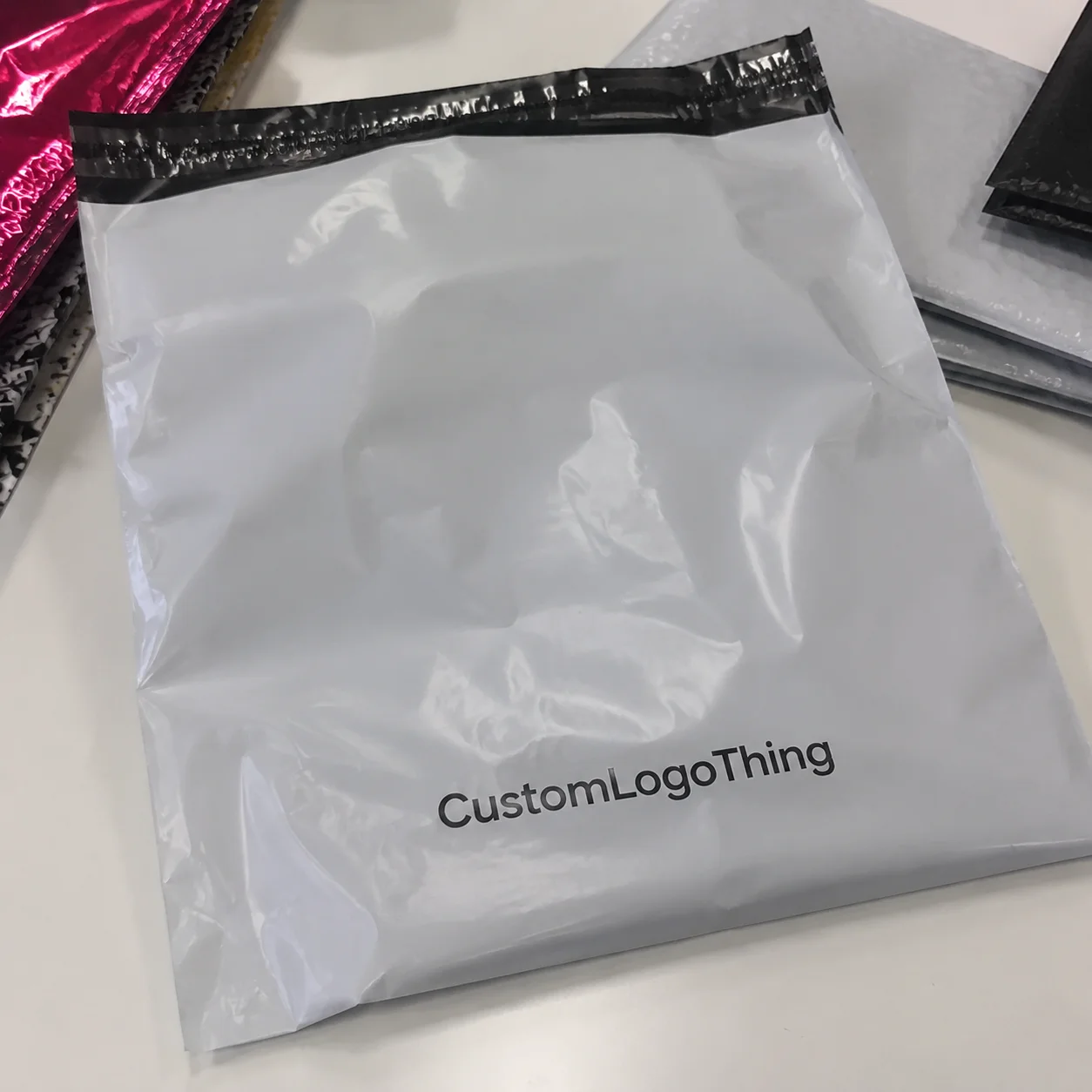
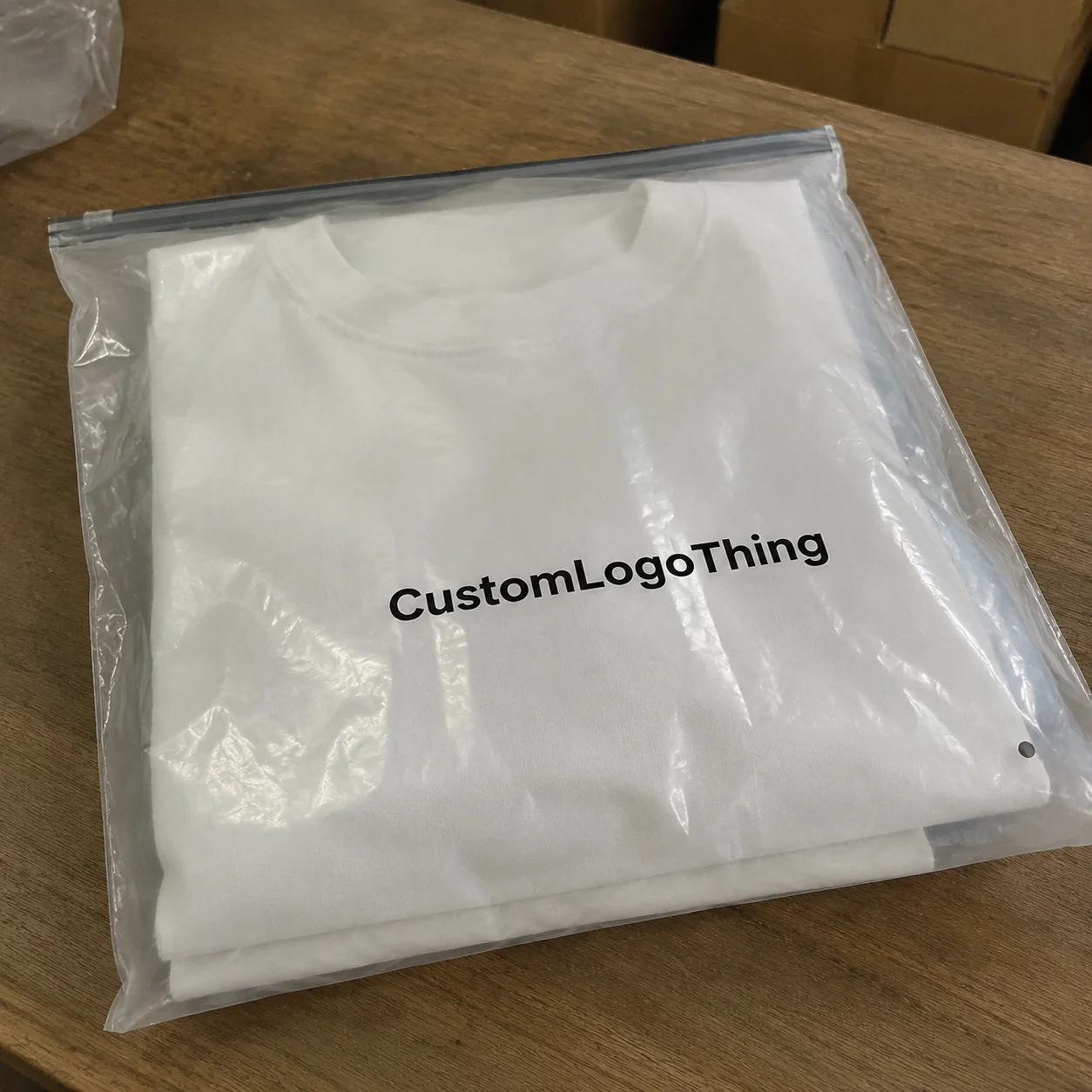
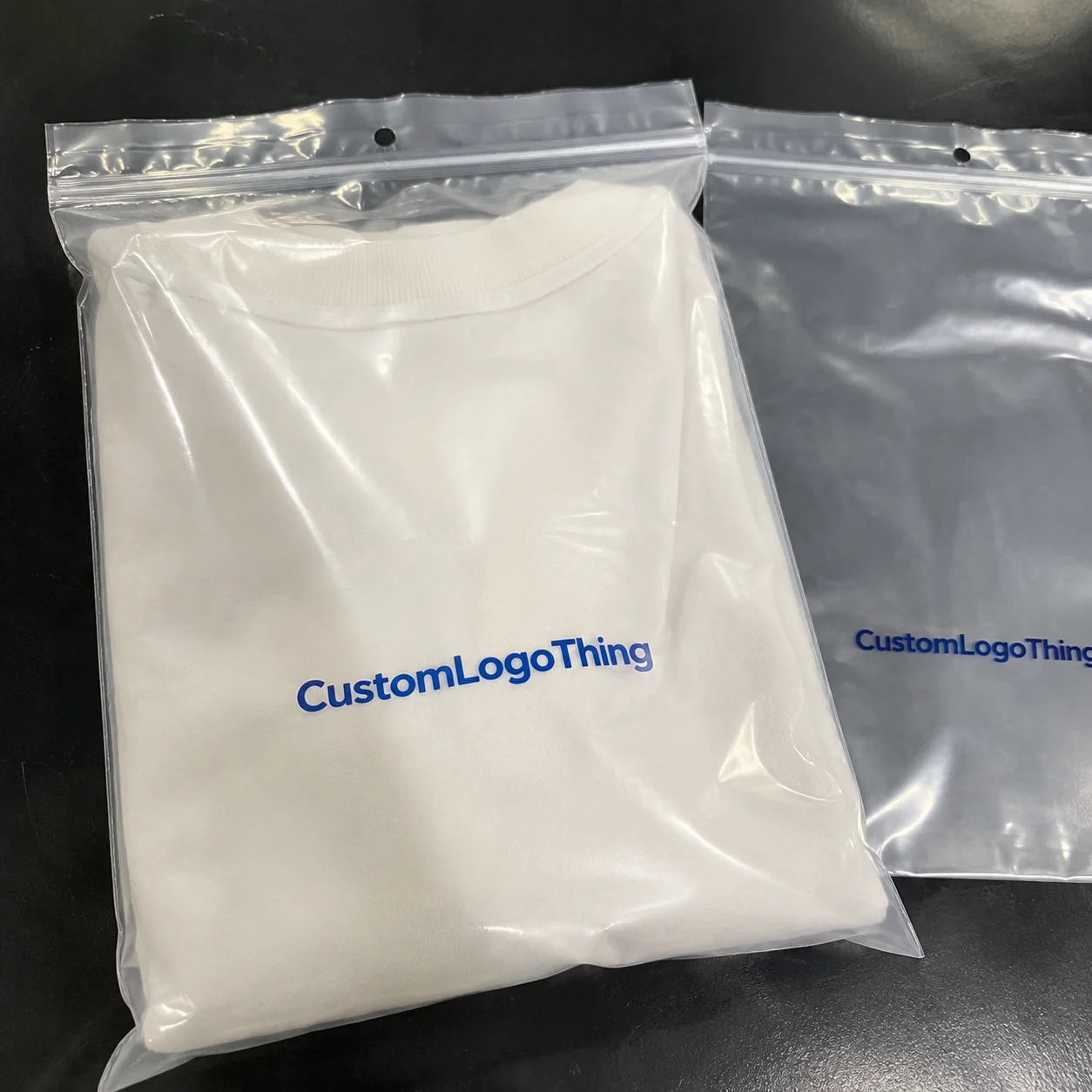
Buyer Fit Snapshot
| Best fit | create eco conscious packaging design for packaging buyers comparing material specs, print proof, MOQ, unit cost, freight, and repeat-order risk where brand print, material, artwork control, and repeat-order consistency matter. |
|---|---|
| Quote inputs | Share finished size, material target, print colors, finish, packing count, annual reorder estimate, and delivery region. |
| Proofing check | Approve dieline scale, logo placement, barcode or warning zones, color tolerance, and any recyclable or compostable wording before bulk production. |
| Main risk | Vague material claims, crowded artwork, or missing packing details can create delays even when the unit price looks attractive. |
Fast answer: Create Eco Conscious Packaging Design: Claims, Protection, MOQ, and Cost should be specified like a repeatable production item. The safest quote includes material, print method, finish, artwork proof, carton packing, and reorder notes in one written spec.
What to confirm before approving the packaging proof
Check the product dimensions against the actual filled item, not only the sales mockup. Ask for tolerance on folds, seals, hang holes, label areas, and retail display edges. If the package carries a logo, QR code, warning copy, or legal claim, reserve that space before decorative graphics fill the panel.
How to compare quotes without losing quality
Compare board or film grade, print process, finish, sampling route, tooling charges, carton quantity, and freight assumptions side by side. A lower quote is only useful if the supplier can repeat the same color, closure quality, and packing count on the next order.
What Eco-Conscious Packaging Design Really Means
I still remember standing on a carton line in Shenzhen while a plant manager pointed at a pallet of overbuilt mailers and said, “We’re shipping air, not product.” He was right. The boxes were 28% larger than necessary, used a double-wall structure for a 220g accessory, and created enough void fill waste to make the packing room look like a blizzard had passed through. I laughed, but only because the alternative was sighing loud enough to be heard in the next province. That moment is why I keep returning to how to create eco-conscious packaging design: it is not about making packaging look green. It is about making it work better with less waste, fewer headaches, and fewer “why did we ship that?” conversations. On that line, a simple switch from a 275gsm folding carton to a 350gsm C1S artboard sleeve would have saved about 11% of the board weight while keeping the same visual impact.
Packaging waste is staggering. The U.S. EPA has long reported that containers and packaging account for a major share of municipal solid waste, and packaging.org notes that packaging is a daily material flow problem, not a niche design issue. Honestly, I think a lot of teams still treat packaging like a finishing touch instead of what it actually is: a physical system that touches procurement, logistics, sales, and customer experience all at once. The practical answer to how to create eco-conscious packaging design starts with plain language: use less material, choose lower-impact substrates, improve shipping efficiency, and make end-of-life easier for the customer. That is the real job, whether your cartons are made in Dongguan, your inserts are molded in Xiamen, or your final assembly happens in Juárez.
People often mix up eco-friendly, sustainable, recyclable, and compostable. They are not interchangeable. A package can be recyclable in theory but impossible to recover in a typical curbside stream if it uses too much adhesive or mixed laminations. Compostable packaging may require industrial composting, which most consumers do not have access to (and most consumers are not exactly keeping a composting guide taped to the fridge, either). Sustainable is broader still; it usually points to a lower total environmental burden, but only if the claim is backed by data. If you are learning how to create eco-conscious packaging design, that distinction matters more than a pretty leaf icon on the front panel. A brand that specifies “65% post-consumer recycled board, printed with soy-based inks in Chicago, IL” is making a concrete statement; “earth friendly” is just mood lighting.
The best package protects the product, supports the brand, and minimizes impact across the full lifecycle. I’ve seen brands cut material use by 18% and still improve shelf presence because the structure was cleaner and the print hierarchy was stronger. People often assume eco-conscious means bare-bones and boring. It does not. In fact, a lot of the time the opposite is true. The strongest answer to how to create eco-conscious packaging design is usually smarter, not smaller for its own sake. A 1,000-unit run can look more premium on a matte 350gsm C1S artboard with one-color black print than on a glossy, overfinished carton with three foils and an embossed logo that adds 0.06 mm to every panel.
“Our first ‘green’ redesign failed because the product cracked in transit,” a client told me during a packaging review meeting. “The replacement units created more waste than the original pack ever did.”
That quote sums it up. A package that looks efficient but triggers returns is not truly eco-conscious. A better lens for how to create eco-conscious packaging design is lifecycle performance: materials, manufacturing, shipping, use, and disposal all need to be considered together. One weak link can erase the gains. A 14g lighter mailer is not a win if it increases breakage from 1.2% to 4.8% on a route from Dallas to Miami during humid summer freight.
How to Create Eco-Conscious Packaging Design in Practice
How to create eco-conscious packaging design in practice means tracing the package from resin or fiber source to the customer’s bin or reuse drawer. The lifecycle has six major stages: sourcing, manufacturing, packing, shipping, use, and end-of-life. Every choice in one stage affects the next. A lighter board may reduce freight emissions, for example, but if the caliper is too low, you may need a larger shipper or extra inserts, which cancels out the savings. Packaging is a chain. Pull one link, and three others move. I’ve watched that happen more times than I care to count, especially on lines where a 24pt board gets substituted for a 28pt spec without re-running compression tests.
Design for disassembly is one of the smartest strategies in how to create eco-conscious packaging design. If the consumer can separate components in 10 seconds instead of 2 minutes, recovery rates usually improve. Mono-material construction helps too. A mailer made from a single paper-based substrate is easier to sort than a paper-plastic hybrid with laminated windows, foil stamping, and an EVA foam insert. Right-sizing matters just as much. I visited a co-packer in Ohio where they reduced carton headspace by 31mm on a cosmetics line, which cut corrugate use by 14% and reduced cube on outbound pallets. Small change. Big result. I remember thinking, “Well, that’s what happens when someone actually measures the box instead of eyeballing it and hoping for the best.”
Branding, print methods, and coatings can either support or undermine how to create eco-conscious packaging design. Heavy UV coatings, metallized films, and layered laminates can look premium, but they often complicate recycling. That does not mean you must strip everything away. It means the visual system should do more work. Strong typography, disciplined color use, and one well-placed brand mark can outperform a crowded layout with six finishes. In my experience, retail packaging that feels premium because of structure and clarity tends to age better than packaging that depends on glitter to get attention. Glitter, by the way, is lovely until it’s stuck to your hands, your notebook, and somehow your coffee mug.
There is always a trade-off. Lower ink coverage may reduce production impact, but it can also require more sophisticated design decisions to preserve shelf presence. Fewer special finishes can lower complexity, yet the product still has to stand out next to competitors in a 16-foot aisle. That is why how to create eco-conscious packaging design is part engineering and part visual strategy. Remove one layer, and the remaining layers need to work harder. A carton printed with 18% ink coverage on a natural kraft sheet can read cleaner on shelf than a full-bleed piece that uses two extra coatings and a lamination from a supplier in Toronto.
I often tell clients to think in terms of “functional elegance.” Not minimalism. Not decoration for its own sake. Functional elegance means every gram, every fold, and every printed surface has a reason to exist. That mindset is the backbone of how to create eco-conscious packaging design, especially for custom printed boxes, branded packaging, and product packaging sold across multiple channels. In practical terms, it might mean selecting a 12.7 oz mailer instead of a 16 oz alternative, or moving assembly from a low-volume shop in Portland to a higher-capacity plant in Columbus that can hold tighter tolerances on dieline registration.
Key Factors in How to Create Eco-Conscious Packaging Design
The first factor in how to create eco-conscious packaging design is material selection. Paperboard, molded fiber, recycled-content plastics, and compostable films each solve different problems. Paperboard works well for lightweight retail packaging, especially when you need crisp print quality and a familiar recycling path. Molded fiber is useful for protective inserts, trays, and inner supports. Recycled-content plastics still matter for certain applications, particularly where moisture barrier or product hygiene is non-negotiable. Compostable films can make sense for specific foodservice or organics applications, but only if the disposal pathway is real. A label that says “compostable” is not a disposal plan. A 300-unit bakery launch in Minneapolis may be fine on PLA film; a national grocery rollout in Texas and Florida may not be.
Protection is the second factor, and it is more sustainable than many people realize. If a package reduces breakage from 4% to 1%, that is less product loss, fewer replacements, fewer reverse shipments, and less landfill waste. I sat in a client meeting with a beverage startup that wanted to swap rigid inserts for a thinner pulp tray. The savings looked great on paper: about $0.07 per unit at 20,000 units. But once we ran drop testing to ISTA 3A, the failure rate tripled. They ended up spending more on replacement inventory than they saved on packaging. That is not eco-conscious. That is expensive waste. And yes, everyone in the room had that same awkward stare where nobody wants to be the one to say, “So… we tested this too late?”
Brand and shelf impact can coexist with lighter systems. Strong packaging design does not require a pile of embellishments. It requires clarity. A simple two-color print system on a kraft board can outperform a glossy seven-color build if the hierarchy is sharp and the substrate is authentic. This matters for package branding because consumers now read sustainability cues in structure as much as in claims. They notice whether a box opens cleanly, whether inserts are separable, and whether the overall package feels intentional. A carton with one die-cut window and a 350gsm C1S face can often do the job of three decorative effects without the extra material load.
Cost is another major reality check. People ask me for “eco” packaging as if the word itself is a budget category. It is not. A custom paperboard carton might run $0.18/unit at 5,000 pieces in a basic structure, while a molded-fiber insert system can push the cost to $0.34/unit depending on tooling and thickness. Add foil, embossing, and specialty coatings, and unit price climbs again. Shipping savings can offset that. If a right-sized mailer reduces dimensional weight by 12%, the freight reduction may pay back part of the upgrade. That is why how to create eco-conscious packaging design should be evaluated as a system, not a line item. For example, a 10,000-unit run in Shenzhen might price at $0.15 per unit for a simple FSC board sleeve, while the same concept with a custom insert made in Guangzhou can land closer to $0.29.
| Option | Typical Use | Approx. Unit Cost | Eco Benefit | Watch-Out |
|---|---|---|---|---|
| Folding paperboard carton | Retail packaging, sleeves, lightweight product packaging | $0.12-$0.28 | Widely recyclable, lightweight, print-friendly | Needs smart structure to protect fragile items |
| Molded fiber insert | Protective trays, inner supports | $0.08-$0.22 | Often made with recycled fiber, good cushioning | Tooling can add lead time |
| Recycled-content plastic mailer | E-commerce shipping, moisture-sensitive goods | $0.10-$0.24 | Can reduce virgin resin use | Recycling acceptance varies by region |
| Compostable film pouch | Specific food or organics applications | $0.15-$0.40 | Designed for controlled compost systems | Industrial compost access is limited |
Compliance and claims matter more than most marketing teams expect. If you say “recyclable,” You Need to Know where and how. If you say “made with recycled content,” you need a supplier declaration and, ideally, third-party documentation. FSC certification is relevant for responsibly sourced fiber, and you can verify standards through fsc.org. ASTM standards also matter for performance claims, especially on compostability and test methods. This is the unglamorous side of how to create eco-conscious packaging design, but it is where trust is won or lost. A buyer in Amsterdam or Seattle can spot a vague claim in seconds if the pack lacks certification language, origin details, or a clear disposal instruction.
User experience closes the loop. If a package is hard to open, hard to re-close, or impossible to dispose of without a knife, consumers will resent it. I’ve seen elegant product packaging fail because the tear strip shredded unevenly and the customer had to use scissors. That is the sort of tiny failure that makes a supposedly smart design feel dumb in about three seconds flat. A design that is technically recyclable but annoying to use is missing the point. Good eco-conscious packaging helps people do the right thing with almost no effort, whether they are opening a $24 candle in Austin or a $120 skincare set in London.
Step-by-Step Process for How to Create Eco-Conscious Packaging Design
The clearest way to approach how to create eco-conscious packaging design is to treat it like a structured project, not a vague aspiration. I use a seven-step process with clients because it keeps emotion, guesswork, and last-minute revisions from taking over the brief. Packaging projects already have enough chaos without everyone improvising in week six. A well-run project can move from brief to proof in 7-10 business days, while a revision-heavy one can stretch to 4-6 weeks before anyone notices the calendar slipping.
Step 1: Audit the current package
Start by measuring the package you already have. Record outer dimensions, board grade, weight, print coverage, coatings, inserts, and transit failure rates. I once reviewed a mailer for a skincare brand that had four separate paper components plus a plastic window. The package looked premium, but 22% of the printed area carried no functional information. That is waste hiding in plain sight. A good audit reveals oversized dimensions, unnecessary layers, and materials that add impact without adding protection. This is where how to create eco-conscious packaging design begins, ideally with a ruler, a scale accurate to 1 gram, and photos of the current pack in use.
Step 2: Define the packaging goal
Set a clear target. Are you trying to reduce material weight by 15%, lower freight cube by 10%, improve curbside recyclability, or cut damage claims by half? Pick one primary goal and two secondary goals. If everything is a priority, nothing is. For example, a direct-to-consumer candle brand may prioritize damage reduction and shipping efficiency, while a retail food brand may care more about shelf appeal and material recovery. The same how to create eco-conscious packaging design process should not be forced onto every product. A carton line in Leeds serving premium apparel will need different targets than a food tube made in Ho Chi Minh City for export to Singapore.
Step 3: Choose the right substrate and structure
Match the material to the product. Paperboard is excellent for lightweight, shape-retaining cartons. Corrugated board is better for shipping strength. Molded fiber works well for protective nests and trays. Recycled-content plastics can be the right answer for moisture or impact resistance. Do not choose the “greenest” material by reputation alone. Choose the one that meets performance with the fewest compromises. That is the practical core of how to create eco-conscious packaging design. If you need a retail carton, 350gsm C1S artboard may beat a heavier duplex board by reducing thickness while preserving print quality; if you need transit protection, 32 ECT corrugated in a kraft finish may be the better fit.
Step 4: Prototype and test
This step saves money later. Build sample structures, then test drop, compression, moisture, and stacking performance. If the package is for ecommerce, use ISTA protocols. If it faces warehouse stacking, compression testing matters. If humidity is part of the journey, you need to see how the board behaves after 48 hours at elevated moisture. I watched a corrugated carton lose nearly 30% of its stacking strength after a climate test because the coating was too thin. The team had assumed the fiber grade would carry them. It did not. Testing is where how to create eco-conscious packaging design becomes real. A prototype shipped from a sample room in Dongguan to a test lab in Los Angeles tells you far more than a polished PDF ever will.
Step 5: Review graphics and finishes
Print can help or hurt. Water-based inks, lower ink coverage, and simpler layouts often support recyclability and production efficiency. Heavy laminations, foil, and multi-layer coatings can make recycling harder. That said, not every premium effect is off limits. If a finish is essential, use it intentionally and sparingly. One accent panel can do more than a fully decorated surface. This is especially true for custom printed boxes, where design discipline is often the difference between elegant and excessive. A single spot varnish on the logo panel may cost $0.02-$0.04 per unit at 5,000 pieces; a full metallized wrap can add three times that and complicate disposal in markets like Vancouver or Berlin.
Step 6: Validate cost and production timing
Ask for quotes early, and ask for more than one. A common mistake in how to create eco-conscious packaging design is waiting until the concept is nearly finished before checking lead time. If a new insert tool takes 6-8 weeks, or a sample run needs 12-15 business days from proof approval, that affects launch plans. I had a client in personal care who assumed a molded-fiber change could be rolled out in three weeks. It took nine. Supplier coordination, sampling, and dieline adjustments all added time. You need a realistic timeline, not wishful thinking. If you are sourcing from Shenzhen, Ningbo, or Ho Chi Minh City, add transit time for samples and a week for customs delays if the goods are crossing borders.
Step 7: Launch, measure, and refine
Once the package is in market, watch the data. Measure damage rates, returns, freight costs, complaint volume, and consumer feedback. If a change saves 42 grams of board per unit but increases breakage by 2.5%, the math may not work. If the new structure reduces shipping damage and improves unboxing, the gains compound. Good how to create eco-conscious packaging design work improves over time because it is measured, not guessed. A 2,000-unit pilot in Atlanta can tell you whether customers flatten the carton, reuse the insert, or ignore the disposal cue entirely.
One more thing: document everything. Keep records of board grades, recycled content claims, supplier certificates, and test results. That documentation becomes useful when retail buyers ask questions or when a compliance team wants evidence for environmental claims. It is boring. It is also what keeps good decisions from unraveling later. A neat folder with supplier data from Guangzhou, sample approvals dated April 18, and test photos from a lab in Rotterdam can save weeks when a buyer asks for proof.
Common Mistakes When Learning How to Create Eco-Conscious Packaging Design
The biggest mistake in how to create eco-conscious packaging design is chasing a material label instead of solving a functional problem. A package that says “made from recycled content” is not automatically better if it crushes in transit and forces a replacement shipment. Product damage creates hidden waste, customer frustration, and extra logistics. The environment pays for failure. So does the customer, usually while standing in their hallway with a damaged item and a mildly betrayed expression. A 500-unit breakage spike can erase the environmental gains from a lighter board choice in a single week.
Another error is mixing materials in ways that complicate recovery. Paperboard with plastic windows, multiple adhesive zones, foil layers, and laminated coatings can be difficult to sort. That does not mean every mixed-material package is bad. It means the design should justify each component. If a mixed format is necessary, keep the separable parts obvious and easy to remove. Design for the person opening it, not only for the designer reviewing it on screen. That is a central lesson in how to create eco-conscious packaging design. A clear tear notch, a 6 mm pull tab, and one adhesive point can do more than a visually fancy structure with four hidden layers.
Unverified claims are a third problem. Consumers are skeptical, and regulators are more careful than they used to be. A vague label like “earth-friendly” means very little. Better to say exactly what the package is made of, whether it is FSC-certified, how much recycled content it contains, and what disposal stream applies. If the evidence is weak, do not make the claim. I have seen brands lose more trust from one sloppy sustainability statement than from a whole year of mediocre packaging. That stings, because fixing a mislabeled box is much harder than just doing the work right the first time. If your carton is printed in Montreal but the fiber comes from British Columbia and the insert is molded in Wisconsin, say so only if you can document the chain.
Cost surprises also happen often. Specialty substrates, lower minimum order quantities, new tooling, and sample revisions can push budgets up quickly. A client once came in wanting an all-paper luxury mailer with embossed detail, soy inks, and a custom insert. The estimate was 27% above their target, mostly because the tooling and setup were spread across a smaller run. If the project does not account for these factors, how to create eco-conscious packaging design can become financially unrealistic. A 3,000-unit order in a high-cost city like Singapore will not price like a 30,000-unit run in Shenzhen.
Timelines are another blind spot. Material changes often trigger new proofs, revised dielines, and production testing. That can add two to six weeks, sometimes more if a supplier needs fresh certification documentation. A great concept that misses launch is still a missed launch. Planning for timing is part of responsible package branding, not an afterthought. If a supplier quotes 12-15 business days from proof approval, build that into the calendar instead of hoping for a miracle on day eight.
Finally, many teams design for recycling in theory but ignore real-world behavior. If a consumer must peel three layers apart, rinse out residue, and find a specialty drop-off location, participation drops fast. Practical disposal is part of the design brief. How to create eco-conscious packaging design only works if the customer can actually follow through. A package shipped into urban New York, suburban Melbourne, or rural Ontario should be simple enough that the disposal instructions fit on one panel and the user still finishes reading them.
Expert Tips for Better Eco-Conscious Packaging Design
If you want faster gains in how to create eco-conscious packaging design, start with right-sizing. This is usually the highest-return move. Shrinking headspace by 8 mm, trimming board by 6%, or reducing tray depth can cut shipping waste before you touch material chemistry. It also improves pallet efficiency. More units per truck. Less air. Lower freight exposure. Simple, but powerful. On a 40-foot container leaving Ningbo for Long Beach, even a 4% cube reduction can translate into meaningful freight savings across a 50,000-unit shipment.
Prefer mono-material structures where practical. A single-material carton, sleeve, or mailer is usually easier to explain to customers and easier to sort after use. That said, mono-material is not magic. A weak mono-material package still fails. The goal is not purity; it is performance with lower burden. That nuance is central to how to create eco-conscious packaging design. A mono-paper structure with a 2 mm crush score and clean perforation can be far better than a hybrid pack that looks clever but confuses the customer.
Work backward from disposal. Ask what the consumer will realistically do in 15 seconds. Will they flatten it? Separate the insert? Toss it in curbside recycling? If the answer is unclear, simplify the package. I’ve seen a beautifully branded unboxing system with five components and a sustainability icon on each panel. Consumers were confused. Confused people do not recycle efficiently. Clarity beats decoration every time, even if a brand team swears the little icons “tell a story.” Sometimes the story is just: “please stop making me think so hard about cardboard.”
Use design restraint strategically. Fewer colors, fewer effects, and cleaner layouts can make a package feel more premium, not less. I’ve watched brands spend thousands on metallic ink when a stronger grid, better typography, and a tactile uncoated paperboard would have achieved the same emotional effect. That is one of the more counterintuitive truths about how to create eco-conscious packaging design: sustainability and elegance often point in the same direction. A single PMS color on a 350gsm C1S sheet, produced in Suzhou, can outperform a five-color system with lamination if the hierarchy is disciplined.
Request supplier data early. Ask for recycled content percentages, chain-of-custody certificates, FSC documentation, moisture resistance data, caliper, burst strength, and any applicable ASTM or ISTA references. If a supplier cannot provide technical sheets, keep your antenna up. Good decisions rely on numbers. If you want credible sourcing, it helps to understand the testing and standards side too; ISTA is a useful reference point for transit testing and performance validation. If a factory in Guangdong says a carton will hold 18 kg, ask for the BCT test report, not just the sales sheet.
Build sustainability into the brief from day one. That single shift changes everything. Instead of asking for a package and then trying to make it greener later, ask for a package that meets product, cost, and environmental goals together. This is the cleanest way I know to approach how to create eco-conscious packaging design for custom printed boxes and retail programs. Put the target in writing: for example, “reduce board weight by 12%, keep unit cost under $0.22 at 10,000 pieces, and hold damage under 1% on a 1,000-mile freight route.”
From a commercial standpoint, I also advise teams to compare three options on paper before they sample anything: the current pack, a lighter structural revision, and a simplified print/finish version. Here is the pattern I see most often:
- Option A: same structure, minor graphic refresh, low risk, modest environmental benefit.
- Option B: right-sized structure, lighter board, strongest impact reduction per dollar spent.
- Option C: premium simplified build, best shelf perception if brand story matters most.
That kind of comparison keeps how to create eco-conscious packaging design grounded in business reality. It also keeps the conversation honest. Not every product needs the same solution, and not every improvement should be judged by appearances alone. A beauty SKU in Seoul may need a different trade-off than a hardware accessory in Phoenix, even if both are sold in the same carton format.
Next Steps: Put Eco-Conscious Packaging into Action
The fastest way to move from theory to action is to create a packaging scorecard. Rank your current materials by cost, protection, recyclability, shipping weight, and brand value. Use a 1-5 scale, then total the results. I’ve used this with clients in beauty, apparel, and specialty foods, and the pattern is remarkably consistent: one or two packages usually account for most of the waste and most of the savings opportunity. That is where how to create eco-conscious packaging design should start. A scorecard built in Chicago or Madrid can reveal that the smallest carton in the range is not the easiest win; it may be the 480g hero product box with the most waste-heavy insert.
Pick one package to redesign first. Ideally, choose the one with the highest shipping volume or the biggest material footprint. If a carton ships 80,000 units a year, even a 3% reduction matters. If a retail box uses a laminated insert that complicates recycling, that may be your low-hanging fruit. Don’t try to re-engineer every SKU at once. That’s how projects stall, and I’ve seen more than one team accidentally turn a tidy redesign into a year-long committee drama. Start with the SKU that ships from the most expensive lane or has the highest return rate, usually the one everyone already complains about in monthly ops meetings.
Set one measurable target. Reduce board weight by 10%. Lower damage claims by 20%. Improve curbside recyclability by removing a mixed-material component. Measurable targets make how to create eco-conscious packaging design accountable. Without them, every revision looks like progress whether it is or not. A target like “save $0.05 per unit at 15,000 pieces” is far more useful than “make it greener,” because the first one can be checked against invoices.
Then gather samples and quotes from at least two structural alternatives. If you only ask one supplier, you get one answer. Compare a paperboard version, a molded-fiber alternative, or a mono-material format depending on the product. For many teams, this is also the moment to review related packaging programs and align the new system with existing Custom Packaging Products so the transition does not create mismatched brand assets across channels. I have seen brands save weeks by standardizing dielines across their New Jersey and California fulfillment sites before making the first production order.
Run a pilot before full rollout. Test 500 units, or 1,000 if the launch volume justifies it. Track packing speed, damage, customer complaints, and assembly time. A pilot tells you whether the theoretical gains survive contact with the warehouse floor. In my experience, that is where the real truth appears. The warehouse team notices fit issues in minutes. The customer service team notices complaint trends in days. Management notices cost in weeks. If you can pilot in a hub like Atlanta, Dallas, or Rotterdam, you get real shipping variability instead of a lab-only result.
If you want to make the work easier, keep the conversation focused on the total system. Material reduction matters. So does print efficiency. So does freight. So does customer experience. That broader view is the heart of how to create eco-conscious packaging design. It is not a one-time redesign. It is a process of testing, refining, and improving until the package does its job with less waste and more clarity. A well-run program can take 4-8 weeks for a simple carton refresh or 10-14 weeks for a new structure with tooling and validation.
And yes, it can still look good. In fact, it usually looks better when it is honest, efficient, and well engineered.
FAQ
How do you create eco-conscious packaging design without raising costs too much?
Start with right-sizing and material reduction, because removing excess often lowers both shipping and material spend. Compare total system costs, not just unit price, including damage reduction, freight savings, and fewer returns. Simpler structures and finishes also help control tooling and production expenses, which keeps how to create eco-conscious packaging design financially realistic. A carton that drops from $0.31 to $0.24 per unit at 10,000 pieces after removing one insert layer can pay back the redesign in a single quarter.
What materials are best when creating eco-conscious packaging design?
The best material depends on the product, but paperboard, molded fiber, recycled-content plastics, and mono-material formats are common options. Choose the material that protects the product with the least environmental burden across its lifecycle. Ask suppliers for recycled content data, certifications, and technical performance sheets instead of relying on labels alone. That is the practical core of how to create eco-conscious packaging design. A 350gsm C1S artboard carton may be ideal for cosmetics in Paris, while a molded-fiber tray from Xiamen may be better for fragile electronics.
How long does the process take for eco-conscious packaging design?
Simple redesigns can move quickly, but custom structures often need time for concepting, sampling, testing, revisions, and approval. If you are changing materials, print methods, or dimensions, add extra time. A realistic timeline should include supplier lead times, prototype rounds, and validation tests before launch. In my experience, that means planning for weeks, not days, if you want how to create eco-conscious packaging design done properly. A sample round may take 12-15 business days from proof approval, and a tooling change can add 6-8 weeks.
What is the biggest mistake in eco-conscious packaging design?
The biggest mistake is choosing a sustainable-looking material that fails in real use, because damage creates more waste. Another major error is mixing materials in ways that make recycling difficult or confusing. Always balance environmental goals with protection, usability, and manufacturing practicality. That balance is the difference between marketing language and actual how to create eco-conscious packaging design. A package built in Vietnam that survives the trip to Los Angeles without damage is more eco-conscious than a prettier one that breaks twice in transit.
How can I tell if my packaging is truly eco-conscious?
Check whether it reduces material use, improves shipping efficiency, and uses verified lower-impact inputs. Look for measurable evidence such as supplier certifications, recyclability guidance, and lower damage or waste rates. If the design is easier to recycle, easier to ship, and still protects the product, it is likely moving in the right direction. That is the clearest test for how to create eco-conscious packaging design. The best proof is concrete: lower grams per unit, lower freight cube, and fewer returns from the first 1,000 units shipped.
If I had to condense everything into one sentence, it would be this: how to create eco-conscious packaging design is about making packaging smarter across the whole lifecycle, not just greener on the shelf. The brands that get this right cut waste, protect product, and build trust at the same time. That is the kind of packaging work that lasts. In practice, it can mean a $0.15 unit at 5,000 pieces, a 12-15 business day sample cycle, and a carton that ships from Shenzhen with fewer grams, fewer complaints, and fewer apologies.