Buyer Fit Snapshot
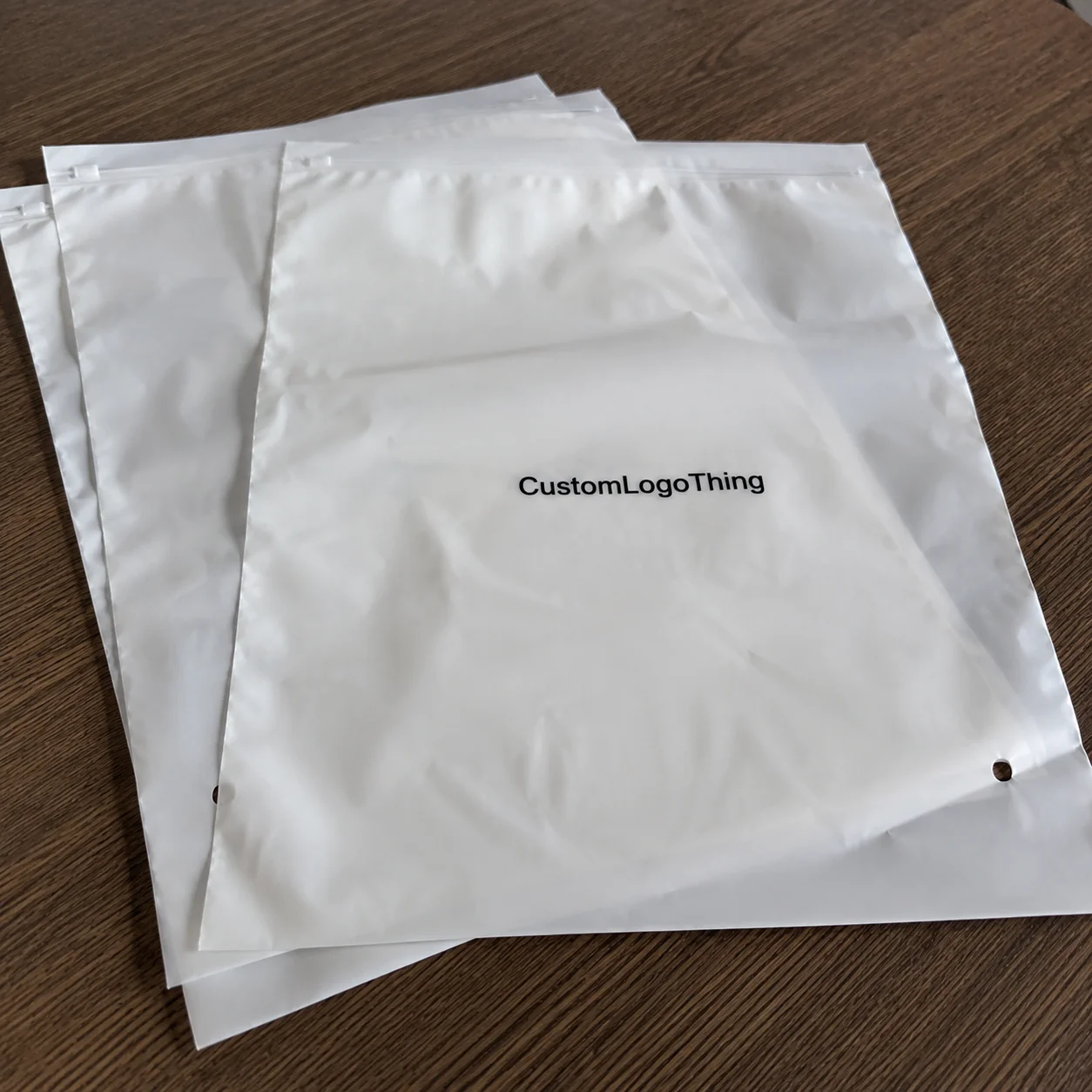
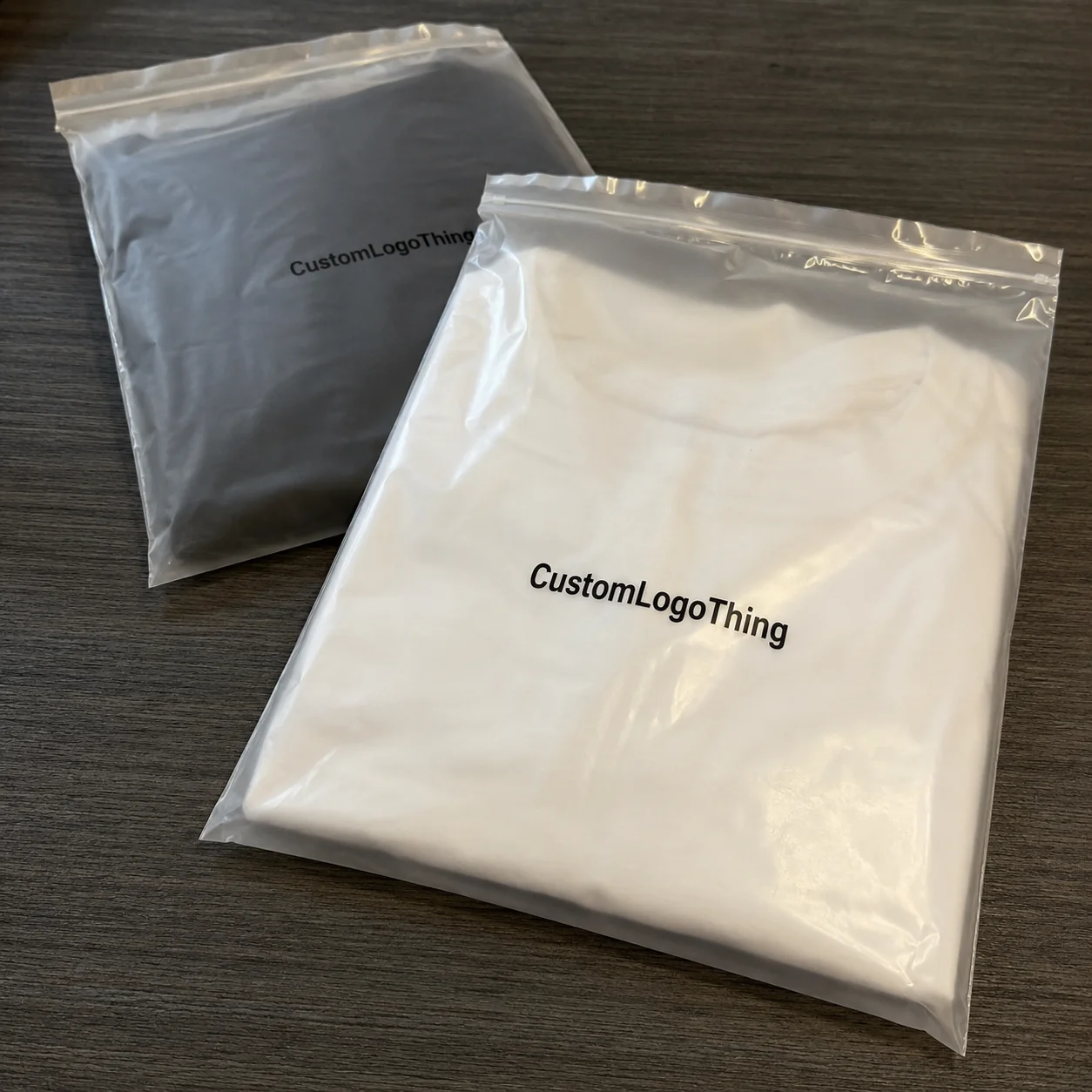
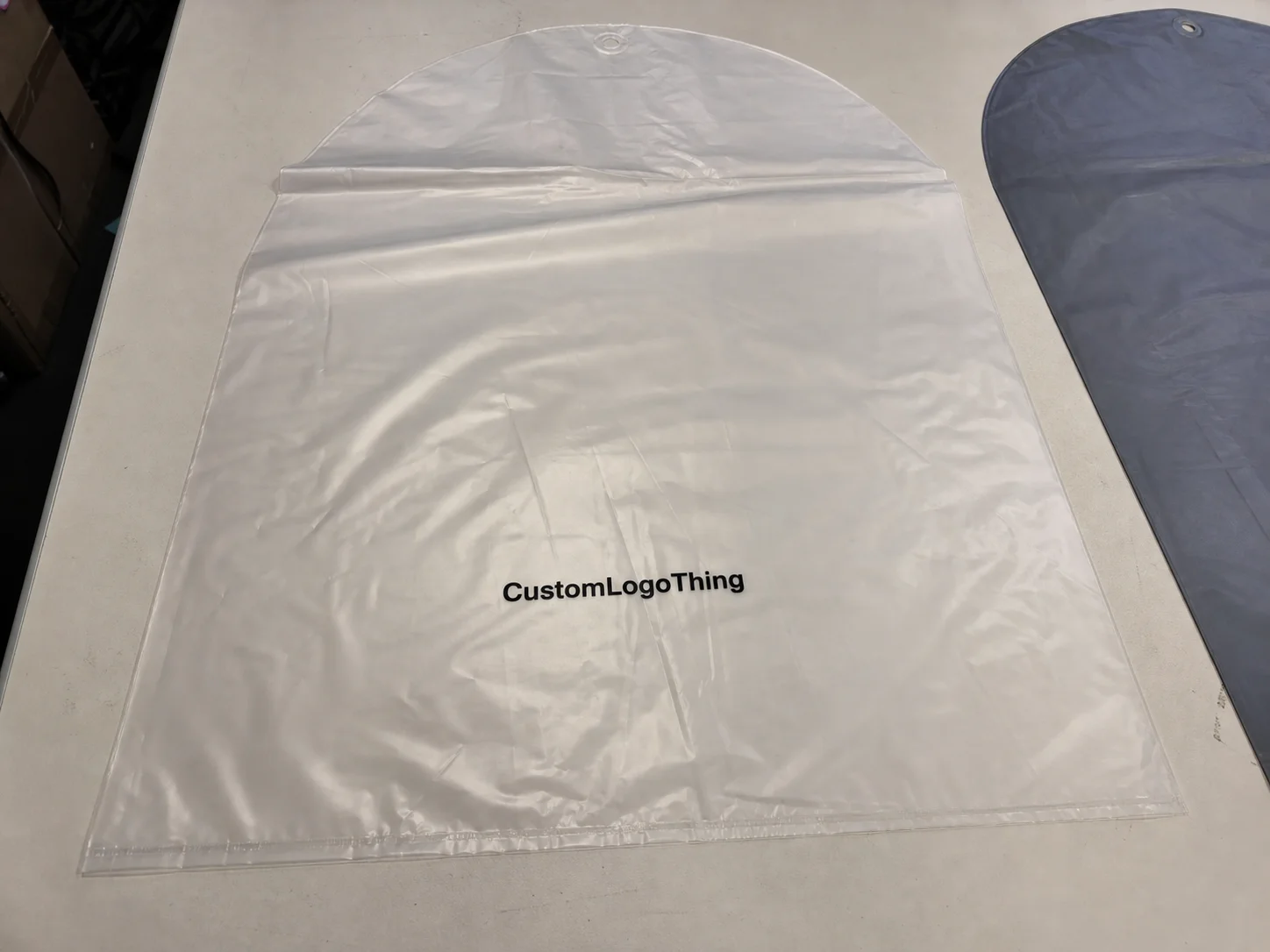
| Best fit | Eco Friendly Packaging Selection Option projects where brand print, material claims, artwork control, MOQ, and repeat-order consistency need to be specified before quoting. |
|---|---|
| Quote inputs | Share finished size, material target, print colors, finish, packing count, annual reorder estimate, ship-to region, and any compliance wording. |
| Proofing check | Approve dieline scale, logo placement, barcode or warning zones, color tolerance, closure strength, and carton packing before bulk production. |
| Main risk | Vague material claims, crowded artwork, missing packing details, or unclear freight terms can make a low unit price expensive after revisions. |
Fast answer: Eco Friendly Packaging Selection Option: Material, Print, Proofing, and Reorder Risk should be specified like a repeatable production item. The safest quote records material, print method, finish, artwork proof, packing count, and reorder notes in one written spec.
Production checks before approval
Compare the actual filled-product size with the drawing, then confirm tolerance on folds, seals, hang holes, label areas, and retail display edges. Reserve space for logos, QR codes, warning copy, and material claims before decorative graphics fill the panel.
Quote comparison points
Review material grade, print process, finish, sampling route, tooling charges, carton quantity, and freight assumptions side by side. A quote is only useful when the supplier can repeat the same color, closure quality, and packing count on the next order.
I remember standing on a corrugator floor in Dongguan, watching two packaging specs get built side by side on a line running about 18,000 sheets per hour. One looked beautifully “green” on paper, and it crushed under stack load after 18 pallets. The other one was plain, used a smarter fiber blend, and shipped 12,000 units with almost no damage. That’s the real heart of Eco Friendly Packaging how to choose—the greenest package is not always the thinnest, the prettiest, or the one with the nicest marketing slide. It’s the one that protects the product, uses the right materials, and moves cleanly through your supply chain with the least waste.
Honestly, I think a lot of people start with the wrong question. They ask which material sounds the most sustainable, when they should be asking which structure fits the product, the shipping lane, the brand, and the disposal reality at the destination. Get those details right, and Eco Friendly Packaging how to choose stops being a guessing game. That difference shows up fast in returns, freight bills, and customer complaints. And yes, the freight bill will happily ruin your mood if you let it. On a 5,000-unit run, a $0.04 change in dimensional weight can turn into real money fast.
Eco Friendly Packaging How to Choose Without Guesswork
Eco Friendly Packaging is packaging designed to reduce environmental impact through lower material use, recycled or renewable content, recyclability, compostability, reusability, or better transport efficiency. Sounds tidy. Real life usually isn’t. I’ve seen a “sustainable” display carton fail because the board was too light for a 1.8 kg product load, and I’ve seen a molded pulp insert save more material than a prettier foam alternative because it eliminated extra void fill and cut out an entire secondary sleeve. eco friendly packaging how to choose starts with performance first, then sustainability, then cost. Not the other way around. I know that sounds unromantic. Packaging rarely cares about romance.
Why does that order matter? Because bad packaging creates waste at three points instead of one: during production, during transport, and after the customer opens the box. A 0.12 mm film or a 275gsm paperboard might look efficient, but if it leads to 3% more breakage on a 40,000-unit run, the environmental cost climbs fast. A slightly heavier structure that arrives intact often wins. In practical terms, Eco Friendly Packaging how to choose is about reducing total waste, not just reducing grams on a spec sheet. On a run of 10,000 mailers, the difference between 42g and 58g per unit can also mean one fewer freight pallet and lower cubic volume.
The right answer depends on product type, shipping method, branding goals, retail versus ecommerce use, and local disposal infrastructure. A jar of supplements sent through a parcel network in Chicago needs different protection than a candle sold through retail packaging in Austin, and both need different handling than a flat apparel mailer or a rigid cosmetic box shipped from Suzhou. I’ve sat in client meetings where marketing wanted a kraft look, operations wanted fewer damages, and finance wanted a price under $0.30 per unit; the winning solution was usually a compromise built around real data, not preference alone. That’s why eco friendly packaging how to choose is really a balancing act between sustainability claims, customer experience, and supply chain reality. For a 5,000-piece order, a carton at $0.15 per unit can be a bargain or a trap depending on the rest of the structure.
“The most sustainable pack is the one that actually gets the product to the customer in one piece, with the least material and the least rework.” That’s something I’ve said more than once after watching a full pallet of damaged goods get written off because a box looked elegant but wasn’t engineered for the route. One bad spec can turn into 240 returns in a single month.
One more thing people often miss: eco friendly packaging is not a single material choice. It can be a right-sized corrugated carton, a paper-based mailer, a reusable rigid container, or a lighter structure that reduces dimensional weight and pallet count. If you’re researching eco friendly packaging how to choose for your brand, think in terms of system design, not just a box, bag, or tray. A 350gsm C1S artboard carton with a 1.5mm E-flute insert may outperform a heavier-looking sleeve if it removes two extra packing steps and ships flatter from the factory in Foshan.
How Eco Friendly Packaging Works in Real Production
On the line, packaging is judged by how it runs, not how it sounds in a presentation. Corrugate strength, paperboard stiffness, moisture resistance, seal integrity, cushioning performance, and print compatibility all matter because they determine whether the package survives converting, packing, palletizing, and last-mile delivery. I’ve watched a carton that tested fine in a sample room buckle after a 10-hour humid shift in a warehouse near Savannah, Georgia, simply because the coating and flute selection weren’t matched to the environment. If you’re serious about eco friendly packaging how to choose, you have to respect what happens between the supplier’s sample bench and the customer’s front door. A box that performs at 22°C and 45% RH may fail at 32°C and 85% RH in the Philippines.
The main material families each have their place. Recycled corrugated boxes are a workhorse for shipping, especially when the grade is matched correctly to load and stacking pressure. Molded pulp inserts are excellent for fragile goods like glass bottles, electronics accessories, and small appliances because they absorb shock and can replace plastic trays in many formats. Kraft paper mailers are popular for lightweight ecommerce items, while FSC-certified paperboard is common in cosmetic, nutraceutical, and gift-style Custom Packaging Products where print quality and clean presentation matter. Bioplastics have specific uses too, but they are not a magic answer, and reusable rigid packaging can be smart in controlled loops where returns and reverse logistics are already built in. For anyone asking eco friendly packaging how to choose, the first lesson is that material selection should match the use case, not a marketing slogan. A 280gsm folding carton may be fine for a soap bar, but it will not love a 500g glass jar.
Manufacturing process changes the sustainability math more than many brands realize. Die-cutting can be optimized to reduce trim waste, folding and gluing can be simplified to reduce labor, and custom inserts can be nested more efficiently than off-the-shelf foam. Water-based inks often make sense for paper structures, especially where recyclability is a priority, and right-sizing can improve pallet efficiency enough to cut freight cost by 8% or more on some lanes. I’ve worked with plants where a 5 mm reduction in box depth saved one full pallet position every 14 cartons, which is the kind of quiet efficiency that matters far more than a trendy surface finish. That’s why eco friendly packaging how to choose should always include converting efficiency and cube optimization. In one plant in Dongguan, a simple 3-up nesting change cut trim waste by 11.6% on a 60,000-piece order.
Recyclability and compostability are not absolute truths; they depend on local systems, contamination, and coatings. A carton that is technically recyclable can still fail if it carries heavy lamination, plastic windows, metallic foil, or food residue that contaminates the stream. Compostable packaging also depends on industrial composting access, which is not universal, and I’ve seen perfectly good compostable mailers end up in landfill because the municipality didn’t have the right processing infrastructure. The EPA offers helpful baseline guidance on materials and waste pathways at EPA recycling resources, and that kind of reality check is essential when evaluating eco friendly packaging how to choose. If you sell into Toronto, Berlin, and Dallas, the end-of-life story can vary by postal code, not by brochure copy.
| Format | Best Use | Typical Strengths | Common Watchouts |
|---|---|---|---|
| Recycled corrugated box | Ecommerce, shipping, bulk fulfillment | Good compression, easy recycling, broad supplier base | Can be overbuilt if not right-sized |
| Molded pulp insert | Fragile goods, electronics, glass | Shock absorption, fiber-based, lower plastic use | Tooling lead time and moisture sensitivity |
| Kraft paper mailer | Light apparel, accessories, small goods | Lightweight, simple, lower material count | Limited protection for crush-prone items |
| FSC paperboard carton | Retail presentation, cosmetics, premium product packaging | Print-friendly, clean branding, paper-based | Needs a smart insert for fragile products |
| Reusable rigid packaging | Closed-loop programs, premium kits | Durable, premium feel, repeated use | Reverse logistics and return compliance |
One of the most practical standards conversations I’ve had was with a packaging engineer in Chicago who asked for ISTA test results before approving a custom shipper. That was the right move. If a pack is meant to survive parcel distribution, you want testing discipline, and the ISTA family of procedures is a useful benchmark for transit simulation and drop performance. You can read more at ISTA standards and testing. In my experience, the best teams use those tests to compare materials objectively, which makes eco friendly packaging how to choose much less subjective. A 30-inch corner drop and a 24-hour compression test will tell you more than a polished sales deck ever will.
Eco Friendly Packaging How to Choose Based on Key Factors
Product protection is always the first filter. Start with fragility, weight, moisture sensitivity, and shelf life. A 2.2 lb candle with a glass vessel, for instance, needs different cushioning than a 6 oz soap bar, and a powder product in a retail carton has very different contamination concerns than a sealed food-safe pouch. When clients ask me about eco friendly packaging how to choose, I usually ask for product dimensions, drop risk, and shipping method before I ask about color or finish, because those are the numbers that prevent damage. A product shipped 2,000 miles by parcel needs a different spec than one moving 40 miles on a pallet.
Cost and pricing need a broader view than unit price. I’ve seen a $0.18/unit box for 5,000 pieces look attractive until the brand added a $0.06 molded insert, $0.04 in assembly labor, and $280 in setup charges, which pushed the real package cost above a cleaner $0.29/unit alternative that shipped flat and required no extra fill. Freight, storage, and damage rates matter too. If a slightly larger package increases dimensional weight by 12%, the freight spend can erase any material savings in a hurry. That’s one reason eco friendly packaging how to choose should include total landed cost, not just quoted packaging price. On a 10,000-unit order, a $0.03 difference per unit is $300 before you even count labor.
Branding and print quality matter because customers judge packaging in seconds. If you need premium retail packaging, offset printing on paperboard can deliver sharp detail, rich solids, and small typography that flexo may not reproduce as cleanly on rougher stock. For simpler branded packaging, one or two colors on kraft with a clean logo can look intentional, modern, and lower impact. I’ve had cosmetic clients ask for foil, soft-touch, embossing, and a matte lamination all in one structure, then wonder why recyclability became complicated. The smarter question is what brand signal is actually required, and that is where eco friendly packaging how to choose becomes a packaging design conversation, not just a procurement one. A 350gsm C1S artboard carton with a single matte black print can look cleaner than a pile of effects nobody asked for.
Compliance and claims deserve careful handling. If you print “recyclable,” “compostable,” “biodegradable,” or “made with recycled content,” those claims should match the actual structure and the market you sell into. Multilayer laminations, adhesives, metallized films, and certain coatings can change disposal outcomes, even if the base substrate is paper. I always advise brands to check the full structure, not just the face material, because customers and regulators increasingly pay attention to the fine print. With eco friendly packaging how to choose, honest labeling is just as important as material selection. A “recyclable” claim printed on a carton with a PE-lined window is asking for trouble in Germany, California, or both.
Supply chain realities often decide the final shape of the project. Minimum order quantities, lead times, storage space, and seasonal demand can all narrow the options. A molded pulp tool may take longer to launch than a stock corrugated insert; a custom printed box might require 12 to 15 business days from proof approval for a straightforward run in Shenzhen, while a more complex retail packaging setup with special coatings can stretch to 20 to 25 business days. If your warehouse only has 180 pallet positions and your Q4 volume doubles, oversized packaging can become a hidden headache. That’s another reason eco friendly packaging how to choose should be grounded in operations, not just creative intent. I’ve watched a buyer in Ho Chi Minh City learn that “small” carton choices are never small when you’re renting extra storage by the week.
Here’s a quick rule I use on the shop floor: if an option looks greener but adds three handling steps, two extra materials, and a longer lead time, it may not be the better choice. In a supplier negotiation in Shenzhen, I once watched a buyer insist on a thinner carton because it saved 7% board cost, only to discover that the line speed dropped because the boxes popped open during filling. The real cost increase came from labor downtime, not the carton price. That lesson has followed me for years, and it’s a big part of eco friendly packaging how to choose wisely. A $0.02 paper savings means nothing if your pack-out rate drops from 28 cases per minute to 18.
How Do You Choose Eco Friendly Packaging?
How do you choose eco friendly packaging without getting buried in marketing claims? Start with the product, then the shipping lane, then the disposal reality. Ask what has to survive the trip, what the customer will do with the package afterward, and what the fulfillment team can actually run without chaos. That’s the shortest honest answer to eco friendly packaging how to choose. Pretty simple. Not easy. Those are different things.
If the product is fragile, choose a structure with proven cushioning and compression strength. If the product is lightweight and not crush-prone, prioritize right-sizing and a paper-based format that cuts material use. If branding is critical, make sure the print method supports your design without forcing heavy coatings that complicate recyclability. If the package must travel internationally, check disposal rules in the markets you sell into. For most brands, eco friendly packaging how to choose becomes much easier once you stop trying to make every package solve every problem at once. A good package has a job. Do that job well.
I also recommend comparing options with a simple scorecard: protection, sustainability, cost, lead time, print quality, and end-of-life outcome. Give each structure a score from 1 to 5, then write down the tradeoffs in plain language. That keeps meetings from drifting into vague opinions and “feels greener” nonsense. If one sample looks nice but adds too much labor, it loses. If one material is easy to recycle but fails in transit, it loses too. That’s the practical side of eco friendly packaging how to choose, and it saves a lot of expensive second-guessing later.
Step-by-Step Process and Timeline for Choosing the Right Packaging
Step 1 is to audit what you already use. Measure outer dimensions, product weight, average damage rate, freight costs, and customer complaints for at least one full shipping cycle, and ideally 60 to 90 days of orders. I like to see actual returns data, because a carton that seems acceptable may hide a 1.8% crush rate that no one noticed until the replacement costs piled up. If you are serious about eco friendly packaging how to choose, baseline data keeps you from chasing a solution to the wrong problem. I’ve seen teams discover that a 1-inch reduction in void space saved more than switching to a “better” substrate.
Step 2 is defining your sustainability goals in order of priority. Some brands want to reduce plastic first, while others want higher recycled content, smaller package size, or better recyclability in the customer’s home market. You do not need to solve every issue at once. In fact, trying to do that usually leads to a watered-down spec that pleases no one. I prefer a short written brief with three priorities max, because that keeps eco friendly packaging how to choose focused and measurable. If the brief says “cut plastic by 100%,” “stay under $0.32 per unit,” and “ship flat from Jiangsu,” that’s a lot more useful than “make it greener.”
Step 3 is requesting samples and structural options from your packaging supplier. Ask for at least two or three material pathways, not just color variations. For example, you might compare a 32 ECT recycled corrugated shipper with a molded pulp insert, an FSC paperboard sleeve with a paper tray, and a right-sized mailer with paper cushioning. Then test them with actual products, not dummy weights. I’ve been in plants where the sample looked perfect in hand but failed after a single corner drop from 30 inches. Real testing is the shortcut that saves money, and it’s central to eco friendly packaging how to choose. A good supplier in Guangzhou will usually quote sample turnaround in 3 to 7 business days if the dieline is already set.
Step 4 is validating the production timeline. A simple packaging program might move from prototype to approval to production in a few weeks, but custom printed boxes with dieline changes, finishing effects, and insert revisions often take longer. The sequence usually includes prototype development, structural testing, artwork approval, dieline revisions, printing, finishing, and final manufacturing. I always tell clients to leave room for one correction cycle, because the first sample rarely gets every detail right on the first try. That planning discipline makes eco friendly packaging how to choose much less stressful. A realistic end-to-end timeline for a new custom carton is often 18 to 30 calendar days, depending on artwork and tooling.
Step 5 is launch and rollout. Operations should know how the new package folds, fills, seals, stacks, and ships. Customer service should know how to answer disposal questions, and the fulfillment team should know whether the insert goes left or right, whether the adhesive strip needs 2 seconds of pressure, and whether the carton can be overpacked by 5 mm without bulging. It sounds small, but small mistakes create big waste. I’ve seen a carton design fail simply because the training sheet left out one fold direction. That’s why eco friendly packaging how to choose has to include implementation, not only sourcing. A rollout checklist beats a last-minute apology email every time.
- Audit the current package with real damage and freight data.
- Set the top three sustainability priorities.
- Compare two or three candidate structures with samples.
- Run transit, drop, and compression tests where possible.
- Approve artwork, schedule production, and train the fulfillment team.
For brands building custom printed boxes or a new line of product packaging, I usually recommend a phased roll-out. Start with one SKU or one channel, then compare post-launch damage rates, customer feedback, and packing speed. If the numbers improve, expand to the full line. If they don’t, adjust the structure instead of forcing a bad fit. That measured approach is one of the smartest ways to handle eco friendly packaging how to choose. I’ve seen a 3,000-unit pilot in Melbourne save a company from a 50,000-unit mistake. That’s worth the spreadsheet time.
Common Mistakes to Avoid When Comparing Sustainable Options
The first mistake is choosing a material because it sounds sustainable without checking whether it protects the product or can be processed locally after use. I’ve seen brands switch to a paper-based wrap, only to discover that the product still needed a poly barrier to survive moisture, and the mixed structure became harder to recycle than the original solution. In other words, the label “eco friendly” does not make the package eco friendly in practice. That’s a major trap in eco friendly packaging how to choose. A moisture-sensitive product in Osaka or Miami will tell the truth fast.
The second mistake is missing hidden cost drivers. Inserts, coatings, tooling, freight class, assembly labor, and storage footprint can shift the economics more than the board or film price. A simple flat carton might require a custom insert that takes 11 extra seconds to pack, which becomes a real cost across 20,000 units. I always ask, “What happens in the actual fulfillment line?” because the real answer is often different from the sales quote. That mindset keeps eco friendly packaging how to choose honest. Saving $0.02 on paper while adding $0.07 in labor is not a win.
The third mistake is ignoring package size optimization and dimensional weight. Many ecommerce brands focus on substrate choice and forget that a box one inch too deep can increase shipping charges on every order. A 14 x 10 x 6 carton may not sound much different from a 13 x 10 x 5 carton, but at scale the freight difference can be meaningful. Right-sizing is one of the fastest routes to lower waste and lower spend, and I’d argue it should be the first sustainability fix in most fulfillment centers. If you want a practical entry point for eco friendly packaging how to choose, start with cube reduction. A 2-inch height trim can cut cubic volume by 9% on some parcel networks.
The fourth mistake is assuming all recycled or recyclable material performs the same in every market. Recycling access, contamination, multilayer builds, and laminations all change the outcome. A paperboard carton with a plastic window may still be accepted in one place and rejected in another, while a coated mailer might be fine in one municipal stream and problematic elsewhere. I’ve had customers print broad claims before confirming local requirements, and that kind of shortcut usually comes back as customer confusion. Good eco friendly packaging how to choose work includes regional disposal reality. What works in Vancouver may not fly in Phoenix, and the waste bin does not care about your mood board.
The fifth mistake is skipping real-world testing and relying only on supplier claims, renderings, or lab specs. Lab data matters, of course, but drop tests, compression tests, and transit trials tell you whether the package works in the conditions your customer actually sees. A board grade that looks acceptable on paper can fail after a 24-inch edge drop or a humid week in transit. Honestly, I trust sample-room intuition only after the numbers confirm it. That discipline is essential to eco friendly packaging how to choose. If the box survives 10 drops in a test lab in Guangzhou and then collapses in a 95% humidity warehouse in Singapore, the test did its job.
Expert Tips for Better Results, Lower Waste, and Smarter Buying
Use right-sizing first. Reducing empty space often delivers better environmental gains than switching to a more exotic material, because you reduce board usage, filler, freight cube, and warehouse handling all at once. I’ve seen a brand shave 14% off shipping volume simply by trimming two inches of headspace and moving to a slightly different insert profile. That kind of change is practical, measurable, and usually easier to approve than a full material overhaul. For eco friendly packaging how to choose, right-sizing is often the highest-return move. One warehouse in Seattle cut carton count per truck by 8% after changing only the depth spec.
Ask suppliers about fiber sourcing, water-based coatings, and recycled content verification so you can compare apples to apples. FSC certification, for instance, helps show responsible forest sourcing, while recycled content documentation can support procurement goals and internal sustainability reporting. If you are sourcing paper-based packaging, ask whether the mill uses post-consumer waste, pre-consumer waste, or a blend, because those details affect both performance and claims. I prefer suppliers who can explain the structure clearly without hand-waving, because that usually means they understand the package all the way through. That kind of transparency makes eco friendly packaging how to choose much easier. If they can’t tell you the board caliper, basis weight, and coating type, keep shopping.
Favor designs that use one primary material stream whenever possible. Mixed-material packaging is harder for customers to understand and harder for recycling systems to process. A paperboard box with a plastic tray, foam pad, foil wrap, and shrink band creates disposal confusion even when each component is small. If you can keep the package in one dominant stream, the end-of-life story becomes much cleaner. That’s one of my strongest opinions, honestly, because it has saved more packages than fancy marketing ever has. When people ask about eco friendly packaging how to choose, I often say: simplify the material story before you embellish it.
Build packaging around the distribution channel, not just the shelf. Ecommerce needs scuff resistance, vibration protection, and clear sealing behavior, while retail packaging needs shelf appeal, stackability, and often faster line assembly. A structure that looks perfect for a boutique display may be overkill for shipping, and a shipper that is excellent in the warehouse may look too plain for store shelves. I’ve worked with apparel brands that used one shipper for two channels and found out the hard way that retail and parcel requirements are not interchangeable. That’s another key lesson in eco friendly packaging how to choose. The pack that works in a Manhattan store may fail on a UPS route from New Jersey to Texas.
Create a simple scorecard for every option. I like six columns: protection, sustainability, cost, lead time, print quality, and end-of-life outcome. Score each on a 1-to-5 scale, then add notes on the specific tradeoffs. This keeps the conversation grounded when marketing wants finish, operations wants speed, and finance wants a lower total landed cost. A scorecard will not make the decision for you, but it will expose where the real compromises are. For eco friendly packaging how to choose, clarity beats intuition almost every time. A one-page scorecard can save three meetings and one bad purchase order.
If your brand uses premium finishes, consider whether you truly need all of them. Spot UV, heavy lamination, and intricate foil can be striking, but they can also complicate recyclability and increase cost. A well-printed, well-structured carton with clean typography and strong package branding often outperforms a busy pack that tries to do too much. I’ve seen simple FSC paperboard with a single-color black print outperform expensive structures because it felt honest and well-made. That is good packaging design, and it’s a major part of eco friendly packaging how to choose. A clean structure printed in one or two inks often ships better and costs less than a glossy headache.
Practical Next Steps to Finalize Your Packaging Decision
The cleanest path is simple: identify your product risks, choose two or three viable material structures, test them, then compare cost and disposal outcomes before you commit. Build a packaging brief that includes dimensions, product weight, shipping method, branding needs, sustainability priorities, and target budget. If you hand a supplier a complete brief, you get better recommendations and fewer surprises. That is the practical side of eco friendly packaging how to choose, and it saves time immediately. A good brief should fit on one page, not a twelve-page mood deck.
Ask suppliers for samples, material certifications, structural recommendations, and a clear production schedule so expectations are aligned early. If you need custom printed boxes or other Custom Packaging Products, request dielines and sample proofs before you commit to the full run. In one client project, a 1.5 mm adjustment in tray depth solved a fit issue that would have caused dozens of returns per week, and we caught it because the sample arrived in time for a real test, not just a design review. That’s the difference between buying packaging and engineering it. And yes, that difference matters a lot when you are figuring out eco friendly packaging how to choose. A proof approval on Monday and a production run 12 to 15 business days later is a lot easier to manage than fixing bad fit after launch.
Use a phased rollout if you can. Start with one SKU, one region, or one fulfillment channel, then refine based on damage data, customer feedback, and warehouse performance. I like phased launches because they protect the budget and give you real proof before a wider switch. When the numbers are good, expand. When they are not, revise the structure instead of forcing a compromise that will frustrate the team later. That is the smartest way I know to handle eco friendly packaging how to choose without overpaying for mistakes. A pilot in one warehouse in Ontario can tell you more than a hundred opinions from a conference room.
One final thought from the factory floor: the best packaging programs are rarely the flashiest. They are the ones where a purchasing manager, a designer, a line lead, and a freight coordinator all agree that the package protects the product, respects the budget, and gives customers a clear, honest experience. Keep that in view, and eco friendly packaging how to choose becomes less about chasing a trend and more about building a better system. That usually means a few boring decisions, a few smart tests, and one very good supplier in the right city. If you want a practical starting point, cut the empty space, confirm the end-of-life path, and test the structure with the real product before you sign off. That’s the move. Not the pretty slide.
FAQ
How do I choose eco friendly packaging for fragile products?
Start with protection requirements first, then look at molded pulp, corrugated inserts, or paper-based cushioning that matches the item’s weight and drop risk. I always recommend testing prototypes with real products in transit conditions before approving the final structure, because a 16-ounce glass item and a 3-pound appliance accessory behave very differently in a drop test. If the package survives the ugly part, you’re in better shape. A 24-inch drop on all six sides is a decent baseline for parcel shipping from Dallas to Denver.
Is recyclable packaging always the best eco friendly option?
Not always. The best option depends on local recycling access, contamination risk, and how much material is needed to protect the product. A lighter package that prevents damage can be more sustainable than a technically recyclable package that fails in transit and creates returns, replacements, and extra freight. Nobody wins when the box is recyclable but the product arrives in pieces. I’d rather see a 32 ECT corrugated shipper that actually arrives intact than a prettier failure with a nice recycling symbol.
What should I compare when looking at eco friendly packaging pricing?
Compare unit cost, setup and tooling, freight, storage, assembly labor, and the cost of product damage or returns. Also compare whether the packaging can reduce dimensional weight and lower shipping expense, because that can change the total spend more than a small difference in board or film price. The cheapest quote is often the most expensive decision wearing a fake mustache. On a 5,000-piece run, even a $0.03 difference per unit is $150 before freight and labor enter the chat.
How long does it take to develop custom sustainable packaging?
Timeline depends on complexity, but it typically includes sampling, structural testing, artwork approval, and production scheduling. Simple structures can move faster, while custom printed or heavily engineered solutions need more review, revisions, and line testing before they are ready for launch. Build in one correction round if you value your sanity. A straightforward custom carton often takes 12 to 15 business days from proof approval, while more complex molded or multi-component packs can run 3 to 5 weeks.
What is the easiest way to start choosing eco friendly packaging?
Audit your current package, define your top sustainability goal, and request a few sample structures from a packaging supplier. Then run a small pilot to compare protection, cost, and customer feedback before switching everything over. That first controlled test often tells you more than weeks of debating specs on a spreadsheet. If you start with one SKU in one warehouse, say Nashville or Utrecht, you can get real data fast instead of guessing.