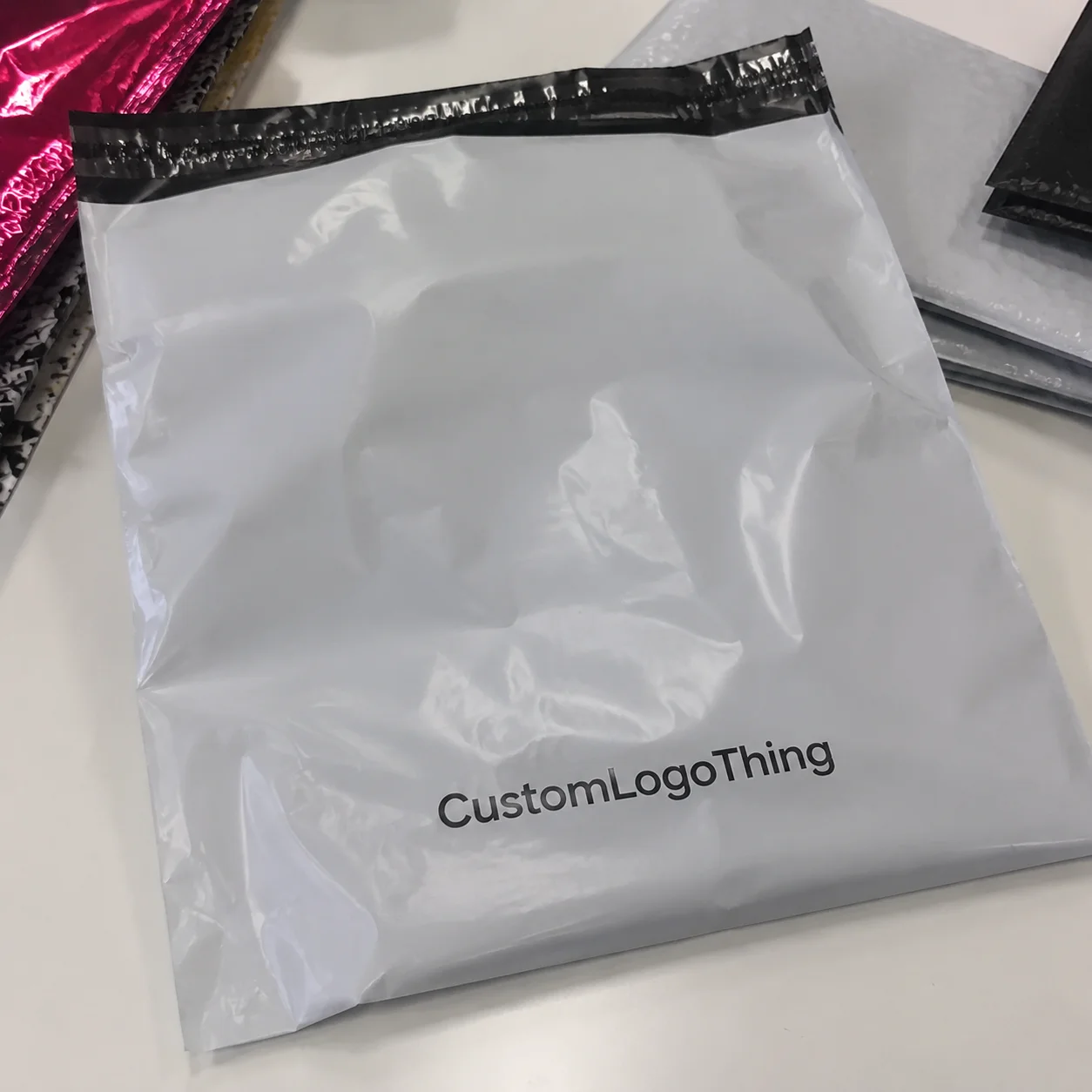
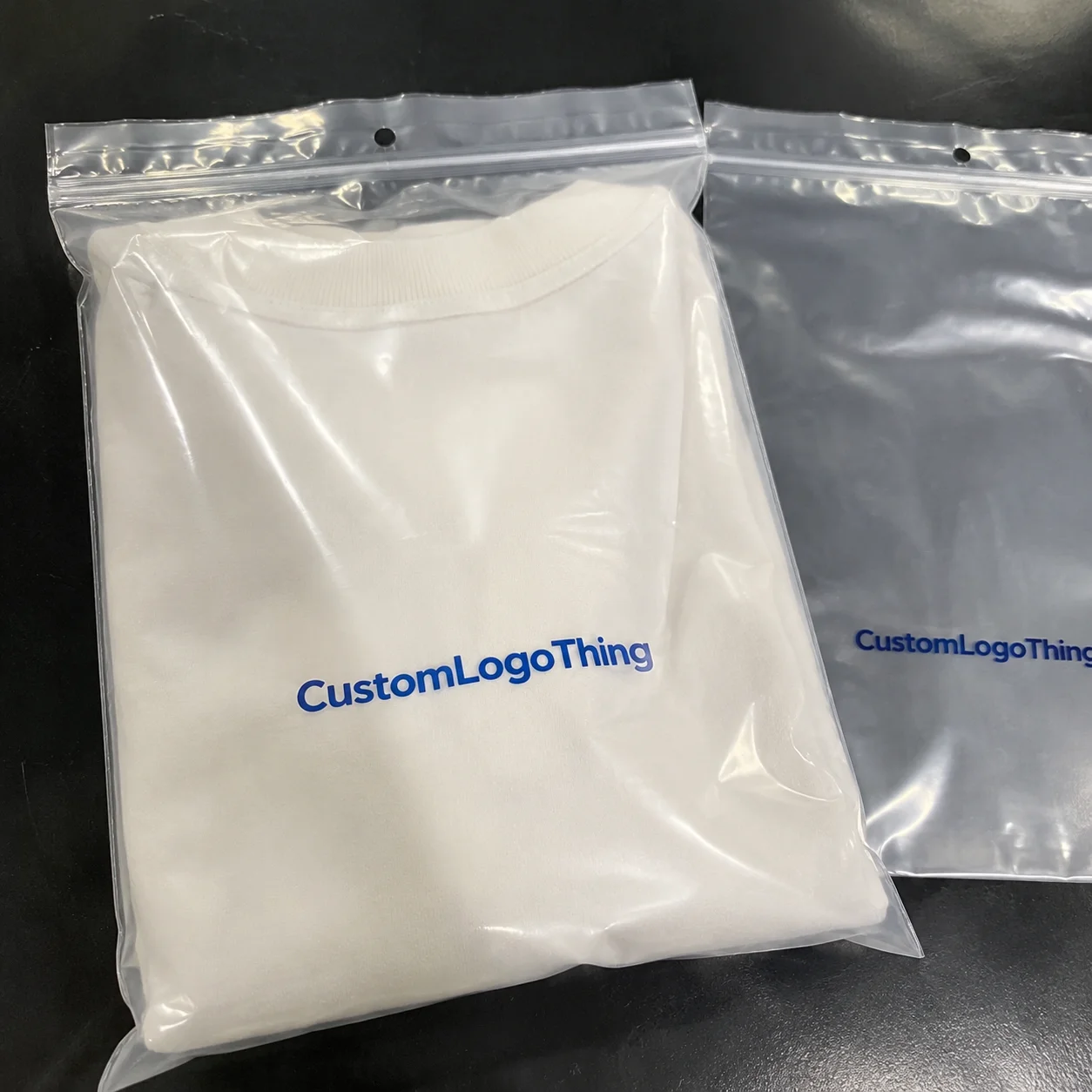
Buyer Fit Snapshot
| Best fit | Minimalist Packaging for Eco Fashion projects where brand print, material claims, artwork control, MOQ, and repeat-order consistency need to be specified before quoting. |
|---|---|
| Quote inputs | Share finished size, material target, print colors, finish, packing count, annual reorder estimate, ship-to region, and any compliance wording. |
| Proofing check | Approve dieline scale, logo placement, barcode or warning zones, color tolerance, closure strength, and carton packing before bulk production. |
| Main risk | Vague material claims, crowded artwork, missing packing details, or unclear freight terms can make a low unit price expensive after revisions. |
Fast answer: Minimalist Packaging for Eco Fashion: Artwork Proof, Packing Count, and Landed Cost should be specified like a repeatable production item. The safest quote records material, print method, finish, artwork proof, packing count, and reorder notes in one written spec.
Production checks before approval
Compare the actual filled-product size with the drawing, then confirm tolerance on folds, seals, hang holes, label areas, and retail display edges. Reserve space for logos, QR codes, warning copy, and material claims before decorative graphics fill the panel.
Quote comparison points
Review material grade, print process, finish, sampling route, tooling charges, carton quantity, and freight assumptions side by side. A quote is only useful when the supplier can repeat the same color, closure quality, and packing count on the next order.
Minimalist Packaging for Eco Fashion: Why Less Can Matter More
I still remember standing on a packing line in a cut-and-sew facility outside Dongguan, in Guangdong Province, watching a team fold beautifully made organic cotton tees into oversized rigid cartons that had more void space than product. The strange part was that the eco-fashion brand had spent more on the magnetic closure, foil stamp, and layered insert system than they had on the garment tags, and the whole thing still looked nervous rather than confident. That’s why minimalist packaging for eco fashion often makes such a strong first impression: it replaces overbuilt decoration with clear intent, better fit, and quieter materials that support the clothes instead of competing with them. Honestly, the clothes should be the main character here, not the box.
In plain terms, minimalist packaging for eco fashion means using the fewest materials, the cleanest structure, and only the branding elements that actually serve protection, communication, and retail presence. I’m talking about a kraft mailer sized to the folded garment, a paperboard sleeve that holds shape without extra plastic, or a tissue wrap with a single one-color mark that feels deliberate instead of empty. The package should do three jobs well: protect the product, tell the brand story, and leave as little waste behind as possible. That’s it. No confetti, no drama, no “surprise” layer that makes the customer dig like they’re excavating a fossil. A simple sleeve printed in one Pantone color on 280gsm FSC kraft can do more than a six-piece box built to impress nobody.
That fit is almost automatic for eco-fashion brands, because the values line up cleanly. Lower material usage means fewer fibers, less resin, and less freight weight; fewer coatings make recycling easier; and a restrained visual language tends to read as more honest to shoppers who already expect authenticity from sustainable labels. Frankly, a lot of brands overcomplicate this and forget that restraint can be a design choice, not a compromise. I’ve had more than one supplier in Shenzhen tell me, with a straight face, that “adding a little extra luxury” meant adding three extra components. Sure. Because nothing says earth-friendly like extra layers nobody asked for, and an extra 42 grams of packaging weight per unit.
Minimalist does not mean cheap, and it definitely does not mean plain in a careless way. I’ve seen a 280gsm FSC-certified kraft sleeve with a blind deboss and sharp registration look more premium than a flashy four-color carton with spot UV, because every fold and texture had a purpose. When the board grade, closure method, and print coverage all point in the same direction, the result feels calm, modern, and very hard to fake. That’s the sweet spot for minimalist packaging for eco fashion: quiet, but not invisible. For a 5,000-piece run, a sleeve like that might land around $0.19 to $0.28 per unit, which is a lot easier to defend than a fancy box nobody remembers five minutes later.
There’s also the emotional side, which people underestimate. A customer opening a neatly sized package made from uncoated kraft, cotton twill, or molded pulp often reads that restraint as confidence. The brand isn’t shouting. It knows exactly what it is, and that can be powerful in brand packaging for apparel, especially when the shopper is paying attention to sustainability claims and material honesty. I’ve watched buyers in showrooms in Los Angeles, Berlin, and Tokyo run their fingers over a box edge and nod like they’d just been handed a small truth. That sounds dramatic, but packaging does that. Annoying, really. A box should not have that much influence, and yet here we are.
How Minimalist Packaging for Eco Fashion Works in Real Production
Minimalist packaging for eco fashion works best when the structure is designed around the actual folded product, not around a generic box size pulled from an old catalog. On a factory floor, that means measuring the garment after folding, checking the thickness of care labels and hang tags, and confirming whether the package is for retail display, e-commerce shipping, or both. A slim sweater in a 30 cm by 24 cm fold stack needs a very different setup from a denim jacket with metal hardware or a scarf bundle tied with a belly band. I remember one supplier in Ningbo, Zhejiang Province, insisting their “standard eco box” could fit everything. It could not. Not unless the sweater was folded by a very committed magician.
In production, the most common formats I’ve seen are folding cartons, mailer boxes, lightweight rigid sleeves, belly bands, tissue wraps, and reusable cotton pouches. Each one has a different cost and handling profile. A folding carton made from 350gsm C1S artboard or recycled paperboard can be quick to convert and easy to stack, while a mailer box in E-flute corrugated board handles parcel shipping better and still keeps the look simple. For lighter retail presentation, a sleeve plus tissue wrap can do the job with less ink and less board area. That is the whole point of minimalist packaging for eco fashion: fewer moving parts, fewer chances for nonsense. A 350gsm C1S sleeve in a 10,000-piece run can often be produced faster than a laminated two-piece rigid set, and the difference shows up on both the invoice and the packing table.
What changes most on the line is the amount of coordination needed. If you remove a complex insert, a plastic tray, and a multi-piece closure system, you cut down die lines, glue points, and hand assembly time. I’ve watched a packing team in Shenzhen go from 900 units per hour to nearly 1,400 units per hour just by switching from a layered insert box to a correctly sized mailer with a folded tissue cradle. That kind of efficiency matters, especially for product packaging that has to move through a warehouse with real labor costs attached. It also matters because nobody wants to pay people to wrestle with packaging that behaves like a stubborn puzzle. In Dongguan, one extra second per unit on a 20,000-unit batch can turn into real overtime. That’s not theory. That’s a payroll line item.
Print and finishing are where the minimalist look either stays elegant or slips into blandness. One-color flexographic printing on kraft stock, soy-based inks, blind debossing, and uncoated paper with only a small logo mark all work well for minimalist packaging for eco fashion. If you use too many finish layers, the package starts fighting itself. I’ve seen brands spend $0.11 per unit on a soft-touch laminate that added almost no value to the customer experience, then complain that their packaging budget felt tight. That’s the sort of decision that makes no sense in a sustainability-focused line. If you are trying to say “clean and responsible,” then adding a slippery plastic feel is a weird hill to die on. In Guangzhou, one supplier quoted me $0.15 per unit for a one-color kraft box at 5,000 pieces, and the same structure jumped to $0.33 when foil and spot UV entered the chat.
Visual restraint is not about removing personality. It’s about using whitespace, texture, and proportion as part of the story. When the package is quiet but precise, the customer notices the board grain, the fold accuracy, and the tactile difference between coated and uncoated stock. That is where package branding becomes stronger, not weaker. The package stops yelling and starts speaking clearly. Rare behavior, honestly. A 2 mm fold tolerance, a clean 90-degree corner, and a single centered mark can do more than a crowded layout packed with slogans no one asked for.
Structures I reach for first
- Folding cartons for retail shelves, especially in 300gsm to 400gsm recycled board.
- Mailer boxes in E-flute or F-flute for e-commerce apparel with better edge protection.
- Kraft sleeves for minimal retail packaging with a clean, low-ink appearance.
- Tissue wraps and belly bands for soft goods that need a quieter, lighter presentation.
- Cotton pouches when the garment itself benefits from a reusable textile-based package.
Key Factors in Minimalist Packaging for Eco Fashion
The first factor is material selection, and I’d argue it’s the one that drives everything else in minimalist packaging for eco fashion. Recycled paperboard, FSC-certified kraft, molded pulp, compostable tissue, and low-plastic closures can all fit the story, but they do different jobs. If the package needs retail stiffness, a 350gsm recycled SBS or kraft-lined board might be right. If the goal is soft, protective nesting for a scarf or knitwear item, molded pulp or a simple tissue system can be enough. The material has to match the garment weight, transit method, and customer expectation. That sounds basic, but I have seen people choose a lovely paper just because it photographed well. Cute. Until shipping day in Hangzhou, when the paper starts buckling under its own ambition.
Durability matters just as much as appearance. A minimalist package still has to survive pallet compression, warehouse handoffs, parcel drops, and the friction that happens when apparel moves through fulfillment centers. I’ve seen gorgeous low-ink mailers fail because they were specified in 250gsm board with no crush resistance, and the cost of returns wiped out the savings from the lighter stock. A package can be simple and still pass ISTA-style handling expectations if the structure and board grade are chosen correctly. For reference standards and test frameworks, the ISTA testing library is worth a look, and the reason so many packaging teams rely on it is that real transit is rarely gentle. Real transit is basically a contact sport, especially if the carton gets tossed through hubs in Chicago or Rotterdam.
Brand hierarchy comes next. If the logo sits in the wrong place, or if the typography is too small to read at arm’s length, the whole package feels uncertain. A single accent color, one strong typeface, and controlled whitespace can often do more than a crowded pattern system. In my experience, packaging design gets stronger when every element earns its space. That is especially true for custom printed boxes, where the temptation is to fill every panel just because the surface is there. I’ve had clients ask, “Can we put our mission statement on the side panel?” Sure. You can also put a novel on the side panel. Doesn’t mean you should. A 60 mm logo on a 120 mm panel is usually enough for a clean retail read.
Sustainability claims need discipline. I’ve sat in meetings where a brand wanted to call a package “fully eco” even though it used a PE-coated insert and a foil-laminated belly band. That kind of language creates trouble fast. If the material is recyclable, say recyclable only if local facilities accept it. If it has recycled content, specify the percentage. If it’s compostable, confirm the standard and the conditions. The EPA recycling guidance is useful here because it reminds brands that local infrastructure decides a lot of what happens after disposal. Packaging people love certainty. Reality does not care. A claim like “80% post-consumer recycled content” is far better than “eco-conscious” printed in a pastel font and left to fend for itself.
Customer experience is the final factor, and it’s not fluffy at all. The opening should feel intuitive, the garment should come out without a fight, and the package should be easy to store or recycle afterward. A good minimalist setup reduces confusion. Customers should not need a diagram to figure out how to separate the components. If they do, the design has probably drifted away from the point of minimalist packaging for eco fashion. Nobody wants to unwrap a sweater like they’re solving a tax form. A mailer that opens in under 10 seconds and uses one tear strip is a lot more persuasive than a “luxury” box that needs a tutorial.
What premium usually means here
Premium in this category tends to come from precision rather than decoration. Tight dieline tolerances, clean folding, a matte uncoated feel, and a sharp logo impression can carry more weight than a pile of special effects. I’ve seen buyers in Tokyo, Berlin, and Los Angeles respond the same way: they want the package to feel intentional, and they can tell when corners were cut in the wrong place. They can also tell when a supplier used “premium” as code for “expensive and slightly annoying.” A well-made 280gsm kraft sleeve with a blind deboss and 1.5 mm score accuracy often feels more premium than a box loaded with foil and insecurity.
Cost and Pricing for Minimalist Packaging for Eco Fashion
Pricing for minimalist packaging for eco fashion usually comes down to six levers: material grade, print complexity, custom sizing, closure method, labor time, freight, and order volume. A small change in one of those can move the total by a surprising amount. For example, a simple kraft mailer might run about $0.18 per unit at 5,000 pieces, while a custom rigid retail box with a specialty recycled wrap can land closer to $1.10 to $1.85 per unit depending on the build, board, and finishing. Those numbers are not universal, but they’re a real-world range I’ve seen quoted from suppliers in Dongguan, Poland, and Vietnam. And yes, pricing tables always look neat right up until you ask about freight, duties, and the “small” setup fee of $120 to $300 per design.
Minimalist design often lowers cost because it reduces ink coverage, removes extra parts, and speeds up packing. Fewer components mean fewer opportunities for labor bottlenecks. A one-color flexo print on kraft can be much cheaper than a four-color process with spot gloss and foil. A fold-and-close sleeve can be quicker than a box with three inserts and a ribbon tie. Still, the cheapest build is not always the smartest one if the material is too light or if the package has to carry a premium retail moment. I’ve had brands celebrate saving $0.04 per unit and then quietly pay more in customer complaints. Thrilling spreadsheet victory. Terrible business decision. On a 10,000-piece order, that “small” $0.04 turns into $400, which is a real budget line, not pocket change.
| Option | Typical Material | Approx. Unit Price at 5,000 pcs | Best Use | Notes |
|---|---|---|---|---|
| Kraft mailer | FSC kraft E-flute | $0.18 - $0.32 | E-commerce apparel | Lightweight, fast to pack, good for low-ink branding |
| Tissue wrap + belly band | Compostable tissue, paper band | $0.09 - $0.22 | Retail presentation | Very low material use, but limited transit protection |
| Folding carton | Recycled paperboard | $0.24 - $0.48 | Retail or gift packaging | Better shelf presence, moderate tooling and print cost |
| Rigid box | Greyboard with paper wrap | $0.95 - $1.85 | Premium launches | High perceived value, more labor, more freight |
Order volume changes the equation quickly. Tooling and setup costs spread more efficiently at 10,000 units than at 2,000, and that often makes a custom dieline suddenly practical. I’ve had clients save 18% to 26% per unit simply by moving from multiple short runs to one planned release with a single material spec. That said, if the product line changes every six weeks, a very custom box can become a headache rather than a win. It’s not romantic, but packaging loves consistency. In one Shanghai project, a switch from 2,500-piece top-ups to a 12,000-piece release cut the unit cost from $0.41 to $0.29 because the press and die setup got spread properly across the run.
You also need to look beyond unit price. Damage rate matters. Packing speed matters. Customer perception matters. Disposal satisfaction matters too, because a package that is easy to recycle or reuse tends to support the brand after the sale. For eco-fashion brands, the total packaging cost should include the cost of returns, rework, storage, and the hidden labor that comes from awkward structures. A box that saves $0.06 but adds 12 seconds of pack time can cost more than it saves over a 20,000-unit run. I’ve seen that mistake make a very clean-looking spreadsheet and a very messy warehouse. If your team is packing 800 units per hour instead of 1,200, the “cheap” box starts looking expensive fast.
One client I worked with in Porto, Portugal, moved from a three-piece insert system to a single kraft sleeve plus tissue, and their packers shaved nearly 9 hours off a weekly shift rotation. The box looked cleaner, the line moved faster, and the complaints about “fussy packaging” stopped almost immediately. That’s a classic minimalist packaging for eco fashion outcome: lower friction in both manufacturing and customer use. Also, fewer angry sighs in the packing room. Which, frankly, should be a KPI. Their freight weight also dropped by 14% on a 6,000-unit export batch, and nobody misses paying to ship air.
Step-by-Step Process and Timeline for Minimalist Packaging for Eco Fashion
Good minimalist packaging for eco fashion starts with discovery and sizing, not artwork. Measure the folded garment at its thickest point, then add only the clearance needed for folding tolerance and transit stability. If the package also needs to hold a care card, hang tag, or garment insert, include that from the start. I’ve seen more than one packaging launch go sideways because a brand approved the box before deciding whether the label, thank-you card, or QR insert would fit inside. That is the kind of “small detail” that somehow becomes everybody’s emergency on a Thursday afternoon in Milan or Manchester.
After sizing comes structure selection. Choose the lightest format that still protects the item and supports the selling channel. Retail packaging can prioritize shelf presence and tactile feel, while e-commerce packaging needs crush resistance and clean opening behavior. Once the structure is set, the branding sits on top of that decision instead of forcing itself into a shape that doesn’t fit. The package should follow the product, not bully it. A 300gsm folding carton may be enough for a T-shirt, while a 1.5 mm greyboard rigid set is overkill unless you are shipping a premium capsule launch and enjoy paying for it.
Sampling is where the truth shows up. A flat dieline can look great in a PDF and still behave badly when folded. Paper memory, glue spread, and crease performance all matter. I always recommend physical samples before final approval. Test the fold. Check the seam. Look at the way tissue sits against the fabric. If the package feels empty, add structure by sizing or closure, not by layering random decoration on top. I have personally watched a “simple” sample turn into a stubborn paper brick because someone ignored grain direction. Paper, apparently, has opinions. In our Shenzhen test room, one wrong grain direction turned a neat sleeve into a split corner within 12 folds.
Here’s a typical workflow I’ve used in factories and supplier meetings:
- Measure the garment and accessories.
- Choose the package format and board grade.
- Approve the dieline and print area.
- Review one or two samples with the actual product.
- Confirm artwork, ink coverage, and claims.
- Run final production and inspect the first cartons off the line.
- Schedule freight and warehouse intake.
A realistic timeline for minimalist packaging for eco fashion often looks like this: 2 to 4 business days for discovery and sizing, 3 to 7 business days for initial sampling, 5 to 10 business days for revisions if needed, and 10 to 18 business days for production after proof approval, depending on material availability and finishing. Specialty papers, molded pulp inserts, or custom cotton pouches can add time. If a supplier is waiting on FSC-certified stock or an imported ink system, expect the schedule to stretch a little. That’s normal, not a failure. It is, however, the sort of normal that makes a lot of people pretend they “just want options” while secretly wanting time travel. In my experience, the cleanest runs are typically 12 to 15 business days from proof approval for a standard folding carton made in Dongguan or Wenzhou, assuming the paper is already in stock.
For brands that want both speed and control, working through a supplier with a stable product packaging line matters a lot. At Custom Logo Things, I’d normally advise clients to compare the structure they want with what their fulfillment team can actually pack without slowing down. If a design saves one visual step but creates five handling steps, it is not really minimalist at all. It is just difficult in a quieter outfit. And quiet trouble is still trouble. A box that looks simple but needs 25 seconds of hand assembly is not minimalist; it is just wearing a better shirt.
Common Mistakes to Avoid with Minimalist Packaging for Eco Fashion
The most common mistake I see with minimalist packaging for eco fashion is under-packaging. There is a fine line between clean simplicity and a package that feels unfinished or fails in transit. If a garment arrives wrinkled, crushed, or exposed, the brand loses the very confidence it was trying to create. A clean design still has to be structurally honest. Minimalism is not an excuse to ship a sweater in a sad paper envelope and call it philosophy. If the ship zone includes long-haul trucking from Shanghai to Frankfurt, then a little board strength is not optional.
Greenwashing is the next trap. A package can look earthy because it is brown, but that does not make it sustainable. Mixed materials, unrecyclable coatings, and vague claims like “eco-friendly” without proof can backfire quickly. If you use recycled content, list the percentage. If the package is recyclable, explain the material combination clearly. I’ve sat through enough supplier negotiations in Dongguan to know that fuzzy language usually means somebody is hoping nobody asks the follow-up question. Spoiler: somebody always asks the follow-up question. “Kraft-looking” and actually recyclable are not the same thing, no matter how many leaves you print on the box.
Another mistake is leaving too much blank space without a visual plan. Minimalism is not the same as emptiness. White space, or kraft space, needs hierarchy. The logo, type size, fold line, and opening moment must work together. If nothing guides the eye, the package feels accidental. That matters for retail packaging, where the shelf encounter may last only 3 or 4 seconds. In that tiny window, “random” reads as cheap. A 40 mm logo on a 180 mm front panel usually feels balanced; a tiny mark floating in a sea of nothing can feel unfinished unless the rest of the system is very deliberate.
Logistics get ignored more often than they should. A beautiful rigid box can look fantastic in a showroom and still be a poor fit for e-commerce if it adds weight, dimensional freight cost, and damage risk. One apparel client in Chicago loved a premium box until their ship rate jumped by nearly 14% because the carton crossed a pricing threshold. That’s a real-world example of why package branding has to respect the freight table, not just the mood board. Freight does not care how pretty the render is. Freight has no soul. A 2.2 kg carton can trigger a different rate band than a 1.8 kg carton, and that difference is where “premium” starts showing up as a math problem.
Testing only the mockup is the final big error. A digital rendering can hide weak crease memory, awkward closures, and poor stacking performance. You need to test the physical package in warehouse conditions, parcel lanes, and shelf settings if the product will be sold both online and in-store. Standards like ASTM and ISTA exist for a reason: they keep packaging honest under load, vibration, and drop conditions. If you want a broader packaging standards reference point, the Institute of Packaging Professionals is a solid source for industry context and training. I’ve seen a sample pass the desk test in under 30 seconds and fail a 76 cm drop test in the first round. Paper has a sense of humor, and it is not kind.
Expert Tips and Next Steps for Minimalist Packaging for Eco Fashion
If I were starting a new line from scratch, I’d begin with the product experience and build outward. That means asking how the garment should arrive, how the customer should open it, and what should happen to the packaging after unboxing. In minimalist packaging for eco fashion, protection and story have to work together, and the brand voice should sit on top of that foundation rather than the other way around. The package is not a soapbox. It’s a working part of the business. For a T-shirt brand shipping from Ningbo to New York, the goal is not theatrical drama. The goal is that the shirt arrives clean, flat, and not embarrassed.
My strongest advice is to pick one material story and make it clear. Recycled kraft with minimal ink is a strong story. FSC-certified board with water-based print is also strong. What usually weakens the result is trying to explain too many environmental virtues in one package. Keep the message simple enough that a customer can understand it in one glance and trust it without a paragraph of explanation. If you need a manifesto on the inside flap, the system is already too busy. One clean message on a 280gsm sleeve beats four claims and a QR code maze.
Request real samples before approving any run. Not photographs. Not just a PDF proof. Physical samples. Put the actual garment, care label, and insert set inside the package and see how it behaves after three or four open-close cycles. I’ve lost count of the number of times a package looked perfect until we discovered the tissue tore too easily or the sleeve buckled at one corner because the board grain ran the wrong direction. The camera is kind. The sample table is brutally honest. If the sample survives a 1-meter shelf pull and a 30-second pack test, then we can talk.
Here’s a practical review checklist I use with clients:
- Confirm garment dimensions after folding.
- Select the lightest durable material.
- Approve the dieline and closure method.
- Check ink coverage and brand placement.
- Test shipping, storage, and shelf handling.
- Verify recyclability and content claims.
- Lock the production timeline and freight window.
One of the best signals that a package is ready is that nobody in the room feels the need to add anything. That may sound simple, but it takes discipline. The right minimalist packaging for eco fashion should already feel complete at the sample stage, with no extra ribbon, no unnecessary insert, and no awkward explanation from the sales team. If the structure is correct, the branding is calm, and the material choice matches the sustainability story, the package does its job quietly and well. A clean 350gsm C1S artboard carton with a single-color mark can feel more resolved than a box that screams for attention and still misses the point.
For brands building out a broader packaging program, I’d also suggest reviewing your lineup of Custom Packaging Products with the same filter: what protects the product, what supports the brand, and what can be removed without hurting the experience? That’s the practical path to better branded packaging and lower waste across the board. I know, not sexy. Still true. If a component adds cost, weight, or assembly time in Guangzhou or Porto, it should earn its place.
Minimalist packaging for eco fashion works best when the same thinking carries through retail, shipping, and the post-purchase moment. Keep the structure simple, the claims accurate, and the materials honest, and you’ll usually see less waste, smoother packing, and a stronger reaction from customers who appreciate a package that feels as considered as the clothing inside. In practice, that usually means a right-sized box, a one-color print plan, and a production timeline that starts with a proof and ends with cartons that actually close. If you need a starting point, choose one package format, one material story, and one physical sample test—then cut anything that doesn’t help the garment arrive better.
FAQ
What is minimalist packaging for eco fashion?
It is packaging that uses only the materials and design elements needed to protect the garment and communicate the brand clearly. It usually favors recycled paper, kraft, simple folds, and low-ink printing over heavy decoration or multi-layer builds. In a practical setup, that might mean a 280gsm kraft sleeve, a 350gsm C1S carton, or a tissue wrap with a paper belly band.
Does minimalist packaging for eco fashion cost less?
Often yes, because it can reduce material usage, print steps, and packing time. But premium recycled substrates or custom structures can raise unit cost, so total packaging cost should be reviewed, not just the material price. For example, a kraft mailer might land around $0.18 per unit at 5,000 pieces, while a rigid box can move closer to $1.10 to $1.85 depending on board and finish.
What materials work best for minimalist packaging for eco fashion?
Recycled kraft, FSC-certified paperboard, molded pulp, compostable tissue, and simple cotton pouches are common choices. The best material depends on whether the package is for retail display, e-commerce shipping, or both. If you need shelf stiffness, 350gsm C1S artboard or recycled SBS is a solid start; if you need lower weight, E-flute corrugated is often better.
How long does it take to produce custom minimalist packaging for eco fashion?
Timeline depends on structure complexity, sampling rounds, material availability, and print finishing. A simple design can move faster than a multi-component box, but approval delays and specialty materials can stretch the schedule. In many factories in Dongguan, Shenzhen, or Ningbo, standard production is typically 12 to 15 business days from proof approval once materials are in stock.
How can I make sure minimalist packaging still feels premium?
Use precise sizing, strong typography, clean whitespace, and tactile materials with good board quality. A premium feel usually comes from fit, finish, and consistency rather than from adding more layers. A blind deboss on a 280gsm kraft sleeve or a sharp one-color print on a 350gsm board often looks more premium than a crowded box with too many finishes.
Related packaging resources
Use these related guides to compare specs, costs, quality checks, and buyer decisions before making the final call.