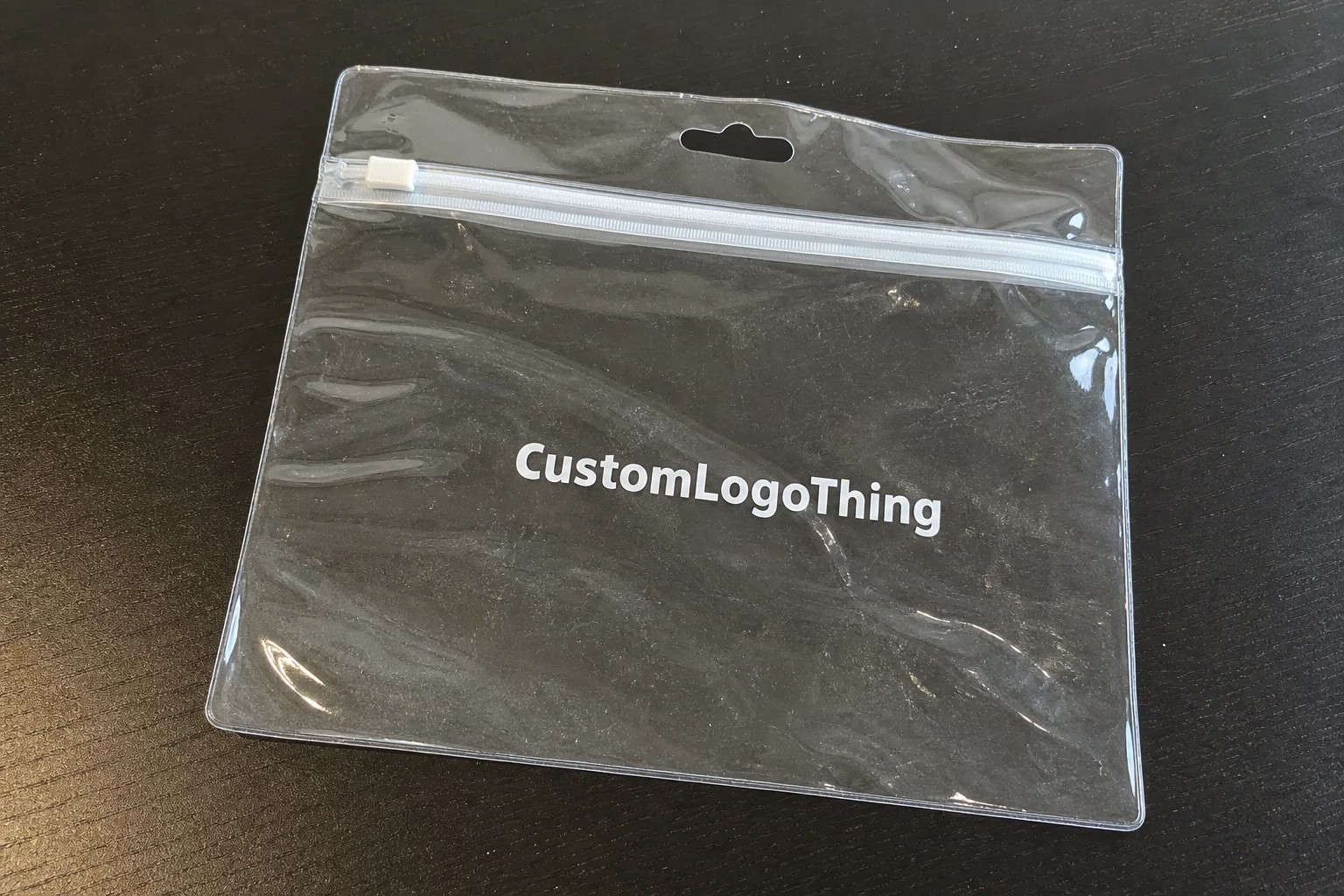
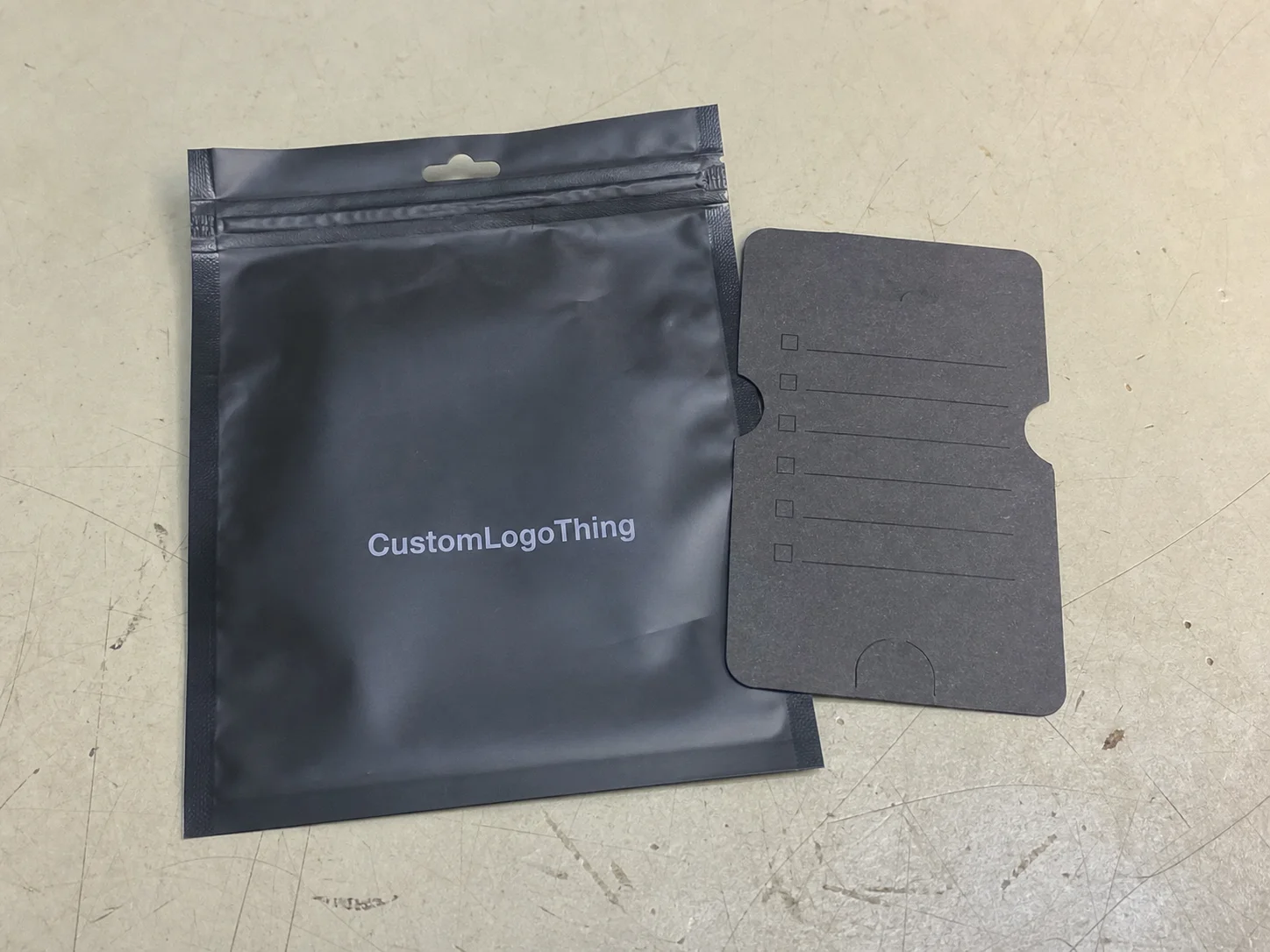
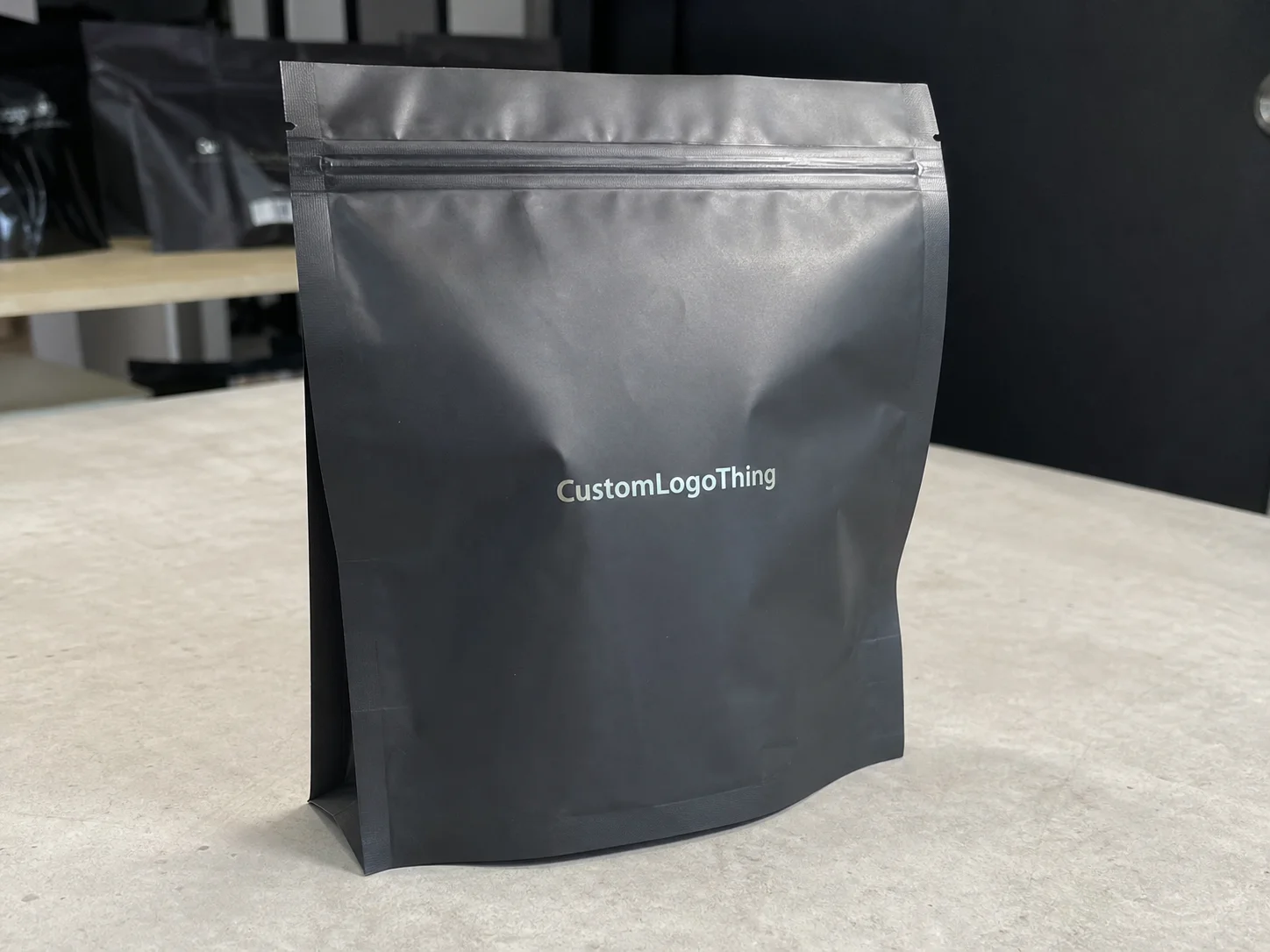
Buyer Fit Snapshot
| Best fit | startup packaging systems that need eco claims, low MOQ, and consistent unboxing pieces where brand print, material, artwork control, and repeat-order consistency matter. |
|---|---|
| Quote inputs | Share finished size, material target, print colors, finish, packing count, annual reorder estimate, and delivery region. |
| Proofing check | Approve dieline scale, logo placement, barcode or warning zones, color tolerance, and any recyclable or compostable wording before bulk production. |
| Main risk | Vague material claims, crowded artwork, or missing packing details can create delays even when the unit price looks attractive. |
Fast answer: Eco-Friendly Startup Packaging Kit: Mailers, Inserts, Stickers, and Claim Proof should be specified like a repeatable production item. The safest quote includes material, print method, finish, artwork proof, carton packing, and reorder notes in one written spec.
What to confirm before approving the packaging proof
Check the product dimensions against the actual filled item, not only the sales mockup. Ask for tolerance on folds, seals, hang holes, label areas, and retail display edges. If the package carries a logo, QR code, warning copy, or legal claim, reserve that space before decorative graphics fill the panel.
How to compare quotes without losing quality
Compare board or film grade, print process, finish, sampling route, tooling charges, carton quantity, and freight assumptions side by side. A lower quote is only useful if the supplier can repeat the same color, closure quality, and packing count on the next order.
When a founder asks me for an Eco-Friendly Packaging Startup guide 2024, I usually hear the same worry hiding behind the question: “Can I make this look premium without turning it into an expensive science project?” I’ve stood on enough packing lines, from corrugated converters in Shenzhen to folding-carton plants outside Chicago and label shops in Dongguan, to tell you the honest answer is yes, but only if you treat eco-friendly packaging like an engineered system, not a slogan. The best eco-friendly packaging startup guide 2024 thinking starts with product protection, then builds outward into branded packaging, freight efficiency, and the kind of package branding that makes customers feel good about opening the box.
I’ve seen startups spend $1.80 per unit on a fancy mailer that crushed in transit, and I’ve seen another brand save 14% on freight after switching from an oversized rigid carton to a right-sized recycled corrugated shipper with molded pulp inserts. That second company had lower damage claims, fewer returns, and a cleaner carbon footprint story, all because the packaging matched the product instead of fighting it. Their project also moved faster: 16 business days from proof approval to first delivery from a plant in Huizhou, Guangdong. That is the practical heart of this eco-friendly packaging startup guide 2024—less waste, fewer mistakes, and a better customer experience.
Eco-Friendly Packaging Startup Guide: Why It Matters
On the factory floor, “eco-friendly” does not mean flimsy, brown, or boring. Honestly, I think that misconception costs startups money every week, because they either overbuy material to compensate for weak assumptions or underbuy and end up with broken goods. In a solid eco-friendly packaging startup guide 2024, the goal is to use the right material, the right structure, and the right amount of ink, board, or filler so the package protects the product and still speaks well for the brand. If a carton needs a 350gsm C1S artboard face with a 250gsm gray backer, say that. If a mailer needs E-flute corrugated with 140gsm kraft liner, say that too.
Practical eco-friendly packaging usually means one or more of these things: recyclable materials, recycled content, compostable substrates where they truly fit, responsibly sourced fiber, lightweight structures, and right-sized dimensions that reduce raw material use. For many startups, that also means choosing product packaging that can travel efficiently through parcel networks without adding unnecessary void fill. A good eco-friendly packaging startup guide 2024 should help you see that sustainability and performance are not enemies; the best projects I’ve been involved in improved both at once. One client in Austin cut carton weight by 22 grams and still passed ISTA 3A after switching to a narrower tuck design.
Customers notice this more than founders sometimes expect. In a meeting with a cosmetics client in Los Angeles, I watched the room go quiet when we compared two mockups: one was a glossy, heavily laminated carton that looked luxurious but had poor recyclability, and the other used a 350gsm FSC-certified paperboard with one-color soy-based print and a simple tuck structure. The second option felt more honest, more current, and more aligned with the brand story. That’s why eco-friendly packaging startup guide 2024 planning matters early, before the art department locks in a look that the supply chain can’t support.
It also matters because retailers and marketplaces have become much stricter about packaging claims, labeling clarity, and damage rates. If you are selling through DTC, Amazon, boutique retail, or food-service channels, your packaging must do more than look responsible. It has to hold up in a fulfillment center, survive parcel handling, fit shelf dimensions, and communicate the right legal and sustainability information. If you want a broad starting point for materials and structures, the packaging resource library at Custom Packaging Products is a good place to compare options before you commit. I’ve used suppliers in Dongguan, Foshan, and Dallas for these early comparisons because the sample turnaround can vary by 3 to 7 days depending on where the tooling sits.
One more reality: eco-friendly is not one universal substrate. A subscription snack brand, a fragile skincare line, and a Bluetooth accessory company will not use the same construction, even if all three want lower-impact packaging. Moisture exposure, shelf life, product shape, closure style, and unboxing expectations all change the answer. That is why a smart eco-friendly packaging startup guide 2024 has to be practical rather than ideological. A film that works for dry tea in Portland may fail fast for bath salts shipped through humid Savannah in July.
“The best sustainable package is the one that actually arrives intact, fits the channel, and uses the fewest materials that still do the job.”
What Is an Eco-Friendly Packaging Startup Guide 2024?
An eco-friendly packaging startup guide 2024 is really a decision framework. It helps you choose packaging that protects the product, supports your brand, and keeps material waste under control. That means looking beyond pretty mockups and asking practical questions: What is the shipping channel? What board grade makes sense? Does the package need to be recyclable, recycled-content, compostable, or all three? A good guide also includes the boring stuff, like testing, certification, lead times, and landed cost. Boring is where launches live or die.
For a startup, the value of an eco-friendly packaging startup guide 2024 is speed with fewer mistakes. It keeps you from approving a design that looks polished on a screen but fails in a fulfillment center. It also keeps your team aligned on sustainability claims so you do not end up printing something that your packaging supplier cannot document. If you want the short version, the guide is about building a packaging system that can scale without turning into landfill theater.
How Eco-Friendly Packaging Works in Real Production
The process starts long before print. In a real plant, the chain usually runs like this: product specs, structural concept, material selection, dieline engineering, prototyping, prepress, printing, converting, finishing, packing, and freight. I’ve walked enough lines to know that when one of those steps is rushed, the whole job feels it. That is why an eco-friendly packaging startup guide 2024 should spell out production, not just branding. At a carton plant near Suzhou, I watched a 48-hour delay become a 10-day delay because the dieline changed after the plates were already imaged. Tiny change. Big pain.
Factories evaluate several substrates depending on what the item needs. Kraft board is popular because it signals natural texture and usually contains recycled fiber or responsibly sourced virgin fiber, depending on grade. Recycled SBS can work beautifully for premium retail packaging when print clarity matters more than a raw brown look. Corrugated fiberboard is still the workhorse for shipping protection, especially in E-flute and B-flute constructions. Molded pulp is excellent for inserts and cushioning, while bagasse can make sense for food-service applications. Compostable films may fit certain flexible packs, but they are not a default solution and should be tested against the actual use case. Any serious eco-friendly packaging startup guide 2024 has to say that plainly, because a PLA film that looks great in a pitch deck can turn into a sticky mess in a hot truck in Phoenix.
Structure is often where the biggest waste reduction happens. A package with a tight dieline, fewer cavity spaces, and a snug insert may use 20% less material than a loose box filled with paper void fill. I once reviewed a supplement carton where the startup wanted a deeper box “for presence.” We shortened the depth by 11 mm, reduced board usage, and cut the insert from two parts to one locking tray. The package looked more premium, not less, because it fit like it was designed on purpose. That kind of detail belongs in every eco-friendly packaging startup guide 2024 because structure often matters more than the substrate label. The final board spec was 400gsm single-side coated artboard with a 1.5 mm white paperboard insert, and the customer still called it “luxury.”
Printing and converting matter too. Flexographic printing is common for shipping cartons and corrugated outer packs because it handles speed well and keeps costs manageable on long runs. Offset lithography is usually preferred for retail packaging where sharper imagery and tighter color control are needed, especially for Custom Printed Boxes. Then the board moves through die-cutting, folding, gluing, scoring, window patching if needed, and final pack-out. On some high-speed folders, I’ve seen 12,000 to 18,000 cartons an hour moving through a line when the artwork, glue pattern, and board spec were all dialed in. In Shenzhen and Xiamen, that speed is normal on the right machine; what kills output is sloppy files and last-minute ink changes.
Testing is where the “green” idea earns its keep. Good factories will run drop tests, compression tests, humidity exposure, and transit simulation to check whether the package survives actual shipping. If you need a reference standard for transport testing, ISTA is a solid authority; their guidelines are widely used across shipping and parcel packaging programs, and you can find more about them at ISTA. For broader environmental and waste context, the EPA’s packaging and waste resources are also useful, especially if you’re trying to understand disposal pathways and materials reduction goals: EPA. A serious eco-friendly packaging startup guide 2024 should point founders toward standards, not just marketing copy. I’ve had a 2-kilo glass jar survive a 90 cm drop after we added a 3 mm pulp corner protector; that tiny insert saved the whole launch.
Key Factors in Eco-Friendly Packaging Startup Guide Decisions
Material choice should start with the product, not the trend. Dry goods can often live happily in recycled paperboard or corrugated structures with minimal coating. Cosmetics may need more attention to print quality and interior presentation. Supplements often need tamper evidence, legal copy space, and reliable shelf stability. Apparel packaging may prioritize lighter weights and cleaner branding. Electronics typically need better crush resistance and sometimes antistatic protection. Food items introduce barrier, grease resistance, or direct-contact rules. A useful eco-friendly packaging startup guide 2024 always begins there, because a peppermint tea box and a 500 mL serum bottle do not have the same needs.
Branding is the next layer. Natural textures, muted inks, and restrained finishing can tell a sustainability story without looking unfinished. I’ve seen too many startups swing from “too glossy” to “looks like a shipping box someone forgot to design.” The sweet spot is usually a thoughtful blend of structure, typography, and one or two tactile details. That might mean a kraft exterior with a single-color black print, or a white recycled paperboard carton with a soft-touch aqueous coating on just the logo panel. The best eco-friendly packaging startup guide 2024 advice is not to remove personality; it is to remove wasteful decoration. A matte aqueous coat on the front panel can do more work than a full wrap of plastic lamination.
Verification is where people get into trouble. Recycled content claims should be backed by supplier documentation. FSC certification matters when the fiber chain is being claimed as responsibly sourced, and the Forest Stewardship Council remains a trusted reference for chain-of-custody and certification basics. If you are making a claim on pack, make sure it matches the paper grade, the region, and the actual certification status. An honest eco-friendly packaging startup guide 2024 should tell you to avoid vague phrases like “earth-friendly” or “green” unless you can explain them precisely. I ask for mill certificates, invoice notes, and photos of the bale tags before I trust a recycled-content claim.
Operational reality can be the hardest part for startups. Minimum order quantities might be 1,000 units on a simple stock-based mailer, but 5,000 to 10,000 units for a fully custom printed carton depending on tooling and press setup. Storage space also matters; if your warehouse only holds 12 pallet positions, ordering 20,000 cartons can create a cash-flow and clutter problem fast. This is one reason I encourage founders to build a packaging roadmap, not a single purchase. A smart eco-friendly packaging startup guide 2024 should help you phase packaging as revenue grows. I’ve seen a brand in Toronto save 18% on upfront cash burn by splitting a 10,000-unit order into two 5,000-unit releases across 60 days.
Channel constraints deserve their own section because they can make or break the final pack. DTC shipping might favor corrugated mailers and inserts that are quick to pack. Retail packaging needs shelf impact, hang-tab compatibility, and more disciplined labeling. Food-contact packaging has stricter material rules. Legal copy often consumes more space than founders expect, especially if ingredient statements, country-of-origin marks, or recycling instructions are required. In one supplier negotiation, the client insisted on shrinking the carton by 8 mm to save board cost, then realized the warning panel no longer fit all required copy. That’s a classic eco-friendly packaging startup guide 2024 problem: the cheapest-looking option can become the most expensive one. We fixed that one with a 2 mm panel expansion and a lower-profile serif font at 6.5 pt.
Eco-Friendly Packaging Startup Guide: Cost, Pricing, and Budgeting
Packaging pricing has several layers, and I wish more founders saw them clearly before asking for a quote. The main costs are material, tooling, printing plates, die-cut setup, finishing, freight, warehousing, and quality control. A simple kraft mailer might be straightforward, while a premium rigid box with custom inserts can add hand assembly, specialty board, and longer lead time. That is why the eco-friendly packaging startup guide 2024 conversation should always include total landed cost, not just the unit price on a spreadsheet. A quote from a factory in Ningbo and a landed cost to New Jersey are not the same thing, and pretending otherwise is how budgets explode.
Here’s the part many startups miss: eco-friendly packaging can cost a little more up front and still save money overall. If you reduce package weight by 18 grams and trim the outer dimensions enough to drop a parcel into a lower dimensional-weight bracket, you may save on shipping every single order. Fewer damaged units also means lower returns and fewer replacements. I saw a skincare startup cut damage claims by 31% after moving from a glossy oversized carton to a snug recycled paperboard box with molded fiber cradle inserts. That improvement paid for the tooling in less than one season. That is the practical side of any eco-friendly packaging startup guide 2024. They were paying $0.62 extra per unit before; after the redesign, they dropped to $0.49 and stopped refunding broken jars.
Order quantity is one of the biggest price drivers. At 5,000 units, setup fees are spread across enough pieces to create reasonable unit costs. At 500 units, the same setup can make the package look expensive even before you choose inks or finishing. On a recent quote comparison, a recycled folding carton was priced at $0.18 per unit at 5,000 pieces, while the same structure at 1,000 pieces came in at $0.41 per unit. That spread is normal, not a rip-off; the press, die, and make-ready time still have to be paid. Every eco-friendly packaging startup guide 2024 worth reading should explain that setup economics matter. For one 350gsm C1S carton out of Guangzhou, the price was $0.15 per unit for 5,000 pieces after the first proof was approved.
| Packaging Option | Typical Unit Cost | Strength | Best Use Case |
|---|---|---|---|
| Recycled corrugated mailer | $0.22–$0.55 | High shipping protection | DTC, apparel, supplements, subscription boxes |
| Kraft folding carton | $0.18–$0.65 | Medium protection, strong branding | Cosmetics, small goods, retail packaging |
| Rigid box with paper wrap | $1.10–$3.50 | Premium presentation | Gift sets, luxury product packaging, launches |
| Molded pulp insert | $0.12–$0.48 | Excellent cushioning | Electronics, glass, fragile items |
| Compostable flexible film | $0.20–$0.90 | Application-specific | Selected food or flexible-pack formats |
Those numbers are directional, and they move with board grade, print coverage, finish, size, and the market for paper pulp. Freight alone can move a quote by several cents per unit if you are importing from an overseas factory to a domestic fulfillment center. My advice in every eco-friendly packaging startup guide 2024 conversation is to budget for at least three scenarios: conservative, target, and stretch. That gives you room if a paper grade shifts or a coating spec needs adjustment. A carton quoted at $0.29 FOB Shenzhen can land closer to $0.37 once ocean freight, duty, drayage, and warehouse receiving are added.
Startups should also budget in phases. I usually suggest prioritizing the shipper first, because that’s the layer with the most direct damage and freight impact. Next comes the retail carton or product box. Inserts, tissue, stickers, and premium accessories can be added once the core pack is performing. If you need a starting point for different product structures, the Custom Packaging Products catalog can help you compare basic box types before you begin custom development. A grounded eco-friendly packaging startup guide 2024 should keep cash flow in mind as much as design. I’ve watched founders spend $4,000 on foil labels before they had a carton that could survive a 3-foot drop.
Step-by-Step Process and Timeline for Eco-Friendly Packaging
Most packaging delays start with missing information, not bad manufacturing. The cleanest process begins with a brief that includes product dimensions, unit weight, shipping method, sustainability goals, brand style, target budget, and launch date. After that comes material selection, structural design, prototype creation, revisions, prepress, production, and delivery. A disciplined eco-friendly packaging startup guide 2024 should treat each of those steps as a milestone with a sign-off, not a loose conversation. If your product is going to a fulfillment center in Dallas or an importer in Rotterdam, that timeline has to be pinned down before the first dieline gets cut.
For simple runs, a stock mailer with light customization can move quickly, sometimes in 7 to 12 business days once artwork is approved and inventory is ready. Fully custom printed boxes, rigid boxes, or molded pulp inserts usually need more time because samples, tooling, and color proofing add layers to the schedule. A more realistic custom timeline is often 15 to 30 business days from proof approval, and larger projects can run longer if the design changes midstream. I’ve seen a small startup lose 11 days because the founder changed the product insert after the first sample arrived and then asked the vendor to “just update it fast.” That never helps. In a real eco-friendly packaging startup guide 2024, timing discipline matters, especially if the factory is in Qingdao and the freight booking window is already tight.
What slows projects down most? Low-resolution artwork, vague sustainability requirements, missing measurements, and repeated structural changes. Another common problem is sample approval by committee when no one is holding the actual product. A box may look fine with a foam dummy but fail when the real bottle has a heavier cap and a slightly off-center center of gravity. That happened in a client meeting I attended for a nutraceutical brand; the package passed the mock test but tipped in transit because the jar moved 6 mm inside the insert. The fix was simple, but only after we tested the real unit. This is exactly why an eco-friendly packaging startup guide 2024 should insist on physical validation.
Collaboration checkpoints keep the job on track. First comes the dieline review, where dimensions and folds are confirmed. Then material sampling, where board thickness, texture, and print absorption are reviewed. Next is proofing, where color and copy are checked. After that, many manufacturers will run a pilot or pre-production sample so you can test assembly speed and fit. If the carton needs FSC fiber, recycled content confirmation, or food-contact compliance, ask for the paperwork early. Good factories do not mind; they expect it. A reliable eco-friendly packaging startup guide 2024 should make paperwork feel like protection, not friction. In my last visit to a plant outside Shenzhen, the team had the COA, FSC chain-of-custody, and ink safety sheets ready before I even asked.
Here’s a workflow I like to give startups:
- Measure the product in its final retail configuration.
- Confirm shipping channel: DTC, retail, wholesale, or mixed.
- Choose one primary sustainability goal, such as recycled content or recyclability.
- Approve a dieline before discussing finish options.
- Test a prototype with actual product weight and dimensions.
- Lock artwork only after the sample passes fit and handling checks.
- Schedule production with buffer time for freight and receiving.
That list may sound basic, but basic is what keeps a launch from slipping. A practical eco-friendly packaging startup guide 2024 is less about fancy packaging language and more about disciplined execution across a packaging design workflow. If your factory says “typically 12-15 business days from proof approval” for a standard carton, build your launch calendar around that instead of hoping the courier fairy shows up early.
Common Mistakes in Eco-Friendly Packaging Startup Guide Planning
The biggest mistake I see is choosing materials by buzzword rather than use case. Compostable sounds wonderful, but if the product ships through wet warehouses, high humidity, or rough parcel handling, that material may be the wrong call. Recycled content sounds great, but a weak recycled grade used on a heavy item can create returns and damage. A solid eco-friendly packaging startup guide 2024 should push you to ask, “What problem is this package solving?” before “What claim can I print?” I’ve had to tell a founder in Miami that a paper window film would warp in two days at 85% humidity; not glamorous, but true.
Over-packaging disguised as sustainability is another trap. I’ve seen a startup use a large kraft carton, two molded inserts, tissue, a sleeve, and a paper sticker, then call it eco-friendly because everything was paper-based. The package looked thoughtful, but it consumed too much material and occupied unnecessary ship volume. True sustainability often means fewer components, not more. If your eco-friendly packaging startup guide 2024 leads you to strip away unnecessary layers, that is usually a good sign. One brand I reviewed in Minneapolis dropped from six components to three and saved $0.26 per unit immediately.
Poor sizing creates a cascade of problems. Oversized cartons increase filler needs, raise freight cost, and weaken the unboxing experience because the product rattles. Undersized boxes risk crush damage and assembly headaches. One apparel brand I worked with saved just $0.03 per unit by trimming board size, but the smaller inner space caused a 7% increase in corner deformation during shipping. The savings disappeared the moment replacements started. That kind of detail is why the eco-friendly packaging startup guide 2024 mindset must include performance testing. A 2 mm change on the dieline can be the difference between a clean delivery and a refund queue.
Supplier communication is another weak point. A lot of founders send artwork without tolerance information, then wonder why the insert is off by a few millimeters. They approve a PDF proof without touching a physical sample. They forget to specify whether print will be on the inside flap or just the exterior panel. In my experience, these omissions cause more delays than material shortages do. A strong eco-friendly packaging startup guide 2024 should make you over-communicate on dimensions, print placement, and acceptable variation. I’ve negotiated with suppliers in Dongguan where a 1 mm tolerance note prevented a full retooling charge.
Greenwashing is the last big one, and it can create real brand risk. Do not claim recyclable, compostable, or FSC-backed unless the material and certification actually support the claim in the relevant market. Recycling rules vary by region, and compostability claims often depend on industrial facilities that are not available everywhere. Keep the language specific, and match the label, the website, and the insert card. In a crowded market, honesty is more valuable than inflated claims. A trustworthy eco-friendly packaging startup guide 2024 is built on accurate packaging claims, not marketing fog.
Expert Tips for a Stronger Eco-Friendly Packaging Startup Guide
Design around standard board sizes whenever you can. A dieline that nests efficiently on a common sheet usually costs less and wastes less trim scrap. I’ve watched a 3 mm change in flap width improve material yield enough to shave several cents off each box on a medium run. That doesn’t sound dramatic on paper, but on 20,000 units it matters. This is the kind of factory-floor detail that makes a eco-friendly packaging startup guide 2024 useful instead of theoretical. A plant in Suzhou once saved us 1.7% board waste just by rotating the imposition on the sheet.
Use one or two finishes well rather than stacking decorative effects. A water-based coating, a clean uncoated kraft surface, or a subtle emboss can carry premium feel without complicating recyclability. Too many laminations, foils, and mixed materials can make recovery harder. If you want the package to read premium, use proportion, typography, and structure before adding complexity. That advice sounds simple because it is. In most cases, it works better than decoration-heavy custom printed boxes that fight the material. A 350gsm C1S artboard carton with a blind emboss often looks sharper than a foil-heavy box that costs twice as much.
Build a system, not just a box. The shipper, insert, label, tissue, and any unboxing card should work together as one package experience. I’ve seen brands spend heavily on the outer carton while ignoring the tape, the internal restraint, or the way the invoice is packed. Then the customer opens a beautiful box and finds a broken jar or a wrinkled insert. A true eco-friendly packaging startup guide 2024 should look at the whole product packaging chain, not just the hero box. Even the tape matters; a 48 mm kraft tape can keep the whole thing on-brand and still be recyclable in many workflows.
Test with real products. Not dummy weights. Not printed paper blocks. Real products have different center points, cap shapes, flex, and surface friction. A glass bottle with a tall neck behaves differently than a squat cream jar even if both weigh 250 grams. The factory people I trust most are the ones who ask for actual samples before cutting steel. That habit has saved more projects than any fancy software ever did, and it belongs in every eco-friendly packaging startup guide 2024. I once caught a 6 mm headspace problem because the real bottle top was 4 mm taller than the spec sheet.
One final point from the floor: the best sustainable packaging is the one that protects the item, fits the channel, and scales without drama. If your suppliers can repeat the job at 10,000 units with consistent color, decent lead time, and acceptable scrap, you have something real. If not, keep refining. That is the honest, practical spirit behind a good eco-friendly packaging startup guide 2024. A supplier in Xiamen can promise the moon; the only thing that matters is whether the 10,000th box looks like the first one.
Action Steps to Launch Your Eco-Friendly Packaging Plan
Start with a one-page brief. Include product dimensions, unit weight, shipping method, target budget, sustainability goals, visual style, and launch timing. If you can put those details into a single document, your vendor conversations will get dramatically better. A focused eco-friendly packaging startup guide 2024 begins with clarity, not mood boards alone. I’d rather see a clean spec sheet from Brooklyn than a pretty deck with no measurements.
Request at least two material paths so you can compare real tradeoffs. Maybe one option is recycled corrugated with molded pulp, and another is kraft paperboard with paperboard inserts. Compare not just unit price, but also freight, assembly time, feel, and test performance. A $0.07 difference in material can become a bigger difference in shipping or labor, so evaluate the whole picture. That is how a practical eco-friendly packaging startup guide 2024 keeps you from overpaying in one area to save pennies in another. One quote might look like $0.24 per unit ex-works, but if the pack adds 12 seconds of labor, it is not cheaper.
Order prototypes and test them in the real world. Ship them. Stack them. Drop them from waist height. Put them in a hot storage room for 24 hours if that is part of your distribution path. Review them on a shelf or in a mailbox, depending on where the customer sees them first. Then revise only what the testing proves needs changing. That discipline is one of the most reliable habits I’ve seen in successful launches, and it is central to any eco-friendly packaging startup guide 2024. A prototype made in Guangzhou is useful only if it survives a real UPS route in July.
Review claims and artwork carefully. If the material is recycled content, say how much, if you can verify it. If the package is FSC-backed, make sure the chain-of-custody language is accurate. If the package is recyclable, check whether the claim is valid in your target markets. I’ve had clients nearly print broad claims across a sleeve before discovering one label panel made the statement inaccurate. Catching that before production saved them from a costly reprint. The best eco-friendly packaging startup guide 2024 habits are the boring ones that prevent avoidable mistakes.
Finally, build a timeline with checkpoints for concept approval, sample review, artwork signoff, and production release. Track it the same way you’d track a product launch or inventory buy. Packaging is not an accessory to your business; it is part of the product experience, part of the freight model, and part of the brand story. If you want support finding the right box format or packaging system, explore Custom Packaging Products and compare structures that fit your channel. That’s the cleanest way I know to put the eco-friendly packaging startup guide 2024 into motion. For most launches, I’d build in a 2-week buffer for freight and receiving, because a delayed pallet in Long Beach can wreck a perfect launch calendar.
When founders do this well, the result is a package that feels intentional, protects the product, and supports a lower carbon footprint without sacrificing the unboxing experience. That, to me, is the real win in an eco-friendly packaging startup guide 2024: not a perfect box, but a sensible one that customers trust, operations can scale, and your brand can stand behind for the long run. If you remember only one thing, make it this: choose the structure that fits the product, verify the claim before you print it, and test the box with the real item before you order the big run. That’s the part that saves money and headaches, every single time.
FAQ
What is the best eco-friendly packaging for a startup?
The best option depends on the product, shipping distance, and brand experience you want to create. For many startups, recyclable corrugated mailers, kraft folding cartons, or molded pulp inserts provide a strong balance of cost and sustainability. The lightest package that still protects the product and fits your fulfillment process is usually the right answer. For example, a 12 oz skincare jar may do well in a 350gsm paperboard carton with a 1.5 mm pulp insert, while a 2 lb candle needs corrugated protection.
How much does eco-friendly custom packaging usually cost?
Pricing depends on material, size, print complexity, order quantity, and finishing. Smaller runs cost more per unit because setup charges are spread across fewer pieces. Even if the unit price is slightly higher, you can often lower total shipping and damage costs through better structure and fit. A simple custom carton might run $0.15 to $0.25 per unit at 5,000 pieces, while a rigid box can jump above $1.10 per unit depending on wrap and insert spec.
How long does custom eco-friendly packaging take to produce?
Simple stock-based or lightly customized packaging can move relatively fast. Fully custom printed boxes, inserts, or specialty sustainable materials usually take longer because of sampling, proofing, and converting steps. The fastest way to stay on schedule is to approve measurements, artwork, and material choice early. In many factories in Shenzhen or Dongguan, standard cartons are typically 12-15 business days from proof approval, while complex jobs can take 20-30 business days.
Can eco-friendly packaging still look premium?
Yes, premium and sustainable can work very well together. Thoughtful structure, clean print, natural board textures, and restrained finishing often create a higher-end look than heavy decoration. A well-designed package can signal quality while using less material overall. A 350gsm C1S artboard carton with a soft-touch aqueous coat on one panel can look sharper than a box loaded with foil and plastic laminate.
How do I avoid greenwashing in packaging claims?
Only use claims you can verify with supplier documentation or certification. Make sure words like recyclable, recycled content, compostable, or FSC-backed match the actual material and region-specific rules. Keep language specific and consistent across the box, label, website, and marketing. If you cannot document a claim with a mill certificate or chain-of-custody record, do not print it.