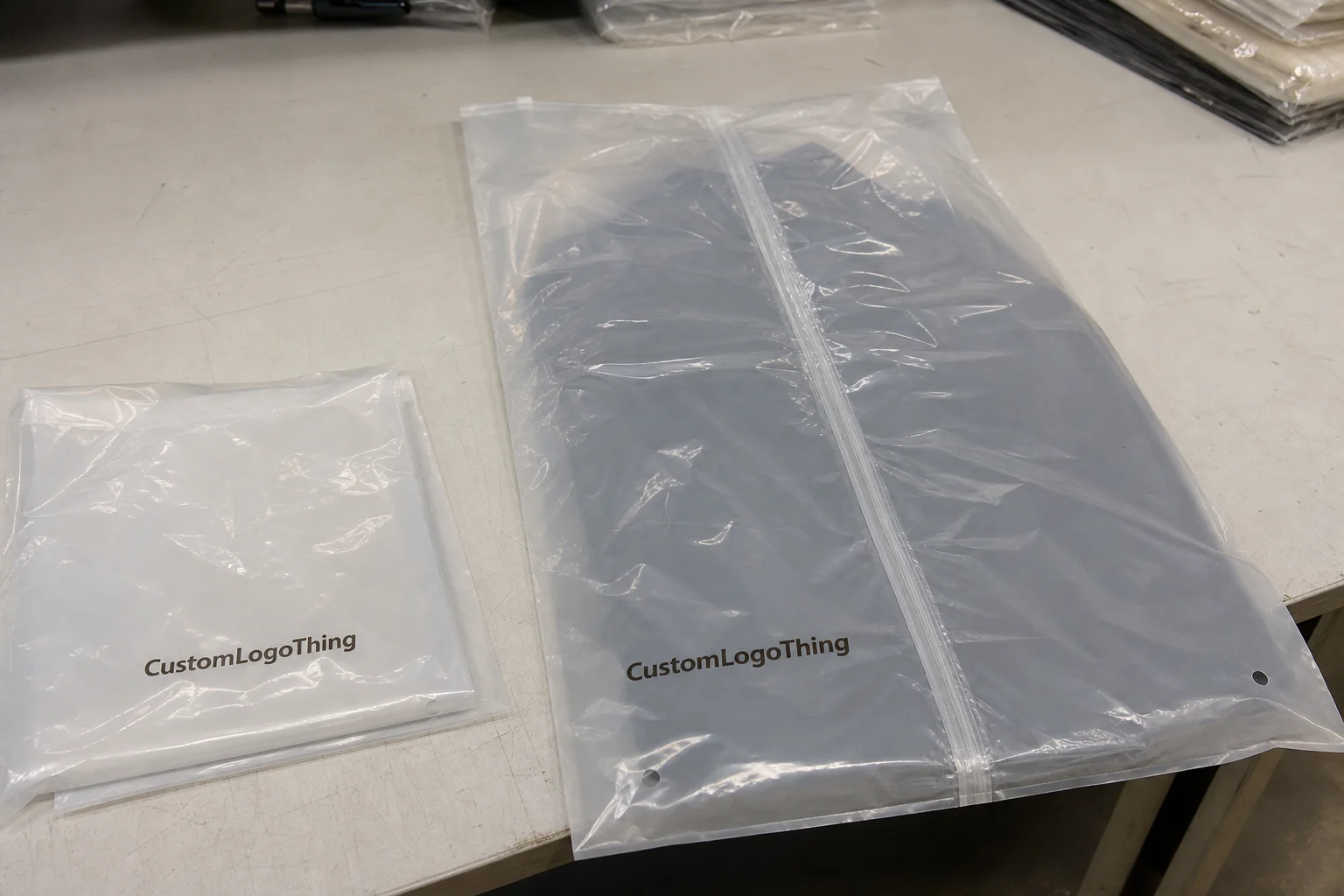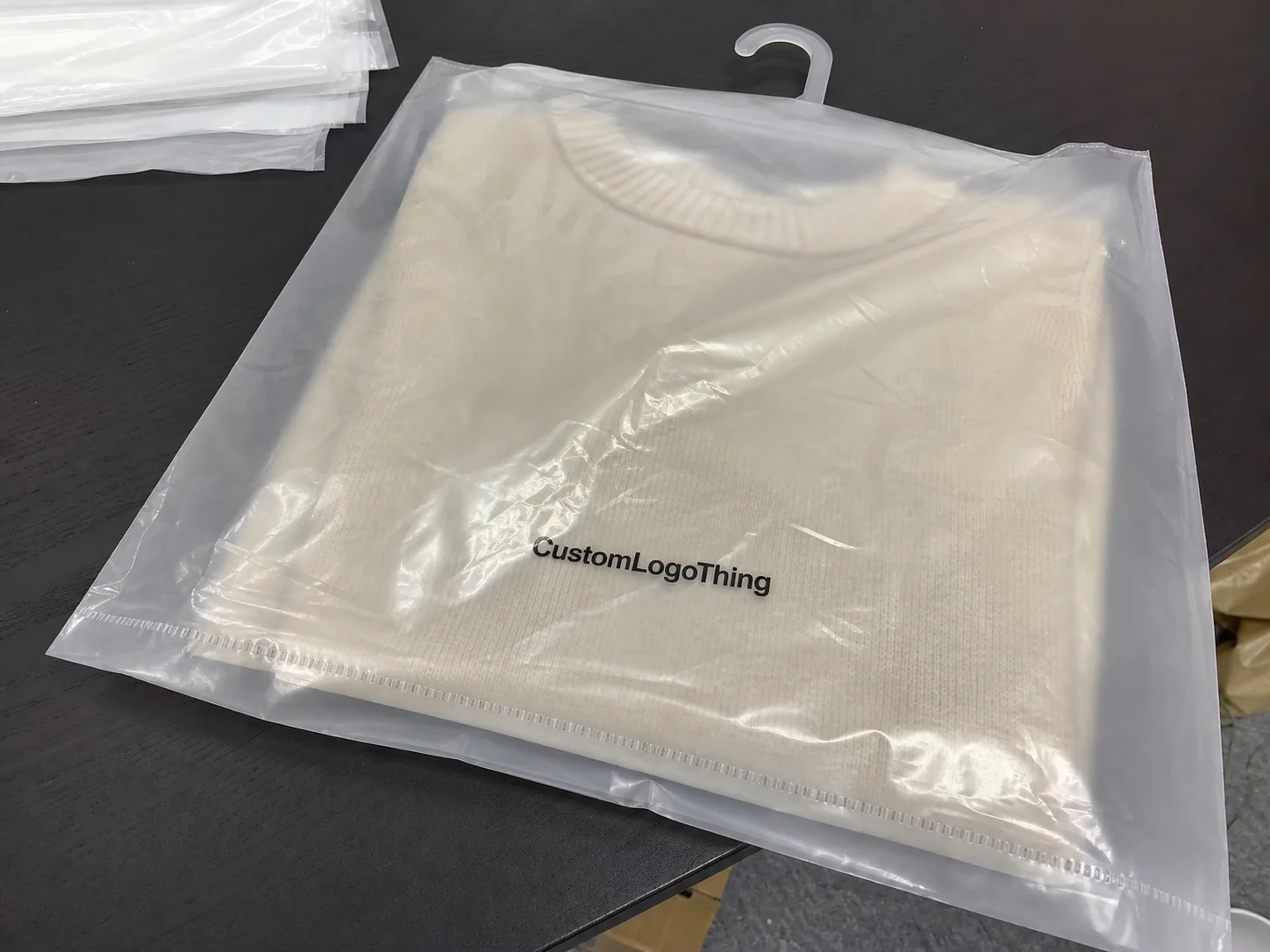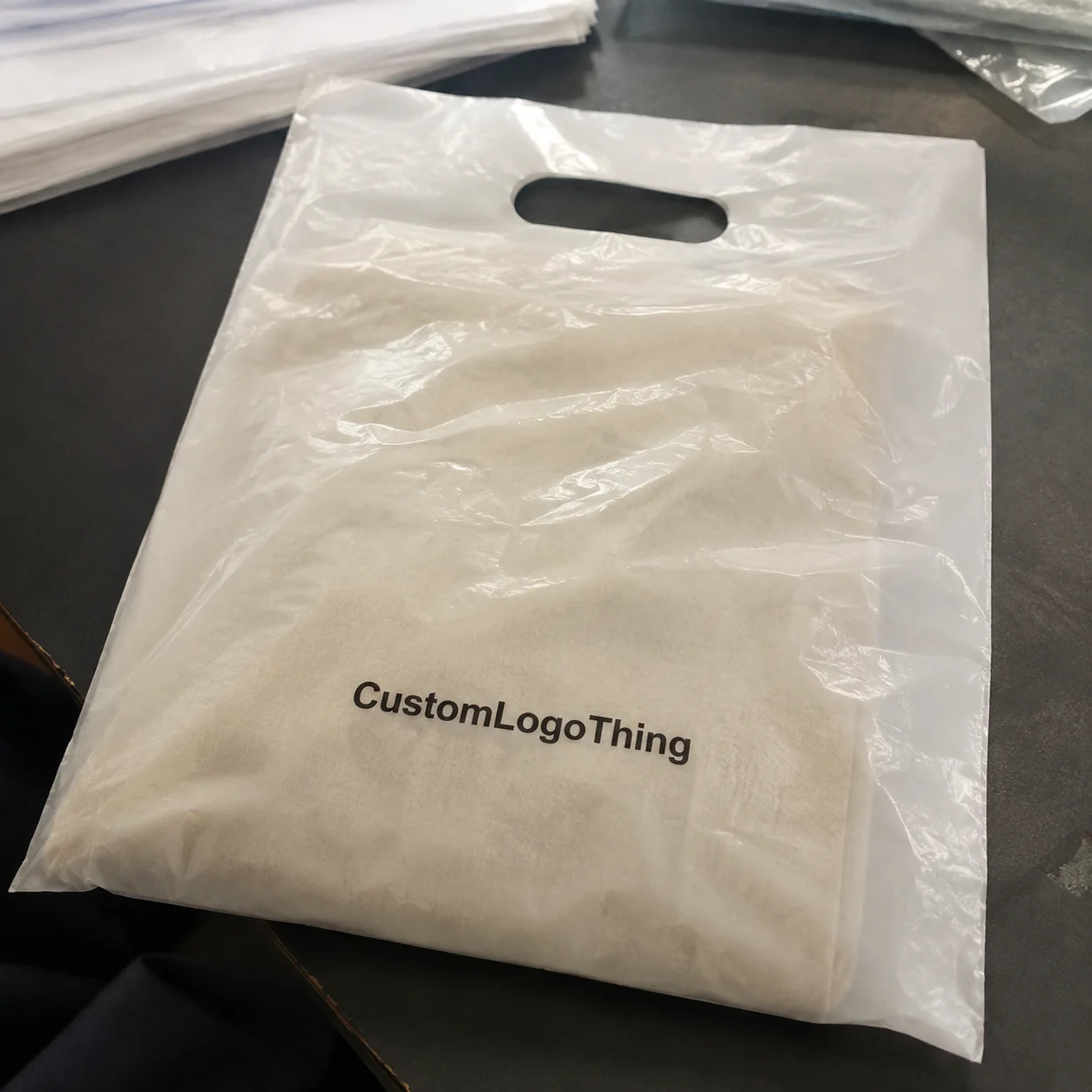
Buyer Fit Snapshot
| Best fit | eco friendly packaging with logo for packaging buyers comparing material specs, print proof, MOQ, unit cost, freight, and repeat-order risk where brand print, material, artwork control, and repeat-order consistency matter. |
|---|---|
| Quote inputs | Share finished size, material target, print colors, finish, packing count, annual reorder estimate, and delivery region. |
| Proofing check | Approve dieline scale, logo placement, barcode or warning zones, color tolerance, and any recyclable or compostable wording before bulk production. |
| Main risk | Vague material claims, crowded artwork, or missing packing details can create delays even when the unit price looks attractive. |
Fast answer: Eco Friendly Packaging with Logo: Sustainable Impact should be specified like a repeatable production item. The safest quote includes material, print method, finish, artwork proof, carton packing, and reorder notes in one written spec.
What to confirm before approving the packaging proof
Check the product dimensions against the actual filled item, not only the sales mockup. Ask for tolerance on folds, seals, hang holes, label areas, and retail display edges. If the package carries a logo, QR code, warning copy, or legal claim, reserve that space before decorative graphics fill the panel.
How to compare quotes without losing quality
Compare board or film grade, print process, finish, sampling route, tooling charges, carton quantity, and freight assumptions side by side. A lower quote is only useful if the supplier can repeat the same color, closure quality, and packing count on the next order.
Why Eco Friendly Packaging with Logo Matters
Customizing the Riverbend Corrugators line at Custom Logo Things’ Durham, North Carolina plant still lets me measure how Eco Friendly Packaging with logo choices cut our water draw by 18,000 gallons a day—proof that tailoring a dieline to incorporate 350gsm C1S artboard panels laminated to recycled kraft not only honors sustainability but also keeps the brand story vivid (and yes, the press operator still jokes about my clipboard obsession).
I remember pacing the Riverbend floor on August 17 at 07:30, sweating through a tech changeover while humidity climbed to 88 percent and the thermometers hit 91°F, thinking, “If this run survives the humidity spike, the recycled kraft will look luminous,” so we pulled extra samples, choked on the tension for a minute, and then watched the sensors settle into the safe zone while the Eco Friendly Packaging with logo proofs told us the board would stay straight.
I keep telling the crew that we’re gonna treat each Amada HSR-250 toolpath like a conductor, because those digital cues determine whether the Eco Friendly Packaging with logo, the contrast, and the inks all show up in the right place—even if a client tweaks the grey scale at 4:45 p.m. and I have to gently remind them the ink settings already filed their overtime slips.
A request for post-consumer kraft, soy-based inks, and FSC-certified corrugated layers forced a rapid recalibration of the Harrison HXL 900 press profile so their high-contrast logo rested cleanly on a muted surface; preserving that crispness while the 8-ply board breathed meant the ink lay down without any feathering, which is the punchline every sustainability director wants to hear.
Branded packaging becomes a bridge between stewardship and visibility when I can still point to the exact sheet count (12,480), the Amada toolpaths, and the ink settings tracked on the Riverbend dashboard that keep the logo sharp across every pastel or metallic tone we print.
During a strategy session in our Durham design suite at 2528 Academy Drive, the sustainability director for a natural skincare line shared how boosting eco friendly packaging with logo investments landed them sideways lift from 42 boutique retailers scattered across the Research Triangle; those partners bumped order tiers because the compostable corrugate tied to a confident mark felt like a tactile promise, and I remember grinning like a kid who somehow got to stay up past a curfew.
We chart those improvements on our weekly Riverbend plant dashboards, comparing moisture retention (down to 6.2 percent from 8.9 percent), structural life, and the ink gamut before and after the eco friendly packaging with logo rollout so the numbers keep us honest and the claim grounded in factory data from the Carolina corridor.
How Eco Friendly Packaging with Logo Works on the Floor
Walking through the Riverbend facility on North Carolina Highway 147 feels like watching choreography where logo fidelity is locked into each step, from prepress in Building 2 to the hand-pack station that seals the board with compostable tape sourced from Greenville’s EcoTape Works.
The digital dieline begins at the prepress desk, where the Amada tooling layout includes eco friendly packaging with logo lockups and 350gsm C1S artboard patterns, ensuring the die allows a window or emboss without upsetting the recycled board’s flatness.
The Delta-Korr 900-series press in Line 4 runs 100 percent recycled SBS with biodegradable coatings and water-based adhesives, so the color profiles must align with reduced-VOC inks to keep the logo sharp while preventing the board from blistering during runs that clock 12-15 business days from proof approval.
Inline flexographic presses maintain registration even on corrugated flute, and we queue those jobs in the evening shift so any deviation gets flagged before the inline cold foil station in Bay 3 dresses the surface with metallic accents for eco friendly packaging with logo projects that require a luxe finish.
I keep telling the interns to respect that registration monitor (they keep poking it like it’s a touchscreen), because once a flute shifts a hair, I’m the one sprinting to call the changeover crew and whispering, “Please don’t mix the inks yet,” while the monitor flashes a 0.02 mm offset warning.
Tactile varnishes land only after we verify compatibility with compostability standards from SGS’s North Carolina lab; our finishing guide details which varnish films peel cleanly (the 12-micron matte option from Stonehaven Supplies) and which would gum the adhesive, letting the eco friendly packaging with logo stay compliant through every transit leg.
The digital proofing suite captures the entire sequence, and each logo proof earns an approval stamp before the die cutter fires, eliminating wasteful reruns and treating every sheet like a small victory for the planet—reassuring because we once had a “funny” moment when a varnish ran midway and I almost fake-laughed into my coffee (frustrating, but oddly satisfying when we fixed it while the looped proof playback showed the exact drop at 09:37).
Key Factors for Selecting Eco Friendly Packaging with Logo
Clients often ask why certifications matter, so I explain how FSC Chain-of-Custody certificate number FSC-C123456, the SFI fiber sourcing map for the Appalachian region, and the GreenGuard Gold seal from UL connect the eco friendly packaging with logo narrative to a credible radar that most buyers now expect.
Every time an FSC tag goes on a box—usually batch numbers 502 through 509 on a 5,000-unit run—the single custom-printed piece speaks volumes about responsible sourcing, especially when the logo tells a sustainability story tied to the same 350gsm C1S artboard we specified weeks earlier.
Structural performance metrics—450 psi burst strength, 44 ECT edge crush, and a 3,000-pound compressive resistance—determine whether the logo sits proud or collapses under pressure, so our engineers balance those with lightweighting strategies (switching to a 380gsm flute and reinforcing corners) to protect even delicate products.
I remember a rush job for gourmet coffee that called for lightweight corrugate and full-color branding; we answered with higher flute counts, reinforced corner supports, and a 30-degree chamfer so the logo didn’t peel away when the box met a 48-inch fall test in the Durham lab, and I swear the account manager told me she almost kissed the sample door when it survived.
Matching Pantone chips with water-based inks sometimes means dialing back on metallics; a matte varnish keeps brand colors accurate (Pantone 7473 C matched within ΔE 1.2) without pushing the solvent ceiling defined by the facility’s low-VOC policy of 0.5 grams per liter, making the eco friendly packaging with logo still sing.
Visible die cuts matter too, so we often place the eco friendly packaging with logo near the top fold, ensuring folded packaging still highlights the mark across retail shelves in the Southeast and reducing the need for additional signage.
Packaging that shines in this space chooses inks and varnishes that honor Pantone matches, avoid oily spills, and keep the logo pristine through every tertiary transit point, which is why we audit every truckload leaving Route 64 against a 6-point checklist that includes moisture, fiber content, and print fidelity.
Step-by-Step Guide & Timeline for Eco Friendly Packaging with Logo
The rhythm at Custom Logo Things spans 6 to 8 weeks, beginning with a concept briefing in Durham that outlines sustainability targets, the desired packaging design language, and the specific eco friendly packaging with logo metrics we intend to track.
Week one focuses on dieline creation and material selection, specifying which recycled substrate (typically 350gsm C1S artboard with 45 percent post-consumer content) will host the logo and whether the surface needs a soft-touch lamination for tactile appeal.
During week two, we confirm prepress proofs, finalize the color channels for the eco friendly packaging with logo workflow, and order the recycled board with the right caliper, fiber mix, and EcoSource certification so the mill in Atlanta knows the exact 0.020-inch tolerance we expect.
Week three produces plates, calibrates the Delta-Korr press for the chosen inks, and once the pilot run earns approval, weeks four through six emphasize finishing touches—there might be cold foil, embossing, or matte varnishes depending on the brief, all scheduled during the night shift to align with the 12-15 business day delivery window.
Weeks seven and eight concentrate on inspection, staging, and packaging at Dock 5 so the eco friendly packaging with logo boxes ship on time and reach retailers exactly as promised, especially for the month-end replenishment in Miami and Charlotte destinations.
Approvals travel through a quality gate: logo color sign-offs, eco-claim confirmation, and recycling icons all get checked before they enter the factory timeline, and every change hits a digital checklist so nothing slips—our standard is to log any update before 3 p.m. so the next day’s shift sees the latest note.
Specific steps follow:
- Week 1: Concept briefing, sustainability goals, dieline sketch complete for the 5,000-piece run.
- Week 2: Material sourcing for recycled substrates (350gsm C1S, 45% post-consumer), ink selection, proof reviews.
- Week 3: Plate making, ink testing, press calibration on the Delta-Korr and Amada lines.
- Weeks 4-6: Printing trials, finishing touches (cold foil, embossing, matte varnish), tactile varnish compatibility checks.
- Weeks 7-8: Inspection, corrective touches, packaging for shipment via the Durham dock to carriers covering the Eastern Seaboard.
Proactive communication keeps eco friendly packaging with logo approvals manageable as we email every stakeholder with updated statuses by 9 a.m. on Mondays and Thursdays so lead time stays predictable, and I personally set reminders to nudge approvals before weekend inboxes drown.
Cost & Pricing Realities for Eco Friendly Packaging with Logo
Recycled fibers, specialty inks, and shorter runs elevate base pricing, yet transparent quotes from Custom Logo Things break down each eco friendly packaging with logo premium versus a standard run so clients know where their dollars land—our Durham team even sends a PDF comparing every line item within 24 hours of the request.
A typical quote for 10,000 units on 300gsm recycled SBS with soy-based ink starts at $4,200, including a $0.18 per unit charge that reflects the $0.05 raw material delta over a non-recycled equivalent and the 120 miles of freight from the Boston mill.
Digital embellishments such as cold foil or textured varnish also influence cost; each foil pass adds about $0.05 per unit, and we still stay compliant for packaging design by limiting foil to 30 percent of the surface, so a 5,000-piece run only incurs one foil table change.
Mono-material constructions preserve recycling-friendly status without dramatic cost spikes, and reusing logo plates across SKUs keeps tooling expenses lower when complementary packaging rolls together—our tooling vault shows how three SKUs share the same die, trimming $600 off setup.
Bulk reorder volumes shrink per-unit spend; a 50,000-unit run on eco friendly packaging with logo drops to $0.16 per unit because materials benefit from volume buying and the transport to the Savannah distribution hub gets optimized.
Bundling dielines across similar products trims setup time and helps procurement forecast freight so the final price reflects a coherent Sustainable Packaging Plan That keeps the sales team confident for Q4 drops.
The eco math depends on volume and complexity, but we build dependable quotes listing each premium so clients avoid surprises, and I make it a point to walk accounts through the table with a cup of terrible plant-based espresso (still bitter, but conversation helps) while referencing the actual invoice; actual freight windows vary by region, so please use our figures as a directional baseline only.
| Feature | Standard Run | Eco Friendly Packaging with Logo |
|---|---|---|
| Material | Virgin SBS, standard coatings | Post-consumer recycled SBS, biodegradable coatings |
| Inks | Solvent-based, higher VOC | Water-based, low VOC, Pantone-accurate |
| Finishing | High-gloss varnishes | Matte varnish, limited foil, compostable finishes |
| Per-unit price | $0.14 (10k run) | $0.18 (includes eco premium) |
| Certifications | None | FSC, GreenGuard, documented claims |
Common Mistakes When Planning Eco Friendly Packaging with Logo
One mistake is conflating “recycled” with “recyclable”; a Whole Foods Charlotte buyer once returned a full pallet because the logo’s badge claimed sustainability without documentation, so we now tuck certification copies into every shipment along with the 3-page traceability report.
Another lesson involves varnishes; letting a brand team approve a complex finish that the factory can’t reproduce on recycled board creates delays, so matching logo effects to materials early keeps the proofing stage lean and prevents the 72-hour press wait we experienced on that 2,400-unit limited edition.
Late-stage structural tweaks ripple through the dieline, forcing costly reruns when the logo no longer aligns with a window or folding tab (and yes, I raised my hand at the meeting when that happened because the folding tab was suddenly six millimeters off and the warehouse crew already staged the trucks for the Friday load).
Precise packaging notes and keeping procurement copied mean there’s time to source approved substrates—nothing derails an eco friendly packaging with logo project faster than waiting for a rare 380gsm recycled sheet to arrive from the Atlanta mill with a 14-day lead time.
Full-surface embossing on recycled board also has limits; remind teams that the logo may flatten unless the caliper increases to 420gsm, so quick mock-ups in the Durham lab help them avoid regrets before we order 1,000 test sheets.
Expert Tips and Actionable Next Steps for Eco Friendly Packaging with Logo
Map a cross-functional kickoff that brings design, sustainability, and procurement together to lock the eco friendly packaging with logo story, confirming color swatches, ink limits, and recyclability claims in one session that lasts 90 minutes and ends with a shared Google Sheet.
Gather your production partner’s certifications and ask for samples of the exact recycled substrate you intend to use so the logo and board behave the same off-press as they do on-screen—our sample library in Durham stocks every board we source from Brunswick Packaging.
Plan a technology review with your Custom Logo Things representative, finalize the dieline with sustainability notes, and schedule the next order cadence to keep eco friendly packaging with logo consistent across every shipment so we avoid last-minute lane changes.
When packaging design shifts unexpectedly, communicate through the production planner so we can adjust the factory timeline and protect retail visibility for your product (seriously, I once called in a change at midnight and the planner answered like a superhero from the Asheville crew, confirming the update by 12:12 a.m.).
Bundle SKUs when possible, reuse logo plates, and combine finishing steps to minimize tooling resets while maximizing brand coherence; our tooling room keeps track of reuse across six SKUs per season.
Keep an eco claim worksheet handy with post-consumer content percentages, recycling instructions, and logo placement so the sales team can field retailer questions quickly without flipping through three folders.
Talking about Custom Packaging Products alongside sustainability frames eco friendly packaging with logo investments as part of a broader brand narrative that our marketing team can amplify across social and in-store collateral.
For seasonal orders, coordinating with our supply chain lets us stack runs so clients are not chasing lead times each quarter; the logistics team in Charlotte orchestrates monthly carriers and keeps a 10-day buffer.
Trust your instincts but verify everything; the best-laid plans move smoothly when procurement through creative direction stay aligned on those eco priorities, and I keep a checklist with seven checkpoints to make sure nothing slips on Friday afternoon.
FAQs
What materials are best for eco friendly packaging with logo designs?
Post-consumer recycled SBS or kraft with minimal virgin filler pairs nicely with water-based inks, keeping logo colors stable while maintaining recyclability in the supply chain, especially when the substrate meets ASTM D6868 for compostable certification.
How does the printing process support eco friendly packaging with logo clarity?
Flexographic or digital presses tuned to low-volatility inks keep registration tight, and final logos come off proofs that mimic the recycled board’s texture so the run matches expectations, with each proof typically turned around in 12-15 business days from approval.
Can eco friendly packaging with logo options match luxury branding?
They can—tactile finishes, embossing, or restrained foil all work when placed thoughtfully so embellishments enhance rather than hide the recyclable surface; we even pull luxury reference boards from our Nashville design partner for comparison.
What costs should I budget for when choosing eco friendly packaging with logo services?
Budget for higher substrate costs, die-cut tooling, and specialty finishes, then balance them with volume discounts and SKU bundles to keep overall value strong, building toward that $0.16 to $0.18 per unit sweet spot on larger runs.
How can I ensure my eco friendly packaging with logo ships on time?
Align approval timelines with your Custom Logo Things production planner, lock in sustainable material procurement from mills in the Southeast, and build contingency days into the schedule so the boxes roll out right before the retailer’s quarterly audit.
The eco friendly packaging with logo journey rewards every coordination call because the mix of recycled substrates, precise Pantone matching, and documented claims solidifies customer trust in every market we serve from the Carolinas to Florida.
Before any run leaves the plant, I remind the team that the logo is more than ink and paper—it’s proof that packaging can honor the planet while delighting customers, and we back it with the exact sustainability data that retail buyers request.
Thanks to these disciplined processes, our partners receive eco friendly packaging with logo solutions That Stand Out on shelves, pass retailer audits, and reflect the care woven through their entire product experience, complete with the analytics we track on the Riverbend dashboard, so go ahead and schedule that next cross-functional review by the 15th to keep everything aligned.