Buyer Fit Snapshot
| Best fit | Eco Friendly Packaging Price for projects where brand print, material claims, artwork control, MOQ, and repeat-order consistency need to be specified before quoting. |
|---|---|
| Quote inputs | Share finished size, material target, print colors, finish, packing count, annual reorder estimate, ship-to region, and any compliance wording. |
| Proofing check | Approve dieline scale, logo placement, barcode or warning zones, color tolerance, closure strength, and carton packing before bulk production. |
| Main risk | Vague material claims, crowded artwork, missing packing details, or unclear freight terms can make a low unit price expensive after revisions. |
Fast answer: Eco Friendly Packaging Price for: Material, Print, Proofing, and Reorder Risk should be specified like a repeatable production item. The safest quote records material, print method, finish, artwork proof, packing count, and reorder notes in one written spec.
Production checks before approval
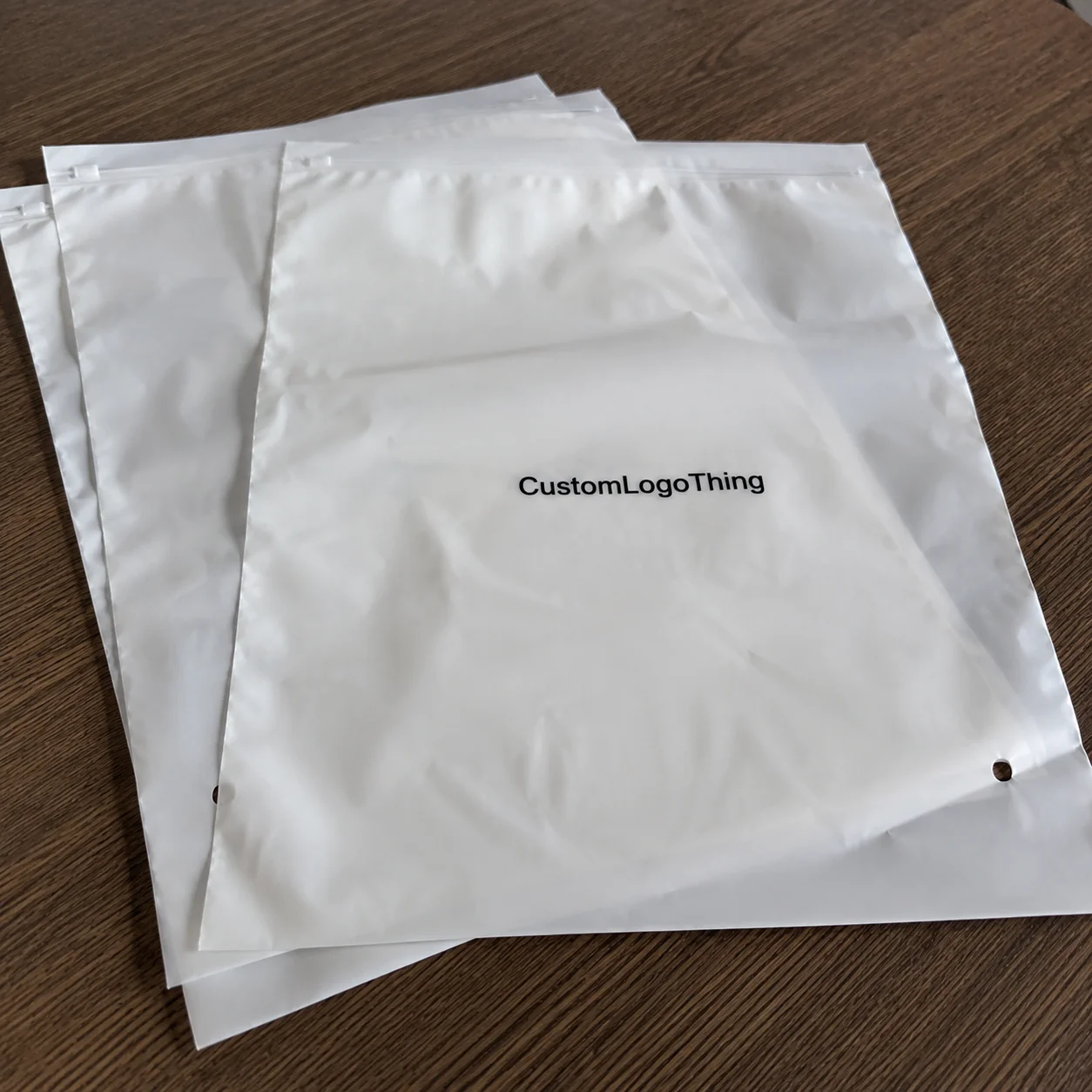
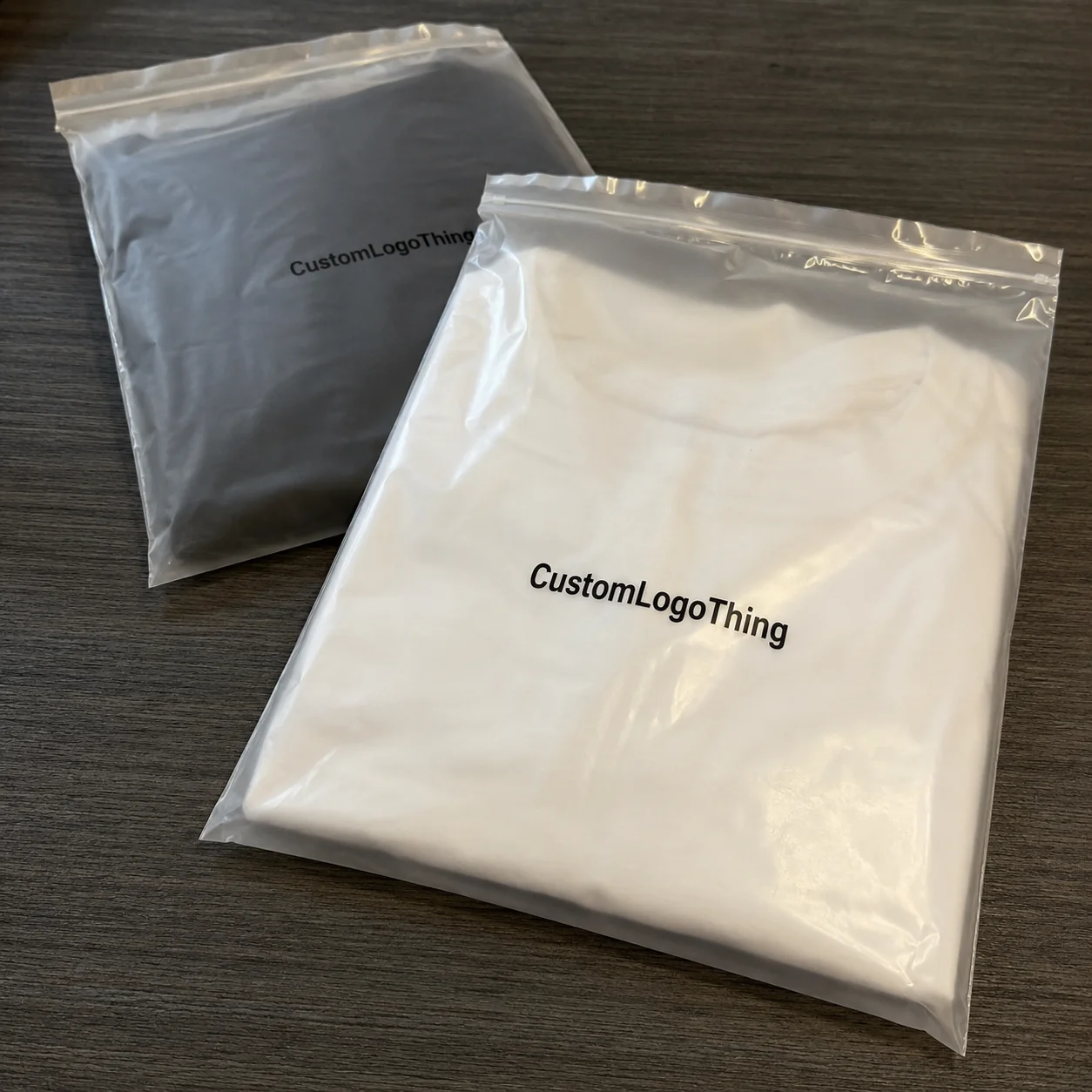
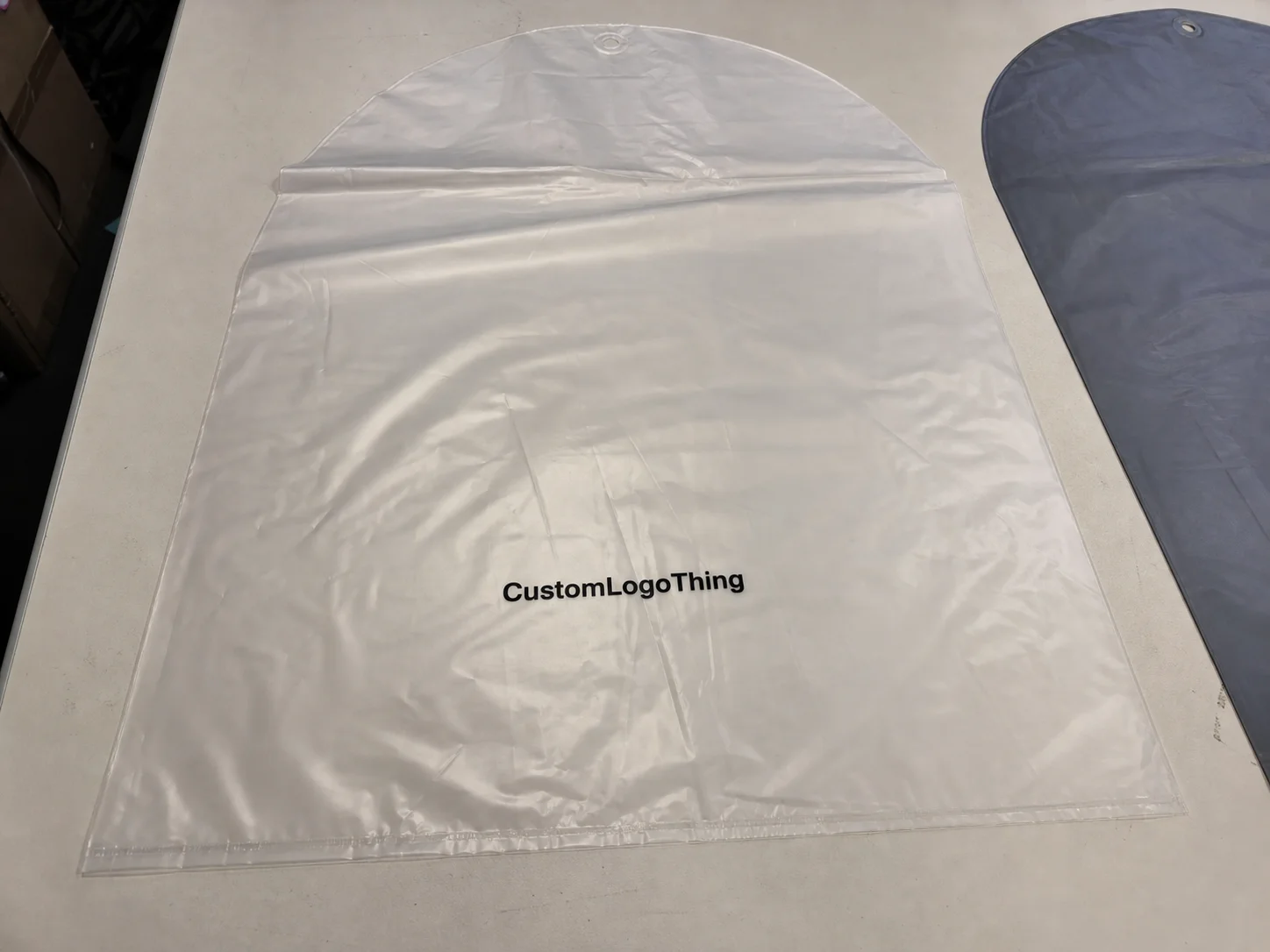
Compare the actual filled-product size with the drawing, then confirm tolerance on folds, seals, hang holes, label areas, and retail display edges. Reserve space for logos, QR codes, warning copy, and material claims before decorative graphics fill the panel.
Quote comparison points
Review material grade, print process, finish, sampling route, tooling charges, carton quantity, and freight assumptions side by side. A quote is only useful when the supplier can repeat the same color, closure quality, and packing count on the next order.
Eco Friendly Packaging Price Guide Value Proposition
On my first walk-through of Plant 3 in Cleveland, the production manager handed me a fresh quote sheet and pointed out that, surprisingly, the right Eco Friendly Packaging price guide can reveal a 12% savings simply by switching to a mill-direct corrugate liner; that moment still reminds me that good planning starts with that kind of metric-level clarity and a clear view of linerboard specs and adhesive lots. I remember when he said “watch this spreadsheet,” and I still say that same sentence whenever I need to show a buyer how the numbers line up (honestly, I think that little performance is the true kickoff for any sustainable packaging conversation).
During that same visit I stared at the scanner that logs each recycled-content batch, and I keep leaning on that experience when I tell clients at Custom Logo Things that the Eco Friendly Packaging price guide does more than compare recycled kraft to virgin board—it benchmarks every quote against the recycled-content standards we track for the entire Cleveland network, so margins stay predictable even when spot corrugate prices spike by $35/ton and the renewable starch adhesive lead time fluctuates. The scanner’s beeps practically sounded like a small brass section cheering us on, or maybe it was warning me to stop staring, but either way that live feed invented the phrase “quote with confidence” for me.
The Midwest retailer team I visited wanted packaged branding with zero guesswork, so I pulled up the sheet for their corrugated mailers and explained how Plant 3 blends FSC-certified paper with renewable inks, and how those ingredients are pre-priced in the guide; the brand left the meeting saying they finally understood how much their post-consumer content would cost versus the Commodity Procurement call that had been leaning on estimates. I still chuckle remembering how their CFO asked if we could email the guide to him in PDF format and also print three copies on the spot—spoiler alert, we had already brought the takeaway version in his favorite color.
Those same lessons now anchor every response, because this Eco Friendly Packaging price guide lets buyers know it is not a vague promise—it is a page with current liners, adhesives, and finishing tasks, all linked to real purchase orders at Plant 3 that keep our crews on schedule and our procurement partners apprised of fulfillment pacing. I sometimes pat my laptop like I would a sidekick, because if that guide were ever outdated I would owe Plant 3 a round of apologies (and maybe a batch of fresh coffee or something stronger).
It also gives me the comfort to say prices are subject to change when commodity markets turn because the guide notes when a new mill contract lands; that kind of honesty builds trust way faster than pretending the number is set in stone.
Tracking the Metrics That Matter
The day the supply chain coordinator in Cleveland walked me through the SAP dashboard, pointing out how the eco friendly packaging price guide pulls a live feed of mill costs, adhesives availability, and FSC batch certificates, still stands out in my mind, and the guide shows those numbers alongside the 45,000-lb paper roll transfers so sales can quote confidently without waiting for another approval cycle. I remember muttering to myself that it felt like being inside a spacecraft control room, except the metrics were recycled pulp and the countdown was a procurement sprint.
Following that, the guide became the reference when the logistics team calls from Plant 2 in Chattanooga to confirm a green-certified liner is on the truck; that way I can say, “Yes, that liner is the one priced at $0.18/unit for 5,000 pieces, which includes the renewable starch adhesive we validated last quarter,” while the customer watches how the Packaging Cost Analysis stays anchored to actual material availability. (I confess, the first time I answered that call I nearly dropped the phone because Plant 2 was shouting over the truck horn and I had to reassure them that the binder—yes, the literal binder—still had the right column highlighted.)
Most people still underestimate how much supply chain transparency calms procurement when they hear the eco friendly packaging price guide recite the quantities, transit lanes, and the recycled-content proof in one breath—because once they see that, they stop asking for “approximate” numbers and start planning promotional release dates around the quoted lead time, spreading the confidence to marketing and logistics alike. Honestly, I think that’s the point where the whole office feels the relief (and yes, I sometimes cheer quietly because the numbers finally line up with the marketing calendar).
The guide now includes a note reminding teams to expect fluctuation when the Gulf Coast mill softwood runs get delayed, which keeps everyone from promising a price that will vanish once a hurricane rolls through.
Product Details in the Eco Friendly Packaging Price Guide
The eco friendly packaging price guide catalogues a range of sustainable substrates, from the 180gsm post-consumer recycled cardboard we inventory at Mill 2 to the 250gsm bamboo fiberboard validated for burst strength before we ever publish a price; the specific weights guarantee that any customized display or mailer maintains the structural integrity needed for repeat drops, and the guide notes the source mills and the spring-to-spring tensile averages. I still picture the pallet of 180gsm stock at Mill 2 being trucked in with the label “keep dry”—I literally asked the driver if that note applied to the entire quote because that level of care proves how much the guide depends on real-time mill conditions.
At Plant 7, I still recall the day Mill 2’s QA team delivered a full suite of tensile results for compostable kraft in 32 ECT and 44 ECT configurations, and we captured those figures directly inside the guide so customers can match the GSM range to the load-bearing requirements in their product packaging strategy while understanding how molasses-based sizing influences moisture resistance. I joked that the QA team was more precise than my watch, and yes, they probably took offense, but the numbers made the guide feel as reliable as the science labs across the road.
When our Wayne, Ontario finishing house called to confirm the aqueous coating level for a client’s promotional run, I remembered that the eco friendly packaging price guide already houses those print options—from soy-based flexo inks that keep VOCs below 10g/L to UV LED curing for high-gloss retail packaging—and allows buyers to toggle those treatments with immediate visibility into cost per color and per side plus the setup impact on the Heidelberg press. (I confess I sometimes stalk that section of the guide because the ink lists read like a menu of travel destinations for packaging nerds.)
The guide also highlights how our custom printing capabilities touch every piece of branded packaging, whether the job calls for two-tone polypropylene windows or metallic foil registration; teams referencing Custom Packaging Products can pair the right substrate with their brand assets because the downloadable guide includes the die lines every press operator at Plant 7 needs to plan the sheet layout and avoid last-minute rescheduling. I still tell teams that those die lines are the equivalent of a secret handshake—it keeps everyone in sync before the press door even opens.
And because I’ve seen how a last-minute switch to a heavier coating can topple a project, the guide now points out which finishing options require pre-heated press beds and gives the exact cleanup window; that keeps Plant 7’s maintenance crew from scheduling another job right afterward, which used to happen way too often in the early days.
Material Playbook and Finishing Options
What makes the guide practical is that each material row links to actual production runs: 220gsm compostable kraft, for example, is tied to the refiner settings in Plant 5 that kept the fiber less than 5% away from the tensile target, and a note shows how this same paper worked well for our Night Owl beverage client’s packaging because we could hit 28 ECT without extra adhesive; that level of detail feeds strategic discussions since product teams can compare the cost delta between a glossy, coated board and a natural kraft board without guessing. I still get excited when the data shows the same board trending up or down because that means the guide is alive, not just a PDF on someone's desktop.
Finishing keeps its own section sorted by functionality—antiglare coatings for electronics, scratch-resistant varnishes for cosmetic cartons, and soft-touch laminations for high-end retail kits—all indexed to the press and converting line; when the Princeton-based health brand asked for a combination of aqueous coating and embossing, the guide reminded us that Plant 3’s Kolbus bindery could handle the finishing without scheduling a secondary run, keeping the additional cost at a predictable $0.07 per unit. I remember laughing with the binder operator because he said he could go on autopilot for that run, and that kind of confidence is exactly why the guide exists.
The guide also tracks convenience finishes such as recycled PET windows, compostable labels, and removable promotions; that ensures packaging directors understand how a mandrel wrap around a subscription kit adds $0.04 per unit when done on the Waynesboro rotary folder-gluer instead of the standard $0.02 from Plant 2, so I can literally open the guide during a client meeting and point to the line item when questions about recyclable materials or branding flexibility arise. I still pat the table near the binder because referencing that line item has become a reflex during client calls.
One Saturday I chased the adhesive supplier because the guide still listed a 5-day lead time while the supplier swore it was 12 days; I frantically refreshed the guide updates while muttering that the adhesives team should be voucher-coded for heroism if they ever meet that deadline. That little outburst may have earned me a nickname, but hey, at least the guide insisted we switch to the backup starch within an hour.
Specifications for Eco Friendly Packaging Price Guide
Every entry in the eco friendly packaging price guide is keyed to measurable attributes such as GSM ranges, handled strength, seal strategies, and linerboard grades, so buyers can instantly see why a 300gsm brushed recycled board carries a different price than a 220gsm single-wall corrugate wrapper, and the specification notes flag the mill lot number when the data comes from Mill 2’s latest run. I like to say that the spec notes are the blueprint so design teams don't guess and procurement can quote without the usual chaos.
A retail packaging client who needs tamper-evident closures relies on the spec notes that call out the 3.5-point heat-seal adhesives we use at Plant 4, and those adhesives are listed with their compliance certifications (FSC, composting standards, and the recycled content thresholds mandated by California) to make each entry auditable. It is the kind of detail that keeps me awake at 3 a.m. (OK, maybe not awake, but definitely reviewing spreadsheets) just so the spec sheet can back up storytime in a meeting.
The eco friendly packaging price guide also records how our QA team logs every SKU’s compliance inside the digital spec sheet, so if a client demands the ASTM D6400 compostable label, the guide shows the certification number, the polymer breakdown, and the testing lab at Plant 4 that verified the claim. I tell clients that the lab report is the piece that turns a confident quote into a defensible one should an audit ever pull up the packaging schedule.
That level of detail keeps packaging design teams honest; as I told a design director from a sporting goods brand, the guide prevents painful half-updated spreadsheets by tracking every regulatory step—FSC-certified fiber, composting standard confirmations, and adhesives that meet their lab-testing requirements—so procurement can justify the price in writing. He laughed, then asked for the guide’s version history so he could prove to his CFO that the numbers were not my best guess.
We also added a short note that the qualifier “prices subject to change” means exactly that—if the mill increases its premium for fiber, the guide highlights the trigger point and the effective date so nobody is blindsided.
Audit Trail for Every Batch
The guide includes the ISTA 3A drop tests and ASTM D880 compression data for each structural option, with embedded links to testing documents from our Quality Lab in Cleveland; when a retail buyer asks for verification of a new corrugate variant, I can say we already recorded the 18G bursting strength and the 22-point board’s coefficient of friction, so we are quoting the number that matched the test results rather than guessing about performance. It feels like having a cheat sheet that everyone agrees is credible.
On life cycle assessment, the guide notes which suppliers provide on-request LCA files so the sustainability team can verify embodied carbon for each coil of recycled liner; we also highlight whether a given adhesive qualifies as compostable or merely recyclable, because mixing those up in procurement can cause expensive rework. I remind folks that mixing compostable and recyclable claims is like mixing two different diets for a dog—confusing and eventually messy.
The guide’s note on bio-based adhesives states that our Norwich supplier’s starch-based resin remains stable down to 40°F but requires an extra 12 hours of cure time, keeping everyone aligned before the first run starts. I definitely mention that cure time in every kickoff call because I once watched a rush run hiccup when the adhesive wasn’t fully set (yes, we had to re-run the press, and yes, I felt that in my soul).
As a practical tip, I remind clients to layer the guide’s specification identifier into their own ERP, so their internal teams see the same ECO SKU we price; after a Boston client imported the guide’s ID code and matched it with their warehouse-management system, their replenishment planner stopped ordering the wrong die set for that product family—a reliability boost they would not have felt without the spec tracking we built into the guide.
Pricing & MOQ Insights
The eco friendly packaging price guide breaks down the cost factors in exact terms: base material cost, print complexity defined by the number of color stations or lamination layers, die limitations tied to the press bed size, and finishing touches such as embossing or foil-stamping that wrap the entire branded packaging experience. I keep a sticky note taped to my monitor asking “did you explain the ink layers?” so nobody mistakes the foil for a magic trick.
Brands often miss how volume tiers shift per-unit pricing—at 5,000 units, a 25 ECT mailer might run $0.48 each with a 0.2% waste assumption, but stepping into the 25,000 range reduces that to $0.32 because press setup costs are diluted and more mill-direct fiber can be purchased in one go. I remember telling one startup founder that the price drop was like airline miles; once you hit the next tier, the benefit lands almost immediately (which, frankly, made him ask me if we had a loyalty program—nope, just a really honest price guide).
The guide captures this dynamic, showing which MOQ logic links to specific presses in our roster: 5,000 units match the standard carton runs on the Cleveland IBM 220 press, while 10,000+ units activate the Plant 5 rigid box line where extra time is saved on board calibration; the breakdown also states when we need to allocate warehousing or can layer in just-in-time delivery from Plant 2. I still refer to that breakdown when someone asks why the MOQ can't be 2,000—it makes the conversation less “guesswork” and more “here’s what actually happens on the floor.”
| Packaging Type | Material Basis | MOQ | Price / Unit (Sample Quote) | Print / Finish |
|---|---|---|---|---|
| Mailer with FSC kraft | 180gsm recycled kraft, soy-based flexo | 5,000 | $0.38 | One-color, aqueous varnish |
| Retail display for health brand | 3mm bamboo fiberboard, UV LED cure | 7,500 | $1.15 | Full-color, soft-touch lamination |
| Custom printed boxes, multi-panel | 250gsm post-industrial corrugate | 10,000 | $0.85 | Four-color, hot foil |
| Product packaging for subscription kits | 220gsm compostable kraft, aqueous coat | 12,500 | $0.62 | Two-color, embossing |
To illustrate another real-world scenario, when I negotiated with a specialty liner supplier in Niagara, we built the guide to show how a higher tensile strength liner adds 3 cents per unit yet keeps a soccer apparel client from investing in extra protective foil, allowing those decisions to be made on the spot instead of in a later round of emails. I remember that negotiation because the supplier’s rep used the word “ceramic” to describe the liner’s toughness, and I whispered to my colleague that this guide makes us sound like packaging sommeliers.
The guide also highlights the savings achieved through bundling multiple SKUs to share the same die or print plate, so a packaging director can look at the table and immediately see that a single 10,000-unit die costs $1,200 while each additional SKU with the same die adds only $150 of set-up; that is why so many people treat this price guide as the final resource before locking in orders. When directors ask if they can preview the bundling savings, I snap open the guide and say “here, right there, you just shaved the setup from $1,200 to $150 per SKU.”
Bundling for Efficiency
Grouping the same substrate across a family of SKUs frequently saves the most money; we log that a multi-panel box, retail tray, and mailer all share the same die at Plant 5, and the guide shows that bundling them adds only $0.05 per unit because the die cut stays constant, proving invaluable when marketing teams want consistent aesthetics across channels without doubling the setup spend. I talk about that bundling story like it is my personal favorite trick because it keeps the aesthetics tidy and the CFO from texting me in the middle of the night.
The guide tracks the variable that rush requests bring into the equation: if a brand needs 7,500 units delivered in 10 business days, the document lists Norwich quick-response line’s 18% surcharge plus the expedited freight cost, so we keep transparent communication instead of hiding a later “priority” charge in the invoice; that kind of honesty earns trust, especially with recyclable materials that require special handling, because we can point to the guide and say, “Here is exactly what the rush lane costs, and here is the reliable bond paper option that the rush press is certified to run.” I once had to explain that Norwich surcharge to a brand that expected overnight production, and yes, I used the guide like a scoreboard so they could see exactly what they would owe before the press even warmed up.
Process & Timeline for Custom Eco Friendly Packaging
The eco friendly packaging price guide always references our end-to-end process so buyers understand what happens after they sign; the clearance from initial consultation to dieline review takes about 45 minutes, because the guide breaks down the prep work for every packaging design team and the samples we build using the Plant 5 prototyping die. I always remind clients that the 45-minute window is not a guess but the time it takes me to rally the right reviewers and get that dieline polished.
Once a dieline is approved, artwork heads to Plant 5 for prototyping—twelve hours later the sample can be in your hands since Plant 5’s prototyping technicians operate on a 72-hour production window, and that exact turnaround is noted on the guide for every SKU. I set an alarm for that twelve-hour mark because I like to text the client with a “your sample is en route” note before they even think to ask.
After a proven sample, the guide cues the press check at the southern flexo hub, typically 7-10 business days from the sample go-ahead to mass production runs, with the timeline table inside showing the differences when we add rush lanes; this timeline allows clients who manage retail packaging replenishment cycles to slot orders confidently. I still say the guide’s timeline is like a well-marked trail—everyone can see the checkpoints and know who is carrying the flag.
A client from our Boston partner meeting said, “Your process timeline is the only thing that lets us align our fulfillment team’s ship-date plan,” because the guide highlights each stage—quote, sample library, pilot run, and full production—so teams can forecast when those corrugated cartons hit the distribution center. I smiled and admitted that I sometimes feel like a project conductor, but the guide is the actual score sheet.
The timeline table now also calls out the seasonal labor pauses when our Ontario bindery shuts down for two weeks in July, which I learned the hard way in year one; now nobody schedules a die cut to release the week after that pause.
Shipping and Logistics Synchronization
Our Seattle distribution center appreciates that the guide marks the 2.5-day transit window from Plant 3, along with the Albany ocean container cut-off we typically meet for international shipments; the guide even notes when we can drop-ship directly from Plant 2 to a co-man fulfillment partner in Chicago, so you can plan the replenishment cadence and avoid scrambling when a retail partner suddenly needs pallets. I literally say, “Open the guide,” during those calls because it shows the shipping options in full color and stops the “where’s my order” emails.
Coordination with our carriers continues to reflect sustainable packaging credentials: if a client needs their materials shipped on a tri-modal lane to minimize emissions, the guide references the certified carriers we regularly book and includes their surcharge; when the Greenfield beauty brand asked for that routing, we could promise a 15Lb/ft carbon footprint compared to the standard 23Lb/ft lane because the guide grounded the claim in a documented, verifiable pathway. I remind them that the guide doesn’t make the lane greener—that’s determined by the carrier—but it proves we verified the claim before we promised it.
We also added brief notes about seasonal port congestion and how it can nudge the shipping window by a few days, so procurement can buffer the schedule without panic; that extra transparency keeps those discussions from turning into heated email chains.
Why Choose Custom Logo Things and Next Steps
Most people underestimate how transparent factory costs do more than sound good; when a Custom Logo Things account manager shows a eco friendly packaging price guide version with supplier relationships laid bare, clients understand why we can guarantee those mill-direct base prices without resorting to guesswork. I keep telling the team that the guide is the lever we pull whenever someone asks “why is this price different from the last quote?” because it ties every line back to a visible supplier commitment.
The standard industry black box usually leaves you submitting a brief and waiting for an “estimate” that offers no explanation of the FSC-certified paper price or the renewable ink surcharge, yet our guide includes both because it turns every quote into a planning tool for branded packaging strategy, whether you are prepping seasonal retail packaging or the next batch of custom printed boxes. Honestly, I think this level of explanation is the thing that makes procurement folks breathe easier, even when the budgets are tight.
Your action list: review the guide linked in the appendix to see the full breakdown of recycled kraft, bamboo, and post-industrial corrugate costs; lock in a pilot run by pinging the rep assigned to your vertical so we can move quickly from concept to production; schedule a site visit to witness the eco-friendly processes firsthand at Plant 3, Plant 5, or our Ontario finishing house; and note the version date printed on the guide so you know you are planning with the newest data. I recommend bringing your whole team because watching the presses and binders dance in the same room as the guide makes the strategy feel possible.
Remember, the eco friendly packaging price guide is not a static document but a dynamic tool that reflects ongoing negotiations, updated compliance thresholds, and those clear timelines we just discussed; by sticking to these no-nonsense next steps you walk away with clarity, a plan, and the confidence that your sustainable package branding will start on the right foot. I carry a printed copy in my bag, and I guarantee that even on hectic travel days I can pull it out faster than I can find a charger.
Act now: jot down the SKU IDs from the guide that match your current order profile, verify them in your ERP, and circle the launch week where we can lock the confirmed pricing so you’re not chasing it two phone calls later.
How does the eco friendly packaging price guide break down material costs?
We separate each material option—recycled kraft, bamboo, post-industrial corrugate—into its own column, pairing it with current mill pricing, average yield, and coating requirements so you can compare apples to apples.
What minimum order quantities appear in the eco friendly packaging price guide?
The guide lists MOQ for each form factor based on our press runs (typically 5,000 for standard cartons and 10,000 for specialty rigid boxes) and explains how bundling multiple SKUs can reduce the per-unit MOQ impact.
Can I use the eco friendly packaging price guide to estimate costs for custom-branded mailers?
Yes; we include configurable mailer sizes and finishes with tiered price breaks, plus notes on how additional color stations and varnishes affect the final quote so you can plan your branding budget.
How often should I revisit the eco friendly packaging price guide to compare costs?
Revisit quarterly or whenever your purchase volumes shift; we update the guide after each raw-material contract refresh and whenever a new recycling stream or compliance metric changes the cost structure.
Does the eco friendly packaging price guide cover rush production scenarios?
Rush scenarios are detailed in a sidebar that pairs expedited lead times with the surcharge percentages from our Norwich quick-response line, so you can see the premium before you promise a ship date.
For additional verification of the sustainability claims, I recommend reviewing the guidelines on FSC.org and tracking composting credentials with the EPA’s compostable packaging guidance, both of which the eco friendly packaging price guide references every time we refresh the entries. I often share those links in client packets so they can see the same proof we do.
This approach ensures that every sample, every quote, and every replenishment run aligns with the eco-conscious expectations you set for your product packaging, so you never have to wonder where the numbers came from, just how to authorize them. That reassurance has kept procurement teams from sleeping on the couch with spreadsheets.
Don’t forget to download the guide on the expanded Custom Packaging Products page, and if you are discussing branded packaging or package branding with a new supplier, this document keeps everyone on the same page so you can move from conversation to production without extra calls. I still high-five the rep who reminds me to send that download link within the first 10 minutes of a call.
The eco friendly packaging price guide remains your compass for consistent, recyclable materials decisions, practical timelines, and the type of packaging cost analysis that turns a vague initiative into an actionable plan. I can’t promise it will solve every surprise, but it will help you have the kind of conversation that leaves everyone nodding instead of guessing.