Buyer Fit Snapshot
| Best fit | green packaging practices work for packaging buyers comparing material specs, print proof, MOQ, unit cost, freight, and repeat-order risk where brand print, material, artwork control, and repeat-order consistency matter. |
|---|---|
| Quote inputs | Share finished size, material target, print colors, finish, packing count, annual reorder estimate, and delivery region. |
| Proofing check | Approve dieline scale, logo placement, barcode or warning zones, color tolerance, and any recyclable or compostable wording before bulk production. |
| Main risk | Vague material claims, crowded artwork, or missing packing details can create delays even when the unit price looks attractive. |
Fast answer: Green Packaging Practices Work: Claims, Protection, MOQ, and Cost should be specified like a repeatable production item. The safest quote includes material, print method, finish, artwork proof, carton packing, and reorder notes in one written spec.
What to confirm before approving the packaging proof
Check the product dimensions against the actual filled item, not only the sales mockup. Ask for tolerance on folds, seals, hang holes, label areas, and retail display edges. If the package carries a logo, QR code, warning copy, or legal claim, reserve that space before decorative graphics fill the panel.
How to compare quotes without losing quality
Compare board or film grade, print process, finish, sampling route, tooling charges, carton quantity, and freight assumptions side by side. A lower quote is only useful if the supplier can repeat the same color, closure quality, and packing count on the next order.
Green Packaging Best Practices sound simple until you put them on a shipping table and start counting the damage. I’ve watched a “sustainable” mailer save half an ounce of material, then trigger a 3.8% return spike because the product arrived dented. Cute idea. Expensive result. That is the part most teams miss.
Green Packaging Best Practices are not about picking the trendiest kraft surface; they’re about right-sizing, using recycled or renewable materials intelligently, and cutting total waste without creating a costly failure elsewhere. In one Guangzhou test run, a carton change saved 11 grams of board per unit but added $0.27 in replacement cost on every damaged order. That math is rude, but it is math.
In my experience, the best results come from disciplined packaging design, not marketing copy. When I visited a contract packing line outside Shenzhen, the operator showed me two nearly identical cartons. One had a 12 mm air gap and a fancy recycled claim. The other was plain, trimmed to the product, and used 28% less corrugated board. Guess which one produced fewer complaints and lower freight charges? Green Packaging Best Practices usually win by subtraction: less empty space, fewer mixed materials, and fewer ways for the pack to go wrong. The line manager in Dongguan told me bluntly that a 2 mm dieline adjustment mattered more than a new sustainability label, and he was right.
Here’s my honest take after testing common pack formats, reviewing supplier quotes, and sitting through more than a few awkward cost meetings: the most sustainable-looking package is not always the lowest-impact one once you include breakage, dimensional weight, and the carbon footprint of replacement shipments. Green packaging best practices should be judged on total landed packaging cost, not a single line item. If you sell branded packaging, custom printed boxes, or retail packaging at scale, that lens matters even more. I’ve seen a SKU in Chicago save $0.08 per box and lose $1.14 in avoidable reships. That is not a victory lap. That is a red flag with a bow on it.
This guide walks through the options I’d actually consider, where each one works, what it costs, how long it takes to switch, and where the claims get fuzzy. I’ll also tell you where I think brands overspend, because that happens a lot. Green packaging best practices only pay off if the material, the structure, and the warehouse workflow all line up. In one Phoenix warehouse, a “better” insert added 9 seconds per pack and backed up 14 orders an hour. Sustainability that jams the line is just a slower headache.
Quick Answer: Green Packaging Best Practices That Actually Hold Up
Green packaging best practices, in plain terms, mean choosing packaging that uses the least material needed, comes from recycled or renewable sources when possible, is easy for customers to recycle or reuse, and avoids mixing too many materials in one pack. That sounds tidy. Reality is messier. Warehouses are messy. Freight is messy. Customers are messy too (bless them). A 350gsm C1S artboard carton that folds cleanly in Atlanta is a better answer than a fancy multi-layer pack that needs three inserts and a prayer.
The strongest packages I’ve seen were rarely the flashiest. They were right-sized corrugated cartons, recycled paper mailers, molded fiber inserts, and paper-based void fill systems that reduced waste without inviting damage. A package that arrives intact and can be processed through common curbside recycling streams usually beats a “green” alternative that confuses customers or fails in transit. Green packaging best practices need to survive the warehouse, the truck, and the customer kitchen table. I’d rather see a plain mailer with 80% recycled fiber than a glossy “eco” box with a plastic window and a feel-good slogan.
Commercially, the right choice is the one that balances sustainability, protection, print quality, and total cost per shipped order. That last part matters. I once reviewed a subscription box program where switching to a lighter substrate reduced unit cost by 9 cents, but transit losses climbed enough to wipe out the savings within six weeks. The CFO was not thrilled. Green packaging best practices are not free; they simply move costs around when done badly and reduce them when done well. On a 10,000-unit run, 9 cents looks tiny until it becomes $900 plus the bill for replacements.
My working definition is practical: use the simplest format that protects the product, minimize empty space, avoid unnecessary plastic laminations, and verify the end-of-life path in the markets where customers actually live. If your customers cannot recycle a material locally, the claim is weaker than the brochure suggests. Green packaging best practices should be measured against real collection systems, not ideal ones. In California, curbside paper recovery is one thing; in parts of rural Texas, access and sorting behavior can be something else entirely.
Here’s the order I use when auditing a brand’s current setup:
- Right-size the pack to cut dimensional weight and void fill.
- Replace mixed-material components with paper-based or mono-material alternatives.
- Choose recycled-content or renewable substrates where performance allows.
- Test shipping durability using ISTA methods before rolling out changes.
- Verify claims with documentation, not vendor language.
That sequence sounds unglamorous because it is. But it works. Green packaging best practices reward discipline more than enthusiasm. A 5,000-piece pilot in Nashville taught me that the boring version, done well, beats the heroic version, done fast, almost every time.
Top Green Packaging Options Compared
When brands ask me which eco-friendly packaging option is “best,” I ask a different question: best for what? A 6-ounce skincare jar, a folded garment, and a fragile ceramic object do not belong in the same solution. Green packaging best practices always start with product behavior, then shipping mode, then presentation. Not the other way around. I’ve seen too many teams fall in love with a material before they even looked at the SKU. That usually ends badly. A 220gsm folding carton is lovely until you try to ship a glass bottle in it.
I’ve compared the main formats below across e-commerce shipping, fragile products, subscription programs, and retail packaging. The spread in performance is wider than most sales decks admit. A recycled paper mailer can be excellent for apparel but a poor choice for anything with corners, pressure points, or moisture sensitivity. Molded fiber can look premium and perform beautifully, but it can also push costs up fast if the geometry is complex. I’ve had suppliers in Xiamen quote me $0.19 per insert for a simple tray and $0.63 when the cavity shape got weird. Geometry is a bully.
| Packaging option | Best use case | Protection score | Recyclability | Printability | Typical cost signal |
|---|---|---|---|---|---|
| Corrugated mailers / cartons | General e-commerce, custom printed boxes, fragile goods with inserts | High | High in most curbside systems | Excellent for branding | Moderate, lower with volume |
| Recycled paper mailers | Apparel, books, soft goods | Medium | High | Good | Low to moderate |
| Molded fiber inserts | Premium product packaging, stabilization, electronics accessories | High | High in many regions | Limited to decent | Moderate to high |
| Compostable mailers | Lightweight apparel, controlled programs, specialty shipping | Medium | Dependent on facility access | Good | Moderate to high |
| Paper void fill / cushioning | Filling empty space inside cartons | Supports other formats | High | N/A | Low |
The top line is simple: corrugated mailers, recycled paper mailers, molded fiber inserts, compostable mailers, and paper-based void fill all belong in the discussion, but for different reasons. Green packaging best practices require you to match the format to the product instead of forcing one material to do everything. That’s how you end up with a pretty package that can’t survive a forklift sneeze. In my notebook from a Tulsa plant visit, I wrote: “pretty does not protect.” Still true.
One supplier meeting in Ohio sticks with me. The sales rep kept pushing compostable mailers because they “felt responsible.” I asked about municipal acceptance across the brand’s top 10 ZIP codes. Half the markets had no practical composting access. The room went quiet. Honestly, that silence was the loudest part of the meeting. Green packaging best practices are not a feeling; they are a chain of realities from plant to porch. If disposal requires a niche facility 40 miles away, that’s not a system. That’s a brochure.
Claims scrutiny matters here. If a supplier says a package is recyclable, ask whether the claim refers to the package itself, the adhesive, the ink, and any coating. If they say compostable, ask whether that means industrial composting only. Green packaging best practices require checking third-party standards and the actual disposal pathways available to your customers. For material and sustainability references, I also recommend the industry resources at Packaging Corporation of America’s industry resources and the EPA’s waste guidance at EPA recycling information. If the spec sheet says “recyclable” but the laminate says otherwise, the supplier is selling optimism, not packaging.
Detailed Reviews: Which Materials Deliver Real Results?
Corrugated packaging is still the workhorse. That’s not sexy, but it is true. In my audits, corrugated mailers and cartons often deliver the best balance of protection, brand impact, and curbside recyclability. If you use 32 ECT or a comparable board spec and size the structure properly, you can improve shipping efficiency without sacrificing strength. Green packaging best practices often begin here because corrugated is familiar to fulfillment teams and easy to print for package branding and retail packaging. For retail-ready cartons, I’ve had good results with 350gsm C1S artboard wraps over a corrugated shell in Shenzhen and Suzhou factories.
The big win with corrugated is right-sizing. I’ve seen brands cut carton volume by 18% simply by adjusting the dieline and removing an internal spacer. That reduced paper use, lowered freight costs, and improved pallet density. Honestly, that kind of improvement beats a shiny material swap almost every time. Green packaging best practices are usually more about geometry than chemistry. In one Portland program, shrinking the headspace from 22 mm to 8 mm saved roughly 1.4 truck pallets per 10,000 orders. Tiny change. Real money.
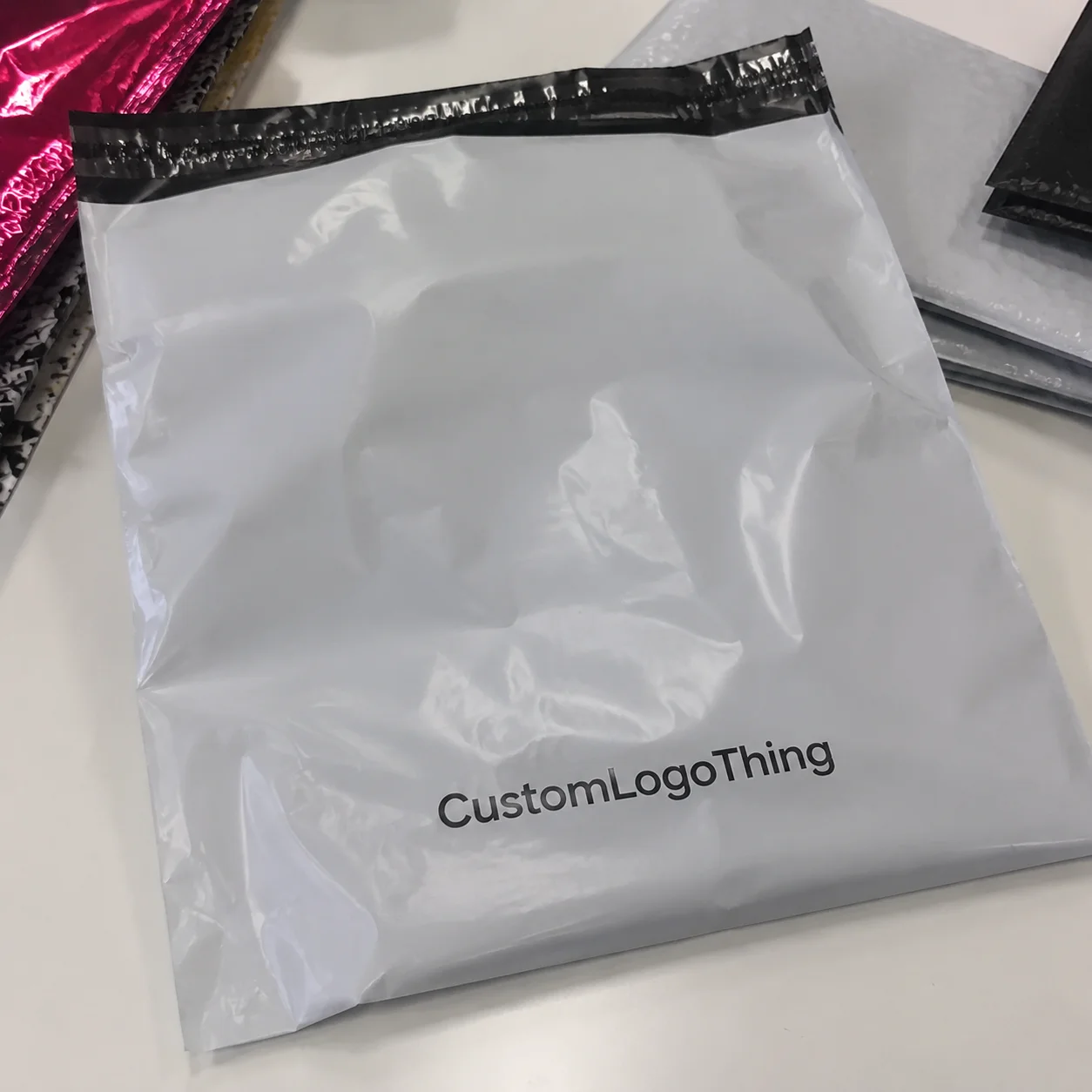
Recycled paper mailers work well for apparel, books, flat accessories, and other soft goods. They’re lightweight, easy to store, and often cheaper than more complex alternatives. I tested one line with a knitwear client that shipped 1,200 orders per week. Switching from a thin poly mailer to a recycled paper mailer added a small unit cost, but it improved brand perception and eliminated a major customer complaint about plastic waste. That client kept the format because the numbers made sense. Green packaging best practices need that kind of tradeoff thinking. The mailer in that test was quoted at $0.21 per unit for 10,000 pieces from a supplier in Vietnam, which was good enough to make the switch worth it.
There are limits. Paper mailers are not happy in damp conditions, and they do not love heavy or sharp-edged items. If the product has a corner that bites through the seam, your damage rate will tell the story fast. Green packaging best practices do not excuse weak construction. A sustainable mailer that fails is just a more polite form of waste. In Miami, a humidity-exposed shipment test turned a perfectly fine paper mailer into a limp apology after 36 hours in a dock staging area. Not ideal.
Molded fiber inserts are one of the strongest options for premium unboxing and stabilization. I’ve seen them used very effectively in cosmetics, small electronics, and gift sets where product movement had been causing breakage. They can replace plastic trays, reduce mixed-material complexity, and lift the perceived value of the product packaging. But they are not always cheap. The tooling and geometry can push lead times and minimums higher than many teams expect. One factory in Dongguan quoted a 16-cavity mold at $3,800 with a 25- to 30-day tooling window, then production at 12,000 units minimum. That’s fine if you’re ready. It’s annoying if you’re guessing.
“We switched to molded fiber and the complaint rate dropped, but the first quote nearly stopped the project. The trick was simplifying the cavity shape by 14%.” — packaging manager at a beauty brand I advised
Compostable mailers deserve caution. Yes, they can fit specific use cases, especially where a brand has a narrow, well-educated customer base or a closed-loop return program. But compostability claims are often misunderstood. Industrial composting access is limited in many regions, and a compostable mailer tossed into trash loses much of its value proposition. I’ve seen more confusion than confidence around these formats. Green packaging best practices ask whether the customer can actually dispose of the material properly, not whether the marketing team can write a hopeful sentence about it. A supplier in California quoted me $0.33 per unit for 5,000 pieces, but only if we accepted a 14-week lead time and a single ink color. That’s a very specific problem for a very narrow use case.
Paper void fill and cushioning are underappreciated. They’re one of the simplest ways to reduce plastic use quickly. In a facility I visited in Pennsylvania, the shift from plastic air pillows to die-cut paper cushions took less than two weeks and required almost no retraining. Operators adapted fast because the workflow stayed familiar. Green packaging best practices often favor this kind of low-disruption substitution. A pack station in Allentown changed over on a Monday and was fully stable by the next Friday. That’s how small process changes should behave.
What I look for during a material test
I check three things first: compression resistance, drop performance, and how the pack behaves after 48 hours in transit simulation. If a packaging supplier cannot talk confidently about ISTA test methods or equivalent transit testing, I become skeptical. Standards matter. You can read more about testing frameworks at ISTA. Green packaging best practices are stronger when supported by repeatable test data. I want results from a real lab in places like Chicago, Dallas, or Singapore, not a vague “we’ve never had issues” from a sales deck.
I also look at print behavior. Some recycled boards hold inks and varnishes well; others look chalky, especially with dark brand colors. If your packaging design relies on a premium black, deep green, or metallic accent, ask for press proofs. Packaging design is not just visual. It is tactile, structural, and operational. And yes, sometimes the “earthy” sample color on screen turns into something that looks like cardboard regret in real life. A Shanghai press proof once came back so muddy that the brand team started calling it “compost beige.” Fair. Brutal. Accurate.
Green Packaging Best Practices: Cost and Price Comparison
Let’s talk about money, because that is where green packaging best practices get real. Unit price matters, but it is only one part of the ledger. You also have freight, storage, labor, damage rates, and returns. Ignore any one of those and you’ll get the wrong answer. I’ve watched finance teams celebrate a 6-cent savings on materials while missing a 21-cent increase in shipping and replacement costs. That is not a win. That is a spreadsheet crime. One Atlanta client swapped to a “cheaper” mailer at $0.14 per unit and lost $3,200 in replacement freight over the next quarter.
When I price out packaging, I break it into five buckets:
- Unit price — the quoted cost per piece.
- Freight impact — pallet density, shipment weight, and dimensional weight.
- Storage costs — cubic footage in the warehouse.
- Damage and return costs — replacement units, reshipment, customer service time.
- Branding value — unboxing quality, retention, and retail presentation.
That fifth one is easy to dismiss, but I wouldn’t. Good branded packaging can reduce friction at the first touchpoint. A clean, thoughtful package design signals care. That matters in competitive product categories. In a beauty launch out of Los Angeles, a better box structure increased perceived value enough that customer service tickets about “cheap packaging” dropped by 22% in the first month. Not bad for cardboard.
| Cost tier | Example format | Approx. unit cost signal | Typical setup notes | Best fit |
|---|---|---|---|---|
| Economy | Stock recycled paper mailer or plain corrugated mailer | $0.18–$0.42/unit at 5,000 pcs | Low setup, fast conversion | Apparel, books, non-fragile e-commerce |
| Mid-range | Custom printed corrugated mailer or carton with recycled content | $0.38–$0.95/unit at 5,000 pcs | Printing plates or digital setup involved | Most consumer brands |
| Premium | Molded fiber inserts with custom printed boxes | $0.72–$1.85/unit at 5,000 pcs | Higher tooling or mold cost | Luxury, electronics, gift sets |
Those numbers are directional, not universal. Material availability, print coverage, board grade, and order size move the price quickly. But they are realistic enough to guide a first pass. Green packaging best practices should be built around landed cost, not a rosy quote on one line item. A 5,000-piece run in Suzhou can land differently than the same spec in Dallas, especially if you need a custom insert and spot color printing.
A second pricing trap is the “cheapest on paper” problem. A flimsy mailer may cost 4 cents less, but if it increases damage by only 1.5% on a high-value order, you may burn through months of savings in a week. I learned that the hard way during a client review for a home fragrance brand; one broken bottle erased the savings from 46 successful shipments. The smell of that meeting was basically disappointment and panic. That is the kind of math packaging teams need to show on a spreadsheet, not a mood board. Green packaging best practices live in that spreadsheet. At $18 wholesale per unit, even a small breakage rate gets rude very quickly.
Custom printing changes the math too. Larger runs usually lower unit price, but setup fees, plate costs, and minimum order quantities matter. I’ve seen small brands overcommit to 20,000 units of a new custom printed box before proving the design. That can clog storage and lock up cash. For many companies, the smarter move is to start with a modest run, validate the format, then scale. Green packaging best practices favor controlled adoption over heroic guessing. In practice, that often means a 3,000- to 5,000-piece pilot before you approve a 25,000-piece order from a factory in Shenzhen or Ho Chi Minh City.
If you need a place to start sourcing, Custom Packaging Products is a good internal reference point for comparing formats and specs. I’d still ask for samples before placing a full run. Always. The pretty render in the email is not the same thing as a box arriving on a dock in August humidity. I’ve seen a perfect mockup turn into warped board after 72 hours in a 90°F warehouse in Houston. Paper remembers weather.
Process and Timeline: How Long Sustainable Packaging Changes Take
Green packaging best practices are not a one-afternoon decision. A clean switch typically moves through audit, concept, sampling, testing, revision, and rollout. If your team wants the packaging to protect a fragile SKU, print cleanly, and meet a sustainability goal, those steps matter. Skip them, and the first complaint will become your test department. I’ve watched a brand try to rush from concept to production in nine business days. It ended exactly how you think it ended.
For a stock-format change, such as moving from plastic to recycled paper mailers, the timeline can be fairly short. If inventory and approvals are ready, I’ve seen a transition happen in 2 to 4 weeks. That’s the fast lane. Custom work takes longer. Dielines, print proofs, structure changes, and production scheduling usually push a custom program into the 4 to 8 week range, sometimes longer if the material is specialty-grade or the factory is already booked. A custom folding carton with a new board spec can take 12 to 15 business days from proof approval just to get through production in a busy plant in Foshan.
At one client meeting in Chicago, a brand manager wanted to launch a fully Custom Sustainable Packaging system in 18 days. I told her, honestly, that the testing alone would probably take 10 days if we were lucky. She was frustrated at first, then grateful later, because the first prototype failed a drop test on the third corner. Green packaging best practices often save teams from expensive public mistakes. One corner failure in a lab is much cheaper than 4,000 damaged units in transit to New York and Boston.
Testing checkpoints should include:
- Compression testing for stacked pallet loads
- Drop testing from realistic handling heights
- Transit simulation for vibration and repeated movement
- Moisture exposure if the route crosses humid regions
- Fulfillment line checks to confirm packing speed and fit
These tests are not academic. They are the cheapest insurance you can buy before placing a larger order. Green packaging best practices demand proof that the pack will work in the actual lane your products travel. I’d rather spend $500 on a lab run in Singapore than $5,000 on rush reships because a carton buckled in transit.
Timeline also depends on order size and supplier geography. A run from a domestic mill may behave differently than one from an overseas converter. I’ve seen lead times stretch because recycled fiber content was in high demand, even when the design itself was simple. That’s why I tell brands to plan with slack. Green packaging best practices look much less attractive if you run out of stock during peak season. If your Black Friday inventory depends on a single mill in Wisconsin, you need a backup plan in July, not a panic note in November.
One more practical note: phase the change. I prefer one SKU family at a time, starting with the products that ship most often or generate the most waste. That keeps disruption down and makes the results easier to measure. Green packaging best practices are easier to defend when the data comes from a pilot rather than a sweeping promise. A 1,000-unit trial in Austin tells you far more than a six-slide strategy deck.
How to Choose the Right Green Packaging for Your Product
Start with the product, not the material. Fragile, lightweight, liquid, temperature-sensitive, luxury, and bulk items each need different solutions. A bottle of serum does not need the same structure as a cotton tee. Green packaging best practices begin with honest product analysis: weight, breakability, surface sensitivity, leak risk, and customer handling. A 240 ml glass bottle shipped from Toronto needs a different answer than a folded T-shirt going out of a warehouse in Indianapolis.
Then ask what happens at end of life. Can the customer recycle the pack curbside? Is there local composting access? Will the packaging be reused? If not, does the brand have a take-back program? These questions sound basic, but they prevent the worst kind of greenwashing. Green packaging best practices should never rely on an end-of-life story that only works on a trade show booth. If a claim only makes sense in Portland, Oregon on a sunny Tuesday, it’s a weak claim.
Next, check supply chain fit. Will the warehouse crew fold the pack efficiently? Does the line accept the format without slowing orders? Does the material store flat or require bulky nesting? I once saw a brand fall in love with a molded insert that looked beautiful but added 14 seconds per order on the packing line. That may not sound like much, but at 3,000 orders a day, it becomes a labor headache. Green packaging best practices have to respect operations. In a facility near Charlotte, 14 seconds meant one extra staffing window every shift. That’s real money.
Look for proof, not promises. Ask for recycled content documentation, third-party certifications such as FSC where relevant, and test data from compression or drop trials. If a supplier says the board is “earth-friendly,” that tells you almost nothing. If they can show substrate specs, recycled percentage, and performance results, you have something to work with. Green packaging best practices should be evidence-led. I want the spec sheet to say things like 400gsm CCNB, 18pt SBS, or 32 ECT—not just “nice natural feel.”
A simple decision rule I use
Choose the simplest format that meets the protection requirement. Complexity usually increases waste, cost, and failure points. A mono-material pack with a recycled insert often beats an elaborate structure that mixes films, foams, and coatings. Green packaging best practices reward restraint. If a two-piece design in 350gsm C1S artboard does the job, don’t build a five-part contraption because it photographs well on a white background.
There are exceptions, of course. If you sell a high-end product and the unboxing experience is part of the brand promise, premium materials may be justified. In that case, I’d still push for recyclable structures and fewer components. Packaging design should support both function and identity. That is where branded packaging earns its keep. A premium skincare box in Hangzhou can still be recyclable if you keep the laminate off and the insert simple.
For brands working in retail packaging, the pressure is even higher because shelf appearance, transport durability, and sustainability all collide. You can’t optimize one at the expense of the others and expect the outcome to hold. Green packaging best practices help balance those forces without overcomplicating the pack. A retail carton that holds up in a 6-week store cycle and still goes into curbside recycling is doing its job.
What Are the Best Green Packaging Best Practices for Most Brands?
The best green packaging best practices for most brands are the boring ones that actually hold up: right-size every carton or mailer, remove unnecessary mixed materials, use recycled-content paper or corrugated where the product allows, and verify claims with testing and documentation. That’s the short version. The long version is that a package has to survive shipping, fit the fulfillment line, and still make sense at disposal. I’ve seen too many brands chase a glossy sustainable packaging idea and forget the part where the box has to do a job.
For most teams, the smartest first move is to reduce empty space and choose a mono-material structure. Then add recycled content where performance still works. If a product needs cushioning, use paper-based void fill or molded fiber instead of plastic-heavy inserts. Green packaging best practices are strongest when the package is easier to source, easier to pack, and easier to explain to customers. If your customer service team has to write a paragraph to explain how to recycle the pack, that is already a warning sign.
I also recommend a pilot-first approach. Pick one product line with visible waste or repeated damage. Test three options. Measure damage rates, freight costs, labor time, and customer feedback. Green packaging best practices are much easier to defend with real data than with a nice-looking slide deck. One pilot in a Midwest fulfillment center can tell you more than a month of opinions from people who never touched a shipping label.
If you want the fastest path to better results, focus in this order:
- Reduce package size.
- Remove unnecessary plastic or mixed-material components.
- Switch to recycled-content or renewable substrates where they perform well.
- Test the package under real shipping conditions.
- Check end-of-life options in the markets where customers actually buy.
That sequence is not glamorous. Fine. It works. And green packaging best practices should be about results, not applause.
Our Recommendation: Best Starting Point for Most Brands
If you want my honest recommendation, start with a right-sized corrugated or paperboard primary pack, pair it with recycled paper mailers or cartons where the product allows, and use paper-based void fill only where you truly need cushioning. That stack gives most brands the best combination of sustainability, cost control, and operational simplicity. Green packaging best practices work best when they are easy to execute every day, not just impressive in a pitch deck. In most cases, I’d rather see a 32 ECT corrugated shipper with a clean die-cut insert than a fancy hybrid system nobody wants to pack at 4:30 p.m.
Why this stack first? Because it is broadly recyclable, familiar to fulfillment teams, and usually strong enough for standard e-commerce lanes. It also supports clean printing for package branding and custom printed boxes without forcing heavy film laminations or awkward mixed-material builds. I’ve watched brands spend months chasing a specialty substrate when the smarter move would have been to reduce carton size by 10% and switch fillers. Happens more often than it should. One client in Minneapolis cut board usage by 16% and skipped a whole round of tooling just by resizing the insert.
When should you upgrade to molded fiber or compostable formats? I’d consider molded fiber for premium product categories, fragile inserts, and gifts where unboxing matters. Compostable materials make sense only when the disposal path is clear and the customer base understands the instructions. If you cannot explain the end-of-life route in one sentence, that is a warning sign. Green packaging best practices should be understandable by your customers in under 15 seconds. “Place in curbside paper recycling” is a better line than “please locate a specialized industrial compost facility within your county.”
“The most responsible package is the one that gets used correctly, arrives intact, and ends up in the right waste stream. Everything else is decoration.” — something I wrote in my notebook after a factory audit in Guangdong
If I were advising a new brand this week, I’d say: audit your current product packaging, identify one high-waste format to replace, request three material samples, and test shipping performance before you scale. That sequence is boring. It is also effective. Green packaging best practices are rarely dramatic in the beginning. They are measured in fewer damaged units, lower freight bills, and cleaner material choices over time. A 5,000-piece trial in Montreal can tell you more than three months of arguing in Slack.
And yes, start with the customer’s actual recycling reality. Not the wishful version. A recyclable carton is only useful if your buyer can place it into the system that exists in their city. That is the part people skip, and it’s the part that matters most. Green packaging best practices should make sense from purchase to disposal, not just from a brand story standpoint. If your customer lives in Denver and your only disposal story requires industrial composting in a different metro area, you’ve already lost the plot.
For teams comparing options, I’d keep the shortlist tight: corrugated mailers, recycled paper mailers, molded fiber inserts, and paper void fill. Those four options solve most problems without creating too many new ones. If your category has unusual needs, then look at specialty solutions. But don’t start there. Green packaging best practices favor the least complex path that still protects the product and supports the brand. A plain kraft mailer with a properly sized insert is not boring. It is disciplined.
My final take: the Best Sustainable Packaging is usually the one that reduces material use first, then improves recyclability, then adds visual polish. In that order. If you hold to that sequence, green packaging best practices become more than a slogan. They become a measurable operating standard. I’ve seen that standard hold up in factories in Guangdong, warehouses in Ohio, and supplier negotiations that ran long enough to ruin a lunch break. That’s the real test.
What are the most practical green packaging best practices for small brands?
Start with right-sizing and fewer material layers. Use recycled-content paper or corrugated formats that customers can recycle easily. Test one packaging change at a time so you can measure damage rates, cost, and customer feedback. That makes green packaging best practices manageable even for a small team with one warehouse and a limited budget. A 2,500-piece pilot in a single fulfillment center is usually enough to spot problems before they get expensive.
Which green packaging option is cheapest for e-commerce orders?
Recycled paper mailers or simple corrugated mailers are often the lowest-cost sustainable options for lightweight products. The real cost depends on shipping weight, dimensional fees, and product damage rates. A cheap mailer can become expensive if it increases returns or replacement shipments, so green packaging best practices should always include total landed cost. I’ve seen a $0.16 mailer turn into a $1.02 problem once the breakage reports came in.
How do I know if a sustainable packaging claim is trustworthy?
Look for clear material composition and third-party certifications where relevant. Verify whether claims refer to recycled content, recyclability, compostability, or renewable sourcing. Check whether end-of-life claims match the facilities available to your customers. Green packaging best practices depend on evidence, not vague environmental language. Ask for spec sheets with board grade, recycled percentage, and coating details, not just a cheerful green icon.
How long does it take to switch to greener packaging?
A stock-format change can take a few weeks if inventory and approvals move quickly. Custom packaging programs usually take longer because sampling, testing, and print setup are involved. Lead time depends on material availability, order volume, and how much structural redesign is needed, so green packaging best practices should be planned with realistic buffers. A typical custom run can take 12 to 15 business days from proof approval at the factory, plus shipping time.
What should I test before rolling out green packaging best practices company-wide?
Test shipping durability, moisture resistance, opening experience, and packing-line efficiency. Compare damage rates and freight costs against your current packaging. Pilot with a small order run before committing to a full transition. That way, green packaging best practices are validated under real conditions rather than assumed to work. If a pack survives a 48-hour transit simulation and a 36-inch drop, you’re in much better shape than if you only approved a sample by email.
To wrap it up: green packaging best practices are not about chasing the greenest-sounding material. They’re about reducing waste, protecting the product, and making sure the package fits the real world. If you keep the focus on right-sizing, recyclability, and total cost, you’ll make better decisions for your customers and your margin. That is the kind of green packaging best practices I trust, because I’ve seen them work on factory floors in Shenzhen and Dongguan, in supplier negotiations in Ohio and Chicago, and in the uncomfortable moments when a damaged shipment hits the returns desk. Start with the spec. Keep the process boring. Profit from the absence of drama.