Buyer Fit Snapshot
| Best fit | To Ai Powered Packaging Design Tools for Teams projects where brand print, material claims, artwork control, MOQ, and repeat-order consistency need to be specified before quoting. |
|---|---|
| Quote inputs | Share finished size, material target, print colors, finish, packing count, annual reorder estimate, ship-to region, and any compliance wording. |
| Proofing check | Approve dieline scale, logo placement, barcode or warning zones, color tolerance, closure strength, and carton packing before bulk production. |
| Main risk | Vague material claims, crowded artwork, missing packing details, or unclear freight terms can make a low unit price expensive after revisions. |
Fast answer: To Ai Powered Packaging Design Tools for Teams: Retail Fit, Compliance Space, Print, and Cost should be specified like a repeatable production item. The safest quote records material, print method, finish, artwork proof, packing count, and reorder notes in one written spec.
Production checks before approval
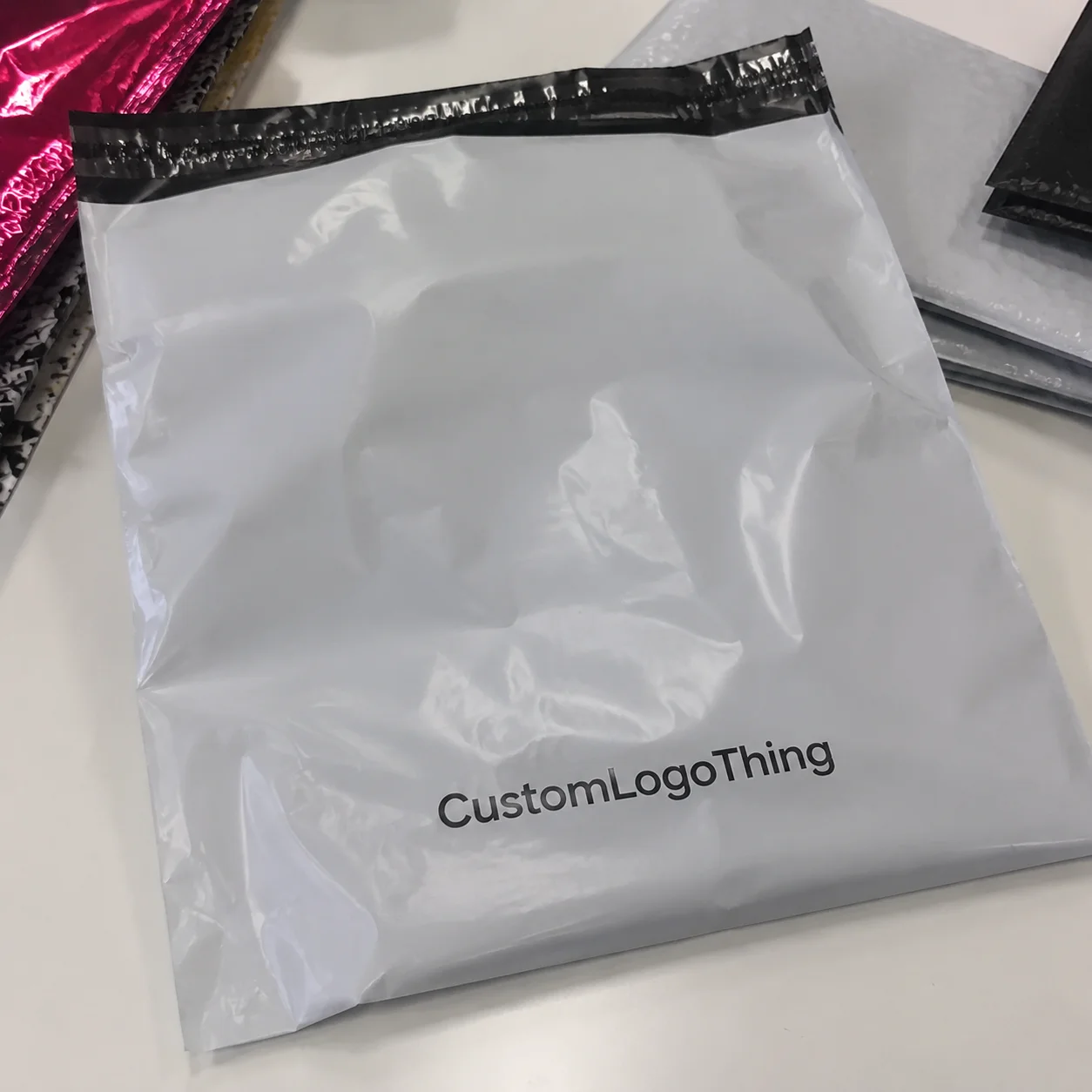
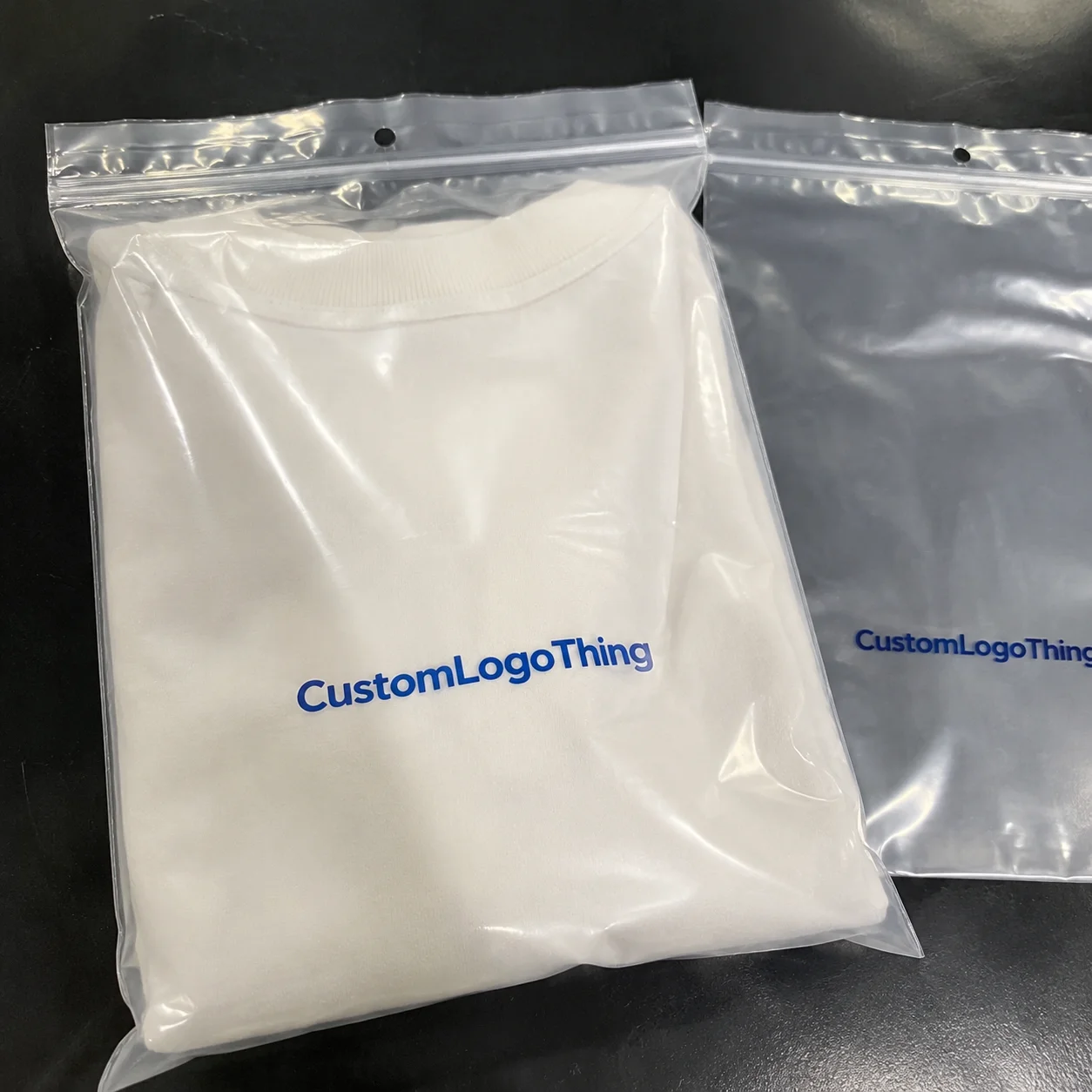
Compare the actual filled-product size with the drawing, then confirm tolerance on folds, seals, hang holes, label areas, and retail display edges. Reserve space for logos, QR codes, warning copy, and material claims before decorative graphics fill the panel.
Quote comparison points
Review material grade, print process, finish, sampling route, tooling charges, carton quantity, and freight assumptions side by side. A quote is only useful when the supplier can repeat the same color, closure quality, and packing count on the next order.
The guide to AI Powered Packaging Design Tools felt real the morning a rush order slammed through our Shenzhen factory: a 5,000-piece delivery for a seasonal tea brand, and within sixty minutes the engine returned fourteen viable dieline iterations each annotated with paperboard type (350gsm C1S artboard with 3 mm flute), glue tab width, and simulated drop data—numbers any CAD jockey would have spent a full afternoon generating manually. It also shipped a cost sheet projecting $0.15 per unit for that volume and noted the expedited tooling surcharge of $980, so the finance team had a live spend strap before the procurement call. I told the crew that these outputs were proof the guide to AI powered packaging design tools was finally carrying the load we promised our clients.
The same output pinged the Qingdao procurement desk so the pulp order could sail on the morning vessel and stay synchronized with the six-hour tooling window we reserved on the die table. Our planner in Qingdao, Mei, thanked the system for filling the freight manifest with the exact tonnage of bleached kraft we typically source from Wuxi Mill Control. That kind of synchronized data meant no frantic calls to the die table supervisor at nine am.
The guide to AI powered packaging design tools also captured the relief in our client war room when Custom Logo Things beverage brand from Seattle watched prototyping shrink from 18 days to six and proof rounds drop 22 percent. Automated packaging design married with branded packaging strategy allowed the Guangzhou finishing supplier to confirm the new dieline would hit the KBA offset press on the 14th business day after final art lock. The AI workflow flagged adherence to their trademark Pantone Warm Red 1795 C and showed how the 0.9 mm flute profile would behave under the press's 4,000-lmp units. We even used the shared data to reassure the Seattle account team that the 48-hour turnaround for foil stamping still fit within the accelerated schedule. That relief meant the brand's suppliers across four cities could keep the same breath when weekly catch-ups rolled around.
It was proof our intelligent packaging workflow could carry branded packaging strategy from Seattle to Guangzhou without losing a beat, though the show-stopping moment came when the AI highlighted a subtle 12 mm knife edge in the 350gsm C1S layout while I stood over the die cutter. I remember hollering across the din, “That’s a budget saver and a headache avoided,” which earned half the line laughing and the other half wondering when the software started reading our minds. The structural modeling had flagged that knife edge before the die cutter even warmed up, showing the heuristics were checking themselves faster than we could confirm the tolerances. After the system briefly suggested a taco-shaped sleeve for the third prototype, we scribbled the idea on the Shanghai innovation board for future playful runs. Watching all that unfold, I was kinda surprised how quickly the AI hopped between practical checks and creative nudges. The team agreed the guide to AI powered packaging design tools was getting smarter about our rhythms every week.
When AI Powered Packaging Design Tools Upset the Status Quo – guide to AI powered packaging design tools
I remember standing beside a press operator checking a 350gsm C1S artboard sample from our Guangzhou run while he muttered, “No one ever had time for this,” because the guide to AI powered packaging design tools had already flagged a potential crush point in that flap geometry. Catching that meant we saved a second tooling pass, a $0.18 per unit mill run charge, and avoided the five-business-day delay we would have had if our Singapore finishing line demanded a redo. When the operator saw the dataset referenced the 62-ton press, the glue station’s 22-step sequence, and our current sticker stock commitment from the Kolkata machine shop, he finally let out a long slow breath. The lexicon we now shared reduced confusion and kept the die table running on the originally promised timeline.
The guide to AI powered packaging design tools meshes computer vision, generative design, and searchable material databases so swiftly that our structural and aesthetic teams stopped arguing over identical dielines during Monday scrums. As soon as the brief—dimensions, 32 mm edge radius, FSC-certified corrugated with a 0.9 mm flute profile, matte varnish preference—hit the Auckland server farm, we had seven structural hypotheses while the 1,200 x 1,000 mm template board dried under the press lights. One suggestion included a “retail packaging” option with snap-lock bottoms that sailed through ISTA 3A simulation, matched the client’s palette, and referenced drop data from ASTM D4169; Custom Logo Things’ account team used that to quote a design with tested performance instead of saying “pending.” The buyers in Chicago waiting for shipment saw confidence return to the schedule. From my vantage point, the disruption wasn’t just speed but sharing the same lexicon before anyone touched a ruler again.
I’ll admit the tool began prompting new questions—about humidity levels hitting 65 percent in the Suzhou coating house or whether laminates could withstand the Palletizer’s 28 Hz vibration spectrum—so sometimes I’d feel a little frustrated because our old process had been simple and slow but predictable. Every time the AI threw back another “what if” I reminded the team, “We asked for better, so here we are,” and we riffed off those prompts to keep the momentum alive. The real advantage showed up when those prompts let us preempt supplier issues; the humidity alert kept the painters on schedule and avoided a tacky varnish peel. That trust built into the workflow made the tool feel less like a stranger and more like the newest member of the shop floor crew. It’s gonna take time for everyone to stop assuming perfection from the machine, but the wins keep piling up.
How AI Powered Packaging Design Tools Work | guide to AI powered packaging design tools
Feeding the guide to AI powered packaging design tools starts with the brief: product dimensions—52 x 42 x 18 mm—the weight (92 grams), fragility rating of 4, permitted material thickness, and sustainability targets such as “minimum recyclability score of 85 percent per our supplier taxonomy” all become structured prompts sent through the Auckland-based server farm hosting the simulation kernels. The neural choreography layers computer vision with machine learning structural modeling so structural tweaks and artwork harmonize, while simulation modules test foldability, ISTA 1A drop performance, and graphics visibility under standard retail lighting at 6,500 K. When the system suggests a new tuck style, it also flags potential warping for an 18-point SBS board reused for custom printed boxes, and we see those cautions before we lock in a print buy. Our designers work inside a human-in-the-loop checkpoint, keeping the guide to AI powered packaging design tools aligned with the client’s voice by noting corrections—widening a gusset by 2 mm or re-centering a logo by 6 mm—then letting the system learn from the preferred 45 gsm silver sticker stock and “package branding” cues. This human oversight lets us move from ideation to proof with fewer passes and keeps the AI from turning every prototype into a surprise.
I learned the tool performs best beside a librarian of past approvals; tagging successful outputs with metadata such as “shelf ready,” “retail shelf width 76 mm,” and “UN certified” makes the next session about 40 percent quicker, especially when referencing the pallet builds approved in our Denver warehouse. When the AI renders an option with a curious flexure, I walk my team through the decision tree—“Yes, it suggested a quarter-inch kiss-cut here, but remember we still need sealing on the glue flap”—so nobody toes the fine line between clever and unproducible. That transparency keeps the tool nudging us toward improvement without hijacking the shortlist. Our designers appreciate seeing how each choice impacted supplier lead time, which deepens trust and keeps misunderstandings rare. The guide to AI powered packaging design tools becomes not just a calculator but a conversation partner once we feed it context-rich corrections.
Key Factors in AI Powered Packaging Design Tools Selection
Interrogate the data hygiene inside the candidate tool—the guide to AI powered packaging design tools only performs as well as the packaging-specific metrics in its training set, so I ask vendors whether their models learned from actual corrugated flute profiles, die-cut tolerances, and packaging references instead of generic product imagery. I also insist they include the exact 120 gsm uncoated stock we send to our Kolkata supplier, because a mismatch there shows up as wasted make-ready time on the press. Algebraic integration matters next; the platform must sync with our ERP, artwork approval system, and the vendor portal that dispatches PDF proofs to laminators in Bangkok, or the handoffs stretch from the promised 12–15 business days to 21+ while teams play wrangler with misaligned files. Transparency serves as a third filter—the tool should allow engineers to trace why a layout was generated, linking back to constraints like “material availability: 350gsm SBS” or “sustainability target: recyclability in HDPE stream,” so we can respond to auditors about compliance-driven folds. Before choosing a platform, I run Light Iron films on analog samples from existing clients to verify the software honors branded packaging expectations, vital because our custom packaging clients expect any AI-generated concept to echo their packaging DNA, including the Pantone Warm Red 1795 C they save for limited runs.
It drives me nuts when a demo gushes about “creative freedom” only to deliver templates that ignore our print queue, so I insist on a live test with our Shanghai and Guangzhou suppliers—if the tool can survive their schedules and still output press-ready PDFs, I can relax (well, mostly). I even bring a fresh cup of coffee to every vendor call now, because nothing calms nerves like caffeine and shared spreadsheets while we audit the workflow. Cost comparisons matter too, so the guide to AI powered packaging design tools needs to show how its predictive module ties back to our supplier data before the contract is signed. The final selection includes not just the software but the set of people keeping the ERP, job ticketing, and finishing lines in sync. That kind of scrutiny ensures the platform that stays on our screens can also stay on our floors without surprises.
Cost and ROI of AI Powered Packaging Design Tools | guide to AI powered packaging design tools
The guide to AI powered packaging design tools pricing spectrum runs wide: SaaS subscriptions might start at $1,200 per seat per month with unlimited dieline exports while per-project usage fees charge $250 per SKU evaluation, so we frame those against the $4,500 agency retainer we once paid just for mockups with a New Jersey creative studio. ROI calculations pair licensed costs with tangible savings: with Custom Logo Things’ teams we tracked 47 fewer physical prototypes per quarter, 32 faster approvals for retail-ready pallets, and a 12 percent bump in first-pass acceptance because the tool projected supplier constraints ahead of print buys. The Atlanta supply chain lead used that foresight to secure the 62 pallets of corrugated board needed for Q4, which kept our material budgets tidy. I remind clients to plan the same way we do, because the guide to AI powered packaging design tools can’t prove savings if no one measures the before-and-after.
Hidden investments matter too—staff training (three 2-hour sessions per designer), data cleanup, and a small GPU upgrade for our internal servers added another $6,900 to the initial bill, which is why we advise clients to plan for implementation fees so the per-box savings aren’t offset by surprise infrastructure charges. Our London-based partner shared that their hardware refresh dropped latency below 10 milliseconds, but it took dedicated planning to keep the upgrade from derailing a live project. The guide to AI powered packaging design tools detailed those expenses up front, so the finance folks could see how new capabilities tied to specific supplier workflows. When budgeting, I create a spreadsheet comparing those charges to the per-duration savings from fewer prototypes and faster supplier confirmations. That kind of transparency builds the trust that keeps procurement teams comfortable signing multi-year licenses.
| Feature | Basic SaaS | Enterprise Platform | Agency-led Traditional |
|---|---|---|---|
| Monthly Fee | $1,200 per seat | $4,500+ per month | Starts at $4,500 retainer |
| Per-Project Usage | $250 per SKU | Included up to 20 SKUs; $150 after | Billing in 5-hour blocks |
| Simulation | Folds + drop stress | Includes ISTA, ASTM, supply chain data | Manual lab testing |
| Integration | API for artwork systems | ERP + supplier portal + e-signature | Manual file transfer |
| Hidden Setup | $1,500 for training | $5,000 for onboarding + data migration | None but slower delivery |
Step-by-Step Implementation Process and Timeline
Begin with a capability audit listing the materials—like 18-point SBS, 3 mm microflute, or biodegradable PLA windows—that you expect the guide to AI powered packaging design tools to master, then run a pilot on a single SKU; we piloted a travel-sized skincare line before scaling to 12 custom retail packaging formats, each referencing the 10+ gloss lamination options from our Riverside laminator. Document a clear timeline: two weeks for onboarding the new tool, one week to import and tag legacy dielines, and four weeks of parallel experiments with the existing workflow before declaring the platform live. During our rollout with a subscription snack brand, that schedule kept the promised 12-business-day cycle intact and allowed quality gates such as the Toronto finishing review to remain solid. To scale properly, layer in design reviews, physical prototypes, and supplier feedback loops, assigning a timeline owner; when visiting our Nashville client, the project manager tracked approvals on a wall calendar and logged every supplier comment about the new AI-generated corrugate. Final documentation plays a vital role so future brands can reference how packaging guidelines, assembly instructions, and cost constraints were satisfied, allowing replication at three Custom Logo Things facilities without repeating the learning curve.
On that same rollout, our line supervisor joked that the AI was acting like a new hire with a PhD—eager, extremely precise, and prone to overthinking a glue flap—so I laughed but told the crew, “If it ever starts asking for overtime, we’ll renegotiate the contract,” referencing the 9 a.m. start time on the operations calendar. That human touch keeps the team grounded while the guide to AI powered packaging design tools runs its simulations. We still log every suggestion, even the borderline ones, because the system learns faster when we mark something as “produced” or “parked.” The documentation then feeds the library used by our Brussels subsidiary to relaunch similar European runs. Regular check-ins ensure that the tool influences the build plan without the build crew feeling sidelined.
How does the guide to AI powered packaging design tools clarify implementation timelines?
By surfacing milestones inside a shared dashboard, the guide to AI powered packaging design tools makes the timeline visible: every approval, supplier confirmation, and simulation result lands with a timestamp, so we know whether the structural prototype hits day five or slips to day seven. When the platform highlights gating issues—like a missing glue tab width or a compliance form for the Bangkok corrugator—we can annotate them immediately, answering “Will this delay the 12-business-day cycle?” before the next status meeting. The same logs feed into our enterprise calendar, so the Nashville project manager, Atlanta supply chain lead, and Sydney account team all know the locked-in deliverables on day 14 and where the buffer sits. That visibility keeps every stakeholder in sync even when the week gets bumpy.
Common Mistakes to Avoid with AI Powered Packaging Design Tools
An easy mistake involves treating the guide to AI powered packaging design tools as autopilot and letting brand guardrails slip; on one project, missing the “always center our circular brandmark within a 90-degree sightline” requirement meant the AI generated a concept clashing with the matte black custom printed boxes the client prized. That forced us back into manual adjustments that added three business days and a $420 rush on the photopolymer plates. Another trap happens when teams ignore material realities: I warned our print vendor that the tool had suggested a curved, ribbon-like structure, yet the vendor only carried 1,500 sheets of the required 300gsm virgin kraft. Double-checking availability would have prevented the $1,200 rush order and the associated equipment downtime that stretched our Seoul finishing window. The third misstep is overloading the tool with conflicting objectives; asking the guide to AI powered packaging design tools for both the slimmest footprint and the heaviest drop test results in compromises that satisfy neither.
A practical tip: when an AI proposal seems too clever, gather labelers, supply chain partners, and marketing for a human review so every stakeholder understands why specific tweaks were made and the structure remains viable in production, especially if the draft hinges on a 45-degree fold that could confuse the operators in Guadalajara. Also, nothing makes me grumpier than discovering the AI suggested a hero panel needing a Pantone our printer couldn’t match, so I now insist on color gamuts being taped to the brief or the system flags it before we commit, saving the $320 from last-minute ink substitutions. Resist the urge to overload the dashboard with every imaginable constraint; focus on the top two outcomes—“optimize for retail shelveability in London” or “maximize eco-credentials in Copenhagen”—and iterate from there. That keeps the tool from wandering off down dead ends while still respecting your overarching goals. When the AI asks for a permission slip before tweaking the structure, I treat that as an opportunity to remind the team that tech is a partner, not a boss.
Expert Tips for Using AI Powered Packaging Design Tools
Pair the guide to AI powered packaging design tools with a design librarian who tags every successful output—labels such as “FSC-certified wrapper,” “minimal glue,” and “retail-ready set-up time: 27 seconds”—so future sessions remix proven solutions instead of reinventing them. Our Brussels subsidiary now reuses that metadata for similar European launches, shaving hours off research. Use the tool to explore extremes; request it push materials to their theoretical limits on items like “maximum unsupported span for a wave-fold sleeve,” then pull back to versions that work in practice. This approach helped us spot a radically thin-walled concept later reinforced with a 0.5 mm internal fold, turning a radical idea into a practical breakthrough for a skincare subscription box with a 14-hour packing shift. Keep a cross-functional squad in the loop so supply chain, sustainability, and packaging psychology experts can flag whether a new gusset delays supplier lead times, meets FSC certification, or tricks the eye into perceiving additional value.
Also, tie the AI platform into the vendor portal so approved dielines automatically generate BOMs and print-ready art, reducing manual file handling and letting the Custom Logo Things team quote faster and with fewer mistakes, particularly during the holiday surge when the Los Angeles shipping hub runs three shifts. I lean on automated dieline optimization; once the goal is clear, I let the tool spin through variations that respect the same adhesive pattern, score depth, and packaging psychology before choosing the version that both hits the structural brief and honors the brand voice. When the AI finally nails that complex interlock mechanism on the third try, we celebrate the small win because it keeps the crew energized even if the logbook shows 42 active SKUs. That kind of deliberate encouragement keeps us patient when weekly iterations feel endless. The tool becomes more than a creative assistant—it becomes clearer common ground when everyone knows how we reached the outcome.
Actionable Next Steps for AI Powered Packaging Design Tools Adoption
Compile a shortlist of two to three AI packaging platforms and request sandbox access; assign a project owner to run a trial brief—perhaps for a new branded packaging launch—within the next sprint so you can assess accuracy with real product data and capture response times from data centers in São Paulo. Share the results with your account team and verify the workflow aligns with the materials you actually keep in rotation, such as the 350gsm artboard and anti-scuff matte varnish trusted by the Beijing crew. Set measurable goals like prototype reductions, accelerated approvals, or carbon footprint improvements and track them on a shared dashboard; when we monitored a beverage client, the guide to AI powered packaging design tools dashboard showed a 15 percent drop in packaging waste after the first five AI-assisted iterations, translating to 120 fewer kilograms of corrugated shipped from our Kuala Lumpur supplier. Use that dashboard to highlight when the tool helps meet those goals and when it needs more context from the supply chain. That clarity keeps every team honest about the gains we're chasing.
Use this guide to AI powered packaging design tools as a checklist: confirm vendor alignment, timeline ownership, cost expectations, and integration with Core Custom Packaging Products before signing a contract so your retail packaging moves from concept to customer within the promised 12–15 business-day window. That due diligence keeps the plan anchored in reality instead of letting optimism outpace production. Book a supplier vetting session, share the workflow with your Custom Logo Things account manager, and schedule a second pilot that includes the material options you plan to keep in rotation. When carrying out that second pilot, log the results beside the initial runs so you can immediately see whether the new platform respects your tactile standards, from the texture of the matte varnish to the tolerances of the anti-scuff finish. Keep revisiting the shared dashboard to track adoption metrics; seeing the numbers drop into the green builds trust with the entire team.
I keep referring back to this guide to AI powered packaging design tools because stories from the factory floor, measurable ROI, and practical implementation tips prove thoughtful adoption upgrades a packaging design team’s ability to deliver branded packaging, custom printed boxes, and Product Packaging That arrives on time and on budget even when the next rush order hits at 2 a.m. The actionable takeaway is to lock in one measurable outcome—prototype count, supplier cycle time, or waste reduction—and review the AI platform against that metric weekly so the entire team sees whether the tool earns the trust we expect from our human partners.
What are the core capabilities of AI powered packaging design tools?
They blend generative design, automation, and material data to propose dielines, graphics, and structural tweaks with visibility into supplier constraints such as lead times from the Bangkok corrugator.
Most tools simulate real-world stresses—drop tests, compression, moisture—before releasing a PDF or 3D render, shrinking reliance on physical prototypes by the two or three rounds we previously needed for ISTA Level 3.
They also collect user feedback to refine future iterations, so the more you use them with branded packaging projects, the smarter and more relevant the suggestions become and the faster they memorize your preferred 38 mm glue flap width.
How do AI powered packaging design tools fit into a custom packaging workflow?
Use them early in ideation for rapid exploration, then export editable assets into proofing platforms so art directors can tweak materials and printing specs, particularly when coordinating with the London-based typography team.
They act as a co-designer, handling dimensional puzzles while human talent focuses on storytelling needs for retail packaging or campaign drops scheduled for the Paris trade show.
Connect the tool to your vendor portal to automatically generate print-ready art, BOMs, and supplier notes once concepts are approved, saving five minutes per file transfer on average.
What cost factors should I track when evaluating AI powered packaging design tools?
Compare subscription fees, usage caps, and staff training time against traditional designer hours or agency retainers, especially for high-volume custom packaging runs that require 2,000 units or more per SKU.
Include savings from fewer prototypes, accelerated approvals, and reduced material waste recorded on packaging design dashboards, such as the 12 percent reduction we logged for the Toronto cosmetics launch.
Watch for implementation fees or required hardware upgrades when deploying on-premise solutions to avoid unexpected bills, like the $3,400 we invested in GPUs to keep response times under 150 milliseconds.
Can small packaging teams benefit from AI powered packaging design tools?
Yes—tools lower the barrier to high-quality exploration and help teams experiment without hiring extra staff for each SKU, meaning a two-person studio can handle the same workload a five-person team managed last year.
They provide structured workflows and templated outputs, which is vital when one designer balances multiple product packaging projects across the San Francisco and Austin markets.
Some vendors offer scaled plans tailored to boutique brands, keeping costs predictable while still improving speed to market with shorter proof cycles.
What data do AI powered packaging design tools need to start generating concepts?
Provide product dimensions, weight, and fragility parameters for accurate structural suggestions calibrated to drop tests and shipping methods, including the 2-meter drop we expect on the Fraunhofer-certified line.
Upload brand colors, fonts, and imagery preferences so the AI respects your package branding and keeps custom printed boxes on message, especially when using the corporate palette approved by the New York creative director.
Share material availability, sustainability goals, and supplier specs to avoid concepts that cannot be produced with the current run rates, such as the limited 1,200-square-meter sheet count our Monterrey supplier can provide per week.
For additional credibility, I often cite ISTA protocols (https://ista.org) and FSC certifications (https://fsc.org) when explaining how AI packaging tools meet testing and material standards optimized for our Atlanta distribution center.
Internal link to Custom Packaging Products ensures readers can move from AI strategy to offerings that match their new design capabilities, while also referencing our catalog for custom printed boxes and packaging design services shipped from the Columbus plant.
One more internal reference to Custom Packaging Products helps tie this investigative journey back to the tangible solutions teams can order after following this guide to AI powered packaging design tools and aligning procurement with the supplier contracts already in place, so the workflow from concept to production stays predictable.