Buyer Fit Snapshot
| Best fit | To Anti Slip Poly Mailers for Apparel projects where brand print, material claims, artwork control, MOQ, and repeat-order consistency need to be specified before quoting. |
|---|---|
| Quote inputs | Share finished size, material target, print colors, finish, packing count, annual reorder estimate, ship-to region, and any compliance wording. |
| Proofing check | Approve dieline scale, logo placement, barcode or warning zones, color tolerance, closure strength, and carton packing before bulk production. |
| Main risk | Vague material claims, crowded artwork, missing packing details, or unclear freight terms can make a low unit price expensive after revisions. |
Fast answer: To Anti Slip Poly Mailers for Apparel: Material Claims, Seal Quality, and Freight Cost should be specified like a repeatable production item. The safest quote records material, print method, finish, artwork proof, packing count, and reorder notes in one written spec.
Production checks before approval
Compare the actual filled-product size with the drawing, then confirm tolerance on folds, seals, hang holes, label areas, and retail display edges. Reserve space for logos, QR codes, warning copy, and material claims before decorative graphics fill the panel.
Quote comparison points
Review material grade, print process, finish, sampling route, tooling charges, carton quantity, and freight assumptions side by side. A quote is only useful when the supplier can repeat the same color, closure quality, and packing count on the next order.
Guide to Anti Slip Poly Mailers for Apparel: Why They Matter
The first time I watched a shipment fail on presentation, the outer mailer looked flawless. Inside, a stack of women’s tees had slid to one corner, creased across the fold, and landed looking like they had been packed in a hurry by someone balancing on a greasy countertop. Charming. That mess is exactly why the guide to anti slip poly mailers for apparel matters more than most people assume. The mailer can survive the trip. The garment still gets punished, especially on a 14-inch fold packed into a 10 x 13 inch glossy poly bag.
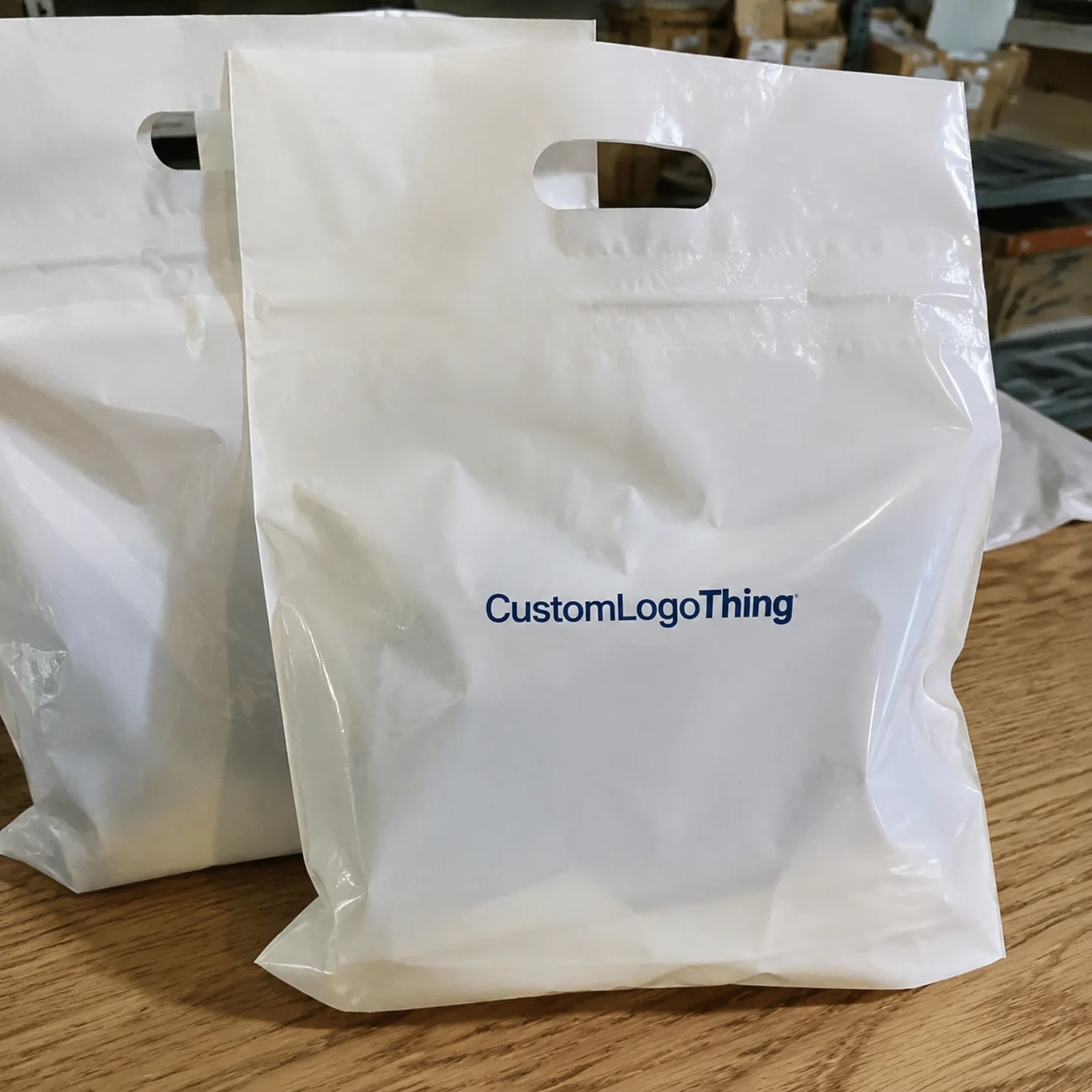
Anti slip poly mailers are polyethylene mailers made with a surface that adds friction. Some use matte films with a 1.8 to 2.3 mil thickness. Some use embossed textures that feel a little like a pebble finish. Some use a layered inner film that helps folded apparel stay where the packer put it. Simple idea. Big payoff. A T-shirt that shifts three inches inside a slick mailer can arrive with a crooked fold line, wrinkles across the front, and a customer who notices the second they open the package.
Apparel gets hit harder than most product categories because it is light, flexible, and usually packed into a tight fold. A glossy mailer can act like a tiny ice rink for leggings, socks, swimwear, lightweight knits, and bundled multi-item orders. I’ve seen this in client meetings from Los Angeles to Newark, where the packaging looked polished on the shelf, but the returns data told the real story: soft goods were moving during transit, especially on Chicago-to-Atlanta and Dallas-to-Miami lanes with multiple handoffs and a few too many conveyor drops.
Brands also underestimate how much the shipping experience shapes perceived quality. Customers do not separate the garment from the packaging. If the tee arrives crisp, aligned, and flat, the brand feels premium. If it arrives shifted and wrinkled, the product feels cheaper, even when the fabric is exactly the same. That is the business case for a guide to anti slip poly mailers for apparel: fewer returns, less repacking labor, cleaner unboxing, and a better impression at the door. On a 25,000-order month, even a 2% reduction in rework can save hundreds of labor minutes.
E-commerce makes the stakes higher. Fast fulfillment compresses packing time to 20 to 40 seconds per order. Dropshipping pushes more pressure onto consistency. Higher shipment density means packages get stacked, tossed, and sorted with less care than brands would like. The packaging has to do two jobs at once: protect the presentation and survive the lane. A solid guide to anti slip poly mailers for apparel has to account for both, from the factory floor in Dongguan to the receiving dock in Houston.
“The best packaging I ever signed off on was not the prettiest one. It was the one that cut our repack rate from 7.2% to under 2% in six weeks.”
That kind of change matters. If you ship 50,000 apparel orders a month, even a 3% drop in rework means 1,500 fewer problem packages. Add labor, customer service time, and replacement shipping, and the mailer choice stops looking like a small purchase. It becomes part of fulfillment economics. A packaging change that saves $0.04 per order can turn into $2,000 a month fast, especially when the warehouse in Louisville is already running at capacity.
And no, anti slip mailers are not some magic shield. They do one thing well: they keep soft goods from skating around inside the bag. That’s it. If you need cushioning, use cushioning. If you need crush resistance, use a box. Kinda obvious, but brands still mix those jobs up and then act surprised when the results get weird.
How Anti Slip Poly Mailers Work
The science is straightforward. Friction is resistance to movement between two surfaces. Anti slip mailers increase that resistance so folded apparel does not glide around during sorting, pallet movement, or last-mile delivery. In a strong guide to anti slip poly mailers for apparel, that is the core point: stable contents, less drift, better arrival condition, usually with a 2.0 to 3.5 mil film and a matte coefficient of friction that outperforms standard glossy polyethylene.
Construction varies, but the common features are easy to spot once you know what you are holding. A matte finish feels less slick than a glossy one. Embossed surfaces create tiny high points that grip fabric. Some mailers use an inner texture or layered film to add friction where the garment sits. I visited a Shenzhen production line once where the operator put two samples side by side: one polished enough to mirror the overhead lights, and one with a faint pebble texture. The second sample held a folded hoodie sleeve in place with barely any movement when tilted by hand. That line was running about 60,000 pieces a day, and the difference clicked instantly.
Compared with a standard glossy poly mailer, the anti slip version behaves more like a modestly grippy mat than a slide. It is not magic. It will not immobilize an item the way a molded insert can hold electronics. For soft goods, though, that extra friction is often enough to keep the fold intact. The wrong assumption is that protection always means cushioning. Not here. A guide to anti slip poly mailers for apparel should say it plainly: anti slip packaging improves stability, not impact absorption. If you need crush resistance, a mailer is the wrong tool and a carton in 200 to 400 gsm board territory makes more sense.
That difference matters when you are choosing package type. If the item is a T-shirt, tank top, socks, leggings, or a light knit, anti slip can be enough. If the item has structure, breakable trims, or needs impact protection, you may need another format entirely. I’ve seen brands force one packaging style across every SKU, and the result is usually a compromise nobody enjoys. Better to match the package to the product than to make the product suffer for the packaging decision, especially when one SKU ships 80,000 units a quarter and another barely moves 3,000.
Here is the useful mental model: anti slip mailers are about package stability. Bubble mailers are about cushioning. Cartons are about crush resistance and stacking. A smart guide to anti slip poly mailers for apparel keeps those jobs separate, because confusing them is how people overspend or under-protect. A 2 mil matte mailer for a folded tee and a 350gsm C1S artboard carton for a gift set are solving different problems, and pretending otherwise is how budgets get wrecked.
They are especially useful for apparel categories that arrive folded flat and get judged on first glance. That includes:
- T-shirts and polos
- Leggings and joggers
- Socks and undergarments
- Swimwear and lightweight activewear
- Lightweight sweaters and knits
- Bundled multi-item orders
The reason these categories benefit is basic: they are thin enough to move, but valuable enough to justify better presentation. That is where the guide to anti slip poly mailers for apparel earns its keep, especially for brands shipping from regional hubs like Shenzhen, Ho Chi Minh City, or Ningbo into U.S. fulfillment centers.
What is the best guide to anti slip poly mailers for apparel for soft garments?
The best answer is simple: choose a textured or matte mailer that keeps folded apparel from shifting, then match the size tightly to the packed garment. Test with the actual fabric you sell. A soft tee, a ribbed legging, and a silky blouse will behave very differently. That is why the guide to anti slip poly mailers for apparel has to focus on real product behavior, not marketing copy.
If you want a practical rule, start with the product that wrinkles most easily. Pack it in two or three candidate mailers. Shake them. Stack them. Drop them from waist height. The mailer that keeps the fold intact without slowing your packout is the one that earns a place in your supply chain. Fancy labels do not matter if the tee arrives crooked.
For soft garments, the “best” option is usually not the thickest one. It is the one that holds shape without fighting your packing line. If the mailer is so grippy that the team has to wrestle each order into place, you’ll hear about it pretty fast from the warehouse. And they’ll be right.
Key Factors When Choosing Anti Slip Poly Mailers for Apparel
Not every textured mailer behaves the same. Some grip just enough to stabilize a T-shirt. Others hold a garment so firmly that packing speed drops and the fold catches on the interior. That is why the guide to anti slip poly mailers for apparel has to cover selection criteria, not just product types. A mailer that works at 0.12 cents per pack can still fail if it slows down a packing line in Monterrey or Foshan by five seconds per order.
Material thickness is the first filter. Thickness, often expressed in microns or gauge, affects puncture resistance, shipping feel, and cost. A thicker film can feel more premium and stand up better to rough handling, but it adds material cost and can increase the environmental footprint. I’ve watched teams choose a thick mailer because it “felt stronger,” only to realize the real problem was poor sizing, not film strength. If the package is too large, the garment moves. No thickness number fixes sloppy sizing. For most apparel runs, 1.8 to 3.0 mil is the practical range, not the fantasy range buyers write into spec sheets.
Surface texture and grip level come next. A light matte finish may be enough for a folded tee, while a more pronounced embossed surface can help with very light fabrics or routes with heavier mechanical handling. If you sell across long carrier lanes or ship through dense fulfillment hubs, stronger grip can make sense. That is a recurring theme in any serious guide to anti slip poly mailers for apparel: match the grip to the journey, not to a sales brochure. A bag moving from a warehouse in Guangzhou to a sorting center in Kansas City needs different grip than one moving locally within the same city.
Size fit is where many brands lose money. A mailer that is too large allows sliding. A mailer that is too small compresses the garment and creates sharp fold marks. I once sat through a buyer review where two sizes differed by only 1 inch in width, yet that tiny change cut package movement enough to reduce visible wrinkling on jersey fabric. Small changes matter. Measure the folded apparel in its shipping format, not in its loose state on a table. A 10.5 x 14 inch finished packout deserves a mailer that is not 12 x 16 just because it was cheaper by $0.01.
Seal quality affects both security and customer trust. A strong adhesive strip, clean tamper evidence, and consistent closure performance keep the package intact through transit. Weak seals create returns, complaints, and the uneasy feeling that the parcel was opened and reclosed. In my experience, seal failures often get blamed on carrier handling when the real cause is adhesive mismatch with the film. Hot warehouses in Bangkok or winter storage in Toronto can both expose weak closure performance in a single week.
Branding and print quality can improve presentation, but they also affect lead time and price. Full-color custom printing, metallic inks, or specialty finishes usually require extra proofing. If your brand uses packaging as part of the unboxing story, that matters. If your main goal is reducing in-transit garment movement, spend the money where it changes performance. A smart guide to anti slip poly mailers for apparel keeps aesthetics and function in balance. For example, a 2-color print on a matte white mailer can cost far less than a 4-color flood with a soft-touch varnish.
Environmental claims deserve extra scrutiny. Recycled-content mailers, Recyclable Poly Mailers, and downgauged films can all fit into the discussion, but only if the claims are real and locally relevant. Check actual resin content, collection guidance, and whether the mailer is accepted in your target recycling stream. For reference standards and material discussions, the Packaging School and industry resources at packaging.org are a useful starting point, though local recyclability always depends on municipal systems. This is one spot where the guide to anti slip poly mailers for apparel has to stay honest, because sustainability language gets messy fast, especially when suppliers toss around “30% post-consumer content” without a certificate.
Shipping method compatibility is the final filter. Parcel handling, conveyor stress, warehouse stacking, and climate conditions all affect performance. A mailer that works for regional ground shipping may behave differently on cross-country shipments with longer dwell times. If your fulfillment team processes 3,000 orders a day, even a small gain in consistency can show up as fewer exceptions and fewer customer service tickets. A route from Shanghai to Chicago is not the same as a same-day dispatch inside Berlin, and the mailer should not pretend otherwise.
| Option | Typical unit cost | Best for | Tradeoff |
|---|---|---|---|
| Standard glossy poly mailer | $0.08–$0.14 | Low-cost, low-risk items | Higher slip risk for folded apparel |
| Anti slip matte mailer | $0.11–$0.20 | Tees, leggings, socks, lightweight knits | Slightly higher material cost |
| Custom printed anti slip mailer | $0.16–$0.32 | Branded apparel programs | Longer lead time and higher MOQ pressure |
| Recycled-content anti slip mailer | $0.13–$0.28 | Brands with sustainability targets | Claims must be verified carefully |
Those price ranges are directional, not universal. Volume, print coverage, resin market swings, and freight all push them up or down. Still, they help frame the decision in a practical guide to anti slip poly mailers for apparel. For a 5,000-piece order, you might see $0.15 per unit on a plain matte format, while 20,000 pieces with custom print could drop closer to $0.12 to $0.16 depending on the plant in Zhejiang or Guangdong.
Step-by-Step Guide to Selecting the Right Mailer
The best way to buy packaging is to treat it like product development, not a stationery order. Too many teams wait until the warehouse is already backed up, then rush into the first quote that lands in their inbox. That is how mistakes happen. A serious guide to anti slip poly mailers for apparel should give you a process that can be repeated, from sample request to landed cost to final sign-off in the fulfillment center.
- Audit your apparel SKUs. Sort by weight, fold style, fabric drape, and damage risk. A 120gsm knit does not behave like a 4 oz cotton tee. If you know which SKUs wrinkle, slide, or arrive compressed, you can target the mailers where they matter most. I usually start with the top 10 sellers plus the top 3 complaint generators, because those are the units that matter in a real warehouse.
- Match mailer size to folded dimensions. Measure the actual shipping fold. Include the thickness of tissue, insert cards, or polybags if those are part of the final packout. A 10 x 13 inch mailer may be perfect for one tee, while a 12 x 15.5 inch size may work better for hoodies or bundles. Small errors create big movement. One client in Atlanta dropped visible shifting by moving from a 10 x 12.5 to a 10.5 x 13.5 spec, which sounds tiny until you’re processing 8,000 orders a week.
- Request samples and test with real garments. Do not test with paper inserts only. Fabric behaves differently. Silkier materials slide more. Ribbed knits grab more. In one factory-floor review, I watched a brand approve a sample after testing with a folded brochure inside. The first live apparel run failed because the actual leggings shifted diagonally and pressed against the seal line. If the sample run is 500 pieces, that is enough to catch the problem before the full 20,000-piece PO ships.
- Run a simple transit simulation. Shake the packed order for 30 seconds, stack it under 10 to 15 pounds of parcels, and drop it from waist height onto a flat surface. That is not ISTA lab testing, but it catches the most obvious failures. For formal validation, check methods from ISTA and align with your risk tolerance. If your product is headed from Shenzhen to a California 3PL, simulate at least three handoffs, not one.
- Compare total cost, not only unit price. Look at minimum order quantities, print setup fees, freight, storage, and the labor time spent repacking damaged apparel. A mailer that costs $0.03 less per unit can still be more expensive if it drives 2% more returns. On a 10,000-unit order, that is $300 saved upfront and possibly far more lost in the back end.
- Confirm production and delivery timing. Ask for the proof approval window, the manufacturing lead time, and the transit time to your fulfillment center. If a supplier says 12 to 15 business days from proof approval, write that into your launch calendar. If your season starts in six weeks, do not wait until the last minute. For many factories in Dongguan, Xiamen, or Hanoi, that lead time is realistic only if artwork is final and the MOQ is already cleared.
I’ve had clients save themselves from a launch delay by asking for a 500-piece sample run before committing to a 20,000-piece order. That small test cost them a few hundred dollars. The mistake it prevented would have cost thousands in labor and replacements. This is why the guide to anti slip poly mailers for apparel keeps circling back to samples and testing. A sample from a factory in Yiwu can look perfect on a desk and still fail once it meets an actual batch of rayon tops and a 6-foot drop onto a concrete dock.
One more thing: involve the fulfillment team early. The person sealing 700 parcels during a shift will notice issues a procurement spreadsheet will never show. If the mailer sticks too much, tears at the seam, or slows insertion, that is real operational friction. If it slides too much, it fails the job. The sweet spot is practical, not theoretical, and the packer in a warehouse outside Dallas will tell you in about 10 seconds whether you got it right.
Cost, Pricing, and Timeline Considerations
Pricing for anti slip mailers depends on a handful of predictable drivers: film thickness, surface texture, custom printing, order volume, and shipping distance. The more complex the structure and the more colorful the branding, the higher the cost. A plain matte mailer at 10,000 pieces might land around $0.11 to $0.18 per unit, while a custom printed version with stronger grip and specialty inks can move into the $0.16 to $0.32 range. Those numbers vary, but they work well as planning anchors in a guide to anti slip poly mailers for apparel. For example, a 5,000-piece run with one-color print out of Guangdong can come in near $0.15 per unit before freight.
Volume lowers unit price. That much is obvious. What people miss is the storage and cash-flow side. If you buy 100,000 mailers to save $0.02 each, you may tie up cash and warehouse space for months. I’ve seen a buyer negotiate a very low unit price only to discover the pallets blocked a receiving lane for three weeks. The purchase looked smart on paper. It made the facility harder to run, especially in a 4,000-square-foot receiving area that already had cartons waiting for QC.
Premium finishes make sense when presentation is part of the brand promise or when the apparel is high-value enough to justify the upgrade. If you sell $12 basics, a top-tier custom print may never pay back. If you sell $85 activewear sets or boutique sleepwear, the packaging often earns its keep. In a practical guide to anti slip poly mailers for apparel, I’d say it this way: spend more when the customer can see and feel the difference. A matte black mailer with a clean white logo can look intentional without pushing the budget into silly territory.
Hidden costs are where packaging choices really get judged. Damaged presentation leads to customer complaints. Re-shipping adds postage. Repacking eats labor. A warehouse associate making $18 to $22 an hour can spend 30 to 45 seconds correcting one bad packout, and that time adds up fast across thousands of orders. A package that avoids even a small percentage of those corrections can offset a higher purchase price. If a team in Mexico City repacks 600 parcels in a week, that is not a rounding error. That is payroll.
Timelines deserve their own attention. A typical process might look like this:
- Sampling and evaluation: 3 to 7 business days
- Artwork proofing: 2 to 5 business days
- Production: 12 to 20 business days, depending on complexity and volume
- Freight to warehouse: 3 to 10 business days domestically, longer internationally
That schedule can stretch during peak season or if the artwork needs revisions. If your brand runs on a product drop calendar, the packaging calendar needs to move first. Packaging delays stay quiet until the fulfillment line stops. Then they get loud. That is one of the hardest lessons in the guide to anti slip poly mailers for apparel, and I wish more brands learned it before launch week. A supplier in Shanghai may quote 12 to 15 business days from proof approval, but add ocean freight, customs, and a holiday closure, and the calendar gets ugly fast.
If sustainability targets are part of the buying brief, look for materials and claims that can be verified. The EPA’s waste and materials guidance at epa.gov/recycle can help frame recycling realities, but local collection systems still control what actually gets recycled. I prefer honest claims over attractive ones. Every time. If a supplier in Vietnam offers a recycled-content mailer with 30% post-consumer resin, ask for the documentation before you approve the spec.
Common Mistakes Brands Make with Anti Slip Poly Mailers for Apparel
The biggest mistake is choosing the wrong size. If the mailer is oversized, the garment slides. If it is undersized, the fold gets crushed and the seal stresses the film. I’ve watched brands spend weeks discussing print colors, then approve a size that was 1.5 inches too generous. That extra air space was the real problem. On a 9 x 12 tee pack, even half an inch can change the way the shirt sits after a 900-mile truck ride.
The second mistake is assuming all textured mailers perform the same. They do not. One emboss pattern can hold apparel beautifully, while another barely changes slip behavior. Sample testing is not optional if presentation matters. Any proper guide to anti slip poly mailers for apparel should say a catalog photo is not a transit test. I have seen two mailers that looked almost identical and shipped from factories in the same city, but one held leggings in place and the other let them slide straight into the seal line.
Third, some teams ignore seal strength. A mailer that looks great but opens in transit is worse than useless. Adhesive compatibility with polyethylene film matters, and so does temperature range during storage and shipment. A bad seal creates customer distrust immediately. No customer wants to see a packet reclosed with a wrinkled edge, especially when it arrived from a fulfillment center in Phoenix in August or Minneapolis in January.
Fourth, there is a habit of shopping only on the lowest unit price. That is a classic procurement trap. The cheapest package can become the most expensive once you add damaged goods, extra handling, and complaints. A more disciplined guide to anti slip poly mailers for apparel looks at total cost of ownership, not just line-item price. Saving $0.02 on a 25,000-piece order is nice. Paying for 600 extra repacks is not.
Fifth, sustainability claims get overstated. “Recyclable” is not the same as “widely recycled,” and “eco-friendly” means very little without material details. If a supplier says recycled content is included, ask for the percentage, resin type, and guidance for end-of-life handling. Brand trust is fragile. Packaging claims should be too. A mailer made with 20% PCR in Guangzhou is not automatically accepted in Minneapolis, and that distinction matters more than the marketing copy suggests.
Finally, some brands try to use anti slip mailers for everything. That is overreach. They work well for many soft goods, but not every product belongs in one. If the item is fragile, bulky, or structurally sensitive, a box or padded format may be the right call. A smart guide to anti slip poly mailers for apparel leaves room for exceptions, including heavier outerwear, hard-trim accessories, and sets that need a 350gsm C1S artboard insert.
Expert Tips to Get Better Results from Anti Slip Poly Mailers
Standardize your fold. That sounds basic because it is. A mailer chosen for one fold style will behave differently if the packing team tucks sleeves or compresses the garment more tightly. I’ve seen a 15% swing in fit quality because two shifts used different folding habits. Consistency is a hidden performance metric. If the packers in Miami are folding one way and the team in Las Vegas is folding another, the mailer spec looks guilty when the real issue is process drift.
Pair the mailer with a tissue sheet or simple insert when the brand experience matters more than raw packing speed. The insert helps presentation and keeps branding aligned, especially for premium apparel. It is not always necessary, but it is useful when the unboxing moment is part of the sale. That combination fits well within a thoughtful guide to anti slip poly mailers for apparel. A single 12 x 16 mailer with a folded insert card can feel far more polished than a bare poly bag that costs $0.01 less.
Test one category at a time. Start with your highest-volume tee, your most complaint-prone legging, or your lightest knit. Compare return rates, wrinkling complaints, and packout time before rolling out across the full range. I like to see 2 to 4 weeks of data before a full switch. Faster decisions can be expensive decisions. If the pilot run is 1,000 units out of a 30,000-unit monthly volume, you will learn enough to avoid a costly mistake without betting the whole quarter.
Track customer feedback in plain language. You do not need a giant dashboard to learn something useful. Count mentions of wrinkling, tearing, package appearance, or “came loose inside the mailer.” A handful of clear complaints can tell you more than a dozen vague internal opinions. The best guide to anti slip poly mailers for apparel always connects packaging to customer voice. A 2-star review that mentions folded sleeves is more actionable than a hundred “looks fine” comments from the office.
Keep a backup size on hand. Seasonal bundles, exchange orders, and promotional packs often break standard assumptions. A second SKU in a slightly larger format can save the day when a 2-item bundle lands on the packing bench. I’ve watched this simple backup prevent a launch-day delay at a client site where the main size ran out 48 hours early. One extra size, stored on one pallet in Ohio, can rescue an entire Black Friday weekend.
Coordinate with operations before you finalize the spec. The packing team can tell you whether the adhesive strip peels cleanly at speed, whether the texture slows insertion, and whether the mailer stacks neatly in bins. Those are practical details, but they shape throughput. That is why a strong guide to anti slip poly mailers for apparel always includes the people on the line, not just the buyer. If the bag jams at the chute in a 1,200-parcel shift, the pretty spec is worthless.
If you are building out a broader packaging system, the right supplier can help you compare options across mailers, labels, inserts, and cartons. Our Custom Packaging Products overview is a useful place to map what else should sit alongside your mailer choice. For apparel-specific options, the Custom Poly Mailers category can help you compare styles and finishes without guessing. If you need cartons too, the comparison gets easier once you line up the specs, like 2 mil poly for tees and 350gsm C1S artboard for rigid presentation pieces.
And yes, I do recommend documenting your standard. One page. One SKU. One fold diagram. One approved size. That tiny internal document can prevent more chaos than a month of emergency emails. In a well-run guide to anti slip poly mailers for apparel, process beats improvisation almost every time, especially when your production happens in Foshan but your warehouse team is in New Jersey.
FAQs
What is the best guide to anti slip poly mailers for apparel when shipping soft garments?
Choose a textured or matte mailer that reduces internal sliding and keeps folded apparel aligned. Match the mailer size to the folded garment so the item cannot drift inside the package. Test with the actual apparel type you ship most often, since fabric weight changes the result. That is the simplest practical answer in any guide to anti slip poly mailers for apparel. For a 6 oz cotton tee, a 10 x 13 inch matte bag often works better than a slick 12 x 15.5 inch option.
Do anti slip poly mailers for apparel replace padding or boxes?
No. They improve grip and package stability, but they do not add cushioning like bubble mailers or boxes. Use them for soft goods that mainly need presentation, tamper resistance, and reduced movement. If the item is fragile, structured, or needs impact protection, consider a different mailer format. A good guide to anti slip poly mailers for apparel should draw that line clearly. A tee can live in a mailer; a framed product probably needs a carton and maybe a 350gsm C1S artboard insert.
How do I know what size anti slip mailer to use for clothing?
Measure the garment after folding in its final shipping format, not while lying loose on a table. Allow just enough space for easy insertion without leaving extra room for sliding. Sample two sizes if your products vary between light tees and bulkier knitwear. That sizing discipline is central to a practical guide to anti slip poly mailers for apparel. If your folded legging stack is 9.5 x 12 inches, a 10 x 13 bag is usually safer than a bag with two extra inches of dead space.
Are anti slip poly mailers for apparel more expensive than standard poly mailers?
Usually yes, because the textured surface, material structure, or custom finish can raise the unit cost. The real question is whether they reduce returns, repacking labor, and damaged presentation. For higher-value apparel, the cost difference can be smaller than the cost of one bad customer experience. That is why the guide to anti slip poly mailers for apparel should always compare total cost, not just sticker price. A $0.15 unit price on 5,000 pieces can still be cheaper than a $0.10 bag that causes repacks.
How long does it take to order custom anti slip poly mailers for apparel?
Timeline depends on sample approval, artwork review, production capacity, and freight method. Build in extra time for revisions and for testing the mailer with real products before full rollout. If you ship seasonally, place orders early so packaging does not slow fulfillment when demand rises. That timing advice is one of the most practical parts of a guide to anti slip poly mailers for apparel. In many factories, production is typically 12 to 15 business days from proof approval, then add 3 to 10 business days for freight depending on whether the shipment is going to Los Angeles, Chicago, or a DC in New Jersey.
If you are building a packaging program from scratch, the point is not to find the fanciest mailer. It is to find the right one for the product, the lane, and the customer’s expectation. I’ve seen brands overbuy on print and underbuy on fit, and I’ve seen the reverse too. The winners usually pick the package that protects the garment, supports the brand, and keeps the packing line moving. That is the real lesson in the guide to anti slip poly mailers for apparel, and it holds up whether your supplier is in Shenzhen, your warehouse is in Texas, or your launch date is six weeks away.
So here’s the actionable takeaway: start with your top-selling soft garment, request two matte or textured samples in the exact fold size, and test them with the actual packout and shipping lane you use most. If the fold stays put and the team can still pack at speed, you’ve got the right mailer. If not, keep testing. No drama. Just the bag that does the job.