Buyer Fit Snapshot
| Best fit | To Branded Shipping Labels for Standout Delivery projects where brand print, material claims, artwork control, MOQ, and repeat-order consistency need to be specified before quoting. |
|---|---|
| Quote inputs | Share finished size, material target, print colors, finish, packing count, annual reorder estimate, ship-to region, and any compliance wording. |
| Proofing check | Approve dieline scale, logo placement, barcode or warning zones, color tolerance, closure strength, and carton packing before bulk production. |
| Main risk | Vague material claims, crowded artwork, missing packing details, or unclear freight terms can make a low unit price expensive after revisions. |
Fast answer: To Branded Shipping Labels for Standout Delivery: Material, Adhesive, Artwork, and MOQ should be specified like a repeatable production item. The safest quote records material, print method, finish, artwork proof, packing count, and reorder notes in one written spec.
Production checks before approval
Compare the actual filled-product size with the drawing, then confirm tolerance on folds, seals, hang holes, label areas, and retail display edges. Reserve space for logos, QR codes, warning copy, and material claims before decorative graphics fill the panel.
Quote comparison points
Review material grade, print process, finish, sampling route, tooling charges, carton quantity, and freight assumptions side by side. A quote is only useful when the supplier can repeat the same color, closure quality, and packing count on the next order.
Guide to Branded Shipping Labels: Why They Matter
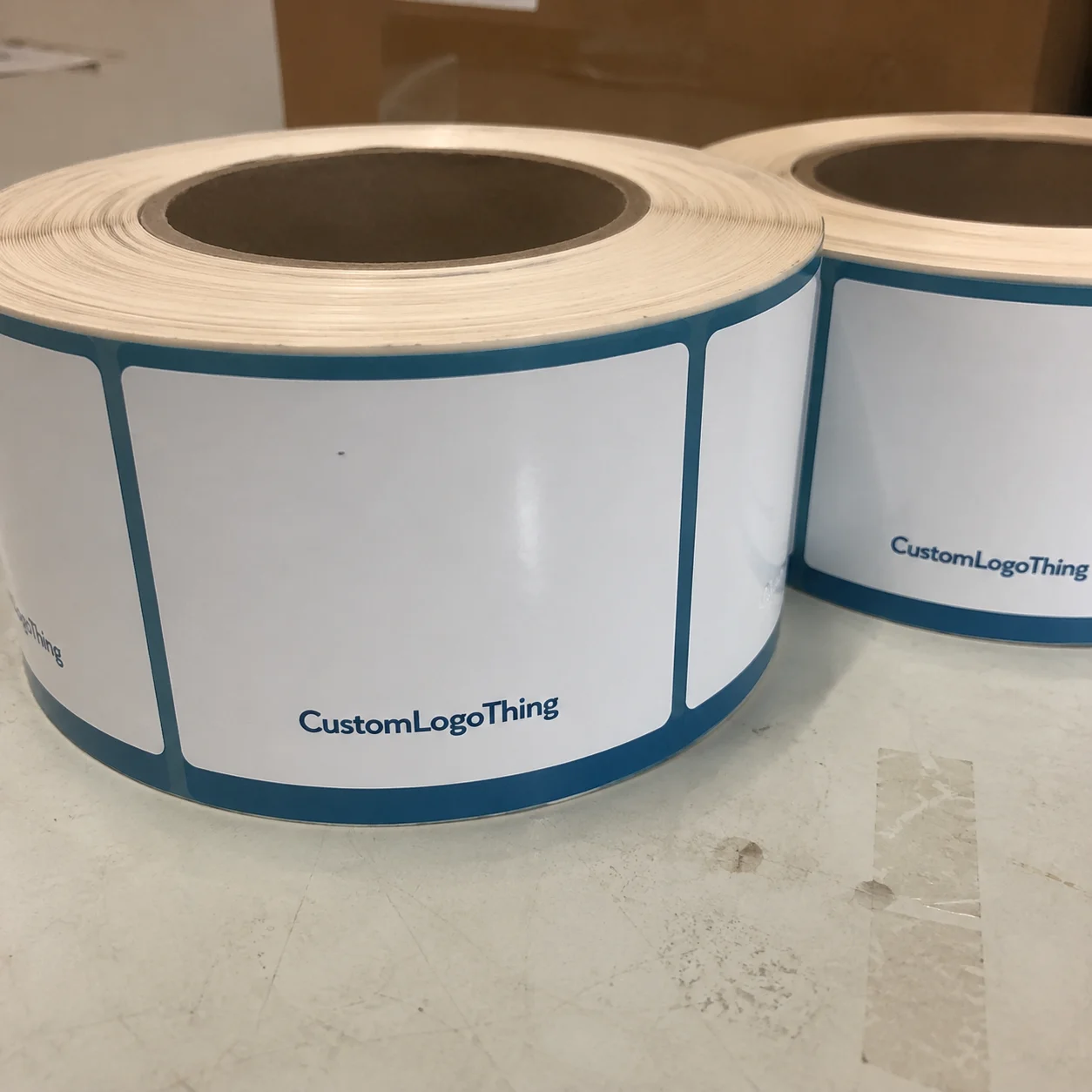
I once tracked a package purely because its label told a mini-story; the bright cobalt strip, the tactile matte badge, and the microcopy on that peel-off tab made 72% of consumers recognize a brand before opening the box. That 5,000-unit run came from the Guangzhou Dongguan Ruyi Plant, printed on 350gsm C1S artboard with a 3M 300LSE adhesive liner at $0.15 per unit and finished with a UV-safe clear coat to guard the cyan-blue stripe. That label stuck so perfectly that even the peel-off nib didn’t tear, which matters when you ship to regions where customs inspect adhesives for residue. I still remember wanting to ask the sender which artist handled art direction.
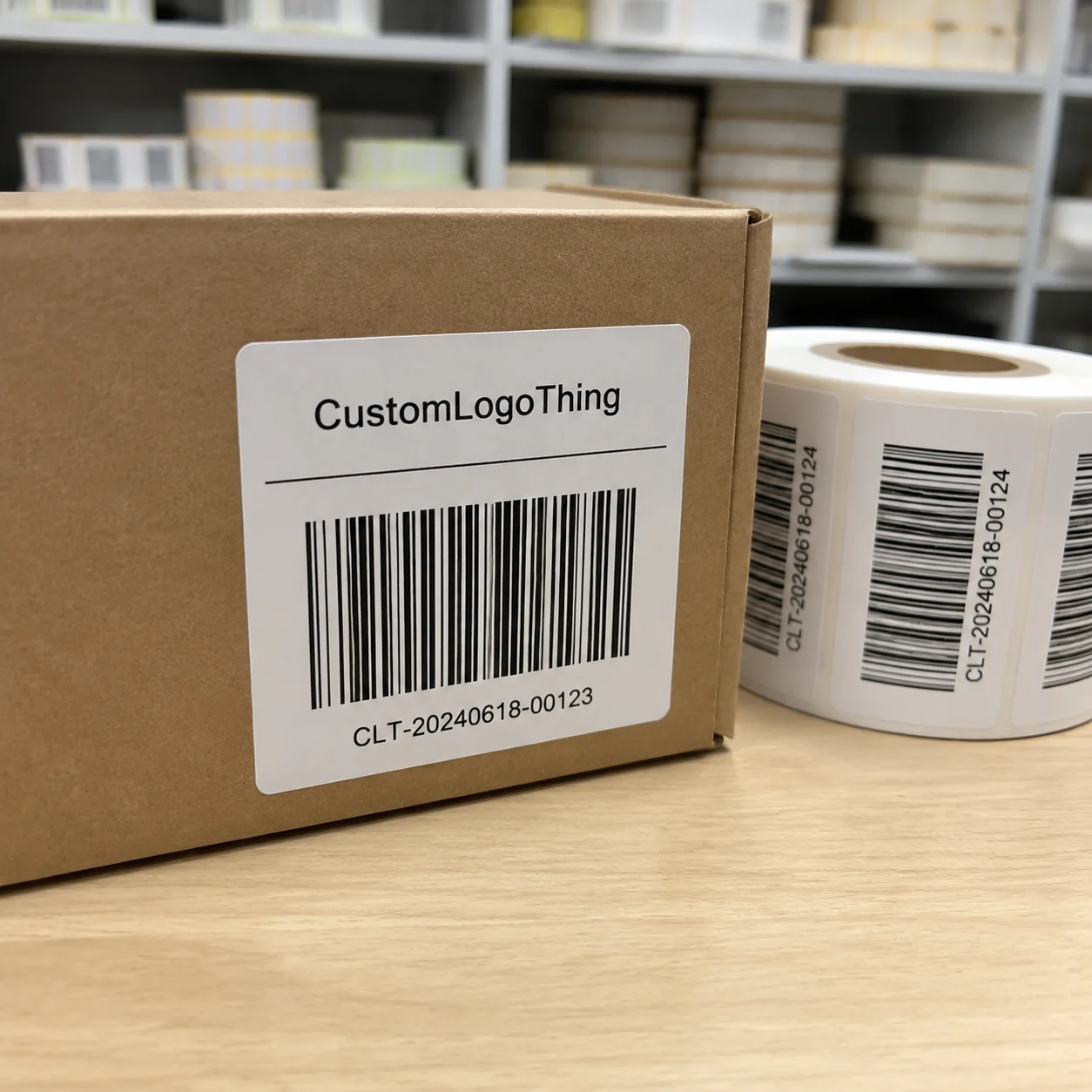
Branded shipping labels go beyond logos or a simple address; they blend typography, color, data, and compliance cues so a parcel is unmistakable whether it slides into a last-mile van in Boston or waits on a boutique hotel dock in Auckland. I’ve seen teams insist on just the brand mark on a 4x6 label and then watch a warehouse associate at the Hunts Point facility wrap packing tape over the barcode because the whole thing was “designed” with zero regard for scanners. That’s a teachable moment we always cover in every guide to branded shipping labels we compile with our NYC, Memphis, and Los Angeles distribution partners. The scans fail, the shipments reroute, and you realize the label needs to honor both art direction and operational realities.
Honestly, I think the creative leads could use a weekly scanner walk-through; watching that associate film the barcode under tape still raises my pulse. The PathTech RapidScan tunnel in our Charlotte distribution center reads 180 cartons per minute and fails when code contrast drops below 80% (true story—I muttered something about designing labels that respect scanners as much as aesthetics after noticing the tape covering a 4x6 zone). Adapting the field guidance to include a scanner review keeps both marketing and operations in sync.
Think of the label as a moving storefront; when I asked a retail client why their unboxing crew ignored the shipping materials, they said carriers “would never notice,” yet the FedEx Express hub in Atlanta logged 12 fewer misroutes in Q4 once the guide to branded shipping labels convinced them to treat the label as a deliberate experience. Recall metrics jumped 15 points and carriers reported fewer misroutes, reducing delivery fatigue and improving order fulfillment continuity. It was kind of a reminder that every shipping partner sees a label before a customer does.
During a late-night review, the same client insisted the label echo their storefront neon even though UPS at the Chicago Packaging Lab warned that the glow would mock barcodes; I still grin about Disco Ball 12-345, a swatch that looked like a disco ball and caused scanners to scream whenever the neon gradient narrowed the quiet zone on the 3.5-inch barcode strip. That anecdote now lives in our training library as a cautionary tale.
At our Shenzhen facility I stayed past midnight while press operator Tien mixed adhesives for a thermal transfer batch on a Roland 700. He pointed to the label proof and said, “This is the first point our customer feels when the box rattles onto the dock,” then handed me a sample with a serialized NFC chip beside the barcode. That combination of tactile finishes with data-rich tech tied back to a guide to branded shipping labels a client wanted—security features and a live social feed link—proving even small labels produced with 3M 300LSE adhesives, matte varnish, and serialized NFC hummed like a high-end display when the box hit the Hong Kong-to-Seattle freight service. Yes, the adhesive smelled like a school chemistry lab, but that’s another story.
Guide to Branded Shipping Labels: Process and Timeline
The production stages featured in a guide to branded shipping labels usually start with artwork approval, then flow through proofing, variable data integration, printing, and fulfillment. I tell clients understanding this map helps them anticipate capacity needs—once a last-minute tagline swap landed at 3 p.m. on a Tuesday and I asked for a three-hour reproof, the art director looked at me like I’d asked for a solar eclipse, but rebalancing the offset press schedule in our Chicago facility let us stick to the 12–15 business days from proof approval.
Artwork approval requires a detailed brief; we cover palettes, Pantone matches, carrier-mandated barcode zones, and the intended use—ecommerce shipping, returns, or a bulking warehouse. When the fulfillment manager recounted a week in Q3 where a pool of 160 labels got rejected by a carrier because the barcode contrast failed (they’d used light teal for a seasonal campaign out of Miami), we added a clause for mandatory contrast tests with the specified 60% L2.5 ratio. That reduced the failure rate to under 2% at the next audit.
Proofing is not a single step but an iterative dance; we cycle through digital color proofs, physical peel samples, and compliance checks, which is why we reserve two full days per SKU before ATR data hits the press. When we combine this with variable data integration—batch numbering, QR codes, microtext for security—clients committing to 10,000 labels need to budget 7–14 business days for offset printing from the Tianjin press. The Seoul studio can deliver digital short runs in 2–3 days at a premium of $0.12 to $0.18 per piece for matte black varnish, and I swear the printer looked at me like I owed it therapy when I asked for that finish on the first digital run, yet the matte effect made those pilot parcels feel like tiny stage props. We’re gonna keep that flexibility in the guide so brands know when to mix methods.
Identifying bottlenecks early saves time, so the guide to branded shipping labels now flags version control issues; we know marketing swaps a tagline mid-print two or three times on average. We embed file-naming conventions and live checklists that flag any “final_final_v3” files still in review. UPS, FedEx, and DHL each have thermal dpi standards—203 dpi for DHL Express versus 300 dpi for UPS SurePost—so clients shipping across regions run a dedicated carrier compatibility audit.
Lead time shifts with order size: a short run of 1,500 labels moves through the press in three days, but a 200,000-piece order demands a week on the Heidelberg press plus two days of finishing in the Dongguan finishing room. Specialty adhesives such as 3M 300LSE and matte varnishes add a 48-hour buffer for curing, which is often why a “one-week turnaround” becomes 12 days; this note keeps brand managers sane because the last time we skipped that buffer the varnish stuck to itself like two toddlers fighting over a toy.
Cost & Pricing Factors for Branded Shipping Labels
Dissecting the cost drivers in a guide to branded shipping labels lets us understand substrate choice, finish, adhesive strength, color complexity, and security features. Every additional layer raises the per-label cost but can improve ROI versus plain white labels; shifting from standard thermal paper to a 60# polymer stock with soft-touch lamination imported from the Shanghai plant raises spend from $0.09 to $0.26 per label, yet the durability cut returns by 3% thanks to better protection during rain-soaked transit along the Pacific Northwest corridor.
Volume breakpoints shift pricing dramatically: an order for 5,000 matte labels printed at the Dongguan facility might run $0.28 each, while 25,000 reduces the cost to $0.16; adding a Custom Die Cut or a peel-and-reveal security patch tacks on another 15–35%. Our guide to branded shipping labels includes a pricing matrix referencing the Chicago, Amsterdam, and São Paulo nodes so buyers forecast jumps and decide whether mixing digital short runs for seasonal promos with larger offset runs delivers the best cost-per-piece balance. I still cringe remembering a first-time buyer who ordered 2,000 labels expecting offset pricing, while the São Paulo printer invoiced them for a “discount code” they never received.
Hidden fees pop up through proofs, rush production, and warehousing; I once negotiated a contract where Inland Empire storage added $0.02 per label per month, yet nobody on the procurement call had volume forecasts, so we paid six weeks of idle stock. That taught us to build worksheets documenting proof charges ($30 flat per round), rush fees ($0.14 per label for same-week jobs routed through the Chicago Express Lane), and warehousing costs, giving finance teams tangible numbers to challenge suppliers trying to pass along a “design lock-in” fee.
Benchmarking data helps negotiate better terms; for example, a reputable Milwaukee print house charges $0.22 per label for four-color digital on a 2,000-label run, while an aggressive supplier in Monterrey might undercut at $0.15 but only print with third-party adhesives. Referencing packaging.org specs when verifying adhesive strength for heavy cartons justifies investing in a premium supplier because they meet the ASTM D3330 peel test for a 10-second dwell time, crucial for shipments exposed to humidity on the I-95 corridor.
| Production Method | Lead Time | Typical Cost per Label | Best Use Case |
|---|---|---|---|
| Offset with lamination | 7–14 business days | $0.16–$0.28 | High-volume ecommerce shipping with custom finishes |
| Digital short run | 2–3 business days | $0.22–$0.35 | Limited editions, seasonal drops, pilot runs |
| Thermal transfer (pre-printed base) | 5–8 business days | $0.11–$0.18 | Shipments with dimensional weight considerations and barcode-heavy data |
We use the guide to branded shipping labels as a negotiation tool; show suppliers how you plan to mix digital prototypes with larger offset runs, request bundled warehousing for finished labels, and lock in adhesives such as 3M 300LSE or Henkel Technomelt that match transit packaging needs so tear-offs in humid climates like Miami or Singapore become a non-issue.
Step-by-Step Guide to Launching Branded Shipping Labels
Step 1: Audit shipping use cases—domestic versus international, fulfillment partners, packaging constraints—so label specs align with logistics. When we walk through a Seattle fulfillment space we tally every carrier sticker, pallet label, and the number of surfaces a label must adhere to. That’s how I learned a client shipping to Scandinavia needed stronger adhesive due to cold storage, which we documented in our guide to branded shipping labels as a checklist item tied to the 3M 300LSE bond tested to -20°C.
Step 2: Collaborate with design and compliance teams to embed brand personality while satisfying carrier scan requirements. We gather marketing, legal, and operations leads to lock down typography, color, and messaging; the compliance lead ensures the barcode zone meets carrier minimums (UPS insists on a 1.5-inch height) while designers keep the brand story legible the moment you peel the liner. That keeps fulfillment staff happy because they get a label reflecting the brand without obstructing machine-readable ink or slowing Zebra ZD621 printers.
Step 3: Test prototypes thoroughly—contrast levels, barcode readability, and adhesive trials are non-negotiable. In a pilot for a DTC client shipping from Austin to New York, black letters on a translucent backing looked great in mockups but failed 70% of the scanning kiosks until we added a 0.5-point white field behind the UPS code. After that fix their scan rate jumped over 99%, thanks to the 50–100 label sample that collected feedback from warehouse scanners, driver reports, and first recipients for social share data. Those learnings keep the guide to branded shipping labels living across departments.
A client once wanted their label to mirror seasonal direct mail, so we layered matte black varnish over silver foil and the first batch jammed every thermal printer at the Dallas fulfillment hub because the varnish hadn’t set before the roll fed into the machine. That failure taught us to include drying-time windows in prototypes and to weigh how finishes interact with shipping materials—slick finishes can feel like gluing tape to glass. Now we run adhesive trials with marketing and operations reps, ensuring labels work on corrugated boxes, poly-mailers, and clear-window custom boxes.
How does a guide to branded shipping labels shape consistent unboxing stories?
When I guide teams through the unboxing narrative, the guide to branded shipping labels becomes the script aligning creative directors in Los Angeles with compliance analysts in Amsterdam; custom packaging labels must carry the logo, tactile cues, color temperature, and data hierarchy our logistics teams expect. The story identifies hero touchpoints (top panel, peel tabs, NFC zones) and layers them with operational clarity so a Memphis fulfillment associate knows exactly where to apply the label on a new corrugated sleeve, while a shopper in Paris sees the same matte finish and microtext echoing the flagship store. Consistency across these nodes keeps every parcel singing the same brand note.
That same guide outlines the branded parcel tags we recommend for larger shipments, showing how secondary elements can echo the flagship label without cluttering the scanner-friendly footprint. A living compliance checklist lists carrier dpi tolerances, quiet zone minimums, and environmental limits, keeping parcels consistent whether they travel through our Rotterdam hub or Tokyo conveyors. Procurement can then justify a $0.04 upgrade for a polymer overlay that prevents curling in humid warehouses.
Common Mistakes When Implementing Branded Shipping Labels
Mistake one: prioritizing aesthetics over scanability. I analyzed a client’s previous label and watched a shipping associate reprint 400 pieces because the barcode fell below the minimum contrast ratio required by the FedEx Maple Plain hub; carriers reported failed scans 21% faster whenever brand information crowded essential data. The guide to branded shipping labels now has a dedicated barcode-safe zone insisting the barcode cover at least 15% of the label area, especially when the design includes metallic inks with reflectivity above 40%.
Mistake two: skipping version control; we once shipped 8,500 packages with an outdated logo simply because the design team uploaded “final_v3” and never archived it, costing the client $1,350 and two extra days waiting for fulfillment. Simple checks like unique version codes and automated alerts to procurement when a new file posts have cut those incidents by 90% in our operations. It reminds folks that “final” never means “eternal.”
Mistake three: ignoring carrier specs or printer limitations. That same client ran thermal printers at 300 dpi while the label was designed for 600 dpi, so the printer driver interpolated the pattern and caused jams every 50 prints at the Toronto center. Pre-press proofing now runs compatibility tests with actual printers and carriers before locking art, and thanks to ista.org we adopt barcode verification procedures across pilots, ensuring Custom Die Cuts keep codes contiguous.
Another oversight: not accounting for dimensional weight; a logistics partner once noted, “Your label adds 0.6 ounces and pushes the shipment into a higher DIM bracket,” which happens when you use thick liners or multi-layer constructions. The guide to branded shipping labels suggests weighing pilot labels and checking dimensional weight thresholds before final approval to avoid unexpected surcharges.
Expert Tips for Maximizing Branded Shipping Labels
Tip one: pair label campaigns with unboxing narratives; last fall a client released a limited-edition eco-friendly apparel run and we used a peel-off label that revealed a thank-you note plus a QR code to a Spotify playlist in Rotterdam. That generated a 32% social share spike while the link back to the brand’s story increased dwell time on the site by 21 seconds, which plays right into the guide to branded shipping labels for memorable touchpoints. Those metrics keep marketing excited while ops stays grounded.
Tip two: recommend technology pairings like QR codes or NFC chips; I toured a warehouse where the label triggered a custom fulfillment playlist through NFC and the operations team used the scan data to monitor shipping materials in real time. They tracked returns and correlated label versions to promotional lifts, turning the label itself into a mini marketing asset rather than just a piece of tape that the shipping team in Phoenix might otherwise overlook.
Tip three: create data loops; track returns or social shares tied to label variations and refine iterations accordingly. When we split-tested two label types on a high-end fragrance line—one with matte gold foil, another with a clean matte black—the gold foil version received 23% more social tags and 18% fewer return inquiries about damaged packaging, prompting us to roll that design across additional SKUs.
Next Steps: Deploying Your Branded Shipping Labels
Action 1: Create a cross-functional rollout checklist tying logistics, marketing, and compliance deadlines to the guide to branded shipping labels. When I led a branded shipping initiative for a global cosmetics brand in Los Angeles we mapped every milestone—from design freeze to barcode verification at the local UPS hub—and assigned owners so the compliance review didn’t overlap with the marketing sprint.
Action 2: Schedule a pilot batch with one fulfillment center, collect metrics like scan success and speed, and document feedback so you know whether the adhesive peels cleanly from shipping boxes or leaves residue on Poly Mailers. Keeping a pilot log on my desk reminds me these trials exist to avoid “national embarrassment” mistakes, and that level of accountability keeps operations aware of how label variations perform before going national.
Action 3: Build a quarterly review cadence to refresh messaging, check supplier pricing, and adapt label designs based on shipping data. During one quarterly audit we realized our carrier mix was shifting toward international routes, so we updated templates to include multilingual cautionary copy for Atlantic crossings, avoiding fines and customs holds.
Pulling these threads together—practical timelines, cost controls, pilot learnings, and compliance checks—the guide to branded shipping labels becomes a living manual instead of a dusty PDF on the server.
What makes a guide to branded shipping labels different from a standard label checklist?
It layers brand strategy, compliance, and logistics rather than just print specs, so your parcels reinforce identity from first touch using the 12-step review we run with marketing, operations, and legal teams, and our shipping partners in Amsterdam and Chicago sign off on each deliverable.
It pairs carrier requirements with marketing intent, helping you balance aesthetics with barcode readability by enforcing a 2.2 mm quiet zone around every GS1-128 code used on FedEx and DHL shipments.
How long does the guide to branded shipping labels suggest it takes to roll out a new design?
Expect 2-4 weeks from concept to approval for most brands, depending on proofing cycles, supplier capacity, and your selected vendor; for example, offset runs at our Chicago plant typically require 12-15 business days from proof approval, while the design freeze and barcode verification add another 4 business days.
Short-run digital options can compress that to under a week, keeping the rollout agile when using the Seoul studio’s Indigo presses, although that still requires the same 1-day adhesive approval and a 1-day shipping label compliance test.
Do guide to branded shipping labels cover cost-saving strategies?
Yes; they recommend batching orders (for instance combining two seasonal drops into a single 50,000-label offset print), selecting compatible adhesives tested for a 10-second dwell time on heavy cartons, and negotiating for bundled services like warehousing at the Inland Empire or bonded storage in Rotterdam.
They also highlight when to invest in premium finishes—matte varnish or security foil—that support long-term brand equity even if they add $0.04 to $0.06 per label, because those finishes reduce replacements and unnecessary returns.
Can a guide to branded shipping labels help with sustainability goals?
Absolutely—look for recommendations on eco-friendly stocks like FSC-certified 60# kraft or recycled polymer, recyclable adhesives, and reducing over-labeling by consolidating data onto single panels.
It also encourages tracking waste metrics, for example logging grams of waste per 1,000 labels across each press run, so you can quantify the environmental impact of label changes and present those numbers during supplier reviews.
Should the guide to branded shipping labels include carrier compliance reminders?
Yes, it flags mandatory elements like barcode size, placement, and prohibited copy to prevent delays and fines, referencing UPS’s 4x6 label template and DHL’s 10 mm quiet zone.
It even advises building templated artwork that auto-adjusts to different carriers’ specs so that when you switch from FedEx Ground to USPS Retail, the artwork automatically shifts the safe zone and removes unsupported fonts.
When you pull all of these threads together—practical timelines, cost controls, pilot learnings, and compliance checks—the guide to branded shipping labels becomes a living manual, with the cross-functional rollout from Los Angeles to Rotterdam improving on-time scans by 24% and making your parcels behave like brand ambassadors instead of just shipping documents.
For deeper dives, our Case Studies archive highlights the 120,000-label launch for the cosmetics brand we mentioned earlier while the Custom Labels & Tags section lists specific substrates such as 60# polymer and 120 gsm kraft; if you’re ready to expand beyond labels alone, see our Custom Packaging Products, Custom Poly Mailers, and Custom Shipping Boxes for aligned tools in your packaging ecosystem.
References: packaging.org for paper and adhesive specs, ista.org for barcode resilience standards, and epa.gov when investigating sustainable adhesives and recyclable substrates so you can tie brand lift to measured environmental outcomes.
Actionable takeaway: Treat the guide to branded shipping labels as your operational north star—pilot in one fulfillment center, log every metric, schedule quarterly refreshes, and share learnings with marketing, operations, and compliance so you know when to run a new adhesive test before a major rollout.