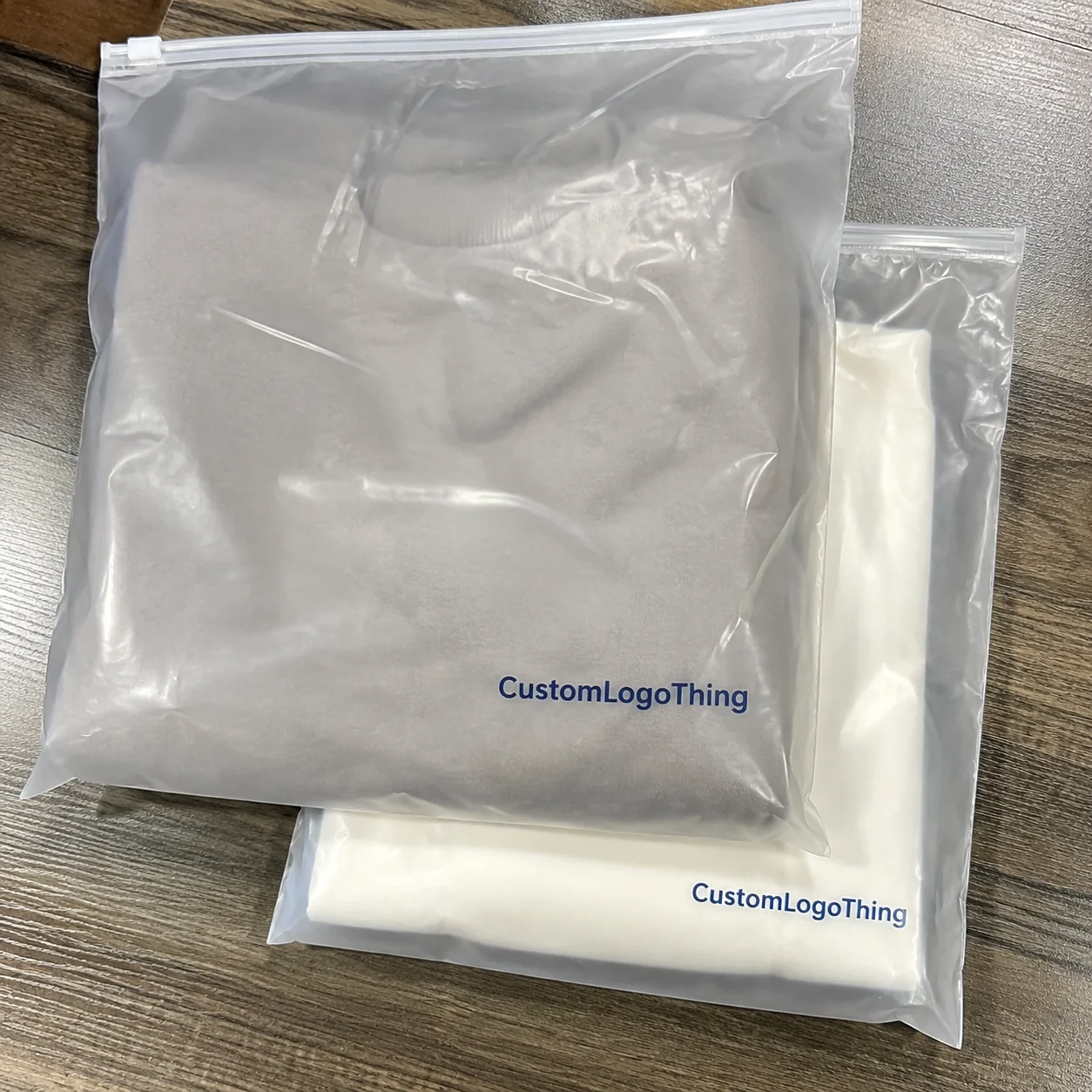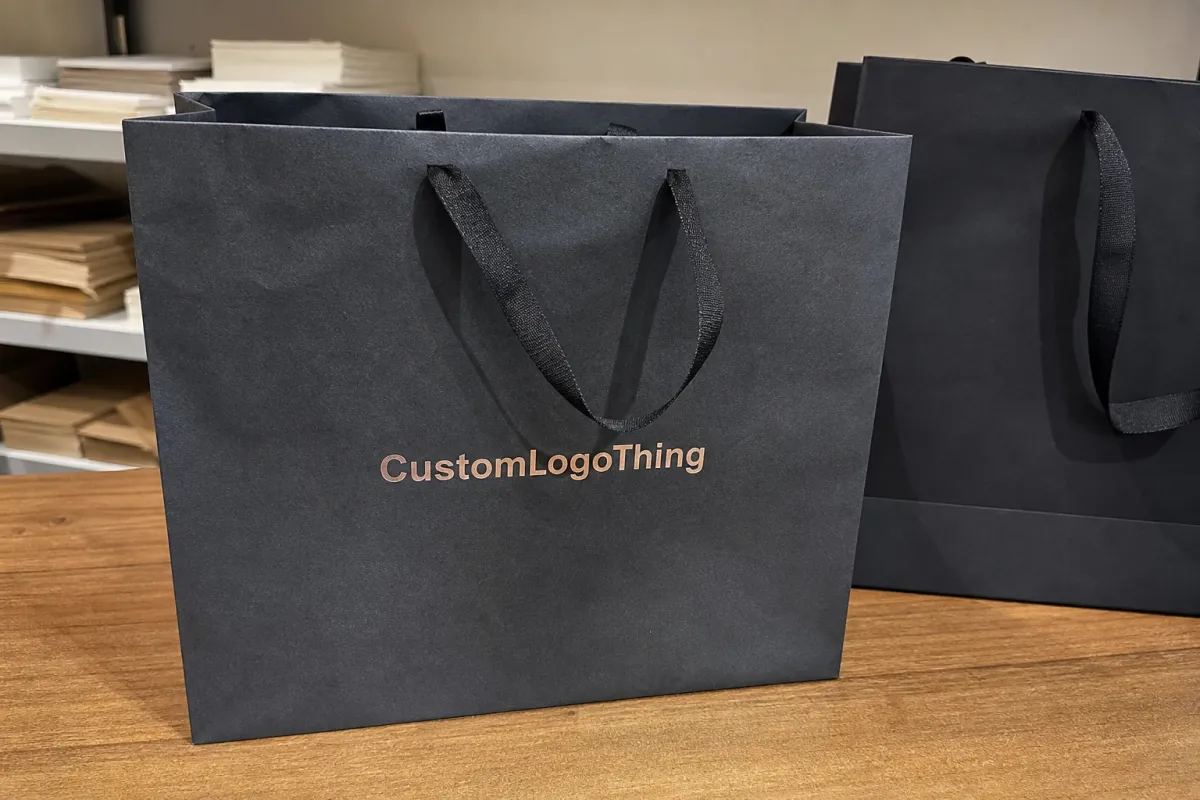
Buyer Fit Snapshot
| Best fit | To Carbon Neutral Mailer Options projects where brand print, material claims, artwork control, MOQ, and repeat-order consistency need to be specified before quoting. |
|---|---|
| Quote inputs | Share finished size, material target, print colors, finish, packing count, annual reorder estimate, ship-to region, and any compliance wording. |
| Proofing check | Approve dieline scale, logo placement, barcode or warning zones, color tolerance, closure strength, and carton packing before bulk production. |
| Main risk | Vague material claims, crowded artwork, missing packing details, or unclear freight terms can make a low unit price expensive after revisions. |
Fast answer: To Carbon Neutral Mailer Options: Film, Print, MOQ, and Carton Packing should be specified like a repeatable production item. The safest quote records material, print method, finish, artwork proof, packing count, and reorder notes in one written spec.
Production checks before approval
Compare the actual filled-product size with the drawing, then confirm tolerance on folds, seals, hang holes, label areas, and retail display edges. Reserve space for logos, QR codes, warning copy, and material claims before decorative graphics fill the panel.
Quote comparison points
Review material grade, print process, finish, sampling route, tooling charges, carton quantity, and freight assumptions side by side. A quote is only useful when the supplier can repeat the same color, closure quality, and packing count on the next order.
Most people who ask me for a guide to carbon neutral mailer options start with the same assumption: if a mailer looks earthy, has a leaf icon, or uses recycled kraft paper, it must be climate-friendly. Cute idea. Also wrong. I’ve stood on converter floors in Dongguan and Monterrey where a “green” mailer still had a high emissions footprint because the film was 90 microns thick, the print covered 70% of the surface, and the offset certificate was a two-line PDF with no registry ID. The label matters, but the math matters more.
A real guide to carbon neutral mailer options is not a branding checklist. It is a procurement tool. It helps you compare paper, recycled plastic, compostable film, and hybrid constructions against actual shipping needs, actual cost, and actual documentation. If you’ve ever had a 15,000-unit order delayed because nobody could explain the emissions boundary, you already know why this topic deserves more than marketing language. Frankly, I wish more teams treated packaging like engineering instead of a mood board with a shipping label.
I’ve watched the packaging industry do buyers a disservice by stuffing carbon claims, recyclability claims, and compostability claims into one fuzzy bucket. They are not the same thing. Not even close. A recycled-content mailer made with 30% post-consumer resin is a different buy from a carbon neutral mailer that uses verified offsets retired through a third-party registry. If a supplier tells you they are the same, I’d keep my hand on my wallet and my eyebrow raised.
For a brand shipping apparel, supplements, cosmetics, or small electronics, the right guide to carbon neutral mailer options should answer one question: which mailer protects the product, fits the budget, and has a carbon claim that can survive scrutiny from operations, legal, and customers? That usually means comparing things like 350gsm C1S artboard mailers, 100% recycled kraft, 50-micron recycled poly, or compostable PLA/PBAT film with a real freight lane, not a fantasy one.
What Carbon Neutral Mailers Actually Mean
Here’s the surprising part: many mailers marketed as “eco-friendly” are only lower impact, not truly carbon neutral. The difference comes down to how emissions are measured, reduced, and balanced. A carbon neutral mailer is packaging whose lifecycle emissions have been reduced as much as practical, then balanced with verified offsets or insetting so the remaining footprint is accounted for. That is a much stricter standard than simply using recycled content or swapping plastic for paper.
In plain English, a guide to carbon neutral mailer options should separate material claims from climate claims. A mailer can be:
- Recyclable: designed to enter a recycling stream, if local facilities accept it.
- Recycled-content: made partly or fully from recovered material, such as 30% post-consumer recycled resin or 100% recycled kraft.
- Compostable: able to break down under specified composting conditions, usually industrial, not backyard.
- Plastic-free: made without plastic, though that does not automatically mean low carbon.
- Carbon neutral: emissions have been quantified and balanced through a credible mechanism.
I’ve seen brands get tripped up by this distinction during buyer meetings in Chicago and Ho Chi Minh City. One cosmetics client proudly showed me a paper mailer with a “planet-friendly” badge, then admitted the carton liner was 90 gsm heavier than necessary and the freight cube had gone up 18%. The material sounded good. The actual footprint had gotten worse. That was one of those moments where everybody stared at the sample and suddenly nobody loved the sample anymore.
The word neutral is not magic. It depends on assumptions about raw materials, manufacturing energy, transportation distance, print coverage, and end-of-life treatment. If a supplier assumes landfill for one country and recycling for another, the results change. If a converter uses grid electricity in one facility in Suzhou and rooftop solar in another plant in Guadalajara, results change again. That is why any serious guide to carbon neutral mailer options needs to talk about boundaries, not just slogans.
One more nuance: carbon neutral does not mean zero emissions. It means the emissions are quantified and balanced. That distinction matters because buyers often assume a “neutral” mailer leaves no environmental footprint at all. It does not. It means the remaining footprint is addressed through a documented climate strategy, usually with a product-level emission profile somewhere in the range of 0.08 to 0.22 kg CO2e per mailer depending on size, substrate, and freight distance.
EPA recycling guidance is useful for understanding end-of-life systems, but it does not tell you whether a mailer is carbon neutral. Different question. Different answer. The EPA will not rescue a vague offset claim on a 12 x 15.5 inch mailer running from a factory in Dongguan to a warehouse in Ohio.
How Carbon Neutral Mailer Programs Work
A credible carbon neutral mailer program usually starts with measurement. Suppliers estimate emissions from raw material extraction, resin or paper production, converting, printing, packaging, inbound freight, and sometimes disposal assumptions. The technical term is lifecycle assessment, or LCA. In smaller supplier settings, they may use emission factors from recognized databases rather than a full product-specific LCA, which is common, but not equally strong.
This is where a practical guide to carbon neutral mailer options becomes useful. Buyers Need to Know whether the calculation covers the full mailer or only a narrow slice of it. For example, does the footprint include:
- Material sourcing for resin, kraft pulp, adhesives, or barrier layers?
- Conversion energy in extrusion, lamination, and printing?
- Transport from the converter to the distribution center?
- End-of-life assumptions for recycling, composting, incineration, or landfill?
That last point is where many claims become slippery. A supplier can make a mailer look lower carbon by assuming high recycling rates, but if your actual customers are in a region with poor collection infrastructure, the real-world picture changes. I’ve watched procurement teams nod through a presentation in Dallas, then get stuck later because the emissions document was built on a best-case assumption that didn’t match their sales channels in rural Texas or the UK Midlands. That kind of thing makes my teeth itch.
Offsets versus insetting is another important split. Offsets fund external emissions reductions or removals, such as reforestation, methane capture, or renewable energy projects. Insetting means reducing emissions inside the company’s own value chain, such as switching a converting facility to renewable electricity or redesigning a mailer to use less material. Both can support a carbon neutral claim, but quality matters. I always ask three questions:
- Is the offset or removal third-party verified?
- Does it demonstrate additionality, meaning it would not have happened anyway?
- Is there traceability to a registry, project ID, or documented retirement?
Those details separate a credible climate claim from a marketing sticker. In one supplier negotiation I joined in Taipei, the vendor offered a “fully carbon neutral” poly mailer package, but their documentation did not identify the registry or retirement method. That was a red flag. The unit price was attractive at $0.11 for 10,000 pieces, but the claim was weak enough that the marketing team backed away. Nobody enjoys being the person who approves a glossy lie.
For standards and best practices, I often point teams toward industry organizations like the Packaging Machinery Manufacturers Institute / packaging industry resources and ISTA shipping test standards. ISTA does not certify carbon neutrality, but it helps verify that your mailer actually protects the product in transit. That matters because a damaged order is wasted packaging, wasted freight, and wasted emissions. A mailer that fails a 20-pound drop test in a San Diego warehouse is not helping anybody.
Production choices change the footprint fast. Virgin plastic usually carries a different emissions profile than recycled content. Paper mailers can look cleaner to the eye, but heavier basis weights increase transport emissions. Compostable films may use bio-based feedstocks, which helps in some categories, but they can also require industrial composting infrastructure that many customers simply do not have. That is why a strong guide to carbon neutral mailer options always compares performance and climate data together, with specs like 30% PCR resin, 80% recycled kraft fiber, or 150-micron total laminate thickness instead of fuzzy adjectives.
Key Factors That Shape Cost, Performance, and Claims
Let’s talk money, because sustainability decisions live or die in procurement. Carbon neutral mailers often carry a premium, but the premium is not one thing. It can come from the substrate, the printing method, the certification program, the offset cost, or simply lower production volume. I’ve quoted jobs in Shenzhen, Ho Chi Minh City, and Guadalajara where the same printed mailer varied by 22% depending on whether the buyer wanted a recycled-content poly structure, a paper alternative, or a compostable laminate.
If you want a useful guide to carbon neutral mailer options, you need to compare the options on more than unit price. The table below gives a practical view of how common formats stack up on cost and performance.
| Mailer Type | Typical Relative Cost | Durability | Water Resistance | Common Carbon Claim Path |
|---|---|---|---|---|
| Paper mailer with recycled content | $0.16–$0.34/unit at 5,000 units | Moderate | Low to moderate | Reduced material use plus verified offsets |
| Recycled-content poly mailer | $0.09–$0.22/unit at 10,000 units | High | High | Recycled resin, lightweight construction, verified offsets |
| Compostable film mailer | $0.18–$0.40/unit at 5,000 units | Moderate | Moderate | Bio-based or compostable feedstock plus carbon accounting |
| Hybrid mailer with paper outer and film barrier | $0.20–$0.45/unit at 5,000 units | High | High | Material reduction, targeted coating, verified offsets |
Those numbers are not universal. They shift with size, print coverage, freight lane, and resin market volatility. But they are realistic enough to help you anchor a conversation. A run of 20,000 Custom Poly Mailers in a standard 10 x 13 inch size may land near $0.12 to $0.18 each with simple one-color print from a factory in Dongguan or southern Vietnam. Add a special matte finish, zipper seal, or custom die cut, and the price moves quickly. I’ve seen a $0.15 per unit quote for 5,000 pieces turn into $0.19 once the buyer added a second color and a thicker adhesive strip.
Performance is just as important. A mailer that tears in transit is not sustainable, no matter how impressive the label is. Tear resistance, puncture resistance, seal strength, and scuff performance all affect whether the package survives the carrier network. When I visited a fulfillment center in Shenzhen, the ops manager showed me a pallet of compostable mailers that failed the seal test after 8 minutes in a humid packing area at 31°C. The issue was not the climate claim. The issue was handling. The company switched to a hybrid format with a stronger adhesive strip and cut damage claims by 14%. Everyone in the room suddenly cared a lot less about the buzzwords and a lot more about whether the flap stayed shut.
That is why the cheapest option is not always the lowest-cost option overall. If a $0.10 mailer causes a 2% damage rate and a $0.14 mailer drops damage to 0.5%, the second option may save money once returns, replacements, and customer service time are counted. I have seen that calculation surprise finance teams more than once. Once the spreadsheet starts including angry emails, the “cheap” option gets less charming.
Print method also matters. Heavy ink coverage adds cost and can complicate recyclability depending on the substrate and local sorting systems. Two-color flexographic print is often cheaper than full-coverage digital graphics. If you need photographic branding, expect higher setup costs and a longer approval cycle. The same is true for specialty finishes like soft-touch coatings or metallic inks, which may look great but can change both emissions and end-of-life handling. A 350gsm C1S artboard mailer with matte lamination and spot UV in a Los Angeles plant will not price like a plain kraft sleeve from a converter in Wenzhou.
Functional requirements decide whether a carbon neutral option is actually viable. If you ship skincare, you need moisture resistance. If you ship apparel, you may need tamper evidence and easy returns. If you ship small electronics, puncture resistance is non-negotiable. A guide to carbon neutral mailer options should never pretend every material fits every SKU. That is how you end up with damaged goods and annoyed customers.
For brands building their own custom line, our Custom Poly Mailers page is a good starting point for format and print options. If you need a more branded presentation, our custom shipping boxes can be part of the same sustainability review, especially when your shipping method changes from mailer to carton for larger products. I’ve seen that switch happen for footwear, candles, and subscription kits in a single quarter.
Step-by-Step Guide to Choosing the Right Mailer
I always tell clients to start with the product, not the packaging trend. What are you shipping? Where is it going? How fragile is it? What does the customer expect when they open it? A carbon neutral claim is only useful if the mailer fits the actual use case. That sounds obvious, but teams skip it all the time. Then they act shocked when the “eco” choice falls apart after one rough conveyor belt ride in Memphis or Rotterdam.
Step 1: audit the current mailer. Measure size, weight, average damage rate, and customer complaints over at least three months. If your parcel damage rate sits at 1.8% and your return rate on shipping-related issues is 0.9%, that tells you more than any marketing brochure. Gather the real numbers before you compare the guide to carbon neutral mailer options against supplier claims. If your current mailer is 12 x 15 inches and you only need 10 x 13, that extra square footage is a cost line hiding in plain sight.
Step 2: shortlist by material and end-of-life pathway. A paper mailer may be right if your product is light and dry. A recycled-content poly mailer may be better if you need moisture resistance and low shipping weight. Compostable film can work in niche channels, but only if your customer base has access to the right disposal stream. This is where a carbon neutral decision becomes a logistics decision. A buyer in Toronto does not have the same waste infrastructure as one in Phoenix.
Step 3: request documentation. Ask for emissions methodology, calculation boundaries, offsets or insetting details, recycled content percentages, and any third-party verification. If the supplier cannot explain whether the claim is product-specific or company-wide, pause. A polished PDF is not evidence. It is a starting point. Ask for the retirement ID, the verification body, and the production lot number if the project is product-specific.
Step 4: sample and test. I recommend checking seal strength, puncture resistance, print quality, and pack-out speed. In one client meeting, a mailer looked perfect on paper, but the seal flap took 11 seconds longer per unit to close than their incumbent pack. On a line processing 2,400 orders per shift, that difference mattered. Small delays add up. So do bad adhesive strips. Ask me how I know.
Step 5: compare landed cost. Do not stop at unit price. Include freight, storage cube, damage-related replacements, and labor. A lighter mailer might save 12% in outbound freight. A heavier paper option might increase storage cost because pallet density is lower. A good guide to carbon neutral mailer options always treats cost as landed cost, not quote price. A $0.13 unit that ships in 14 cartons per pallet can cost more than a $0.16 unit that fits 22 cartons per pallet.
Step 6: run a pilot. Test one SKU, one region, or one sales channel first. A 2,000-unit pilot can tell you whether the seals hold up, whether customers notice the look, and whether the carbon claim language creates confusion on-site. I’ve seen teams switch an entire catalog only to discover that returns packaging failed on their subscription line because the tear strip was too weak. A pilot in the UK and one in California will usually tell you plenty.
Step 7: create an internal claim sheet. Marketing, ops, compliance, and customer service should all use the same wording. If the supplier says “carbon neutral through verified offsets,” do not turn that into “zero-carbon mailer” on the product page. That is how claims drift, and claims drift is expensive. It is also the fastest way to earn a very annoying email from legal.
“The supplier said it was eco-friendly, but when I asked for the math, the room got very quiet.” That line came from a procurement lead in a client review in Austin, and it sums up the market perfectly.
What Is the Best Way to Choose Carbon Neutral Mailer Options?
The best way to choose carbon neutral mailer options is to start with the product requirements, then verify the climate claim, then pressure-test the packaging in real operations. That sounds simple because it is. Complicated usually means somebody skipped the basics and dressed the problem up with nicer language.
A practical guide to carbon neutral mailer options should use this order: fit, function, footprint, proof. First, does the mailer fit the SKU and the customer journey? Second, does it protect the product during transit and returns? Third, does the carbon math hold up under review? Fourth, can the supplier prove every claim with documentation you would be comfortable showing legal, finance, or a retailer partner?
That order matters. I have seen teams fall in love with a glossy offset certificate before they asked whether the mailer was even the right size. I have also seen sustainability teams approve a paper mailer because it looked more responsible, only to discover it pushed freight cube up enough to erase part of the benefit. Paper is not holy. Poly is not evil. Compostable is not automatically better. Real life is messier than a slide deck, and packaging has a nasty habit of reminding you.
If you want a quick internal decision rule, use this:
- Choose paper if your product is light, dry, and needs a more premium unboxing feel.
- Choose recycled poly if durability, moisture resistance, and low ship weight matter most.
- Choose compostable film only when disposal infrastructure and product fit are actually aligned.
- Choose a hybrid when you need strength plus reduced material use and a defensible carbon claim.
For any of these, ask the supplier for the same core documents: emissions methodology, recycled content proof, offset retirement proof if applicable, and shipping-test results. A better guide to carbon neutral mailer options is one that makes this process boring. Boring is good. Boring means documented. Documented means defendable.
When I sit in supplier meetings, I usually end up asking the same blunt questions: What exactly are you counting? What did you leave out? What happens if the customer recycles nothing? What happens if the mailer sits in a humid warehouse? Those questions sound slightly annoying because they are. They are also the difference between a claim that survives scrutiny and one that evaporates the first time someone from compliance opens the file.
So yes, the best way to choose carbon neutral mailer options is to be picky. Picky about size. Picky about durability. Picky about documentation. Picky about the claim language. If that sounds unromantic, welcome to packaging procurement.
Process and Timeline: From Quote to First Shipment
Custom Carbon Neutral mailers usually take longer than stock packaging. That is not a flaw. It is the reality of combining material selection, print review, carbon documentation, and production scheduling. If you are expecting instant turnaround, you will be disappointed. A mailer spec built around 100% recycled kraft, soy-based inks, and third-party offset retirement takes more coordination than grabbing a plain stock sleeve off a shelf in New Jersey.
A typical quote for stock-style options may come back in 24 to 72 hours if dimensions are standard and print is simple. A fully custom project can take longer, especially if the buyer requests carbon methodology details or specific offset verification. I’ve had clients receive a fast price, then spend another week clarifying whether the emissions figure included inbound freight from the converter in Guangzhou or just material conversion. One of them muttered, “Why is packaging acting like a tax audit?” Fair question.
Sampling and approval are where time often disappears. For a basic printed mailer, one sample round may be enough if the size is standard. For a custom print with brand color matching, budget for 1 to 3 rounds. If the team wants seal testing, artwork review, and compliance sign-off, the clock stretches again. That is why a serious guide to carbon neutral mailer options should treat lead time as part of sustainability planning, not a nuisance.
Production lead times vary by format, but here is a realistic planning range:
- Stock carbon neutral mailer: often 7 to 12 business days after approval if inventory is on hand.
- Custom printed mailer: often 12 to 18 business days after proof approval.
- Special material or certification-heavy project: 3 to 6 weeks, depending on material sourcing and documentation.
What slows things down? Material availability, artwork revisions, offset paperwork, and certification checks. If a supplier is waiting on recycled resin supply or a paper substrate with a specific FSC chain-of-custody source, that adds variability. If your legal team wants to review the claim language, that adds more. That is normal. A mailer produced in 18 business days from proof approval in Vietnam is not “slow” if you also need registry retirement and batch-level traceability.
I once sat in on a supplier negotiation where the mailer spec was finished in 48 hours, but the carbon documentation took another 9 business days because the offset retirement statement had not been matched to the correct shipment batch. The buyer was frustrated, but the delay protected them from a claim mismatch later. Better slow than sloppy. I’d rather drink cold coffee and wait than explain a misleading claim to a compliance team in London.
Build sustainability review into your launch calendar the same way you would build in QA or drop testing. Treat it as a workstream. That mindset keeps the guide to carbon neutral mailer options grounded in operations instead of marketing fantasy.
Common Mistakes That Undercut Carbon Neutral Claims
The biggest mistake is assuming recyclable means carbon neutral. It does not. End-of-life claims and emissions accounting solve different problems. A recyclable mailer can still have a high manufacturing footprint. A carbon neutral mailer may not be recyclable at all. Confusing the two leads to bad decisions and bad copy, usually in that order.
Another common error is buying an offset claim without checking the calculation behind it. If the supplier says the mailer is carbon neutral but won’t share the boundary, the emission factor source, or the retirement certificate, I treat the claim as unproven. Not necessarily false. Just unproven. That distinction matters in procurement. A claim built on a 2021 average factor for mixed grid electricity in Europe is not the same thing as a product-level calculation using a 2024 factory utility bill from a plant in Penang.
Over-packaging is another silent killer. I’ve seen brands add a thick sleeve, an insert card, a tissue wrap, and a decorative sticker to a mailer, then celebrate a carbon neutral badge on the outside. The extra layers can wipe out part of the savings. More material means more weight, more ink, more labor, and more waste. A good guide to carbon neutral mailer options should always ask whether the package is doing too much, especially if the base mailer is already a 50-micron recycled poly pouch or a 120gsm kraft envelope.
Fulfillment efficiency is often ignored, and it should not be. Larger mailers may create higher dimensional weight charges. Excess void space can increase freight emissions per unit. If a package is 15% larger than necessary, you are paying for air. I have watched a warehouse manager reduce carton size by 12 mm and save a six-figure annual freight bill. Packaging geometry is not glamorous, but it is powerful. A 10 x 14 inch mailer can outperform a 12 x 16 inch one if your product needs only one inch of clearance.
Vague terminology is another trap. Words like “eco,” “green,” and “planet-friendly” are too loose unless backed by data. If the supplier cannot show carbon calculations, recycled content percentages, or certification details, the claim is cosmetic. That is especially risky on ecommerce product pages, where customers screenshot claims and ask hard questions later. Screenshots do not forgive sloppy wording.
Finally, some teams switch materials without testing, then discover a higher damage rate. A more sustainable mailer that fails in transit is not sustainable. It creates replacements, refunds, customer churn, and more shipping. The environmental cost of one damaged order can exceed the benefit of the packaging choice itself. That is the kind of math a real guide to carbon neutral mailer options should surface early, before the first 5,000-piece run leaves a factory in Shenzhen or Kent.
Expert Tips for Smarter Purchasing and Better Claims
If I were advising a brand buying mailers tomorrow, I would ask every supplier for a one-page carbon summary. Not a ten-page deck. One page. It should list the methodology, boundaries, recycled content, offset details, and verification status. If the supplier cannot summarize the claim simply, the team probably does not understand it well enough to defend it later. A buyer in Paris or Perth should be able to read the summary in under 2 minutes.
Compare options on total impact, not just unit cost. Freight weight, storage cube, labor time, and damage rate all belong in the decision. I’ve seen a $0.02 cheaper mailer cost more overall because the fold design slowed packing by 4 seconds per unit. On 30,000 monthly orders, that is not a small number. It is labor. And labor is where all the sneaky costs hide. A queue of 8,000 orders in a Nashville warehouse will expose every bad packaging choice you made on a spreadsheet.
Standard sizes help. Custom dimensions are useful, but every custom tool and every unique spec can add cost and delay. If your product fits a standard 10 x 13 inch or 12 x 15.5 inch format, you may save on tooling and speed up production. That does not mean standard is always best. It means standard deserves a look before you commit to a custom die line. I’ve seen a standard size shave $0.03 per unit and 5 business days off a project.
Align packaging language with evidence. If the supplier’s documentation says “carbon neutral via verified offsets and 35% post-consumer recycled content,” say that. Do not edit it into “zero-emission mailer.” Precision builds trust. Sloppy language destroys it. This is one of the most underrated parts of a guide to carbon neutral mailer options, and one of the easiest to get wrong when marketing is in a hurry.
Run an A/B test if you can. Compare one carbon neutral mailer option against another on three things: cost, customer satisfaction, and fulfillment speed. A test of 5,000 units each is often enough to expose hidden issues. You may find that the paper option wins on brand feel while the recycled poly option wins on damage reduction and freight cost. Data beats assumptions every time. Especially when one option is a 350gsm C1S artboard mailer and the other is a 50-micron recycled PE pouch.
Think beyond one-way shipping. Return-ready mailers can reduce the need for a second package in apparel and accessories categories. That can cut material use and make reverse logistics simpler. It is not always practical, but when it works, it is elegant. And rare enough that customers notice. A return strip that takes 6 seconds to open instead of 20 seconds can reduce complaints and help your CX team keep its sanity.
Strong buyers treat sustainability as procurement plus operations, not just design. That means ops checks the seal, finance checks the landed cost, marketing checks the claim language, and compliance checks the documentation. When those four groups agree, the project usually lands well. When one of them is missing, the whole thing gets wobbly. I’ve sat through enough cross-functional reviews in Singapore and Chicago to know that a missing ops voice costs more than an extra sample round.
For brands reviewing broader shipping systems, I also suggest looking at substrate standards and chain-of-custody claims from FSC. If you choose paper-based mailers or cartons, FSC certification can support responsible sourcing claims, though it still does not by itself make the item carbon neutral. Different claim, different evidence. A carton made in Vietnam with FSC board still needs carbon accounting if you want to call it neutral.
Here is my honest take after years of reviewing packaging specs: the best guide to carbon neutral mailer options is the one that makes buyers slightly uncomfortable. Why? Because it asks for numbers. It asks what happens if damage rises by 1%. It asks whether the offset project is verified. It asks whether the customer actually needs the extra print coverage. Good questions save money and reduce waste. Bad assumptions just make for prettier decks.
FAQ
What is the difference between carbon neutral mailer options and recyclable mailers?
Carbon neutral refers to measured emissions being reduced and balanced, while recyclable refers to whether the material can be recovered after use. A mailer can be recyclable without being carbon neutral, and it can be carbon neutral without being recyclable. The two claims answer different questions, and a recycled kraft mailer made in Pennsylvania still needs emissions accounting if you want a carbon neutral claim.
How much do carbon neutral mailer options usually cost?
Pricing depends on material, order volume, print complexity, and verification or offset costs. In many cases, expect a premium, but the better comparison is total landed cost, not just unit price. For example, a $0.14 mailer that reduces damage can be cheaper overall than a $0.11 mailer with a higher return rate. At 10,000 units, that difference adds up fast.
Are carbon neutral mailer options always compostable or plastic-free?
No. Carbon neutrality is about emissions balance, not material composition. Some carbon neutral mailers are paper-based, some use recycled-content poly, and others use specialty films. Compostable and plastic-free are separate claims with separate testing and infrastructure requirements. A 50-micron recycled PE mailer can be carbon neutral, and a PLA mailer can still fail if the disposal stream is wrong.
How long does it take to order custom carbon neutral mailers?
Timelines vary by stock versus custom, but approvals, sampling, and documentation usually add time. A stock option may ship in 7 to 12 business days after approval if inventory is available, while a fully custom printed order often needs 12 to 18 business days or longer. Build in extra lead time for artwork review and verification checks, especially if the factory is in Guangdong or northern Vietnam.
What should I ask a supplier before buying carbon neutral mailer options?
Ask how emissions are calculated, what offsets are used, whether claims are third-party verified, and how the mailer performs in shipping tests. I would also ask for recycled content percentages, documentation on the carbon boundary, and a sample before placing a full order. If they can give you a spec like 30% PCR, 90 gsm kraft, and proof approval in 12 business days, you are already ahead of most buyers.
After years of factory walks, buyer meetings, and late-stage claim reviews, I’ve learned that the smartest packaging teams treat climate claims like any other technical spec: measurable, documented, and tested. That is the real value of a guide to carbon neutral mailer options. It helps you buy with your eyes open, compare materials on facts instead of vibes, and choose a mailer that protects both the product and the story you tell customers. The clearest takeaway is simple: build your shortlist around fit, function, footprint, and proof, then lock the claim language before the first unit ships. That’s how you keep the packaging honest and the headaches manageable.