Buyer Fit Snapshot
| Best fit | choose packaging for ecommerce business for packaging buyers comparing material specs, print proof, MOQ, unit cost, freight, and repeat-order risk where brand print, material, artwork control, and repeat-order consistency matter. |
|---|---|
| Quote inputs | Share finished size, material target, print colors, finish, packing count, annual reorder estimate, and delivery region. |
| Proofing check | Approve dieline scale, logo placement, barcode or warning zones, color tolerance, and any recyclable or compostable wording before bulk production. |
| Main risk | Vague material claims, crowded artwork, or missing packing details can create delays even when the unit price looks attractive. |
Fast answer: Choose Packaging for Ecommerce Business: Claims, Protection, MOQ, and Cost should be specified like a repeatable production item. The safest quote includes material, print method, finish, artwork proof, carton packing, and reorder notes in one written spec.
What to confirm before approving the packaging proof
Check the product dimensions against the actual filled item, not only the sales mockup. Ask for tolerance on folds, seals, hang holes, label areas, and retail display edges. If the package carries a logo, QR code, warning copy, or legal claim, reserve that space before decorative graphics fill the panel.
How to compare quotes without losing quality
Compare board or film grade, print process, finish, sampling route, tooling charges, carton quantity, and freight assumptions side by side. A lower quote is only useful if the supplier can repeat the same color, closure quality, and packing count on the next order.
I still remember the morning I walked into our Cleveland production facility and found a pallet of shattered glass serum bottles scattered across the shipping dock. The ecommerce brand that had hired us for their Custom Printed Boxes had chosen "premium aesthetic" over actual protection—and 340 units of their $48 product arrived as a pile of broken glass at customer doorsteps across the Midwest. That single incident taught me more about ecommerce packaging than any textbook ever could. (We still talk about it in the break room, honestly. You don't forget 340 bottles of what smelled like expensive grass clippings.)
That skincare company learned an expensive lesson: how to choose packaging for ecommerce business operations isn't about making things look beautiful on a website. It's about surviving the real world of loading docks, sorting conveyors, and delivery drivers who aren't paid by the gentleness of their handling. The packaging you're choosing right now represents your brand in that critical moment when a customer tears open that polymailer or cardboard box. Get it wrong, and no amount of Instagram-worthy unboxing content will save your reviews.
After two decades of watching businesses succeed and fail with their packaging decisions, I've discovered that the difference usually comes down to understanding a few fundamental principles that most people never learn until they cost them money. This guide walks you through exactly how to choose packaging for ecommerce business success, from material selection to cost calculations to production timelines you can actually plan around. I've made most of these mistakes myself at some point, so consider this my attempt to save you from learning things the hard way.
The Packaging Decision That Could Make or Break Your Ecommerce Business
Walk through any Amazon fulfillment center and you'll quickly understand that ecommerce packaging operates in an entirely different universe than retail packaging. In a brick-and-mortar store, products sit on shelves, customers physically interact with them, and handling is limited to a few seconds of examination. Your ecommerce packaging, by contrast, might travel through seven different touchpoints before reaching your customer: manufacturer, warehouse staff, carrier sortation, regional distribution hub, delivery vehicle, driver's vehicle, and finally that excited customer opening your box on their living room floor.
Research consistently shows that around 40% of consumers report that branded packaging directly influences their brand perception and likelihood to repurchase. I've seen this play out in real-time with clients at our facility. When we worked with a subscription tea company launching their direct-to-consumer line, they initially dismissed our recommendation for slightly thicker corrugated walls and interior tissue paper. "It'll add $0.23 per unit," their founder told me during a meeting at their Chicago warehouse. Six months later, after absorbing $14,000 in damaged goods claims and negative reviews mentioning "cheap packaging," they came back and upgraded everything we'd originally suggested. Their reorder rate improved by 18% in the following quarter once the unboxing experience matched the premium quality of their loose-leaf teas.
The unboxing experience has become your silent salesperson. That moment when your customer films themselves opening your package for their social media followers? That's either working for you or against you, and the outcome gets determined long before your packaging ever leaves your warehouse.
What surprises many business owners I consult with: the most expensive packaging isn't always the best packaging. I've watched startups bankrupt themselves with over-engineered rigid boxes when a well-designed corrugated mailer would have performed identically at a fraction of the cost. Honestly, I think some of this comes from looking at what Apple does and thinking "if it works for them, it'll work for me"—forgetting that Apple sells $1,000 phones to people who'll wait in line overnight. Your protein powder customer has different expectations. The goal isn't maximum expense—it's maximum appropriateness for your specific products, shipping methods, and customer expectations.
Understanding Your Ecommerce Packaging Requirements
Before you can learn how to choose packaging for ecommerce business fulfillment, you need to honestly assess what your products actually demand. This sounds simple, but I can't tell you how many entrepreneurs I've watched skip straight to "what colors should we print" without ever answering the fundamental question of what their package needs to survive. (Pro tip: the answer is never "whatever looks prettiest on our website.") Measure everything twice, because guessing is expensive.
Measure your product dimensions in its shipping orientation—not how it sits perfectly organized on your product photography backdrop. That gorgeous ceramic mug you're selling? It might nestle flat in a mailer box during storage, but during shipping it needs to survive being tossed into bins with hundreds of other packages. Account for orientation shifts during handling when you're documenting your measurements. I keep a tape measure in my desk drawer for this exact reason—got tired of eyeballing things and ordering boxes that were mysteriously "close enough" but not actually close enough.
Weight and fragility intersect in ways that dramatically affect your material choices. A heavy 3-pound protein powder container needs fundamentally different support than a fragile 6-ounce aromatherapy candle, even if they occupy similar dimensional space. When evaluating shipping conditions, consider that most carriers including UPS and FedEx use zone-based pricing where packages traveling longer distances encounter more handling cycles. Shipping nationally automatically escalates your packaging requirements compared to a regional-only business. Something I wish someone had told me in my first year—don't price out packaging based on your best-case shipping scenario.
Internal versus external packaging needs matter enormously. External packaging is what your customer sees first—the box or mailer they encounter before they even begin the unboxing ritual. Internal packaging, which includes cushioning materials, dividers, and product inserts, serves a protective function your customer may never consciously notice but absolutely feels the absence of when something arrives damaged. I always advise clients to test their internal packaging separately from their external presentation. A beautiful branded box does nothing to protect your product if the void fill inside has been packed incorrectly. (I've seen gorgeous packaging with absolutely zero internal protection. It still keeps me up at night.)
Map the complete customer journey to identify requirements you might otherwise miss. Where does your product originate—domestic manufacturing or overseas production requiring international freight? What's your typical storage duration before orders ship? Are your customers primarily receiving packages at residential addresses with varying porch conditions, or commercial locations with more controlled receiving environments? Each of these variables influences your packaging design decisions in specific ways.
Key Factors for Choosing the Right Packaging Materials
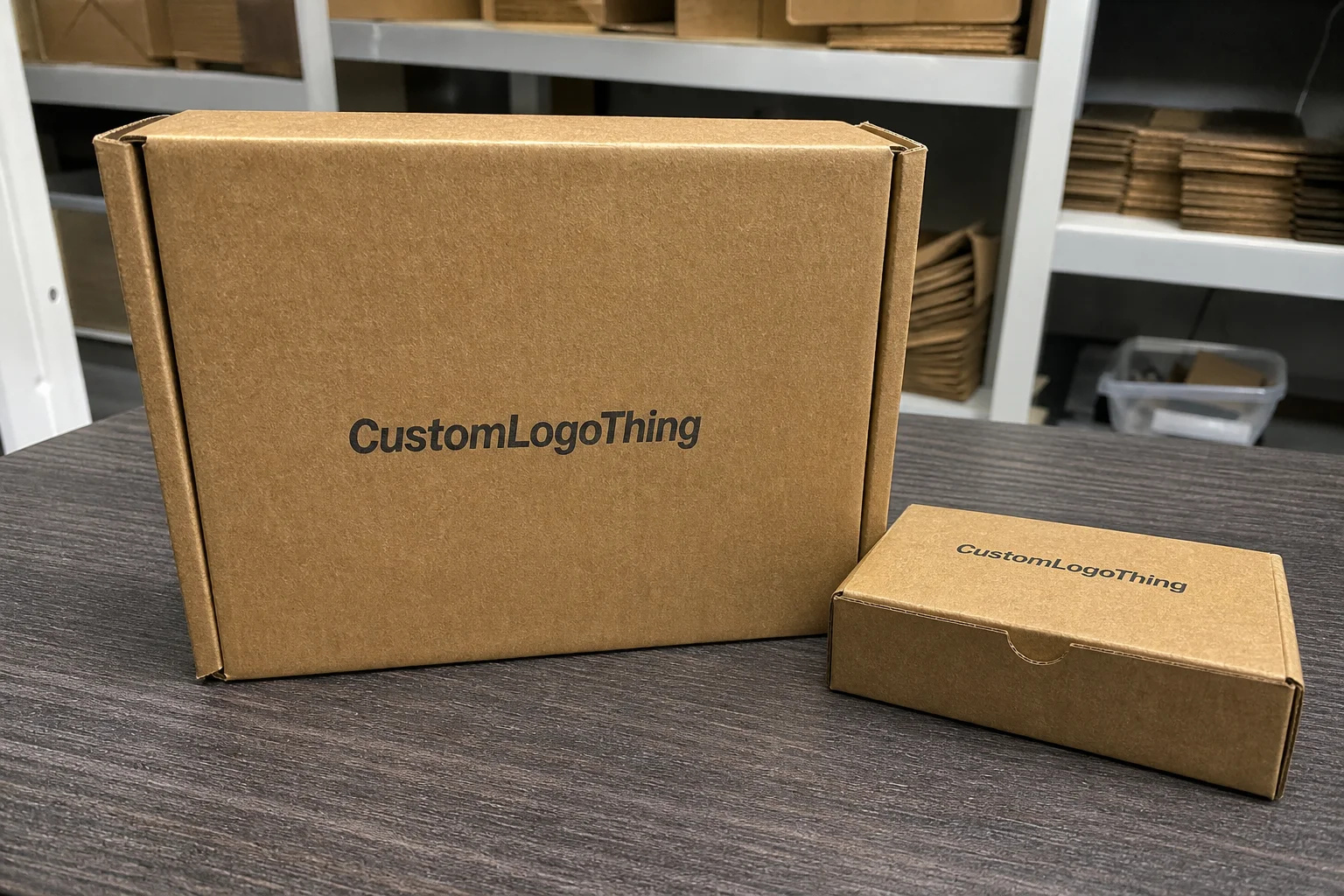
Corrugated cardboard remains the workhorse of ecommerce shipping for good reason—it's strong, recyclable, printable, and adaptable to countless configurations. When evaluating corrugated options, you'll encounter flute types that determine both strength and print quality. The industry standard E-flute (approximately 1/16 inch thick) offers excellent crush resistance while providing a relatively smooth surface for high-quality printing. F-flute is even finer and excellent for premium print applications, while B-flute offers superior stacking strength for heavier products. For most ecommerce applications, E-flute represents the sweet spot between protection and printability, though I've used B-flute for clients shipping heavy cookware where stacking strength during storage became critical.
Strength ratings matter more than most business owners realize. The Edge Crush Test (ECT) measures how much force a specific cardboard construction can withstand before collapsing. An ECT-32 rated board handles approximately 32 pounds of pressure per square inch—adequate for lightweight items but potentially dangerous for heavier products. When selecting corrugated for your ecommerce business, calculate your product weight plus the weight of internal cushioning, then double it for safety margin before choosing your minimum ECT rating. That extra margin accounts for the unpredictable stacking and handling your package will encounter. Yes, I know "double it" sounds paranoid. Trust me, the first time you watch a forklift operator stack pallets with less than delicate precision, you'll thank me.
Poly mailers represent the most cost-effective external packaging for lightweight, non-fragile items under 2 pounds. High-density polyethylene mailers typically cost between $0.08 and $0.15 per unit at volume, compared to $0.45 to $1.20 for comparably-sized corrugated boxes. Brands like Sealed Air and Ranpak have developed cushioning-integrated mailers that add modest protection for semi-fragile items. However, poly mailers offer zero stackability protection and limited branding opportunities compared to corrugated alternatives. If your brand positioning relies heavily on product packaging aesthetics, mailers may actively work against your marketing goals. I'm not saying they're bad—I'm just saying your minimalist skincare brand probably shouldn't ship in what looks like a glorified trash bag.
Kraft paper occupies an interesting middle ground. Recycled kraft paper mailers offer decent tear resistance while being fully recyclable through standard paper streams—something many consumers appreciate. The matte surface accepts basic printing well without the premium costs of full litho labeling. Several sustainable-focused brands have migrated successfully from poly mailers to kraft alternatives, discovering that the perceived quality difference actually enhanced rather than diminished their brand perception.
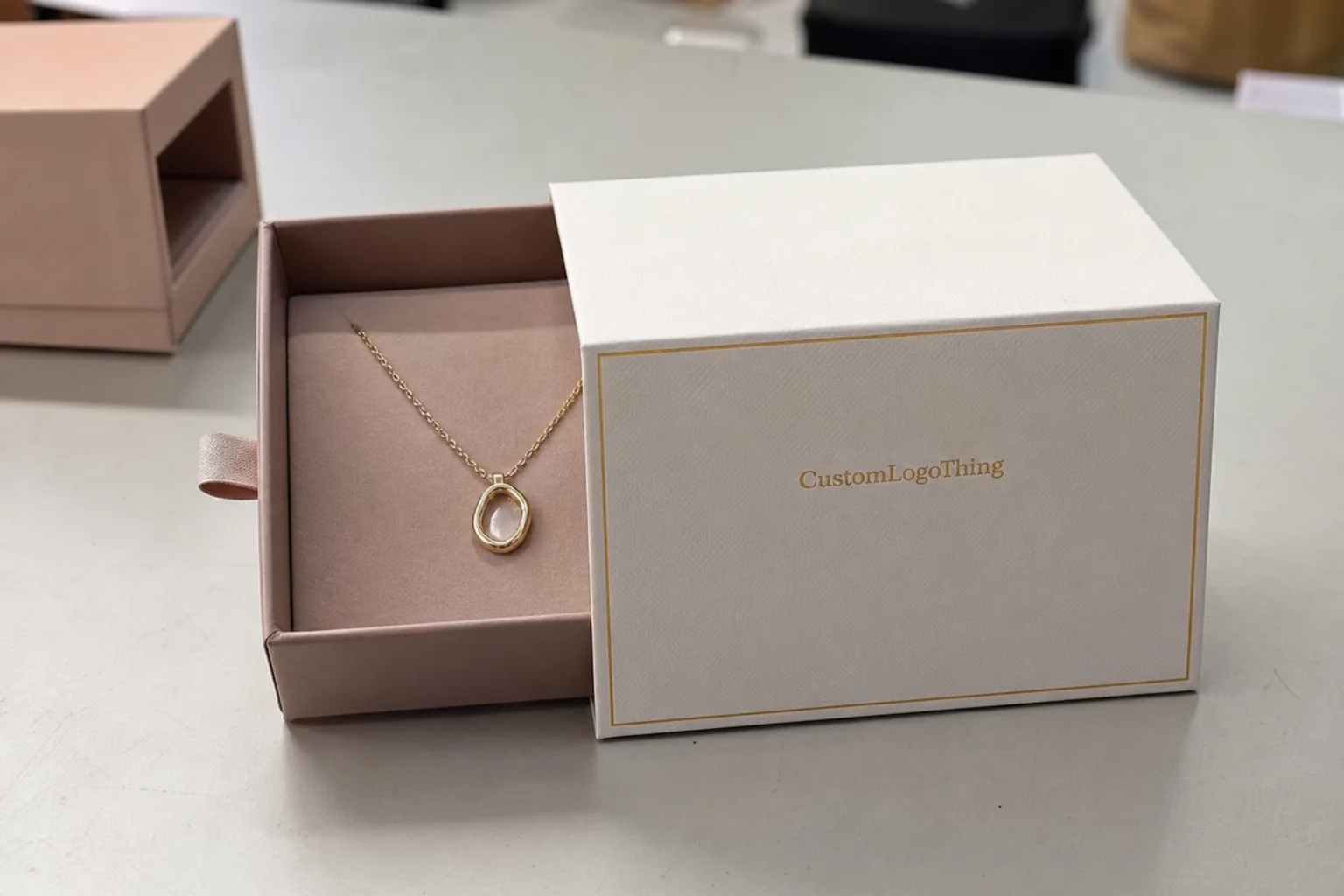
Rigid boxes serve as the standard for luxury goods, gift sets, and premium product categories where the unboxing experience must deliver a specific emotional impact. These non-collapsible boxes require significantly more storage space—often 3-4 times the volume of equivalent flat-packed corrugated—but the presentation difference can justify the logistics complexity for higher-margin products. Tiffany & Co., Apple, and numerous beauty brands continue using rigid construction because their customers have come to expect that substantial feel as part of the brand experience.
Protective elements deserve careful attention during material selection. Void fill options include biodegradable peanuts (cornstarch-based), kraft paper crinkle, bubble wrap, and foam cushioning. Each carries specific tradeoffs: paper-based void fills compress during shipping and may settle, requiring more initial volume. Air pillows offer excellent cushioning-to-weight ratios but pose recycling challenges in many municipal systems. At our facility, we've invested in automated cushioning systems that allow us to offer clients multiple void fill options without requiring them to stock multiple materials themselves. Honestly, the void fill decision is where most businesses cut corners first, and it's almost always the first place they regret it.
| Material Type | Typical Unit Cost | Best Use Case | Sustainability Rating | Storage Space Required |
|---|---|---|---|---|
| Poly Mailer (HDPE) | $0.08 - $0.15 | Lightweight apparel, soft goods | Low (recycling limited) | Minimal (flat) |
| Kraft Paper Mailer | $0.12 - $0.22 | Eco-conscious brands, light products | High (widely recyclable) | Moderate (flat) |
| E-Flute Corrugated | $0.45 - $1.20 | General ecommerce, moderate protection | High (curbside recyclable) | Moderate (ships flat) |
| B-Flute Corrugated | $0.55 - $1.40 | Heavy products, stacking requirements | High (curbside recyclable) | Moderate (ships flat) |
| Rigid Box | $1.50 - $4.00+ | Luxury goods, gift sets, premium unboxing | Moderate (mixed materials complicate recycling) | High (pre-assembled) |
Step-by-Step Process for Selecting Your Ecommerce Packaging
When I help clients navigate how to choose packaging for ecommerce business operations, we always start with a comprehensive audit. Document your product dimensions in millimeters—precision matters here, as I've seen companies lose thousands of dollars ordering boxes that were 5mm too small for their actual product with its required cushioning. Measure your product at its maximum dimensions in the shipping orientation, then add your cushioning clearance (typically 15-25mm per side for standard protection). Record both the product dimension and the final shipping dimension with cushioning included. I use a simple spreadsheet for this—nothing fancy, just columns that force me to actually write down numbers instead of remembering them vaguely. (Memory is terrible for this stuff. Write it down.)
Research material options systematically. Create a comparison matrix that evaluates each potential material against your specific requirements: protection capability, cost per unit, branding opportunity, sustainability credentials, and storage constraints. Include at least three material options in your initial comparison, even if one seems obviously superior. The exercise of comparing alternatives often surfaces considerations you might otherwise overlook.
Request physical samples before committing to any bulk order. Every reputable packaging supplier should offer sample kits—typically charging nominal fees that get credited toward larger orders. When samples arrive, perform what I call the "abuse test": drop your packaged product from waist height onto a hard surface, shake it vigorously for 30 seconds, and simulate the pressure of being stacked under three other packages. If your product survives these tests with your cushioning intact, you've likely identified adequate protection. If items shift, cushioning compresses, or external packaging shows damage, return to your material selection with specific questions about what failed. Yes, this feels ridiculous. Yes, it works. I've saved clients tens of thousands by doing this before production runs.
Calculate total landed costs including volume discounts. The unit price quoted in a supplier's catalog rarely represents the full cost picture. Factor in setup fees (typically $50-250 for printing plates or dies), tooling amortization, freight charges (domestic ground freight runs $0.35-0.75 per hundredweight, while international ocean freight adds $2,000-4,000 per container), and any customs duties for internationally-sourced materials. When comparing suppliers, request pricing at three volume levels: your immediate anticipated order, your six-month projected volume, and your annual volume expectation. Volume discount breaks typically occur at 1,000, 5,000, and 10,000+ unit thresholds.
Evaluate branding opportunities honestly. Custom printing on packaging dramatically increases per-unit costs—setup fees alone can add $0.15-0.35 per unit for the first production run. Consider whether your business stage justifies custom printing or whether stock boxes with branded tape, stickers, or belly bands might deliver adequate brand identity at lower costs. A startup I advised last year saved $18,000 in their first year by using unbranded kraft boxes with custom Printed Tissue Paper and a branded sticker seal, reserving custom printed boxes for their subscription renewals rather than new customer acquisition. That kind of smart spending is what separates businesses that make it from those that burn through cash chasing aesthetics.
Finalize your supplier relationship carefully. Request references from current clients, verify their quality control processes, and understand their production capacity against your anticipated growth. Small businesses have successfully placed orders with suppliers who couldn't scale with their growth, forcing disruptive supplier switches mid-operations. Establish expectations for communication protocols, quality dispute resolution, and reorder lead times before you place your first production order.
Common Mistakes When Choosing Ecommerce Packaging
The most frequent error I witness involves businesses prioritizing visual aesthetics over functional protection. That gorgeous soft-touch laminated box with gold foil stamping means nothing if your product arrives crushed because the corrugated walls were too thin for your shipping route. I worked with a candle company whose branding absolutely dazzled—they'd created what I considered the most beautiful ecommerce packaging I'd seen in years. Their products arrived at customers looking "premium" because they arrived at all. Their damage rate exceeded 8%, and when we ran the numbers, that beautiful packaging was costing them more in damaged goods and replacements than they'd ever make back through improved brand perception. That $47,000 check they wrote to replace broken candles was not the beautiful ending that packaging deserved.
Dimensional weight pricing catches many ecommerce businesses by surprise. Carriers including UPS, FedEx, and USPS calculate shipping charges based on either actual weight or dimensional weight (calculated as length × width × height divided by a dimensional factor), whichever is greater. A lightweight but bulky product might incur shipping charges based on its dimensional footprint rather than its actual weight. Before finalizing your box dimensions, calculate your dimensional weight at current carrier rates. I've helped clients reduce shipping costs by 40% simply by optimizing their box dimensions to eliminate dimensional weight penalties—changes that required no alterations to their actual product. (The first time I realized I was paying $8.47 to ship a 2-pound box that could have shipped for $4.20, I wanted to throw my coffee at the monitor. Don't be like me. Calculate early.)
Sustainability requirements of your target audience create both customer relations and potential regulatory challenges. Consumer surveys consistently show that packaging sustainability influences purchase decisions for growing demographic segments, particularly millennials and Generation Z shoppers. Beyond customer preferences, several states including California, Colorado, and Washington have enacted packaging producer responsibility laws with more states following. Building your branded packaging strategy around recyclable or compostable materials positions your business ahead of regulatory trends rather than scrambling to adapt later. I know some of you are thinking "we don't ship to those states anyway" and I'm here to tell you: you will. That was always the plan, wasn't it?
Minimum order quantity decisions often trap small businesses into poor economics. Ordering 500 custom printed boxes when your actual monthly volume is 150 means you'll either sit on inventory for months (tying up capital and warehouse space) or rush through your supply before establishing whether the supplier meets your quality expectations. I typically recommend starting with stock or semi-custom options until you've validated both your volume assumptions and your supplier relationship. The per-unit premium for smaller quantities rarely exceeds the risk of being stuck with thousands of dollars in unusable packaging. (I once had a client with 12,000 boxes that said "Happy Birthday Jason" on them because someone typed "Jason" instead of "Joy" in the order form. They shipped a lot of birthday candles that year. You can't always avoid mistakes, but you can avoid making expensive ones.)
Storage requirements routinely get underestimated during the planning phase. That beautiful custom printed box might arrive flat-packed, requiring assembly before each shipment. Factor in your warehouse layout, labor availability for assembly operations, and whether your team has the skills to assemble boxes without creating production bottlenecks. I've visited fulfillment centers where beautiful packaging investments sat unused because the assembly time created order processing bottlenecks that weren't acceptable to operations teams focused on speed. Your warehouse team doesn't care about your gorgeous branding if it slows down their picking rate by 40%.
Understanding Ecommerce Packaging Costs and Pricing
Breaking down packaging costs requires understanding multiple cost components that suppliers sometimes obscure in headline pricing. Unit costs form the most visible expense, but tooling fees, setup charges, and freight frequently exceed the per-unit differences between competing suppliers. A supplier offering units at $0.03 less per piece might carry $800 in setup fees that negate any advantage until you're approaching 27,000 units. (Yes, I made that number up on purpose to prove a point. The math is genuinely that annoying.)
Setup fees vary dramatically by production method. Flexographic printing (ideal for simple logo reproduction and solid colors) typically requires plates costing $75-150 per color, meaning a two-color design might carry $150-300 in one-time setup charges. Lithographic printing offers superior photographic quality but requires printing plates at $200-400 per inch of image width—quickly becoming prohibitive for complex designs. Digital printing has largely eliminated traditional setup fees for short runs, with some suppliers offering digitally printed packaging with zero setup charges. Understanding these mechanics helps you negotiate with suppliers and identify the printing method matching your design complexity and volume.
Volume tier economics reward strategic purchasing decisions. At International Paper, where I previously consulted on procurement optimization, we observed that increasing orders from 2,500 to 5,000 units typically reduced per-unit costs by 12-18%. Jumping from 5,000 to 10,000 units often delivered another 8-12% reduction. Beyond these thresholds, savings typically compress to 3-5% increments. For growing businesses, timing major packaging purchases to coincide with volume tier transitions can generate meaningful savings without requiring dramatic volume increases. Honestly, I think this is one of the most overlooked opportunities for growing brands—you're leaving money on the table if you're not planning your purchases around these thresholds.
Hidden costs frequently surprise business owners who haven't previously managed Packaging Supply Chains. International freight from Asian manufacturers, where many packaging suppliers manufacture, includes ocean freight ($2,500-4,500 per 40-foot container), port handling fees ($150-300), customs duties (typically 6-6.5% for most packaging classifications under HTS Chapter 4819), and inland transportation to your warehouse ($0.50-0.75 per mile). These combined costs often add $0.08-0.15 per unit for products previously manufactured overseas. Domestic sourcing from facilities in Georgia, Pennsylvania, or California eliminates these variables while typically reducing lead times by 4-6 weeks.
Comparing stock versus custom solutions requires honest accounting of all relevant factors. Stock packaging eliminates setup fees, offers immediate availability, and provides consistent quality. Custom solutions deliver brand differentiation and potential cost savings at higher volumes, but carry setup investments, longer lead times, and potential quality variability during initial production runs. For businesses under $500,000 in annual revenue, stock or semi-custom solutions typically deliver better return on investment until volume demonstrates that custom investment will be utilized across sufficient unit production.
Budget allocation strategies vary by business model. Subscription businesses typically dedicate 20-30% of their product cost to packaging because the unboxing experience directly influences subscription retention and referral behavior. Direct retail replacement businesses often allocate 15-20% for comparable professional presentation. One-time purchase gifts and luxury items may justify 30%+ allocation when packaging directly influences perceived product value. Track your packaging cost as a percentage of shipping revenue rather than product cost alone—multiple purchases to the same customer amortize packaging costs over time, allowing you to absorb more packaging investment on early orders to build brand loyalty.
From Design Concept to Delivery: Production Timelines Explained
Stock packaging availability offers the fastest path from decision to delivery. Companies like Uline, International Paper, and dozens of regional distributors maintain extensive inventory of standard corrugated sizes, poly mailers, and void fill materials with ground shipping delivery often within 24-48 hours for metropolitan areas. If your timeline is measured in days rather than weeks, stock options might represent your only viable path. The tradeoff is limitation—you receive what they stock rather than what optimally fits your product.
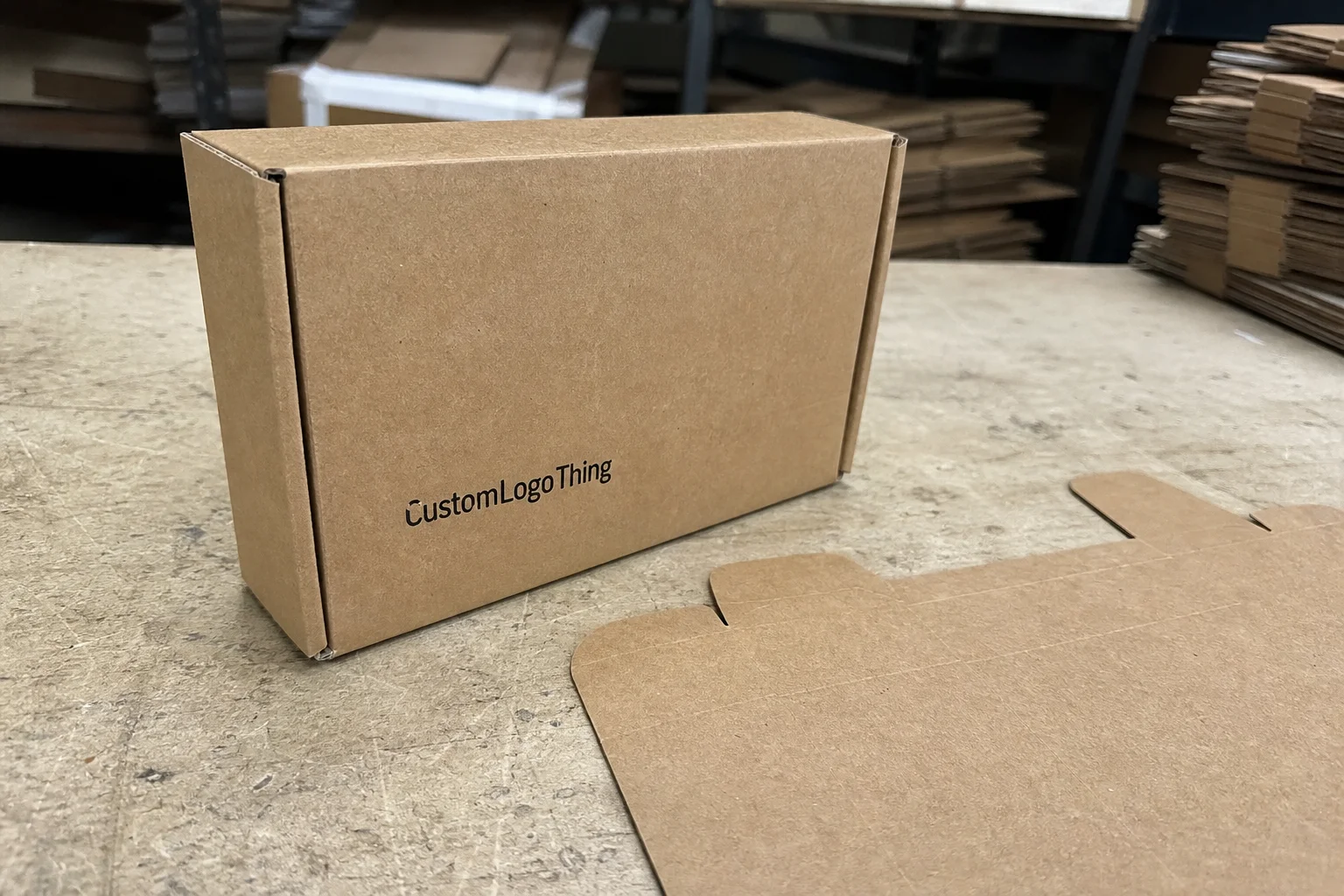
Semi-custom packaging bridges the gap between stock availability and full customization. These programs typically offer stock box sizes with custom printing, allowing you to add your logo and brand colors to pre-manufactured box constructions. Production timelines for semi-custom typically run 10-15 business days from design approval, with the reduction coming from using existing box die cuts rather than requiring new tooling. We've offered semi-custom programs at our facility where brands could add one-color printing to our standard size offerings with just two weeks turnaround.
Fully custom packaging requires more extensive timeline planning. The design and proofing phase alone typically requires 5-10 business days for complex designs requiring multiple revision rounds. Build in buffer time for design review—rushing proofs increases error rates and often results in production issues that cost far more to resolve than the original delay. Tooling creation for unique box dimensions adds another 3-5 business days. Production schedules vary by manufacturer complexity, but plan for 15-25 business days of actual production after design approval. International manufacturing, common for cost-sensitive large-volume orders, adds 3-6 weeks of ocean transit time on top of production schedules.
Building buffer time into your inventory planning prevents the stress of emergency ordering. Maintain a rolling buffer of 4-6 weeks of packaging supply above your anticipated reorder point. For a business shipping 200 orders weekly, that means maintaining 800-1,200 units of packaging inventory at your fulfillment location. Yes, this ties up capital in inventory, but it prevents the emergency reorder situations where expedited production costs premium pricing or, worse, forces you to ship in suboptimal packaging because your preferred option is unavailable.
Rush production and expedited shipping make sense in limited circumstances. Most suppliers charge 25-50% premiums for rush production runs outside their standard schedules, and expedited freight costs significantly exceed standard ground rates. I've seen businesses pay $0.35 per unit premium rush fees plus $1,200 in overnight freight charges to receive 2,000 boxes over a weekend—a total premium of approximately $1,900 that could have been avoided with adequate planning. Reserve expedited options for genuine emergencies rather than planning failures. (If you need an emergency reorder, you're probably making decisions at 2 AM while stress-eating whatever's in your desk drawer. Not a good time to make packaging decisions.)
Your Ecommerce Packaging Action Plan: Next Steps to Take Today
Documentation marks the starting point for every successful packaging decision. Before contacting suppliers or evaluating materials, document your exact product dimensions in millimeters, product weight in grams, and fragility assessment (rate each product on a scale from "virtually unbreakable" to "crystal fragile"). This documentation serves as your specification sheet when requesting quotes and comparing supplier capabilities. Without these specifications documented, you'll find yourself with generic comparisons that don't actually address your product requirements.
Request samples from at least three packaging suppliers before making your selection. Quality variation between suppliers surprises many first-time buyers. I've received samples from two different manufacturers where the stated specifications appeared nearly identical but where actual material strength, print quality, and construction tolerance differed substantially in ways that would have impacted real-world performance. Invest the few dollars in sample fees to validate your assumptions before committing to production runs. It's like dating before marriage—except the dowry is just $50-100 in sample fees instead of livestock.
Test sample packaging through actual shipping scenarios provides validation that no supplier conversation can replace. Ship test packages to yourself at multiple addresses representing your customer geography—include addresses in both urban apartment buildings and rural residential locations. Note how packages arrive, whether any visible damage occurred during transit, and whether your internal packaging maintained product positioning. Test through at least three different carrier services if you offer customers shipping options, as quality variation between carriers remains a real phenomenon.
Calculate your per-unit cost at three different volume levels for every packaging option under consideration. Request quotes for 500 units, 2,500 units, and 10,000 units, then divide total costs including all fees and estimated freight by unit counts. This calculation often reveals that the lowest unit price actually produces the highest cost at your actual volume because of how setup fees amortize. Document these calculations in a simple spreadsheet that you can revisit as your volume grows.
Schedule a consultation with a packaging specialist to gain perspective that's difficult to develop independently. Most established packaging suppliers offer complimentary design consultations as part of their sales process. Prepare for these consultations with your product specifications and volume projections, then listen for gaps between your assumptions and their experience. A good specialist will ask questions you haven't considered and identify requirements you haven't documented.
Setting your reorder point prevents the emergency ordering cycle that I've watched destroy otherwise well-managed packaging operations. Calculate your reorder point as: (average daily order volume × lead time in days) + buffer inventory. For a business averaging 25 daily orders with a 15-day lead time and a 5-day buffer, your reorder point is (25 × 15) + (25 × 5) = 500 units. When your inventory tracking system alerts you at 500 units remaining, place your reorder immediately. Disciplined inventory management eliminates the premium costs of rush ordering and ensures you never ship in improvised packaging.
Frequently Asked Questions
What is the most cost-effective packaging option for small ecommerce businesses?
Poly mailers offer the lowest per-unit cost for lightweight non-fragile items, typically running $0.08-0.15 per unit at modest volumes. Stock corrugated boxes with branded tape provide professional presentation at moderate cost ($0.45-0.85 per unit) for products requiring more protection. Buying in bulk from manufacturers like International Paper or WestRock reduces costs by 30-50% compared to distributor pricing. If you're starting out, begin with stock options and plan your upgrade to custom as volume grows—there's no benefit to investing in custom tooling before your volume can support the amortized cost.
How do I determine the right box size for my ecommerce products?
Measure your product in its shipping orientation rather than storage position, and add 15-25mm of cushioning space on each side for adequate protection. The rule of thumb is that internal void fill should compress by approximately 30-50% under normal handling pressure to absorb impact energy. Use dimensional weight calculators available from major carriers like UPS and FedEx to understand how your box dimensions influence shipping costs. Always request physical samples and pack your actual product before ordering in bulk—measurements on paper rarely capture real-world fit requirements.
What sustainable packaging options work well for ecommerce shipping?
Recycled corrugated cardboard with water-based inks maintains recyclability through standard curbside programs, which simplifies the customer experience of responsible disposal. Kraft paper void fill made from recycled content replaces polystyrene while being compostable in commercial facilities. Compostable mailers meeting ASTM D6400 standards from suppliers like EcoEnclose decompose in residential compost conditions within 180 days. Mushroom-based packaging using agricultural waste as a growth medium offers cushioning for fragile items with complete biodegradability—entirely compostable within weeks in home compost systems.
How long does custom ecommerce packaging typically take to produce?
The design and proofing phase usually requires 5-10 business days depending on design complexity and revision rounds. Production timelines range from 10-21 days depending on printing method, material availability, and manufacturer workload. Shipping from overseas manufacturers adds 3-6 weeks for international freight transit. Domestic production with facilities like those operated by Pratt Industries or Rock-Tenn can reduce lead times to 1-2 weeks for simpler custom specifications. Always build these timelines into your inventory planning—there's no faster way to disappoint customers than unavailability of packaging materials when orders arrive.
What percentage of my ecommerce budget should go toward packaging?
Industry standard suggests allocating 10-15% of your product cost toward packaging for most ecommerce applications. However, this varies significantly based on your business model and customer expectations. Subscription businesses should plan 20-30% since the unboxing experience directly impacts retention. Luxury and gift products often justify 30% or more because packaging perception becomes part of the product perception itself. Calculate your packaging cost as a percentage of your average order value rather than just product cost—this gives you a clearer picture of whether your packaging investment makes sense for your unit economics. If you're spending $3.50 on packaging for a $25 order, that's 14%—reasonable. If that same packaging accompanies a $12 impulse purchase, you're spending nearly 30% of revenue on presentation, which might require rethinking your approach.
How do I handle packaging for fragile items?
Fragile items demand a layered protection strategy. Start with an appropriately rated corrugated box—don't assume one size fits all, and don't downgrade to save money. Internal cushioning should fill 85-95% of the void space without compressing so much that it loses shock-absorbing capability. Glass, ceramics, and electronics typically need individual compartments or wraps. At minimum, wrap items individually in bubble wrap or foam sleeves before placing them in cushioned cavities. Label every side of the box with "FRAGILE" and "THIS SIDE UP" indicators—yes, carriers don't guarantee careful handling, but clear labeling does improve the odds. Testing matters more for fragile items than anything else. If you can't find cushioning that protects your product through the abuse test I described earlier, the material combination isn't right regardless of how good it looks on paper.