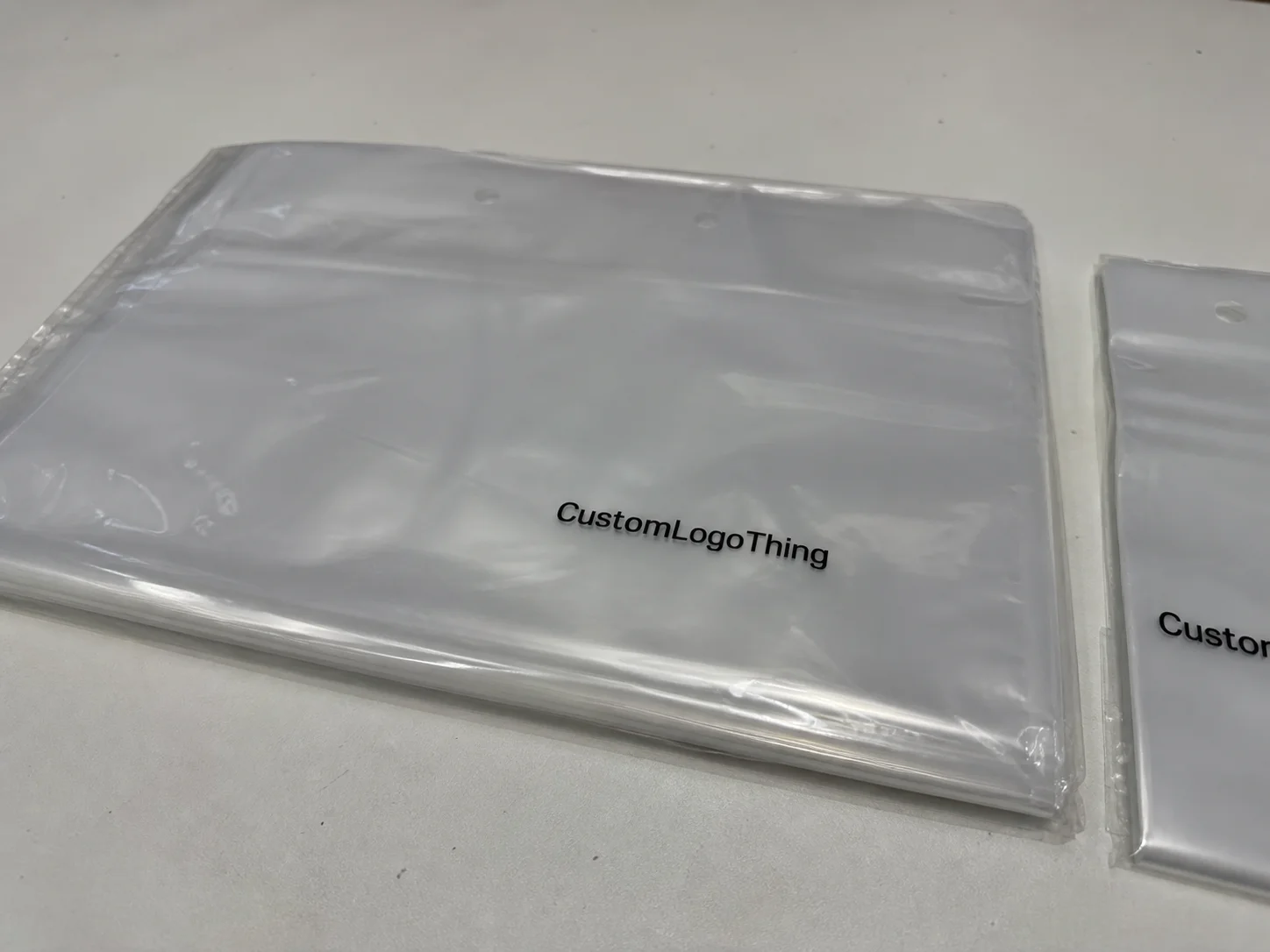
Buyer Fit Snapshot
| Best fit | To Heat Shrinking Packaging Process Practices projects where brand print, material claims, artwork control, MOQ, and repeat-order consistency need to be specified before quoting. |
|---|---|
| Quote inputs | Share finished size, material target, print colors, finish, packing count, annual reorder estimate, ship-to region, and any compliance wording. |
| Proofing check | Approve dieline scale, logo placement, barcode or warning zones, color tolerance, closure strength, and carton packing before bulk production. |
| Main risk | Vague material claims, crowded artwork, missing packing details, or unclear freight terms can make a low unit price expensive after revisions. |
Fast answer: To Heat Shrinking Packaging Process Practices: Material, Print, Proofing, and Reorder Risk should be specified like a repeatable production item. The safest quote records material, print method, finish, artwork proof, packing count, and reorder notes in one written spec.
Production checks before approval
Compare the actual filled-product size with the drawing, then confirm tolerance on folds, seals, hang holes, label areas, and retail display edges. Reserve space for logos, QR codes, warning copy, and material claims before decorative graphics fill the panel.
Quote comparison points
Review material grade, print process, finish, sampling route, tooling charges, carton quantity, and freight assumptions side by side. A quote is only useful when the supplier can repeat the same color, closure quality, and packing count on the next order.
People usually notice shrink film only after something goes wrong: a bundle arrives scuffed, a pallet shifts, or a retail carton opens in transit. I remember one shipment of promotional kits that came back looking like it had gone ten rounds with a forklift. That is why the guide to heat shrinking packaging process matters more than it first appears. I’ve seen a $12 accessory line lose nearly 8% of its cartons to rubbing damage simply because the outer wrap was too loose, and one adjustment in the guide to heat shrinking packaging process cut those claims almost immediately. In a run of 5,000 units, even a $0.02 change per package adds up to $100, which is enough to matter in almost any packaging budget.
At Custom Logo Things, I’ve spent enough time around packing lines, supplier negotiations, and plant-floor troubleshooting to know this: shrink packaging is not just about wrapping plastic around a product. It affects labor minutes, freight damage, shelf presentation, and even brand perception. Honestly, people underestimate it because shrink film looks plain at first glance. The guide to heat shrinking packaging process sits at the intersection of protection and presentation, which is why it shows up in retail packaging, bundle packs, unitized shipping loads, and branded packaging programs that need a cleaner finish than stretch film can deliver. I’ve seen it used on 350gsm C1S artboard cartons in Chicago, folded retail trays in Dallas, and multipacks assembled for distribution out of Memphis.
Teams make the same mistake over and over. They either assume every item needs the thickest film available, or they treat shrink wrapping like a generic utility step. Both approaches burn money. I’ve watched buyers argue for “just go thicker” with the confidence of someone who has never had to pay the scrap bill later (a tiny miracle, really). A solid guide to heat shrinking packaging process starts with the product, then works backward through film selection, heat source, seal quality, and handling speed. For a 5,000-piece order, the difference between a $0.15 unit cost and a $0.21 unit cost is $300, and that gap is often created by over-specifying the film rather than improving the outcome.
What Is the Guide to Heat Shrinking Packaging Process?
The simplest definition of the guide to heat shrinking packaging process is this: a polymer film is placed around an item or bundle, heat is applied, and the film contracts tightly as it cools. That contraction creates a snug outer layer that can reduce movement, limit dust exposure, and make tampering easier to spot. I’ve watched this work on everything from six-packs of printed mugs to pallet-ready cases of promotional kits. In a 20,000-unit campaign, a properly shrunk bundle can reduce edge wear enough to eliminate a second protective insert, which saves material and assembly time at the same time.
One factory visit still sticks with me. A beverage co-packer in Louisville was losing time because operators were double-checking loose bundles before palletizing. After switching to a tighter shrink spec, their load movement dropped enough that they removed one rework station. That kind of result is exactly why the guide to heat shrinking packaging process deserves attention from anyone handling product packaging at scale. In my opinion, it is one of those rare packaging methods that can pull double duty without acting like a diva about it. Their line was processing 1,200 units per shift, and even a 15-second reduction per bundle changed the economics quickly.
People often mix up shrink wrap and stretch wrap. They are not the same, and using them interchangeably can cause headaches.
- Shrink wrap uses heat to contract around the product.
- Stretch wrap relies on mechanical tension and does not need heat.
- Heat shrink is the process, while shrink film is the material.
For shipping and logistics, the guide to heat shrinking packaging process usually comes into play in four areas: bundling multiple items together, unitizing similar cartons, adding dust protection, and creating tamper evidence. It also helps retail packaging look tighter and more deliberate, which matters when product branding has to survive both the truck ride and the shelf. A 24-pack displayed in a Toronto warehouse and a four-piece promo set shipped to Atlanta do not need the same wrap thickness, but both benefit from controlled shrink.
There is a practical reason this method keeps appearing in so many operations. A well-executed shrink system can improve load stability and reduce product movement, but only if the film gauge, heat profile, and dwell time are matched correctly. Use a film that is too thin and the package tears. Use a heat setting that is too aggressive and you can distort labels, soften adhesives, or warp a tray. I’ve had to explain that more times than I’d like, and yes, the blank stare from procurement never gets easier. A film at 60 gauge may work on a light carton, while a 100 gauge option is often required for heavier bundles moving through regional distribution hubs in Columbus or Charlotte.
For teams comparing packaging design options, the guide to heat shrinking packaging process is one of the few methods that can support both logistics and visual presentation without adding a printed outer box. That said, it is not a replacement for every application. I’ve seen custom printed boxes outperform shrink film for premium unboxing, while shrink wins on speed and bundle security. Different tools, different jobs. If you need a shelf-ready carton from Shenzhen or Vietnam, the outer box can carry the brand story; if you need 500 bundles wrapped before a Friday truck cutoff, shrink usually wins on throughput.
For broader packaging sourcing, our Custom Packaging Products page is a useful starting point when teams need shrink-compatible cartons, inserts, labels, or retail-ready outer packaging. That matters if your run includes 350gsm C1S artboard sleeves, printed inserts, or die-cut trays sized for a 10-inch by 8-inch product family.
How the Guide to Heat Shrinking Packaging Process Works
The guide to heat shrinking packaging process follows a straightforward sequence, but each stage has a technical consequence. First, you select the film. Then you place or bag the product. Next comes sealing or containment. After that, heat is applied evenly. Finally, the package cools and locks into its final shape. Simple on paper. Less simple on a line running 700 units per shift in Newark or 1,400 units per shift in Dongguan.
The science is not complicated, which is probably why people underestimate it. Heat softens the film so it can contract around the object. As the film cools, the polymer structure stabilizes in that tighter form. If the heat is uneven, the film shrinks unevenly. If cooling is rushed, you can get weak spots, wrinkles, or trapped air. The guide to heat shrinking packaging process works best when the operator thinks in terms of controlled movement, not just “more heat.” A tunnel set at 165°C may produce a tighter finish than one at 180°C if the dwell time is 6 seconds instead of 4.
There are three common equipment categories, and I’ve seen each one fit a different production reality:
- Heat guns: Best for small runs, repairs, and odd-shaped items.
- Shrink tunnels: Best for steady throughput and uniform packages.
- Chamber systems: Often used where a sealed chamber improves consistency for medium-volume production.
At a corrugated converter in Ohio, a supervisor showed me how a single tunnel upgrade cut their manual rework by about 30%. The catch was capital cost. The machine was not cheap, and maintenance planning mattered. That’s a recurring theme in the guide to heat shrinking packaging process: speed is never free. You pay for it in equipment, training, or control systems. Their upgrade came in at roughly $12,000, and the payback period fell under 14 months because labor dropped from 18 minutes per case line to 11.
Film thickness and shrink ratio also shape the final result. A 75 gauge film behaves differently than a 100 gauge film, and a 40% shrink ratio is not interchangeable with a high-shrink alternative. For irregular items, the wrong ratio leaves loose corners. For heavy bundles, the wrong gauge can split at the seal. This is why the guide to heat shrinking packaging process should always begin with the SKU, not the machine. A rectangular carton with a 2-inch flap allowance needs a very different setup than a curved cosmetic kit coming out of Los Angeles.
Manual heat shrinking is flexible. That flexibility is useful during sample runs, custom promotions, and low-volume product packaging. Tunnel systems are faster and more consistent, especially when the line is feeding palletizing or retail fulfillment. In practice, the guide to heat shrinking packaging process often sits between packing and labeling, though some operations shrink after labeling and before final cartoning depending on the workflow. A manual station can process 20 to 40 units per hour, while a tuned tunnel line may move several hundred units in the same window.
The package structure matters too. If the item has sharp corners, the film needs enough strength to resist puncture. If the bundle has a glossy printed surface, heat must be calibrated to avoid scuffing or label distortion. I’ve seen packaging design teams spend weeks perfecting a retail layout, then lose the effect because the outer wrap was hazy and overstretched. The guide to heat shrinking packaging process needs to respect both engineering and presentation. A brushed kraft insert from Portland and a high-gloss carton from Ho Chi Minh City will behave differently under the same heat profile.
Key Factors in the Guide to Heat Shrinking Packaging Process
Material selection is the first big decision in the guide to heat shrinking packaging process. The three most common film families each bring different tradeoffs in clarity, cost, and performance:
- PVC: Clear and economical in some uses, but not always the best fit for every product category.
- Polyolefin: Popular for clarity, versatility, and broader application across retail packaging.
- Polyethylene: Often chosen for heavier bundles, multipacks, and load containment.
Product shape is just as important. A perfectly rectangular carton is much easier to shrink than a bottle with a shoulder, a handle, or a protruding closure. On one client meeting, the purchasing manager wanted the same film spec for a flat boxed set and a curved accessory tray. I told him flatly that the package geometry would fight him. He tested both, and the irregular tray needed a tougher film with more forgiving shrink behavior. That is a common lesson in the guide to heat shrinking packaging process: the product dictates the film, not the other way around. A tray with a 1.5-inch lip and a bottle neck at 3.25 inches high may need different seam placement and heat exposure.
Temperature control is where a lot of damage starts. Too little heat and the package never fully tightens. Too much heat and the film can haze, crack, or deform the packaged item. I’ve seen heat too close to a printed label cause curling around the edges in less than 10 seconds. The guide to heat shrinking packaging process works best when operators use tested temperature bands, not intuition. Honestly, intuition is a nice word for guessing when the scrap pile is growing. On a polyolefin line, a 160°C to 175°C window may produce cleaner corners than a hotter setting that looks aggressive but yields more rework.
Airflow and tunnel speed are often overlooked. Uneven airflow can leave one side tight and the other side wrinkled. That does not just look bad; it can create weak seals and reduce load stability. In some tunnels, a 5% change in conveyor speed changes the finish enough to matter. That is why I always tell teams that the guide to heat shrinking packaging process is partly a thermal process and partly a control process. A machine in New Jersey running at 8 feet per minute may need a different fan setting than the same model in Texas running at 10 feet per minute.
Cost deserves a real breakdown. A lot of buyers focus only on the film price, but that is only one line item. The true per-unit cost also includes labor time, energy consumption, machine depreciation, maintenance parts, and scrap from failed wraps. A manual operation might spend $0.12 to $0.25 per unit in labor-heavy handling alone, while a higher-volume tunnel setup can push that lower if the volume is high enough. The guide to heat shrinking packaging process is therefore an economics question as much as a packaging question. In one 10,000-unit order, a $0.04 reduction in labor per unit saved $400 before freight and rework were even counted.
There is also a compliance and safety side. Heat equipment needs guarding, operator training, and sensible workstation spacing. Film choice should fit the product category and the shipping environment. If the bundles are going into moisture-prone distribution lanes, the shrink layer may be part of a broader Packaging Strategy That includes barrier materials or outer cartons. For organizations aligning with environmental goals, references such as the EPA recycling guidance and material-specific supplier data help teams make more informed choices. A plant in Atlanta may also need to consider local fire code spacing around the tunnel and the airflow path around the seal bar.
And yes, sustainability comes up in every serious conversation now. Not every shrink film is equal, and not every shrink application belongs in the same sustainability bucket. Some customers want reduced material use, others want better recyclability pathways, and some want package Branding That Still looks premium without excess layers. The guide to heat shrinking packaging process should fit that discussion rather than ignore it. A 60-gauge film that reduces resin use by 15% can matter more than a decorative outer sleeve that adds another layer of material from a supplier in Guangdong.
| Film Type | Typical Strength | Visual Clarity | Common Use Case | General Cost Position |
|---|---|---|---|---|
| PVC | Moderate | High | Retail bundling and lower-cost wraps | Lower to moderate |
| Polyolefin | High | Very high | Retail packaging, branded packaging, multipacks | Moderate |
| Polyethylene | Very high | Lower than polyolefin | Heavy bundles, pallet overwrap, unitizing | Moderate to higher |
Step-by-Step Guide to Heat Shrinking Packaging Process
A useful guide to heat shrinking packaging process should feel procedural, because the process itself rewards discipline. I’m a big believer in standard work sheets here. If operators are making judgments from memory on every SKU, defect rates creep up fast. And then everyone suddenly acts surprised, which is always my favorite part (said no one ever). On lines producing 2,000 units per day, a 3% defect rate means 60 packages need attention, which quickly turns into labor you did not budget for.
Step 1: Measure the item or bundle
Start by measuring length, width, height, and any protrusions. A 10-inch by 8-inch carton behaves differently from a 10-inch by 8-inch tray with a 1-inch lip. Film size and shrink ratio need enough margin to cover the item without wasting excess material. In one client review, a 12 mm overspec on width added 7% more film use than necessary. That sounds small, but across 40,000 units it becomes real money. The guide to heat shrinking packaging process begins with accurate dimensions, preferably taken with a caliper or tape measure and verified against the master SKU sheet.
Step 2: Choose the right shrink film
Pick film based on clarity, toughness, and the shipping environment. For retail packaging, clarity often matters because the product needs to be seen clearly under shelf lighting. For logistics bundles, puncture resistance may matter more than gloss. In my experience, polyolefin is the most versatile starting point for many teams, though polyethylene often makes more sense for heavier cases. The guide to heat shrinking packaging process is not one-size-fits-all, and that is the honest answer buyers need. A 75 gauge polyolefin may be enough for a light boxed set, while a 100 gauge polyethylene wrap is more suitable for bulk packs moving out of Indianapolis.
Step 3: Wrap or bag and seal
Place the product in the film and seal the open edge cleanly before heating. Poor seals are a silent cost driver because the package may look fine at first, then open during handling. I once watched a line operator use a worn seal bar that created a faint gap every fourth pack. The defect rate looked random until the team traced it to the bar edge. That is a classic lesson from the guide to heat shrinking packaging process: the seal is part of quality, not a separate step. In practical terms, a clean seal often means a 2 to 3 second dwell on a bar set to the correct temperature, not an improvised pass with no standard.
Step 4: Apply heat evenly
Move the heat source around the package in a controlled pattern. Overstay in one area and you risk scorching. Rush past one corner and you leave it loose. Good operators watch the film respond in real time: wrinkles disappear, corners cinch, and the surface tightens. A stable guide to heat shrinking packaging process always includes visual cues, not just timer settings. On a tunnel line in Mexico City, a 4-second variation in dwell time changed how tightly the film locked around a printed carton sleeve.
Step 5: Inspect the final package
Check tightness, edge coverage, clarity, and seal integrity. A good finish should look even, with no major haze, open seams, or weak corners. For branded packaging, I also look at how the wrap affects printed surfaces, logos, and label readability. A product can be protected and still look off-brand if the finish is cloudy or the seams cut across a logo panel. The guide to heat shrinking packaging process should protect the product and the brand at the same time. If a logo is centered on a 6-inch front panel, even a 3 mm seam offset can change how premium the pack feels.
Step 6: Cool, stage, and load
Do not rush the cooling stage. Packages that are moved too early can deform, especially if the film is still relaxing after heat exposure. Depending on size, cooling may take under a minute for small units or several minutes for larger bundles. After that, stage the packages for cartoning or palletizing. This final pause matters more than many teams realize. A full guide to heat shrinking packaging process includes handling after the heat source, not just during it. For a heavy bundle packed in Detroit, a 2-minute cool-down may prevent corner lift that would otherwise show up during freight vibration.
For higher-volume operations, cycle time can be measured in seconds rather than minutes. A small manual job may take 2 to 4 minutes per piece, while tunnel-supported workflows can process continuous streams far faster once tuned. But speed means little if the defect rate rises. In practice, the best guide to heat shrinking packaging process balances throughput with rework reduction. One plant in Raleigh found that cutting cycle time by 18% actually hurt output until they recalibrated the tunnel and reduced the reject rate from 4.2% to 1.1%.
Cost, Pricing, and Timeline Considerations
Any serious guide to heat shrinking packaging process has to deal with money. Material cost is visible, but the hidden costs are where teams often misjudge the true spend. Film, electricity or gas, labor, machine depreciation, repair parts, setup waste, and failed wraps all belong in the calculation. A 5,000-piece run can look affordable at $0.15 per unit, but if the scrap rate is 4% and the labor line is inefficient, the effective cost can climb fast.
Low-volume operations usually pay more per unit because labor dominates the equation. If one person is manually shrinking 150 units a day, the labor allocation is very different from a plant running 3,000 units through a tunnel line. I’ve seen buyers chase a film that was $0.03 cheaper per unit while ignoring a 20-second slowdown that cost more in labor than the film savings. The guide to heat shrinking packaging process rewards a total-cost view. A station in Kansas City that saves 12 seconds per package can outperform a “cheaper” film almost immediately.
Higher-volume operations often lower unit cost through automation, faster cycle times, and less wasted material. That said, automation is not a magic answer. A machine that is underutilized can be more expensive than a well-trained manual station. The right guide to heat shrinking packaging process asks: what is the volume, what is the failure rate, and how steady is the SKU mix? If your monthly demand is 8,000 units but the line only runs 3 days a month, a mid-range chamber system in Minneapolis may make more sense than a high-end tunnel setup.
Here is a practical comparison I use in client conversations.
| Approach | Typical Setup Cost | Per-Unit Labor | Best For | Main Risk |
|---|---|---|---|---|
| Manual heat gun station | $150 to $600 | High | Samples, short runs, custom work | Operator inconsistency |
| Chamber system | $2,500 to $8,000 | Moderate | Mid-volume production | Batch bottlenecks |
| Shrink tunnel line | $8,000 to $35,000+ | Lower | High-throughput packaging | Maintenance and calibration |
Timeline matters too. A faster setting can raise throughput, but if the film tears or the seal weakens, you pay the delay later in returns and rework. Real-world timing also includes cooling, stacking, inspection, and transport to the next station. A quote of “30 seconds per pack” means very little if the package still needs a 90-second cool-down before palletizing. That is one reason the guide to heat shrinking packaging process should always be tested on the actual line, not just in theory. In supplier work, I’ve seen prototype-to-approval cycles take 3 business days for a simple sample and 12 to 15 business days from proof approval for a production-ready run.
One supplier negotiation stands out in my memory. A buyer wanted to lock in film pricing before confirming equipment speed. I pushed back. Until the dwell time, tunnel width, and seal quality were proven, the per-unit cost estimate was basically guesswork. They ran samples, adjusted the heat profile, and discovered they could reduce film gauge without increasing returns. That type of testing is where the guide to heat shrinking packaging process becomes profitable rather than merely technical. The final quote they received in Shenzhen reflected a 0.5 mm seal adjustment, not a blanket price increase.
If your team needs packaging that also supports display, shipping, and branding, shrink may sit alongside custom printed boxes or other branded packaging elements. In those cases, pricing should consider the full system: outer carton, insert, label, shrink, and freight outcome. The best guide to heat shrinking packaging process does not pretend the shrink layer exists in isolation. A foldable carton from Ningbo, a label from Ohio, and a shrink wrap order from Dallas can each change the landed cost by a few cents per unit.
Common Mistakes in the Guide to Heat Shrinking Packaging Process
The same mistakes show up again and again, and they are expensive because they look minor at first. The guide to heat shrinking packaging process can help teams avoid them if they are willing to document and test. On a 15,000-unit run, a 2% issue rate means 300 packages need repair, which can take an extra half shift if the problem is not caught early.
- Wrong film thickness for the product weight or shape.
- Uneven heat application that creates wrinkles, burn marks, or incomplete shrinkage.
- Overheating that damages packaging or makes film brittle.
- Undersized equipment that slows production and creates bottlenecks.
- No pre-test samples before full production.
- Sharp edges left unprotected, which puncture film during transit.
- Ignoring total cost and focusing only on film price.
On a factory floor in New Jersey, I watched a team battle recurring punctures on a multipack of metal parts. They blamed the film. It wasn’t the film. The real problem was an untrimmed metal corner on the tray underneath. A 0.5 mm burr was enough to create a recurring failure. Once they added edge protection, the defect rate fell dramatically. That is the kind of detail the guide to heat shrinking packaging process must surface early. Their fix cost less than $200 in tooling changes and saved them multiple pallet loads of returns.
Another common error is assuming one setting works for every SKU. It does not. A flat retail pack, a bottle bundle, and a heavy component tray each need their own profile. Treating them the same usually raises scrap. The smarter guide to heat shrinking packaging process groups products by family and standardizes within those families rather than across the whole catalog. A 6-ounce cosmetic kit from Paris and a 14-pound parts tray from Cleveland should not share the same heat map.
I also see teams underestimate operator training. Someone can learn the basics of a heat gun in an hour, but recognizing haze, weak seals, or barely visible overheat marks takes practice. That is why a visual standard sheet with photos, target temperatures, and acceptable wrinkle levels is so useful. In my view, the guide to heat shrinking packaging process is as much about training as it is about machinery. A one-page setup card posted at the station often beats a 40-page manual that nobody opens during a live run.
Here’s the part many buyers miss: “cheaper” packaging often becomes expensive once returns, replacement shipments, and customer dissatisfaction are added up. A package that saves $0.02 in film but generates 1% more damage claims is not saving money. It is simply moving the cost somewhere harder to see. That is one of the most important lessons in the guide to heat shrinking packaging process. On 50,000 shipped units, a 1% damage swing can mean 500 customer complaints or replacement orders.
For teams considering sustainable sourcing or certified materials in adjacent packaging programs, organizations such as FSC can be relevant when outer cartons or inserts are part of the same supply chain conversation. The shrink film itself is a separate material decision, but the broader packaging design should still be aligned. A facility in Vancouver may choose FSC-certified cartons and pair them with a lighter-gauge wrap to reduce total material use.
Expert Tips and Next Steps for the Guide to Heat Shrinking Packaging Process
If I were walking a client through the guide to heat shrinking packaging process today, I would start with a pilot run. Not a full rollout. A pilot. Test two film types, record temperature, dwell time, seal quality, and defect rate, and compare the numbers on the actual SKU. A 100-piece pilot is often enough to expose corner issues, while a 500-piece trial usually shows whether the settings will hold across a real production window.
That pilot should be small enough to control but large enough to reveal patterns. Fifty units is often too few. Five hundred is usually better if the line can handle it. Document what happens at each stage. If the film hazes at 180°C and tightens cleanly at 165°C, write that down. If the seal weakens after six hours of idle time, record that too. The whole point of the guide to heat shrinking packaging process is repeatability. When a team in San Diego logged temperature in 5-degree increments, they found a 170°C setting produced the best clarity on polyolefin.
Standardizing by product family helps a lot. One set of settings for flat cartons. Another for bundled bottles. Another for irregular promotional kits. That kind of segmentation reduces operator guesswork and improves consistency. It also makes training easier, especially on multi-shift lines where handoffs can get messy. A practical guide to heat shrinking packaging process should feel like a playbook, not a mystery. A team in Montreal cut setup errors by using separate cards for three product families, each with film gauge, tunnel speed, and seal-bar temperature listed in plain numbers.
I also recommend simple checklists at three points:
- Incoming item check: Measure size, confirm shape, inspect edges.
- Machine setup check: Confirm film type, temperature, and seal settings.
- Final inspection: Verify tightness, coverage, and label visibility.
Those checks sound basic. They save real money. In one client meeting, a packaging lead told me they were losing nearly two hours a week to mystery defects. Once they added a 10-point setup checklist and a 30-second inspection card, the issue nearly disappeared. That is the practical side of the guide to heat shrinking packaging process: small controls, big savings. On a 4-shift operation in Phoenix, those two hours translated into roughly 8 labor hours a month.
Use packaging tests to compare clarity, protection, and total cost per shipment. Not just one metric. A film that looks beautiful but punctures on the second transit leg is not a winner. A lower-clarity film that protects better may be the smarter business choice. The best results come when product packaging, retail packaging, and logistics goals are discussed together instead of separately. For example, a 90-gauge wrap with slightly lower gloss may outperform a premium-looking 75-gauge film if the product travels through humid lanes from Savannah to Houston.
If your operation also depends on package branding, look at how the shrink layer interacts with labels, printed cartons, embossing, or die cutting in the outer pack. The interaction matters. A glossy shrink film can magnify logo visibility, while a hazy film can dull a premium surface finish. This is where packaging design and logistics meet, and it is one reason the guide to heat shrinking packaging process is more strategic than people expect. A foil-stamped carton made in Milwaukee can look dramatically different once the same wrap is heat set at 170°C versus 180°C.
My final recommendation is simple: measure one product line, test two film types, record cycle time, and compare the outcome before full rollout. Then repeat the same test on a second SKU. That sequence gives you a usable baseline. It is the most reliable way I know to turn the guide to heat shrinking packaging process into an operating standard instead of a guess. If your supplier in Guangzhou says production will take 12 to 15 business days from proof approval, build that into your launch plan so the test data actually arrives before your ship date.
For teams needing support across the broader packaging stack, including cartons, inserts, and retail-ready presentations, our Custom Packaging Products page can help anchor the rest of the system around your shrink workflow. That is especially useful if your line depends on custom cartons from Chicago, labels from Tampa, and shrink film sourced through a regional distributor in Dallas.
Clear takeaway: treat the guide to heat shrinking packaging process as a controlled production system, not a one-size-fits-all finishing step. Measure the SKU, test film and heat settings on real units, document the results, and build standard work around the winning combination. Do that, and the process starts doing what it should have done from the beginning: cut damage, tighten presentation, and lower avoidable cost. A small change in gauge, a 10°C adjustment, or a 12-minute training session can alter results more than most teams expect.
FAQ
What is the guide to heat shrinking packaging process used for in shipping?
It is used to tighten film around products or bundles for stability, dust protection, tamper evidence, and cleaner presentation during transit. In many shipping lines, the guide to heat shrinking packaging process also helps reduce movement inside cartons and can improve pallet stability. A 6-pack of retail goods in a 250 mm sleeve, for example, will usually ship with less side-to-side shifting than the same pack in loose overwrap.
How long does heat shrinking packaging process take for one package?
A single manual package can take only a few minutes, but total time depends on sealing, heating, cooling, and inspection steps. On a tunnel line, the heating step may be only seconds, yet the full guide to heat shrinking packaging process still includes staging and cooling time. For a small carton, the full cycle may run 90 to 180 seconds; for larger bundles, it can be closer to 4 to 6 minutes.
What type of film is best for the heat shrinking packaging process?
Polyolefin is often chosen for clarity and versatility, while polyethylene is common for heavier bundles and PVC is used in some lower-cost applications. The best choice in the guide to heat shrinking packaging process depends on product shape, presentation goals, and transit conditions. A 75-gauge polyolefin film may be ideal for a retail gift set, while a 100-gauge polyethylene wrap is better for dense multipacks headed to warehouse distribution.
How much does heat shrinking packaging process cost per unit?
Per-unit cost depends on film type, labor, energy use, and equipment scale, with automated systems usually lowering cost at higher volumes. A meaningful guide to heat shrinking packaging process should calculate both direct and hidden costs, including waste from failed wraps. In practical terms, a 5,000-piece run might come in around $0.15 to $0.25 per unit depending on labor and film grade, while a smaller manual run may be noticeably higher.
What are the most common mistakes in the heat shrinking packaging process?
The most common mistakes are using the wrong film, overheating, uneven heating, and failing to test settings before full production. In the guide to heat shrinking packaging process, those errors usually show up as wrinkles, punctures, haze, weak seals, or damaged product surfaces. A 0.5 mm burr on a tray edge, for example, can puncture film repeatedly until the underlying packaging is corrected.