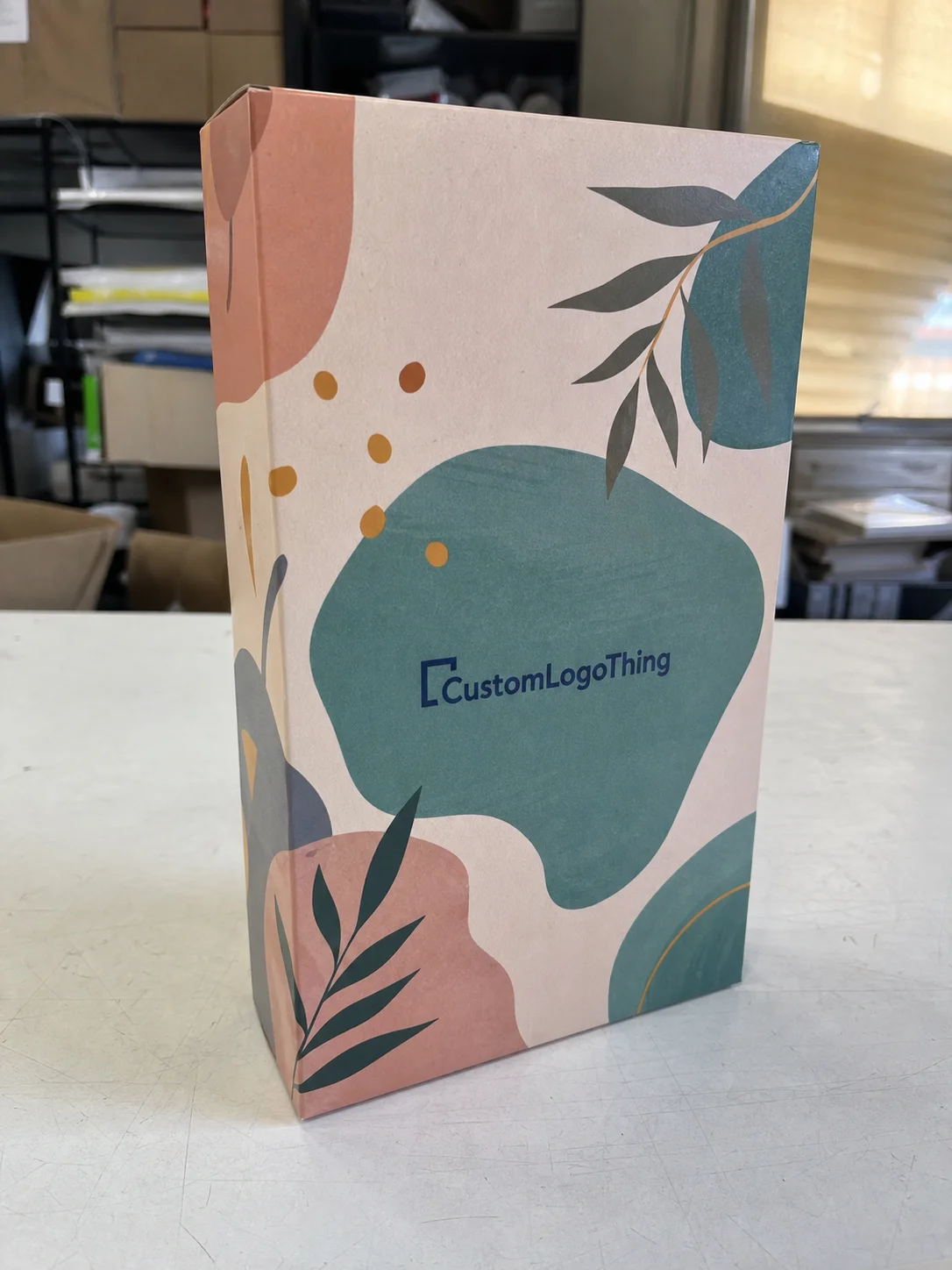
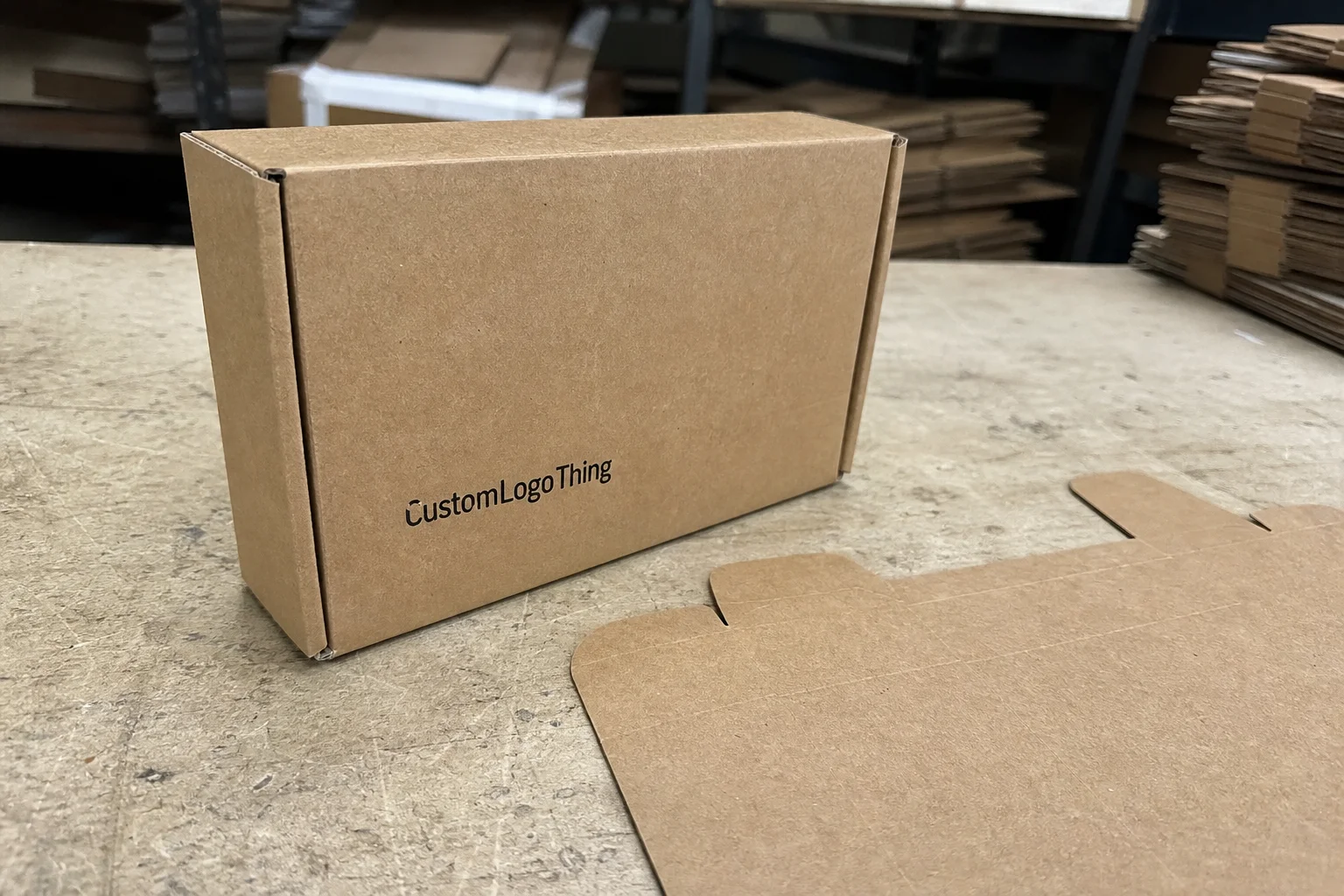
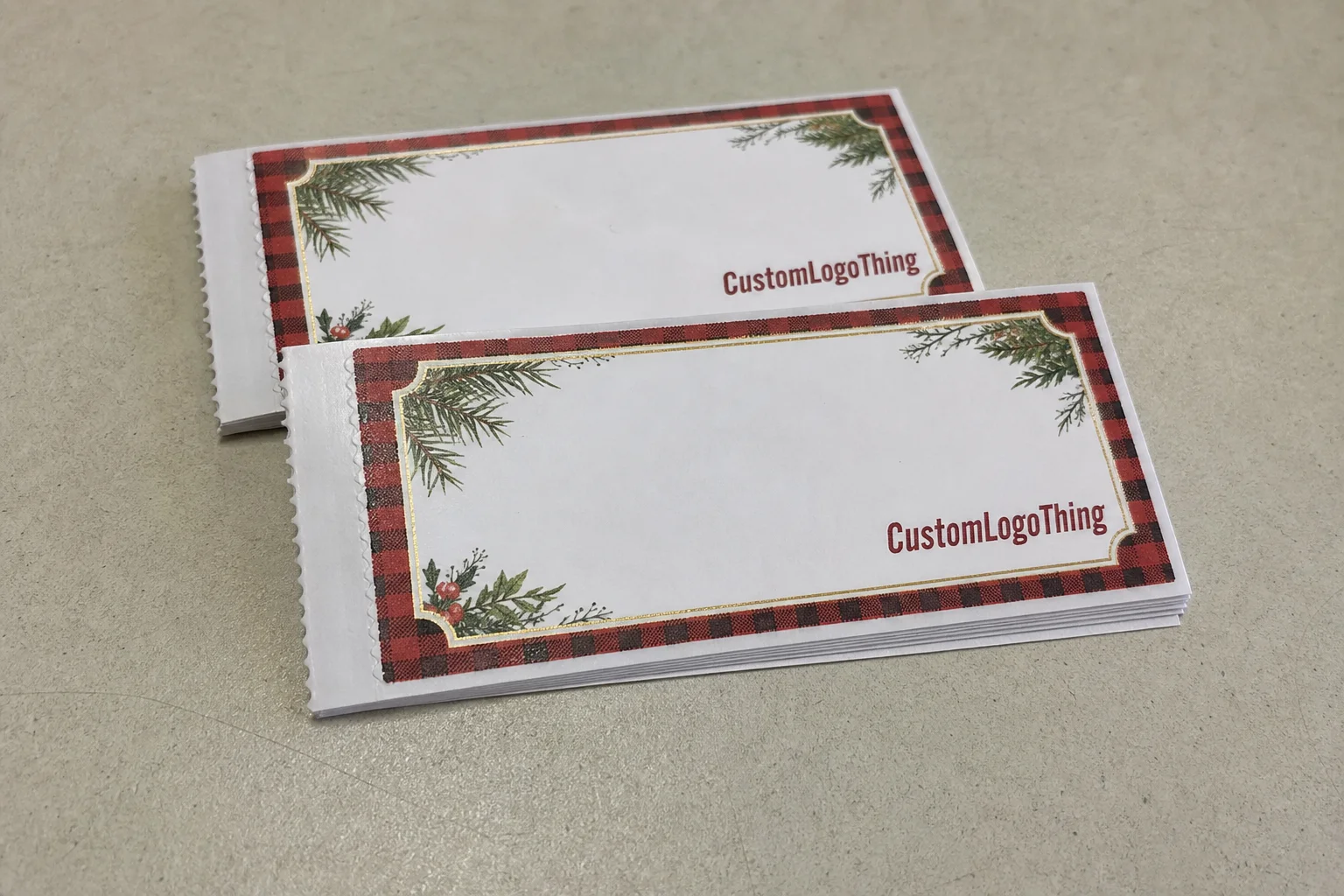
Buyer Fit Snapshot
| Best fit | Seasonal Holiday Packaging Design Holiday Sales projects where brand print, material claims, artwork control, MOQ, and repeat-order consistency need to be specified before quoting. |
|---|---|
| Quote inputs | Share finished size, material target, print colors, finish, packing count, annual reorder estimate, ship-to region, and any compliance wording. |
| Proofing check | Approve dieline scale, logo placement, barcode or warning zones, color tolerance, closure strength, and carton packing before bulk production. |
| Main risk | Vague material claims, crowded artwork, missing packing details, or unclear freight terms can make a low unit price expensive after revisions. |
Fast answer: Seasonal Holiday Packaging Design Holiday Sales: Material, Print, Proofing, and Reorder Risk should be specified like a repeatable production item. The safest quote records material, print method, finish, artwork proof, packing count, and reorder notes in one written spec.
Production checks before approval
Compare the actual filled-product size with the drawing, then confirm tolerance on folds, seals, hang holes, label areas, and retail display edges. Reserve space for logos, QR codes, warning copy, and material claims before decorative graphics fill the panel.
Quote comparison points
Review material grade, print process, finish, sampling route, tooling charges, carton quantity, and freight assumptions side by side. A quote is only useful when the supplier can repeat the same color, closure quality, and packing count on the next order.
Here's a number that should make every brand manager pay attention: 65% of consumers say packaging design influences their holiday gift purchasing decisions. That's not a typo. Two out of every three holiday shoppers are literally judging your book by its cover during the most critical sales period of the year.
In my fifteen years working with packaging suppliers, brands, and retailers across North America, I've watched companies leave millions on the table simply because they treated packaging as an afterthought. Last November, I visited a mid-sized beauty brand in Portland whose holiday kit outsold their standard line by 340%—not because of better formulas, but because their Custom Printed Boxes transformed a forgettable purchase into something worth showing off on social media.
This guide on Tips for Seasonal holiday packaging design isn't about adding tinsel to your existing boxes and calling it done. We're gonna dig into how strategic packaging decisions compound into real revenue during those make-or-break Q4 weeks.
Why Seasonal Holiday Packaging Can Make or Break Your Holiday Season
The holiday shopping season accounts for roughly 30% of annual retail revenue for many consumer brands. When you're operating with that kind of concentration, every packaging decision carries weight it simply doesn't have during slower months.
The Psychology of Holiday Packaging: Why Customers Notice
During the holidays, consumers shift into what behavioral economists call "gift-giving mode." They're buying for someone else, not themselves. That fundamental change means they're more sensitive to presentation, more willing to pay premiums for perceived quality, and more likely to remember brands that deliver memorable unboxing experiences.
I worked with a skincare company in Austin last year that learned this lesson the hard way. Their year-round product packaging was perfectly adequate—clean, functional, recyclable. But during the holidays, customers were buying their serums as gifts, and "adequate" wasn't cutting it. After switching to a two-piece rigid box with magnetic closure and tissue wrapping, their gift-set sales jumped 180% in a single season.
The psychology here is pretty straightforward: gift recipients associate the packaging quality with the thoughtfulness of the giver. Your branded packaging becomes part of the gift-giving ritual.
The Connection Between Unboxing Experience and Brand Loyalty
Unboxing videos aren't just a YouTube phenomenon—they represent a fundamental shift in how consumers evaluate products. A 2023 study by Packaging Digest found that 61% of consumers have shared an unboxing experience on social media, with holiday gifts generating 3x more shares than everyday purchases.
This matters for more than just vanity metrics. Every time someone shares your branded packaging on Instagram or TikTok, you're earning earned media worth far more than equivalent ad spend. But you can only capitalize on that opportunity if your retail packaging is designed to be photographed.
I've seen brands waste perfectly good products by shipping them in plain brown boxes because they ran out of time to print their holiday designs. The result? Customers received what felt like last-minute gifts, even though the actual product was premium quality. Your packaging communicates timing and care.
How Holiday Packaging Influences Purchase Decisions
When shoppers are standing in a crowded retail aisle or scrolling through a crowded e-commerce feed, your product packaging is doing a sales pitch without words. For seasonal items, this visual communication becomes even more critical because you're competing against dozens of other brands trying to capture the same limited gift-giving budget.
Research from the Paper and Packaging Association shows that seasonal packaging variants generate 40% more visual attention than standard SKUs. In practical terms, that means a well-designed holiday box might get noticed while a plain wrapper gets ignored—even when both products sit on the same shelf.
"The holidays aren't just a sales opportunity—they're a brand statement. Your packaging tells customers who you are when they're looking for reasons to choose you over competitors."
Understanding the Core Elements of Effective Holiday Packaging
Before diving into specific tips for seasonal Holiday Packaging Design, you need to understand what actually makes holiday packaging work. I've audited dozens of packaging lines and noticed that the best-performing holiday designs share common DNA.
Visual Storytelling Through Seasonal Design
Great holiday packaging tells a story in about two seconds. The moment a customer glances at your product, they should understand: is this a luxury item worthy of a premium gift? A fun stocking stuffer for kids? An artisanal product with handcrafted appeal?
Visual storytelling happens through every design element working in concert. Illustration style, photography (if used), graphic motifs, and even the arrangement of branding elements all contribute to this rapid communication. I worked with a specialty food brand in Vermont that uses hand-drawn illustrations of their farm partners on their holiday boxes. Customers told us in surveys that the packaging made them feel connected to the people who made the products—exactly the emotional resonance the brand was chasing.
Color Psychology in Holiday Packaging
Color choices during the holidays aren't arbitrary. Traditional holiday palettes (deep reds, forest greens, golds, silver) carry cultural associations that instantly signal "gift-worthy" to shoppers. Research from the Journal of Marketing shows that products using traditional holiday colors are perceived as 23% more appropriate for gifting than products using identical materials in non-holiday colors.
But here's what most brands get wrong: they go too literal. Not every holiday design needs a Christmas tree or menorah. Some of the most effective seasonal packaging uses color strategically without heavy iconography—think rich burgundy with metallic gold accents versus a cartoon Santa. The sophistication level of your color palette should match your product positioning.
For premium products, I've found that restrained palettes with one metallic or foil accent create more perceived value than fully printed multicolor designs. A 350gsm cardstock box in navy with a single gold foil stamp looks more luxurious than the same box printed in four-color process with the same gold element.
Material Selection for Premium Holiday Feel
Material choices do more heavy lifting in holiday packaging than many marketers realize. The tactile experience of unwrapping a gift is a sensory event, and materials determine whether that event delights or disappoints.
Rigid boxes with soft-touch lamination create that premium "gift shop" feeling immediately. I toured a manufacturing facility in Shenzhen a few years ago and watched how different coating treatments transformed identical substrates. A matte laminated kraft box feels warm and approachable; the same kraft with soft-touch coating feels like a luxury product.
For budget-constrained holiday packaging, focus on one premium element rather than spreading budget thin. A custom insert that cradles the product beautifully costs far less than upgrading every material but creates outsized impact on unboxing perception.
Branding Consistency vs. Seasonal Festivity
This is where brands get nervous, and rightfully so. You want holiday packaging to feel festive without abandoning your year-round brand identity. Lose the thread completely and customers won't recognize your product; go too safe and your packaging disappears in the seasonal noise.
The solution isn't complicated: maintain your core brand elements while adding seasonal layers. Keep your logo placement, primary brand colors, and typography family consistent. Then layer in seasonal colors, decorative motifs, and perhaps a limited-edition holiday badge or seal. I worked with a home goods company that added a small holly sprig to their standard logo treatment for the holidays—customers loved it, and it became an annual collectible element.
Step-by-Step Process for Creating Holiday Packaging That Converts
Now that you understand the elements, let's walk through how to actually build holiday packaging that drives sales. These steps assume you're starting from scratch, but they're equally useful for auditing existing seasonal designs.
Phase 1: Conceptualization and Design Planning
Begin with strategic questions before touching any design software. What is this packaging trying to accomplish? Who is the end recipient? How will this product be purchased and delivered?
I typically start client packaging projects with what I call a "use case audit." Walk through every way a customer might encounter your holiday product: wrapped under a tree, placed in a stocking, shipped direct to a recipient, displayed in a retail setting. Each scenario demands different packaging considerations. A direct-to-consumer shipment needs to survive postal handling; a gift-wrapped presentation doesn't—but might need to look beautiful after wrapping paper comes off.
Design conceptualization should happen 5-6 months before your target ship date. Yes, that sounds excessive, but I've watched brands learn the hard way that rushing holiday packaging leads to expensive revisions, quality compromises, and in the worst cases, missed window periods entirely.
Phase 2: Material Selection and Prototyping
Material selection isn't just about aesthetics—it directly impacts your cost structure, sustainability profile, and manufacturing feasibility. When selecting materials for holiday packaging, consider:
- Structural requirements: Does the product need cushioning, rigid support, or flexible containment?
- Print compatibility: Can your chosen substrate accept the printing method needed for your design complexity?
- Finishing options: Soft-touch, spot UV, foil stamping, and embossing all have substrate requirements
- Supply chain reliability: Will materials be available at peak ordering periods?
Prototyping exists to catch problems before they become expensive. I've saved clients tens of thousands of dollars by catching structural issues in $50 prototype samples rather than discovering them in 50,000-unit production runs. Budget at least 3-4 weeks for prototyping iterations.
Phase 3: Production Timeline and Manufacturing
Understanding production timelines prevents the panic I've seen from brands who thought they had more time than they did. Manufacturing lead times vary significantly by complexity:
| Packaging Type | Standard Lead Time | Rush Lead Time | Rush Premium |
|---|---|---|---|
| Flexo-printed mailers | 10-14 business days | 5-7 business days | 25-35% |
| Digital printed folding carton | 12-18 business days | 7-10 business days | 30-40% |
| Offset printed rigid box | 20-30 business days | 12-15 business days | 50-75% |
| Custom corrugated with inserts | 15-25 business days | 10-14 business days | 40-60% |
Those rush premiums are brutal. I watched a DTC brand burn $18,000 in rush charges because they placed their order three weeks too late. Build your production timeline backward from your ship date, and add two weeks of buffer. Always.
Phase 4: Quality Control and Delivery Logistics
Production completion doesn't mean packaging is ready. Quality control processes verify that what arrived matches what you approved. I recommend establishing clear acceptance criteria before production begins:
- Color match tolerance (typically within ΔE 2.0 for critical brand colors)
- Structural dimensions within ±1/16" tolerance
- Finished piece quality: no delamination, unseated inserts, or visible defects
- Functionality testing: does the closure mechanism work? Do inserts properly secure products?
For delivered packaging, coordinate storage logistics. Holiday packaging arriving in October needs proper climate-controlled storage if it won't be used until November/December. Humidity and temperature fluctuations can cause warping, color shifts, and adhesion failures in printed materials.
Typical Lead Times: Planning Your Holiday Packaging 3-6 Months Ahead
Let me be direct: you need 3-6 months from initial concept to packaged product ready to ship. Here's the breakdown I've seen work across dozens of projects:
- Month 1-2: Concept development, strategic planning, initial design concepts
- Month 2-3: Design refinement, material selection, prototyping
- Month 3-4: Design approval, production file preparation, order placement
- Month 4-5: Manufacturing (varies by complexity)
- Month 5-6: Quality control, shipping, storage setup
Many brands ask if they can compress this timeline. Sometimes, yes—if you're using existing structural designs with modified graphics and digital printing. But compression always adds cost and risk. The brands that consistently execute exceptional holiday packaging plan furthest ahead.
Budget-Friendly Holiday Packaging Strategies Without Compromising Quality
I hear the budget concern from nearly every client I work with, and it's legitimate. Holiday packaging costs money, and when you're investing in seasonal inventory, you want assurance that packaging spend delivers returns. The good news: strategic choices can dramatically reduce costs without sacrificing the impact your holiday packaging delivers.
Cost-Per-Unit Analysis for Different Order Quantities
Packaging pricing follows traditional economies of scale, but the breakpoints might surprise you. Here's what I've observed in current market pricing for standard folding carton packaging:
| Order Quantity | Price Per Unit (2-color print) | Price Per Unit (4-color print) | Setup Costs |
|---|---|---|---|
| 500 pieces | $1.85-$2.40 | $2.40-$3.10 | $350-$600 |
| 2,500 pieces | $0.72-$0.95 | $0.98-$1.35 | $450-$750 |
| 5,000 pieces | $0.48-$0.62 | $0.68-$0.88 | $550-$900 |
| 10,000 pieces | $0.32-$0.44 | $0.48-$0.62 | $650-$1,100 |
The jump from 2,500 to 5,000 units cuts per-unit costs by roughly 35%. That math often justifies carrying slightly higher inventory risk. Work with your packaging supplier on exact quotes for your specific specifications—dimensions, materials, and finishing all shift the numbers.
Materials That Deliver Premium Appearance at Lower Costs
Not all "premium" packaging requires expensive materials. Some of the most visually striking holiday packaging I've reviewed uses creative techniques rather than expensive substrates:
- Kraft with color prints: Brown kraft foundation with strategic color printing creates a craft/artisan aesthetic at 20-30% lower cost than white C1S
- Metallic accents on standard substrates: A single Pantone metallic ink on matte stock often reads as more luxurious than full-process printing on premium stock
- Blind embossing: Raised texture without printed color creates tactile luxury at reasonable cost
- Strategic spot UV: High-gloss varnish applied only to design elements creates contrast without full-coverage expensive finishes
Designing for Efficiency: Structural Cost Savings
Every dimension in your packaging affects cost. Standard sheet sizes used by most converters mean custom dimensions often result in significant substrate waste. I analyzed a client's box design that used a non-standard aspect ratio—their material utilization was 62%, meaning 38% of every sheet became scrap.
Redesigning to a standard size improved utilization to 89%. At 10,000 units of a box that uses 0.4 square feet per unit, that efficiency gain saves 1,080 square feet of material—translating to roughly $400-600 in material costs alone, before considering reduced waste handling.
Work with your packaging supplier early in design to understand what standard sizes they can efficiently produce. Sometimes a slightly different dimension saves disproportionate cost.
When to Invest More vs. Cut Costs on Holiday Packaging
Not every dollar saved equals value created. The question isn't "how cheap can we make this?" but "where should we spend to generate returns?"
Invest more in:
- Primary product packaging: Items receiving direct gifting get opened and examined; their packaging deserves quality
- Structural integrity: Damaged products create returns, negative reviews, and disappointed customers
- Core brand elements: Your logo, colors, and identifying marks should always print crisply
Cut costs on:
- Secondary shipping packaging: If products ship in mailers, invest in protection over print complexity
- Interior packaging elements: Tissue paper, shredded fill, and interior wraps can create perceived value without structural costs
- Limited-edition permanence: Seasonal designs won't need durability beyond one holiday cycle
The brands I see consistently execute this balance well treat holiday packaging as marketing investment, not operational cost. The revenue generated from improved conversion and premium positioning should dwarf any packaging premium.
Common Holiday Packaging Mistakes That Kill Sales
After reviewing hundreds of Holiday Packaging Designs and seeing what works (and what spectacularly doesn't), I've catalogued the mistakes that most commonly undermine holiday packaging performance. Avoiding these won't guarantee success, but falling into them almost guarantees failure.
Mistake 1: Overcomplicating the Design
More elements doesn't mean more impact. I've seen holiday packaging designs where every available surface screamed with graphics, colors, and messages. The result was visual noise that communicated nothing.
The best holiday packaging follows a clear visual hierarchy: one dominant message or image, secondary supporting elements, minimal tertiary details. If a design element can't be clearly described in two words, reconsider including it. A single, beautifully executed holiday motif often outperforms a crowded design that tried to be everything.
Mistake 2: Ignoring Sustainability Concerns
Holiday packaging generates waste, and environmentally conscious consumers notice. A 2023 study by GreenPrint found that 71% of consumers prefer sustainable packaging, with that preference intensifying during the holidays when overall consumption spikes.
Sustainability doesn't require expensive materials. Right-sized packaging that eliminates unnecessary void fill, recycled content that maintains visual appeal, and clear recycling instructions all signal environmental responsibility without necessarily increasing costs. I worked with a candle brand that switched from double-walled rigid boxes to single-wall with 100% recycled content—the packaging cost actually decreased while their sustainability-focused customer segment grew 22%.
For reference, you can learn more about sustainable packaging standards from the Forest Stewardship Council and their certification processes.
Mistake 3: Poor Structural Design Causing Damage
Nothing destroys holiday cheer faster than opening a beautiful box to find a broken product. Product damage during shipping ranks among the top reasons for negative reviews and return requests during the holidays.
Structural packaging design deserves the same rigor as graphic design. Custom foam inserts, formed paper pulp cushioning, and properly sized cavities prevent the shifting and impact that damages products. I once reviewed a client's holiday gift set that consistently arrived damaged—they were using generic tissue paper instead of a form-fitting insert for their ceramic mug. A $0.40 molded pulp insert eliminated the damage claims entirely.
ISTA (International Safe Transit Association) provides testing protocols that simulate real shipping conditions. If you're uncertain whether your packaging will survive holiday shipping, I recommend ISTA 3A testing before full production. Learn more about their testing standards.
Mistake 4: Inconsistent Sizing and Poor Fit
Products that rattle inside boxes, require excessive force to insert, or show visible gaps between product and packaging communicate poor quality. The tactile experience of opening and closing your packaging should feel intentional.
Sizing consistency matters most for products being wrapped or shipped. Standard box sizes exist for good reason—work within them when possible. If your product falls between standard sizes, be deliberate about whether you want visible "breathing room" (often appropriate for premium products) or a tight, protective fit (better for shipping-focused applications).
Mistake 5: Forgetting the Unboxing Experience
Opening a gift should feel like a small celebration. If your holiday packaging design treats the unboxing experience as an afterthought, you're missing the emotional connection that transforms first-time buyers into loyal customers.
Consider the full sequence: how does the package feel when picked up? How does it sound when opened? What does the reveal moment look like? Details like tissue paper color, branded stickers that seal the package, and interior printing that makes the unboxing "Instagram-worthy" add minimal cost but significant perceived value.
One of my favorite examples: a chocolate company that prints a thank-you message on the interior lid of their holiday boxes. Customers photograph the reveal moment and the message becomes part of the content. Zero-cost design element generating ongoing earned media.
Expert Tips from Packaging Designers Who've Done It Right
Beyond the fundamentals, here are specific tactical insights I've gathered from designers and brand managers who consistently execute exceptional holiday packaging.
Tip 1: Start Seasonal Design Discussions 5-6 Months Before Launch
I'm repeat this because brands consistently underestimate how long holiday packaging requires. The creative process alone—concepting, revision cycles, stakeholder feedback—can take 8-12 weeks for complex designs. Build that time in before manufacturing timelines even start.
I've worked with brands that treat Q4 as starting in September. Those brands are already behind. Start Q4 planning in Q1. Yes, really.
Tip 2: Test Prototypes With Real Customers Before Mass Production
Internal design teams and stakeholder committees notoriously lack the fresh-eyes reaction that real customers provide. Set up a simple prototype test: give 10-15 target customers your holiday packaging with instructions to unbox as they would a gift. Watch silently, then ask questions.
You'll learn things no amount of internal discussion surfaces. Where do they struggle with opening? What do they notice first? What do they photograph? Do they correctly identify the brand? This feedback is gold, and it's available for the cost of a prototype plus a few hours of customer recruitment.
Tip 3: Balance Holiday Festivity With Year-Round Brand Identity
Your holiday packaging should feel like a festive version of your brand, not a completely different brand that happens to share a product. Maintain recognizable elements while adding seasonal treatments.
A practical test: show your holiday packaging to someone familiar with your brand but without context. Ask them to identify who makes the product. If they guess correctly, you've maintained enough brand consistency. If they're uncertain, your holiday design has wandered too far from core identity.
Tip 4: Consider Dimensional Weight for Shipping Cost Optimization
Shipping costs during holiday seasons spike dramatically, and dimensional weight pricing means oversized packaging can cost more than the actual product. During one peak season audit, I found a client's gift box shipping for $14.50 per unit in dimensional weight charges alone—the box could be reduced 20% in volume without any change in protective function.
Right-sized packaging isn't just an environmental statement—it's a financial imperative. Every cubic inch of excess package volume is money flowing to carriers rather than your bottom line.
Tip 5: Document Your Process for Year-Over-Year Improvement
The brands that get continuously better at holiday packaging treat each season as a learning opportunity. Document what worked and what didn't: production lead time reality versus estimates, customer feedback on unboxing, cost versus performance, supplier reliability. Build a brief post-mortem after each season.
When you return to holiday packaging the following year, that documentation prevents repeating mistakes. I've seen brands cycle through the same problems repeatedly because they never wrote down what went wrong.
What Are the Best Tips for Seasonal Holiday Packaging Design? Your Action Plan
All the strategy in the world means nothing without execution. Here's a concrete action plan you can begin implementing immediately.
Audit Your Current Packaging for Holiday Readiness
Before designing new holiday packaging, understand what you currently have. Compile samples of your existing product packaging. Evaluate: Is it structurally adequate for gifting? Does the current branding provide space for seasonal elements? What would it take to create a holiday variant?
Many brands discover their existing packaging has more holiday-flexibility than they realized. A simple color revision to existing plates can create surprisingly effective seasonal variants without structural redesign.
Define Your Holiday Packaging Budget and Order Quantities
Work backward from expected holiday volume to determine order quantities. If you're uncertain about volume, order in tiers: 70% of expected need in initial order, 30% in follow-on order with longer lead time. Most packaging suppliers offer this flexibility for orders above certain thresholds.
Set your budget based on expected incremental revenue, not just packaging cost. If premium holiday packaging is expected to generate $50,000 in additional holiday revenue, a $5,000 packaging investment has clear ROI.
Connect With Your Design Team or Packaging Supplier
If you have internal design resources, brief them now on holiday packaging needs for the upcoming season. If you're working with an external supplier like Custom Logo Things, initiate discussions about capacity, timelines, and material availability.
The best suppliers book up quickly during peak pre-holiday periods. Reaching out in January for the upcoming holiday season isn't premature—it's strategic. I've seen brands lose their preferred suppliers because they waited until June when calendars were already full.
Schedule Prototyping Before Peak Production Windows
Prototyping slots fill up during manufacturing peak periods. Lock in your prototype timeline before the production crunch arrives. Most suppliers need 2-4 weeks for prototype turnaround, so build that into your schedule.
Request physical samples, not just digital proofs. The way a material feels, the way colors actually print on your substrate, the way structural elements function—these can't be fully assessed from screen proofs.
Create a Quality Checklist for Incoming Holiday Orders
Before production begins, establish acceptance criteria and inspection protocols. Specify acceptable color variation, structural tolerances, and functional requirements in writing. This prevents disputes and ensures you catch quality issues before packaging reaches your products.
Build in an inspection sample rate—typically 1-2% of production—to verify consistency. If your order is 10,000 units, inspect 100-200 randomly selected pieces against your acceptance criteria.
Holiday packaging done right isn't a luxury reserved for big brands with massive budgets. It's a strategic investment that compounds into real revenue during the most critical selling period of your year. The brands that consistently win the holiday season treat their packaging with the same strategic rigor they apply to product development and marketing campaigns.
Start planning earlier than you think necessary. Test more than feels comfortable. And remember: your packaging is the first physical touchpoint between your brand and a gift recipient who might become a customer for life. That unboxing moment? It's not just opening a box—it's the beginning of a relationship. Make it count.
When should I start planning my seasonal holiday packaging design?
Begin conceptualization 5-6 months before your target ship date. Finalize designs and approve proofs 3-4 months ahead, and place production orders 2-3 months before holiday season. This buffer accounts for design revisions, prototyping, and manufacturing lead times that can surprise brands that underestimate the full timeline.
How much should I budget for holiday packaging design?
Design costs typically range from $500-$3,000 depending on complexity. Custom structural design adds $1,000-$5,000 but provides significant differentiation. Per-unit costs decrease 15-40% at higher order quantities, and you should factor in 10-15% overage for damaged goods and quality control samples.
What materials work best for holiday packaging?
Rigid boxes offer premium feel but higher cost ($2-8 per unit). FSC-certified kraft with color printing balances sustainability and cost. Corrugated mailers with custom inserts provide protection and branding. Metallic or foil accents add holiday festivity without full redesign.
How can I make my holiday packaging more sustainable?
Choose recyclable or compostable materials certified by FSC or similar programs. Design for right-sized packaging to reduce dimensional weight and shipping emissions. Use soy-based or water-based inks for printing, and consider reusable packaging designs that extend beyond single use. The EPA provides resources on sustainable packaging standards that may be helpful.
Should my holiday packaging match my year-round brand identity?
Maintain core brand colors and logo placement for recognition. Add seasonal elements like holiday motifs, textures, or accent colors. Create a holiday sub-brand that complements rather than replaces main branding. Test customer response to ensure holiday designs don't confuse brand identity.