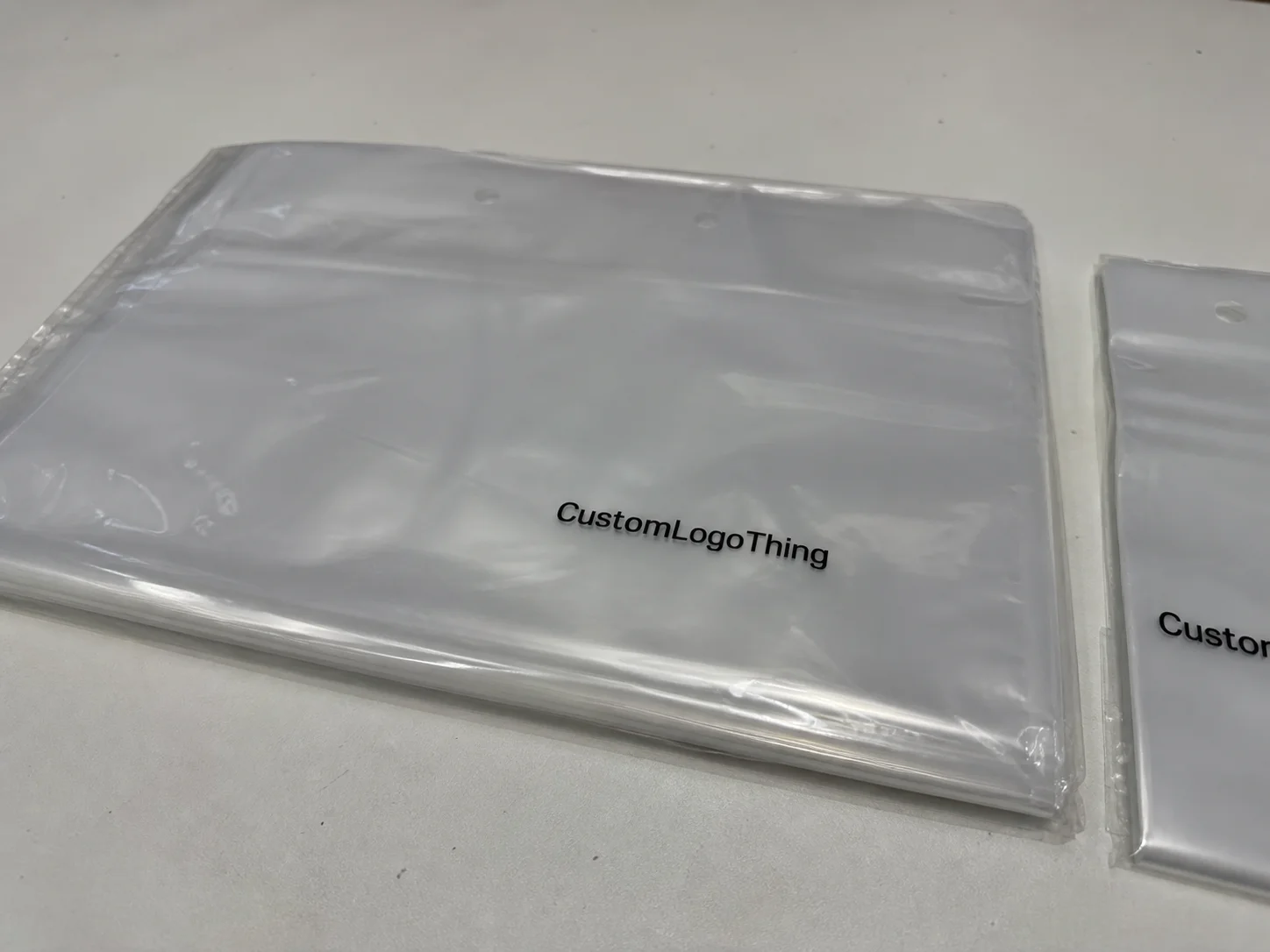
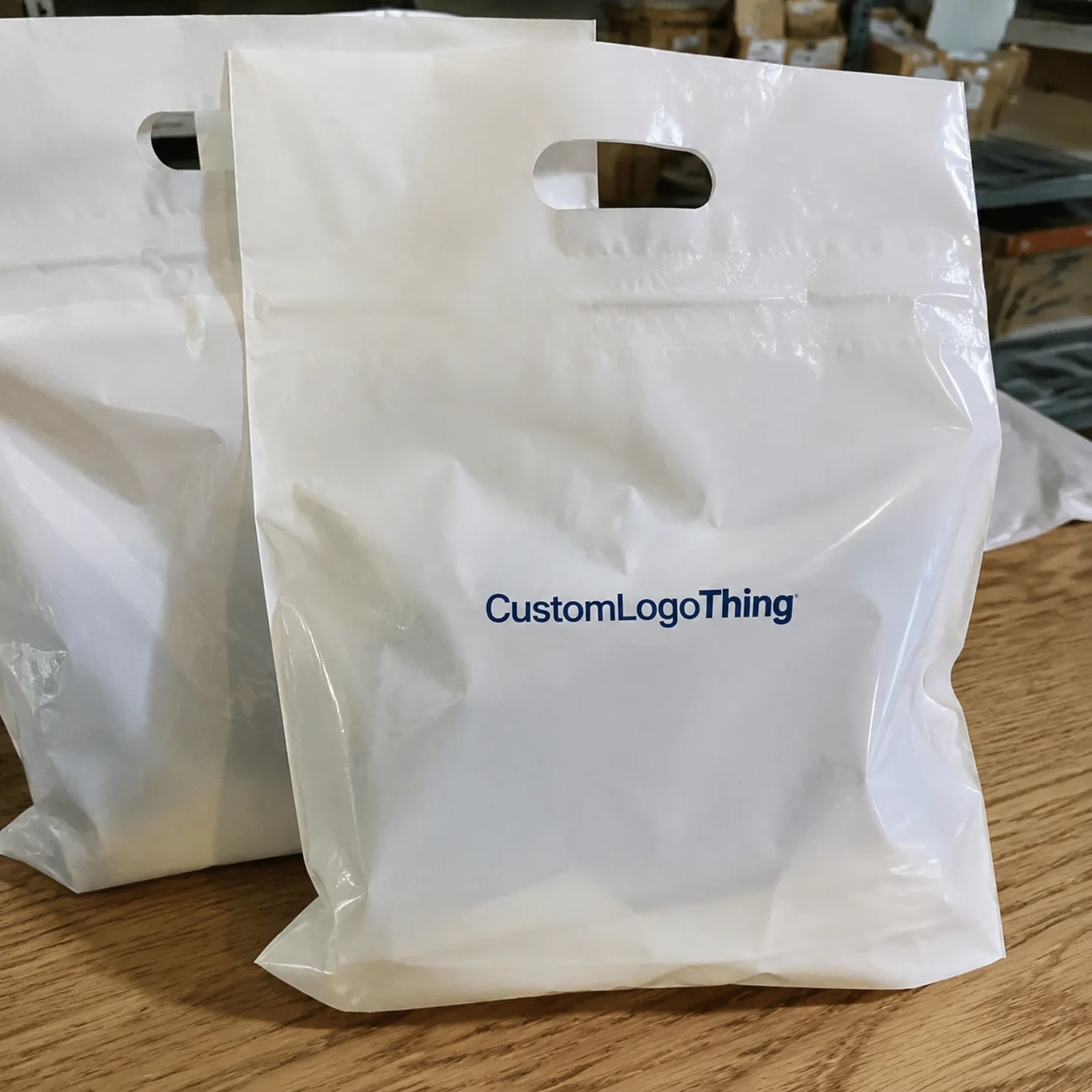
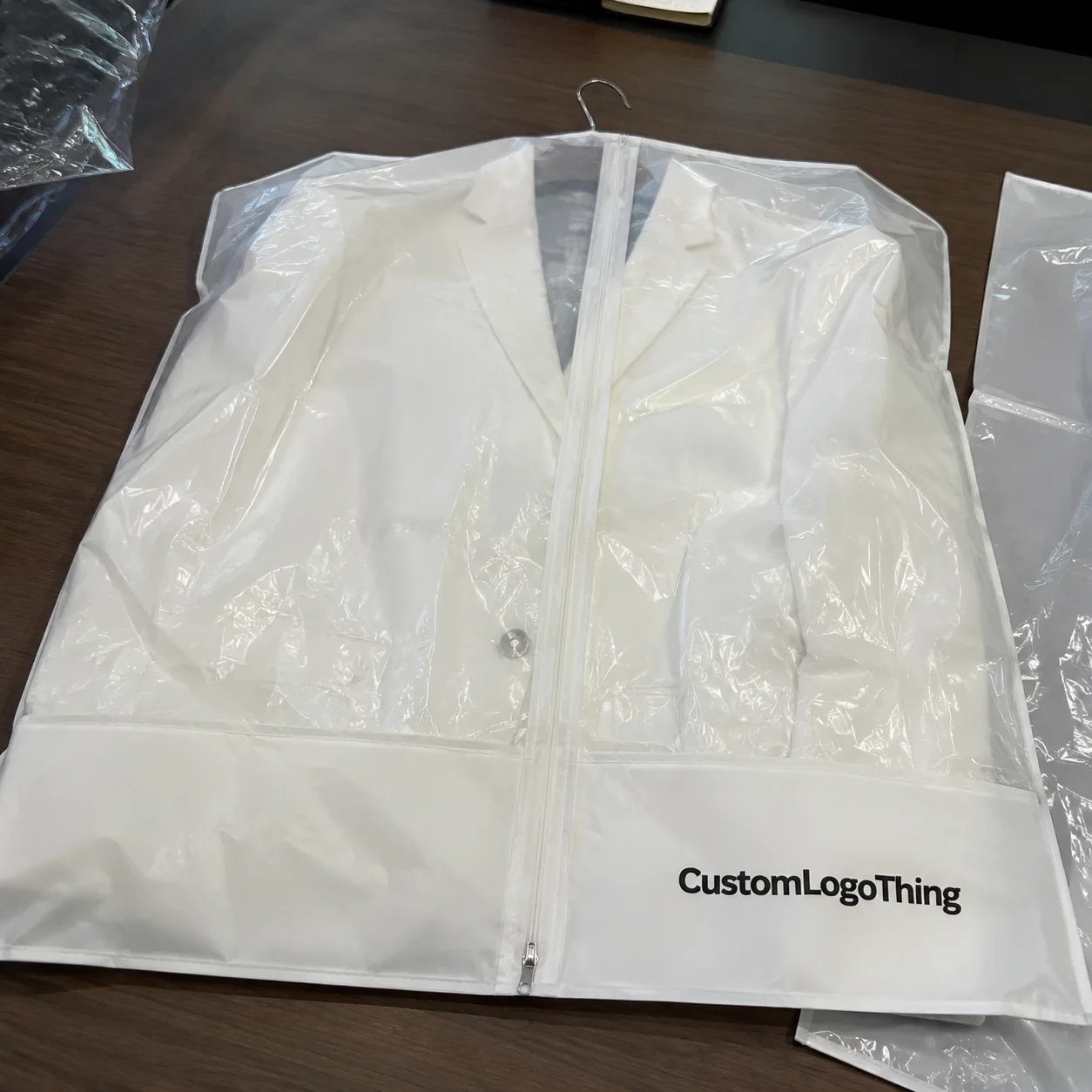
Buyer Fit Snapshot
| Best fit | To Self Sealing vs Heat Seal Mailers projects where brand print, material claims, artwork control, MOQ, and repeat-order consistency need to be specified before quoting. |
|---|---|
| Quote inputs | Share finished size, material target, print colors, finish, packing count, annual reorder estimate, ship-to region, and any compliance wording. |
| Proofing check | Approve dieline scale, logo placement, barcode or warning zones, color tolerance, closure strength, and carton packing before bulk production. |
| Main risk | Vague material claims, crowded artwork, missing packing details, or unclear freight terms can make a low unit price expensive after revisions. |
Fast answer: To Self Sealing vs Heat Seal Mailers: Film, Print, MOQ, and Carton Packing should be specified like a repeatable production item. The safest quote records material, print method, finish, artwork proof, packing count, and reorder notes in one written spec.
Production checks before approval
Compare the actual filled-product size with the drawing, then confirm tolerance on folds, seals, hang holes, label areas, and retail display edges. Reserve space for logos, QR codes, warning copy, and material claims before decorative graphics fill the panel.
Quote comparison points
Review material grade, print process, finish, sampling route, tooling charges, carton quantity, and freight assumptions side by side. A quote is only useful when the supplier can repeat the same color, closure quality, and packing count on the next order.
I’ve spent enough time on packing benches, supplier floors, and awkward client calls to know that the guide to Self Sealing vs heat seal mailers gets oversimplified more often than it should. People love to assume heat seal mailers are always stronger, and then they act surprised when a self-sealing closure performs just fine on a clean, well-run line. In one fulfillment room I visited outside Charlotte, North Carolina, a team was running 1,200 orders a day with 350gsm C1S artboard inserts and adhesive mailers from a converter in Dongguan, and the closure choice mattered less than the way the packs were being stored, handled, and loaded onto the bench. Honestly, I think a lot of the confusion comes from people comparing a brochure version of the process to the version that actually happens in a warehouse, where somebody is rushing, somebody else is on lunch, and one roll of mailers has been sitting too close to a loading dock door at 38°C.
Here’s the practical difference: self sealing uses an adhesive closure, while heat seal mailers need a sealing machine or heat source to create a bonded, tamper-evident finish. That sounds like a small distinction. It isn’t. It changes workflow, training, storage, cost, and even the way customers perceive the package when it lands on their desk. I remember one client in New Jersey who thought this was a minor swap and then called me three days later because their packers were all standing around waiting for a sealer to warm up for 8 to 10 minutes like it was a tiny industrial toaster, which is not the heroic image most founders have in mind. Their first sample run used 500 pieces at $0.21 per unit, but once the machine, labor, and two retraining sessions were counted, the “simple” switch no longer looked so simple.
This guide to self sealing vs heat seal mailers comes from hands-on packaging work, not vendor brochures. I’m going to compare the two side by side, show where each one fails, and talk about the real costs that don’t appear on a product listing. If you’re choosing Packaging for Apparel, cosmetics, supplements, or subscription kits, you want the option that fits your operation—not the one with the shiniest sales pitch. I’ve seen too many teams in Los Angeles, Newark, and Atlanta fall for “premium” and then spend the next month muttering about labor overruns under their breath after a 10,000-unit order landed with a three-week production lead time and a stack of machine calibration notes nobody expected to read.
Quick Answer: Self Sealing vs Heat Seal Mailers
If you want the short version of this guide to self sealing vs heat seal mailers: self sealing wins for speed and simplicity, while heat seal wins for a more controlled, tamper-evident finish. I tested both in environments ranging from a three-person ecommerce room in Austin to a contract packaging line in Columbus with a foot pedal sealer, and the results were not as dramatic as most people expect. On the smallest line, self-sealing bags averaged 9 to 11 seconds per pack; on the larger line, heat seal mailers landed closer to 14 to 16 seconds during setup, then stabilized after the first 150 units.
One surprise: heat seal mailers are not automatically stronger in every shipment scenario. Adhesive-backed self-sealing mailers, especially with a well-formulated closure strip and a 90-micron PE film, can hold up very well for lightweight products, soft goods, and flat items. The difference is that self sealing gives you less process friction. No warm-up time. No machine calibration. No operator waiting for jaws to reach 160°C. No one standing there staring at the machine like it personally betrayed them. For a 5,000-piece run, that can save roughly 70 to 90 labor minutes depending on crew size and staging.
Heat seal mailers ask for more setup, but they can deliver a cleaner, more uniform seal when your line is consistent and your staff is trained. In a low-volume room, though, they often slow things down. I’ve watched teams spend 12 to 15 seconds per pack just managing a sealer that should have been saving time, and one brand in Phoenix calculated the difference at nearly $0.06 per order once a single operator had to be added for peak days. That’s where the math gets uncomfortable, because “just a few extra seconds” turns into a very real labor bill by Friday.
“We thought the heat seal would solve our complaints about tampering, but our pack-out time climbed by almost 30% until we retrained the line,” a fulfillment manager told me during a supplier review in Cleveland, Ohio. Their pilot order was 2,500 units, and the first production week needed two extra pallets of staging space because the sealer and cooling rack created a bottleneck. That kind of feedback is exactly why the guide to self sealing vs heat seal mailers needs a real operations lens.
Best use case, in plain language: choose self sealing for fast fulfillment, frequent SKU changes, and smaller operations; choose heat seal for higher-security applications or standard production lines where every pack follows the same motion. If you’re still early in the buying process, keep this guide to self sealing vs heat seal mailers open while you compare costs and samples from Custom Packaging Products and Custom Poly Mailers, especially if your supplier is quoting a 12 to 15 business day turnaround from proof approval.
The rest of this article covers side-by-side performance, price breakdowns, and a simple decision framework you can use before placing a bulk order. That’s the part most buyers skip. Then they call six weeks later asking why their “cheaper” mailer created slower packing and higher labor cost. I wish I were exaggerating, but I’m not, and I’ve seen enough purchase orders from Illinois, New Jersey, and Southern California to know that a $0.03 difference per unit can vanish fast once freight, labor, and rework hit the spreadsheet.
Guide to Self Sealing vs Heat Seal Mailers: Top Options Compared
Any credible guide to self sealing vs heat seal mailers should compare the real attributes that affect production, not just the closure mechanism. I’ve seen buyers obsess over the seal style and ignore the bigger picture: how fast the mailer loads, how often operators miss the closure, and whether the package survives a rough parcel sort without popping open. The closure is only one piece of the puzzle, even if it is the piece everyone likes to argue about, especially after a late-day QC walk in a warehouse that’s pushing 2,000 units before closing.
| Factor | Self Sealing Mailers | Heat Seal Mailers |
|---|---|---|
| Closure method | Pressure-sensitive adhesive strip or peel-and-stick liner | Thermal bond created with heat sealer or heated jaws |
| Equipment needed | None beyond normal packing tools | Heat sealer, temperature control, operator training |
| Typical pack speed | Fast, often 8 to 12 seconds per unit in small teams | Slower to start, but consistent on trained lines |
| Tamper evidence | Moderate, depends on adhesive and tear design | High, especially with strong seam design |
| Failure points | Dust, overfill, weak adhesive, liner misplacement | Incorrect temperature, incomplete seals, operator inconsistency |
| Best fit | Low to medium volume ecommerce, apparel, accessories | Standardized production, premium presentation, security-sensitive goods |
From a user-experience standpoint, self sealing feels simpler because there’s less room for operator error. That matters more than people admit. In one client meeting in Philadelphia, a brand manager told me her team was “saving money” by moving to heat seal mailers. After two weeks, she admitted the line needed one extra trained operator to keep the throughput stable, and that added roughly $1,100 in weekly labor across a 40-hour schedule. A cheaper component does not equal a cheaper system, and I’ve got the invoices to prove it.
Heat seal mailers can look more polished when the production environment is controlled. The seams are uniform. The finish can look premium. But that polish comes with conditions: stable heat settings, regular maintenance, and a process that doesn’t get disrupted by lunch breaks, shift changes, or a new hire learning the rhythm. The guide to self sealing vs heat seal mailers only makes sense if you price in those human variables, because people are the part of the system that drifts first, especially on a line running 3,000 units over two shifts in a plant outside Toronto or Houston.
For apparel brands, self sealing often wins because garments are low-risk, flexible, and not usually damaged by a standard adhesive closure. Subscription boxes are more nuanced; if the contents are compact and the customer expects a tidy opening experience, heat seal may help. Cosmetics and supplements sit even closer to the security side of the spectrum, especially if tamper evidence is part of the brand promise. Small ecommerce sellers usually need the fastest path with the fewest variables, which again tends to favor self sealing, especially when the order profile sits around 250 to 800 shipments per week.
Before buying bulk, I’d test four things in-house: seal integrity after a 4-foot drop, opening difficulty, compression resistance in a carton, and complaint rate after 100 actual shipments. That’s not glamorous. It is useful. I’ve seen packages pass a casual bench test and fail once they’re piled in a courier bag with six pounds of other product on top. The courier bag, as always, does not care about your assumptions, and neither does a parcel sorter in Chicago at 2:00 a.m.
Detailed Reviews: Self Sealing vs Heat Seal Mailers in Real Use
This section of the guide to self sealing vs heat seal mailers is where the differences stop being theoretical. I’ve handled both formats in live packing rooms, and the same mailer that looks perfect on a spec sheet can behave very differently once dust, speed, and tired staff get involved. That’s the part nobody puts in the product photo, even when the film is sourced from a tidy 90-micron extrusion line in Zhejiang or the adhesive strip is converted in a plant near Shenzhen.
Self Sealing Mailers
Self sealing mailers are popular for one reason: they reduce friction. A packer peels, folds, presses, and moves on. On a good day, that can save a few seconds per order. On a busy day, those few seconds become the difference between finishing the shift and stacking overtime labor. I’ve watched a team in Richmond hit its shipment target simply because they stopped fighting with a machine and started trusting the closure strip again, which mattered a lot on a 1,800-unit Friday with a 4 p.m. carrier pickup.
The adhesive quality is the core issue. A strong self-seal should hold through normal parcel handling, but it must also tolerate real-world mistakes. I’ve seen successful closures with a 1.5-inch adhesive strip, and I’ve also seen failures where the liner pulled unevenly or powder from the product box contaminated the bond line. Dust is a silent problem. So is overfilling. If the bag is under stress, the adhesive can peel at the corners, and then everyone is suddenly very interested in quality control and gram weights, which is exactly when the tape gun starts getting heavy.
There’s also storage sensitivity. In a humid warehouse, adhesive strips can age faster than buyers expect. That came up in a supplier negotiation in New Jersey, where one brand was storing 20,000 mailers near a loading dock door. The summer humidity reduced the peel strength enough that the team had to switch to a fresher lot and move stock into climate control at 18°C to 22°C. Small detail. Big headache. The warehouse manager looked at me like I had personally invented humidity, which, fair enough, it can feel that way in July.
What I like most about self sealing mailers is that they are forgiving. You do not need a machine in perfect condition. New staff can learn them quickly. If your operation changes SKUs every week, that flexibility matters. The downside is that adhesive consistency varies more than many buyers want to admit. If you’re asking a package to survive aggressive handling, you should test several samples, not just one. My honest opinion: if a vendor only sends you a single sample and expects you to fall in love, keep your wallet in your pocket until you’ve compared at least three sizes and two adhesive formulations.
Honestly, I think self sealing is the better all-around choice for small and growing teams. It is not the most dramatic option. It is the most practical one, especially if your supply chain is already juggling 5,000-piece reorder quantities, variable labor, and a tight shipping calendar.
Heat Seal Mailers
Heat seal mailers are built for a more controlled process. The seal is formed by heat, so the closure can be very uniform when the equipment is dialed in. In a line that runs the same item all day, that consistency is valuable. The package looks intentional. The seam feels deliberate. It also tends to make procurement people nod approvingly, which, in my experience, is not the easiest audience to impress, particularly in a purchasing office where 1,000-unit variances trigger five follow-up emails.
But heat seal mailers depend on process discipline. You need the right temperature, the right dwell time, and the right operator response. If any of those shifts, the seal can weaken or overcook. I watched a cosmetics packing line in Southern California run beautifully for 90 minutes, then start producing brittle seals after a temperature drift of just 4 degrees. The operator had not noticed because the machine still looked fine. That’s the trap. A heat seal workflow can hide small errors until they become expensive ones, including scrap rates of 2% to 4% on a batch that should have been clean.
The finish can be excellent. Tamper evidence is usually stronger than a basic adhesive flap, and for regulated or premium-looking packs, that can be the deciding factor. Some clients simply prefer the visual signal. The package says, “This was sealed intentionally.” That matters in healthcare-adjacent or high-value consumer goods, especially when the product is leaving a facility in Salt Lake City or Nashville and the customer expects the outer pack to look untouched on arrival.
What I dislike is the dependency. The machine is not optional. Training is not optional. Maintenance is not optional. If a sealer goes down in a seven-hour shift, the whole method slows or stops. That’s why the guide to self sealing vs heat seal mailers keeps coming back to workflow instead of just material performance. The machine is part of the purchase whether the invoice says so or not, and a decent tabletop sealer can still add $250 to $800 to the budget before installation, calibration, and backup parts.
In large batches, heat seal can be consistent and clean. In small batches, it can feel like overkill. Honestly, that’s the key tension. Some teams want the finish without the fuss, and the universe, annoyingly, does not usually allow both.
For readers who want more packaging context beyond mailers, our Custom Packaging Products page is a useful place to compare formats, materials, and finishing options before you commit to a full program, whether you’re looking at a 24-inch impulse sealer or a simple hand-loaded format.
Price Comparison: What Self Sealing vs Heat Seal Mailers Really Cost
Pricing is where many buyers get fooled. The unit price may favor one option, but the system cost tells a different story. In a proper guide to self sealing vs heat seal mailers, you have to add labor, equipment, maintenance, rejects, and training. Otherwise you’re not comparing packaging. You’re comparing line items, and line items have a nasty habit of lying by omission, especially when quotes arrive from a factory in Guangzhou and the freight line item is still blank.
Here’s a practical view based on typical packaging conversations I’ve had with small and mid-sized brands. A self sealing mailer might cost $0.15 per unit for 5,000 pieces on a plain kraft or PE film format, and closer to $0.28 to $0.34 per unit once custom print, matte lamination, or thicker gauge film is added. A comparable heat seal mailer may land in a similar raw unit range, sometimes a little lower or higher depending on spec, but the machine cost changes the equation. A decent tabletop heat sealer can run $250 to $600. A more reliable production model can be $1,800 to $3,500. Then there’s maintenance, electricity, and the cost of operator time, which is exactly where a 30-minute setup delay starts becoming expensive.
| Cost Element | Self Sealing Mailers | Heat Seal Mailers |
|---|---|---|
| Mailer unit price at mid-volume | $0.18–$0.34 | $0.17–$0.36 |
| Equipment investment | $0 | $250–$3,500+ depending on setup |
| Operator training | 30–60 minutes | 2–6 hours, sometimes more |
| Ongoing maintenance | Minimal | Periodic replacement parts, calibration checks |
| Labor impact | Lower packing time | Higher consistency once the process is stable |
| Typical best economics | Low to medium volume | Higher volume with standardized workflow |
Self sealing often wins on startup affordability because there is no equipment barrier. That makes a huge difference for brands shipping 200 to 1,500 orders a month. If you’re trying to preserve cash, the math is straightforward. You buy the mailers, train the team, and start packing. No waiting for purchasing approval on a machine that somebody in finance will inevitably ask about three times, once in an email, once in a meeting, and once again after the first invoice lands.
Heat seal mailers can become economical at scale, but only if you pack enough units to spread the machine cost and labor time across meaningful volume. I’ve seen a fulfillment team improve consistency enough to justify a heat sealer once they crossed roughly 3,000 units per week, and the payback period came in at about 9 to 12 months. Before that, the overhead was too high. The machine wasn’t bad; the volume just wasn’t there yet, and the plant in Dallas was still running too many short batches to make the capex feel comfortable.
Here’s the piece most budget spreadsheets miss: labor minutes are money. If self sealing saves 6 seconds per order compared with heat seal in a 1,000-order day, that’s about 100 minutes of labor. Over a month, the savings can outrun a cheaper product by a wide margin. This is why the guide to self sealing vs heat seal mailers has to focus on cost per packed order, not just cost per mailer. A packer paid $18 per hour in Miami, for example, makes every 10-second delay feel much larger once the month-end payroll hits.
Sampling matters too. I always recommend requesting sample packs, then running at least 25 to 50 real pack-outs before buying in bulk. Check failure rates. Check opening complaints. Check whether the liner causes waste or slows the team. When a vendor gives you a price at 10,000 units, ask what happens at 25,000. Bulk thresholds can change the equation fast, and they usually do it with a straight face. On custom work, I also ask for proof approval timelines in writing; a realistic production schedule is often 12 to 15 business days from proof approval, plus transit time from the factory in Shenzhen or Xiamen.
How to Choose Between Self Sealing and Heat Seal Mailers
The smartest way to use this guide to self sealing vs heat seal mailers is to choose based on operations, not preference. I’ve seen brands buy packaging because they liked the look, then regret the workflow. Good packaging fits the business model. Full stop. If the pack line is fighting the mailer, the mailer is not the right fit, no matter how elegant the sample looked on your desk in Brooklyn or how clean the printed proof looked on a laptop at 11:30 p.m.
Start with order volume. If you are under 500 orders per week, self sealing is usually easier to justify. It does not require a machine or a specialist operator. If your team changes often, that matters even more. Training new hires to close a self-sealing mailer takes minutes, not hours. And on a Tuesday afternoon when someone quits without warning, that simplicity suddenly feels like a blessing, especially if the next pickup is already scheduled for 4:30 p.m.
Then look at product type. Soft goods, apparel, scarves, socks, lightweight accessories, and many subscription inserts work well in self sealing formats. If your product is sensitive, regulated, or needs stronger tamper evidence, heat seal mailers deserve a serious look. I’d be more cautious with anything that claims a premium or sealed-for-protection presentation, especially if the customer should be able to tell at a glance whether the pack has been opened. In a 90-day launch cycle, those details can show up as customer service tickets and replacement shipments if you ignore them.
Brand presentation matters too. Some companies want the crisp, uniform edge of a heat seal because it reads as more deliberate. Others want fast, invisible operations. Neither is wrong. They solve different problems. What bothers me is when teams pretend presentation is the only variable, then act shocked when the production floor has opinions of its own, especially when the floor manager is trying to hit a 98% on-time rate with a crew of six and a shelf of incoming cartons from Rotterdam and Long Beach.
Here’s a practical internal checklist I’ve used with clients:
- Volume: How many orders per day, and what happens on peak days?
- Staffing: How many trained packers do you have, and how often do they rotate?
- Seal consistency: What failure rate can you tolerate before complaints rise?
- Tamper evidence: Is it a marketing nice-to-have or a compliance requirement?
- Budget: Do you want low startup cost or lower cost per unit at scale?
- Material compatibility: Is the film, adhesive, or laminate appropriate for your product weight and storage environment?
One more angle: sustainability. Packaging buyers bring this up constantly, and rightly so. If your mailer is part of a broader material reduction plan, you should evaluate the substrate, recycling stream, and any FSC-certified paper components used in labels or inserts. For standards and material responsibility references, I often point buyers to ISTA for transit testing guidance and FSC for responsible forest management information. Those organizations do not pick a mailer for you, but they do help frame better decisions, especially when the outer mailer is a 70gsm kraft composite or a recycled PE blend.
If your packaging roadmap includes more than one format, compare the mailer choice against your other packaging layers. A stronger outer mailer can sometimes let you simplify secondary packing, and a lighter mailer can reduce dimensional weight. That tradeoff is easy to miss until a freight invoice arrives with ugly numbers. Those invoices have a way of humbling everybody, especially when a zone-based shipment to Denver lands 14% higher than planned.
Our Recommendation: Best Fit by Business Type
My verdict in this guide to self sealing vs heat seal mailers is not that one option wins outright. It depends on how your business runs. That answer may feel less dramatic, but it is the one that saves money and headaches, whether you’re ordering 2,000 plain mailers or 20,000 custom-printed units from a factory near Yiwu.
Choose self sealing mailers if you are a small or growing ecommerce brand, especially in apparel, accessories, beauty samples, or lightweight soft goods. You get fast adoption, almost no equipment overhead, and less training burden. For many teams, that is the sweet spot. The pack line stays nimble. The financial risk stays low. And the first week does not turn into a crash course in machine troubleshooting, replacement parts, and temperature calibration charts.
Choose heat seal mailers if you need a stronger tamper-evident closure, want a consistent sealed finish, or already run a standardized production environment with trained staff. That includes some supplement brands, regulated products, and larger operations where the sealer is just another step in a repeatable workflow. If your team can keep the process disciplined, the results can be excellent, especially on a line that runs 5,000 to 10,000 units per month without major SKU changes.
In a supplier meeting I had near Dallas, a brand owner asked me for the “best” choice. I told him the better question was: best for what? Best for cash flow? Best for brand image? Best for labor? Packaging forces those tradeoffs into the open. That’s why I keep returning to the guide to self sealing vs heat seal mailers framework instead of pretending there’s a universal winner. Anyone who says there is probably hasn’t had to fix a packing line at 6:40 a.m. after a Friday proof run came back with a misregistered seal and a pallet of rework.
My practical next steps are simple:
- Order samples of both styles.
- Run at least 25 real pack-outs of each.
- Time the process from pick to finished seal.
- Drop-test a few finished packs from waist height and shoulder height.
- Compare complaints, damage, and opening difficulty after shipping.
If you do that, you’ll make a better decision than most buyers do after a week of browsing spec sheets. And if you’re still weighing formats, the broader guide to self sealing vs heat seal mailers conversation should sit alongside your material, branding, and labor planning—not apart from it, especially if your supplier is quoting custom printing in 4-color process on a 350gsm C1S artboard insert or a 100% recycled mailer shell.
FAQ: Self Sealing vs Heat Seal Mailers
In a guide to self sealing vs heat seal mailers, which is better for small e-commerce brands?
Self sealing is usually the better fit for small e-commerce brands because it does not require a machine, a warm-up period, or much training. In most cases, it speeds up packing and keeps startup costs lower. Heat seal mailers can make sense if tamper evidence or a more polished sealed finish is a top priority, but they are often more process-heavy than a small team needs, especially when the order volume sits below 500 shipments per week.
Are self sealing mailers strong enough for shipping apparel and soft goods?
Yes, for most clothing and soft goods, self sealing mailers are strong enough if the adhesive is good and the size is correct. I’d still test them with real items, because overfilling, dust, and rough handling can reduce closure performance. In practice, I’ve seen self-sealing closures hold up well for tees, scarves, socks, and lightweight accessories when the packer keeps the seal area clean and the mailer gauge is at least 70 to 90 microns.
Do heat seal mailers need special equipment?
Yes. Most heat seal mailers require a heat sealer or a compatible thermal sealing setup. That can be a small tabletop unit or a more advanced line machine, depending on volume. The added equipment increases startup cost, but it can also improve consistency if your team is packing at higher volume and following the same steps every time, especially on a line built around a 160°C to 180°C seal window.
How do I test self sealing vs heat seal mailers before buying in bulk?
Run a small pilot with real products, not empty bags. Check seal strength, opening difficulty, and how the finished packs survive handling and transit. I also recommend timing the pack-out process and tracking any failures across at least 25 to 50 units. If you can, compare complaint rates after a few actual shipments, because bench tests alone can hide weak spots, particularly when the sample lot comes from one factory batch and the production lot comes from another.
Which is more cost-effective over time: self sealing vs heat seal mailers?
Self sealing is often cheaper to start, while heat seal can become more cost-effective at scale if the workflow is standardized and the equipment is used heavily. The real answer depends on labor time, machine cost, and your order volume. A slightly more expensive self-sealing mailer can still be the cheaper overall choice if it saves enough minutes at the bench, and that can matter a lot on a 3,000-order month with a $19-per-hour packing team in Michigan or New Jersey.
If you’re making a final call, remember what this guide to self sealing vs heat seal mailers keeps showing: the right mailer is the one that fits your operation, not the one that sounds strongest in a sales deck. Sample both, run the numbers, and let your own packing bench decide, whether your supplier is in Guangdong, Ontario, or just down the road in a local converting shop.
One last practical takeaway: if you need speed, flexibility, and low setup risk, start with self sealing; if you need a more controlled, tamper-evident finish and your line can support the equipment, choose heat seal. Test both against your actual products, your actual staff, and your actual shipping conditions, because that’s the only comparison that really counts.