Buyer Fit Snapshot
| Best fit | minimalist custom packaging for apparel for packaging buyers comparing material specs, print proof, MOQ, unit cost, freight, and repeat-order risk where brand print, material, artwork control, and repeat-order consistency matter. |
|---|---|
| Quote inputs | Share finished size, material target, print colors, finish, packing count, annual reorder estimate, and delivery region. |
| Proofing check | Approve dieline scale, logo placement, barcode or warning zones, color tolerance, and any recyclable or compostable wording before bulk production. |
| Main risk | Vague material claims, crowded artwork, or missing packing details can create delays even when the unit price looks attractive. |
Fast answer: Minimalist Custom Packaging for Apparel: Material, Print, MOQ, and Cost should be specified like a repeatable production item. The safest quote includes material, print method, finish, artwork proof, carton packing, and reorder notes in one written spec.
What to confirm before approving the packaging proof
Check the product dimensions against the actual filled item, not only the sales mockup. Ask for tolerance on folds, seals, hang holes, label areas, and retail display edges. If the package carries a logo, QR code, warning copy, or legal claim, reserve that space before decorative graphics fill the panel.
How to compare quotes without losing quality
Compare board or film grade, print process, finish, sampling route, tooling charges, carton quantity, and freight assumptions side by side. A lower quote is only useful if the supplier can repeat the same color, closure quality, and packing count on the next order.
Quick Answer: The Best Minimalist Custom Packaging for Apparel
The Best Minimalist Custom packaging for apparel usually does three things well: it looks calm, it ships without drama, and it protects your margin. I learned that the hard way on a factory floor in Dongguan, where a founder insisted on a five-color, soft-touch, foil-stamped mailer for $2 hoodies. The box looked nice. The freight bill looked ridiculous. The best Minimalist Custom Packaging for apparel often wins because it stays simple, not because it chases the lowest sticker price. A clean one-color box in 350gsm C1S artboard or 32 ECT corrugated board can do more for perceived value than a pile of finishes and a prayer.
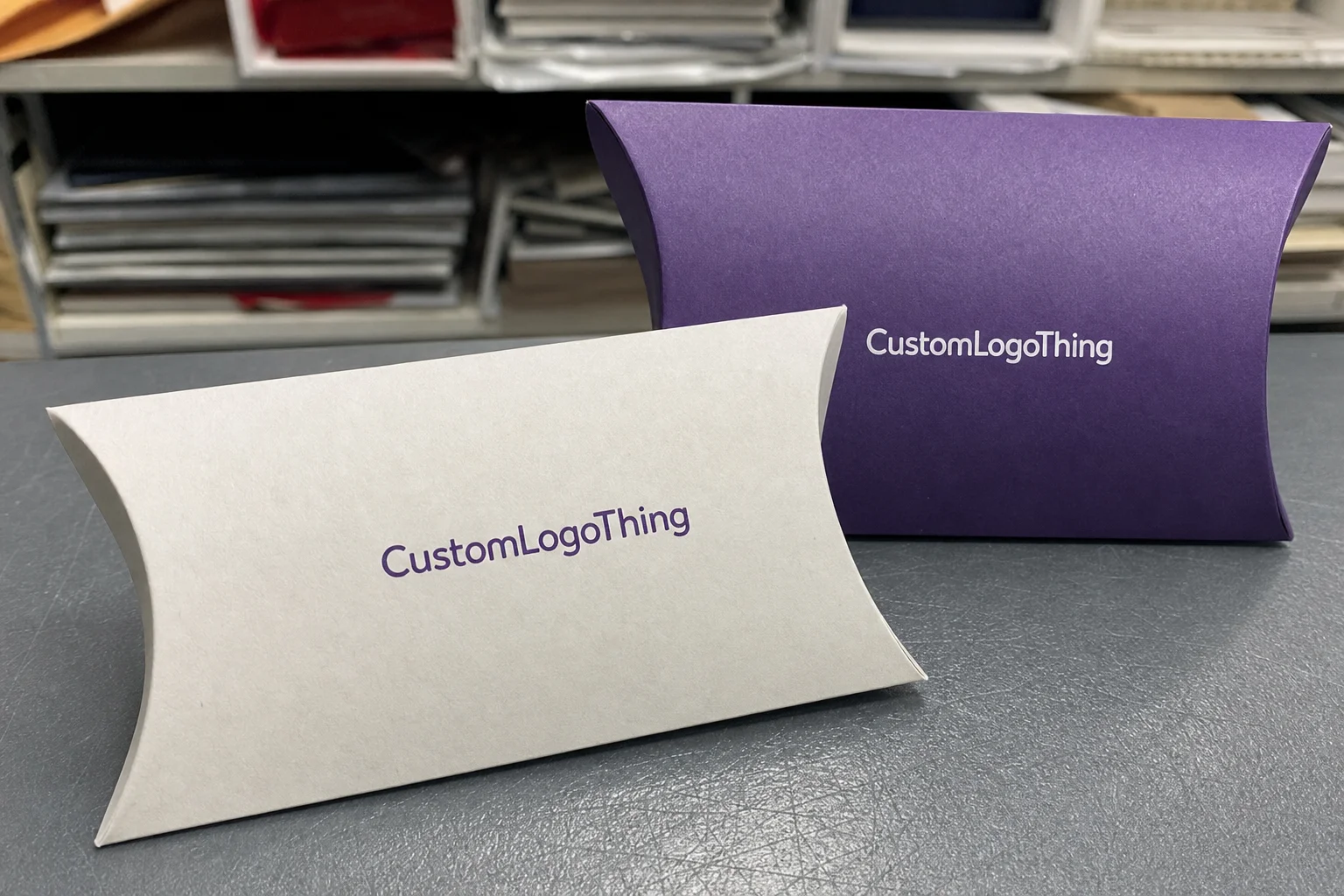
Here’s the blunt version from years of sampling boxes, arguing with suppliers, and watching cartons get mangled in transit: the simplest mailer box often beats the fanciest print job. Minimalist apparel packaging means clean structure, one-color print, subtle embossing or debossing, recycled paperboard, and very little visual clutter. It does not mean boring. It means the package lets the garment do the talking instead of trying to audition for attention. Which, frankly, is refreshing. I’ve seen enough packaging that screamed “look at me” to last a lifetime, including a rose-gold mailer that added $0.42 per unit at 5,000 pieces and still looked like a lipstick box.
If you sell premium basics, the Best Minimalist Custom packaging for apparel is usually a custom mailer box with a single-color logo on Kraft or white SBS board. If you run a DTC clothing brand and need a lower cost per order, tissue wrap plus a branded sticker and belly band can look polished without turning your packaging budget into a bad joke. For luxury apparel, rigid boxes still hold the crown. If shipping economy is your main target, branded poly mailers do the job, though they are not exactly the prom queen of the category. A 10 x 13 inch poly mailer in 2.5 mil film is practical, not precious, and that’s fine if your margins are built for it.
I’ll break down the best minimalist custom packaging for apparel by use case, price, durability, and timeline. You’ll see where brands overspend, where they cut too deep, and which options actually survive parcel handling. Real cost ranges. Real production timelines. Real problems. The kind suppliers only mention after you already signed the PO. Typical lead times are 12–15 business days from proof approval for simple mailer boxes, 18–22 business days for folded cartons, and 25–30 business days for rigid boxes made in Dongguan, Guangzhou, or Ningbo.
Top Minimalist Custom Packaging for Apparel Compared
The best minimalist custom packaging for apparel depends on what you ship and how you want customers to feel when they open it. I’ve compared these formats in client projects from $500 startup runs to 25,000-unit replenishment orders. Some looked expensive on paper and turned out efficient. Others looked “premium” and paid rent for air. A 3,000-piece quote in Shenzhen can look amazing until you add freight to Los Angeles and realize the unit economics got weird in a hurry.
| Packaging format | Best use case | Brand perception | Typical cost range | My verdict |
|---|---|---|---|---|
| Custom mailer boxes | Premium basics, subscription apparel, giftable orders | Clean, modern, sturdy | $0.60–$2.40/unit depending on quantity | Best overall for most brands |
| Rigid boxes | Luxury apparel, special drops, influencer kits | High-end, elevated, gift-ready | $2.20–$8.00/unit+ | Best premium option |
| Folded cartons | T-shirts, socks, accessories, retail packaging | Neat, retail-friendly, lightweight | $0.18–$0.75/unit | Best budget structure |
| Tissue wrap + sticker + belly band | DTC apparel, folded garments, low-SKU lines | Soft, curated, minimalist | $0.08–$0.45/unit | Best low-cost presentation |
| Branded poly mailers | Budget shipping, lightweight apparel, repeat orders | Practical, not luxurious | $0.06–$0.30/unit | Best shipping economy |
| Belly bands | Simple garment presentation, bundle packaging | Minimal, tidy, modular | $0.03–$0.15/unit | Best add-on branding layer |
Custom Mailer Boxes are the sweet spot for the best minimalist custom packaging for apparel. They protect clothing, stack well, and look thoughtful without yelling. I had one client selling heavyweight tees at $48 each who switched from printed mailers to 350gsm E-flute mailer boxes with a single black logo. Return complaints about crushed packaging dropped fast. Not magic. Just better structure. Their per-unit cost at 5,000 pieces landed at $0.94 before inland trucking, which was still cheaper than eating replacements.
Rigid boxes are for brands that want luxury cues. They feel expensive because they are expensive. The board is thicker, the wrap takes more labor, and the fit has to be dialed in. If you are shipping a $200 cashmere set, that cost makes sense. If you are shipping a $22 graphic tee, it’s a joke. A pricey one. In a Guangzhou factory, I once watched a sample room produce a rigid set with a 1200gsm greyboard base, wrapped in 157gsm art paper, and the thing looked gorgeous at $5.30 per unit. Gorgeous. Also completely wrong for a basic tee.
Folded cartons work well for retail packaging and certain DTC apparel products, especially smaller garments or accessories. They pack flat, store efficiently, and can print beautifully with one color. They are not ideal for bulky hoodies unless you enjoy box bulge and angry warehouse staff. The best minimalist custom packaging for apparel still has to fit the product properly. A 250gsm to 400gsm SBS carton with a scored tuck flap and one-color ink can look sharp for socks, underwear, or folded tees.
Tissue wrap with stickers gives you a soft, refined unboxing without pushing costs up. It’s common in branded packaging for folded shirts, knitwear, and boutique basics. I like it for brands that want a cleaner story than a plain poly mailer but are not ready to commit to fully custom printed boxes. The downside? It dents easily if the shipping carton is sloppy. And yes, I have watched a perfectly folded tee become a wrinkled potato because someone stacked cartons like they were playing Jenga in a storm. A 17gsm or 21gsm tissue sheet in white or natural kraft does the job if the outer carton is built well.
Branded poly mailers are practical and low-cost. If your goal is to ship apparel fast with light weight and simple package branding, they work. They are also the least premium-looking option here, so don’t pretend they are anything else. The best minimalist custom packaging for apparel can include poly mailers, but only for the right brand and the right margin structure. In Hangzhou, I’ve seen flexo-printed mailers come in at $0.08 per unit for 10,000 pieces, which is hard to beat if the brand is built for volume and not for delicate aesthetics.
My ranking, bluntly:
- Best overall: Custom mailer boxes
- Best budget: Tissue wrap + sticker + belly band
- Best premium: Rigid boxes
- Best eco-friendly: Folded cartons or mailer boxes made with FSC-certified recycled board
- Best shipping-first option: Branded poly mailers
If you want a shortlist from a supplier instead of starting from scratch, check Custom Packaging Products for a range of custom printed boxes and apparel-focused packaging formats. Their common production base in Guangzhou and Dongguan means the standard lead time is often 12–18 business days after artwork approval for simple styles.
Detailed Reviews of the Best Minimalist Custom Packaging for Apparel
The best minimalist custom packaging for apparel is not about using less for the sake of using less. It is about choosing the right structure, the right board, and the right finish. I’ve stood beside a Heidelberg press while a printer checked black density against a Pantone target under cold factory lighting. Simple designs expose everything. Bad registration. Cheap coating. Weak board. A minimalist layout does not hide flaws. It spotlights them. Which is exactly why I trust it, and fear it a little, especially when a supplier in Shenzhen says, “It should be okay” while the sample still looks a shade off.
Custom mailer boxes are my default recommendation for the best minimalist custom packaging for apparel when the brand wants premium feel without luxury-box pricing. A 32 ECT corrugated mailer with 1-color flexo print or a simple litho label can look clean and solid. If the product is folded neatly and held with tissue, the unboxing feels controlled and calm. In a client meeting in Los Angeles, a founder compared a plain kraft mailer, a white soft-touch mailer, and a rigid box. The kraft mailer won because it felt honest, not because it tried harder. Honestly, I still think that was the right call. On a 5,000-piece run, that decision saved about $0.38 per unit compared with the soft-touch option.
What makes them work: structure. You can run one-color offset, flexo, or even a subtle foil stamp if you keep the artwork restrained. A black logo on natural Kraft, or blind emboss on white board, often looks more expensive than full-color graphics. For durability, I prefer 350gsm to 400gsm paperboard over flimsy stock that bows when the courier stack gets ugly. Add a matte aqueous coating or soft-touch lamination only if scuff resistance matters and your budget can take it. In practical terms, 350gsm C1S artboard with a 1.5 mm E-flute insert can be the sweet spot for tees and knitwear.
Rigid boxes are the luxury end of the best minimalist custom packaging for apparel conversation. These are the boxes that make a customer pause before opening. They hold shape, they photograph well, and they give you a strong retail packaging feel. I once negotiated a rigid box order where the client wanted magnetic closure, foil logo, and satin insert. The per-unit price climbed above $5.00 at 3,000 pieces. Pretty? Yes. Practical for basics? Not even close. I remember staring at that quote thinking, “You want a champagne moment for a soda budget.” The factory in Dongguan quoted 28 business days, and that was before ocean freight even showed up to make everyone sad.
Rigid boxes support minimalist design best when you keep the surface quiet. Think blind deboss, a single foil line, or a debossed logo inside the lid. Don’t print all over them. That defeats the point. Common mistake: brands request too many finishes, then wonder why the box looks cluttered and costs like a small appliance. If you want the best minimalist custom packaging for apparel in the luxury category, less ink and better material wins. A 1200gsm greyboard wrapped in 157gsm coated art paper is common for this style, and it holds up much better than cheap chipboard with a glossy wrapper pretending to be premium.
Folded cartons are often underestimated. They are one of the strongest candidates for the best minimalist custom packaging for apparel if your garments are flat-folded and you need retail-ready presentation. A 300gsm to 400gsm SBS or recycled artboard carton with a single-color logo can look sharp and ship cheaply. They fold flat in storage, which matters if you are paying warehouse rent by the square foot, because that bill does not care about your brand mood board. Warehouse rent has no soul. It just has invoices. In New Jersey, I saw one brand cut storage costs by nearly 18% after moving from pre-assembled trays to fold-flat cartons.
These cartons print well with foil stamping, debossing, and blind embossing. I like blind emboss for premium basics because it adds texture without adding visual noise. If you want a more tactile feel, a soft-touch laminate works, but watch for scuffing during transit. Common mistake: choosing a board that is too thin. Once you go below about 300gsm on a larger carton, the corners can buckle and the package starts looking tired before it reaches the customer. If your carton is shipping from Suzhou to Chicago, that corner crush shows up fast.
Tissue wrap with a branded sticker is the quiet workhorse of minimalist branded packaging. It is cheap, attractive, and easy to scale. I’ve seen apparel brands use 17gsm or 21gsm tissue in white, cream, or kraft tones with a simple one-color sticker seal. It creates a layered unboxing experience without much weight. If the outer shipper is plain, the inside still feels intentional. The main risk is transit crush. Tissue looks great until someone tosses a parcel into the van like it owes them money. That part still makes me twitch. A sticker run can cost as little as $0.03 per unit at 10,000 pieces, which is a nice place to be if the box itself is already doing the heavy lifting.
Belly bands are useful when you need package branding but do not want to overwrap the garment. They work especially well for folded T-shirts, scarves, and bundles. A 250gsm to 350gsm paper band with a matte finish can hold the product neatly and keep the look minimal. Common mistake: making the band too narrow or too tight. Then the band tears, the brand panel warps, and the whole thing looks rushed. The best minimalist custom packaging for apparel should feel measured, not improvised. In practice, I like 38 mm to 55 mm widths for tees and 60 mm to 70 mm for bundled sets.
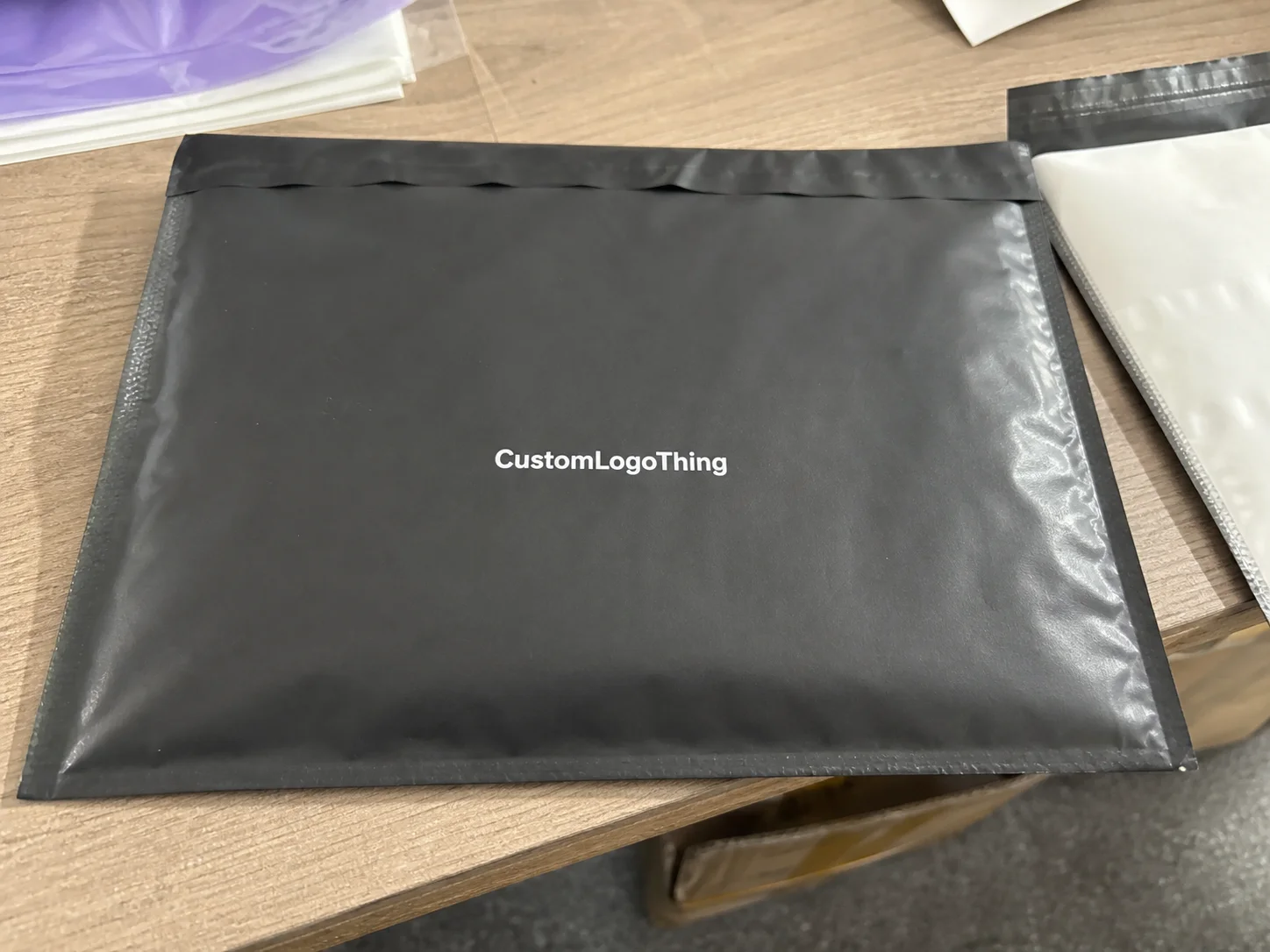
Branded poly mailers are the efficiency play. They are light, cheap, and fast to source. Flexo-Printed Poly Bags can be produced quickly and work well for direct shipping. For brands that want the best minimalist custom packaging for apparel on a tight budget, this is often where they start. But here’s the honest part: they are not “premium.” They are a shipping solution with branding on top. That’s fine. Just don’t oversell the romance. A 2.5 mil LDPE mailer with one-color print can ship out of Ningbo or Yiwu in roughly 10–14 business days after proof approval, which is why volume brands keep using them.
“The biggest mistake I see is founders spending $1.40 on decoration and 20 cents on structure. The box should survive the trip first. Pretty comes after that.”
For quality control, I look for edge crush strength, print alignment, scuff resistance, and closure reliability. If a mailer box fails on a 3-foot drop test, it doesn’t matter how nice the logo looks. For shipping standards, it is smart to reference ISTA test methods and compare against your actual courier route, not some fantasy lab setup. A clean package that arrives damaged is not minimalist. It’s just disappointing. On one run from Shenzhen to Dallas, we rejected 7% of the first sample batch because the lid lip cracked during compression testing.
Price Comparison: What Minimalist Apparel Packaging Really Costs
The best minimalist custom packaging for apparel is often the one that keeps the total landed cost under control. Not just the unit price. I’ve watched brands celebrate a $0.12 box and then get crushed by $180 in tooling, $95 in sample charges, $420 in freight, and a storage headache nobody budgeted for. Packaging pricing is rarely about one clean number. It’s about the whole mess. I’ve seen founders in Brooklyn and Austin both fall in love with “cheap” packaging that turned expensive after three rounds of samples and one badly timed ocean shipment.
Here are realistic price bands I see in supplier quotes from China, the U.S., and mixed sourcing programs. Your exact pricing depends on size, board, print method, quantity, and whether your supplier charges separately for dielines, plates, and mockups. Spoiler: many do. A supplier in Guangzhou may quote the box at $0.72 and then tack on a $65 plate fee, $80 sampling charge, and $140 carton packing fee like they’re ordering coffee.
| Packaging type | Starter run | Mid run | Larger run | Common setup costs |
|---|---|---|---|---|
| Mailer box | $1.10–$2.40/unit at 1,000 pcs | $0.72–$1.35/unit at 5,000 pcs | $0.48–$0.90/unit at 20,000 pcs | $120–$300 plates/dieline prep |
| Rigid box | $4.50–$8.00/unit at 1,000 pcs | $2.80–$5.50/unit at 3,000 pcs | $2.20–$4.20/unit at 10,000 pcs | $180–$600 tooling, higher labor |
| Folded carton | $0.28–$0.75/unit at 2,000 pcs | $0.18–$0.42/unit at 10,000 pcs | $0.12–$0.28/unit at 30,000 pcs | $80–$220 plates |
| Tissue + sticker + band | $0.12–$0.45/unit | $0.08–$0.22/unit | $0.05–$0.14/unit | $30–$120 setup, sometimes none |
| Poly mailer | $0.14–$0.30/unit at 1,000 pcs | $0.07–$0.16/unit at 10,000 pcs | $0.04–$0.09/unit at 50,000 pcs | $50–$150 plate or print setup |
MOQ changes everything. If a supplier quotes you $0.62/unit for mailer boxes at 5,000 pieces and $1.08/unit at 1,000 pieces, that is not the supplier being rude. That is the machine setup spreading over fewer units. The best minimalist custom packaging for apparel sometimes costs more per unit at small runs, but it still wins if the packaging lifts conversion or reduces returns. A 5,000-piece run out of Dongguan can make sense; a 500-piece run usually pushes you into a much higher unit price, often by 30% to 60%.
Printed versus unprinted is another big swing. A plain unprinted box with a sticker may run far cheaper than a one-color custom printed box, but the difference is usually not dramatic once you factor in labor for hand-labeling. One-color branding is the sweet spot for many brands. It gives you package branding without paying for full-surface decoration. For sustainable brands, reduced ink coverage also helps with recyclability, especially if you avoid heavy plastic coatings. A one-color flexo job on Kraft can cost $0.09 to $0.18 less per unit than full litho at mid volumes, and that adds up quickly on 10,000 units.
Budget tiers are easy to map:
- Starter: Tissue wrap, sticker seal, belly band, or plain mailer with insert card
- Mid-market: One-color custom mailer box or folded carton with FSC paperboard
- Premium: Rigid box, foil stamp, embossing, custom insert, or magnetic closure
Hidden costs are the real trap. Add in custom tape, poly bag inserts, hang tags, inner cards, sampling, freight, and warehousing. I had a client once forget to Budget for Custom tissue. Their unit cost jumped by $0.09 on paper and $0.14 after local fulfillment labor. Small numbers stack up fast. That is why the best minimalist custom packaging for apparel is not necessarily the fanciest one. It’s the one that stays sane after all the extras. In one Chicago project, a “simple” kit with a thank-you card and belly band added $0.27 per order once pick-and-pack labor was counted.
For sustainability claims, check paper sourcing against FSC standards and keep an eye on recycled content. If your supplier cannot tell you the board grade or coating type, I’d be cautious. Vague answers are how packaging bills become arguments. Ask for the exact board spec, like 350gsm C1S artboard or 32 ECT corrugated, and ask where it is made, whether that’s Shenzhen, Dongguan, or Suzhou.
Process and Timeline: How Minimalist Custom Packaging Gets Made
The best minimalist custom packaging for apparel still takes real planning. Simple design does not mean simple production. Minimalist work can actually be harder because there is nowhere to hide sloppy dimensions or color drift. I’ve had a Shanghai factory reject an entire first sample run because a black logo on Kraft looked muddy under the chosen varnish. Clean branding needs clean execution. And yes, that rejection day was as fun as it sounds. We waited six days for a revised proof and another 11 business days for a corrected sample.
Typical workflow goes like this: concept, size confirmation, dieline creation, artwork prep, sample production, approval, mass production, QC, and shipping. If your supplier already has a standard structure, things move faster. If you need a fully custom size for a thick hoodie or folded jacket, add time. A simple mailer box can sometimes move from approval to production in 12–18 business days. Rigid boxes usually need longer, often 20–30 business days. Freight is its own creature, and nobody controls it as much as they pretend to. From Ningbo to Long Beach, ocean freight alone can add 18–28 days depending on vessel schedules and customs backlogs.
Here’s the fastest practical path if you need the best minimalist custom packaging for apparel Without Cutting Corners:
- Send final garment dimensions and product weight.
- Choose one structure only: mailer box, folded carton, or tissue system.
- Use one-color artwork in black, white, or Pantone-matched ink.
- Approve a sample within 24 hours if possible.
- Keep coatings simple: matte aqueous, no fancy spot effects unless needed.
- Book freight early, especially if the season is tight.
What you need before ordering is straightforward: finished size, garment weight, whether the item ships folded or rolled, logo files in vector format, Pantone references, and the packing method. If you ship sets or bundles, tell the supplier exactly how the items sit inside the box. A box that fits a single tee is not the same as a box that fits a tee, a hoodie, and a thank-you card. Common mistake: brands only send product photos. Photos are nice. Measurements pay the bills. Give the supplier the folded width, length, and height in millimeters, and you’ll save yourself at least one round of “this doesn’t fit” emails.
Even the best minimalist custom packaging for apparel needs precise color matching. Black is not just black. On Kraft, a rich black can look softer than you expected. On coated white board, the same black can look cold and glossy depending on the ink system. Structural testing matters too. I like drop testing, compression checks, and closure trials before signoff. For shipping protocols, EPA sustainable materials guidance is worth a look if your packaging team cares about waste reduction and material choices. I also like asking for a 3-foot drop test from each corner, because that’s where weak mailers go to die.
If you need packaging quickly, choose a standard structure, skip custom inserts, and keep the print to one side. That gets you close to the best minimalist custom packaging for apparel while keeping lead times realistic. Fancy die-cut windows and custom foam inserts are the kind of thing that sounds clever in a meeting and becomes a delay in production. I’ve seen that movie too many times. A standard mailer box from a factory in Dongguan can be on a truck within 15 business days if your proof is clean and you answer questions fast.
How to Choose the Best Minimalist Custom Packaging for Apparel
The best minimalist custom packaging for apparel should match your brand tier, shipping method, and margin structure. Not your Pinterest board. I know that sounds harsh, but I’ve watched too many founders pick packaging based on mood and then panic when fulfillment costs land. Packaging is a business decision first. A branding decision second. A therapy session never. If your target gross margin is 65%, a $2.10 rigid box for a $24 tee is going to hurt, and no amount of pastel mood board energy will fix it.
Start with your product type. T-shirts and lightweight tops usually work well in folded cartons, mailer boxes, or tissue wrap systems. Hoodies and heavier knits need stronger corrugated packaging if they ship in parcels. Luxury apparel usually benefits from rigid boxes because the customer expectation is higher. If you sell basics at a $28–$58 price point, the best minimalist custom packaging for apparel is usually clean, functional, and not overspecified. A 350gsm folding carton or a 32 ECT mailer box is usually enough for that range.
Shipping method matters. If you ship mostly parcel delivery, you want crush resistance. If you ship retail or wholesale, shelf appearance may matter more. If your warehouse is small, flat-packed solutions like folded cartons or mailer boxes save space. That is one reason I often push brands toward custom printed boxes with restrained branding instead of bulky layered systems. A warehouse in Southern California that pays $1.40 per square foot monthly does not need extra air taking up shelf space.
Sustainability is easier to achieve with fewer materials and less ink, but it is not automatic. Look for recycled content, FSC certification, and low-coverage print. Avoid plastic-heavy coatings unless you truly need them. If you want the best minimalist custom packaging for apparel from an eco standpoint, the smartest choice is often the one that reduces waste and survives the first shipment. A damaged box that must be replaced is not sustainable. It is just a second box. I’d rather see a recycled 400gsm carton in Vietnam or China than a fancy “eco” rigid box that gets crushed in transit and sent twice.
Use these selection criteria before you request quotes:
- Product weight and folded dimensions
- Target unboxing feel: premium, soft, or practical
- Monthly order volume and MOQ tolerance
- Storage space in warehouse
- Shipping distance and damage risk
- Brand color requirements and print method preference
- Whether you need inserts, tissue, or hangtag integration
Here’s the simple rule I use: if the package touches the customer’s hand for more than two seconds, it should feel intentional. That is the heart of the best minimalist custom packaging for apparel. Not flashy. Intentional. A crisp fold, a 3 mm logo margin, and a board that does not wobble do more for perception than a parade of coatings.
Our Recommendation: The Best Minimalist Custom Packaging for Apparel by Brand Type
If you are a small DTC brand, I recommend starting with a custom mailer box or a tissue wrap system, depending on budget. For the best minimalist custom packaging for apparel at this stage, mailer boxes give you the most balanced mix of durability, presentation, and perceived value. Tissue wrap and a strong sticker are the cheaper route, and honestly, they can still look very polished if your fold quality is good. In a 1,000-piece test order out of Yiwu, one brand used white tissue, a 45 mm belly band, and a simple kraft mailer and landed at $0.31 per unit for the interior presentation layer.
For premium basics labels, I would choose a mailer box with one-color print, soft matte finish, and FSC-certified board. That combination lands in the sweet spot for best minimalist custom packaging for apparel because it feels clean without becoming expensive theater. Add a small insert card if you want a brand story moment, but keep the design calm. I’ve seen too many “minimalist” boxes stuffed with five fonts and three paper stocks. That is not minimalist. That is a committee. A 350gsm C1S artboard insert card with a single blind deboss can do the job for under $0.10 in many sourcing programs.
For luxury apparel, rigid boxes are still the strongest choice. They are the best minimalist custom packaging for apparel when the price point supports it and the customer expects a gift-like experience. Use debossing, blind embossing, or a single foil detail. Skip the visual clutter. The box should whisper quality, not shout for attention. If your product retails at $120 and up, a rigid box made in Dongguan or Shanghai can fit the brand story; if it retails at $35, the math starts to look silly very fast.
For eco-focused brands, choose recycled folded cartons or mailer boxes with low-ink branding and no extra plastic layers. The best minimalist custom packaging for apparel here is the one that balances material efficiency with durability. I’d rather see a sturdy recycled mailer than a “green” package that collapses during shipping and triggers returns. Green claims are nice. Product damage is not. A box made from FSC-certified recycled board with water-based ink and no lamination is a solid place to start if you’re serious about waste reduction.
My overall pick? Custom mailer boxes. They are the most versatile answer for the best minimalist custom packaging for apparel across many categories. They photograph well, ship well, and leave room for restrained branding. If you want to move from research to action, measure your garments, choose one format, request 2–3 quotes, order samples, and test actual delivery routes. That’s how you find the best minimalist custom packaging for apparel without paying for regret. Most suppliers in Guangzhou or Shenzhen can turn around a first sample in 5–8 business days, so there’s no excuse for guessing.
And yes, I mean test it. Not just admire the sample on your desk for five minutes and call it a strategy. The best minimalist custom packaging for apparel is the one that survives the courier, matches your brand, and protects your margin. That’s the whole game. If the box arrives dented on a 2-day USPS route from Los Angeles to Denver, it was never the best choice, no matter how cute it looked in the studio. Start with the garment, match the structure to the shipment, and sign off only after a real transit test. That’s the move.
FAQs
What is the best minimalist custom packaging for apparel if I sell T-shirts?
A custom mailer box or folded carton is usually the cleanest premium option for T-shirts. If budget matters more than structure, tissue wrap with a branded sticker can still look polished and keeps unit costs low. A 300gsm to 350gsm carton is often enough for one tee, while a 32 ECT mailer box handles shipping better for direct-to-consumer orders.
How much does minimalist custom packaging for apparel cost per unit?
Simple branded mailers can start in the low cents to low dollars range depending on quantity and material. Rigid boxes and premium finishes cost more because of board, labor, tooling, and setup fees. For example, a 5,000-piece run of a one-color mailer box might land around $0.72 to $1.35 per unit, while a 1,000-piece rigid box can easily reach $4.50 to $8.00 per unit.
What is the fastest turnaround for minimalist apparel packaging?
Fast turnaround depends on whether you already have dielines, artwork, and final sizes ready. Sampling plus production can move much faster when finishes stay simple and structural changes are limited. In practical terms, simple mailer boxes are often 12–15 business days from proof approval, while rigid boxes usually need 25–30 business days before freight.
Is minimalist custom packaging for apparel sustainable?
It can be, especially when you use recycled paperboard, FSC-certified materials, and low-ink designs. The most sustainable option is often the one that reduces waste and survives shipping without needing replacements. A recycled 350gsm carton from a factory in Dongguan or Suzhou is usually a better choice than a heavily coated package that has to be reprinted after one bad sample.
How do I make minimalist packaging look premium without adding much cost?
Use strong structure, textured stock, one-color printing, and subtle details like embossing or a refined closure. Avoid overcrowding the design; clean spacing and good material choices do more than flashy artwork. A black deboss on 400gsm white SBS board or a blind emboss on natural Kraft can look far more expensive than a full-color design with three finishes and no restraint.