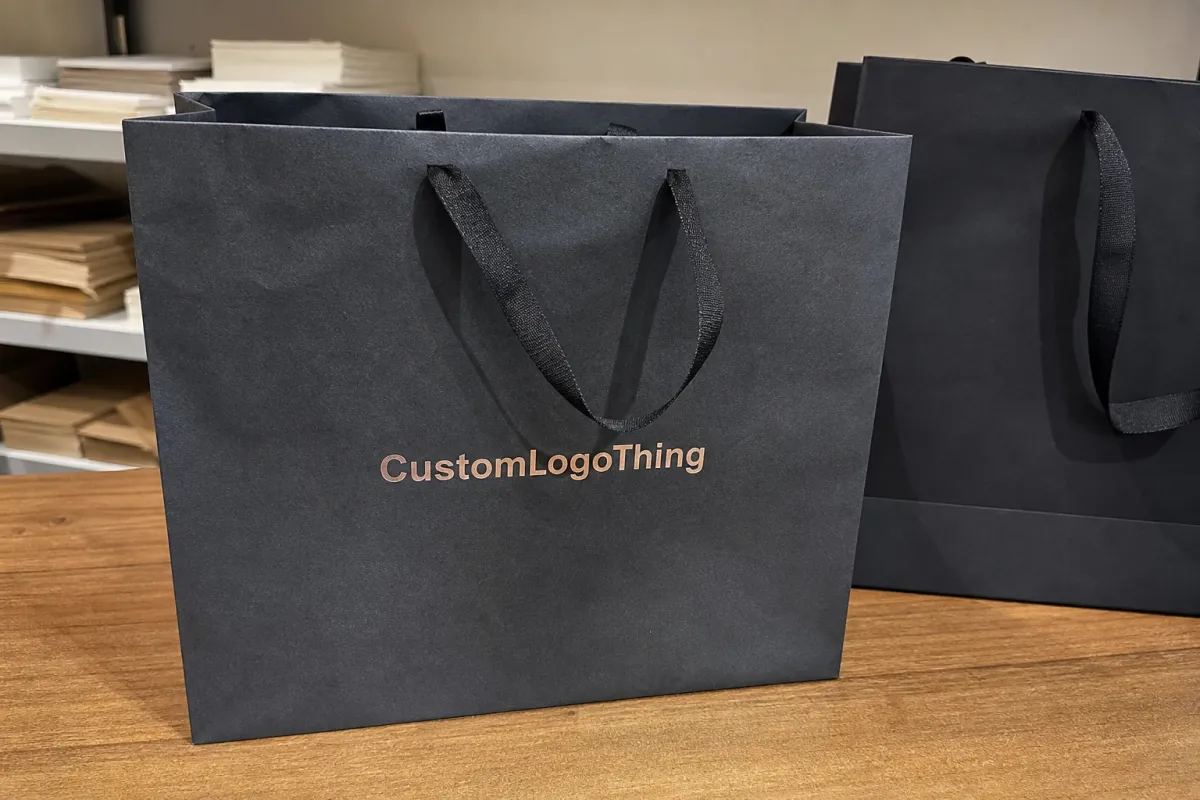
Buyer Fit Snapshot
| Best fit | To Zero Waste Packaging projects where brand print, material claims, artwork control, MOQ, and repeat-order consistency need to be specified before quoting. |
|---|---|
| Quote inputs | Share finished size, material target, print colors, finish, packing count, annual reorder estimate, ship-to region, and any compliance wording. |
| Proofing check | Approve dieline scale, logo placement, barcode or warning zones, color tolerance, closure strength, and carton packing before bulk production. |
| Main risk | Vague material claims, crowded artwork, missing packing details, or unclear freight terms can make a low unit price expensive after revisions. |
Fast answer: To Zero Waste Packaging: Production Review should be specified like a repeatable production item. The safest quote records material, print method, finish, artwork proof, packing count, and reorder notes in one written spec.
Production checks before approval
Compare the actual filled-product size with the drawing, then confirm tolerance on folds, seals, hang holes, label areas, and retail display edges. Reserve space for logos, QR codes, warning copy, and material claims before decorative graphics fill the panel.
Quote comparison points
Review material grade, print process, finish, sampling route, tooling charges, carton quantity, and freight assumptions side by side. A quote is only useful when the supplier can repeat the same color, closure quality, and packing count on the next order.
The first time I saw a brand blow up its packaging budget, the irony was painful. Their product cost $4.20 to make, and they were spending $5.10 on foam inserts, a glossy sleeve, and a double-wall shipper nobody needed. That was my introduction to the guide to zero waste packaging in real life: not a pretty theory, just a very expensive mess that could have been avoided with smarter packaging design. The line was shipping 12,000 units a month from a factory in Dongguan, and the packaging had a higher bill of materials than the product itself. Beautiful. In the worst possible way.
If you’re building a guide to zero waste packaging for your brand, the goal is blunt. Use less, waste less, and still protect the product. No fairy dust. No green theater. Real decisions about materials, format, print, and disposal. I’ve spent years walking factory floors in Shenzhen, arguing with converters over 350gsm C1S artboard and 400gsm recycled kraft, and pushing back on suppliers who swear every material is “eco” because they printed a leaf on the spec sheet. Spoiler: the leaf does not mean anything.
This guide to zero waste packaging is for brands that want practical steps, real costs, and a clean path from idea to production. I’ll show you what works, what doesn’t, and where people usually waste money while pretending they’re saving the planet. Fun combo, right? For a standard launch, I usually see sample development take 5-7 business days, first production quotes in 24-48 hours, and full manufacturing in places like Shenzhen, Dongguan, Suzhou, Ningbo, and Ho Chi Minh City depending on board, print, and tooling needs.
Guide to Zero Waste Packaging: What It Actually Means
Zero waste packaging means designing packaging so it doesn’t end up as landfill trash after one use. That can include reduction, reuse, refill, recycling, compostability, and material choices that are easier to recover. The key word is designing. A lot of people buy a material and call it sustainable. That’s not a system. That’s a purchase order with a halo effect. If your carton uses 0.3 mm PET windows, hot-melt glue, and a laminated finish, that is not zero waste. That is a pile of excuses in a nicer suit.
In plain English, the guide to zero waste packaging is not about making everything “green.” It’s about making the packaging do only what it needs to do. If a mailer can protect the item without a plastic air pillow, remove the air pillow. If a carton can be right-sized by 18%, do that. If a reusable return model makes sense for high-value product packaging, build for that. Every extra layer has to earn its place. I’ve seen a skincare launch in Shanghai cut carton volume by 22% just by moving from a two-piece rigid box to a single-piece foldable carton with a paper insert.
I once watched a wellness brand in Dongguan spend nearly $11,000 on custom inserts for a launch of 2,000 sets. The product itself was a $7 body oil in a glass bottle. They had three nested trays, embossed tissue, and a magnetic lid. Pretty? Sure. Zero waste? Absolutely not. They were paying more for branded packaging than for the thing inside it. I told them, bluntly, “You’re not building value. You’re building trash with a luxury accent.” They laughed. Then they changed the spec.
Here’s the distinction most brands miss: zero waste and less waste are not identical. Less waste packaging reduces material use, transport weight, or landfill impact. Zero waste packaging aims for a bigger end-state: reuse, recovery, or elimination of waste wherever possible. A kraft mailer made from 80% recycled fiber is better than a mixed-material pouch, yes. But if it still gets tossed without recovery and the label adhesives block recycling, it’s not magically “zero.” A mono-material structure with a clean paper label and water-based ink often performs better in real recovery systems in California, Ontario, and parts of the EU than a fancy mixed laminate with a recycling icon slapped on like a sticker from wishful thinking.
And no, zero waste packaging is not automatically plastic-free. It is not automatically compostable. It is not automatically cheaper either. Sometimes the better option is a mono-material polyethylene mailer that can be recycled in the right stream rather than a mixed paper-plastic “eco-friendly packaging” design that looks noble and behaves badly. Reality is rude like that. For example, a 50-micron LDPE mailer with printed disposal instructions can cost around $0.14 to $0.19 per unit at 10,000 pieces, while a mixed-material “premium sustainable” pouch can land at $0.28 to $0.41 per unit and still be harder to recover. Lovely tradeoff.
The guide to zero waste packaging also means setting an honest expectation. You’re not trying to win a green award on a tag line. You’re trying to reduce waste, protect the product, and keep the operation profitable. That’s the balance. If a packaging change adds $0.42 per unit but cuts 8% damage claims and 15% void fill, maybe that’s smart. If it adds $1.80 per unit for decorative fluff, that’s just expensive theater. On a 20,000-unit run, that extra $1.80 is $36,000. I’ve seen brands spend that much to impress a buyer who never opened the box.
“The best packaging isn’t the one with the longest sustainability statement. It’s the one that protects the product, uses fewer resources, and makes sense for the customer’s actual disposal options.”
How Zero Waste Packaging Works in Real Supply Chains
The guide to zero waste packaging only matters if it survives the real supply chain. I don’t mean a mood board. I mean sourcing, converting, printing, fulfillment, shipping, customer use, and end-of-life. If one part of that chain breaks, the whole system leaks waste and money. A carton that looks tidy in a studio in Brooklyn means nothing if it crushes in transit from Ningbo to Los Angeles on a 35 kg master case stack.
Start at material sourcing. For paper-based systems, I look for FSC-certified board, recycled-content kraft, and clear chain-of-custody documents when claims are part of the brand promise. For print, water-based inks and soy inks can be a good fit depending on substrate and finish. For plastics, mono-material structures are usually easier to recover than mixed laminates. This is why packaging design matters so much: the material choice decides what happens later. If your supplier is quoting 300gsm art paper with a 1.2 mm greyboard wrap and a soft-touch lamination, you already know the recycling story is getting messy.
Then comes converting. I’ve stood beside die-cutters in a Suzhou plant while operators trimmed waste from sheet layout by 4.7% just by adjusting the nesting on a custom printed boxes job. That sounds tiny until you’re running 80,000 units. On a big run, a 4.7% material reduction is not pocket change. It’s a real cost cut, and it shows up in the carbon footprint too because you’re shipping fewer raw kilos. In one case, the factory moved from a 16-up layout to a 20-up layout and saved about 1.3 tons of board across the order. That is the sort of detail procurement people should be paid to notice.
Right-sizing is the easiest win. If your carton has 22 mm of dead space on each side, that void turns into filler, cost, and freight weight. In a guide to zero waste packaging, I always tell clients to start by removing empty volume. You’d be shocked how often people pay to ship air. I’ve seen mailers packed with tissue, bubble wrap, and a thank-you card large enough to land a small plane. Cute? Maybe. Efficient? Not even close. A 180 mm x 120 mm product shipped in a 260 mm x 180 mm carton can often be reduced to a 200 mm x 140 mm format and save $0.08 to $0.19 per order once dimensional weight and void fill are counted.
Here’s a simple format example that usually works well for eco-friendly packaging without wrecking presentation:
- Mailer: recycled kraft mailer, 180 gsm, self-seal strip
- Inner protection: die-cut paperboard cradle instead of foam
- Print: one-color water-based ink, no foil, no laminate
- Labeling: clear disposal instructions and material callout
That setup can work for DTC skincare, small accessories, tea, candles, and many retail packaging formats. It’s not universal, but it’s a good starting point. The key is that each component has a job, and none of them are pretending to be a luxury souvenir. In Guangzhou and Shenzhen, I’ve seen this exact format move through fulfillment in under 18 seconds per unit once the carton was pre-creased and the insert had a single fold line instead of three.
For brands trying to compare options, I like a simple side-by-side format. It keeps the conversation honest.
| Packaging Option | Typical Unit Cost | Waste Profile | Best Use Case |
|---|---|---|---|
| Recycled kraft mailer | $0.18–$0.42/unit at 5,000 pieces | Low, if right-sized and single-material | DTC apparel, small goods, lightweight product packaging |
| Custom printed boxes with paper inserts | $0.38–$1.05/unit at 5,000 pieces | Moderate to low, depending on coatings and sizing | Beauty, gifts, premium retail packaging |
| Reusable rigid mailer system | $2.10–$4.80/unit upfront | Very low over multiple uses | Subscription, rental, closed-loop returns |
| Mixed-material pouch | $0.12–$0.33/unit | High, if not recoverable locally | Only if product barrier needs justify it |
That table is the kind of thing I wish more buyers used before they got seduced by shiny finishes. I negotiated one job with a converter in Ningbo where the client wanted a soft-touch film on a carton for cosmetics. The issue? That film pushed the package out of the local recycling stream in most of their U.S. markets. We changed to an uncoated board with a water-based varnish. The unit cost dropped $0.07, and the recycling story got cleaner. Everyone won except the guy selling the film. The board spec was 350gsm C1S for the outer, 300gsm recycled insert, and the new quote came back at $0.61 per unit for 5,000 pieces, down from $0.68.
If you want a practical source for broader material guidance, the EPA recycling resources are worth checking because local recovery rules matter more than pretty claims. And for fiber-based specs, the FSC certification framework gives brands a cleaner way to talk about responsible sourcing. I also ask suppliers for test sheets from factories in Jiangsu or Guangdong, because a certificate without a current batch number is just paper pretending to be proof.
The guide to zero waste packaging also has to account for fulfillment speed. If your warehouse team needs 45 seconds more per order to assemble a complicated insert system, that labor cost hits every month. I’ve seen “sustainable” packaging slow pack-out by 28%, which is a special kind of expensive. Simple designs are easier to train, easier to scale, and less likely to get assembled wrong by a tired team on a Friday afternoon. A line running at 1,200 orders per day in Phoenix is not going to thank you for a five-piece carton that takes a senior packer and a prayer.
Key Factors That Decide Whether It’s Truly Zero Waste
The guide to zero waste packaging lives or dies on a few practical factors. If you ignore them, you end up with a nice sustainability story and a pile of waste anyway. I’ve seen that movie. It’s long, boring, and the ending is returns. One client in Melbourne had a gorgeous carton, a terrible adhesive, and 9% product damage because the insert shifted during air freight from Shenzhen.
Material compatibility
Can the package actually be reused, recycled, or composted where the customer lives? That’s the first question. If the packaging is “technically recyclable” but only in a facility 300 miles away that accepts it two Tuesdays a month, your claim is weak. Real-world recovery beats brochure language every time. In Portland, Minneapolis, and Toronto, paper recovery is often easier than in smaller markets with inconsistent collection, so the same carton can perform very differently by region.
For the guide to zero waste packaging, I always ask suppliers for full material specs. Not a marketing flyer. I want substrate type, grammage, coating details, adhesive info, and any barrier layers. A recycled paperboard carton with a polyethylene window is not the same as a plain FSC carton. A compostable film with the wrong ink system may fail in composting. Details matter. Annoying, yes. Necessary, absolutely. Give me the spec sheet with the exact caliper, not the one with a stock photo of leaves.
Local infrastructure
What the customer can do with the packaging depends on local recycling or composting access. In some cities, paper is easy. In other places, food residue or mixed fibers ruin recovery. Reuse and refill models may work beautifully for urban subscription customers and fail for scattered retail buyers. The guide to zero waste packaging needs to respect geography, not just brand ambition. A refill pouch might work in San Francisco and stumble in suburban Ohio if the customer has to drive 20 miles to find a collection point.
Too many brands copy disposal labels from competitors without checking where those products are sold. That’s lazy. If your customer base is split between California, Texas, and rural Canada, disposal instructions should not be generic fluff. You need a packaging system that can survive different municipal rules. Otherwise your “eco-friendly packaging” claim is just decoration. I’ve seen brands print “widely recyclable” on the box and forget that the coating they chose blocked recovery in half their markets. That’s not a strategy. That’s a typo with a budget.
Product protection
Zero waste packaging that breaks is not zero waste. It’s double waste. The product gets damaged, the customer is disappointed, and the return flow creates more cardboard, more shipping, and more emissions. I once visited a supplement client whose glass jars were cracking because they’d switched to a thinner paper tray with no edge reinforcement. They saved $0.06 per pack and lost $3.80 in damage and reshipment cost. Genius? No. Cheap and noisy, yes. The cartons were produced in Jiaxing, and the failure showed up after only 300 units left the warehouse.
In a proper guide to zero waste packaging, protection is part of sustainability. The better the fit, the less filler you need. The better the structure, the fewer returns. If your package survives an ISTA drop test and still looks decent on arrival, that’s good packaging. If it fails at the corner drop, no amount of green copy will save it. You can review testing standards at ISTA, which is where serious shipping validation conversations usually start. For a beauty brand shipping from Los Angeles to New York, I’d rather see a carton pass a 30-inch drop test than read a paragraph about “natural elegance.”
Brand requirements
Retail packaging and DTC packaging are not the same problem. Shelf appeal matters for retail packaging. Shipping durability matters for e-commerce. Some brands need premium finish, but that doesn’t mean they need three layers of mixed-material drama. I’ve built package branding systems with a single-color print, deboss, and a clean natural board that looked sharp enough to sit next to far more expensive competitors. A 400gsm uncoated board with black soy ink can look expensive if the typography is disciplined and the die line is clean.
The trick is deciding which brand elements actually drive purchase. If the logo is the hero, print it well and stop there. If tactile feel matters, maybe a light texture on uncoated board gets you there without adding laminate. The guide to zero waste packaging is not anti-beauty. It’s anti-waste-for-no-reason. I’ve had buyers in Singapore ask for foil, emboss, spot UV, and a ribbon in the same box. We cut it to one logo hit and a paper sleeve. The package looked better. Yes, better. Because restraint exists.
Supplier transparency
Ask for proof. Recycled content certificates. FSC claims. Compostability certifications if they apply. Test results. Material declarations. When a supplier says “it’s eco,” I want the numbers. I want the exact resin code, board grade, caliper, and converting method. This is where good suppliers shine and lazy suppliers start mumbling. If the quote says “paper box” and nothing else, keep walking. Paper box is not a spec. It’s a shrug.
One factory manager in Guangdong told me, “We can make it green in the catalog.” I told him, “Great. Can you make it green in the warehouse too?” He didn’t laugh, but the point landed. The guide to zero waste packaging depends on what is actually manufactured, not what is claimed in the sales deck. I want production photos, batch tickets, and a sample from the 2025 run, not a recycled PDF from a sales rep in a nice shirt.
Guide to Zero Waste Packaging: Step-by-Step Implementation
If you want a practical guide to zero waste packaging, start with the stuff you can control this month. You do not need to redesign your whole line on day one. You need a sequence. Otherwise you’ll spend three months arguing about paper texture while your waste numbers stay ugly. I’ve seen teams in London, Austin, and Taipei do exactly that. Fancy meeting. Weak outcome.
Step 1: Audit current packaging waste by SKU
Not by category. Not by guesswork. By SKU. Pull the data on unit volume, material weights, damage rates, void fill use, and labor time. If a top-selling product ships 25,000 units a month and uses 1.6 ounces of filler per order, that’s where the waste lives. The guide to zero waste packaging starts with numbers, not vibes. If you have 14 cartons for 9 products, I already know there’s a problem before I even open the spreadsheet.
I like to map three things: what you buy, what you use, and what you throw away. The gaps are where money leaks out. I once found a client was buying 14 different box sizes for a line that could be covered with 6. That meant more inventory, more errors, more dead stock, and more warehouse clutter. Very inspiring, if your hobby is inefficient systems. In cash terms, they were tying up about $18,000 in slow-moving packaging inventory at a warehouse in Dallas.
Step 2: Set a goal that matches the business
Do you want to reduce weight by 20%? Switch to recyclable mono-materials? Eliminate plastic void fill? Build a refill or return model for a premium line? The guide to zero waste packaging gets easier when the goal is specific. “Be sustainable” is not a goal. It’s a poster slogan. “Cut packaging weight by 15% on the top five SKUs by Q3” is a goal. Much better. Also less embarrassing in meetings.
For a food brand, the target might be a fiber-based outer carton with a resealable inner pouch that preserves freshness. For a beauty brand, it might be a refill jar with a lightweight shipper. For apparel, it could mean right-sized mailers and no unnecessary inserts. Different product packaging, different answer. A protein powder brand in Chicago does not need the same system as a luxury candle brand in Milan, and pretending otherwise wastes time and money.
Step 3: Match packaging to the product, then remove the extras
Start with protection. Add branding only where it earns its keep. Then strip out decorative layers, oversized inserts, and mixed components that complicate recovery. A well-built guide to zero waste packaging usually cuts more than it adds. That’s the whole point. If your outer carton is 350gsm C1S artboard and your insert is a single die-cut paperboard piece, you’ve already removed a lot of the nonsense.
For example, a skincare brand can often move from a rigid setup with foam, magnetic closure, and printed tissue to a 350gsm C1S artboard carton with a die-cut insert and one-color print. That kind of change can reduce cost by $0.24 to $0.68 per unit, depending on volume and finish. It also makes the package easier to recycle in many markets. Nice side effect. I’ve done versions of this for a 6-piece serum set out of Shenzhen, and the quoted lead time dropped from 21 business days to 13 once the magnetic closure disappeared.
Step 4: Prototype and test before production
This is where people get impatient and expensive. Sample first. Test for drop strength, compression, moisture resistance, seal integrity, and packing speed. If you’re using custom printed boxes, check whether the print scuffs during fulfillment. If you’re using paperboard inserts, verify that they hold the product shape through transit. The guide to zero waste packaging should include validation, not wishful thinking. A prototype that looks good in a sales deck and falls apart in a warehouse is not a win.
One of my best factory memories is standing in a test area in Dongguan while a team ran cartons through repeated corner drops from 36 inches. The first design failed on the second drop. The supplier wanted to blame the courier. I wanted to blame gravity. Instead, we changed the insert geometry and added 2 mm of support on the lower edge. Problem solved in one afternoon. That’s what testing is for. The revised sample passed 10 consecutive drops and moved into production 4 days later.
Step 5: Confirm end-of-life claims and launch carefully
Before rollout, verify disposal claims with the actual material and local recovery realities. If it’s recyclable, say where. If it’s compostable, specify the conditions. If it’s reusable, explain how the customer returns or reuses it. A strong guide to zero waste packaging makes the end-of-life path obvious. “Check with your local facility” is not enough if your customer is in Denver and your recovery guidance was written for Amsterdam.
Launch one SKU first if you can. Watch damage, pack-out time, customer feedback, and disposal questions. Then scale. You do not need a 40-SKU transformation in week one. You need a controlled rollout that teaches you something useful. I usually tell brands to run a 30-day pilot with 1,000 to 3,000 units before locking the spec. That gives you enough data to fix the problem without burning the whole budget.
- Audit current packaging waste by SKU
- Set a measurable sustainability goal
- Remove nonessential layers and fillers
- Prototype, test, and revise
- Verify disposal claims and launch in phases
What makes zero waste packaging actually work for brands?
The answer is boring, which means it’s probably correct. The guide to zero waste packaging works when the structure matches the product, the material matches the recovery stream, and the operation can actually pack it without losing its mind. If you have a beautiful carton that damages easily, costs too much to assemble, or confuses customers at disposal, it is not zero waste. It is expensive waste with better typography.
That’s why I always push brands to think in systems. A paper-based carton, a right-sized insert, and a clear disposal label can outperform a fancy mixed-material box every time if the product is protected and the customer can recycle it locally. The best outcome usually comes from removing a layer, not adding a better-sounding one. Revolutionary, I know.
Cost, Pricing, and Timeline: What Brands Should Expect
A realistic guide to zero waste packaging has to talk money. Otherwise it’s just marketing cosplay. Costs move for specific reasons, and if you understand those reasons, you can control more of the outcome. I’ve quoted projects from factories in Shenzhen, Ningbo, and Ho Chi Minh City, and the spread can be wild depending on board grade, print method, insert complexity, and MOQ. Same idea. Different invoice.
Costs usually rise when you use specialty substrates, custom tooling, low order quantities, extra certifications, or labor-heavy assembly. A reusable shipping system can run $2.10 to $4.80 per unit upfront, and a molded fiber insert can be much more expensive than a simple paperboard die-cut depending on tooling and volume. If you want premium branded packaging plus narrow sustainability constraints, be ready to pay for the engineering, not just the material. For a 5,000-piece run, a Custom Folding Carton in 350gsm C1S artboard might come in at $0.38 to $0.62 per unit, while adding a molded pulp insert could push it to $0.74 to $1.08 per unit.
Costs can also drop. Lighter packaging reduces freight weight. Smaller boxes cut void fill. Fewer SKUs reduce procurement and inventory complexity. Better pack-out speed lowers labor. In one client meeting, I showed a cosmetics brand that switching from oversized setup boxes to right-sized custom printed boxes would save roughly $0.19 per shipped order just from reduced dimensional weight and filler. Their eyes got big fast. Nothing motivates a buyer like math. On a monthly volume of 18,000 orders, that was about $3,420 saved before damage reduction even entered the chat.
Here’s a practical comparison I use with clients:
| Change | Typical Upfront Impact | Ongoing Benefit | Risk |
|---|---|---|---|
| Right-size carton | Low, often $0.02–$0.06/unit redesign cost | Lower freight and filler spend | May require new die line |
| Switch to FSC paperboard | Moderate, often +$0.01–$0.08/unit | Cleaner sourcing story and better fiber recovery | Depends on print finish and board availability |
| Remove laminate or foil | Low to moderate | Improved recyclability in many streams | Brand may lose a luxury visual cue |
| Build reuse/refill model | High, tooling and system design required | Lower waste over multiple cycles | Needs customer participation |
Timelines are not instant either. A simple packaging change can move in 2 to 4 weeks if the structure stays similar and artwork is ready. A custom sustainable design with testing, supplier approval, and sample revisions usually takes 6 to 12 weeks. If you need FSC board, custom dies, or third-party lab validation, it can stretch further. I’ve seen an “easy” project stall because the client wanted three proof rounds and the factory had to wait on board allocation. That’s normal. Annoying, but normal. For a first article sample, I usually tell clients to expect 3 to 5 business days in Dongguan or Shenzhen, then 12 to 15 business days from proof approval for full production if the factory already has the board in stock.
The guide to zero waste packaging also needs a reality check on small quantities. Small MOQs often raise unit price. That’s not the supplier being mean. That’s how setup costs work. If you want 500 custom boxes, expect a different price than 10,000. No magic. Just press time, die cost, labor, and material inefficiency. In one quote I reviewed, 500 units of a recycled rigid setup came in at $1.92 each, while 5,000 units dropped to $0.73 each. Same structure. Different economics.
One factory quoted me $0.31/unit for 8,000 recycled mailers and $0.49/unit for 2,000 of the same design. Same board. Same print. Different economics. Scale matters. If your brand is still testing, you should budget like a tester, not like a multinational with a marketing department breathing down procurement’s neck. A brand out of Austin once tried to negotiate 1,200 units like they were ordering 120,000. The factory laughed in the only language factories truly speak: silence.
Common Mistakes Brands Make With Zero Waste Packaging
The biggest mistake? Believing any package with a green color palette is automatically part of a guide to zero waste packaging. That’s cute, but no. Green ink is not a sustainability strategy. Neither is a recycled-looking texture printed on a 20% virgin board with a laminated finish and a glued-in plastic window. That’s a costume.
Here are the mistakes I see most often:
- Using materials that sound eco-friendly but fail in real recovery systems
- Adding coatings, foils, and windows that make recycling harder
- Ignoring shipping strength and creating damaged-product waste
- Leaving customers with vague disposal instructions
- Copying competitor claims without checking actual supply chain data
Another one: overdesigning the package. I’ve seen brands add three “sustainable” elements at once and accidentally create a mixed-material nightmare. A paper sleeve bonded to a plastic tray bonded to a foil label is not a clean system. It’s a recycling headache wrapped in branding language. The guide to zero waste packaging should simplify, not decorate the landfill path. One client in Seoul added a compostable outer wrap, a recyclable insert, and a reusable jar, then forgot that the adhesive holding the wrap shut wasn’t compatible with any of them. Disaster, but make it premium.
There’s also a bad habit of ignoring the customer. If your consumer needs four steps and a QR code to figure out disposal, many won’t bother. They’ll throw it all away. Or worse, they’ll separate the wrong parts. Keep instructions short. Clear. Specific. “Carton: recycle. Insert: recycle if clean. Jar: rinse and reuse.” That’s better than a paragraph that reads like legal fog and costs everyone 30 seconds they do not have.
I had a client in retail packaging who wanted a compostable pouch for snacks. Nice idea. But their target stores were in regions with weak compost collection, and the pouch needed a special industrial process the average shopper did not have access to. We shifted to a recyclable paper-based carton with a barrier liner the customer could separate. Not perfect. Better. That’s the real work inside a guide to zero waste packaging: choosing the best available path, not the prettiest one. The quote also dropped from $0.44 per unit to $0.27 per unit once the barrier film was simplified.
And please, don’t ignore the carbon footprint because the box “looks natural.” Shipping 22 extra grams per unit across 60,000 units adds up fast. Sustainability is a numbers game as much as a design game. I’ve seen brands celebrate a recycled board switch while quietly adding freight weight with oversized formats. That’s not progress. That’s a spreadsheet prank. If your carton grows by 8 mm in each direction and your freight rate jumps by $0.13 per order, the planet is not the only thing noticing.
Expert Tips and Next Steps for Launching Zero Waste Packaging
If you want the simplest path through the guide to zero waste packaging, start with your highest-volume SKU. That’s where the waste, the savings, and the visibility all show up fastest. Fix one product well, then copy the system where it fits. I’ve watched brands in New York and Singapore build momentum from one clean launch instead of trying to “transform” everything at once and burning six months on internal meetings.
Get sample kits from at least two suppliers. Compare unit cost, print quality, lead time, and the end-of-life claim side by side. I prefer to compare on a single sheet: board weight, coating, certs, MOQ, unit price, and production timeline. When you put numbers next to each other, the nonsense becomes obvious. One supplier may offer $0.22/unit on paper mailers, but if they need 18 business days longer and the print rubs off in transit, that “cheap” option is not cheap. Another may quote $0.34/unit from Suzhou with a 12-business-day turnaround and stronger adhesive performance. That’s the one worth calling back.
Build one-page packaging spec sheets. Seriously. It saves endless back-and-forth. Include dimensions, material, print method, finishing, approved artwork, assembly steps, and disposal notes. This is where package branding gets practical. Your team stops guessing, your supplier stops improvising, and your product packaging gets more consistent. I also add a simple sample sign-off field with date, revision number, and factory location. That tiny bit of discipline saves a lot of headaches when revisions move from Shenzhen to Dongguan to Ningbo.
Use plain consumer labeling. Not jargon. Not a sustainability manifesto squeezed onto a flap. A good label says exactly what to do. Something like: “Carton: recycle where paper is accepted. Insert: recycle separately if clean and dry.” That’s clearer than three paragraphs of branding fluff. The guide to zero waste packaging should help people act, not study. If the instruction fits on a 25 mm x 60 mm label, perfect. If it needs a brochure, you’ve already lost the plot.
Here’s the action plan I give brands in my own consulting work:
- Audit current packaging by SKU
- Find the top three waste sources by volume and cost
- Prototype one lower-waste alternative
- Test protection, pack speed, and disposal fit
- Source with two suppliers and compare quotes
- Launch one SKU and track damage plus customer feedback
- Expand only after the numbers hold up
If you need help sourcing formats like mailers, boxes, inserts, or branded packaging components, our Custom Packaging Products page is a good place to start. I’d still recommend comparing samples, though. A catalog photo has never protected a product in transit. A carton from Guangzhou that looks gorgeous on a screen can still arrive with crushed corners if the board is too soft or the glue line is weak.
My honest opinion? The best guide to zero waste packaging is the one that gets less romantic and more specific. Use fewer materials. Pick structures that can be recovered in the real world. Test them hard. Cost them honestly. Then launch with a clean story that a customer can actually understand. That’s how you build eco-friendly packaging that survives procurement, fulfillment, and the actual trash bin. A 350gsm C1S artboard carton with a paper insert, water-based ink, and a realistic disposal label will beat a flashy “sustainable” gimmick nine times out of ten.
And if you remember nothing else, remember this: zero waste packaging is not a slogan. It’s a system. Build it one SKU at a time, measure what happens, and don’t let anyone talk you into expensive drama disguised as sustainability. The factories in Shenzhen, Dongguan, and Suzhou will happily sell you drama. Your margin does not need the souvenir.
FAQ
What is the guide to zero waste packaging for small brands?
For small brands, the guide to zero waste packaging starts with right-sizing, removing extra inserts, and choosing recyclable paper-based or mono-material formats before jumping into expensive custom systems. Focus on one high-volume SKU first so you can learn fast without blowing your budget. A 500-piece pilot in 350gsm C1S artboard or recycled kraft is usually a smarter test than ordering 10,000 units before you know the carton fits the bottle.
How much does zero waste packaging cost compared with standard packaging?
Basic recycled paper formats can be close to standard packaging prices, while reusable or highly custom systems usually cost more upfront. In many projects, lower shipping weight and fewer damaged products offset part of the increase. The real comparison should use total landed cost, not just the unit price of the box or mailer. For example, a recycled mailer at $0.18 per unit may beat a $0.12 mixed pouch if the pouch causes $0.09 more in damage and repacking costs.
How long does it take to launch a zero waste packaging program?
Simple changes can move quickly if your artwork, dimensions, and material choices are already close to what you use now. Custom sustainable structures need more time for sampling, testing, revisions, and supplier approvals. Expect 3 to 5 business days for samples, 12 to 15 business days from proof approval for production on a stocked board run, and longer if you need custom tooling, FSC paperwork, or third-party lab validation.
Is zero waste packaging always recyclable or compostable?
No. Zero waste is a system goal, not a single material type. Some solutions rely on reuse, refill, or return programs instead of disposal-based end-of-life paths. Always check whether the material is actually accepted in the customer’s local waste stream before making claims. A compostable pouch shipped to markets without industrial composting access is not helping anyone in Austin, Brisbane, or Manchester.
What’s the easiest first step in a guide to zero waste packaging?
The easiest first step is to audit your current packaging and identify the top three sources of waste by cost and volume. Then remove packaging elements that do not protect the product or improve the customer experience. Test one improved SKU before changing your entire line. If your current setup uses a double-wall shipper, foam, and a printed sleeve for a 180 ml bottle, there’s probably a faster win waiting in that stack.