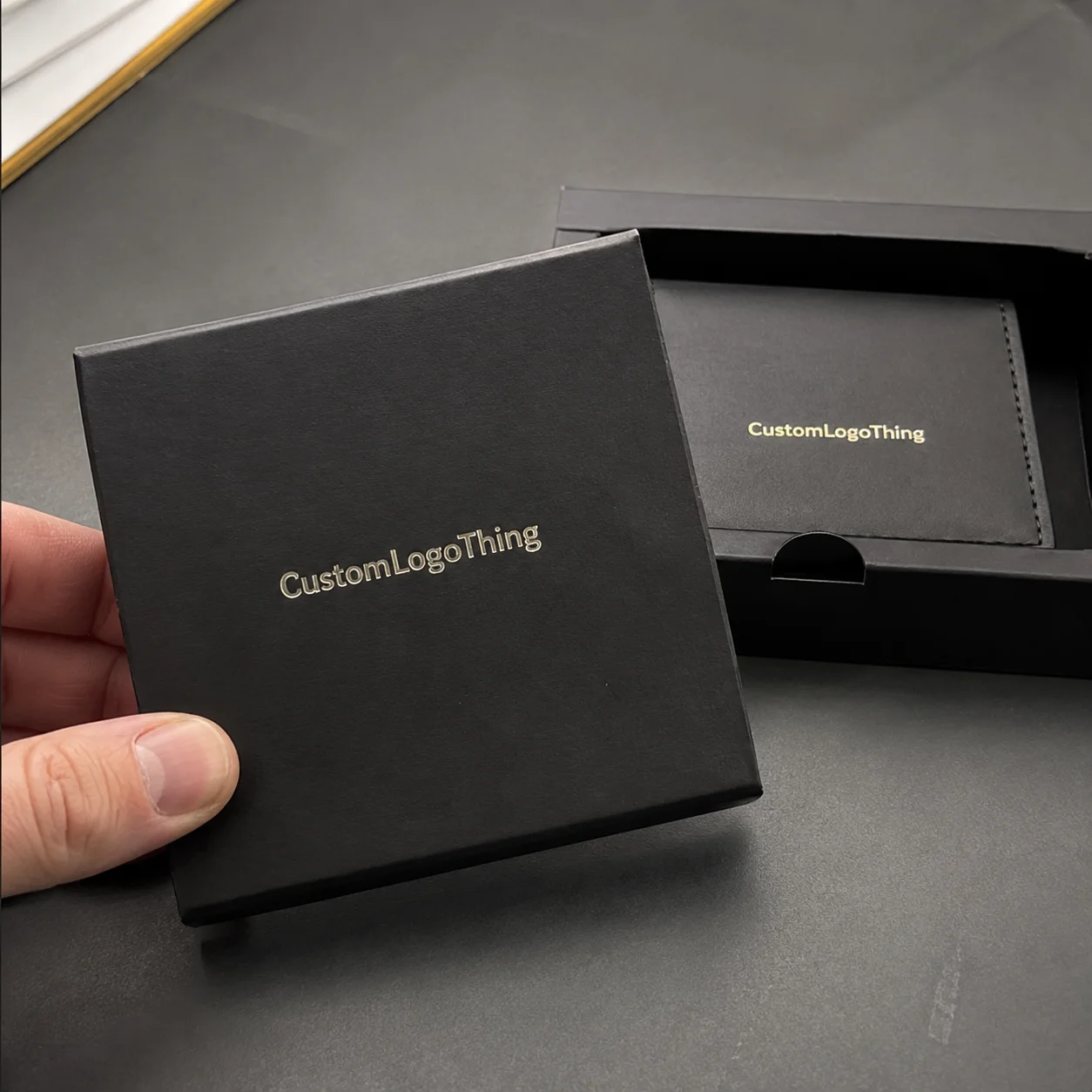
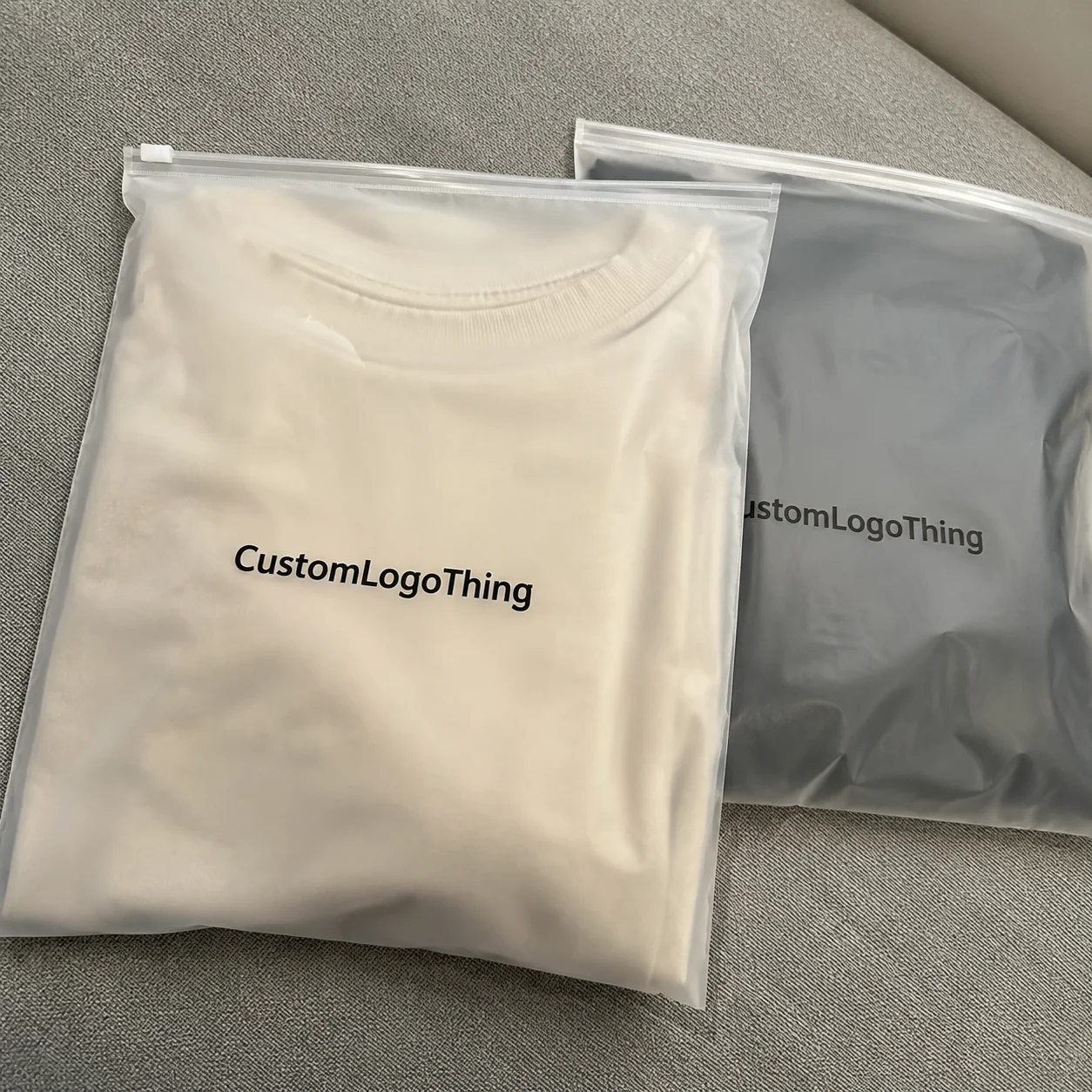
Buyer Fit Snapshot
| Best fit | handmade product packaging ideas that feel truly premium for packaging buyers comparing material specs, print proof, MOQ, unit cost, freight, and repeat-order risk where brand print, material, artwork control, and repeat-order consistency matter. |
|---|---|
| Quote inputs | Share finished size, material target, print colors, finish, packing count, annual reorder estimate, and delivery region. |
| Proofing check | Approve dieline scale, logo placement, barcode or warning zones, color tolerance, and any recyclable or compostable wording before bulk production. |
| Main risk | Vague material claims, crowded artwork, or missing packing details can create delays even when the unit price looks attractive. |
Fast answer: Handmade Product Packaging Ideas That Feel Truly Premium should be specified like a repeatable production item. The safest quote includes material, print method, finish, artwork proof, carton packing, and reorder notes in one written spec.
What to confirm before approving the packaging proof
Check the product dimensions against the actual filled item, not only the sales mockup. Ask for tolerance on folds, seals, hang holes, label areas, and retail display edges. If the package carries a logo, QR code, warning copy, or legal claim, reserve that space before decorative graphics fill the panel.
How to compare quotes without losing quality
Compare board or film grade, print process, finish, sampling route, tooling charges, carton quantity, and freight assumptions side by side. A lower quote is only useful if the supplier can repeat the same color, closure quality, and packing count on the next order.
Some of the most memorable Handmade Product Packaging Ideas I’ve seen started with nothing fancy at all: a kraft mailer, a belly band, and a folded insert. Yet the way the tape line landed, the string was tied, and the logo sat dead-center made the whole pack feel like a boutique object instead of a shipping carton. I remember watching customers at a folding-carton line in New Jersey pick up a simple soap box, turn it over twice, and smile because the package felt careful, not mass-produced. That reaction is exactly why handmade product packaging ideas matter so much for small brands and premium products alike, especially when the box is made from 350gsm C1S artboard, the insert is 18pt SBS, and the finishing is handled in a plant outside Newark, New Jersey.
Custom Logo Things works with brands that want packaging to do more than protect a product; they want it to carry the story, the care, and the perceived value before the customer even lifts the lid. That’s where a lot of packaging conversations go sideways. People assume “handmade” means messy or rustic, but honestly, I think the strongest handmade Product Packaging Ideas are usually precise, restrained, and built from materials that can be repeated with consistent results, like 24pt kraft board, 1.5 mm rigid chipboard, or 120gsm uncoated wrap stock sourced from converters in Guangzhou, Guangdong, and Chicago, Illinois.
What Handmade Product Packaging Really Means
On factory floors, the most memorable handmade brands often use simple materials, but the detail in the fold, tie, insert, or label makes them feel expensive. I saw this clearly in a small candle facility in Asheville where the owner used plain 24pt kraft sleeves, yet every sleeve was aligned within a millimeter, the wick card tucked perfectly, and the side seam hidden. That kind of finish is not accidental. It is the result of thoughtful handmade product packaging ideas applied with discipline, whether the production happens in Asheville, North Carolina, or in a short-run box shop in Richmond, Virginia.
In packaging terms, handmade product packaging means the structure, materials, and finishing choices are intentionally selected to reflect craftsmanship, small-batch identity, and human touch rather than polished mass production. It can include kraft mailers, tissue wraps, rigid boxes, paper pouches, muslin bags, belly bands, custom printed inserts, and even simple labels applied by hand. The look can be rustic, minimal, or elegant, but the common thread is that package branding feels personal and deliberate, with print specs such as CMYK on 350gsm C1S artboard or one-color black on 300gsm recycled card.
Handmade-style packaging is not always literally handmade from start to finish. Many brands use machine-made boxes, die-cut inserts, and printed sheets, then finish them by hand with ribbon, wax seals, stamp marks, or manual packout. That hybrid approach is often the sweet spot because it preserves consistency while still giving customers the tactile cues that make handmade product packaging ideas feel authentic. A box can be die-cut in Dongguan, China, then hand-tied in a fulfillment center in Phoenix, Arizona, and still feel artisanal if the details are controlled.
The brand benefit is straightforward. Packaging becomes part of the product story, so before a customer opens the box, they already understand that the item inside is special, carefully made, and worth the price. That matters for candles, soaps, jewelry, baked goods, stationery, skincare, and giftable goods because the package often functions as the first physical proof of quality. In my experience, well-executed handmade product packaging ideas can increase perceived value even when the material cost is modest, such as $0.18 for a printed belly band on a 5,000-piece run or $0.42 for a custom sticker sheet in 2,000-unit quantities.
“A package doesn’t need to shout to feel premium. It needs one or two details done with real discipline.”
That quote came from a supplier meeting I sat through in Shenzhen, where a box converter explained why a simple one-color print with a clean fold line often sells better than a crowded design with too many finishes. He was right. The more a package tries to prove itself, the less handcrafted it tends to feel. The best handmade product packaging ideas leave room for the product to breathe, especially when the substrate is a natural kraft board or a soft-touch laminate applied only to the lid panel.
Handmade Product Packaging Ideas in Real Production
Real production starts long before the first box is folded. It begins with a dieline, a material spec, and a packout plan that tells the team exactly how the finished package should look on the table, on the conveyor, and in the customer’s hands. I’ve stood beside packers applying belly bands one by one at a facility in Ohio, and what stood out was how much of the “handmade” feel came from the workflow itself. When the process is organized, handmade product packaging ideas become repeatable rather than random, whether the line runs in Columbus, Ohio, or in a contract packout space in Atlanta, Georgia.
The production flow usually moves from concept to structural design, then to printing, finishing, and final assembly. The converter may run 18pt SBS cartons, 2mm rigid board, or a 350gsm art paper wrap depending on the product and target price point. After that, you’ll see the shop-floor work that creates the artisanal feel: folding, gluing, ribbon tying, sticker placement, insert placement, tissue wrapping, and careful closing of the box or pouch. Those steps are what turn standard components into product packaging that feels hand-finished, and on a medium-volume line they may add 25 to 75 seconds per unit depending on how many layers are involved.
Manufacturers balance artisan appeal with repeatability by using jigs, pre-creased stock, custom die cuts, and standardized packout instructions. I’ve seen a bakery client use a simple corrugated mailer with a pre-folded inner tray and a pre-cut grease-resistant liner; the assembly took 40 seconds per unit, but the customer experience felt like a boutique gift box. That’s the real art behind practical handmade product packaging ideas: the package looks calm because the production is controlled, and the setup was tested over a 3-day pilot run before full production.
Different product categories need different structures. Candles need crush protection and odor control, so glassine wraps and snug inserts can help. Soaps often need moisture resistance and a printed sleeve that won’t smear if the package is handled after bathhouse storage. Jewelry needs a tiny box or pouch that prevents movement and feels giftable, while baked goods may require FDA-compliant food-safe materials and tamper-evident closure. Skincare often needs leak protection, secondary containment, and a sturdy retail-ready carton. The structure always has to support the product first, then the aesthetics, whether the item is shipped from Portland, Oregon, or sold at a market in Brooklyn, New York.
Here’s the part many brands miss: handmade presentation is often strongest when the outer packaging stays simple and the inner details are layered, tactile, and brand-specific. A plain mailer with a crisp logo label, a textured insert, and a neatly wrapped product can feel more luxurious than a fully printed box that tries too hard. Strong handmade product packaging ideas are usually built like an experience, not a billboard, and the best ones use one primary material family plus one accent finish, such as kraft board with cotton ribbon or white SBS with a debossed seal.
When I visited a stationery plant in Pennsylvania, the crew used a bench-top scoring machine, a glue gun station, and numbered work instructions taped to the wall. Nothing looked glamorous, yet the packages came out beautifully because each step was controlled. That’s why I always tell brands that “handmade” should never mean unplanned. Good handmade product packaging ideas rely on a production system that understands exactly where the human touch belongs, from Harrisburg, Pennsylvania, to a finishing shop in Suzhou, Jiangsu.
Key Design and Material Factors for Handmade Product Packaging Ideas
Material selection sets the tone immediately, and it also determines whether the package will survive transit, stacking, humidity, and shelf handling. Kraft paper is a favorite because it signals natural texture and sustainability, while recycled cardboard gives a clean, approachable look for smaller boxes and sleeves. Rigid chipboard works well when you want a premium unboxing experience, especially for custom printed boxes that need more structure. Textured paper, glassine, cotton ribbon, and compostable film each have a place, but none should be chosen only because they look pretty in a sample room in Milan, Ontario, or a showroom in Long Beach, California.
Structural factors matter just as much. A package for a 12 oz candle shipping 800 miles is not the same as a package for a 2 oz soap sold locally at a farmer’s market. Weight, fragility, shelf display, and whether the package needs to function as both a shipping mailer and a gift box all affect the design. I’ve watched brands overspend on rigid packaging for light products that could have been protected by a smart folding carton and an insert, and I’ve also seen people underbuild packaging for glass jars that arrived crushed. The best handmade product packaging ideas strike a practical balance, such as an 18pt FSC-certified carton with a 1.2 mm insert and a 0.5 mm tuck flap allowance.
Print and finishing choices shape the emotional response. Foil stamping can add a tiny flash of luxury, blind deboss gives a quiet tactile cue, spot UV can create a subtle contrast, and one-color letterpress can signal artisan print work without going overboard. Custom labels are a smart way to keep initial costs down while still developing a recognizable branded packaging system. If you use minimal ink coverage, the substrate itself becomes part of the design, which is often exactly what handmade brands want, especially on uncoated 300gsm stock printed in one Pantone color and finished in a facility in Vietnam or Ohio.
Sustainability also has to be part of the conversation. Right-sized packaging reduces freight waste, while recycled content and recyclable boards support an eco-conscious positioning. If you can eliminate unnecessary filler without sacrificing protection, do it. I’ve sat in meetings with buyers from boutique retail chains who appreciated when a brand could explain the board grade, the recycled content, and the reason the insert was designed to fit the product instead of filling empty space. That kind of detail makes handmade product packaging ideas feel credible, not performative, whether the order is 1,000 units or 25,000 units.
Brand consistency is the final layer. Logo placement should be clear but not loud, color palettes should be restrained enough to repeat across sizes, and typography should remain readable on small labels and sleeves. A package can feel handmade and still be instantly recognizable. In fact, that combination is often the goal. Strong package branding is not about adding more decoration; it is about repeating the same thoughtful signals so customers remember the product after one glance, even if the box is produced in Dallas, Texas and the stickers are applied in-house in San Diego, California.
For brands building a line of coordinated packaging, Custom Packaging Products can provide a useful starting point for boxes, inserts, labels, and related components that support the same visual system across SKUs, including short-run mailers, rigid cartons, and custom sleeves produced in standard lead times of 12-15 business days from proof approval.
| Material or Structure | Best Use | Typical Feel | Notes |
|---|---|---|---|
| Kraft mailer | Shipping, subscriptions, lightweight goods | Natural, honest, practical | Good base for labels, stamps, and belly bands; often runs around $0.48 to $0.95 per unit at 5,000 pieces |
| Rigid chipboard box | Jewelry, gifts, premium skincare | Luxury, keepsake, polished | Higher cost, but strong unboxing value; usually made with 2mm board wrapped in 157gsm art paper |
| Textured folding carton | Soap, candles, stationery | Crafted, tactile, retail-ready | Works well with one-color print or foil; common substrate is 350gsm C1S artboard |
| Muslin bag | Small gifts, handmade accessories | Soft, artisanal, giftable | Needs careful sizing and closure planning; sewn production often comes from Jaipur, India or Suzhou, China |
| Glassine wrap | Food, soap, botanical items | Clean, light, protective | Useful when moisture or grease is a concern; typically chosen in 30gsm to 40gsm weights |
Cost and Pricing: What Handmade Product Packaging Ideas Usually Cost
Cost is where enthusiasm and reality often collide. I’ve seen founders fall in love with a premium box, a soft-touch lamination, and a foil-stamped insert, only to discover that the unit price makes their margin disappear. The good news is that handmade product packaging ideas can be scaled to fit a range of budgets if you understand what drives cost, and if you price based on a real quote rather than a rough guess from a sample photo.
The main drivers are materials, print complexity, labor for hand assembly, minimum order quantities, specialty finishes, and freight. A simple stock box with a custom label might run very differently from a fully Custom Rigid Box with a printed insert and ribbon tie. At low volumes, hand work can be surprisingly affordable if you keep the structure simple. At higher volumes, a custom structure can become more economical because the setup cost gets spread across more units, especially in runs of 3,000 to 10,000 pieces from converters in Shenzhen, Dongguan, or Nashville, Tennessee.
Here’s a practical framework I’ve used with clients: prototype cost, production cost per unit, setup or tooling cost, and fulfillment labor cost. Prototype cost covers sample building and proofing. Production cost per unit includes materials and print. Setup cost may include dies, plates, or tooling. Fulfillment labor covers actual packout time, which can be 20 seconds on a simple label-and-fold system or 2 minutes on a layered gift presentation. If you ignore labor, your handmade product packaging ideas can look cheap on paper and expensive in the warehouse, especially if packers are paid $18 to $24 per hour in markets like Los Angeles, California or Toronto, Ontario.
Budget-friendly options often include kraft mailers, custom stickers, tissue paper, and belly bands. These elements create strong visual identity without forcing you into expensive tooling. Premium options include rigid boxes, custom inserts, specialty paper wraps, and intricate finishing. The smarter question is not “What is the fanciest package?” but “Which package gets the emotional effect I need at the lowest true cost?” A well-executed label-and-band system can often outperform a costlier structure, particularly when the band costs $0.15 per unit for 5,000 pieces and the mailer is a stock size.
Below is a simple comparison that reflects the kind of pricing ranges I’ve seen in supplier quotes, though exact figures depend on size, board grade, print coverage, and volume:
| Option | Approx. Cost per Unit | Assembly Time | Best For |
|---|---|---|---|
| Stock kraft box + label | $0.65 to $1.20 | 20-35 seconds | Low-volume handmade brands |
| Printed folding carton + tissue | $0.95 to $1.80 | 35-50 seconds | Retail packaging with handcrafted feel |
| Rigid box + insert | $2.40 to $5.50 | 60-120 seconds | Premium gifts, jewelry, skincare |
| Mailer + insert + custom band | $0.85 to $1.75 | 30-60 seconds | Subscription and direct-to-consumer orders |
One of my clients in the Midwest was overspending by nearly 18% because they were using premium boxes where a well-designed sleeve would have achieved the same effect. We switched to a standard carton, added a 2-color printed belly band, and used a textured insert that matched the logo tone. The unboxing looked better, the freight weight went down by 0.6 lb per shipment, and the brand margin improved by 11% on a 4,000-unit order. That’s a good example of how thoughtful handmade product packaging ideas can actually save money, especially when the box is produced in Detroit, Michigan and the inserts are assembled locally.
How Do You Build Handmade Product Packaging Ideas Step by Step?
Start with the customer experience goal. Do you want the package to feel giftable, eco-friendly, luxurious, rustic, minimalist, or boutique artisanal? If you skip this step, the rest of the design work can drift into style choices that don’t match the price point. A $24 bar of soap should not look like a luxury tech product, and a ceramic mug sold at a craft market should not be boxed like a piece of fine jewelry. Matching tone is one of the most underrated parts of good handmade product packaging ideas, especially when the final retail price sits between $18 and $60.
Next, audit the product requirements. I mean the real ones: dimensions, weight, fragility, scent transfer, spill risk, shipping method, and storage conditions. A cocoa butter soap behaves differently than a soy candle, and a botanical salve behaves differently than a glass dropper bottle. If a product can stain or leak, the packaging must account for that with liners or sealed secondary containment. If it has corners, the structure must prevent crushing. If it ships through postal networks, the packout must survive compression and vibration, ideally after a 3-foot drop test and a 24-hour compression simulation.
Choose the structure before the visuals. That order matters. A lot of teams start with graphics and only later discover the box won’t fit the insert, the label wraps over a crease, or the inner tray interferes with assembly speed. Good handmade product packaging ideas begin with the box style, pouch shape, mailer size, or sleeve format, then build the visual system around that shape so the design serves the product instead of fighting it. A dieline approved on Tuesday and a prototype built by Friday can save a full week of revisions later.
Prototype at least two versions. One should usually be the simplest version that still feels on-brand, and the other can test a more premium or tactile direction. Then examine opening and closing, drop resistance, shelf presence, and packout speed. I once worked with a ceramics brand that loved a tall top-lock carton until we put it on a bench and discovered the lid flare caused the inner wrap to slide during packout. A quick die change fixed it, but only because we sampled early. That’s why I insist on testing handmade product packaging ideas before production, not after, and why a 5-piece sample set from a converter in Los Angeles or Guangzhou is worth the wait.
Set up a realistic production timeline. You need design approval, material sourcing, proofing, prepress, sample sign-off, and final assembly. For a simple label-and-box project, the timeline might be 10-15 business days after proof approval if components are in stock. For a custom printed carton with specialty finishing, 20-30 business days is a more believable planning window. If you are coordinating with a fulfillment partner or contract packer, add time for work instructions and line setup. In practice, I usually advise brands to plan 12-15 business days from proof approval for standard short-run packaging in North America and 25-35 business days for custom finishing from factories in southern China.
A practical workflow often looks like this:
- Write the brand goal and packout objective.
- Measure the product and confirm shipping needs.
- Choose the package structure and material family.
- Review dielines and placement of logo, text, and inserts.
- Approve a printed sample or assembled prototype.
- Test shipping, opening, and repacking.
- Lock the spec sheet and move into pilot production.
If you follow that sequence, the final package usually feels intentional rather than improvised. The brands that do this well rarely have the most complicated artwork. They have the clearest process, and that clarity shows up in the finished product packaging, whether the run is 250 units in Portland, Maine or 25,000 units from a facility in Shenzhen.
Common Mistakes That Ruin Handmade Product Packaging Ideas
The first mistake is overcomplicating the design. Too many textures, too many colors, too many decorative touches, and suddenly the package feels busy instead of crafted. I’ve seen brands stack foil, embossing, ribbons, custom tape, and patterned tissue into one box, and the result looked less premium than a clean one-color sleeve. The best handmade product packaging ideas usually rely on restraint, with one focal detail and one supporting texture.
The second mistake is choosing beautiful materials that fail in transit. Delicate papers can scuff, low-grade adhesives can lift, and certain inks can smear if exposed to moisture. This matters a lot for oily products, fragrances, and bath items. If you ship through UPS, FedEx, or postal networks, the package must survive corner drops, vibration, and stacking pressure. A pretty box that arrives crushed is not premium; it is a complaint waiting to happen, and in one case I saw a 7% damage rate wipe out the profit from a 1,200-unit candle order.
Third, inconsistent hand assembly can make a brand look sloppy. Handmade is not an excuse for uneven ribbon lengths, crooked labels, or inserts floating inside the carton. Clear standards and checklists matter even for artisanal packaging. The line I hear most often from owners is, “We want it to feel handmade,” and my reply is usually, “Fine, but let’s define what ‘handmade’ means in inches, seconds, and tolerances.” That’s how good handmade product packaging ideas stay consistent, down to a 2 mm label margin and a 45-second packout target.
Fourth, some brands spend on premium packaging while underinvesting in protection. A rigid box with no internal restraint can still allow a glass jar to rattle and break. A beautiful sleeve around a fragile item is not enough if the product can move. Premium presentation and shipping protection have to work together, especially in ecommerce. If the inner tray is off by 3 mm, the whole presentation can feel loose even if the exterior looks perfect.
Fifth, hidden costs show up when teams change art too late, choose the wrong tooling, or order quantities that are too small or too large for demand. I’ve sat in supplier negotiations where a small change to the dieline after plate-making added days and several hundred dollars to the job. No one enjoys that conversation, but it happens often when the process starts before the specs are locked. Careful planning makes handmade product packaging ideas cheaper and safer to execute, and it keeps the project from slipping from a $1.10 unit cost to $1.48 after rework.
Expert Tips to Make Handmade Product Packaging Ideas Feel Authentic
If you want the package to feel authentic, choose one focal craft detail and let it carry the mood. That might be a wax seal, a belly band, a hand-tied ribbon, or an embossed mark. One detail, done well, usually feels more honest than six decorative effects competing for attention. I’ve watched brands gain more brand equity from a single debossed logo than from an entire sheet of embellishments. That’s the quiet power behind effective handmade product packaging ideas, especially when the detail is repeated consistently across 2,000 or 10,000 units.
Build a tactile hierarchy. Start with a sturdy outer box or mailer, then add a soft inner wrap, then a branded insert, and finally one personal touch like a handwritten note or custom sticker. Each layer should feel slightly different in hand. Texture matters because customers notice it subconsciously long before they analyze the design. A smooth board, a soft tissue, and a rougher recycled insert can create depth without visual clutter, and the effect is even stronger when the tissue is 17gsm and the insert is 250gsm recycled cover stock.
Test the packout on a real bench or conveyor-style setup. Don’t design the package in a vacuum. If the packer needs both hands to hold the box open while aligning a label, the workflow may be too slow. If a ribbon tie adds 12 seconds per unit, multiply that by 5,000 pieces and you’ll see the labor cost immediately. Practical handmade product packaging ideas respect the realities of the packing table, where every extra motion can add $0.03 to $0.08 per unit in labor.
Match the packaging tone to the product price point. A jar of skincare and a ceramic mug should not be presented the same way, even if both are handmade. The package should quietly tell the customer what the item is worth. That is why package branding matters so much. The wrong box can make a premium item feel cheap, and the right one can elevate a modest product without pretending to be something it is not. A $38 facial oil in a rigid box with a debossed lid will read differently from the same bottle in a plain mailer, even if both ship from the same studio in Austin, Texas.
Here’s the honest factory-floor insight I wish more founders heard early: the best handmade packaging usually looks simple because the real work is in precision, consistency, and well-chosen materials. The eye sees calm; the production team sees thousands of tiny decisions. That balance is what separates strong handmade product packaging ideas from decorative experiments, and it is why the strongest packages are often built from one substrate, one accent finish, and one reliable assembly method.
If sustainability is part of your story, back it up with materials that align with the claim. FSC-certified paper sources matter, recycled board matters, and right-sized packouts matter. For standards and material context, I often point clients to resources like FSC, EPA recycling guidance, and the packaging and transit testing references available through ISTA. Those sources help teams make better decisions about claims, durability, and transport performance, especially when a package is designed in Europe and manufactured in Asia for North American retail.
One more thing: good branding is not always loud. Some of the strongest handmade product packaging ideas I’ve seen used a single-color logo, a textured board, and a well-placed insert card, and that was enough. Customers remembered the feeling, the fit, and the care. That memory becomes part of the repeat purchase reason, and it is one reason a small brand in Brooklyn can look more refined than a larger competitor in a $20 million category.
Best Next Steps for Your Handmade Product Packaging Ideas
Make a shortlist of three packaging styles that fit your brand, budget, and shipping requirements. Keep the list realistic: one low-cost option, one balanced option, and one premium option. That gives you room to compare perceived value against labor, materials, and freight. Once you have that shortlist, gather product measurements, target order volume, and preferred materials before speaking with a supplier. The more exact you are, the better the guidance you’ll receive, whether you’re sourcing from a print house in Milwaukee, Wisconsin or a carton factory in Dongguan, China.
Ask for samples of stock components, print proofs, and at least one assembled prototype so you can judge feel, protection, and presentation together. It’s easy to approve a flat sheet on a screen and later discover the insert is too tight or the flap folds awkwardly. I always recommend a small internal test: pack, ship, open, and repack a handful of units to catch issues before a full production run. That test costs far less than a warehouse full of rework, and it can be completed in a single afternoon with 10 to 20 sample units.
Finalize the design with a practical checklist that covers dimensions, print specs, insert placement, finishing, and packout instructions. If a packer can follow the checklist in under three minutes, you’re in good shape. If the instructions read like a design poem, they need revision. The strongest handmade product packaging ideas are the ones that the production team can execute without guessing, and the best spec sheets include exact board weight, ink coverage, adhesive type, and carton count per master case.
When you’re ready to move forward, align the packaging with the product story, not just the logo. Keep one eye on cost, one eye on protection, and one eye on the customer’s first touch. That’s how handmade presentation becomes repeatable brand equity instead of a one-time flourish. Built that way, handmade product packaging ideas can help your product feel premium, memorable, and worth opening every single time, whether the run is 500 units or 50,000.
What are the best handmade product packaging ideas for small businesses?
The best options usually combine stock packaging with custom details, such as kraft boxes, tissue wrap, custom stickers, and simple inserts. Small businesses should prioritize low minimums, easy assembly, and strong brand recognition rather than expensive structural customization. For example, a 500-piece run with a stock mailer and a $0.18 belly band can often deliver a polished look without forcing a custom die.
How do I make handmade product packaging ideas look premium on a budget?
Focus on texture, clean typography, and one memorable detail like a ribbon, stamp, or embossed label. Use fewer materials more intentionally, because a tidy, well-finished package often feels more premium than an overloaded one. A 300gsm uncoated carton with a single-color logo and a neat insert can outperform a busy four-color design every time.
What materials work best for handmade product packaging ideas?
Kraft paper, recycled cardboard, textured stock, and rigid chipboard are popular because they feel handcrafted and photograph well. Choose moisture-resistant or protective liners when packaging soaps, candles, cosmetics, or food items. If your product needs extra protection, a 350gsm C1S artboard sleeve or a 2mm chipboard tray can help keep the package stable in transit.
How long does it take to produce handmade product packaging ideas?
Simple stock-based packaging can be ready quickly once artwork is approved, while custom printed or specialty-finished packaging takes longer. Add time for sampling, proofing, and assembly planning so the final run matches both the design and the fulfillment workflow. In practical terms, standard projects often take 12-15 business days from proof approval, while custom finishing can take 20-30 business days.
What are the biggest mistakes with handmade product packaging ideas?
The biggest mistakes are choosing looks over protection, making the design too busy, and underestimating labor for hand assembly. Brands also run into trouble when they skip sampling and go straight into production without testing real product fit and shipping durability. A package that looks perfect in a PDF but fails after a 3-foot drop test can become an expensive lesson fast.