Buyer Fit Snapshot
| Best fit | Handmade Product Packaging Ideas for Artisans projects where brand print, material claims, artwork control, MOQ, and repeat-order consistency need to be specified before quoting. |
|---|---|
| Quote inputs | Share finished size, material target, print colors, finish, packing count, annual reorder estimate, ship-to region, and any compliance wording. |
| Proofing check | Approve dieline scale, logo placement, barcode or warning zones, color tolerance, closure strength, and carton packing before bulk production. |
| Main risk | Vague material claims, crowded artwork, missing packing details, or unclear freight terms can make a low unit price expensive after revisions. |
Fast answer: Handmade Product Packaging Ideas for Artisans should be specified like a repeatable production item. The safest quote records material, print method, finish, artwork proof, packing count, and reorder notes in one written spec.
Production checks before approval
Compare the actual filled-product size with the drawing, then confirm tolerance on folds, seals, hang holes, label areas, and retail display edges. Reserve space for logos, QR codes, warning copy, and material claims before decorative graphics fill the panel.
Quote comparison points
Review material grade, print process, finish, sampling route, tooling charges, carton quantity, and freight assumptions side by side. A quote is only useful when the supplier can repeat the same color, closure quality, and packing count on the next order.
Handmade Product Packaging Ideas for artisans can make or break a sale. I remember watching a soap maker in Brooklyn spend $1.20 on a glossy box, then lose a wholesale buyer because it looked like it belonged next to discount batteries at a gas station display. Pretty box. Wrong message. That mistake cost her a 300-unit order, which stung a lot more than the box price ever did. If you’re serious about handmade product packaging ideas for artisans, you need packaging that protects the product, fits the brand, and still leaves room for profit. In one North Carolina candle studio I visited, the owner told me her packaging budget had to stay under $1.15 per unit for 500 pieces, or her margins collapsed by nearly 18%. That kind of number changes the conversation immediately.
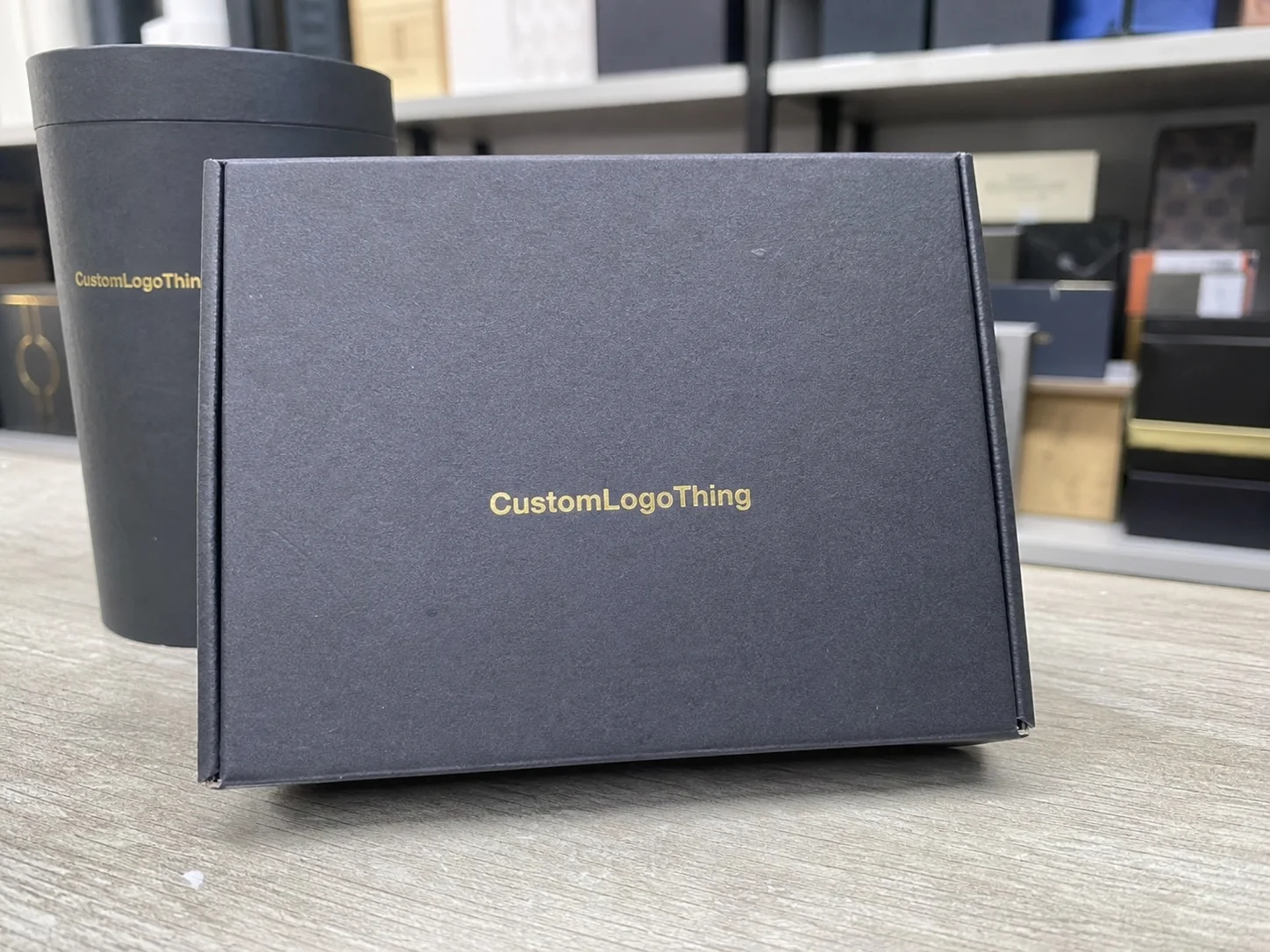
I’ve spent 12 years dealing with custom printing, factory quotes, and the lovely habit suppliers have of “finding” extra fees after the first sample. So I’m going to be blunt: Handmade Product Packaging Ideas for artisans are not about making everything look fancy. They’re about building Product Packaging That feels intentional, survives shipping, and tells customers, “Yes, a real person made this.” That difference matters. A lot. Honestly, I think too many makers get talked into shiny nonsense when a smarter, simpler setup would sell better and cost less. A straightforward kraft mailer from a supplier in Dongguan can run around $0.42 per unit at 1,000 pieces, while a Custom Rigid Box from Guangzhou may jump to $2.80 per unit before freight.
Handmade Product Packaging Ideas for Artisans: What Actually Works
Handmade product packaging ideas for artisans start with a simple truth: buyers of handmade goods expect care. They don’t want factory sameness. They want branded packaging that feels small-batch, personal, and well considered. In my experience, customers forgive minimalism if it looks deliberate. They do not forgive sloppy. A crooked sticker and a crushed mailer can make a handmade candle feel cheap even if the wax is excellent and the scent is beautiful. A 3-inch round label applied 4 mm off-center can undo the work of a $28 product in seconds, especially in retail packaging where shoppers scan shelf presentation in under five seconds.
When I visited a Shenzhen packaging line for a candle client, the production manager kept asking one question: “What is the box supposed to do first?” That sounds basic, but it’s the whole game. Handmade product packaging ideas for artisans must handle three jobs at once: protect the product, present the product, and communicate the brand. Mass-market packaging usually does one job well and automates the rest. Handmade sellers need something more flexible because volumes are lower, designs change faster, and every item has a bit of personality baked into it. A carton that is 180 x 180 x 90 mm can work beautifully for a 9 oz candle, but only if the insert clearance and board grade are matched to the actual glass weight.
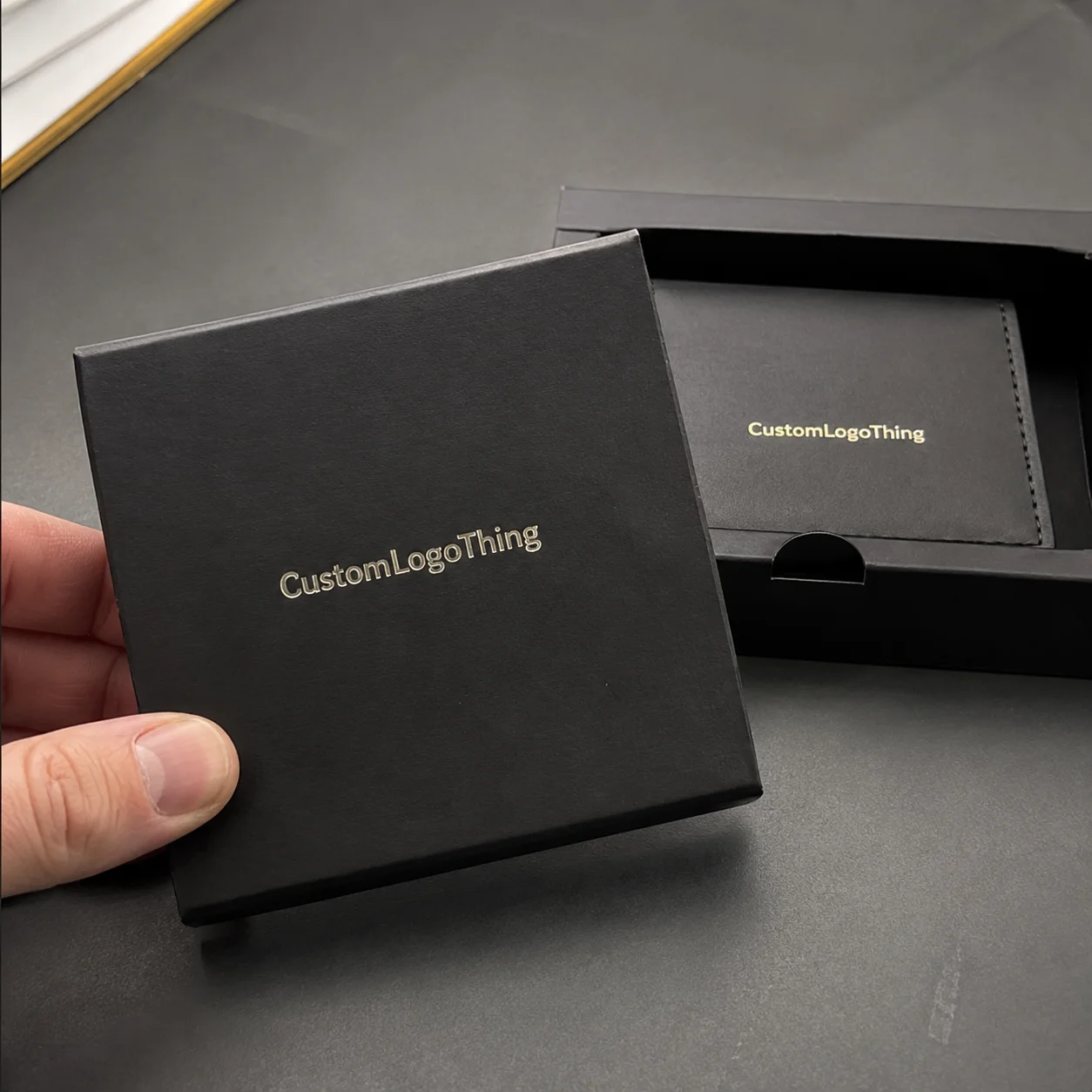
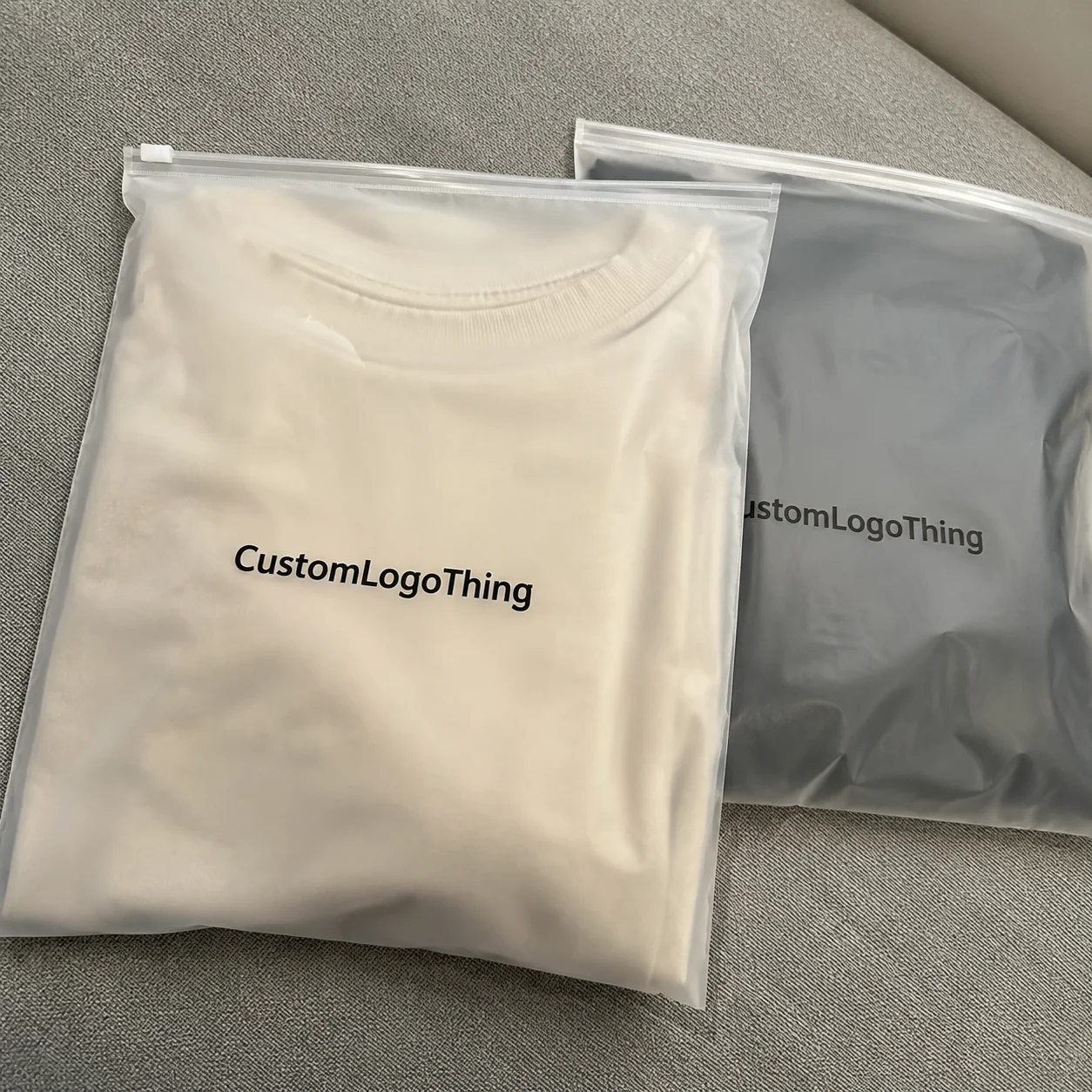
Common formats show up again and again because they work. Kraft mailers. Belly bands. Printed tissue. Custom stickers. Rigid boxes. Sleeve boxes. Tin containers. Glassine bags. Compostable mailers. Those are the usual suspects. I’ve also seen artisans use a simple white mailer with a single-color logo stamp and still look premium because the spacing, texture, and fold were right. That is the kind of package branding people remember. A 350gsm C1S artboard tuck box with a matte aqueous coating can look far more expensive than a metallic silver box if the typography is clean and the structure is well cut.
Here’s the psychology piece most people miss: handmade buyers are not shopping only for the object. They’re shopping for the story, the maker, and the feeling that someone actually cared. That means handmade product packaging ideas for artisans need to look authentic, not overdesigned. Too much foil, too many fonts, too many layers, and the package starts screaming “marketing department,” which is exactly the opposite of what a lot of artisans want. In Portland and Asheville craft markets, I’ve seen simple one-color kraft packaging outsell ornate setups because the cleaner design matched the buyer’s expectation of authenticity.
“A handmade product can look premium without looking polished to death. The trick is restraint, not excess.”
If you’re sorting through handmade product packaging ideas for artisans, think of the box or mailer as the outer handshake. The product inside is the actual conversation. A good outer layer can set the tone. A bad one can kill the mood before the customer even opens it. And yes, I’ve seen people judge a $38 candle by a $0.12 sticker. People are weird like that. In one Chicago wholesale meeting, a buyer approved a line of soaps after seeing the packaging texture first, then asked for the ingredient cards second. The sequence mattered more than the sales pitch.
How Handmade Product Packaging Ideas for Artisans Work
Handmade product packaging ideas for artisans work best when you separate the packaging stack into layers. I use three buckets: primary packaging, secondary packaging, and shipping packaging. Primary packaging is what touches the product. Think a glass jar for a balm, a cotton pouch for jewelry, or a food-safe pouch for tea. Secondary packaging is the brand layer. That’s your printed box, sleeve, belly band, or tissue wrap. Shipping packaging is the outside layer that survives the UPS truck, the porch, and the conveyor belt nobody ever apologizes for. A maker in Austin once told me her best-selling salve needed a 58 mm tin for the product itself, a 65 mm paperboard sleeve for display, and a 9 x 6 x 2 inch mailer for shipping; each layer had a job, and none of them were optional.
This is where I see artisans get burned. They pick one beautiful box and expect it to do everything. It won’t. A 350gsm paperboard tuck box may look lovely on a shelf, but if you’re shipping a 9 oz candle, you may need an E-flute mailer or a rigid setup box to stop corner crush. I’ve had a supplier in Dongguan tell me straight up, “Pretty does not survive gravity.” He was rude, but not wrong. A rigid box with a 2 mm grayboard core and a paper wrap can cost $1.85 to $3.40 per unit at 500 pieces, but it can also save you from a 6% damage rate that wipes out the savings on cheap packaging.
The smartest handmade product packaging ideas for artisans mix off-the-shelf components with custom pieces. Maybe you use a standard kraft mailer at $0.42/unit for 1,000 pieces, then add a branded belly band at $0.09/unit and a custom sticker at $0.04/unit. That gives you custom printed boxes energy without paying for a full bespoke structure on every SKU. A lot of artisans assume “custom” means expensive by default. Not always. Sometimes a smart label solves 80% of the branding problem for 20% of the cost. In Mexico City and Toronto, several indie skincare brands I’ve reviewed use this exact approach because it keeps inventory lean and reorder times under 14 business days.
Print methods matter too. Digital print is great for short runs and artwork changes. Flexographic print fits larger runs and simple graphics. Foil stamping adds shine, but it adds setup and usually a die cost. Embossing feels premium, but the tooling fee can be ugly if your volume is small. Labels are the cheapest path to package branding because they let you test designs without committing to a giant box order. If you want a practical place to start, look at Custom Packaging Products and build from there instead of trying to engineer a whole luxury system on day one. One Shenzhen converter quoted a 1,000-piece label run at $0.07 per unit with a 7-business-day turnaround; the same artwork on a full printed carton came back at $0.53 per unit plus a 9-day proof cycle.
Here’s the simple process I’ve used with clients:
- Measure the product, including closures and inserts.
- Identify what can break, bend, leak, smear, or scratch.
- Choose protection first, then branding.
- Build the artwork around the dieline, not the other way around.
- Request a physical sample.
- Test the fit, print quality, and shipping durability.
- Place the order only after the sample survives the real-world test.
That sounds basic because it is basic. Yet people skip the basics and then act surprised when the box is 4 mm too tight or the insert arrives with foam that smells like a tire shop. Supplier realities also matter. Some factories want 1,000-unit minimums. Others can manage 250 units if the structure is simple. I’ve seen a print quote swing by $380 just because the artwork needed one extra setup pass. Handmade product packaging ideas for artisans only stay practical when you account for those realities early. A supplier in Ho Chi Minh City may quote a plain mailer in 12-15 business days from proof approval, while a foil-stamped sleeve from Istanbul can take 18-22 business days because of plate production and curing time.
For packaging standards, I like to check against source material from the ISTA testing standards if shipping damage is a real risk, and I always tell clients to confirm recycled or certified stock options with the supplier when sustainability claims matter. If you’re making claims, don’t guess. Guessing is expensive. It can also be legally messy: one seller in Seattle had to reprint 2,400 labels after discovering the “recycled” paperboard they purchased was only partially recycled content, not FSC-certified stock.
Key Factors in Handmade Product Packaging Ideas for Artisans
Not every handmade product has the same packaging needs. Handmade product packaging ideas for artisans have to account for fragility, weight, scent, moisture, and how the product is sold. Soap is not a ceramic mug. A candle is not a linen scarf. Jewelry has different risk points than granola. I know that sounds obvious, but I’ve watched more than one maker put a fragile item into a cute envelope and then wonder why it arrived in pieces. Cute does not replace structure. A 120 g ceramic cup may need molded pulp plus an 18pt paperboard carton, while a 45 g soap bar often needs only a printed sleeve and a glassine wrap.
Fragility should lead the conversation. Ceramics, candles in glass, bath salts with loose lids, and food items all need different solutions. For ceramics, I usually push for double-wall corrugate or rigid packaging with molded pulp or paperboard inserts. For soap, a snug paperboard sleeve and a moisture-resistant wrap may be enough. For textiles, a glassine bag or a folded box can work beautifully. That’s the real strength of handmade product packaging ideas for artisans: flexibility. A candle studio in Nashville cut damage claims from 7 out of 100 shipments to 1.5 out of 100 by moving from loose paper fill to a die-cut insert and a 32ECT mailer.
Brand fit is next. Rustic, luxe, botanical, minimalist, modern, playful. Pick one lane and stay in it unless your product line clearly needs variation. I once sat in a client meeting where they wanted “earthy artisan” and “high-fashion premium” at the same time. That’s usually how you end up with a box that looks like it was designed by committee and approved by confusion. Better to have one clear packaging design than three mixed signals. A kraft carton with black ink and one debossed logo can feel at home in a farmers market in Madison or a boutique in Santa Fe without trying too hard.
Sustainability matters, but there’s no magic material that solves everything. Recycled paperboard, FSC-certified stock, compostable film, reusable tins, and glass all have tradeoffs. Kraft paper can look honest and natural, but it may scuff faster than coated stock. A reusable tin can feel premium, but the unit cost can jump fast once you add printing or embossing. If you want certified sourcing, the Forest Stewardship Council is a solid reference point for responsibly sourced paper materials. In practical terms, a 100% recycled paperboard sleeve may cost $0.11 more per unit than virgin stock, but it can also align better with a brand promise that customers are already paying for.
Now let’s talk money, because pretending otherwise is how margins die. A $0.25 sticker sounds harmless. A $0.60 printed box sounds reasonable. A $1.80 insert sounds tiny. Add them together across 500 units and you’re spending $1,325 before labor, freight, or damage replacements. That’s why handmade product packaging ideas for artisans need unit economics, not just mood boards. I’ve seen artisans focus on “premium” and forget that packaging costs hit every single unit. The invoice doesn’t care about vibes. If your landed cost is $1.94 per unit on a candle that retails for $24, you may still be fine; if the candle retails for $14, you are not.
| Packaging option | Typical unit cost | Best for | Main tradeoff |
|---|---|---|---|
| Custom sticker + kraft mailer | $0.22 to $0.70 | Small goods, low budget branding | Less premium feel |
| Printed belly band + tissue wrap | $0.18 to $0.95 | Soap, textiles, giftable items | Limited protection alone |
| Custom printed box | $0.60 to $2.50 | Retail packaging, subscription kits, gifts | Higher setup and freight cost |
| Rigid box with insert | $1.40 to $4.20 | High-end handmade goods | Margin pressure on small orders |
Shipping performance is non-negotiable. Handmade product packaging ideas for artisans must survive drops, moisture, abrasion, and stacked cartons. A display-ready package that crushes in transit is not good packaging. It is a future refund. I have had customers send me photos of torn mailers after a rainy delivery route, and the fix was not “more branding.” It was better material selection and a tighter closure. One small-batch tea seller in Edinburgh switched to a 110 gsm glassine liner plus a 24ECT mailer and cut wet-corner complaints to zero over a 6-week winter period.
Compliance also matters depending on what you sell. Food-safe materials need proper ink and substrate choices. Bath and beauty products may require ingredient labels, warning icons, or batch information. Retail packaging may need barcodes or hang tags. None of that is glamorous. All of it is real. Handmade product packaging ideas for artisans work best when they support those requirements without turning the design into a legal textbook. If your labels are for lip balm in the EU, for example, you may need INCI ingredient listing, nominal fill weight, and a responsible person address on the pack.
Customization level changes the budget fast. Full-coverage printing on every surface is more expensive than a one-color logo, and a multi-color custom printed box usually costs more than a simple sleeve or branded label. My rule is straightforward: customize the first thing the buyer touches, then simplify everything after that. If the first touchpoint is a mailer, spend the extra 12 cents there instead of adding a second print pass to an insert nobody notices.
Handmade Product Packaging Ideas for Artisans: Step-by-Step Guide
Step 1 is measuring. I mean really measuring, not eyeballing. Write down length, width, height, closure type, and anything weird like a handle, spout, or irregular edge. A soap bar that is 3.25 x 2.25 x 1.0 inches is not the same as one that is 3.5 x 2.5 x 0.9 inches, because the fold line and fit can change. One millimeter can be the difference between a clean tuck and a box that pops open during shipping. Handmade product packaging ideas for artisans get much easier when the size data is solid. Use calipers if you have them; a $18 digital caliper from a hardware store can save a $180 sample mistake.
Step 2 is defining the experience. Ask what the packaging should feel like. Premium giftable? Earthy handmade? Minimal boutique? Shipping-first and practical? Your answer changes every decision after that. A ceramic mug sold at a craft fair needs a different product packaging setup than a soap bar shipped from a home studio in batches of 50. I once helped a maker switch from a matte black box to kraft with a single foil logo, and her return customers said the new version felt “more like her.” That was the point. The foil plate cost $65, the reorder was $0.21 per unit higher, and the owner still recovered the expense in two weekend events.
Step 3 is choosing layers. Don’t overbuild it. A primary container, a branding layer, and a shipping layer is enough for most artisans. If you try to add a box, sleeve, tissue, sticker, ribbon, card, and crinkle fill to a $14 item, your margin will vanish under a pile of accessories. Some handmade product packaging ideas for artisans need restraint more than decoration. For a 2 oz lotion bar, a printed sleeve and a compostable wrap are often enough; for a set of six glass jars, you may need partitions and a double-wall shipper.
Step 4 is dieline and artwork. Build the art around the print template. Keep logos readable. Leave room for ingredient lists, barcodes, or warnings. If your design uses three shades of beige, congratulations, you’ve invented invisible branding. Pick contrast. I’ve sat in proof meetings where a beautiful logo turned into a ghost on recycled stock because nobody checked the ink contrast against the paper color. That is why samples exist. A supplier in Milan once warned me that a 10% ink coverage on brown kraft would disappear under warm showroom lights; he was right, and the client saved a reprint by shifting to 70% black.
Step 5 is sampling and testing. Order one or two samples before full production. Check scuffing, glue hold, corner crush, and print alignment. For shipping goods, do a simple drop test from 30 inches onto concrete or a hard floor. If the item shifts too much, add an insert or change the board strength. If you want a more formal approach, use guidance from EPA recycling and materials resources to think through material recovery and waste reduction. A sample that survives one drop but fails after a 12-minute vibration test in a car trunk is not a final sample.
Step 6 is timing. Small custom runs often need 2 to 6 weeks depending on print complexity, sampling, and freight. I’ve seen simple label jobs turn in 12 business days and complex rigid box projects take 5 weeks because the foil plate and insert spec kept changing. The fastest way to delay handmade product packaging ideas for artisans is to keep changing the artwork after the sample is already approved. Suppliers love that. Said no one ever. In practice, a proof approval on a Tuesday can mean finished cartons by the second Friday if you’re doing a simple matte sleeve in Shenzhen or Xiamen; a specialty laminate can stretch that to 15-18 business days.
Step 7 is inspection. When the first batch lands, open random cartons. Check quantity, print quality, glue lines, and whether the cartons are actually the size you ordered. I’ve had a pallet arrive with the right art and the wrong board thickness. Same look. Different pain. If you skip inspection, your “bulk discount” becomes a sorting project for your kitchen table. A 1,000-piece run can hide a 3% defect rate unless you sample at least 20 units from different cartons.
Step 8 is documentation. Save the dieline, material spec, print method, supplier contact, sample photo, and landed cost. Put the reorder quantity and carton count in one file. Future-you will be grateful. Reorders become much less annoying when you don’t have to chase down a printer in Guangdong because the PDF is named “final_final_v7_reallyfinal.pdf.” We have all been there, unfortunately. A clean spec sheet with board grade, coating, and Pantone references can shave two emails and one day off every reorder.
Common Mistakes with Handmade Product Packaging Ideas for Artisans
The first mistake is designing before measuring. Cute packaging that doesn’t fit the product is not a bold creative choice. It’s a mistake with a freight charge attached. I’ve seen artisans buy 500 boxes because the mockup looked perfect in Photoshop, then discover their jars were 6 mm too tall. That is a rough day. One maker in Denver had to reprint a whole batch because her lid clearance was 1.2 mm short, which turned a $0.68 unit into a $1.41 unit disaster after rush freight.
The second mistake is overbranding every surface. Too many logos. Too much copy. Too much foil. Relax. You do not need your brand name on the inside flap, outside flap, bottom panel, insert, sticker, tissue, and thank-you card. Handmade product packaging ideas for artisans usually get stronger when they leave some visual breathing room. A single logo on the top panel and one supporting line on the inside flap often feels more expensive than a crowded package covered in four fonts and six claims.
Third, people ignore shipping abuse. If it can’t survive a conveyor belt, a warehouse shelf, or a porch drop, it’s not finished. It’s decoration. That sounds harsh, but after seeing enough broken jars and dented tins, I stand by it. The package has one job before it has any brand job: protect the item. In one Texas warehouse test, a soap box that looked beautiful failed after two corner drops from 30 inches because the cardstock buckled at the fold line.
Fourth, some materials look premium but fail in actual use. Flimsy paperboard for a heavy candle. Weak adhesive in humid weather. Uncoated paper that smudges under hand oils. I once had a client use a beautiful matte label on bath oils, and within two weeks the corners started lifting in summer humidity. Pretty label. Bad chemistry. That’s how packaging lessons get expensive. A matte varnish and a stronger acrylic adhesive would have added only $0.03 per unit, which is a lot cheaper than replacing 400 damaged labels.
Fifth, unit economics get ignored. Handmade product packaging ideas for artisans can easily swallow margin if you don’t track every component. A $0.11 tissue sheet, a $0.13 sticker, a $0.42 mailer, a $0.27 insert, and a $0.08 thank-you card are not “small.” They are $1.01 before labor. Multiply that by 800 units and your packaging line item is suddenly bigger than your cost of goods in some cases. People hate math until the invoice arrives. A Brooklyn soap brand I reviewed added custom thank-you cards and saw packaging costs rise from $0.74 to $1.26 per order in one quarter.
Sixth, too many makers skip samples. That is basically paying for disappointment in bulk. Sample packs let you catch problems with print registration, board stiffness, insert fit, and color shift before you commit. I’d rather spend $45 on samples than $450 fixing a box run after the fact. Easy choice. A 3-day sample cycle in Los Angeles or New Jersey can reveal a bad score line before the overseas production slot locks in.
Seventh, there’s no plan for product-line changes. Artisans add scents, sizes, seasonal editions, and gift sets. Fast. If your packaging system only works for one SKU, reorders become a scavenger hunt. I like modular systems because they keep handmade product packaging ideas for artisans flexible without forcing a complete redesign every time you launch a new product. A sleeve system with a consistent 70 x 110 mm label panel can handle three soap scents, two holiday releases, and one gift bundle without a structural overhaul.
Expert Tips for Handmade Product Packaging Ideas for Artisans
If you want one practical tip, make it this: choose one signature packaging element and repeat it across the line. A branded sticker. A belly band. A strip of printed tissue. A custom seal. One consistent detail builds recognition better than five random ones. That’s package branding, and it works because customers notice repetition before they notice complexity. A consistent deep green band and a 1-color logo can become recognizable across a Saturday market in Nashville and a Shopify order packed in a studio in Oakland.
My second tip is to split the budget intelligently. Spend more where customers touch and see first. Spend less on hidden layers. If the box is kept and reused, put more money there. If the shipping mailer is tossed in 10 seconds, don’t turn it into a mini art project. Handmade product packaging ideas for artisans are strongest when the spend matches the lifespan of the component. A rigid gift box may justify $1.95 per unit if it becomes part of the unboxing and is reused for storage; a shipping sleeve rarely does.
Third, negotiate. Please. I know some founders treat supplier quotes like stone tablets handed down by packaging gods. They’re not. Ask about tooling, setup charges, and reprint terms. I’ve shaved $260 off a run by moving from a custom insert to a standardized paperboard insert with one minor trim change. Suppliers usually have some flexibility, but you have to ask the right way and have a backup plan. A factory in Yiwu once dropped the unit price by 14% after the client agreed to accept one shared dieline instead of a fully unique insert.
Fourth, compare local and overseas sourcing by total landed cost, not just unit price. A local printer might quote higher per unit but save you on freight, communication time, and sample revisions. An overseas factory may give a lower unit cost but charge extra for freight, customs delays, and repeat samples. I’ve had clients save money on paper and lose it on air shipping because nobody calculated the full picture. Brilliant, right? A $0.62 unit price in Ohio can beat a $0.31 unit price in Shenzhen once you add $180 freight, two proof rounds, and 11 days of waiting.
Fifth, build modularity into the system. One box size can cover three SKUs if you use inserts, void fill, or folding adjustments. One label size can work across scents if the color coding changes. Handmade product packaging ideas for artisans scale better when the system is designed for variation. That matters a lot if you sell at markets, online, and through retail packaging accounts all at once. A Los Angeles soap maker I worked with used one 4 x 4 x 1.25 inch sleeve for five bars and changed only the outer band color by scent.
Sixth, test unboxing on camera and in person. What looks refined on a desk can look chaotic when opened on the hood of a car or in a dim apartment hallway. I’ve seen artisans discover that their tissue wrap was too fussy for real-world use after watching a customer open it with one hand while holding a phone in the other. Real life is not a studio shoot. A 20-second phone video from a customer can reveal more about usability than a polished product photo ever could.
Seventh, simplicity usually wins. One strong color. One clear logo. One tactile detail. Maybe a soft-touch lamination, maybe a natural kraft texture, maybe a debossed mark. You do not need to empty the finish catalog. Strong handmade product packaging ideas for artisans often feel calm, not crowded. And frankly, calm is underrated. A 350gsm C1S box with one debossed logo in black ink can look more expensive than a full-color carton overloaded with gradients and metallic effects.
Next Steps for Handmade Product Packaging Ideas for Artisans
Start with a packaging audit. List every product dimension, fragility issue, current cost, and customer complaint. Put it in a spreadsheet. If you’re running a small studio, the numbers can be ugly at first. Fine. Better ugly on a spreadsheet than ugly on a refund report. One ceramics seller in Philadelphia discovered that 11% of her breakage claims came from a carton that was 5 mm too shallow, which made the audit more useful than any branding brainstorm.
Pick one product and prototype first. Don’t redesign your entire catalog in one fever dream. Test one SKU, one box, one insert, one shipping solution. If the prototype works, expand the system. Handmade product packaging ideas for artisans become a lot less overwhelming when you treat them like an experiment instead of a total identity crisis. A pilot run of 250 units can tell you far more than a mood board and a dozen screenshots ever will.
Ask for two sample options from a supplier: one budget, one premium. Compare the feel, not just the price. Sometimes a $0.38 difference is worth it because the premium version holds up better or elevates the perception enough to support a higher retail price. Sometimes it’s not. That’s why you sample. If the premium sample adds a 2 mm board upgrade and costs $0.19 more per unit but reduces denting in transit, the math usually favors the upgrade.
Set a target landed cost before you design anything. Seriously. If your max packaging cost is $1.10 per unit, say that up front. Design within the number. Otherwise you’ll end up with a gorgeous mockup that makes zero economic sense. Handmade product packaging ideas for artisans should support the business, not just the photo shoot. A Canadian maker I consulted saved nearly $700 on a 1,200-unit order by capping the spec at the beginning rather than chasing finish upgrades after the proof stage.
Build a reorder sheet with SKU, dimensions, material, print method, supplier name, lead time, and carton count. Keep it somewhere you can actually find. Future orders are much faster when the details are already organized. I’ve watched reorders turn into a detective story because nobody saved the first spec sheet. A good sheet also helps when a supplier in Xiamen gives you a revised quote with a different carton count and you need to catch the discrepancy before payment.
Then use customer feedback. Reviews. Returns. Unboxing videos. Even the casual stuff in email replies. If people mention that the box feels flimsy or that the insert is too hard to open, fix it. Packaging is not a museum piece. It should improve with use. One artisan in Atlanta changed her insert cutout after three customers said the lid tab was hard to lift; her repeat purchase rate rose over the next quarter without changing the product formula at all.
The payoff is real. Better handmade product packaging ideas for artisans improve protection, boost perceived value, and can drive repeat purchases without needing a louder ad budget. Good packaging does not yell. It quietly makes the product look worth more, and customers notice that instantly. If you want to start building your own system, explore Custom Packaging Products and choose the simplest structure that can still do the job well. A simple 350gsm C1S artboard box in a 500-piece run can be the right answer if the fit, print, and shipping protection all line up.
FAQ
What are the best handmade product packaging ideas for artisans on a small budget?
Start with low-cost branding layers like custom stickers, stamped tissue, or a printed belly band. Use one standard box size across multiple products to reduce inventory and setup costs. Choose kraft or recycled stock and add one premium detail instead of paying for full-surface printing. A 1-color logo on a 100% recycled mailer from a supplier in Pennsylvania or Guangdong can often keep packaging under $0.60 per unit for 500 to 1,000 pieces.
How much do handmade product packaging ideas for artisans usually cost per unit?
Simple branded packaging can start around $0.20 to $0.80 per unit for labels, bands, or tissue. Custom boxes and inserts often run from about $0.60 to $2.50 per unit depending on size, print, and material. Setup fees, artwork changes, and shipping can affect the real landed cost more than the unit price alone. A 1,000-piece run of a 350gsm C1S tuck box may land at $0.48 per unit, while a rigid gift box with a 2 mm insert can land closer to $2.10 per unit before freight.
How long does it take to produce handmade packaging for artisan products?
Basic printed packaging may take about 2 to 4 weeks after artwork approval. Custom boxes, specialty finishes, or sampling rounds can push timelines closer to 4 to 6 weeks. Rush orders are possible sometimes, but expect higher costs and fewer material choices. For example, simple labels can typically be finished in 12-15 business days from proof approval, while foil-stamped cartons from a factory in Shenzhen may need 18-22 business days.
What packaging works best for fragile handmade products?
Use rigid or thicker corrugated packaging for breakable items like ceramics, candles, and glass. Add inserts, tissue wrap, molded pulp, or dividers to reduce movement during shipping. Test a packed box with a drop simulation before placing a full order. A 32ECT mailer with a die-cut insert is often enough for many 8 oz jars, while a 2 mm rigid box works better for higher-end glass items.
How do I make handmade product packaging ideas for artisans look premium without overspending?
Keep the design simple and focused: clean typography, one strong color, and one tactile feature. Invest in touchpoints customers notice first, like the outer box or closing seal. Avoid unnecessary extras that add cost but do not improve the unboxing or protection. A debossed logo on a kraft sleeve or a single foil mark on a 350gsm C1S artboard box can feel premium without pushing packaging above your target, such as $1.10 per unit at 500 pieces.