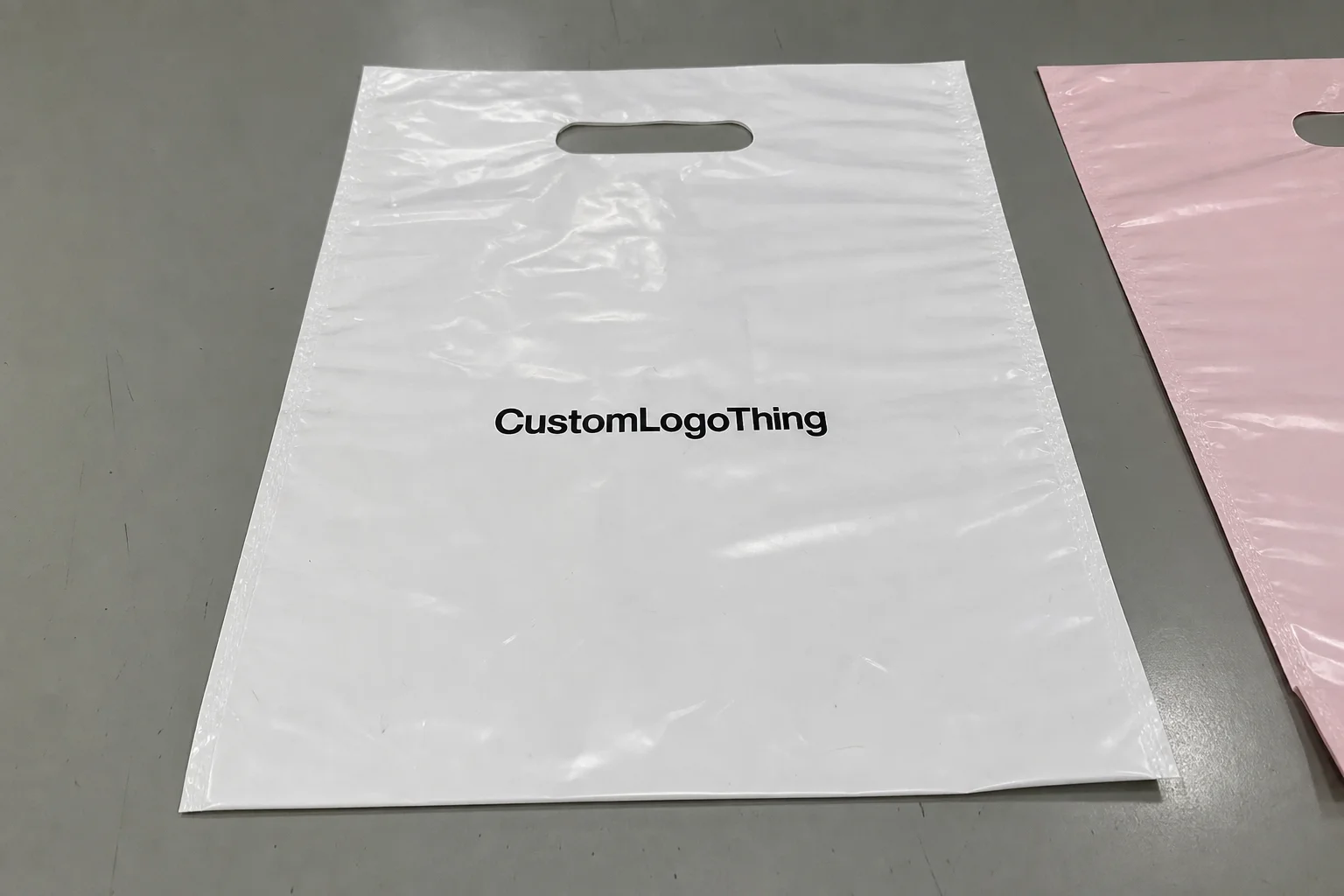
Why a torn cover can cost more than the bag itself

A cheap garment bag stops being cheap when it tears at the hanger opening, splits at the side seal, clouds the garment, or comes up short on a coat. The real cost then includes rebagging labor, slower packing, extra handling, and preventable presentation issues.
That is the point of a heavy duty garment Bags Unit Cost guide. Buyers are not only comparing piece price. They are comparing total operating cost across packing, storage, transfer, freight, and final presentation.
Light retail dust covers and true heavy-Duty Garment Bags serve different jobs. Thin covers may work for short in-store use. Heavy-duty bags are built for warehouse movement, longer storage, bulk packing, rental cycles, or direct-to-consumer handling where puncture resistance and seal strength matter more. Uniform programs, outerwear, formalwear, and ecommerce apparel tend to expose weak construction quickly.
A garment bag looks inexpensive until it fails in operations. Then it becomes a labor issue, a freight issue, and sometimes a brand issue.
Freight belongs in the same decision. Extra width, length, or thickness may improve protection but reduce carton density and increase cube. The best spec is rarely the thickest bag on the quote sheet. It is the one that balances protection, usable dimensions, clarity, and pack efficiency with the fewest downstream penalties.
What makes a garment bag truly heavy duty
A heavy-duty garment bag is usually a hanging apparel cover made from thicker polyethylene film or a tougher blended structure designed for suits, uniforms, dresses, and coats during storage and distribution. The term heavy duty should be measurable, not just descriptive.
Most bags use LDPE, LLDPE, or a blend. LDPE generally offers softer feel and better clarity. LLDPE improves toughness and puncture resistance. Co-extruded film is common when the application needs a balance of seal strength, tear resistance, and appearance.
Light dust covers often start around 1.0 to 1.25 mil. Heavy-duty applications more often land in the 1.5 to 3.0 mil range. Thicker film is not automatically better. If the failure point is a weak hanger slot, poor seal width, or a bag that is too narrow through the shoulder, extra gauge adds cost without fixing the problem.
Key design details matter as much as gauge:
- Hanger opening sized for the actual hanger profile
- Shoulder contour to reduce drag over structured garments
- Side or bottom gussets for coats, layered uniforms, gowns, or padded items
- Zipper or resealable closure when repeated access is required
- Vent holes for air release, kept away from stress zones
- Carry handles for event, retail, or transport-focused programs
Clarity and toughness do not always move together. Clear film supports premium presentation. Frosted film can hide light scuffing but reduces product visibility. If privacy or branding matters, a printed panel may be a better answer than switching to heavier opaque film. For broader recycling context, the EPA recycling guidance is a reasonable reference.
The strongest spec targets actual stress points: hanger pressure, garment bulk, storage duration, loading speed, and shipment method. That is the practical foundation of any reliable unit cost comparison.
Specifications that change performance and pack efficiency
Accurate pricing starts with accurate specifications. Buyers should confirm width, length, gusset size, film thickness, hanger slot dimensions, and closure style before requesting a quote. If a major detail is missing, the first number is usually only an estimate.
Size should follow the garment profile, not a rough product category. Simple shirts and light uniforms can work in narrower bags. Structured dresses, suiting, and outerwear usually need more shoulder room or gusset depth. A bag that is too tight slows loading and strains seals. A bag that is too large wastes film and hurts carton efficiency.
Gauge affects more than strength. Thicker film changes drape, operator handling, bags per carton, and freight density. Even a 0.25 to 0.5 mil change can shift unit cost and carton weight across a large program.
Print specifications also need discipline. A one-color spot print with modest coverage adds less cost than large coverage areas, opaque white underprints, or multiple colors. Buyers should define color count, print side, placement, and approximate coverage early because those details affect setup, scrap, and scheduling.
Operational requirements are easy to miss and expensive to fix later:
- Vent holes sized and placed to release air without weakening the bag
- Suffocation warnings where consumer-facing packaging requires them
- Recycle messaging or resin identification if required
- Barcode labels on bags or master cartons for scan accuracy
- Carton labeling for routing, SKU control, or mixed-pack handling
One recurring mistake is sending a drawing without the garment profile. A supplier can price dimensions from a sketch, but cannot judge fit from dimensions alone. A current sample bag, a filled garment sample, or at least packed shoulder and hem measurements gives much better guidance. If the bags will move through tougher distribution, ask how packed cartons align with ISTA transit test practices.
Heavy duty garment bags unit cost guide: what moves pricing and MOQ
The main price drivers are resin grade, dimensions, film thickness, construction style, print complexity, and pack method. Add zippers, special cutouts, gussets, or nonstandard folds and the quote moves again. Flexible packaging is priced closer to material use and conversion time than to a broad product label.
Resin is usually the biggest input cost, so dimensional changes matter. Add one inch in width or length across a large order and material use rises quickly. Move from 1.5 mil to 2.0 mil with the same footprint and plastic weight per bag increases by about one-third.
MOQ reflects run efficiency, setup, print prep, and line changeover. Stock plain bags often allow lower quantities because the size and structure already exist. Plain custom sizes usually require a higher minimum. Printed custom orders tend to require the highest minimums because plate or cylinder prep, color matching, and registration setup must be absorbed across the run.
A practical way to compare pricing is by order type:
| Order Type | Typical Cost Pattern | MOQ Pattern | Best Use |
|---|---|---|---|
| Stock plain size | Lowest setup burden; piece price may stay relatively high at low volume | Lowest MOQ | Urgent replenishment, basic fit, short lead-time needs |
| Custom plain size | Mostly material-driven with moderate setup impact | Mid-range MOQ | Better fit without print complexity |
| Custom printed | Higher setup cost; pricing improves more at scale | Highest MOQ | Repeat programs, retail presentation, branded distribution |
Exact prices move with resin markets, order size, and freight conditions, so broad ranges are more honest than a universal price sheet. Plain heavy-Duty Garment Bags may land in the low-to-mid cents range on larger straightforward runs, while smaller custom or printed programs can climb materially higher. Add zippers, thicker gauges, oversized formats, or heavy print coverage and the spread widens fast.
Secondary costs often distort quote comparisons:
- Sample charges for custom mockups or preproduction checks
- Plate or cylinder costs for printed orders
- Carton configuration that changes handling and freight
- Delivery terms that change landed cost more than the piece price suggests
Normalize every quote before comparing it. Confirm usable dimensions, film thickness in mil, material type if specified, print coverage, bags per carton, carton size, and whether freight is included. Two quotes can look similar and still differ in real value because one is thinner, one packs fewer units per carton, or one excludes setup charges.
Production steps, lead time, and turnaround expectations
The path from inquiry to delivery is usually: specification review, quotation, artwork check, sample approval if needed, production scheduling, film allocation or extrusion, printing, converting, packing, and shipment. Delays more often come from missing details and slow approvals than from the converting line itself.
Stock products move fastest because the film, size, and pack method already exist. Semi-custom orders take longer because setup changes. Fully custom printed bags usually take the most time because they may require print plate prep, color approval, custom film scheduling, and a dedicated production slot.
Common lead-time extenders include:
- Custom film extrusion for nonstandard gauge, width, or blend
- Plate preparation and print color approval
- Approval delays on artwork, warning copy, or dimensions
- Special features such as zippers, handles, or unusual cutouts
- Peak-season scheduling when multiple apparel programs launch at once
Approval checkpoints matter because they catch expensive mistakes early. Buyers should confirm whether dimensions are lay-flat or include the gusset, acceptable thickness tolerance, hanger opening placement, artwork orientation, warning text, and carton labeling before production starts.
Reorders usually become much more predictable once the structure, print settings, and carton pack are locked. That is why the first order deserves tighter review than buyers sometimes give it.
Common quote mistakes that inflate cost or create rework
Incomplete dimensions are the most common problem. Buyers send width and length but leave out the gusset, or quote outside dimensions instead of usable internal space. Another frequent miss is the hanger opening. A bag can match the stated body dimensions and still fail because the slot does not fit the actual hanger.
Vague language causes almost as much trouble. Terms like thick, strong, and premium do not produce accurate pricing. One buyer may mean 1.5 mil clear LDPE. Another may mean a 2.5 mil co-ex bag with zipper closure and reinforced opening. Suppliers fill in the gaps with assumptions, and assumptions often return later as mismatched samples or revised quotes.
Artwork is another quiet source of cost. Low-resolution logos, undefined spot colors, missing warning copy, or unclear placement can delay prepress. Large print areas raise the stakes because small changes can affect opacity, registration, drying time, and scrap.
Garment bulk is also underestimated. A bag that looks fine over a flat sample can split once an actual coat, layered uniform, or padded dress is inserted. Then the cost shows up in seal failures, slower loading, overfilled cartons, and extra handling.
A clean first-pass quote usually starts with this checklist:
- Dimensions: width, length, gusset, and whether measurements are lay-flat or usable inside
- Thickness target: required mil or acceptable range
- Garment type: shirt, suit, coat, gown, uniform, or comparable bulk profile
- Material preference: clear, frosted, LDPE blend, co-ex, or open to recommendation
- Opening and closure: hanger slot, flap, zipper, vent holes, handles
- Print details: color count, placement, artwork files, warning text
- Quantity and forecast: trial quantity plus annual usage if known
- Delivery details: ship-to location, in-hands date, carton preferences
How to choose the right supplier and request the next quote
The right supplier is usually the one asking precise questions and speaking clearly about film structure, tolerances, and repeatability. Buyers should pay attention to sample quality, print consistency, seal integrity, and how the supplier handles reorders.
Before requesting pricing, settle three internal decisions:
- Your current bag specification and the main failure or complaint, if there is one
- The target improvement, such as stronger seals, better clarity, lower cube, or easier loading
- Your likely quantity bands, including trial volume, standard order volume, and annual estimate
Then ask for a quote that creates real comparison points. Request pricing at two gauge levels if the application is still being tested. Ask for one stock-size alternative if available, one custom-size option, carton count details, and estimated lead time for the first order versus reorders.
It also helps to ask what quality checks are standard. Film thickness verification, seal checks, print registration review, count accuracy, and carton labeling control are all relevant. If paperboard outers or inserts are part of the pack, chain-of-custody standards such as FSC may matter for those components, but they do not replace film-performance questions for the bag itself.
Before issuing a PO, compare quotes on a normalized basis and, if possible, load the final gauge options with the actual garment. A short hands-on trial usually answers more than another round of spreadsheet debate.
What is the best way to use a heavy duty garment bags unit cost guide?
The best use of a heavy duty garment Bags Unit Cost guide is as a decision tool, not a price list. Start with the garment profile, bag dimensions, target gauge, closure style, and print requirements. Then compare quotes only after those assumptions are held constant.
Next, test the numbers against the real job. Will the bag survive hanger stress? Does it load quickly on the line? Does the heavier gauge improve protection enough to justify the extra resin? Does the carton pack-out help freight efficiency or quietly hurt it?
For repeat apparel programs, the guide helps sort practical tradeoffs. A stock size may reduce Lead Time and MOQ. A custom width may improve fit and reduce wasted film. A printed option may strengthen presentation while adding setup cost. The smartest buy is rarely the absolute cheapest per piece. It is the option that protects the garment and avoids avoidable operating cost later.
FAQ
What affects heavy duty garment bags pricing the most?
Film thickness, overall bag size, and resin type usually drive the largest cost changes because they directly affect material use. Printing, gussets, zipper closures, and special cutouts add converting complexity and setup cost. Order volume matters too, since larger runs spread fixed setup over more pieces.
What is the typical MOQ for custom heavy duty garment bags?
MOQ depends on whether the bag is stock-size, custom plain, or custom printed. Plain custom sizes usually require a moderate minimum because the run still needs dedicated setup. Printed custom bags typically require higher minimums due to artwork prep, registration setup, and line changeover.
How do I choose the right thickness for heavy duty garment bags?
Start with garment weight, bulk, and the number of handling points in storage and transit. Heavier coats, uniforms, and repeated-use applications often need tougher film than simple retail dust covers. A side-by-side review in two gauges is usually the quickest way to judge loading feel, seam confidence, and carton efficiency.
How long is the lead time for custom heavy duty garment bags?
Lead time changes with stock versus custom production, print requirements, and approval speed. Custom extrusion, artwork revisions, nonstandard features, and peak production periods are common sources of delay. Buyers usually shorten turnaround by sending complete specifications early and avoiding multiple rounds of late changes.
What should I include in a quote request for heavy duty garment bags?
Include width, length, gusset if needed, thickness target, material preference, hanger opening details, and closure style. Add print color count, artwork files, quantity, carton packing preferences, ship-to location, and required delivery date. A current sample bag or a filled garment profile helps the supplier quote for fit instead of guessing from dimensions alone.