Buyer Fit Snapshot
| Best fit | Holiday Gift Box Branding Launch Strategy projects where brand print, material claims, artwork control, MOQ, and repeat-order consistency need to be specified before quoting. |
|---|---|
| Quote inputs | Share finished size, material target, print colors, finish, packing count, annual reorder estimate, ship-to region, and any compliance wording. |
| Proofing check | Approve dieline scale, logo placement, barcode or warning zones, color tolerance, closure strength, and carton packing before bulk production. |
| Main risk | Vague material claims, crowded artwork, missing packing details, or unclear freight terms can make a low unit price expensive after revisions. |
Fast answer: Holiday Gift Box Branding Launch Strategy: Board, Finish, Dieline, and Unit Cost should be specified like a repeatable production item. The safest quote records material, print method, finish, artwork proof, packing count, and reorder notes in one written spec.
Production checks before approval
Compare the actual filled-product size with the drawing, then confirm tolerance on folds, seals, hang holes, label areas, and retail display edges. Reserve space for logos, QR codes, warning copy, and material claims before decorative graphics fill the panel.
Quote comparison points
Review material grade, print process, finish, sampling route, tooling charges, carton quantity, and freight assumptions side by side. A quote is only useful when the supplier can repeat the same color, closure quality, and packing count on the next order.
Holiday packaging has a funny habit of stealing the spotlight. I’ve watched buyers at trade shows in Chicago and Düsseldorf pick up a box before they even knew what was inside, and that first touch often decided whether the product felt like a $28 gift or a $58 one. That is exactly why a holiday gift box branding launch strategy matters so much: it turns packaging, print production, and marketing timing into one coordinated plan instead of a scramble in November. And if you’ve ever tried to fix a box spec at 6 p.m. on a Thursday while a factory in Dongguan is already booking pallet space, you know why that matters. Deeply. Painfully.
When I say holiday gift box branding launch strategy, I’m talking about more than a pretty seasonal sleeve. I mean the full sequence of structural design, artwork development, sampling, production scheduling, freight planning, and campaign alignment that helps a brand show up consistently during peak gifting season. Honestly, a lot of teams treat the box like “just packaging” until the supply chain starts coughing and suddenly everyone is panicking over 350gsm C1S artboard like it’s a medical diagnosis. The box has to protect the product, support brand identity, and make the unboxing experience feel deliberate, not accidental.
In my experience walking factory floors from Dongguan to New Jersey, the strongest seasonal launches always shared one trait: they were planned like a product release, not treated like a holiday afterthought. I remember one facility visit outside Suzhou where the marketing team arrived with a gorgeous mood board and zero dimensional specs. The production manager looked at me, raised one eyebrow, and basically said, “Great. Do you also want me to guess the laws of physics?” Fair question. A real holiday gift box branding launch strategy helps a brand build recognition, improve customer perception, and create repeat purchase behavior because the packaging feels connected to the rest of the brand, not like a one-time costume. If you’re working with Custom Logo Things, the goal is simple: make the box do real business work.
Holiday Gift Box Branding Launch Strategy: Why the First Box Matters
The first box matters because it often speaks before the salesperson, before the product description, and sometimes even before the price tag. I’ve seen a rigid gift box with a simple gold foil logo lift perceived value enough to justify a premium margin at retail, while a plain mailer with weak structure made an otherwise excellent product look bargain-bin. That’s the practical side of holiday gift box branding launch strategy: packaging is not decoration; it is part of the sales pitch. A $1.20 premium carton can absolutely support a $48 gift set if the structure, finish, and insert are dialed in.
A seasonal box can be one-off and still look nice, but a true launch strategy is different. It connects the visuals, the materials, the timing, and the campaign message so the packaging supports brand consistency across the whole gift program. A one-off box may only need to look festive. A launch strategy needs to preserve brand identity, reinforce visual branding, and do it at scale without wrecking lead times or freight budgets. That distinction matters a lot when a team is shipping 3,000 influencer kits one week and 12,000 retail units the next, often from factories in Shenzhen, Ningbo, or Vietnam’s Bình Dương region.
One client I worked with in a candle facility outside Chicago had a beautiful silver-embossed carton, but the team started too late and the art team kept revising the die line after the press booking had already been locked. We ended up simplifying the finish, cutting one emboss pass, and still hit the ship date, but only because the structure had been tested early. That project taught the sales team a hard truth: a holiday gift box branding launch strategy is not about stuffing more effects into the design. It’s about making every decision earn its place, especially when the press slot is already reserved for 14 business days.
Here’s what readers usually want from this process, and what I’ll cover below: how branding decisions affect perceived value, how factory scheduling changes your options, why one paperboard choice may save you 11 days, and how to avoid the kind of production bottlenecks that show up right when everyone else is trying to move holiday goods. A good holiday gift box branding launch strategy answers all of that before you approve artwork.
How a Holiday Gift Box Branding Launch Strategy Works
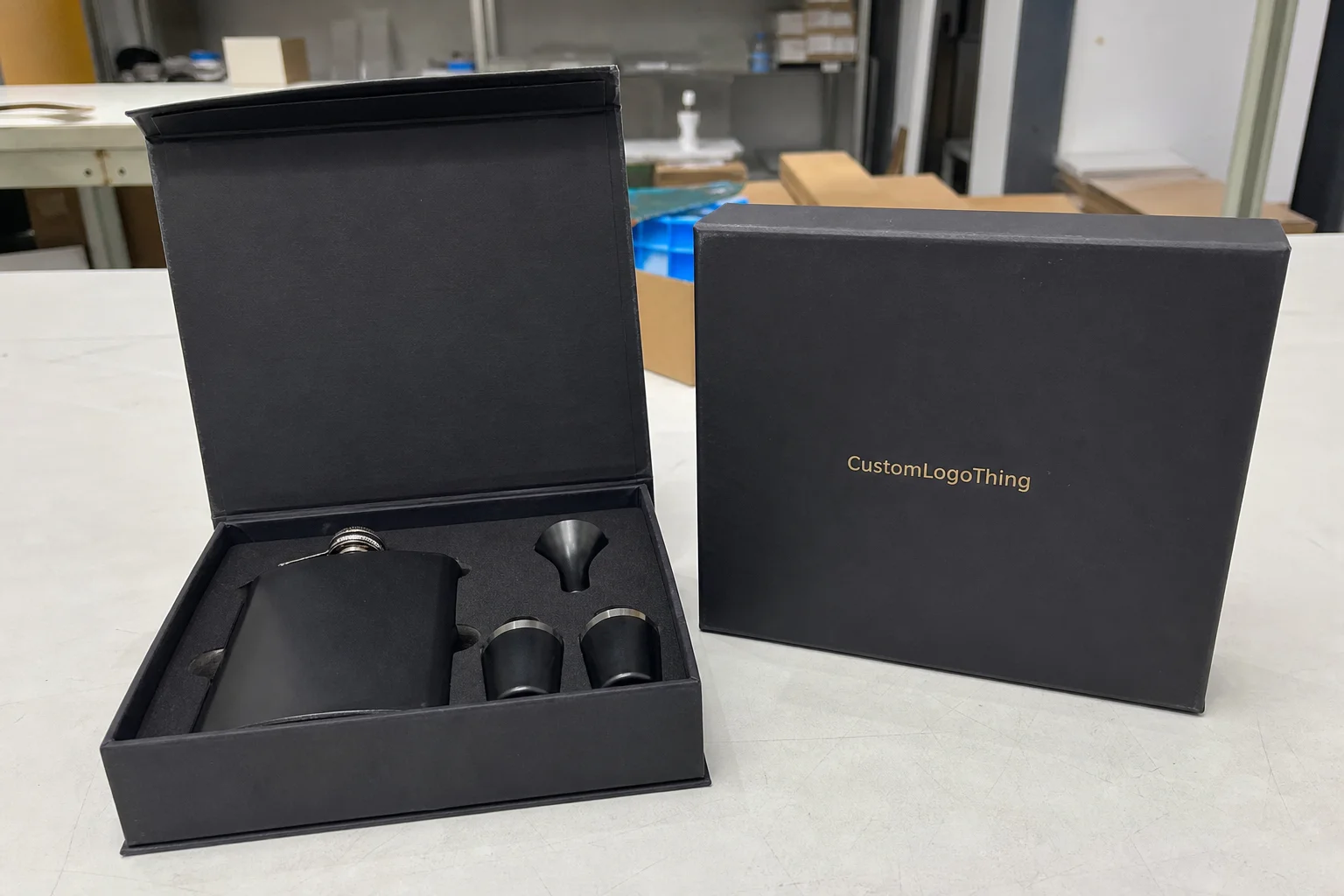
The workflow usually starts with a simple question: what job is this box supposed to do? Some programs are meant for retail gifting, some for corporate gifts, some for subscription retention, and some for influencer seeding. Once that objective is clear, the holiday gift box branding launch strategy moves into packaging format, structure, print plan, and schedule. In practical terms, that means choosing whether you need a rigid box, a folding carton, a mailer-style presentation box, a sleeve, or a magnetic closure gift box That Feels Premium in hand. For a 12 oz candle set, for example, a 2.0 mm chipboard rigid box usually performs very differently from a 350gsm folding carton.
From there, the teams I’ve worked with usually split the workload across marketing, design, procurement, and the packaging manufacturer. Marketing cares about campaign timing and the story. Design cares about color, typography, and visual branding. Procurement cares about landed cost and supplier reliability. The factory cares about board caliper, print registration, and assembly efficiency. When those groups talk early, the holiday gift box branding launch strategy becomes much easier to execute because nobody is guessing at the last minute. I’ve seen a buyer in New Jersey save $0.22 per unit on a 5,000-piece run just by confirming the insert material before the first prototype was cut.
Artwork development is where many projects get ambitious fast. Foil stamping, embossing, spot UV, soft-touch lamination, and textured wraps all create different sensory effects, and each one changes production time. A matte SBS paperboard box with one-color print can move through a plant much faster than a rigid box with wrapped chipboard, foil detail, and a custom insert. I’ve stood beside a Heidelberg press in a supplier’s facility in Shenzhen while a client debated whether the lid needed both foil and embossing. My honest opinion? Most holiday programs need one premium detail, not four. Maybe two, if everyone in the room can stay calm and nobody starts saying “let’s make it pop.”
Operationally, the holiday gift box branding launch strategy also depends on factory capacity, freight windows, and quality control checkpoints. If the press schedule is full and your material must be imported, your real lead time is not just “production.” It’s design approval, dieline correction, paper sourcing, print setup, inline QC, carton packing, palletization, ocean or air freight, and receiving at the warehouse. I’ve seen a beautiful holiday box miss shelf arrival by 9 days simply because the team forgot to reserve warehouse labor for kitting. That kind of miss is almost funny in a tragic way—until the retailer calls. Typical end-to-end timing for an overseas program to Los Angeles or Rotterdam can stretch from 28 to 45 calendar days once freight and customs are included.
For brands comparing formats, here’s a practical view of common holiday packaging choices:
| Box Style | Best For | Typical Feel | Relative Cost | Notes |
|---|---|---|---|---|
| Rigid Gift Box | Premium gifting, luxury sets, influencer kits | Heavy, keepsake-quality | High | Great for brand recognition and unboxing experience, but needs more assembly and shipping space. |
| Folding Carton | Lightweight retail products, cosmetics, supplements | Clean, efficient | Low to medium | Fast to ship flat; ideal when volume matters more than structure. |
| Mailer Box | DTC campaigns, subscriptions, holiday bundles | Practical, branded | Medium | Balances protection and presentation well for e-commerce. |
| Magnetic Closure Box | Luxury gifts, corporate programs | High-end, ceremonial | High | Excellent tactile impact, but magnets and wrap quality must be checked carefully. |
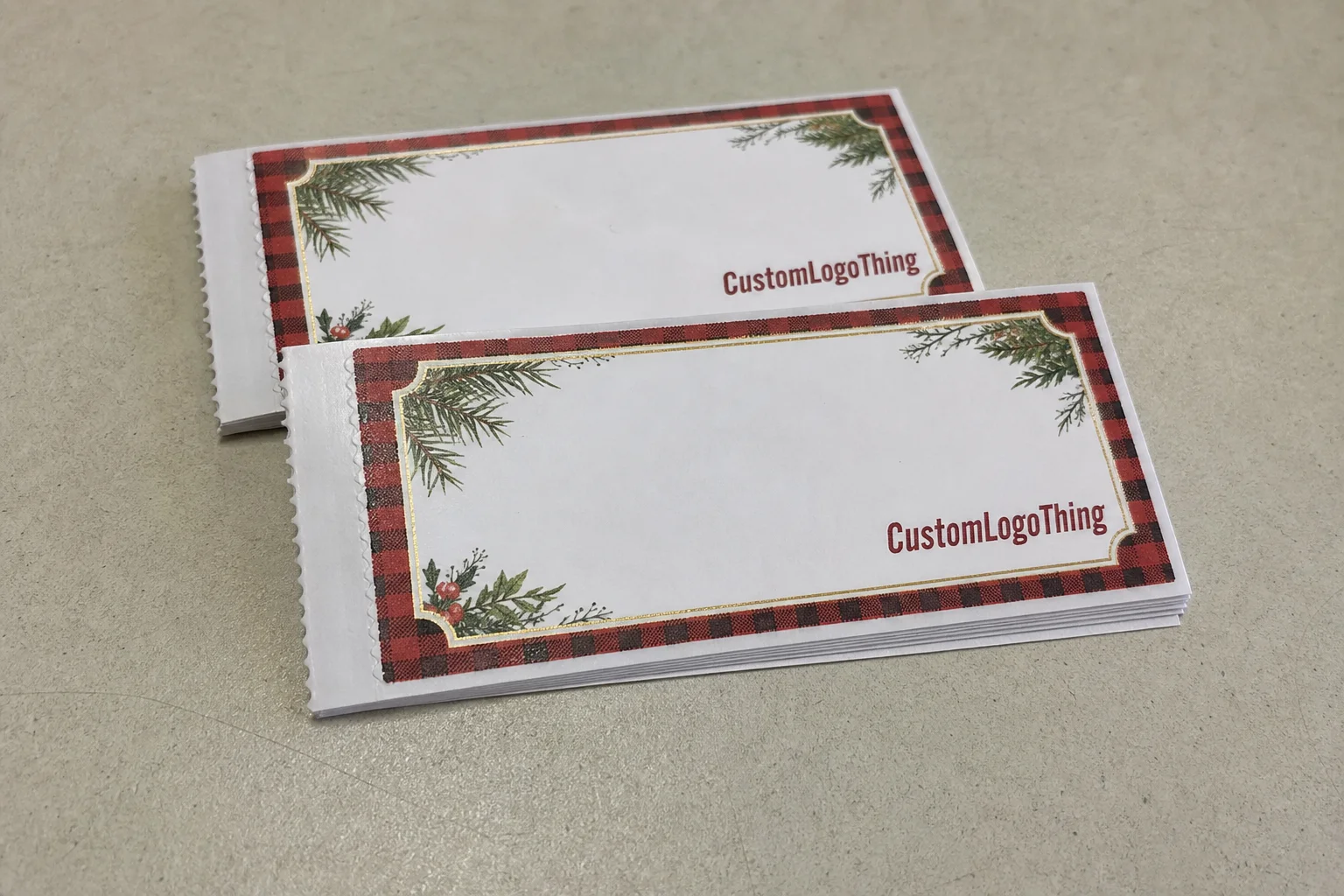
If you want to see how this looks in real projects, our Case Studies page is a useful place to review what changed between the sample stage and final production. I also like pairing seasonal packaging with consistent add-ons such as Custom Labels & Tags, because a coordinated tag or seal often makes the whole presentation feel more intentional for only a few cents per unit. Tiny detail, big effect. Annoyingly big, actually. On a 10,000-piece holiday run, a printed seal may add only $0.03 to $0.07 per unit, which is still cheaper than redesigning the whole outer box later.
For standards and sourcing guidance, I often point teams to industry organizations like ISTA for transit testing and the FSC for responsible fiber sourcing. If a box needs to survive parcel shipping, an ISTA-aligned test can save you from a very expensive return season. I’ve seen one crushed corner turn into a flood of customer complaints in both Toronto and Houston. Nobody wants that holiday email chain.
After the second draft, the best launch teams stop asking, “Does it look nice?” and start asking, “Will it survive production, freight, and retail handling?” That mindset shift is where a holiday gift box branding launch strategy becomes useful instead of merely decorative.
Key Factors That Shape Holiday Gift Box Branding Launch Strategy
Brand fit comes first. The box should look seasonal, but it should still feel like your brand if you removed the red ribbon or snowflake icon. I’ve seen brands swing too hard into holiday mode and accidentally confuse regular customers because the packaging no longer matched the core palette or logo rules. A solid holiday gift box branding launch strategy uses festive cues in a controlled way, preserving brand consistency while still feeling giftable. If your core palette is navy, cream, and brass, then a neon green snowflake is probably not the bold move you think it is.
Material choice is the next big decision, and it changes both the budget and the end-user experience. SBS paperboard is often the economical choice for lighter products and clean print reproduction. Corrugated mailers help with shipping strength. Rigid chipboard gives that premium “keep it on the shelf” feeling. Specialty wraps, like textured paper or soft-touch laminate, add tactile depth but also add cost and production complexity. If the product weighs 1.8 kg, a thin folding carton is probably the wrong answer, no matter how elegant the mockup looks on screen. I’ve had to say that out loud more times than I can count, usually to the same disappointed silence. A 2.5 mm grayboard structure wrapped in printed art paper will usually outperform a fragile single-wall carton every time.
Decoration choices can make or break the launch. I’m a fan of using one premium focal point, such as foil on the logo or an embossed panel, because that gives the eye a place to land. When a client stacks foil, spot UV, window patching, metallic ink, and multiple specialty coatings onto one box, the design often loses clarity and the factory loses speed. A good holiday gift box branding launch strategy should always ask which decorative step actually improves customer perception and which one just adds cost. For a 5,000-piece run, one foil pass might add $0.14 to $0.28 per unit; two extra effects can double that fast.
Pricing is where reality tends to walk into the meeting and sit down. On a run of 5,000 rigid boxes, I’ve seen unit prices around $0.18 for a simple printed sleeve, but the same program can jump to $1.20 or more per unit once you add custom inserts, foil, embossing, and manual assembly. That is not the factory trying to be difficult; that is material, labor, and machine time adding up. The smartest teams compare total program spend, not just the box price. A quote of $0.15 per unit for 5,000 pieces of a basic folding carton in Dongguan is not crazy; a $1.35 per unit rigid box in Ningbo with EVA foam, wrapped tray, and magnetic closure is a different animal entirely.
Timeline has its own pressure point. The earlier the dieline is approved, the better your odds of getting press time, especially during peak seasonal scheduling. On a busy production floor, a 2-day delay in artwork approval can cascade into 8 to 12 lost days if the supplier already has a full queue and the project needs a corrected proof. I’ve watched a buyer lose a preferred coating slot because their final logo file arrived after the coating order had been locked. That kind of delay turns a simple holiday gift box branding launch strategy into a scramble. In most factories I’ve worked with, first-round digital proofs are ready in 2 to 4 business days, and final sampling after proof approval typically takes 12 to 15 business days if the structure is straightforward.
Logistics also matter more than most teams expect. If you’re doing ship-to-pack or kitting, the box structure must allow fast assembly and efficient line packing. If you’re sending product direct to consumers, the outer shipper must survive parcel drops and conveyor handling. If a warehouse is packing 20,000 holiday sets, every extra fold or insert adds labor. That is why a smart holiday gift box branding launch strategy considers not only the decorated box but also the outer carton, internal divider, tissue, and any required pack-out instructions. A package built for a fulfillment center in Memphis is not the same as one intended for a boutique in Austin.
What changes cost the fastest
These are the cost drivers I watch most closely on factory floors in Guangdong, Poland, and New Jersey:
- Size changes that require a new die or board layout.
- Foil stamping with large coverage areas or multiple colors.
- Embossing and debossing that require extra tooling.
- Custom inserts made from molded pulp, EVA foam, or die-cut board.
- Hand assembly instead of machine-folded construction.
From a production standpoint, a clear brief is worth real money. Include product dimensions, weight, quantity, shipping method, destination, and the brand rules for logo placement. A packaging supplier can usually tell you within a day whether a certain structure makes sense or whether it will cause trouble later. That early honesty is one of the best parts of a disciplined holiday gift box branding launch strategy. It also prevents the classic “we forgot the insert thickness” problem that adds three days and one very annoyed operations manager.
Step-by-Step Holiday Gift Box Branding Launch Strategy
Step 1 is defining the launch goal. Are you trying to support retail gifting, corporate gifting, influencer seeding, subscription retention, or premium seasonal sales? The answer affects everything from box style to finish level. A box meant for a corporate partner may need a quieter, more refined design, while a consumer holiday bundle can handle stronger festive graphics. I’ve seen the wrong objective create entire pallets of packaging that looked good in a review meeting but failed in the field. Beautiful in the deck. Wrong in the warehouse. Classic. If the box is meant for 2,000 VIP clients in London, that is not the same brief as 15,000 e-commerce kits shipping from Atlanta.
Step 2 is building the packaging brief. This document should include dimensions, product weight, quantity, target budget, destination, and brand assets. Add finish preferences, insert requirements, and whether the box needs to fit a shelf-ready tray or an e-commerce shipper. If your holiday gift box branding launch strategy depends on a special closure or a hidden pocket for a gift card, spell that out before the dieline is created, not after. I prefer briefs that list exact measurements like 220 mm x 160 mm x 90 mm, because vague “medium size” notes waste time on both sides.
Step 3 is requesting dielines and material recommendations early. I cannot overstate this enough: structural design should support both the product and the print. The box may need extra board thickness, a wider hinge, or a stronger tuck flap if the product is heavy or the box will be opened repeatedly. At one Shenzhen packaging plant, I watched a client save nearly two weeks by approving the die structure first and only then moving into artwork. That is a good habit for any holiday gift box branding launch strategy. A 24-hour dieline review can save a 10-day rework if the insert dimensions are off by even 3 mm.
Step 4 is creating artwork with production in mind. Safe zones, bleeds, foil layers, and proofing requirements should be handled before the file is sent to press. I’ve seen designers build a gorgeous composition that looked perfect on a monitor and then lose a logo edge because the foil layer was not isolated correctly. Prepress discipline is not glamorous, but it is what keeps the box from coming off the line with a registration problem or a muddy panel. If the factory is in Ho Chi Minh City or Foshan, the prepress team still needs clean PDF/X-1a files, not a folder full of “final_final_v7” nonsense.
Step 5 is approving samples or prototypes. Don’t skip this. A real sample tells you more than a dozen renderings. Check color match, closure fit, insert performance, carton squareness, and how the box feels in hand after opening and closing it three times. I once had a client in a beauty program discover that their magnetic lid snapped too aggressively, which made the box feel cheap rather than luxurious. The prototype stage saved the run. In a strong holiday gift box branding launch strategy, prototype approval is where confidence gets built. If the sample takes 12 business days to arrive from proof approval, that is normal—not a catastrophe.
Step 6 is locking the schedule and coordinating receiving. Confirm carton counts, pallet counts, freight method, and delivery windows. If the warehouse is not ready, even perfect packaging can sit idle for days. That delay creates labor congestion, especially during holiday season when kitting tables and receiving docks are already full. The best holiday gift box branding launch strategy lines up production, freight, and launch timing like gears in a machine. In my notes from a Dallas fulfillment center, a one-day receiving delay created 4 extra hours of overtime for a team of 18 packers. That bill was not pretty.
“The package was the product’s first salesperson. If it felt cheap, the customer negotiated mentally before they ever saw the gift.” — a buyer I worked with during a corporate gifting rollout
Holiday Gift Box Branding Launch Strategy Timeline and Pricing
A realistic timeline usually starts with briefing and structure, then moves into artwork, sampling, revisions, production, and freight. For a straightforward folding carton program, you might be looking at 12 to 15 business days from proof approval to completion. For a rigid box with a custom insert and foil stamping, 25 to 35 business days is often more realistic, especially if material sourcing is involved. Add international freight, and the calendar can stretch further. A serious holiday gift box branding launch strategy has to work backward from the customer launch date, not forward from the day the design team is free. If your on-sale date is November 8 and the boxes are shipping from Ningbo, you do not have time for philosophical design debates.
Delays usually happen at four points: artwork changes, sample approval, material sourcing, and freight booking. If one of those steps slips, everything behind it compresses. I’ve seen a brand lose a Thanksgiving retail window because a specialty wrap came from a supplier that needed an extra 7 days to replenish stock. That is why backup materials matter, and why I tell buyers to keep one alternate finish approved in case the first choice runs short. A spare option like uncoated white wrap or matte black art paper can save a launch when the preferred metallic stock is backordered.
Pricing tiers make more sense when you look at the production method. Short-run digital printing works well for low volume or highly personalized runs, especially under 1,000 units. Mid-volume offset runs often bring better print quality and lower unit cost once you move into a few thousand pieces. Larger-scale programs can absorb tooling costs more efficiently, but the added decoration, insert complexity, and assembly labor still matter. A holiday gift box branding launch strategy should compare not only unit cost but also setup, sample, freight, and handling. For example, a 500-piece digital run in New Jersey may cost $2.10 per unit, while a 10,000-piece offset job in Guangzhou could come in at $0.42 per unit before freight.
Here is a practical comparison I use when discussing cost structure with clients:
| Program Type | Typical Quantity | Estimated Unit Range | Lead Time | Best Use Case |
|---|---|---|---|---|
| Digital Short Run | 250 to 1,000 | $1.10 to $3.50 | 7 to 14 business days | Testing concepts, small influencer campaigns, fast seasonal drops |
| Offset Mid Volume | 1,000 to 10,000 | $0.35 to $1.25 | 15 to 30 business days | Retail gifting, subscription packaging, moderate holiday programs |
| Rigid Premium Program | 2,000 to 20,000 | $0.85 to $3.80 | 25 to 40 business days | Luxury gifting, corporate sets, high perceived value campaigns |
Rush orders are expensive for good reasons. If a supplier has to move press time, pay overtime, source material through a secondary route, or book air freight instead of ocean freight, the invoice will show it. I’ve seen a rushed 8,000-unit holiday run add 18% to total spend just because the team compressed the schedule by three weeks. That doesn’t mean rush is impossible; it means a holiday gift box branding launch strategy should treat rush as an exception, not a plan. A “we need it in 9 days” request is not a strategy. It’s a fire drill with a logo.
Where should you spend money? In my opinion, spend on the touchpoints customers actually feel: the lid, the outer sleeve, the interior insert, and the first printed surface they see. Where should you save? Hidden surfaces, inner tray walls, and areas that don’t appear in the unboxing experience. This approach protects the budget while still supporting brand recognition and customer perception. That balance is one of the practical wins of a well-built holiday gift box branding launch strategy. On many projects, I can shave $0.06 to $0.11 per unit just by reducing print coverage on hidden panels.
For sustainability-minded programs, I also remind buyers that material choices can affect sourcing credentials and disposal impact. If your audience cares about paper fiber origin or recyclability, check certifications and discuss them early. The EPA’s guidance on paper and paper products is a useful reference point when teams are deciding whether a structure should prioritize recyclability, reduced material use, or premium preservation. A FSC-certified paperboard carton made in Vietnam or Wisconsin can check both branding and sourcing boxes if the spec is clear from day one.
Common Mistakes in Holiday Gift Box Branding Launch Strategy
The biggest mistake is waiting too long. Once the holiday production queue fills up, your material options shrink, your proofing windows tighten, and your odds of paying for expedited freight go way up. A late-starting holiday gift box branding launch strategy often becomes a compromise strategy, and that compromise usually shows up in the final box. Start in August if you can, not mid-October when every factory from Dongguan to Ohio is already quoting lead times with a nervous smile.
Another common mistake is overdesigning the box until it no longer feels like the brand. Festive graphics are fine, but if the design ignores the core palette or logo system, the customer may not connect the package with the brand they already know. That weakens brand consistency and can confuse repeat buyers. I’ve seen a skincare brand use so much glitter and seasonal patterning that the box looked like it belonged to a different company entirely. It was festive, sure. It was also a little unhinged. The 2024 holiday palette did not need six sparkles, three foil tones, and a snow globe illustration.
People also get fooled by finishes that photograph well but perform poorly in handling and shipping. High-gloss coatings can show fingerprints. Heavy soft-touch lamination can scuff if cartons are rubbed on a pallet. Deep embossing can crack on a tight corner. The sample may look stunning under studio lights, but the real test is how it behaves during pack-out, transport, and shelf handling. A solid holiday gift box branding launch strategy makes real-world durability part of the decision, not an afterthought. A matte AQ varnish on a 1.5 mm board may photograph less dramatically, but it often survives the warehouse better than fragile gloss.
Structural weakness is another failure point. A heavier gift set needs board thickness and closure design that can support the load. Weak magnets, flimsy trays, or poor insert retention can ruin the reveal moment. I once visited a fulfillment line in Atlanta where a beautiful box kept opening in transit because the closure had been specified for appearance rather than hold strength. The fix cost far more than selecting the right structure would have cost in the first place. In that case, adding a 0.8 N stronger magnet would have saved the whole quarter.
Skipping prototypes is a mistake I still see too often. A digital proof tells you nothing about how the box folds, whether the insert grips correctly, or how the print color shifts on actual substrate. A sample lets you catch registration issues, lid gaps, and assembly problems before they affect thousands of units. That is a basic rule in any holiday gift box branding launch strategy. I want to see a physical sample, a drop test if the box ships direct, and a fit check with the actual product—not a foam dummy that pretends to be useful.
Hidden costs can also wreck a budget. Freight, warehousing, pack-out labor, and final assembly may not seem like packaging costs at first glance, but they absolutely belong in the total program budget. If a box saves two cents but adds 14 seconds of manual assembly, the math may not favor the cheaper option. I’ve seen buyers learn that lesson the hard way when labor costs ate the savings they expected from a thinner board spec. On a 20,000-unit campaign in New Jersey, 14 extra seconds per box becomes a real line-item very quickly. Reality loves a spreadsheet.
Expert Tips for a Better Holiday Gift Box Branding Launch Strategy
My first tip is simple: use one premium focal point. A foil logo, a textured panel, or a well-placed emboss can do more for the box than three competing decorative treatments. I’ve stood next to a pressman in Guangdong while a client trimmed a design back from five embellishments to two, and the box actually looked more expensive afterward because the layout had room to breathe. That kind of restraint strengthens the holiday gift box branding launch strategy more than visual clutter ever will. If the logo can shine on a 45 mm foil mark, let it do the work.
Second, design for reuse if your audience is gift-driven. A keepsake-quality rigid box can live on a desk, shelf, or closet long after the product is gone, which keeps the brand in front of the customer. That doesn’t mean every box must be a treasure chest, but even a modestly sturdy design can extend the life of your visual branding. I like seeing a box earn a second job as a storage piece. That’s practical and memorable. A well-made lid with a snug 1.5 mm overlap can feel far more premium than a box that looks expensive in a render and flimsy in hand.
Third, ask for real substrate samples, not just screen renderings. Color on coated paperboard, chipboard wrap, and corrugate can shift in ways that a monitor never shows. If color accuracy matters, request a press-ready proof and a physical sample on the intended material. It costs more time up front, but it protects customer perception later. That diligence belongs in every holiday gift box branding launch strategy. I’ve had a deep burgundy print on uncoated board look rich in the PDF and muddy in actual production; a 1-day press proof would have saved a week of arguing.
Fourth, coordinate the full unboxing story. Tissue, stickers, inserts, labels, and outer shipping cartons should all feel like they belong to the same brand family. A box may look polished, but if the insert is flimsy or the tissue is a random white sheet with no brand mark, the experience can feel unfinished. The small details matter. That’s why I often recommend pairing seasonal packaging with Custom Labels & Tags so the inside and outside of the package speak the same language. A simple seal printed in foil can cost $0.04 each and still make the set feel finished.
Fifth, build contingency into the sourcing plan. Have alternate paper stocks approved, understand what finishes can be simplified, and know which parts of the design can change without hurting the launch. The best factories are candid about what can be substituted quickly and what cannot. A good holiday gift box branding launch strategy is flexible enough to survive a paper shortage or a freight delay without collapsing. In practical terms, that means approving both a main stock and a backup stock, preferably from suppliers in two different regions, such as Guangdong and Zhejiang.
Sixth, work with a supplier who can explain board caliper, print registration, lamination behavior, and assembly requirements in plain language. If the answer is always vague, you will probably pay for that vagueness later. I trust suppliers who can tell me, “This wrap will show corner rub,” or “That hinge needs another 1.5 mm.” That kind of detail is what keeps the launch on schedule and the final box looking polished. A factory in Foshan that can tell you the difference between 1.8 mm and 2.0 mm chipboard without turning it into a sales speech is worth keeping in your contact list.
“The cleanest projects I ever ran were the ones where the buyer gave us dimensions, quantities, and a real launch date on day one.” — production manager at a packaging plant in Guangdong
Honestly, that quote still rings true. Good packaging projects are rarely lucky. They are usually disciplined. They start early, ask the right technical questions, and treat the packaging manufacturer like a production partner instead of a last-minute vendor. That is the difference between a pretty box and a disciplined holiday gift box branding launch strategy. And yes, the disciplined version is less glamorous in the room. It also tends to arrive on time, which is a nice bonus.
How early should I start a holiday gift box branding launch strategy?
Start as early as possible, ideally 8 to 12 weeks before you need cartons in hand for a seasonal launch. The earlier you approve structure and artwork, the more options you have for materials, finishes, and pricing. Late starts usually reduce flexibility and increase rush costs, especially if production is in Dongguan, Shenzhen, or Ningbo.
What is the best box style for a holiday gift box branding launch strategy?
The best style depends on product weight, budget, and the level of premium presentation you want. Rigid boxes work well for high-end gifting, while folding cartons or mailer boxes can be more efficient for lighter programs. Structural strength and unboxing experience should both be considered, along with the actual product dimensions and whether the unit will ship from a warehouse in the U.S. or overseas.
How much does a custom holiday gift box branding launch strategy cost?
Cost depends on size, quantity, board type, print complexity, and finishing such as foil or embossing. Setup and tooling can have a major impact on smaller runs. Volume usually lowers unit cost, but extra decoration and inserts can raise the total. A basic 5,000-piece folding carton might land around $0.15 to $0.35 per unit, while a premium rigid box can move from $0.85 to $3.80 depending on the structure and finishes.
What should I include in the packaging brief for holiday gift box branding?
Include product dimensions, weight, quantity, destination, and brand guidelines. Add finish preferences, insert needs, and any shipping or retail display requirements. The clearer the brief, the smoother the sampling and production process. I also recommend listing the target launch date, preferred factory region, and whether the box must pass parcel tests or retail handling tests.
How do I avoid mistakes in a holiday gift box branding launch strategy?
Confirm structure, materials, and artwork before production starts. Request samples and test the box for fit, durability, and appearance. Build enough time into the schedule to handle revisions, freight, and seasonal delays. If possible, approve a backup stock and a backup finish so a paper shortage in one region does not blow up the whole campaign.
If you’re planning your next seasonal rollout, my advice is straightforward: treat the box like a launch asset, not a disposable container. A well-built holiday gift box branding launch strategy can support brand recognition, strengthen brand identity, improve the unboxing experience, and help the product stand out when shoppers are choosing gifts fast. If you get the structure, timing, and print details right, the box will do more than look seasonal; it will help sell the season. Start with the launch date, lock the dimensions, and approve one premium finish you can actually produce on time. That’s the move.