Buyer Fit Snapshot
| Best fit | Create Winter Gift Branding That Feels Premium projects where brand print, material claims, artwork control, MOQ, and repeat-order consistency need to be specified before quoting. |
|---|---|
| Quote inputs | Share finished size, material target, print colors, finish, packing count, annual reorder estimate, ship-to region, and any compliance wording. |
| Proofing check | Approve dieline scale, logo placement, barcode or warning zones, color tolerance, closure strength, and carton packing before bulk production. |
| Main risk | Vague material claims, crowded artwork, missing packing details, or unclear freight terms can make a low unit price expensive after revisions. |
Fast answer: Create Winter Gift Branding That Feels Premium: Material, Print, Proofing, and Reorder Risk should be specified like a repeatable production item. The safest quote records material, print method, finish, artwork proof, packing count, and reorder notes in one written spec.
Production checks before approval
Compare the actual filled-product size with the drawing, then confirm tolerance on folds, seals, hang holes, label areas, and retail display edges. Reserve space for logos, QR codes, warning copy, and material claims before decorative graphics fill the panel.
Quote comparison points
Review material grade, print process, finish, sampling route, tooling charges, carton quantity, and freight assumptions side by side. A quote is only useful when the supplier can repeat the same color, closure quality, and packing count on the next order.
How to create winter gift branding is one of those packaging questions that sounds straightforward until you stand on a packing line and watch how fast a box, a sleeve, or a ribbon changes the way a customer feels. I remember a plain kraft mailer turning into a keeper just because the lid opened with a crisp, satisfying fold and a soft-touch finish caught the light in a warm office lobby. That’s the real challenge behind how to create winter gift branding: you are not just decorating a package, you are shaping the emotion people feel before they even touch the gift. And honestly, that emotional part is harder than people think, especially when the final unit cost sits at $0.68 for 5,000 mailers and every extra effect has to earn its keep.
At Custom Logo Things, we talk about winter packaging as a full system, not a single print job. The brand identity, the visual branding, the material handfeel, the print method, and the unboxing sequence all have to work together if you want the package to look premium instead of crowded. I think many seasonal campaigns miss the mark for a simple reason: they focus on a festive graphic and forget that the package itself is doing most of the work. It’s a little like buying an expensive coat and then forgetting shoes (which, yes, I have seen happen in a presentation deck. Not ideal). On a 350gsm C1S artboard sleeve, for example, even a 1 mm shift in fold placement can change the whole perception of quality.
Winter gifting carries a different emotional temperature than other seasons. Customers expect warmth, thoughtfulness, and a sense of value, whether the gift is for a loyal client, a team member, or a retail buyer opening a holiday collection sample. That is why how to create winter gift branding matters so much: it is part design strategy, part production planning, and part customer psychology, with all three pieces affecting brand recognition and customer perception the moment the box lands on a desk or under a tree. For a 250-unit client run in Toronto, that can mean a $2.40 rigid box that feels like a $20 gift because the structure, finish, and insert were planned correctly.
How to Create Winter Gift Branding: Why It Feels Different
Winter gift packaging has to do emotional work before the gift is opened. I learned that the hard way years ago in a corrugated and folding carton plant outside Dongguan, where a client kept asking for “more holiday feeling” without changing structure, finish, or messaging. We added no more graphics, just switched from gloss to matte, deepened the navy ink by 8%, and changed the tissue from bright white to a warmer ivory. Suddenly the sample felt more expensive, calmer, and much closer to what the brand needed. That is how to create winter gift branding in practice: small decisions that alter mood. Small, yes. Cheap-looking? Not even close, especially when the production window is only 12-15 business days from proof approval.
Plainly speaking, winter gift branding is the coordinated use of packaging, color, copy, finishes, and structure to make a seasonal gift feel intentional, premium, and aligned with the brand. It can include rigid boxes, folding cartons, printed mailers, tissue paper, belly bands, tags, ribbons, and branded inserts. The package might be simple or elaborate, but if the elements do not feel connected, the result looks like random decoration instead of a considered winter collection. I’ve seen that “random decoration” look before, and it always reads as rushed. Customers can spot rushed from across a room, especially on retail shelves in Chicago or London where the lighting is unforgiving and every edge is visible.
What makes winter branding different from general holiday packaging is atmosphere. Some brands need cozy and tactile, with kraft paper, linen texture, and muted green tones. Others need luxe and reflective, with foil stamping, embossed marks, and dark solids paired with gold. A corporate gift may need calm restraint, while a consumer bundle may want celebration without looking loud. That choice of mood is central to how to create winter gift branding, because the strongest seasonal packages usually feel like an extension of the year-round brand, not a costume put on for December. A Santa graphic can work for a toy brand in Minneapolis; it usually does not work for a fintech gift set in Singapore.
There are a few touchpoints where winter branding shows up most clearly:
- Rigid boxes for premium sets, employee gifts, and retail-ready presentation, often built from 1.5mm to 2.0mm greyboard wrapped in printed art paper.
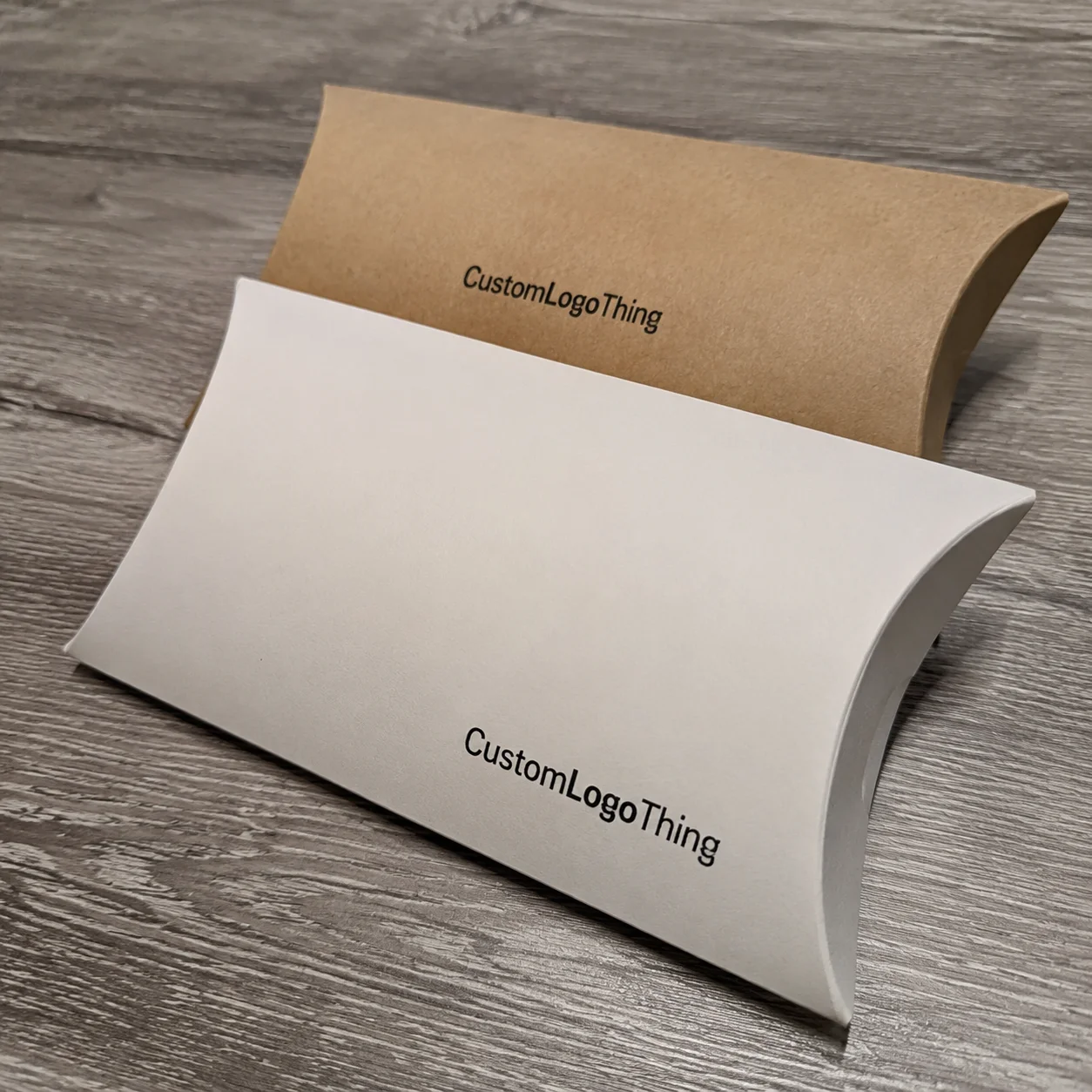
- Folding cartons for lighter goods, cosmetic sets, food gifts, and lower-volume promotions, commonly printed on 350gsm C1S artboard or 400gsm SBS.
- Printed mailers for direct-to-consumer shipping and subscription drops, usually using E-flute or B-flute corrugate with a printed face.
- Tissue paper and inserts that carry color, pattern, and a soft reveal, often specified at 17gsm to 22gsm tissue with one-color print.
- Tags, belly bands, and labels that add short seasonal messages without full retooling, ideal for 1,000 to 10,000 unit programs.
- Ribbon or closures that create a tactile finish customers remember, such as 10 mm satin ribbon or 15 mm grosgrain.
One mistake shows up again and again: people assume winter branding is only about holiday graphics. It is not. The strongest seasonal packaging often uses atmosphere instead of obvious symbols, and that means thinking about texture, color temperature, graphics scale, and even how loudly the packaging sounds when it opens. I’ve watched customers in a showroom pause on a box because the magnetic closure clicked with just enough firmness to feel expensive. That sound matters. The texture matters. The sequence matters. That is the craft behind how to create winter gift branding that feels premium. If the package sounds like a budget lunch container, the spell is broken (sorry, but true), even if the artwork cost $3,000 in a Montreal design studio.
How Winter Gift Branding Works Across Materials and Finishes
The material choice sets the first emotional cue, and I always tell clients to start there before they get lost in artwork. Kraft stocks suggest earthy warmth and can work beautifully for artisan food, wellness, or rustic corporate gifts. SBS paperboard, especially in the 18pt to 24pt range, gives a cleaner retail feel and prints well for crisp color. Rigid chipboard at 1.5mm to 2.5mm thickness says premium right away, especially when wrapped in printed art paper or specialty stock. Corrugated mailers are practical for shipping, but a good print face, paired with careful coating, can still feel polished. Those choices matter a lot in how to create winter gift branding because they affect both presentation and protection. A carton made with 24pt SBS and matte aqueous coating will behave very differently from a 2.0mm rigid box wrapped in 157gsm art paper.
Finishes change the feel even more than many design teams expect. A matte lamination can make a dark winter palette look richer and more controlled. Spot UV can highlight a logo or snow-inspired pattern without covering the entire box in gloss. Foil stamping, especially in gold, silver, rose gold, or even a muted copper, adds brightness that reads as celebratory. Embossing and debossing bring dimension, and when paired with a soft-touch coating, the package feels tactile in a way customers notice immediately. I’ve seen a debossed pine needle pattern on a navy rigid box outperform a full-art holiday illustration simply because it felt restrained and expensive. Honestly, that was one of those “less is more” moments that makes you want to high-five a press operator in Suzhou.
Color systems deserve their own planning session. Deep evergreen, burgundy, midnight navy, charcoal, ivory, metallic gold, silver, and muted neutrals show up often in winter gift branding because they carry seasonal association without shouting. The key is pairing, not just picking a color. A flat gold box can look gaudy if the typography is too ornate. A charcoal box can feel severe if there is no warmer secondary color or interior reveal. When we build samples, I usually ask for at least two color directions and one neutral fallback, because the final decision should be based on real printed proof, not a screen mockup. For one client in Vancouver, the final choice came down to a Pantone 5535 C versus 5533 C comparison under 5000K light; the darker tone won by looking calmer at close range.
Print method matters too. Digital printing is practical for short runs, fast revisions, and test campaigns where you may need 250 to 1,000 units. Offset printing is often the better choice for repeatability, richer solids, and larger quantities where color consistency matters. Specialty processes such as foil application, die-cutting, embossing, and window patching can raise the perceived value quickly, but they also add setup time and cost. This is one of those places where how to create winter gift branding becomes a production discussion, not just a design one. Which, frankly, is where the real headaches start, because a single foil die can add $120 to $300 in tooling before the first unit is packed.
“The client wanted the package to feel like a winter gift without looking like a holiday store aisle,” I remember saying during a press check at a Shenzhen facility. “So we reduced the illustration by 40%, added a blind emboss, and kept the outside calm while making the inside feel generous.” The final sample felt much more premium because the restraint gave the details room to breathe.
Here’s a practical example from a factory floor. A winter gift set might be built as a rigid setup box with a two-piece insert tray, wrapped in printed art paper with a soft-touch laminate, finished with a printed sleeve, and then tied with a branded ribbon or paper belly band. Add a tissue wrap and a small insert card inside, and the package now tells a layered story from the outside in. That layered storytelling is one of the strongest techniques in how to create winter gift branding because it controls the reveal, not just the exterior appearance. On a 3,000-unit run in Guangzhou, that structure can land in the $1.80 to $4.25 range per unit depending on insert complexity and foil coverage.
For packaging teams that need standards and sustainability language in the same conversation, it helps to align material choices with recognized frameworks. If a project uses recycled content or responsible paper sourcing, you can look at FSC guidance at fsc.org. If shipping and durability are part of the brief, testing against transport conditions should be discussed early, and the International Safe Transit Association has clear resources at ista.org. Those references do not replace sample testing, but they do help anchor the project in known industry expectations, especially when the final ship route runs from Shenzhen to Frankfurt in 9 to 14 days by air freight or 28 to 35 days by sea.
For readers comparing options at a practical level, here is a simple cost and feel comparison I often use during client meetings. Pricing varies by quantity, print coverage, and tooling, but this table gives a realistic starting point for how to create winter gift branding with different package types.
| Package Type | Typical Unit Cost | Best Use | Perceived Feel |
|---|---|---|---|
| Printed mailer with matte aqueous coating | $0.45 to $0.95 at 5,000 units | Direct-to-consumer shipping, subscription gifts | Practical, clean, modern |
| Custom folding carton with foil accent | $0.62 to $1.35 at 5,000 units | Retail sets, wellness, food, cosmetics | Polished, seasonal, controlled |
| Rigid setup box with insert and soft-touch wrap | $1.80 to $4.25 at 3,000 units | Corporate gifting, luxury sets, premium launches | High value, tactile, memorable |
That table is not universal, and I would never promise those prices without a real spec sheet in hand. But it does show why how to create winter gift branding starts with structure. The package architecture drives the rest of the budget, and it controls how much room you have for finishes, inserts, and assembly labor. A change from a single-piece mailer to a two-piece rigid box can raise the landed cost by 60% to 180% depending on the region, the paper stock, and whether assembly happens in Dongguan, Ho Chi Minh City, or Los Angeles.
Key Factors in How to Create Winter Gift Branding
Audience expectations should shape the entire design direction. Luxury retail buyers may want a box that feels quiet, elegant, and highly controlled, while a DTC subscription brand might want a more playful unboxing experience with stronger contrast and a visible message on the inside lid. Employee appreciation gifts often need warmth and clarity more than theatrical decoration, because the goal is to make people feel seen, not overwhelmed. Corporate holiday clients usually care about brand consistency and budget discipline, especially when gifts are being sent to 100, 500, or 5,000 recipients. In a Seattle office, a 500-unit employee gift set may need to feel personal at $6.00 per package without crossing the line into extravagance.
Brand alignment comes next. Your logo placement, typography, illustration style, and seasonal message need to sound like the same company people already know. I’ve seen winter artwork drift too far into rustic cabin imagery for a clean fintech brand, and the mismatch was obvious on the first proof. Then I’ve seen a heritage tea company use a tiny gold emblem, a serif headline, and a deep green box, and the package felt absolutely right because it matched the rest of the brand identity. How to create winter gift branding well means respecting the existing visual language while giving it seasonal depth. That’s the trick, and it’s a lot trickier than it sounds when the main logo is already locked in a 2024 style guide from New York.
The practical side matters just as much, and this is where packaging teams earn their keep. Winter shipments can sit in cold warehouses, ride through damp cross-docks, or spend extra hours on a truck during busy season. If you are using coated paper, think about scuff resistance. If you are using natural kraft, think about moisture and edge wear. If the product needs inserts, test whether those inserts stay put under vibration. I’ve had a carton designed beautifully on screen but reject on the line because the tuck flap opened too easily after the glue line hit the wrong side of the board by 2 millimeters. Two millimeters. A tiny, maddening little villain, usually discovered after the first 50 units are hand-folded in a factory near Foshan.
Cost is a major factor in how to create winter gift branding, and it helps to understand where the money goes. A lightweight printed mailer can stay lean if you keep the print area simple and avoid too many finishing steps. A mid-range folding carton may absorb the cost of a spot UV logo, a foil accent, and a custom insert. A premium rigid box can justify soft-touch lamination, embossing, ribbon pulls, and a double-layer structure, but only if the order quantity and customer value support it. For 1,000 units, one extra finishing pass can change the whole budget by hundreds or even thousands of dollars. A 1,000-unit carton order in Mexico City, for instance, can move from $0.78 to $1.26 per unit with a single foil pass and a custom insert.
Here is a quick comparison I use when clients ask what their seasonal packaging options really mean in the real world.
| Factor | Printed Mailer | Folding Carton | Rigid Box |
|---|---|---|---|
| Typical setup cost | Lower | Moderate | Higher |
| Shipping protection | Good with proper insert | Moderate | Excellent |
| Premium perception | Moderate | Good | Very high |
| Best for | E-commerce and light gifts | Retail and gift sets | Corporate and luxury gifting |
| Lead time pressure | Lower | Moderate | Higher |
Production realities deserve respect as well. Minimum order quantities, color matching, proof approvals, and lead times all matter, and they get tighter during seasonal demand. I’ve negotiated paper allocations with suppliers who were already booked out on coated stock because three other brands had placed December gift runs too late. If you want to understand how to create winter gift branding without stress, build in time for samples, revisions, assembly checks, and freight delays. A box that is three days late in October can become a real problem in November. I wish that was dramatic exaggeration, but nope. For a rigid program in Ho Chi Minh City, the typical sequence can take 5 business days for dieline approval, 7 to 10 business days for sampling, and 15 to 20 business days for production after sign-off.
For teams that want to see how this plays out in real client work, our Case Studies page is a useful place to compare structures, finishes, and timelines across different industries. It is much easier to plan winter packaging when you have a few real examples in front of you instead of guessing from a mood board alone, especially when one example used 24pt SBS and another used 2.0mm chipboard wrapped in embossed stock.
Step-by-Step Process for How to Create Winter Gift Branding
The first step in how to create winter gift branding is to build a mood board that actually narrows decisions instead of multiplying them. Include seasonal colors, texture swatches, typography references, photography, and packaging inspiration, then cut that board down to one direction before design starts. I usually ask clients to choose three words, like calm, luxe, and warm, because those words make the later choices much easier. A board with 40 references is just noise. A board with 8 focused references gives the whole team a clearer target, and it is easier to present in a 20-minute review with a marketing director in Dallas.
Then choose the package format first. Structure affects the graphic system, the insert design, the protection level, and the budget. A sleeve-and-tray setup box creates a different unboxing experience than a simple mailer, and that difference matters even if both packages carry the same logo and palette. If the product is fragile, the insert has to be engineered before the art is finalized. If the gift is small and light, a folding carton with a custom belly band might be enough. This is one of the most practical lessons in how to create winter gift branding: design follows structure, not the other way around. I know that frustrates some creative teams, but the box does not care about our feelings, and the factory in Guangzhou certainly does not either.
From there, build the design system. Decide how the logo should appear, what kind of seasonal pattern is allowed, how much negative space you want, and whether the inside should carry a message or a reveal. Winter branding can be playful, elegant, rustic, minimal, or heritage-inspired, but it has to stay controlled. I like to think of the package in layers: outer shell, inner reveal, insert, and message. If every layer is trying to shout, the result feels chaotic instead of premium. If the exterior is a 15% tonal print and the interior is a full-coverage warm ivory, the contrast can do the emotional heavy lifting for you.
One factory-floor anecdote that sticks with me happened during a pre-production review on a 4-color offset line in Shenzhen. The client had a beautiful snowflake pattern on the outside and a second pattern on the inside, but both patterns used the same density and scale. Once the box opened, the visual impact disappeared because nothing changed in rhythm. We adjusted the inside to a much larger, softer repeat and left the exterior tighter. The result was immediate: better contrast, cleaner reveal, and a stronger sense of progression. That kind of adjustment is often the difference between decent packaging and memorable packaging when you are figuring out how to create winter gift branding. The change cost nothing in tooling, only one revised art file and a 6-hour proof turnaround.
Prototype and test before committing to the full run. Printed samples, white samples, or pre-production mockups can reveal issues that a screen never will. Check print clarity on thin text, fold accuracy on the dieline, closure strength on magnetic or tuck features, and whether the opening sequence feels intentional rather than forced. If you are using foil, test for registration shifts. If you are using dark solids, inspect scuffing. If there is a window or a cutout, make sure the product sits correctly from every angle. I’m blunt with clients here: a beautiful rendering is not proof that the box works. A 1.25 mm misalignment on a lid corner can turn a premium sample into an obvious reject.
After testing, move into production planning with the technical details in place. That means dielines, Pantone targets, finish callouts, assembly instructions, carton count, packing method, and freight assumptions. If you are using inserts, specify material thickness and glue points. If the product is going retail, think about barcodes and regulatory marks. If the gift is for e-commerce, think about drop strength and how the outer shipper will protect the branded box. These details sit inside how to create winter gift branding because they protect the story from being damaged in transit. A shipping carton made for a 2.0 kg gift set out of Shenzhen should not rely on a single wall shipper if the route includes two warehouse transfers and one last-mile courier.
Timeline discipline is where many teams get hurt. A realistic project can run like this: 3 to 5 business days for mood board alignment, 5 to 10 business days for concept development, 5 to 7 business days for revisions, 7 to 12 business days for samples, and 12 to 20 business days for production depending on structure and finishes. Rigid packaging with foil and custom inserts can take longer, and assembly often adds its own schedule pressure. I tell clients to plan backwards from the ship date, not the launch date, because freight and warehouse intake can eat precious days at the end. If you need January 3 delivery in Melbourne, a December 20 sign-off is usually already too late.
If your package needs a branded add-on, such as a tag or label, consider pulling from a dedicated component set so the system stays consistent. Our Custom Labels & Tags page shows the kinds of pieces that can tie a winter gift set together without forcing a full redesign. That kind of component thinking helps keep how to create winter gift branding efficient and repeatable, especially when a label order of 2,500 pieces can be produced in 7 to 9 business days in a supplier base near Ningbo.
When a brand is trying to move fast, I remind them to request a production-ready proof, not just a pretty PDF. On coated stocks, dark solids can shift. On textured papers, fine lines can disappear. On folded cartons, glue zones can swallow small details. The proof is where you catch those problems, and catching them early can save thousands of dollars in rework. For one holiday run in Atlanta, catching a 0.5 pt line weight issue on a digital proof saved a $900 plate change and a week of delay.
Common Mistakes When Creating Winter Gift Branding
One of the biggest mistakes in how to create winter gift branding is overusing seasonal clichés. Snowflakes, metallic gradients, and oversized holiday icons can work in some contexts, but when they are piled on top of each other, the package starts to feel generic. I’ve seen beautiful brands lose their edge because the winter concept was treated like a theme party instead of an extension of their brand identity. A restrained palette and one strong graphic idea often create more value than five obvious holiday cues. Too many shiny things and suddenly the box is yelling at you from the shelf, especially in a bright retail corridor in Vancouver where every glossy surface reflects light.
Another common issue is designing for the mockup instead of the factory floor. A mockup can hide trim tolerances, glue zones, and folding realities. On a real line, color shifts happen, boards crack if they are scored too tightly, and a slightly off-center foil hit can ruin a premium impression. When you are learning how to create winter gift branding, you have to respect manufacturing limits. I’ve had clients insist on tiny reversed-out type on a textured stock, and the result looked elegant on a screen but nearly unreadable after print. On a 300-unit prototype, that kind of failure is expensive and unnecessary.
Budget mistakes are just as damaging. Some teams pick expensive finishes before they lock the structure and quantity, which leaves them with a design that looks beautiful and makes no financial sense. A better sequence is structure first, then print coverage, then finishing detail. If the packaging is for 500 units, maybe one foil accent is enough. If it is for 10,000 units, a simpler finish might be smarter because labor and setup costs scale quickly. Honestly, this is where a lot of good ideas get killed, not by creativity, but by arithmetic. A 10,000-unit run in the Midwest can save $0.09 per unit simply by replacing a full foil panel with a small stamped emblem.
Timing errors show up every season. Teams start too late for sampling, underestimate approval cycles, forget that suppliers get booked during peak demand, or assume assembly will happen faster than it does. I remember one corporate client who approved the art in early November and still expected delivery before a December event. That left no room for a correction on the insert die. We made it work, but only after overnighting samples and shifting labor across two shifts. That kind of rush is avoidable if the project is planned properly from the beginning, with at least 15 business days reserved for production after final approval.
There is also the mistake of ignoring shipping durability. Winter gifts often travel farther, sit longer, and get handled more than people expect. A package that looks stunning in a warehouse might arrive scuffed, crushed, or bowed if the board grade is too light or the outer shipper is underspecified. If the box is meant to survive parcel networks, testing is not optional. The EPA has useful recycling and materials context at epa.gov, which can be helpful when brands are balancing appearance, sustainability, and end-of-life considerations. A B-flute shipper with a 32 ECT rating may be enough for a 1 kg set, but it will not rescue a weak insert or a badly chosen lid.
Expert Tips for Better Winter Gift Branding Results
My first tip is simple: choose one strong tactile feature instead of trying to use every premium effect at once. A soft-touch coating, an embossed pattern, or a ribbon closure can do more for perceived value than foil, spot UV, and textured paper all fighting for attention. In the plant, I’ve watched packages become more elegant after we removed a single effect. That restraint often helps how to create winter gift branding feel more mature and less overdesigned. A rigid box in Shanghai with one blind deboss can look more expensive than a busier box with three separate finishing passes.
My second tip is to pay as much attention to the inside of the package as the outside. The interior print, the insert color, and the reveal sequence often create the most memorable moment. If the outside is dark and quiet, the inside can carry a warm ivory, a metallic accent, or a handwritten-style message. That contrast gives the unboxing experience a sense of progression. It also helps reinforce brand consistency because the reveal can echo the same typography and tone used on the website, email campaign, or gift insert. A 10 mm reveal line in the lid can make a simple interior feel intentionally designed.
Third, test colors under different lighting conditions. Winter retail environments, photography setups, and home lighting can make a deep burgundy look brown, or a navy appear black. I always want one proof viewed under cool fluorescent light and another under warm LED or natural light if possible. I’ve seen a green that looked perfect under studio lights disappear into a muddy tone in a showroom. That is a painful problem to discover after 2,000 units are already printed. For a brand shipping to Paris and Boston at the same time, this kind of check is non-negotiable.
Fourth, use modular components whenever you can. If one core package system can serve multiple gift sizes, you save on tooling and keep the seasonal system cohesive. A common outer box, with different inserts or belly bands for small, medium, and large kits, can reduce waste and simplify ordering. That kind of thinking supports how to create winter gift branding without making every gift size an entirely new project. One outer shell, three insert variations, and a single print run can often reduce total setup cost by 18% to 25%.
Fifth, request an approved production sample or color-accurate proof before you sign off on the full run. This is especially true with foil, dark solids, coated papers, and specialty finishes. A proof may not be glamorous, but it prevents expensive surprises. In one negotiation with a supplier, we caught a foil shade that leaned too yellow by comparing the sample to a Pantone target under a 5000K light box. That saved the client from a visible mismatch across a 7,500-unit order, and the correction only delayed production by 2 business days.
“If the outside box tells the story and the inside box repeats the same note in a softer voice, customers remember it,” a retail buyer told me during a client meeting in Chicago. “The package felt calm, but it still felt special.” That is exactly the kind of response strong winter branding should create.
If you want more practical examples of structure, finish, and seasonal presentation, browsing our Case Studies collection can help you compare what works across industries. Real samples teach faster than theory, especially when you are refining how to create winter gift branding for a specific audience and budget. One client in Austin moved from a $1.15 folding carton to a $2.85 rigid box after seeing a comparable example with a matte lamination and foil edge detail.
Next Steps to Launch Winter Gift Branding Confidently
If you want to move forward now, the first action is to define the audience, choose the package format, set the budget, gather visual references, and confirm the launch date before design work starts. That order matters. If you reverse it, the project tends to drift, and drift is expensive. How to create winter gift branding becomes much easier once those five decisions are clear, because the design team and packaging partner can work toward something concrete instead of guessing from a mood board. For a January launch in Berlin, those five decisions should be locked before the end of October.
Over the next 7 to 14 days, build a simple checklist. Day 1 to 3: create a mood board with 8 to 12 references. Day 3 to 5: decide on structure, whether that is a rigid box, folding carton, or mailer. Day 5 to 7: confirm the content hierarchy, including logo size, headline placement, and any seasonal message. Day 7 to 10: choose finishes such as matte lamination, foil, embossing, or spot UV. Day 10 to 14: request samples or mockups. That pace is realistic for many teams and keeps the project from getting stuck in review cycles. If your supplier is in Dongguan, you can usually add 2 to 4 business days for proof shipping if the samples need to cross borders.
You should also prepare the technical inputs a packaging partner will need: quantity, product dimensions, shipping method, artwork files, target market, preferred materials, and any special assembly instructions. If you already know the product weight, the destination country, and the expected handling method, the recommendation gets much better. I’ve seen projects delayed by a week because the client could not provide the inside dimensions of the product tray. One number. That is all it took to stall the schedule. A tray that should have been 220 mm by 160 mm by 42 mm became a moving target for three separate revision rounds.
Before you approve the final direction, compare at least two packaging options side by side. Put the unit cost, lead time, perceived quality, shipping durability, and assembly effort on one page. That makes the tradeoffs visible. It also reduces the chance that the prettiest option wins by default when the better option is actually the one that supports your timeline and margin. For many teams, the difference between a $0.92 mailer and a $1.74 carton is easier to judge when both are shown with the same logo and the same seasonal message.
For teams interested in extending the package system beyond the box, custom labels, tags, and inserts can add a lot of seasonal personality without a full redesign. They are also easier to adjust if your winter campaign needs a late-stage message change or a regional variation. Used well, they help how to create winter gift branding stay flexible while still looking polished and intentional. A 50 mm round tag printed in Shenzhen can carry one message for North America and a different one for the UK without changing the core box.
So here is the short version: how to create winter gift branding is about balancing emotion, durability, production reality, and timeline discipline so the final package feels thoughtful from first glance to final reveal. If you get those four pieces right, the package does more than hold a gift. It carries the brand, protects the product, and gives people a reason to remember the experience the next time they see your name. In many cases, that memory is worth more than the packaging spend itself.
FAQ
How do I create winter gift branding without making it look too holiday-themed?
Use seasonal cues like texture, color temperature, and restrained metallic accents instead of obvious holiday icons. Keep your logo, typography, and layout system consistent with the core brand so the seasonal look feels like an extension of the brand, not a costume. A deep green box with a blind emboss and one small foil mark can feel winter-ready without looking like a themed retail aisle. On a 400gsm SBS carton with matte lamination, that approach usually reads more refined than a box covered in snowflakes.
What packaging materials work best for winter gift branding?
Rigid boxes, premium folding cartons, and printed mailers are the most common choices depending on budget and shipping needs. Soft-touch laminate, embossing, foil, and specialty papers help create a warmer, more premium winter feel. If the gift is fragile or high-value, rigid packaging usually gives the strongest presentation and the best protection. For many brands, 350gsm C1S artboard works well for a folding carton, while 1.5mm chipboard is better for a luxe rigid set.
How much does custom winter gift branding usually cost?
Cost depends on structure, quantity, print coverage, and finishing, with simple mailers usually costing less than rigid boxes with special effects. To control pricing, lock the box style first, then add only the finishes that support the brand story and customer experience. For many projects, a thoughtful folding carton with one premium detail can deliver a strong result without pushing the budget too far. As a reference point, a 5,000-unit mailer run might land around $0.68 per unit, while a 3,000-unit rigid box could run $2.40 to $3.90 depending on foil and insert complexity.
How long does the winter gift branding process take?
A realistic process includes concept development, sample approval, production, finishing, assembly, and shipping, all of which need buffer time. The timeline is shorter for digital short runs and longer for custom rigid packaging, foil stamping, or complex insert systems. If the project needs multiple approvals or custom tooling, plan extra days so the launch does not get squeezed at the end. In practice, many programs take 12 to 15 business days from proof approval to completed production, plus 3 to 10 business days for freight depending on the route.
What’s the easiest way to make winter gift branding feel premium?
Focus on one or two high-impact details, such as a tactile finish, thoughtful interior reveal, or elegant color palette. Premium branding usually comes from consistency and restraint, not from adding every available decorative effect. In my experience, the packages people remember most are the ones that feel calm, deliberate, and well made from the first touch. A soft-touch lid with a 10 mm satin ribbon and a clean ivory insert often outperforms a busier box with three finishes and no hierarchy.