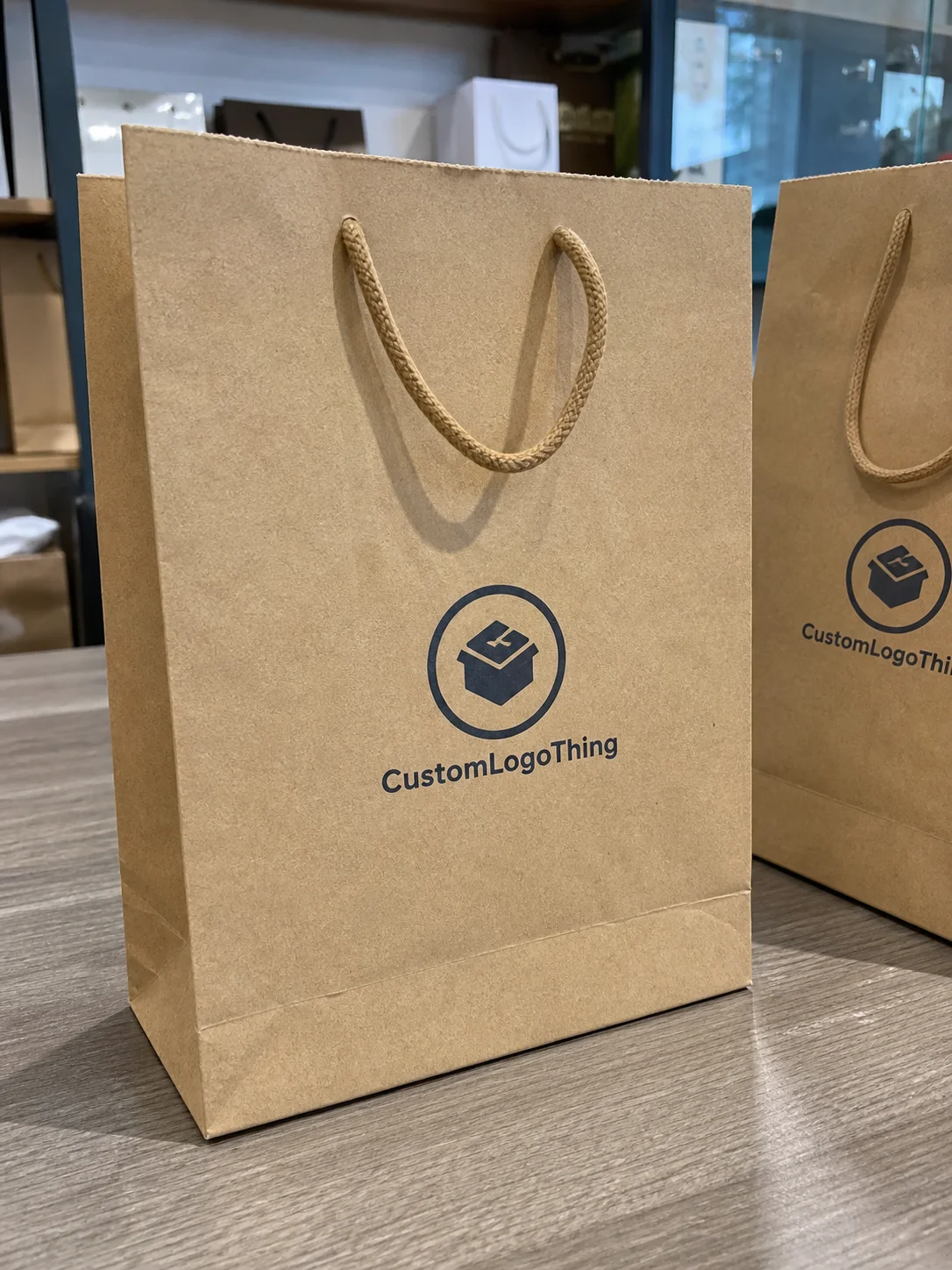
Buyer Fit Snapshot
| Best fit | Brand Packaging on Tight Budget projects where brand print, material claims, artwork control, MOQ, and repeat-order consistency need to be specified before quoting. |
|---|---|
| Quote inputs | Share finished size, material target, print colors, finish, packing count, annual reorder estimate, ship-to region, and any compliance wording. |
| Proofing check | Approve dieline scale, logo placement, barcode or warning zones, color tolerance, closure strength, and carton packing before bulk production. |
| Main risk | Vague material claims, crowded artwork, missing packing details, or unclear freight terms can make a low unit price expensive after revisions. |
Fast answer: Brand Packaging on Tight Budget: Quote Scope, Sample Proof, MOQ, and Lead Time should be specified like a repeatable production item. The safest quote records material, print method, finish, artwork proof, packing count, and reorder notes in one written spec.
Production checks before approval
Compare the actual filled-product size with the drawing, then confirm tolerance on folds, seals, hang holes, label areas, and retail display edges. Reserve space for logos, QR codes, warning copy, and material claims before decorative graphics fill the panel.
Quote comparison points
Review material grade, print process, finish, sampling route, tooling charges, carton quantity, and freight assumptions side by side. A quote is only useful when the supplier can repeat the same color, closure quality, and packing count on the next order.
If you’re trying to figure out how to Brand Packaging on Tight Budget, the first thing to drop is the idea that memorable packaging has to look expensive. It doesn’t. A sturdy kraft mailer, a sharp logo, and a clean print finish can do more for recognition than a box loaded with foil, ribbons, and inserts that nobody remembers six weeks later. I’ve stood on enough factory floors in Shenzhen, Ohio, and Monterrey to see a simple two-color mailer outperform a fussy package every time the real goal was repeat purchase and a strong unboxing experience. On a run of 5,000 units, a one-color flexo mailer can land around $0.18 to $0.35 per unit in southern China or northern Mexico, while a rigid box with premium finishes can jump past $2.50 per unit before freight.
I remember one launch where the founder kept saying, “Can we make it feel more premium?” Honestly, I think people ask that because they’re picturing a luxury perfume box, not a shipping carton that has to survive a truck, a conveyor, and sometimes a porch pirate. Humanity really does keep inventing new ways to annoy each other. The smarter move was to make the package feel intentional. That usually means one clear brand color, one legible logo, and one finish choice, such as matte aqueous coating on 350gsm C1S artboard. It matters more than expensive decoration, and it typically keeps proofing to one round instead of three.
What most people get wrong about how to brand packaging on tight budget is assuming the answer is cheap material alone. It isn’t. The smarter move is to pick a few packaging decisions that carry real weight: one visible print surface, one brand color that reproduces well, one practical structure, and one production method that won’t wreck margins. That is how branded packaging starts to feel deliberate instead of thrown together. A stock kraft mailer in 200 x 150 x 80 mm, printed in black only, can still look more credible than a Custom Drawer Box with three colors and an emboss if the margins are thin.
There’s also a psychology piece here. People don’t remember every inch of a package; they remember the moment the box lands, the moment it opens, and whether the brand feels consistent. That means budget branding can still work hard. The trick is to spend like an editor, not like a confetti cannon. In practice, that often means putting $0.25 to $0.60 per unit into the outer mailer and leaving the rest of the budget for a simple insert card or printed sticker, especially on runs below 3,000 pieces.
How to Brand Packaging on Tight Budget: Why It Works
I still remember a meeting at a corrugator outside Guangzhou where a startup founder wanted a rigid drawer box, foil stamping, custom tissue, embossed stickers, and a full-color insert card for a subscription kit that sold for under $35. We laid the numbers out, looked at the line, and cut the concept back to a kraft mailer, one-color flexo printing, and a branded sticker seal. The package came out stronger, not weaker. That is the first lesson in how to brand packaging on tight budget: recognition tends to beat excess when every dollar matters. On a 10,000-piece run, the reduced version saved roughly $0.85 to $1.40 per unit and shipped in 14 business days instead of 28.
Budget branding works because it forces discipline. A brand chooses the smallest set of production decisions that still create impact. In practice, that might be a bold logo on the outer carton, a consistent inner message on tissue or an insert, and colors that reproduce cleanly across shipments. The goal is not to decorate every inch. The goal is to make package branding look purposeful. Restraint, honestly, is one of the most underrated tools in product packaging. A two-color design on 300gsm uncoated board can often deliver better shelf clarity than a six-color layout printed on glossy stock in Dongguan or Wenzhou.
There is a real gap between looking cheap and being cost-efficient. A box can be modest in material and still feel polished if the proportions are right, the logo is placed with care, and the print is crisp. Push the dimensions too far, cram the product with excess tissue, blur the logo, or weaken the closure, and the package will feel unfinished no matter what you spent. That is why how to brand packaging on tight budget comes down to fit, consistency, and material choice as much as price. A folding carton made from 350gsm C1S artboard with a 0.3 mm tolerance on the dieline will usually look cleaner than a heavier carton cut inaccurately by 2 mm.
Branding also supports repeat purchases because people remember what they see and handle. A clean mailer with a strong logo panel can show up in an unboxing photo, sit on a desk, or move from porch to kitchen counter without losing identity. I’ve watched small apparel brands grow faster simply because their retail packaging looked consistent across 2,000 shipments, even though the per-unit spend stayed modest at about $0.42 for the box and $0.07 for a branded label. The package became part of the brand memory.
Strong branding on a lean budget usually comes from consistency, restraint, and smart material selection. It is rarely about premium coating, and it is almost never about adding one more decorative element. A brand that understands how to brand packaging on tight budget can still produce custom printed boxes or mailers that feel visible, deliberate, and trustworthy. In factories near Guadalajara, Hanoi, and Shenzhen, I’ve seen the same rule hold up on runs of 1,000, 5,000, and 20,000 pieces.
“The best low-budget packages I’ve seen were not the prettiest on paper; they were the ones that held the product correctly, printed cleanly, and repeated the brand story every time.”
One more thing: if you’ve ever watched a buyer approve an overcomplicated package because it looked impressive in a deck, you know how quickly reality can punish wishful thinking. I’ve seen more than one gorgeous mockup become a very expensive headache. Packaging has a way of humbling people. Fast. A foil stamp that looked elegant in a presentation can fail on a 250-piece pilot if the substrate is too textured or the die line lands 1.5 mm off center.
How to Brand Packaging on Tight Budget: Materials and Methods
People asking how to brand packaging on tight budget usually need to start with the print method, because method drives cost more than almost anything else. Short runs often fit digital print well since it avoids plate costs and handles variable artwork without much friction. Larger runs lean toward one-color or two-color flexographic printing on corrugated mailers, especially when the art is simple and the job repeats. In a carton plant in Foshan or Monterrey, a plate change takes time and money, and that extra setup shows up fast. A digital proof may cost $35 to $95, while a full set of flexo plates can add $120 to $400 depending on size and color count.
Labels, sleeves, and branded inserts can keep costs down while preserving strong brand identity. I’ve watched brands use a stock white carton and add one large label on the front panel, giving them room for logo, URL, and a short product message without paying for full custom printing on every side. That solution shows up often in conversations about how to brand packaging on tight budget because it puts spend on the most visible area only. A 2-inch by 4-inch matte label might cost $0.03 to $0.08 each in 5,000 quantities, which is far easier to absorb than full-surface printing.
Material choice matters just as much as print method. Kraft board gives a natural, sturdy look and hides minor handling marks well. White SBS board feels cleaner and more retail-ready when the logo needs a bright background. Corrugated mailers make sense for shipping because they combine structure with printability, while poly mailers work for light apparel or accessories where dimensional weight becomes a real issue. If you are working through how to brand packaging on tight budget, start with the substrate that already fits your shipping reality. A 200 lb test corrugated mailer in Ohio or northern Mexico may be cheaper to source and easier to ship than a heavier double-wall box from coastal China.
Finishes need discipline too. A simple matte aqueous coating or spot varnish can add enough polish without pushing the job into premium territory. Foil stamping and embossing have their place, but they should stay in reserve unless the margin supports them. One cosmetics client insisted on foil for every panel, then found the final unit cost jump by 28% once the die and handling were added. That lesson comes up often in packaging design. On a 5,000-piece order, skipping foil and using a single spot varnish can save $600 to $1,200, depending on the supplier in Shenzhen, Taichung, or Chicago.
Standard dielines and stock sizes are where a lot of savings hide. Custom dimensions sound attractive, but every unusual size can add tooling, create more waste, and slow production if the board has to be cut around a nonstandard layout. On a folding carton line, standard footprints usually mean less make-ready time and fewer surprises during folding and gluing. If your goal is how to brand packaging on tight budget, use a proven dieline whenever the product allows it. A stock mailer at 9 x 6 x 2 inches can often be sourced 15% to 30% cheaper than a custom-cut equivalent, especially when ordered in quantities above 3,000.
Here is a simple comparison I often share with buyers:
| Option | Best For | Budget Impact | Branding Strength |
|---|---|---|---|
| One-color flexo on corrugated mailer | Subscription boxes, ecommerce shipping | Low setup cost on larger runs | Strong, clean, durable |
| Digital print on stock carton | Short runs, testing artwork | Moderate per-unit, low setup | Very good for small batches |
| Branded sticker on stock packaging | Launches, limited editions | Lowest entry cost | Good if placed well |
| Printed sleeve over plain box | Retail packaging, multi-SKU lines | Efficient for visual impact | High on shelf presence |
Factory realities matter too. Ink coverage, plate setup, blank size, carton board caliper, and material minimums all influence the final budget. I’ve seen buyers fall in love with a design that looked great in the studio but required three passes on press, special registration control, and a board grade that was hard to source. The quote no longer matched the original budget. That is why how to brand packaging on tight budget should always start with production reality, not only the mockup. A 350gsm C1S carton with 15% ink coverage is a very different quoting story from a four-color flood print on matte laminated board.
For broader industry standards and sustainability context, I often point people to the EPA’s Sustainable Materials Management resources and the material guidance from the Forest Stewardship Council. Those sources help frame material choices when you are balancing cost, fiber content, and responsible sourcing. If a supplier in Vietnam or Poland is offering FSC-certified kraft at a 4% premium, that can still make sense on a 10,000-piece order if the brand story depends on it.
Cost, Pricing, and Budget Drivers to Know
If you want to master how to brand packaging on tight budget, You Need to Know the levers that push price up or down. Quantity is the biggest one. Once a press is set and the converter has approved the die or plate, per-unit cost usually falls as volume rises. A 1,000-piece run will nearly always cost more per unit than 10,000 pieces, even when the design stays the same, because fixed setup costs get spread across more units. In Shenzhen, a 1,000-piece digital carton run may quote at $0.95 to $1.45 per unit, while 10,000 pieces can drop near $0.28 to $0.55, depending on size and finish.
Print method comes next. Digital print often wins on short runs because there are no plates, but once the volume climbs, flexo or offset can become more economical. The number of colors matters too. One-color artwork is usually easier to run, easier to register, and cheaper to produce than a full CMYK design with multiple spot colors. I’ve stood next to operators on a folder-gluer line who could tell from the artwork whether the job would move fast or turn into a headache. How to brand packaging on tight budget gets easier once you respect how much time color complexity can consume. Every extra color can add 6 to 12 minutes of setup and raise spoilage by 1% to 3% on a mid-size run.
Custom sizing is another budget driver that catches people off guard. A box that is 5 mm too large on each side may not sound like much, but over a run of 15,000 units it can affect board usage, pallet count, freight, and shipping cube efficiency. A better fit often reduces void fill too, which saves even more. I’ve seen returns climb because a product shifted in transit and scuffed the finish, and the root cause was a box that looked “close enough” during quoting. It wasn’t. That is exactly the kind of mistake how to brand packaging on tight budget is supposed to prevent. Even a 10 mm reduction in internal empty space can cut filler use by 20% on lightweight goods.
Finishing and freight are the hidden line items people forget. A soft-touch lamination on a rigid box may look attractive, but it can add labor, raise material cost, and complicate packing. A heavier box also increases shipping charges, and for ecommerce brands shipping thousands of parcels, that weight difference is not trivial. Even a 20-gram change per unit can matter once it is multiplied by monthly outbound volume. In plain terms, budgeting for branded packaging means budgeting for the whole path, not just the print quote. On 8,000 parcels shipped from a warehouse in Dallas or Rotterdam, an extra 20 grams can add meaningful freight cost over 12 months.
Here is the framework I use when I help a client sort priorities:
- Structure first — make sure the packaging protects the product.
- Surface second — choose the most visible area to carry the brand.
- Finish third — only add premium coatings if the margin allows it.
- Freight last — confirm shipping weight, carton count, and warehouse storage.
That order keeps the budget grounded. Start with foil, embossing, and specialty inks before you know the shipper weight or carton size, and overspending comes quickly. I’ve seen brands order beautiful packaging that sat in a warehouse for six months because it no longer fit the fulfillment process. That is not a design problem; it is a planning problem. Planning sits at the center of how to brand packaging on tight budget. A simple carton that fits a 24-unit shipper better than a decorative rigid box can save both storage fees and pick-and-pack time.
If you want to compare what matters most across packaging categories, I’d put it like this: corrugated mailers usually give the strongest combination of structure and print economy; folding cartons work well for retail presentation; labels are the cheapest entry point; and rigid boxes are best reserved for premium perception where the economics justify the lift. Our Custom Packaging Products page shows the range of structures people typically start with when they want to tighten spend without losing brand presence. On many projects, a switch from rigid to folding carton cuts unit cost from $1.80 to under $0.60 before freight.
Step-by-Step: How to Brand Packaging on Tight Budget
So how do you actually handle how to brand packaging on tight budget without turning the process into guesswork? Keep it grounded in the customer journey. Start by asking what the shopper should notice first when the package lands on the porch or the counter. Is it the logo? A color band? A message inside the flap? Once you know that first visual moment, you can stop trying to brand every square inch. For a beauty order shipped from Los Angeles to Chicago, that first moment may be the mailer top panel; for a food subscription, it may be the inside flap with a printed welcome line.
Start with one hero item
Choose one item to brand well, not five. The outer mailer or carton usually does the heavy lifting because it is the first thing seen in transit and in photos. If the outer box stays plain, a branded sticker seal or printed tape can still carry your identity across the final few feet. That is one of the simplest ways to answer how to brand packaging on tight budget without losing professionalism. A 3-inch circular seal printed in one color can cost less than $0.02 each at 10,000 pieces, which leaves room for better stock on the main box.
I once worked with a small candle brand that wanted custom tissue, custom ribbons, a printed insert, and a two-piece rigid box. Their launch budget only covered two of those items, so we selected the mailer and the insert card. The result was clean, warm, and unmistakably theirs. Customers didn’t ask why the package lacked ribbon; they noticed the scent note card, the logo panel, and the tidy fit. That kind of decision-making turns how to brand packaging on tight budget into something strategic. On the first 1,500 units, the change saved about $2,100 and still looked polished on Instagram.
Keep the color palette tight
One or two colors is usually enough. A restricted palette is easier to reproduce across different materials, and it lowers the risk of color drift between a corrugated outer box, a paper insert, and a printed label. If your logo carries many tones, simplify the art for package use. Strong typography often outperforms elaborate graphics, especially on kraft substrates. In my experience, a bold black mark on kraft board can feel more premium than a busy full-color layout that misses registration by a millimeter. A Pantone 426 C logo on natural kraft often prints more consistently than CMYK builds that shift between batches in Suzhou and Puebla.
Use stock sizes where possible
Stock sizes save money because the converter is not starting from scratch. Standard blanks, common board grades, and established dielines often mean faster quoting and fewer special-tool charges. That matters when your goal is how to brand packaging on tight budget, because a custom structure can add weeks and open the door to avoidable revisions. If your product is unusual, get the physical sample measured before you approve the packaging size. I’ve seen more budget waste from bad measurements than from almost anything else. Even a 2 mm measurement error can force a board revision, a new sample, and 3 to 5 extra business days.
Prototype before you commit
A sample costs less than a reprint. Check legibility, closure strength, ship performance, and how the package looks under warehouse lighting. A logo can look crisp on screen and still vanish on textured board if the stroke weight is too fine. A beautiful insert card can also be too flimsy to survive automated packing. If you are learning how to brand packaging on tight budget, a low-risk pilot run of 250 or 500 units can save far more than it costs. In many US and Chinese facilities, a sample cycle can be completed in 5 to 8 business days, while the full run follows after proof approval.
Coordinate production files early
Artwork, dielines, and production notes should all be aligned before prepress. If the logo sits too close to a fold line, or the legal copy lands in the glue zone, you may end up paying for a revision, a new plate, or even a second proof. That is why I always tell clients to lock the dieline first, then place the artwork, then confirm the print method. It sounds simple, but it is one of the most effective habits in how to brand packaging on tight budget. A prepress check in Hong Kong or Cleveland can catch a 1.5 mm bleed issue before it becomes a $300 reprint.
Here is a clean visual rule I’ve used on many projects: if a shopper can identify the brand in three seconds from six feet away, your package is doing its job. That does not require luxury materials. It requires clarity. A 150 mm-wide logo on the front panel or a high-contrast seal on the flap usually does more than a decorative pattern hidden on the bottom.
For examples of practical execution, our Case Studies page shows how different brands balanced structure, print method, and cost control while still creating a memorable package. Several of those projects shipped from suppliers in Shenzhen and Toronto with lead times between 12 and 18 business days after proof sign-off.
Timeline and Production Process: From Artwork to Delivery
Planning time is a hidden part of how to brand packaging on tight budget, and too many buyers learn that the hard way. A realistic workflow starts with concept approval, moves into sampling, then prepress, production, finishing, packing, and freight. If you are ordering custom printed boxes or sleeves, the schedule changes with the print method and the converter’s queue. A short-run digital job may move in under two weeks after proof approval, while a flexographic or specialty-finishing order takes longer because of plates, drying, and setup. In practice, many suppliers in Shenzhen, Ho Chi Minh City, or Chicago quote 12 to 15 business days from proof approval for a straightforward mailer run.
People underestimate rush costs because every stage in packaging depends on the one before it. If a designer misses a dieline, prepress stops. If the proof gets delayed, the press queue shifts. If the customer changes a legal line after plate making, the schedule takes another hit. I’ve watched a plant in Dongguan lose half a day because a barcode file arrived in the wrong format. Half a day became overtime and added expense. That is why how to brand packaging on tight budget is as much about timing as it is about visuals. A rush fee of 10% to 20% is common when a job has to jump the line.
Approval delays create another bottleneck. The brand team may be waiting on sign-off, or sales may want a different tagline after seeing the proof. That kind of delay can affect the converter’s run order and push the job back a week or more. I tell clients to build in time for one revision round, because even disciplined teams usually catch one issue only after seeing a real sample. That is normal. In a 7-day proof cycle, one extra day for internal review can prevent a 7-day delay later.
The difference between digital and traditional print also affects the schedule. Digital short runs are often the fastest route for testing or launch batches, and they fit well into how to brand packaging on tight budget if flexibility matters. Flexo is usually more efficient for larger quantities, but it needs more setup. Offset can produce excellent detail on folding cartons, though it tends to make sense only when quantity and finishing support the investment. Specialty finishes like foil, embossing, and spot UV add another layer of coordination because they usually require separate steps or tooling. A one-color digital carton in New Jersey may be ready in 8 business days, while a foil-stamped rigid box from Shenzhen can stretch to 20 or 25 business days.
My practical planning rule is simple: if budget is tight, allow enough time for one sample and one revision. That one decision can protect you from rework, spoilage, and expensive air freight. In packaging, time is money in a very literal sense. The faster you rush, the more likely you are to pay for mistakes. Air freight from Shenzhen to Los Angeles can add $1.20 to $3.50 per kg, which can erase the savings from a low-cost print quote almost instantly.
If you want a little authority behind the planning side, the ISTA testing framework is worth looking at when you are evaluating shipping performance and transit damage risk. Even a modest branding package should survive the trip, not just look good on the table. A 3-foot drop test or basic compression check can reveal whether your 0.5 mm board spec is enough or whether the carton needs a stronger flute.
Common Mistakes When Branding a Tight Budget
The biggest mistake in how to brand packaging on tight budget is overdesign. Too many colors, too many fonts, too many icons, and too many competing messages can make a package feel busy and more expensive to print than it needs to be. I’ve seen a subscription beauty box use seven ink colors on a mailer when two would have told the story better. The final result was louder, not stronger. On a 6,000-piece run, that kind of complexity can add $0.20 to $0.45 per unit and extend production by several days.
Another common error is choosing the cheapest box without testing fit. If the product rattles, you may need more void fill, more returns processing, or a stronger inner structure. That shifts cost somewhere else in the operation. It also hurts the customer’s perception of quality. A $0.12 saving on the box can disappear the moment you add extra paper fill or replace broken units. That is not how to brand packaging on tight budget; that is moving the expense around and hoping nobody notices. In one warehouse in Ohio, switching to a slightly tighter dieline cut void fill by 18% and lowered damage claims by 9% over 90 days.
Premium finishes on weak materials can look awkward too. Foil on thin board that bows in transit can feel disconnected from the product. A matte laminate on a poor die-cut looks like a cover-up instead of a design choice. The material and the finish have to speak the same language. If they don’t, the package feels less trustworthy. A foil mark on 250gsm board can look fine in a sample room in Guangzhou and fail on a courier belt in Dallas if the board caliper is too low.
Inconsistent brand assets create another problem. If the mailer uses one logo, the insert uses another, and the tape uses a third color variation, customers feel the package was assembled from leftovers. Consistency is one of the cheapest ways to improve brand identity, and it matters more than many small brands realize. One of the best lessons I learned came from a regional food client that standardized label spacing across four SKUs. The packaging cost barely changed, but the shelf presence improved immediately. The final artwork system was only two colors, yet it looked more organized than a five-color competitor display.
Skipping sample approval is the final major mistake. Color shifts, dieline errors, and barcode misplacement are all easier to catch on a sample than on a finished production run. Every plant I respect, from short-run digital shops to high-volume corrugated lines, relies on approval for a reason. A few extra days of review can prevent pallets of waste. That is a straightforward part of how to brand packaging on tight budget that many buyers still rush through. In one case, a 48-hour delay on approvals prevented a 9,000-unit reprint.
I’ll be blunt: the phrase “we can fix it in production” is how budgets go to die. It sounds optimistic. It usually ends in extra freight, extra labor, and one very tired procurement manager staring into the middle distance. A correction at the press can add $150 to $500; a correction after packing can cost ten times that.
How do you brand packaging on a tight budget?
The smartest answer to how to brand packaging on tight budget is to brand one high-visibility area well, then keep the rest simple. Start with a stock carton or mailer, choose one or two colors, and use a printed logo, sticker, sleeve, or insert where customers will actually see it. A plain structure with crisp artwork usually looks more intentional than a complicated box that stretches the budget thin. On most low-budget projects, the outer panel or seal does the most work for the least cost.
Expert Tips to Maximize Impact Without Overspending
If you want the most value from how to brand packaging on tight budget, spend on the thing customers see first and remember longest. For some brands, that is the outer box. For others, it is the seal sticker or the inner message card. I like to think of it as the package’s camera moment. If it photographs well, it usually performs well in real life too. On social platforms, a high-contrast outer panel or a clean unboxing insert often matters more than an extra finish hidden inside the box.
Uncoated kraft and matte stocks are my favorite tools for a premium-natural look. They photograph beautifully, hide minor handling marks, and create a less plastic feel than high-gloss stocks. That doesn’t mean gloss is wrong, but gloss can expose every scuff if the logistics chain is rough. A lot depends on the route the packaging travels. A package going from warehouse to boutique shelf has different needs than one moving through parcel networks and getting tossed into delivery trucks. That is where retail packaging and ecommerce packaging split apart. A matte mailer in Portland may survive customer handling better than a glossy carton shipped through Phoenix in summer heat.
Design modularity saves money over time. If one artwork system can work across cartons, mailers, inserts, and labels, you reduce design hours and make procurement easier. I have seen a brand cut changeover costs simply by standardizing typography and leaving one clear logo zone across every SKU. That kind of system makes how to brand packaging on tight budget repeatable, not just possible once. A single template can reduce redesign time from 6 hours to 90 minutes for each new SKU.
Test runs are worth the small extra spend. A pilot batch of 300 units can tell you more than a presentation deck ever will. It shows whether the print holds, whether the packaging fits the product, and whether customers respond positively. I remember a haircare brand that tested three different outer carton designs with a small influencer group. The simplest one won because it felt cleaner in hand, not because it had the most decoration. That was a useful reminder that package branding is often emotional before it is technical. Their final cartons shipped from a facility in Taicang in 13 business days after the pilot was approved.
There are also process improvements that are easy to miss. Simpler artwork tends to improve registration, reduce spoilage, and speed press setup. Fewer spot colors mean fewer chances for misalignment. Clearer dielines mean fewer prepress corrections. In a busy plant, especially on a narrow web flexo line or a folder-gluer with multiple stations, small design choices can save real money. That is why how to brand packaging on tight budget is partly a design question and partly an operations question. A two-color job with a clean dieline often runs 12% to 18% faster than a complex four-color piece.
If your package has to ship through multiple handling points, keep compliance and transit in mind. The Packaging industry resources often stress structural efficiency and responsible material selection for a reason: good packaging protects the product while still telling the brand story. That balance is the sweet spot. A well-specified 32 ECT corrugated mailer can protect most lightweight ecommerce products without pushing freight too high.
Here is the short version of my advice after two decades on factory floors: do not ask packaging to do everything. Ask it to protect, present, and repeat your identity consistently. If it does those three things well, you are already winning at how to brand packaging on tight budget. A package in that category might cost $0.30 per unit instead of $1.10, yet still look sharp enough for unboxing photos and repeat orders.
And if you need a place to start, review your current box size, your most visible print area, and your current seal or label. Then decide which one of those can carry the brand most clearly with the least amount of change. That is usually the smartest first step in how to brand packaging on tight budget. In many cases, the answer is a front-panel logo, a one-line brand message, and a one-color print spec that any shop in Shenzhen, Mexico City, or Columbus can run without drama.
FAQ
What is the cheapest way to brand packaging on a tight budget?
The cheapest route is usually a stock mailer or stock carton with a branded sticker, printed tape, or a one-color logo print. If you keep the artwork simple and avoid extra colors, extra coatings, and special tooling, you can keep setup charges low while still making the package feel intentional. That is often the most practical answer to how to brand packaging on tight budget. A stock kraft mailer with a 2-inch logo label can cost under $0.10 in branding materials before the box itself.
How can I make budget packaging look expensive?
Use a restrained color palette, clean typography, and a material that feels deliberate, such as kraft or matte white board. Make sure the logo is legible, the edges are neat, and the brand elements match across the box, insert, and seal. In my experience, consistency creates a more premium impression than decorative overload. A 350gsm C1S carton with black ink and a matte varnish often photographs better than a bright, crowded four-color design.
How much should I budget for custom branded packaging?
Set your budget based on the role the packaging must play: protection, presentation, and shipping efficiency. Quantity, print method, custom sizing, and finishing choices usually drive the biggest differences in price. If you are planning how to brand packaging on tight budget, start with the outermost item and build from there rather than trying to customize every layer. For example, a 5,000-piece mailer run might land at $0.35 to $0.75 per unit, while a rigid premium box can sit above $2.00 per unit.
How long does it take to produce branded packaging on a budget?
Simple digital or stock-based solutions can move quickly, while custom printed runs usually need more time for artwork, proofing, and production. A realistic plan includes sampling and one correction round, because those steps help prevent waste. If a project is rushed, costs usually rise somewhere else in the chain. Many suppliers quote 12 to 15 business days from proof approval for straightforward jobs in Shenzhen, Dongguan, or Ho Chi Minh City.
What should I brand first if I cannot customize everything?
Start with the outer package that the customer sees first, then add a label or insert if your budget allows it. The goal is to prioritize the element that creates the strongest first impression during shipping and unboxing. That sequence usually gives the best return for how to brand packaging on tight budget. A front-panel logo, a single color band, and one short printed message are usually enough to establish identity.
If I had to sum up how to brand packaging on tight budget after years of walking press rooms, watching die-cutters, and negotiating with suppliers over board grades and freight, I would say this: be clear, be consistent, and be ruthless about what actually matters. You do not need the fanciest finish to create memorable branded packaging. You need a package that fits the product, prints cleanly, and repeats the same brand story every time it ships. That is how how to brand packaging on tight budget turns into a real competitive advantage. Whether your factory is in Shenzhen, Monterrey, or Columbus, the formula is the same: one smart substrate, one clean print plan, and one timeline that leaves room for proof approval. Start there, and let everything else earn its place.