Buyer Fit Snapshot
| Best fit | Box Dimensions for Products projects where brand print, material claims, artwork control, MOQ, and repeat-order consistency need to be specified before quoting. |
|---|---|
| Quote inputs | Share finished size, material target, print colors, finish, packing count, annual reorder estimate, ship-to region, and any compliance wording. |
| Proofing check | Approve dieline scale, logo placement, barcode or warning zones, color tolerance, closure strength, and carton packing before bulk production. |
| Main risk | Vague material claims, crowded artwork, missing packing details, or unclear freight terms can make a low unit price expensive after revisions. |
Fast answer: Box Dimensions for Products: Board, Finish, Dieline, and Unit Cost should be specified like a repeatable production item. The safest quote records material, print method, finish, artwork proof, packing count, and reorder notes in one written spec.
Production checks before approval
Compare the actual filled-product size with the drawing, then confirm tolerance on folds, seals, hang holes, label areas, and retail display edges. Reserve space for logos, QR codes, warning copy, and material claims before decorative graphics fill the panel.
Quote comparison points
Review material grade, print process, finish, sampling route, tooling charges, carton quantity, and freight assumptions side by side. A quote is only useful when the supplier can repeat the same color, closure quality, and packing count on the next order.
How to Choose Box Dimensions for Products: Why Size Matters More Than You Think
How to choose box dimensions for products sounds straightforward until you’re standing on a packing line, watching a carton that is just 8 mm too tall trigger extra void fill, slower hand packing, and a shipping charge that climbs because the carrier has decided air is suddenly very valuable. I remember seeing exactly that in a corrugated conversion plant outside Shenzhen, where a 240 x 160 x 90 mm mailer was quietly replaced by a 248 x 168 x 98 mm version after a last-minute artwork change. The customer insisted the box was “basically the right size” right up until the invoice arrived. That’s the first lesson in how to choose box dimensions for products: tiny measurement errors turn into real money, fast, and often within the first 1,000 units.
Box dimensions are the internal length, width, and height of the container, not the outside dimensions printed on a spec sheet or copied from a supplier catalog. If you remember one thing about how to choose box dimensions for products, make it this: the product has to fit inside the usable cavity after board thickness, folds, flaps, inserts, and manufacturing tolerances are all accounted for. A 200 x 120 x 80 mm product may need a carton that is 206 x 126 x 88 mm internally, depending on the packaging style and how much clearance the item really needs. A 350gsm C1S artboard folding carton, for example, may need an extra 1.5 to 2 mm per side once score lines and tuck flaps are factored in.
People often mix up three different box concepts. The product box is the retail or e-commerce package that holds the item. The shipper box is the outer carton that protects one or more units during transit. The master carton or case is the distribution pack used for palletizing, warehouse handling, or wholesale movement. If you blur those together, you end up making sizing decisions for the wrong job, and that is a common reason teams struggle with how to choose box dimensions for products. A cosmetic set in a 165 x 110 x 45 mm retail carton may still need a 180 x 125 x 60 mm corrugated shipper for 3-foot drop protection.
Honestly, I think sizing is half engineering and half branding. A snug, well-proportioned carton can make a $30 candle feel premium the second a customer lifts the lid, while a loose box with shredded kraft void fill can make even a beautiful product feel like a warehouse leftover. Not exactly the mood anyone is going for. That is why how to choose box dimensions for products matters not just for shipping protection, but for presentation, shelf presence, and the first five seconds of unboxing. I’ve seen a $14 lip serum look like a $40 prestige item in a 150 x 30 x 30 mm carton with a matched insert, and look like a clearance item in a box 18 mm too tall.
Good sizing always balances five things: protection, manufacturing efficiency, freight cost, shelf impact, and the emotional feel of the unbox. If one of those is ignored, the whole package suffers. I’ve sat in client meetings where marketing wanted a dramatic oversized tray, operations wanted a tight mailer, and finance wanted the lowest possible cubic volume. The right answer, more often than not, came from how to choose box dimensions for products with all three teams in the room, plus a sample cut from a supplier in Dongguan or Xiamen so everyone could see the fit in hand.
How Box Dimensions Work in Real Packaging Production
On paper, box sizing looks neat and tidy. In production, it gets messier. Board caliper, score depth, glue flap width, tuck-lock geometry, and even humidity can shift the real usable space by a few millimeters, which is enough to matter when you’re fitting a glass jar, a vape device, or a cosmetics kit. At a factory in Ho Chi Minh City, I watched a 92 mm diameter cream jar become a problem because the lid rim added 3 mm to the packout height once the shrink band was applied. That is one of the reasons how to choose box dimensions for products is never just a measurement exercise; it is a production exercise.
Take folding cartons, for example. A 350gsm C1S carton for a skincare serum behaves very differently from a 32 ECT corrugated mailer built for subscription shipments. The folding carton may feel crisp and compact, but the board thickness and tuck closures reduce actual cavity size. Corrugated adds strength, but the flute profile and crush tolerance change the outside footprint more dramatically. In rigid boxes, chipboard wrapped with printed paper creates a clean luxury feel, yet the wrapped thickness can steal a little internal room on every wall. When people ask me about how to choose box dimensions for products, I always ask first: “What box format are we really talking about?” A 400gsm folding carton from Guangzhou is a very different animal from a 1,500gsm rigid set-up made in Shenzhen or a double-wall shipper coming out of Dallas, Texas.
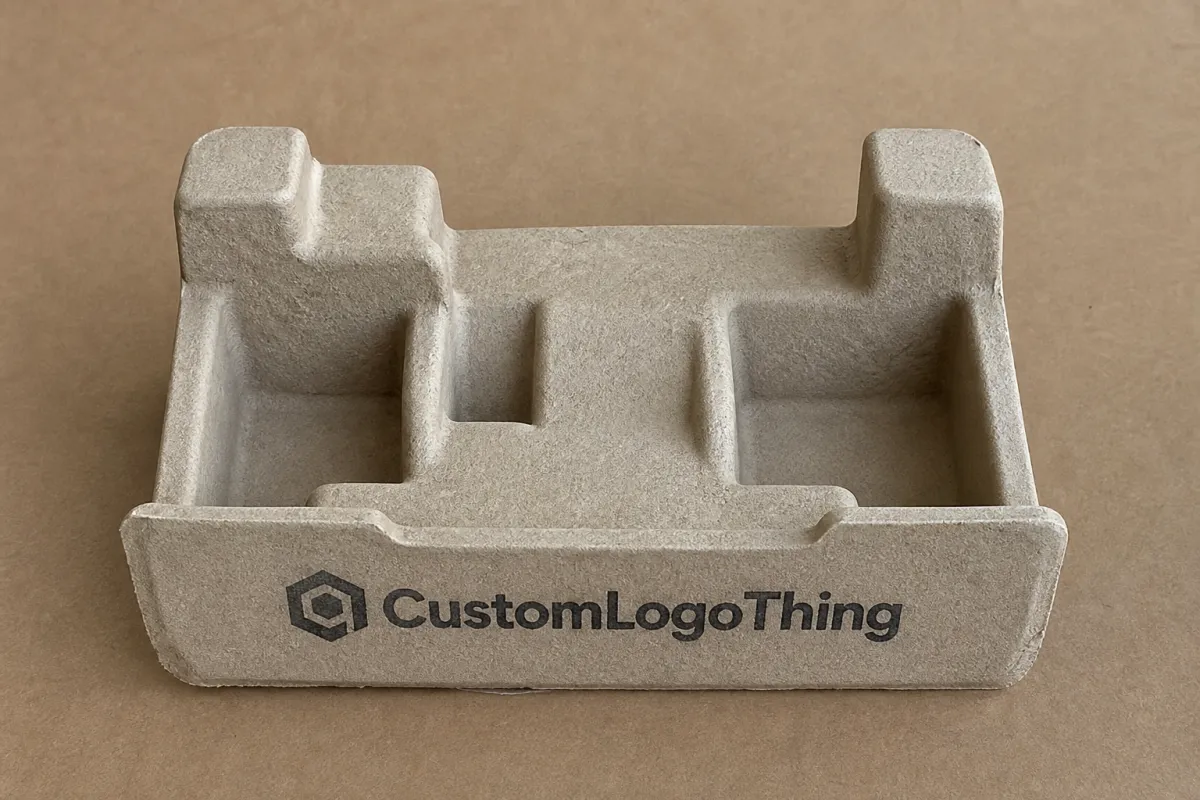
Retail-ready packaging and e-commerce packaging solve different problems. A perfume box meant for a shelf display may have almost no tolerance because the insert holds the bottle upright and the outer face needs visual precision. The same bottle, shipped directly to consumers, may need a thicker corrugated shipper with a molded pulp tray to survive parcel handling. That’s why how to choose box dimensions for products depends on channel as much as on item size. A 50 mL fragrance bottle in a 158 x 58 x 32 mm retail carton can ship beautifully inside a 170 x 70 x 45 mm mailer, but not inside a generic 200 x 100 x 70 mm box without movement.
There are also line realities that never show up in a sketch. Glue flaps need enough room to close without bulging. Tuck flaps need a proper lock point. Inserts can steal 2 mm here and 4 mm there. If a package is meant for automated packing equipment, the tolerances tighten even further, because a machine is less forgiving than a person on a bench. I’ve watched a carton design fail on a semi-auto folder-gluer simply because the score depth made the sidewall spring back 1.5 mm too much after a 12-minute humidity soak. That is the kind of detail that separates theory from how to choose box dimensions for products in the real world.
When a factory sets up a prototype run, the sample tells the truth fast. A die board may say the internal size is 152 x 98 x 45 mm, but once the board is creased, wrapped, glued, and folded, the usable space might behave more like 150.5 x 96.8 x 43.9 mm. That difference can determine whether the product slides in cleanly or gets scuffed at the corners. I’ve seen packaging engineers adjust dimensions three times after a sample table test, and that is normal, not a failure, in how to choose box dimensions for products. In one case, a sample approved on Monday became a 0.5 mm tighter version by Thursday after the board was switched from 300gsm to 350gsm C1S artboard in a plant near Suzhou.
Key Factors That Affect Box Dimensions and Fit
The first factor is the product itself, and the obvious part is not always the whole story. A product may be 140 mm long, 70 mm wide, and 35 mm tall, but if it has a pump nozzle, a loop handle, an irregular shoulder, or a shrink sleeve, the actual packout size can be 8 to 15 mm larger in one direction. A hand sanitizer bottle with a 24 mm pump head may need 12 mm of extra height once it is wrapped and inserted. That’s why how to choose box dimensions for products always starts with the real packaged form, not just the bare item.
Protection needs are the next major variable. A rigid gift box for a ceramic mug may need a paper pulp insert, foam corner blocks, or a corrugated divider, and each of those components changes the final internal space. A soft textile item might only need tissue and a snug mailer, while a glass jar with a metal lid needs more cushion to avoid lid denting and product shift. In practice, how to choose box dimensions for products means deciding how much movement is acceptable, then designing the cavity around that decision. For fragile items, 5 to 12 mm of controlled clearance is often the difference between a clean arrival and a cracked return.
Shipping method matters just as much. Parcel carriers charge by actual weight or dimensional weight, depending on which is higher, so a 280 x 200 x 120 mm carton can cost more than a 260 x 190 x 100 mm carton even if the product weighs the same 450 grams. Freight pallets, on the other hand, reward dense cube utilization and stable stacking. Retail distribution cares about shelf-facing size and case pack efficiency. Each channel changes the answer to how to choose box dimensions for products. For example, UPS and FedEx both calculate dimensional weight on large light parcels, which means a 0.9 kg item in a 14 x 10 x 8 inch box can be billed more like a 2.5 kg shipment if the cube is inefficient.
Brand presentation is often underestimated by operations teams. A box that fits a premium smartwatch with only 2 mm of free space can communicate precision, but that same product in a box that rattles around with 20 mm of extra room feels unfinished. I learned that the hard way during a client visit in Dongguan, where a luxury accessory brand rejected a beautifully printed carton because the product sat slightly too deep and the first lift felt “flat.” Their feedback was about feel, but the root cause was dimensioning. That is a classic lesson in how to choose box dimensions for products. A 1 mm shift in insert depth changed the perceived value of a $220 bracelet kit.
Material choice changes everything. Kraft corrugated boards behave differently than SBS paperboard or wrapped rigid chipboard, and each substrate changes outside size, crush resistance, and folding behavior. A 400gsm chipboard rigid box wrapped in 157gsm art paper may have a luxurious profile, but it also creates wall build-up at the corners. Meanwhile, a B-flute corrugated mailer gives more protection but less refined presentation. If you are serious about how to choose box dimensions for products, you have to consider the material before locking the final number. Even the same 100 x 80 x 50 mm internal spec will feel different in 350gsm C1S artboard than it will in a 32 ECT kraft mailer.
Common material choices and how they affect sizing
| Packaging type | Typical material | Sizing behavior | Best use case |
|---|---|---|---|
| Folding carton | 300-400gsm SBS or C1S | Precise internal fit, but score and tuck details reduce usable space | Cosmetics, supplements, small electronics |
| Corrugated mailer | E-flute, B-flute, or double-wall board | Higher wall thickness, stronger protection, more outside bulk | E-commerce shipping, subscription boxes |
| Rigid box | Chipboard with wrapped paper | Premium look, tighter tolerance needed, wall build-up at corners | Luxury gifts, watches, high-end kits |
| Shipping carton | Corrugated kraft board | Designed for stacking and cube efficiency, not display | Bulk transit, warehouse handling |
One more point: manufacturer tolerances are not a footnote, they are part of the design. A packaging supplier may hold a die-cut tolerance of ±1.5 mm on critical dimensions, but that does not mean every assembled box behaves identically once folded and glued. If you are ordering 5,000 units, that variation matters. The smartest teams approach how to choose box dimensions for products with enough tolerance built in to avoid line stoppages and product damage. A plant in Ningbo may quote a 12-15 business day turnaround from proof approval, but if the spec is too tight by even 2 mm, that schedule can collapse into another proof cycle.
Step-by-Step Guide to Choosing Box Dimensions for Products
The cleanest way to handle how to choose box dimensions for products is to treat it like a small engineering project, not a guess. I’ve seen companies skip straight to artwork, only to discover the packout was wrong after printing 20,000 sheets. That is an expensive lesson, and one that a ruler, a sample, and 30 minutes of testing would have prevented. I’m still a little irritated just thinking about it, especially when the replacement run in Shandong took another 14 business days.
- Measure the product at its true maximum points. Include triggers, caps, corners, folded handles, seams, and anything else that sticks out. If the product is 152.4 mm long at the longest point, write that exact number down. Rounded estimates are where bad sizing begins.
- Add accessories as part of the packed set. If the product ships with a charger, leaflet, spatula, or insert card, measure the full kit as one unit. How to choose box dimensions for products becomes much easier once you stop treating the item as separate pieces. A 90 mm bottle plus a 12 mm dropper cap plus a 1.5 mm leaflet stack is not “just 90 mm.”
- Choose the clearance allowance. A rigid luxury item may need only 1-2 mm for fit, while a fragile glass product may need 5-12 mm depending on cushioning. The right gap depends on product movement, insert type, and how the box will be packed by hand or by machine.
- Convert the product need into internal box size first. This is the part many teams reverse. Internal dimensions should come before external dimensions, because board thickness, wrap build-up, and corrugate flute height all affect the outside footprint. If you start outside-in, how to choose box dimensions for products gets muddy fast. A 150 x 80 x 40 mm internal carton may become 154 x 84 x 44 mm outside once you account for 350gsm board and folded seams.
- Prototype and test the fit. Use a real sample, not just a PDF. Put the product inside, close the box, shake it gently for 10-15 seconds, and check whether the contents move, rub, or create pressure points. That simple bench test catches a lot of sizing errors before full production. In a Guangzhou sample room, I once saw a luxury soap carton fail because the bar shifted 6 mm and wore a scuff line into the inner print.
- Check the closure and the workflow. Can a packer close the box in 3-5 seconds without forcing the tuck? Will the carton still fit a shipping label, bar code, or tamper seal? Does it palletize cleanly at 12 layers high? Good sizing works for the packer, the warehouse, and the carrier.
Here’s a practical example from a small nutraceutical client I worked with. They had a bottle measuring 60 x 60 x 130 mm and wanted a folding carton with an insert. Their first idea was a 62 x 62 x 132 mm internal cavity. On paper it looked fine. In a sample run, though, the bottle caught the top flap because the shoulder taper was wider than expected, so we moved to 66 x 66 x 138 mm internally and reduced the insert cutout depth by 2 mm. That solved the issue without increasing the overall carton size by much. That’s real-life how to choose box dimensions for products work, not theory, and it prevented a second print run that would have cost roughly $0.15 per unit at 5,000 pieces before freight.
If you’re sizing for e-commerce, make sure you also account for shipper fit and label placement. A carton that is perfect for the product may fail in a mailer because the outer shipper leaves no room for a 4 x 6 shipping label or a dunnage pad. In a plant in Guangdong, I watched a pack station slow down by almost 18% because the product box fit the mailer too tightly for the operator to place the label flat. That kind of bottleneck is exactly why how to choose box dimensions for products must include the full packout workflow. A 160 x 110 x 45 mm inner box may need a 180 x 130 x 60 mm shipper just to preserve speed.
After dimensions are set, always validate with a real sample run. If the production line uses a glue gun, auto-folder, or hand pack table, test under the same conditions that will be used in order fulfillment. A dimension that looks flawless at a design desk can become frustrating in a warehouse at 6:00 a.m. with gloves on and a quota on the wall. Good how to choose box dimensions for products decisions respect reality, not just drawings. If proof approval happens on a Tuesday in Shanghai, expect typical production completion in 12-15 business days for a standard folding carton run, not the same afternoon.
How Box Dimensions Impact Cost, Pricing, and Shipping
A box that is 10 mm wider and 15 mm taller than necessary can cost more than you expect, because board area, folding loss, storage cube, pallet density, and shipping rates all move together. Dimensional weight pricing is the big one for parcel shipping. If a carrier charges by volume, a carton that contains a light 300-gram item can still be billed as if it weighs much more simply because it occupies extra air. That’s one of the strongest financial arguments for how to choose box dimensions for products carefully. On a 500-piece launch, the difference between a 210 x 140 x 60 mm mailer and a 190 x 125 x 50 mm mailer can easily change the freight bill by hundreds of dollars.
Material waste is another cost layer. Larger dimensions use more board per unit, which can raise the carton price even before freight is considered. For a high-volume order of 20,000 units, an extra 12 mm in each direction can translate into significant raw material consumption, especially on coated paperboard or printed corrugated. Storage also matters; larger cartons take more shelf space in the warehouse, and that space has a cost whether accounting labels it directly or not. Once again, how to choose box dimensions for products is about total system cost, not just unit carton cost. A warehouse in Rotterdam or Long Beach will charge you for cube one way or another, even if the invoice line item is called “storage.”
Smaller, smarter dimensions can improve pallet density and reduce void fill. I’ve seen warehouse teams go from using 1.2 cubic feet of void fill per 100 orders to 0.4 cubic feet simply by trimming one carton size and standardizing the internal insert. That is a labor savings, a materials savings, and a sustainability win all at once. If your operation ships thousands of units a week, how to choose box dimensions for products can be one of the fastest ways to lower hidden costs. On a 10,000-order month, even a 30-second reduction per pack can free up nearly 83 labor hours.
There is a tradeoff, though. Highly customized dimensions may require tooling or setup costs upfront. A new die line, a special insert tool, or a non-standard board layout can add to the first order. But if the custom size reduces freight waste, speeds packing, and lowers damage, the payback can be very real. I’ve seen a Custom Folding Carton save a skincare brand about $0.18 per unit in combined shipping and filler costs at 5,000 pieces, even though the first-order tooling was higher. That’s why smart teams treat how to choose box dimensions for products as an investment decision, not a guessing game.
Standard sizes still have their place. A stock mailer can be cheaper if the product already fits the common dimensions and the unit volume is low. But if the product wastes 25-30% of the box volume, a custom size often wins over time. Here is a simple comparison:
| Option | Typical upfront cost | Shipping efficiency | Best situation |
|---|---|---|---|
| Stock mailer | Lower, usually no tooling | Moderate, depends on product fit | Small runs, fast launches, test orders |
| Custom carton | Higher, due to setup or die costs | Better cube use and less filler | Ongoing volume, branded presentation, lower freight waste |
| Oversized standard box | Sometimes appears cheaper at first | Poor, often triggers higher dimensional charges | Only acceptable when product variation is extreme |
For brands that ship fragile items, I often recommend looking at the full landed cost, not just the box quote. A $0.22 carton that saves $0.35 in filler and freight is the better buy, even if the unit price looks higher at first glance. This is one of the more practical truths behind how to choose box dimensions for products. A supplier in Vietnam may quote a carton at $0.12 more than a stock alternative, but the net savings can still be $0.40 per shipment once void fill and damage rates are counted.
Common Mistakes When Sizing Boxes for Products
The first mistake is measuring only the product and forgetting the extras. I’ve seen teams size a box for a bottle, then discover the pump, shrink band, leaflet, and insert all together add 14 mm to the packout height. That turns a clean fit into a crushed lid or a forced closure, and it is one of the fastest ways to learn that how to choose box dimensions for products is about the whole system. A 100 mL bottle in a 55 x 55 x 140 mm cavity can turn into a 55 x 55 x 154 mm packout once the cap and leaflet are included.
The second mistake is using outside box measurements from another supplier’s sample. Outside dimensions can be misleading because board thickness, fold style, and adhesive buildup all change the usable inside space. A box listed as 100 x 80 x 40 mm externally might only provide 94 x 74 x 35 mm internally, depending on construction. If you are serious about how to choose box dimensions for products, internal dimensions are the only numbers that matter for fit. That matters even more with 32 ECT corrugated, where flute recovery can shift the final outside size by a millimeter or two.
The third mistake is choosing a box for looks alone. I understand the temptation; a tall luxury carton can feel elegant in a presentation deck. But if the box is too tall for parcel ship rates or too narrow for a clean insert, the pretty design becomes expensive fast. One client in the personal care space approved a gorgeous tall carton, then found it doubled the void fill on their line. That’s a hard reminder that how to choose box dimensions for products requires operational discipline, not just design instinct. A 210 mm tall carton can be lovely on a shelf in Paris and still be a cost problem in FedEx Zone 8.
Ignoring tolerances is another common error. A dimension that seems perfect on a CAD drawing may not survive the real world of humidity swings, paper expansion, or minor cutting variation. Paperboard can shift slightly in damp storage, and corrugated can be affected by flute crush if stacked too tightly. If you’re planning how to choose box dimensions for products, build in a practical tolerance band so the design stays usable across real production conditions. In Guangzhou during the rainy season, I’ve seen a 1 mm score shift become a genuine assembly issue.
Finally, some teams solve a bad sizing decision with too much void fill. That hides the problem but doesn’t fix it. More paper, more air pillows, more kraft, and more labor only mask an oversized box. You still pay for the extra cube, and the customer still sees the empty space. A better approach is to tighten the dimensions at the source, which is exactly what how to choose box dimensions for products should accomplish. A box that needs 25 grams of kraft paper to look full is usually telling you the dimensions are wrong.
Expert Tips for Getting Box Dimensions Right the First Time
My first tip is to work with realistic tolerances. If your product varies by 2 mm from batch to batch, or your supplier’s insert blanks vary by 1 mm, the carton should not be drawn at an almost impossible zero-clearance fit. Give the design enough room to survive a real day on the line. That is one of the most practical lessons I’ve learned in how to choose box dimensions for products. A carton approved at 96 x 64 x 38 mm internal may need a 98 x 66 x 40 mm revision once the first 50 sample units are packed.
Second, use both CAD mockups and physical samples. A digital drawing helps you calculate board usage, but it will not tell you how the product feels when you open the lid, drop the item in, or pull it back out. A sample table with a few finished boxes, a set of calipers, and the actual packed contents is worth far more than a perfect screen render. Good how to choose box dimensions for products decisions are tested with hands, not just software. I like to keep a steel ruler, digital calipers, and a sample of the actual insert on the table before any approval call.
Third, ask your supplier to review the dieline carefully before you approve print. A good packaging engineer will check glue flap clearance, score-to-edge spacing, insert depth, and whether the design leaves room for a security seal or barcode panel. I’ve had suppliers save clients from expensive reprints simply by noticing that a fold line would crush a brand mark on the front panel. That sort of review is central to how to choose box dimensions for products without headaches later. In one case, a supplier in Suzhou caught a 3 mm overlap on a front panel that would have cost a brand about $900 in rework on a 10,000-piece run.
Fourth, standardize where you can. If three of your products can share one mailer size with a small internal insert change, that can reduce SKU complexity, simplify procurement, and make warehouse picking easier. I’ve seen plants improve packing speed by 12-18% after reducing the number of carton sizes on the shelf from nine to five. Sometimes the best answer to how to choose box dimensions for products is not extreme customization, but smart standardization. A 220 x 140 x 60 mm shipper can cover three SKUs if the insert system is designed properly.
Fifth, document the final spec clearly. Use the approved internal dimensions, board grade, insert style, tolerance notes, artwork version, and packing orientation in one shared file. That way purchasing, production, and fulfillment are not guessing six months later. I also recommend listing the verification method, whether it was a fit sample, a drop test, or an ISTA-style transit test. If you want a credible packaging benchmark, the ISTA standards library is a useful reference point for transit testing, and the EPA recycling guidance is helpful when you’re balancing protection with material recovery goals. A clear spec sheet from a plant in Shenzhen or Qingdao can save a second run six months later.
One more honest thought: not every box has to be perfect in every direction. Sometimes a product needs a slightly looser packout to speed assembly, or a slightly deeper box to allow for product variation from a co-packer. The best packaging teams know which compromise is acceptable and which one is not. That judgment call is the heart of how to choose box dimensions for products. A 1.5 mm looser fit may be the smarter choice if it cuts pack time from 9 seconds to 6 seconds per unit.
Next Steps for Finalizing the Right Box Dimensions
Start with a clean measurement sheet. Record the product’s exact length, width, and height at the largest points, then add every accessory, insert, and protective piece that will ship in the final pack. If you work from rough estimates, how to choose box dimensions for products becomes guesswork. If you work from real numbers, it becomes a controlled process. A good sheet should show the bare item, the fully packed item, and the target internal cavity side by side.
Next, choose the packaging format and material before you lock the final dimensions. A folding carton, rigid box, corrugated mailer, and shipping carton all behave differently, and that means the internal and external sizes will differ. Once the structure is known, calculate the internal cavity, then translate that into the manufactured size with board thickness, wraps, and score allowances included. That sequence keeps how to choose box dimensions for products grounded in production reality. For example, a 350gsm C1S folding carton may need a 1.2 mm panel allowance per side, while a rigid box wrapped in 157gsm art paper can need even more at the corners.
Then request a prototype. Put the actual product inside it. Close it. Shake it gently. Stack it with a few other units. If the item moves, if the lid bulges, or if the packer struggles to close it in a consistent motion, revise the numbers before full production. I’ve watched companies save weeks of delays by making that one sample correction early in the process. In my experience, that is the smartest part of how to choose box dimensions for products. A prototype approved on Friday in Dongguan can still be adjusted on Monday before the 5,000-piece run starts.
After the sample passes, compare the size against your freight, pallet, and presentation goals. A beautiful carton that costs too much to ship is not a win. A tiny carton that crushes the product is not a win either. The right decision sits in the middle, where protection, cost, and brand feel all work together. That is the practical end point of how to choose box dimensions for products. If the box loads 28 cases per pallet instead of 24 because the height was trimmed by 6 mm, that can be a meaningful savings over a quarter.
Finally, store the approved specification in a shared packaging document so every reorder matches the same numbers. Include the internal dimensions, material grade, closure style, insert detail, and approval date in the file name or revision history. If you want a sustainability angle, consider FSC-certified board from suppliers aligned with FSC standards, especially if you are trying to support responsible sourcing without sacrificing print quality. When all of that is documented, how to choose box dimensions for products becomes repeatable instead of stressful. A team in Melbourne can hand the same spec to a factory in Shenzhen six months later and still get the same result.
“The best box is the one that protects the product, packs quickly, and ships at the smallest sensible cube. If it looks good too, that’s the bonus.”
At Custom Logo Things, I’d rather help a client get the dimensions right on the first sample than rescue a rushed launch after 10,000 boxes are already printed. That usually means asking harder questions early, testing a little more, and being honest about the tradeoffs between protection, cost, and presentation. If you approach how to choose box dimensions for products with that mindset, your packaging is far more likely to perform the way you hoped it would. A carton approved after proof review in 12-15 business days is a lot easier to live with than a warehouse problem discovered on launch day.
FAQ
How do I choose box dimensions for products that have accessories?
Measure the product and every accessory together as one packed set, not as separate items. Allow enough room for inserts or partitions so the pieces do not rub or rattle during transit. Test the full packout in a sample box before approving production, because a charger, leaflet, or spoon can add 10-15 mm more than the main product alone. If the packed set is 180 x 95 x 42 mm, the internal cavity should be sized around that actual bundle, not the bare product.
Should box dimensions be based on the product size or the shipping size?
Start with product fit, then adjust for shipping requirements and protective materials. A box that works for retail display may not be the best choice for parcel shipping, especially if dimensional weight pricing is part of the freight formula. The final size should protect the product and still keep freight costs under control. A retail carton might be 120 x 60 x 30 mm, while the shipper ends up at 140 x 80 x 50 mm to meet carrier and pack-out needs.
How much extra space should I leave inside a product box?
There is no single rule, because it depends on the product, material, and insert design. Delicate items usually need clearance for cushioning, while sturdy items can fit more tightly. Prototype testing is the safest way to confirm the right amount of internal space, and I’d rather see a 2 mm revision in samples than a 2,000-unit reprint later. A glass item might need 6 mm of buffer, while a rigid cosmetic compact may only need 1-2 mm.
Do custom box dimensions cost more than standard sizes?
Custom dimensions can increase setup or tooling costs, especially for smaller orders. They can also reduce shipping waste, material use, and packaging inefficiency over time. The right choice depends on whether the savings from better fit outweigh the upfront cost, and that math changes a lot between 500 units and 50,000 units. On a 5,000-piece run, a custom carton might add $0.08 in setup-equivalent cost but save $0.20 to $0.40 per unit in freight and filler.
What is the best way to test if my box dimensions are correct?
Use a physical sample with the actual product, inserts, and closure method. Check fit, movement, stacking, and ease of packing during a real workflow test. If the product shifts or the box bulges, revise the dimensions before full production, because that one correction is usually cheaper than fixing the issue after launch. A 10-unit bench test in a plant in Shenzhen or Dongguan will usually reveal the problem faster than a CAD file ever will.
Related packaging resources
Use these related guides to compare specs, costs, quality checks, and buyer decisions before making the final call.