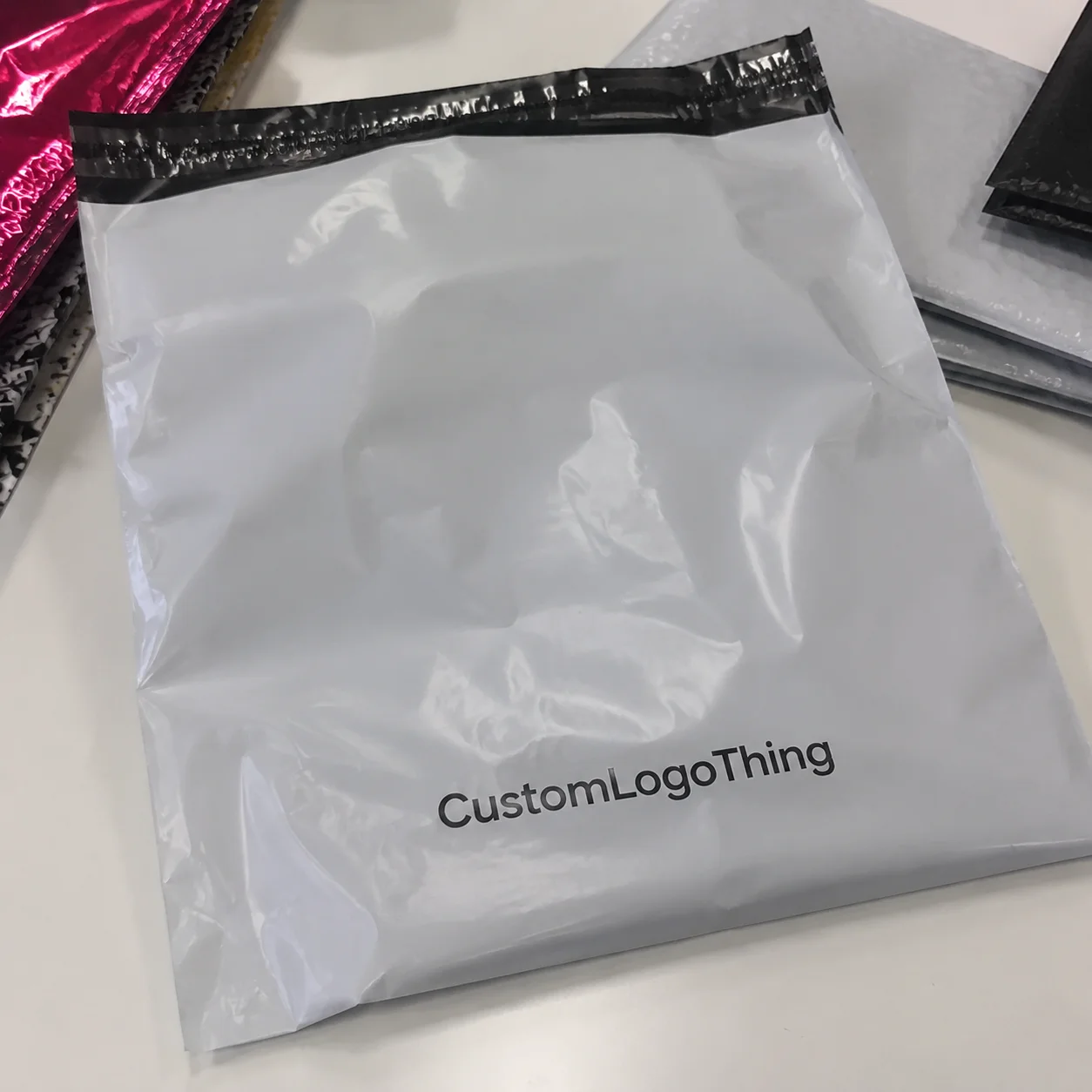
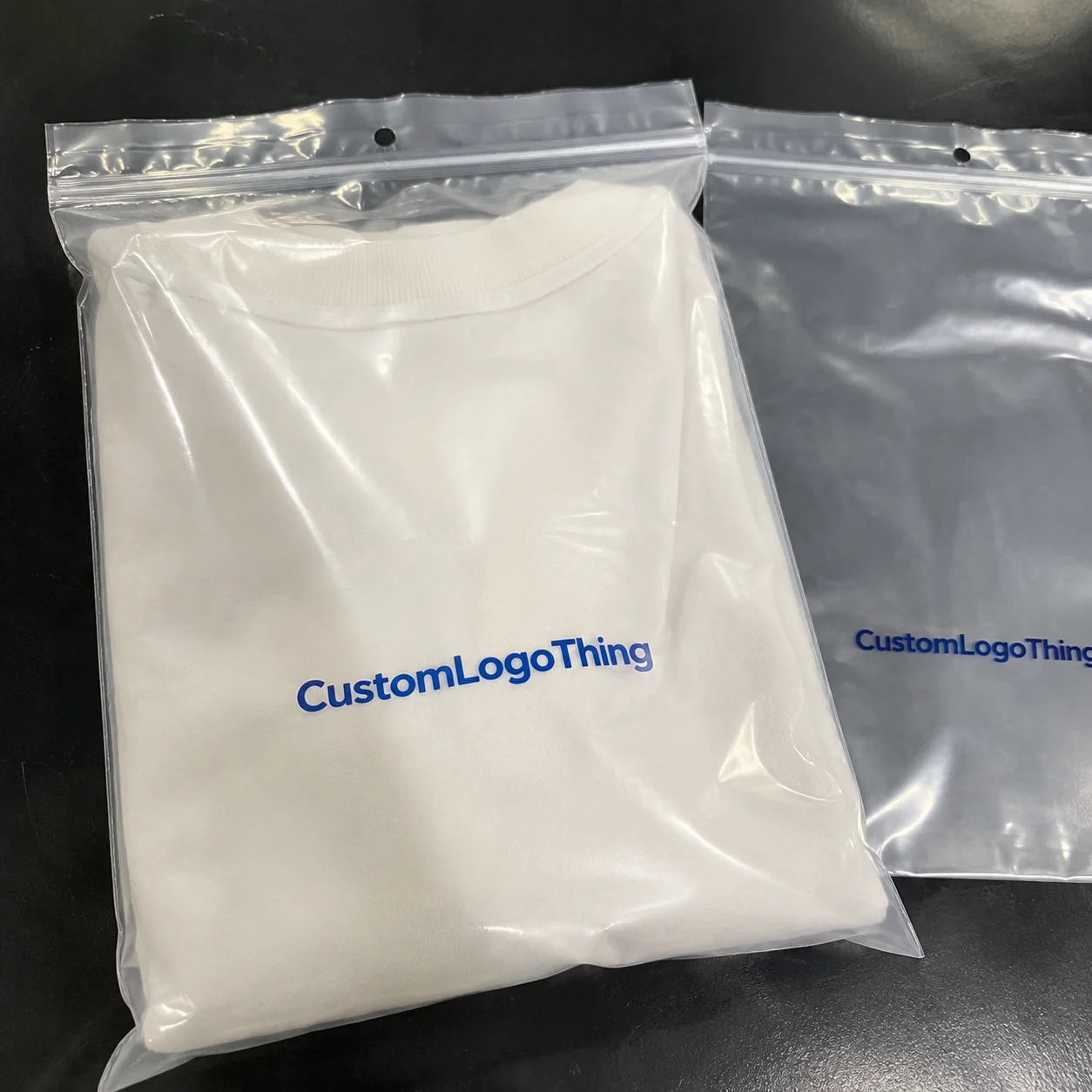
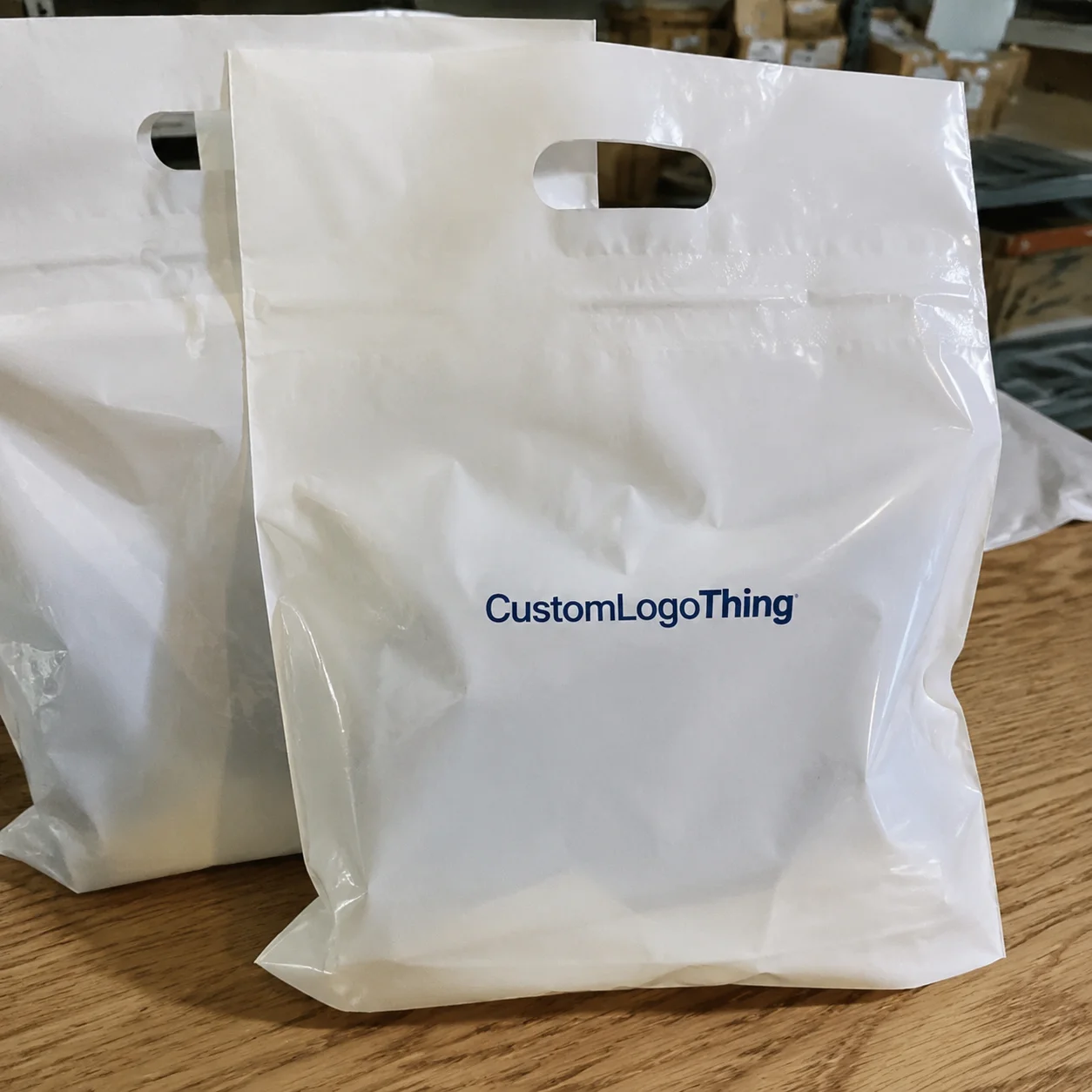
Buyer Fit Snapshot
| Best fit | The Right Packaging Design Manufacturer projects where brand print, material claims, artwork control, MOQ, and repeat-order consistency need to be specified before quoting. |
|---|---|
| Quote inputs | Share finished size, material target, print colors, finish, packing count, annual reorder estimate, ship-to region, and any compliance wording. |
| Proofing check | Approve dieline scale, logo placement, barcode or warning zones, color tolerance, closure strength, and carton packing before bulk production. |
| Main risk | Vague material claims, crowded artwork, missing packing details, or unclear freight terms can make a low unit price expensive after revisions. |
Fast answer: The Right Packaging Design Manufacturer: Material, Print, Proofing, and Reorder Risk should be specified like a repeatable production item. The safest quote records material, print method, finish, artwork proof, packing count, and reorder notes in one written spec.
Production checks before approval
Compare the actual filled-product size with the drawing, then confirm tolerance on folds, seals, hang holes, label areas, and retail display edges. Reserve space for logos, QR codes, warning copy, and material claims before decorative graphics fill the panel.
Quote comparison points
Review material grade, print process, finish, sampling route, tooling charges, carton quantity, and freight assumptions side by side. A quote is only useful when the supplier can repeat the same color, closure quality, and packing count on the next order.
I've spent the better part of two decades walking through manufacturing facilities across three continents—particularly the Greater Toronto Area in Canada, the greater Los Angeles region in California, and the Pearl River Delta in China—and I still remember the first time a client brought me a beautiful mockup that couldn't actually be produced. The design was gorgeous: spot UV, metallic inks, embossing everywhere. But when we sat down with the manufacturer's die specifications at a facility in Dongguan, we realized the whole thing would have to be rebuilt from scratch. That $40,000 mockup became a $90,000 production run because nobody had bridged the gap between the designer's vision and the factory floor realities.
That experience shaped my approach to every packaging project since: Choosing the Right packaging design manufacturer isn't about finding someone who can print boxes. It's about finding a partner who understands the entire journey from your concept to the shrink-wrapped product sitting on a Target shelf. The manufacturer you choose affects your costs, your timeline, your quality, and ultimately, whether your product survives the journey from warehouse to retail floor intact.
What follows is everything I've learned about selecting a packaging design manufacturer—mistakes I've witnessed clients make, questions I always ask now, and the specific details that separate a smooth production run from a nightmare that keeps you up at night.
What Is a Packaging Design Manufacturer and Why Should You Care?
A distinction that trips up a lot of first-time packaging buyers: packaging design manufacturer is not the same thing as a graphic designer or a packaging agency. I've seen clients confuse these roles repeatedly, which leads to misaligned expectations and expensive revisions. The terminology in this industry is intentionally confusing—like we're trying to keep newcomers off-balance.
A packaging design manufacturer is a production facility that takes your design files and physical specifications and transforms them into real packaging. Think of it this way: a designer creates the vision, a manufacturer builds the vehicle. Some firms do both, but many specialize in one side of that equation. When you're evaluating partners, understanding this distinction saves you from asking a printing facility in Shenzhen's Bao'an district to redraw your artwork or expecting a design studio in Chicago's River North neighborhood to run a 50,000-unit production order.
These facilities handle the mechanical side of things: sourcing paperboard from mills in Wisconsin or corrugated materials from facilities in Georgia, operating Heidelberg Speedmaster or Komori printing presses, cutting and folding boxes on Bobst or Autobox die-cutters, applying finishes like UV coating or soft-touch lamination, and coordinating logistics. The better ones also have structural engineers who can suggest modifications to your design that make it more manufacturable—saving you money without sacrificing visual impact. I love it when a manufacturer catches something in prepress that would have caused headaches later. Those people are worth their weight in gold, seriously.
Most people don't realize until they're already deep into a project that the manufacturer you choose affects nearly every decision downstream. Material availability in your region determines which substrates you can realistically use. Production capabilities dictate what finishing options are available. The factory's location influences both your lead times and your shipping costs—for example, shipping from a Los Angeles facility to Portland takes 2-3 days via ground freight, while ocean freight from Shenzhen to the Port of Long Beach adds 14-21 days minimum. When I work with a new client, the first meeting focuses on building backward from the retail shelf to the production floor to the material supplier.
Why does this matter for your brand? Your packaging is often the first physical touchpoint a customer has with your product. Studies from the Paper and Packaging Board consistently show that consumers make snap judgments based on packaging appearance. That $3 tube of lip balm feels premium not because of the product inside—it's the soft-touch coating, the embossed logo, the way the cap clicks shut with satisfying precision. All of that comes from your manufacturing partner's capabilities and their willingness to invest in the details that separate forgettable packaging from unforgettable ones.
The Manufacturing Process: From Concept to Shelf-Ready Packaging
The production journey is nothing like ordering business cards. I've seen startup founders assume that packaging works like printing a flyer—you send a file, wait a few days, and it arrives. That's not how this industry operates, and understanding the phases helps you plan realistically. I still remember my own naivety when I first entered this field. I thought print was print. How adorable of me.
Phase one involves an initial consultation and design review. This stage usually takes one to two weeks. You share your artwork, structural dielines, and product specifications with the manufacturer's prepress team. The best facilities assign a dedicated project manager at this stage—someone who reviews your files and flags potential issues before production begins. We caught a major problem this way last year: a client's dieline had the tuck flap on the wrong side of a cigarette pack-style box, which would have resulted in 10,000 units that couldn't be assembled properly. Can you imagine having to explain that to your CEO? "Sorry, the boxes are technically broken." Yeah, not a fun conversation.
Design review leads to material selection and prototyping. This is where the relationship between you and your packaging design manufacturer becomes critical. The manufacturer's team will suggest substrate options based on your product weight, retail environment, and budget. For a fragile item like artisan candles, I might recommend 14pt coated paperboard with a double-wall corrugated shipper—typically 32ECT E-flute corrugated with a burst test rating of at least 200 psi. For a lightweight supplement bottle, we might use 0.022" chipboard with a litho label instead of direct print. The prototyping phase, which adds one to two weeks, lets you hold physical samples and test things like how the product fits, whether the closure mechanism works, and if the graphics look as good in three dimensions as they did on screen.
Sample approval moves you into production runs and quality control. This is the longest phase, typically running three to six weeks depending on the manufacturer's current workload and your order size. The printing happens in stages: initial setup and color calibration on presses like Heidelberg CX 102 or HP Indigo 12000 digital presses, then the actual print run, then finishing operations like UV coating, embossing, or foil stamping. Quality control happens throughout—during printing, during die-cutting, during assembly. Most facilities I've worked with pull samples every 500 to 1,000 units for inspection, checking for color consistency, glue adhesion, and structural integrity.
A realistic timeline for a typical branded packaging project: Weeks one through two cover consultation and design review. Weeks three and four handle material sourcing and prototype production. Week five is sample approval and final adjustments. Weeks six through eleven cover the actual production run. Week twelve and beyond handles shipping and logistics. That's roughly three months from initial contact to product on a shelf—something worth building into your product launch timeline. Build in more buffer than you think you need. Every veteran in this industry has a "if I'd just started earlier" story.
Key Factors to Consider When Evaluating a Packaging Design Manufacturer
Not all manufacturing partners are created equal, and I've learned to evaluate them across several dimensions before making recommendations to clients. What follows is each factor that should influence your decision. I've made enough bad decisions over the years to know what works. Hopefully you can learn from my mistakes.
Production capabilities and minimum order quantities (MOQs) are often the first filter. Every packaging design manufacturer sets their own minimums, and these vary more than most people expect. A flexo printer specializing in mailer boxes might have a 5,000-unit floor, while a short-run digital printer could accept orders as low as 250 units. I worked with a beauty brand last year that needed only 300 units for a test market in Portland—they were thrilled when we found a digital production partner in the Seattle metro area. But when they scaled to national distribution, they needed to migrate to a facility in the Midwest with lower per-unit pricing, which required retooling and a four-week transition. Understanding both your current needs and your growth trajectory helps you choose a manufacturer who can scale with you.
Material options and sustainability certifications matter more now than they did five years ago. Consumer demand for eco-friendly packaging has pushed manufacturers to expand their sustainable offerings. When I'm evaluating a potential partner, I ask specifically about their FSC-certified paper options, soy-based ink availability, and compostable substrate alternatives. The Forest Stewardship Council certification is one of the most respected credentials—it ensures that the paperboard in your boxes came from responsibly managed forests. Facilities with strong sustainability commitments often have more sophisticated quality control systems in general, since they're accustomed to tracking and documenting material sourcing at a granular level. You get to put that little FSC logo on your packaging, and doesn't that make you feel like you're doing some good?
Cost structure and pricing transparency varies enormously between manufacturers. The cheapest quote isn't always the cheapest project. I always advise clients to ask for itemized breakdowns: what are the setup fees (typically $500-$3,000), tooling charges ($800-$5,000 depending on complexity), material costs per unit ($0.08-$0.45 for standard folding cartons), finishing charges ($0.02-$0.15 per unit for spot UV or foil), and shipping estimates? A manufacturer quoting $0.18 per unit with a $3,000 tooling fee might actually cost more than a competitor quoting $0.22 per unit with only $500 in setup charges—at least at lower quantities. For the brand I'm currently working with in the beverage space, we calculated that at their projected volume of 50,000 units annually, the lower per-unit price saves them $14,000 per year compared to the cheaper setup option. Math is fun when it saves you money.
Location advantages and lead times deserve serious consideration. I've worked with manufacturers on both coasts and overseas, and each has tradeoffs. A local packaging design manufacturer in your region offers faster communication, shorter lead times, and easier sample hand-offs—but often at higher prices. Overseas facilities in Dongguan or Shenzhen can offer dramatic cost savings of 30-45% on materials and labor, but you need to factor in shipping time (two to four weeks by ocean freight from Yantian or Shekou ports), customs complexity (typically 3-5 business days for clearance with proper documentation), and the practical challenges of reviewing physical samples remotely. During the supply chain disruptions of recent years, I've seen clients who had localized production partners in the greater Chicago area or Dallas-Fort Worth region weathering storms much better than those dependent on overseas manufacturing. There's something to be said for being able to drive to the factory when things go sideways.
Comparing Production Capability by Manufacturer Type
To help you evaluate different manufacturer categories, here's a breakdown of typical capabilities and tradeoffs:
| Manufacturer Type | Typical MOQ | Per-Unit Cost Range | Lead Time | Best For |
|---|---|---|---|---|
| Digital Print Short-Run | 250 - 1,000 units | $0.45 - $1.20 | 7-14 days | Test products, limited editions, regional launches |
| Offset Litho (Mid-size) | 2,000 - 10,000 units | $0.22 - $0.65 | 3-5 weeks | Growing brands, multi-SKU products |
| Flexo/Gravure (Large Volume) | 10,000+ units | $0.08 - $0.35 | 6-10 weeks | National distribution, high-volume CPG products |
| Hybrid/Integrated (Full Service) | 1,000 - 50,000 units | $0.18 - $0.55 | 2-6 weeks | Brands needing prototyping through fulfillment |
These ranges vary based on complexity, materials, and finishing options, but they give you a baseline for comparison. When you're receiving quotes, ask which production method the manufacturer uses—digital, offset, or flexo—and how that affects both pricing and capability constraints. If they can't explain their production method in terms you understand, that's a red flag. You shouldn't need a degree in printing technology to understand what you're paying for.
Step-by-Step: Working with a Packaging Design Manufacturer
I've guided dozens of brands through the production process, and the smoothest projects always share one thing in common: clear preparation before production begins. What follows is the Practical Steps That make or break a packaging project. Honestly, the brands that prepare well make my job look easy—and I'm okay with that.
Preparing your design files and brand guidelines is where the most preventable problems emerge. Your packaging design manufacturer needs print-ready files—not flattened JPEGs, not low-resolution exports. Typically, this means Adobe Illustrator or PDF format with embedded fonts, CMYK color values, and proper bleed areas extending at least 1/8" beyond the final trim line. I recommend organizing your files with a layered structure: one layer for artwork, one for structural dielines, and one for text that needs editing. When a client sends me a single flattened PDF with the text converted to outlines, I know we're in for extra prepress time and potential revision charges. I sigh. Loudly. Usually while rubbing my temples.
Brand guidelines matter because they ensure consistency across different packaging formats and future production runs. When you send your packaging design manufacturer your color palette as Pantone values (not just RGB approximations—specify Pantone 187 C for your primary red, for instance), your logo in vector format, and explicit instructions about what can and cannot be modified, you reduce back-and-forth during production. I've worked with a health supplement brand that sends a complete brand manual with every new SKU—color verification chips, approved typography, even forbidden layout approaches. That documentation cuts weeks off their approval timeline. They're the exception, not the rule, unfortunately.
Requesting quotes and comparing offerings requires asking the right questions. Beyond the basic per-unit price, I always ask about setup fees (typically $500-$2,500 for offset, $100-$300 for digital), tooling amortization (usually spread across the first 10,000-25,000 units), sample costs ($50-$500 depending on complexity), and payment terms (commonly 50% deposit, 50% before shipping). I've learned to get quotes in writing with validity periods—some materials have volatile pricing, and a quote valid for 30 days might expire right when you're ready to approve. The manufacturer should also specify what's included in the quoted price: do they include prepress proofing? Proof approvals? Shipping to your warehouse in Nashville or just to their dock in Columbus?
Hidden costs often appear later in the process. Setup charges for additional colors beyond the standard four-color process ($300-$800 per additional color). Rush premiums if your timeline is tight (25-50% for 2-week acceleration). Proof revisions beyond the first included round ($75-$200 per revision). Shipping and handling fees that can add 10-20% to the final invoice. When I review quotes for clients, I use a spreadsheet that breaks down every line item—this often reveals that a seemingly higher quote from a full-service packaging design manufacturer actually costs less than a stripped-down quote from a bare-bones printer once all the extras are factored in. I've seen clients get seduced by a beautiful low number on the page, only to cry when the final invoice arrives. I've been that crying client before. We're all learning here.
Approving samples and prototypes is your last chance to catch problems before they become expensive. During the prototype phase, request physical samples with actual materials and printing—not just digital proofs. I've seen digital on-screen proofs look perfect while the physical sample revealed that the metallic ink didn't have enough coverage to create the effect the designer intended. When reviewing samples, check the following: Does the product fit snugly without rattling? Does the closure mechanism work smoothly? Do the colors match your approved artwork within acceptable tolerance (usually +/- 5% for commercial printing)? Is the structural integrity sufficient for your handling and shipping conditions?
For products that will be shipped directly to consumers, I recommend requesting a drop test or compression test if your packaging design manufacturer offers these services. During the pandemic, I worked with a meal kit company whose packaging looked stunning in samples but collapsed during simulated shipping tests—thousands of units would have arrived damaged without that validation step. We fixed it by adding a slight wall thickness from 0.018" to 0.024" chipboard and switching to a different adhesive (Henkel Technomelt Supra Edge instead of standard hot melt). Crisis averted, lessons learned.
Finalizing production and shipping logistics requires coordination. Your packaging design manufacturer should provide a production timeline with milestone dates: material arrival, print approval, die-cutting complete, gluing in progress, QC inspection, palletization, and ship date. Build buffer time into your schedule—I've never seen a production run go exactly according to plan, and having a week of slack prevents emergency calls to your manufacturer at midnight. True story: I've gotten that 11pm call more times than I can count. "The glue isn't setting right." "The color looks off on the second shift." You learn to keep your phone on loud during production runs.
For shipping, clarify who manages logistics. Some manufacturers offer in-house fulfillment, which can simplify tracking but may cost more than third-party logistics providers. Others expect you to arrange freight pickup. When you're comparing options, get shipping estimates in writing—it typically adds 8-15% to your total cost for domestic ground shipping of palletized boxes from facilities in the Northeast corridor to the Southeast, with international freight potentially adding 25-40% depending on destination and urgency.
Common Mistakes to Avoid When Choosing a Packaging Design Manufacturer
Over the years, I've watched clients stumble into pitfalls that were entirely preventable with better upfront planning. The mistakes I see most frequently so you can sidestep them. Consider this my gift to you—learn from my pain.
Focusing only on price rather than total value is the first major mistake. I've seen brands choose manufacturers based purely on the lowest per-unit quote, then discover hidden costs that tripled their actual spend. One client chose a manufacturer who quoted $0.15 per box for their 50,000-unit order—impressive until we added in the $4,500 tooling fee, $800 setup per color beyond CMYK, $1,200 for proofs they didn't include, and $3,400 shipping to their Midwest distribution center. Their actual cost was $0.38 per unit, nearly triple the quoted price. Meanwhile, a competitor quoted $0.28 per unit with all those fees included—the total project cost was 26% lower despite the higher unit price. Let me say that again for the people in the back: the lower quote was more expensive. I cannot stress this enough.
Ignoring material quality and sustainability credentials is the second mistake that causes problems. This one's become more critical as consumer expectations shift. In the premium food space, I've watched brands launch with beautiful packaging that used virgin materials from unknown sources, only to face backlash when sustainability-focused customers researched their choices. A packaging design manufacturer worth your business should have certifications they can document: FSC chain of custody, ISO 9001 quality systems, even compostability certifications from recognized testing laboratories like Bureau Veritas or Intertek. Ask for documentation, not just claims. Anyone can claim to be sustainable. Not everyone can prove it.
The third mistake: not verifying production capabilities beforehand. This causes more project failures than almost any other factor. I always ask potential manufacturers to walk me through their equipment—literally what presses they operate (Heidelberg, Komori, Ryobi, HP Indigo), what finishing capabilities they have in-house versus outsourced. A manufacturer in Dallas might offer competitive pricing but outsource their foil stamping to a partner in Houston, adding two weeks and quality control complications to your project. I ask specifically: "Can you produce this in-house, or will parts of the work go elsewhere?" The answer matters. A lot.
The fourth mistake: underestimating lead times and shipping complexity. Even experienced brand managers get caught off guard by this one. The standard production timeline for a full-color folding carton runs four to six weeks after design approval—but that's just the production window. Planning backwards from a product launch date, you need to account for initial consultation (one to two weeks), design refinement (variable), material sourcing (one week), prototype production (one to two weeks), approval cycles (one week), production (three to six weeks), quality control (three to five days), and shipping (one to three weeks domestically, 3-5 weeks internationally). That "simple packaging project" might need four months of runway. Four months! I know, it sounds absurd. But I've seen the scramble when people don't believe me.
"The biggest surprise I give clients is the timeline reality check. When they say they need packaging in six weeks, I explain that means they've already lost the window for standard production. Rush orders typically carry 25-50% premiums and may sacrifice quality control steps we normally follow."
I've worked with consumer electronics brands who launched products without building adequate packaging lead time into their product development schedule, then scrambled to pay rush premiums that exceeded what they saved by delaying the decision. The lesson: packaging timeline planning should start the same day you start designing the product. I wish someone had told me this fifteen years ago. Would have saved me a lot of gray hairs.
Expert Tips for a Successful Packaging Design Manufacturer Partnership
After two decades in this industry, here are the practices I've found most valuable for building strong relationships with manufacturers and producing consistently excellent packaging. Some of these are obvious, some are lessons that cost me money to learn. You're welcome.
Building relationships with account managers sounds like soft advice, but it has concrete value. When your account manager knows your brand, your products, and your preferences, they can anticipate problems before they arise. I've maintained relationships with specific account representatives for over ten years at various manufacturers, and the difference shows: they flag potential issues during prepress without being asked, they give me realistic timelines rather than optimistic estimates, and they escalate problems quickly when they occur. On the flip side, being a reliable client—paying on time, providing complete files, responding to approvals promptly—means you're not the account that gets deprioritized during busy periods. Be the client people want to work with. It's not complicated, but it does require some effort.
Requesting material samples before committing has saved me from expensive mistakes. Materials behave differently than they appear in digital swatches or even physical catalogs. The matte coating that looks elegant in a sample might show fingerprints too easily for a product that gets handled frequently. The recycled paper that feels right might not hold up during high-humidity storage in Florida or Georgia summers. I always order sample books from potential manufacturers—full sheets showing actual print results with various coatings like soft-touch (SkinTouch or similar), aqueous, and UV, plus substrates like 350gsm C1S artboard, 16pt SBS, and 100% recycled chipboard—and I test them against the specific conditions the packaging will face: humidity (testing at 80%+ RH), temperature extremes (-10°F to 120°F range), physical handling (simulated 50-cycle rub test), and light exposure (minimum 100 hour xenon arc exposure). This step is tedious, I won't pretend otherwise. But it's way less tedious than reprints.
Planning for scalability from the start prevents painful transitions later. When you're starting with an order of 2,000 units, think about what happens at 20,000 units or 200,000 units. Some packaging design manufacturers who serve small brands simply can't scale—they don't have equipment for larger runs, or their pricing doesn't improve with volume. I've seen brands forced to completely retool their packaging when they outgrew their initial manufacturer in Southern California, because the new facility in Ohio used different machinery that required different dielines. Ideally, choose a partner who can grow with you, even if your early orders don't take advantage of their full capabilities. If they can't grow with you, at least negotiate dielines that can be adapted. I learned that one the hard way too.
Maintaining clear communication throughout production isn't optional—it's essential. Establish a single point of contact, set expectations for communication frequency, and define escalation procedures for problems. I've standardized on weekly status updates during active production, with same-day notification if issues arise. When problems do occur—and they will—approach them collaboratively rather than adversarially. The best outcomes come when both parties treat production challenges as shared problems to solve rather than blame to assign. I've seen partnerships blow up over a misaligned expectation. It's never pretty. Both sides end up losers.
Documentation in writing has become a non-negotiable practice for me. Verbal agreements about specifications, pricing, or timelines become ambiguous under production pressure. Every significant conversation gets followed up with an email summary. Every approval gets written confirmation. Every change order gets signed acceptance. This overhead pays for itself the first time there's a dispute about what was promised versus what was delivered. I've been in that uncomfortable conversation where someone says "but we agreed" and there's nothing in writing. Don't be that person.
How Do You Choose the Right Packaging Design Manufacturer for Your Brand?
Selecting a packaging design manufacturer requires balancing multiple variables: your budget constraints, timeline requirements, quality standards, and growth projections. Here's my framework for making this decision systematically.
Start with your non-negotiables. Before evaluating any packaging design manufacturer, define what you absolutely cannot compromise on. Is it price? Lead time? Sustainability certifications? Certain finishing capabilities like soft-touch lamination or metallic foil stamping? These constraints immediately narrow your candidate pool to facilities that can actually serve your needs. I've worked with CPG companies that insisted sustainability didn't matter, then faced retailer requirements for FSC certification mid-project—that's a painful position to be in.
Evaluate communication responsiveness during the quoting phase. This is an underrated predictor of how a manufacturer will perform during production. The packaging design manufacturer who responds to your inquiry within hours, provides thorough answers to your questions, and proactively shares relevant information during quoting typically maintains that communication quality throughout the project. The one who takes three days to respond or gives vague answers to specific questions? That behavior tends to persist. I've used quote response time as a filtering criterion for years, and it's served me well.
Request facility tours when possible. Seeing equipment, meeting teams, and observing workflows provides insights that quotes and portfolios can't convey. During a facility tour, observe: How organized is the production floor? Do employees seem engaged or disengaged? How is quality control integrated into the process? Are there visible systems for tracking orders? I toured a facility in Ontario last year where the production floor was immaculate, every workstation had clearly posted quality standards, and the QC manager could walk me through their defect tracking database in real-time. That facility has become my go-to recommendation for clients in the Canadian market.
Check references specifically relevant to your project type. A manufacturer might have excellent references from clients who ordered simple mailer boxes, but that doesn't guarantee competence with rigid setup boxes or multi-component packaging. Ask for references in your product category or with similar complexity. I've learned to ask: "Have you produced packaging similar to mine, and what were the biggest challenges you encountered?" The answer tells you more than a generic endorsement.
Frequently Asked Questions About Packaging Design Manufacturers
What does a packaging design manufacturer actually do?
A packaging design manufacturer handles the production of your packaging materials, from sourcing raw materials to printing, die-cutting, and finishing. They bridge the gap between your design concepts and physical packaging that reaches store shelves or customer doors. Most manufacturers offer additional services like prototyping, material recommendations, and logistics support. Think of them as your production partner who translates creative vision into tangible, shelf-ready packaging that protects your product and communicates your brand identity. The terminology is still confusing. I get it. We're all just trying to do our best here.
How much does working with a packaging design manufacturer cost?
Costs vary widely based on materials, quantities, complexity, and finishing options. Most manufacturers have minimum order quantities that typically range from 500 to 5,000 units depending on the product type. Request itemized quotes that break down tooling (typically $800-$4,500), materials ($0.05-$0.30 per unit depending on substrate), labor ($0.03-$0.15 per unit), and shipping to compare apples-to-apples. For a standard four-color folding carton on 16pt C1S stock, you might see per-unit costs ranging from $0.18 at high volumes of 25,000+ units to $0.90 for short runs under 500 units. Setup fees, tooling charges, and shipping can add 30-50% to the base unit price, so always get total project costs, not just per-unit rates. This is a lot of numbers. You don't need to memorize all of them. Just remember to ask for the full picture before signing anything.
What's the typical production timeline for custom packaging?
Most full-service packaging design manufacturers quote four to six weeks for standard production runs after design approval, but that's just one piece of the puzzle. From initial inquiry to product on shelf, you're typically looking at three to four months. The pre-production phases—consultation, design review, material selection, and prototyping—usually take five to eight weeks combined. International orders can easily stretch to five months when you factor in ocean freight and customs clearance. If you're working with a startup accelerator timeline where "move fast and break things" is the motto, you're gonna need to either start the packaging conversation way earlier than you think necessary or budget for rush premiums that can run 25-50% above standard pricing. There's no magic shortcut here, unfortunately.
How do I know if a manufacturer can handle my specific project requirements?
The best approach is a two-pronged strategy: ask detailed questions and request evidence. When you're vetting a potential packaging design manufacturer, ask specifically about equipment (what presses, what finishing capabilities), ask about similar projects they've completed (can they show you samples?), and ask about capacity (are they going to prioritize your job or are you a small fish in a big pond?). I've found that manufacturers who are genuinely confident in their capabilities will eagerly share portfolio examples and offer facility tours. The ones who get defensive or give vague responses? That's usually a sign they're in over their heads. Trust your gut here—if something feels off during the conversation, it's probably gonna be worse during production.
Can I work with a manufacturer overseas, or should I stick with domestic production?
Both options work, depending on your priorities. Domestic manufacturers—facilities in your home country or region—offer faster communication, easier sample review, and typically tighter quality control because you can visit unannounced. The tradeoff is cost: domestic production runs 30-50% higher than comparable overseas manufacturing, at least for labor-intensive work. Overseas facilities in China, Mexico, or Southeast Asia can offer significant savings, but you need to factor in shipping time (often four to six weeks by ocean freight), currency fluctuation risk, and the practical challenge of reviewing physical samples through photos and video calls. During my career, I've used both approaches depending on the project. For high-value products where quality control is critical, I prefer domestic. For straightforward, high-volume runs where price is the primary driver, overseas manufacturing often makes more sense. The choice isn't universal—it depends on what matters most for your specific situation.